Optimising for ChatGPT Search: SEO Strategies for Healthcare Websites
With the recent release of ChatGPT’s search functionality, businesses, especially in niche industries like healthcare, are exploring how to optimise their content for this innovative search tool. Unlike traditional search engines like Google or Bing, ChatGPT search relies on advanced language models, understanding not just keywords but also the context and semantics of user queries. In this blog, we’ll dive into effective strategies to help your content rank higher on ChatGPT search, specifically tailored for healthcare marketing needs.
Key Differences Between Traditional Search and ChatGPT Search
Before diving into specific strategies, it’s essential to understand how ChatGPT search differs from traditional search engines:
Content Quality and Relevance
Traditional search engines prioritise keyword optimisation and backlink profiles, while ChatGPT focuses on contextually relevant, semantically rich content that aligns with natural language patterns.
Structured Data and Metadata
Traditional search engines use structured data and metadata for better visibility, whereas ChatGPT relies heavily on the actual content’s coherence and comprehensiveness, with less emphasis on metadata.
User Engagement Metrics
Traditional search engines measure success through metrics like click-through rates and dwell time. ChatGPT, however, is independent of such metrics, instead prioritising the relevance and quality of the information themselves; businesses, particularly in healthcare, need to adapt their SEO strategies to optimise for ChatGPT search while maintaining the fundamentals for traditional search engines.
1. Focus on High-Quality, Contextually Rich Content
ChatGPT search is designed to understand nuanced language and provide answers based on context. Here’s how to create content that meets these criteria:
Depth of Information: Unlike Google, which may prioritise keyword density and backlinking, ChatGPT values content that provides comprehensive answers to user queries. For instance, if you’re writing about “patient engagement strategies in healthcare,” go beyond surface-level details. Provide in-depth, actionable insights on how to implement these strategies effectively.
Semantic Richness: Ensure that the content is rich in language that users naturally use. Instead of stuffing keywords, use variations and synonyms to describe the same concept. For example, use terms like “patient interaction,” “patient communication,” or “patient experience” interchangeably.
Conversational Tone: Write in a conversational, natural tone that matches how users might ask questions. ChatGPT favors content that reads naturally and closely resembles human dialogue, as this aligns with the model’s training data .
2. Align with User Intent
ChatGPT search is built to respond to user intent, so it’s crucial to tailor your content accordingly:
Understand User Queries: Utilize tools like Ubersuggest and Answer the Public to research what healthcare-related questions people are asking. For example, “How can patient engagement increase clinic visits?” is a common question that could guide your content’s focus.
Address Common Pain Points: Identify the problems that your audience frequently encounters. If your target audience is healthcare providers, discuss specific issues they might have, such as managing patient engagement, improving hospital reviews, or boosting patient trust through digital platforms.
Optimize for Long-Tail Keywords: ChatGPT performs well with detailed, long-tail keywords that mirror natural speech. For example, instead of just “healthcare marketing,” consider phrases like “how to improve patient engagement in healthcare marketing” .
3. Keep Content Ad Up-to-Date
ChatGPT prioritises current and credible information, so maintaining up-to-date content is critical:
Regular Updates: Regularly refresh your content with the latest insights, statistics, and trends in healthcare marketing. An updated article on “Healthcare Marketing Strategies for 2024” is more likely to rank than an outdated 2022 version.
Ensure Factual Accuracy: Since healthcare information is sensitive, accuracy is paramount. Double-check all facts, figures, and claims with reputable sources like medical journals or government health sites. ChatGPT rewards credibility and may demote content that contains outdated or misleading information .
Work with HMS Consultants
Need a clear plan to grow brand visibility, patient footfall and revenue? Explore Hospital Marketing Strategy Consulting.
See Hospital Marketing Strategy ConsultingBook a free 30-min call
4. Encourage Positive Review
Though ChatGPT doesn’t rely on traditional metrics like backlinks or engagement rates, having a reputable online presence can improve your standing:
Customer Reviews: Positive reviews on platforms like G2, TrustPilot, and healthcare-specific forums can enhance your brand’s credibility. Encourage satisfied clients to share their experiences online.
Expert Recommendations: When healthcare professionals or industry experts mention or recommend your brand, it signals to ChatGPT that your content is credible. Consider building relationships with influencers or thought leaders in the healthcare industry who might refer to your business in their content .
5. Leverage Social Media for Brand Visibility
A social media presence can indirectly boost your authority, making your brand more recognisable to ChatGPT’s search algorithms:
Engage on Multiple Platforms: Share valuable healthcare insights across LinkedIn, Twitter, and Facebook to build a following. Consistent social media engagement shows that your brand is active and invested in the healthcare community.
Content Sharing: Encourage your network to share your healthcare marketing articles or resources. Even though ChatGPT doesn’t use social signals as traditional SEO would, these mentions reinforce your brand’s visibility and authority online .
6. Optimise for Natural Language and Conversational content
GPT processes content differently than Google, so optimising for a conversational tone and natural language is crucial:
Use FAQs and Answer-Based Content: Craft content that directly answers common questions, making it easier for ChatGPT to understand the context and provide direct answers. An FAQ section, for example, on “How can hospitals improve patient retention?” would align well with ChatGPT’s search behavior.
Implement a Q&A Format: This is particularly effective for healthcare providers, as patients often search with specific questions. Organize your content to answer questions clearly, making it easy for ChatGPT to parse and present relevant information.
7. Ensure Your Content Reflects Real Expertise
ChatGPT’s lael values content from trustworthy sources, particularly in areas as critical as healthcare:
Establish Thought Leadership: Regularly publish articles, case studies, or white papers that demonstrate your expertise in healthcare marketing. Content from recognized experts or companies often ranks better in AI-driven searches.
Highlight Credentials: For healthcare businesses, displaying credentials or affiliations with reputable institutions can add credibility. For example, mentioning partnerships with known healthcare organizations can enhance trustworthiness .
Conclusion
While optimizing for ChatGPT search shares some similar SEO strategies, it requires a more refined approach that prioritizes conversational language, context, and credible, up-to-date information. As a healthcare marketing professional or organization, these adjustments can increase the visibility of your content, ensuring that it resonates with ChatGPT’s unique processing methods and, ultimately, reaches the right audience.
For healthcare providers, clinics, and marketers looking to leverage the latest in digital tools, understanding and adapting to ChatGPT’s approach could be a valuable step forward in the evolving world of SEO.
By focusing on content quality, user intent, conversational language, and authority-building strategies, you can stay ahead of the curve and make your mark in ChatGPT’s new search landscape.
Sources:
- Neil Patel – Ubersuggest and Keyword Research Tools
- WebFX – Content Accuracy and SEO
- CopyBlogger – Brand Mentions and Authority
- Axonn – Importance of Content Updates
- Answer the Public – Understanding User Intent
- TrustPilot and G2 – Role of Customer Reviews
- Axonn – Value of Social Media Presence
- SEMrush – Natural Language Optimization
“Knowing is Knowing, Doing is Doing”
is something we strongly believe in, which means ‘Knowledge without application is the same as having no knowledge at all
Akhil Dave
Principle Consultant
Ready to take your healthcare marketing to the next level?
Fill out the form below, and our consultant will contact you for a detailed, personalised consultation.
Festive Season Marketing for Doctors and Clinics: Lessons from Google’s 2026 Playbook
What Google and YouTube’s 2026 festive playbook means for doctors and clinic owners: how patients discover, research and trust doctors…
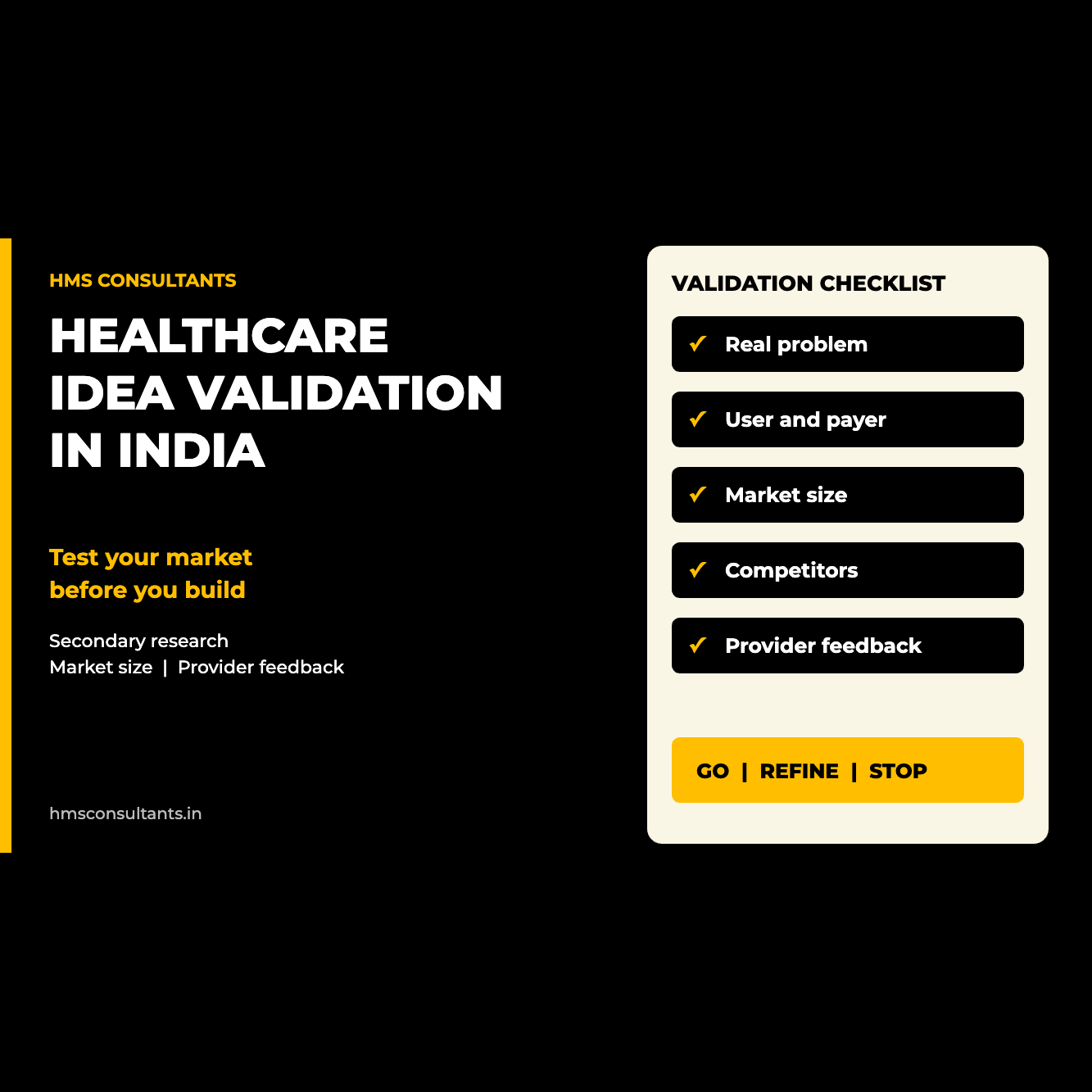
Healthcare Market Validation in India: How to Test Your Idea Before You Build (2026)
Healthcare Market Validation in India: How to Test Your Idea Before You Build (2026) Author Akhil Dave Published on October…
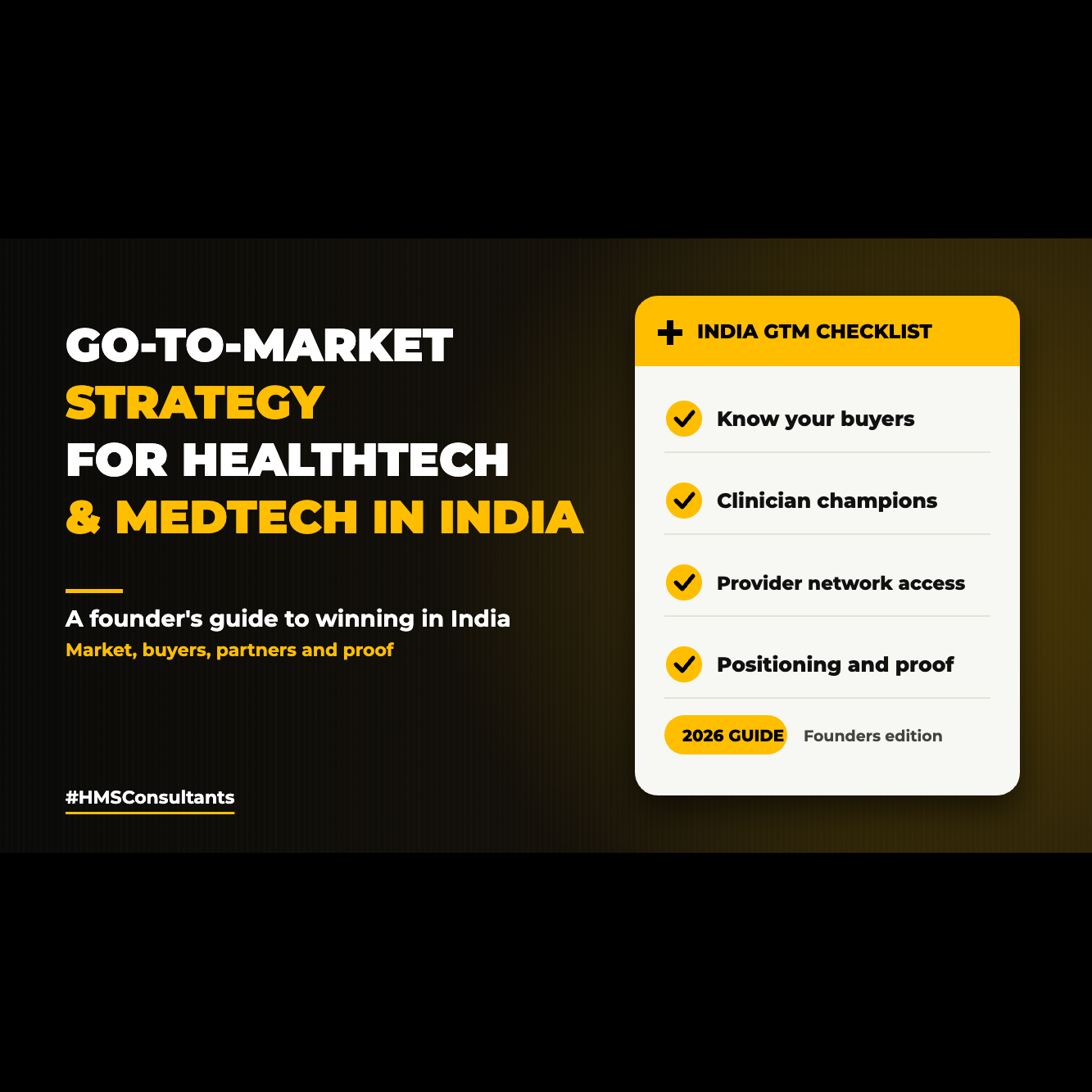
Healthtech and Medtech Go-to-Market Strategy in India: A Founder’s Guide (2026)
A founder guide to healthtech and medtech go-to-market strategy in India: buyers, clinician champions, pilots, partners and a 90-day plan.
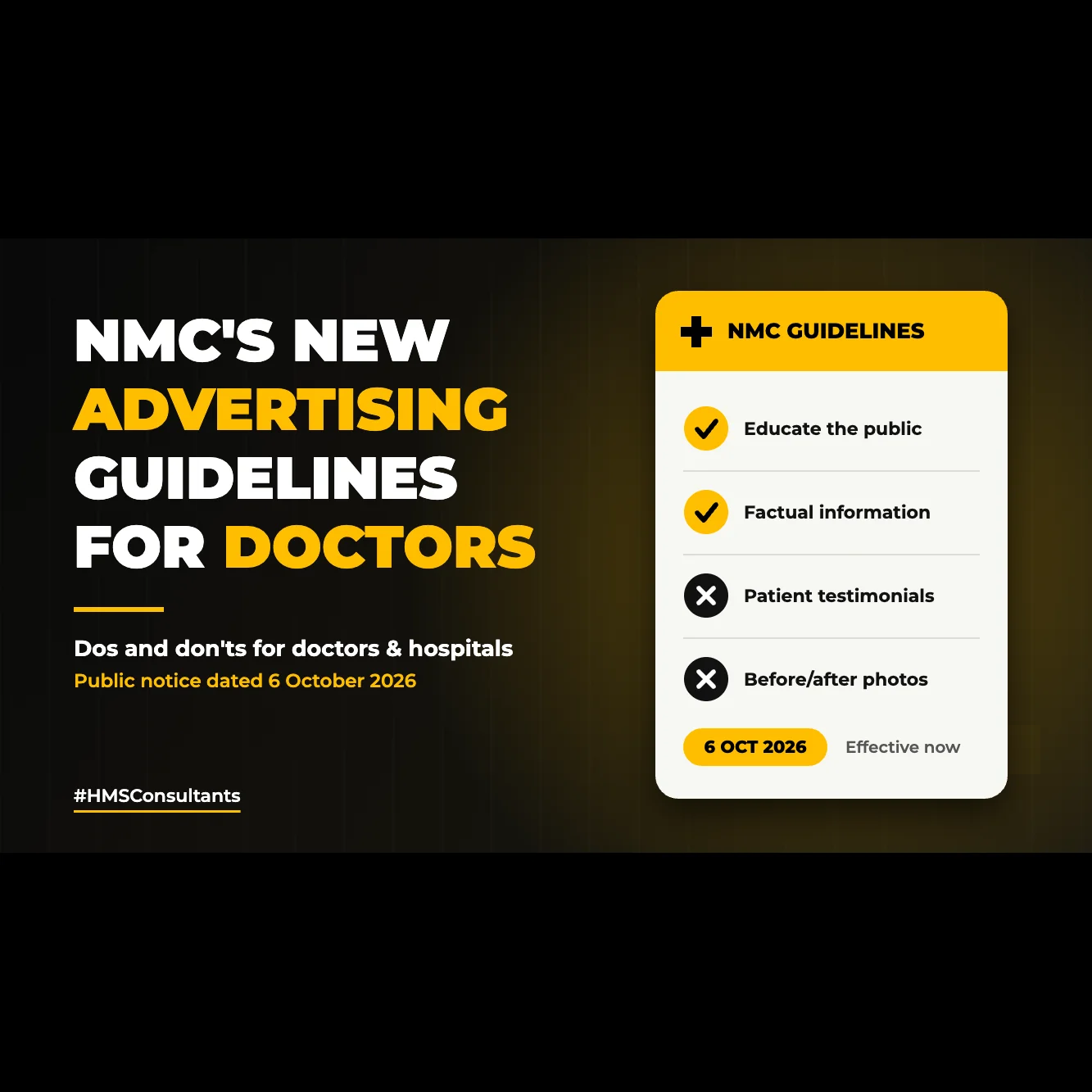
NMC Advertising Guidelines 2026: A Complete Compliance Guide for Doctors and Hospitals
NMC Advertising Guidelines 2026: A Complete Compliance Guide for Doctors and Hospitals Author Akhil Dave Published on October 9, 2026…
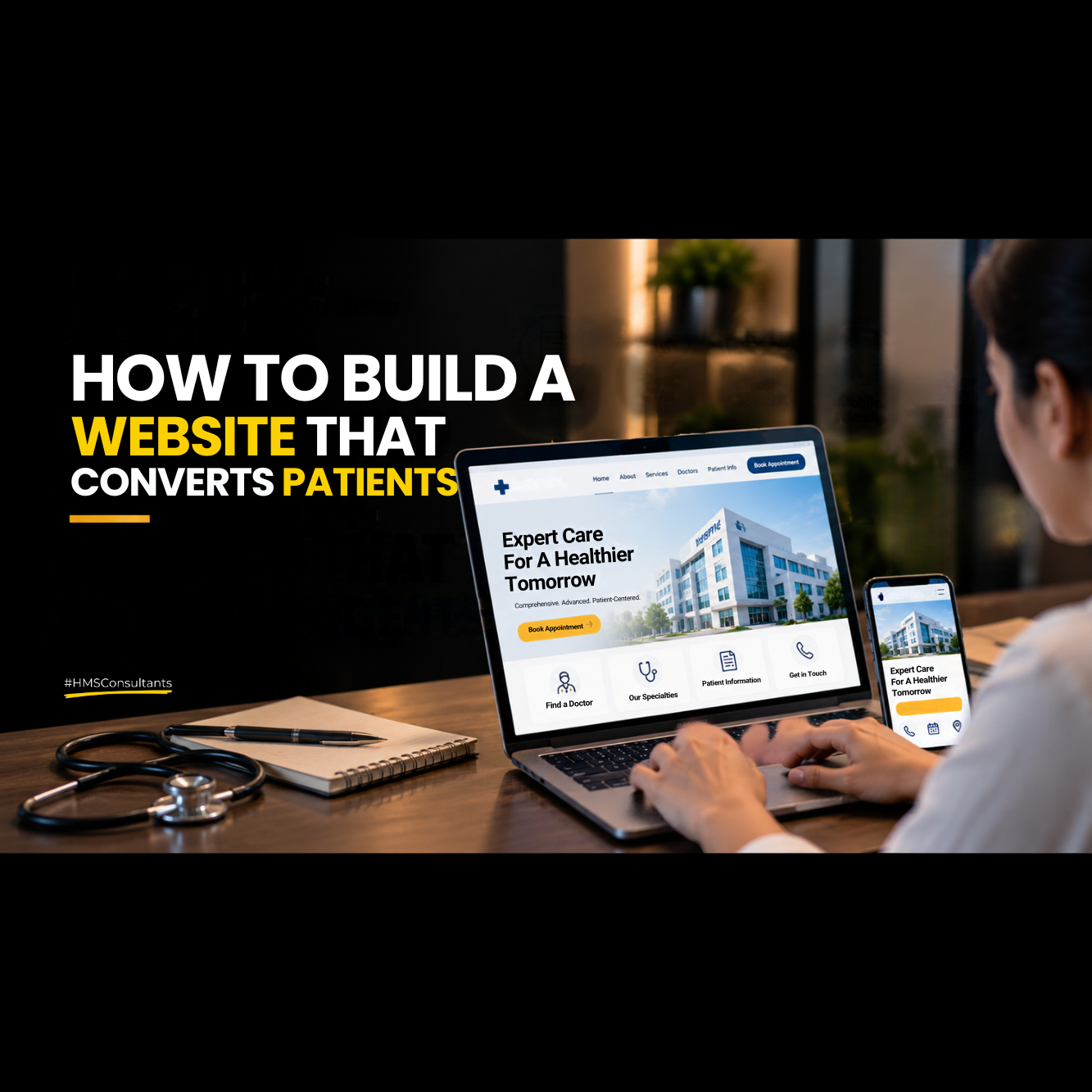
How to Build a Hospital Website That Converts Patients
A practical guide to building a hospital website that converts visitors into patient enquiries through clear CTAs, better UX, mobile…
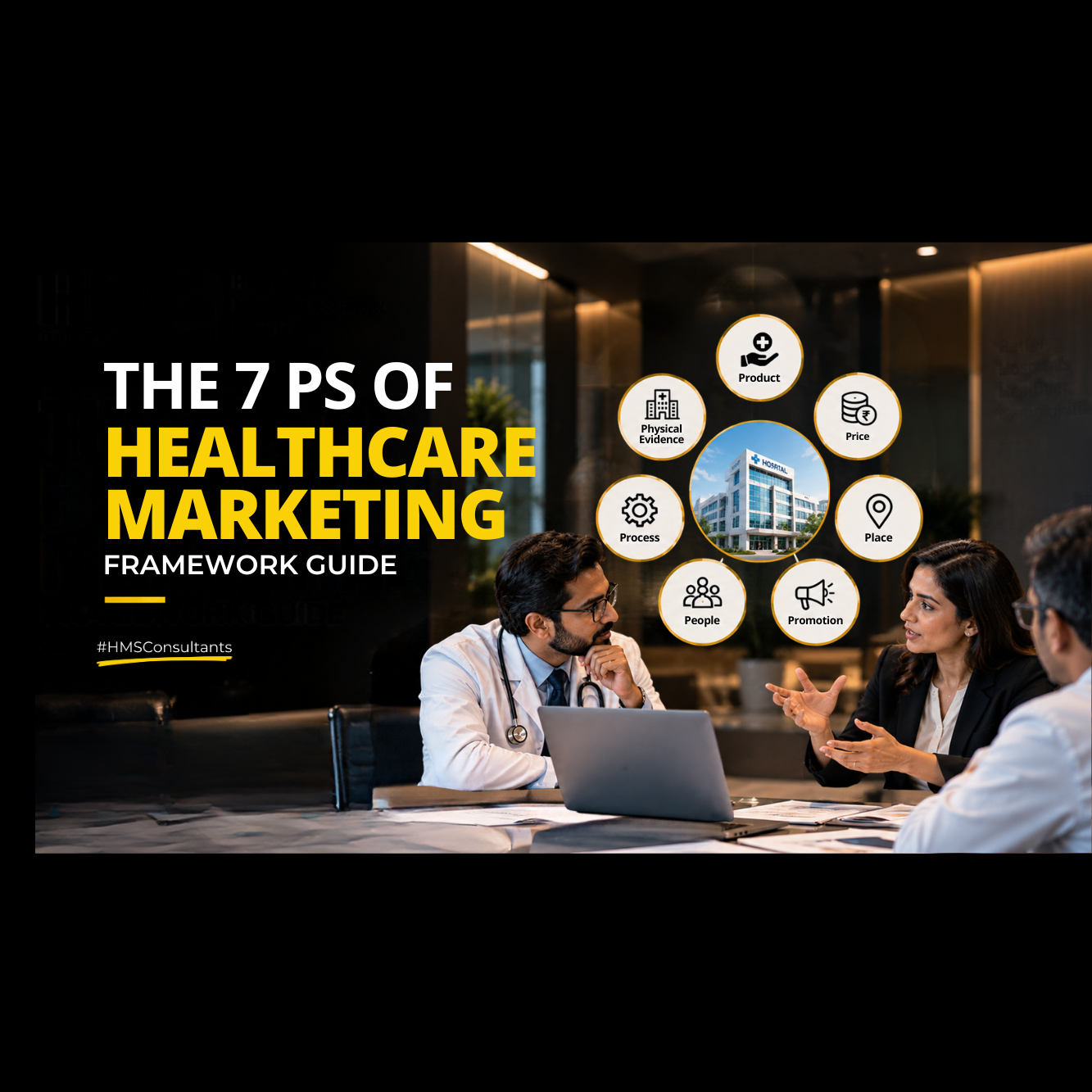
The 7 Ps of Healthcare Marketing: A Framework Guide
The 7 Ps of healthcare marketing Product, Price, Place, Promotion, People, Process, and Physical Evidence provide a practical framework for…

Hospital Marketing Audit vs. Digital vs. Social: Which Should You Run First?
Compare hospital marketing, digital, and social media audits to understand what each audit covers and which one your hospital should…

MBA/MHA in Healthcare Management: A 2026 Career Guide
Explore career paths after an MBA or MHA in healthcare management, including hospital administration, healthcare marketing, consulting opportunities, essential skills,…
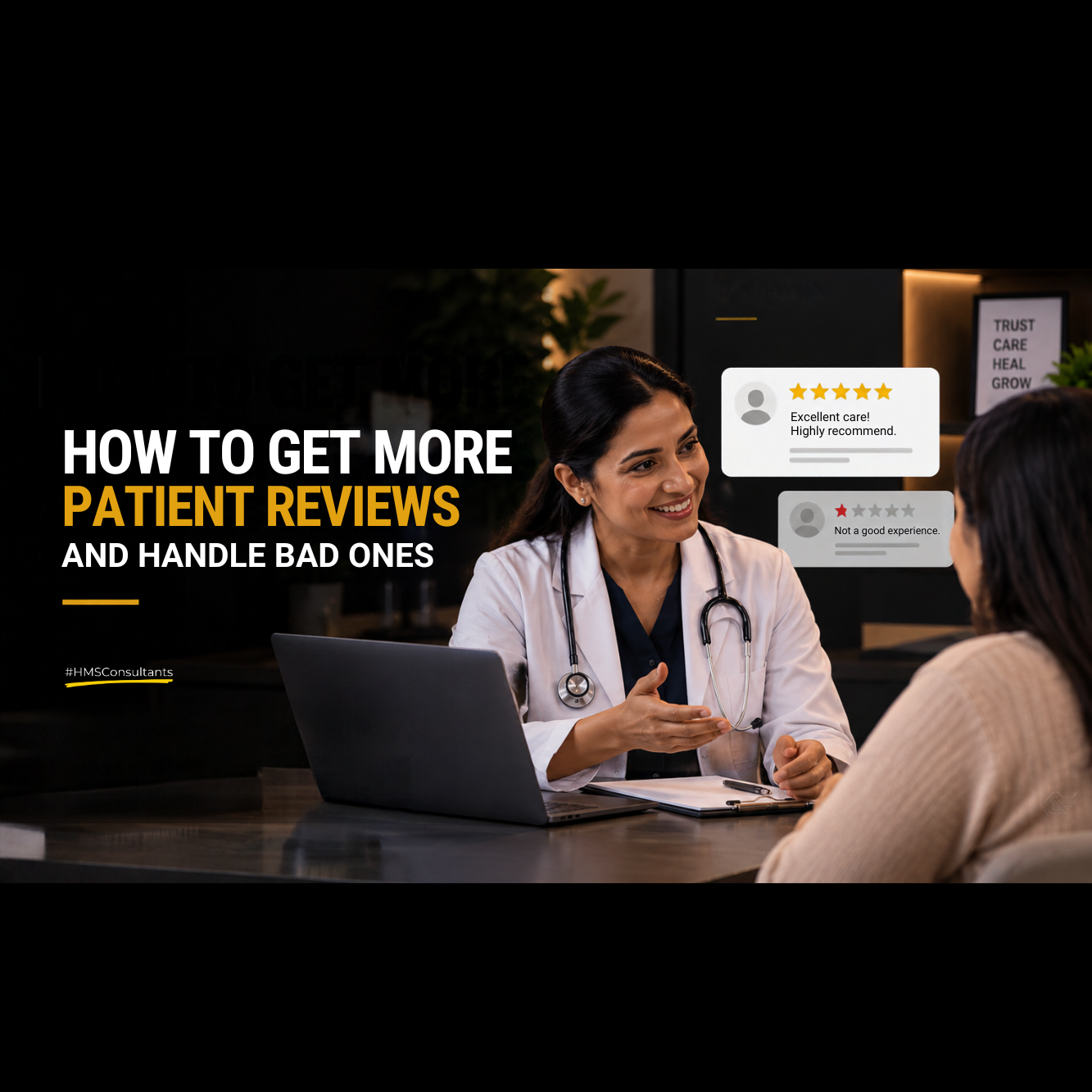
How to Get More Patient Reviews (and Handle Bad Ones)
Learn how to get more patient reviews for doctors and hospitals, respond to negative feedback professionally, and build a stronger…
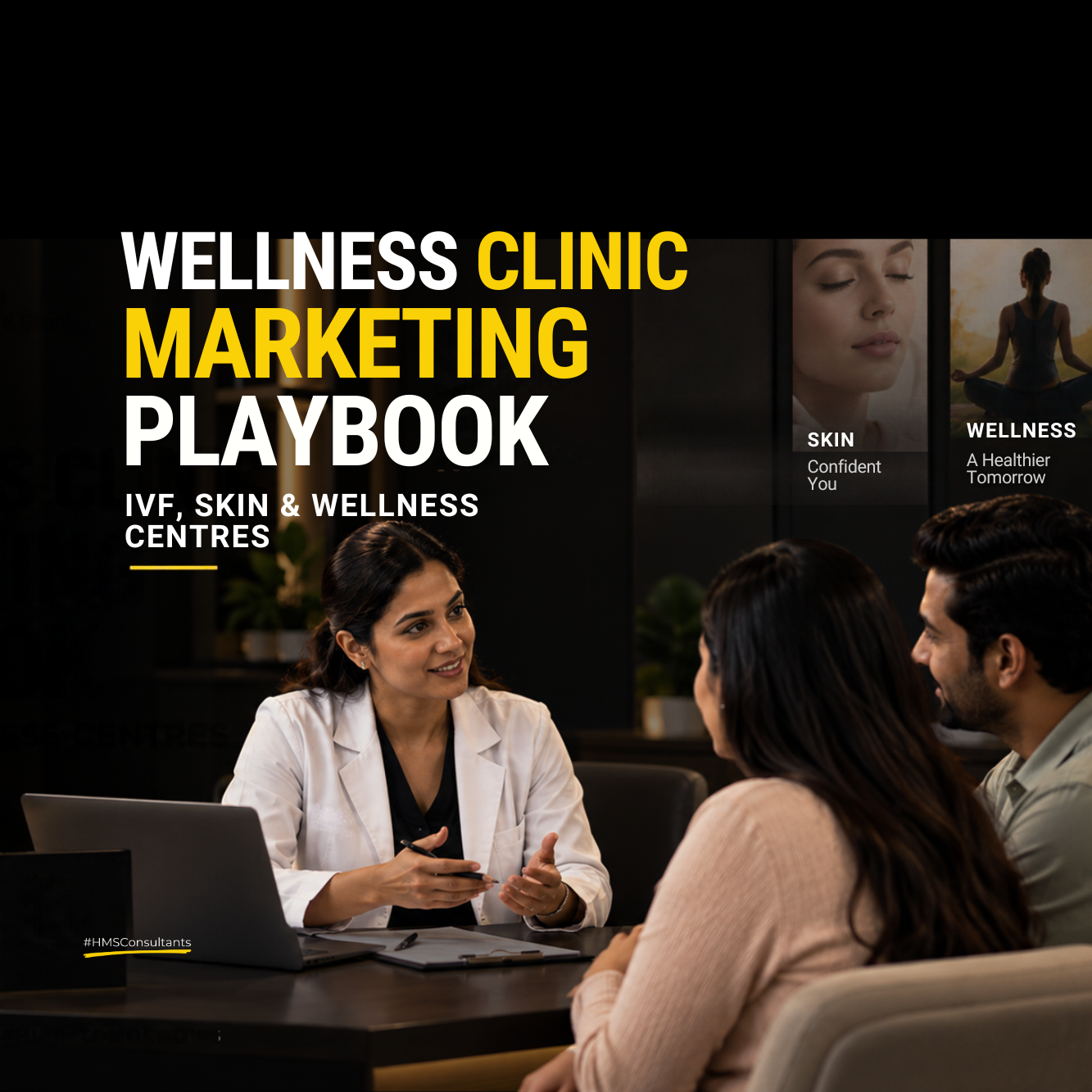
Wellness Clinic Marketing Playbook: IVF, Skin & Wellness Centres
A wellness clinic marketing playbook for IVF, skin and aesthetic, and wellness centres trust-building content, compliance, and local SEO that…