The Role of Marketing in Healthcare: Investment, Not Expense.
Marketing in healthcare is no longer optional it's a strategic investment. Discover how ethical, patient-first marketing drives growth and trust in India’s 2025 landscape.

A YouTube content strategy is a plan for using video mainly longer-form than Instagram or LinkedIn to build depth of trust with patients researching a condition, procedure, or specialist. It complements a broader social media content strategy for doctors, but deserves separate planning because video content behaves differently: it’s searchable years after publishing, and a single well-made video can keep generating views and trust indefinitely.
Very few individual doctors or clinics in India have an active YouTube presence, despite patients increasingly searching YouTube directly for answers to health questions. This creates a genuine opportunity: the competition for well-made medical explainer content in most specialties and cities is still thin, meaning a doctor starting now can establish authority before the channel becomes crowded.
– Choose a clear channel name and description that states the doctor’s specialty and location
– Write a channel trailer or pinned video introducing the doctor and what viewers can expect
– Decide on 2–3 content themes to start (see Section 4) rather than trying to cover everything
– Link the channel from the doctor’s bio page, personal branding profiles, and hospital website
– Explainer videos – answering one specific, commonly asked patient question per video (e.g. “What actually happens during a root canal?”)
– Myth-busting – addressing misconceptions specific to the doctor’s specialty
– Patient journey walkthroughs – general (non-identifying) explanations of what a typical treatment journey looks like
– Q&A sessions – answering a batch of common questions in one longer video
– Shorts – 60-second clips repurposed from longer videos, for discoverability on YouTube’s short-form feed
Twice a month is achievable and sustainable for most practicing doctors one long-form explainer and one shorter Q&A or Shorts clip. Consistency over months matters more than frequency; a channel with 24 solid videos over a year will outperform one with a burst of 10 videos followed by silence.
– Use the target question or topic directly in the video title (e.g. “Why Does My Knee Hurt When Climbing Stairs? Explained”)
– Write a detailed description including the specialty, location, and a summary of what’s covered
– Add captions/transcripts this both improves accessibility and helps YouTube and search engines understand the content
– Use custom thumbnails that clearly indicate the topic, not just a generic photo
– Over-investing in production quality before validating which topics patients actually want to watch
– Inconsistent posting that stalls out after the first few videos
– Titles that are vague or clever instead of directly matching what a patient would search
– No clear call-to-action guiding a viewer toward booking or learning more
HMS Consultants helps doctors identify the highest-value topics for their specialty and city, builds a realistic content calendar around their schedule, and applies the same SEO/AEO discipline used across written content so a doctor’s YouTube channel supports the rest of their online presence rather than existing in isolation.
Yes - YouTube content is searchable and discoverable long after publishing, unlike most social posts, and even a small channel can build meaningful trust with the exact patients searching for that specific topic.
A smartphone with decent audio (an inexpensive clip-on microphone helps significantly) is enough to start. Production quality matters less than clear, consistent, useful content.
Shorter explainer videos (3-7 minutes) work well for specific patient questions, while longer Q&A or deep-dive content (10-15 minutes) builds deeper authority. Both formats have a place in a balanced channel.
Twice a month is a realistic, sustainable starting cadence for a busy practicing doctor - consistency over a longer period matters more than frequency in the short term.
Yes - well-titled, transcribed YouTube content is indexed by Google and increasingly referenced by AI answer engines when summarizing health topics, making it a genuine complement to written SEO content.
Share your details below and we will connect with you to discuss your growth strategy.
Marketing in healthcare is no longer optional it's a strategic investment. Discover how ethical, patient-first marketing drives growth and trust in India’s 2025 landscape.

Digital marketing for healthcare works best when every patient touchpoint delivers the right message. Learn how Google, websites, social media, ads, WhatsApp, reviews, and videos support the patient journey...

Hospital marketing strategy is not about generating more enquiries—it is about generating the right ones. Focusing on enquiry quality helps hospitals attract relevant patients, improve conversions, and achieve better...

AI can automate reminders, draft content, and speed up SEO but it can’t replace human empathy, strategy, and cultural understanding. The future of healthcare marketing is AI + Human...

Building a strong healthcare brand doesn’t need a huge budget. Clinics can grow trust and loyalty through patient experience, referrals, and community presence.
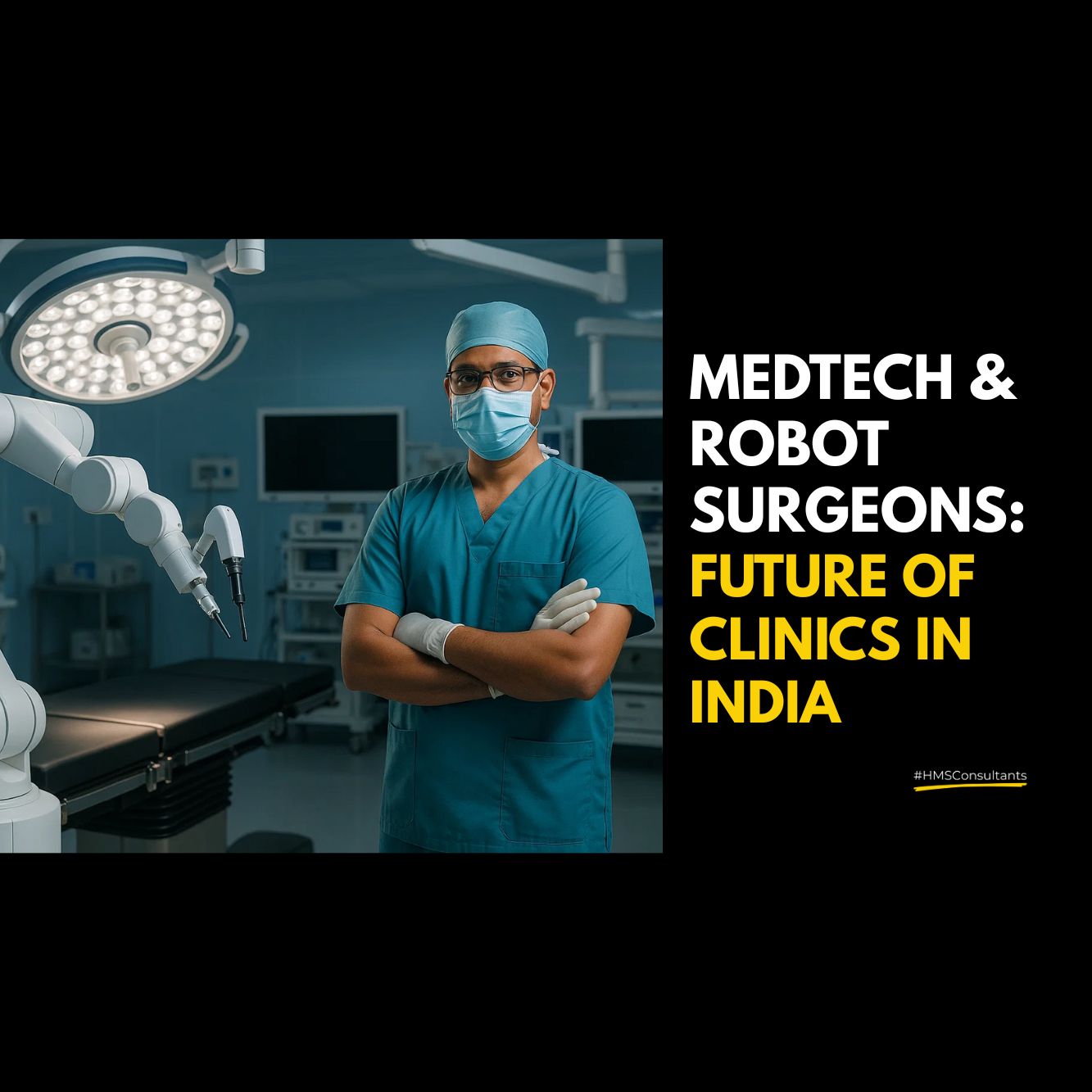
Robot surgeons and MedTech innovations are redefining healthcare in India. From precision and safety to patient trust and transparency, clinics must adapt. This blog explores how Indian hospitals can...