How to Run a Healthcare Marketing Audit
A step-by-step guide to auditing your healthcare marketing strategy. Fix visibility gaps, enhance trust, and increase quality patient referrals.

Patients research doctors before booking far more than they used to, and that research increasingly starts outside the hospital’s own website a Google search, an Instagram profile, or now, a question typed into ChatGPT. A doctor with no discoverable presence isn’t neutral in this environment; they’re simply invisible next to peers who do show up. For the foundational reasons personal branding matters, see our guide on personal branding for doctors this playbook builds on that with what’s changed and what to actually do about it.
Two shifts make 2026 different from even two years ago:
– AI answer engines now summarize and recommend doctors directly in chat responses, drawing on whatever structured, credible content exists online about them
– Short-form video has become the default discovery format on Instagram and YouTube alike, ahead of static posts or long text
Doctors who haven’t adjusted to either shift are still relying on tactics a static bio page, occasional text posts that carry less weight than they did before.
Step 1 – Pick one primary platform. Don’t try to be active everywhere at once; pick the platform where the target audience (patients or referring doctors) actually spends time.
Step 2 – Define 3-4 content pillars (see Section 5) and stick to them, so the brand becomes recognizable rather than random.
Step 3 – Batch-create content monthly. A once-a-month, hour-long content creation session covering 4–8 weeks of posts is far more sustainable than trying to post spontaneously.
Step 4 – Publish consistently, twice a week minimum, even if the content is simple.
Step 5 – Respond to comments and messages within 24–48 hours this is where trust is actually built, not just in the posting.
Step 6 – Revisit and refresh the doctor’s bio, headline, and pinned content every quarter so it reflects current focus areas and credentials.
– LinkedIn – strongest for reaching referring doctors, hospital leadership, and professional credibility
– Instagram – strongest for reaching patients directly, especially with short-form video and behind-the-scenes content
– YouTube – underused by most doctors in India, but the strongest format for building deep trust through longer Q&A or explainer content
– A personal website or bio page a home base that both patients and AI tools can reference as the authoritative source on the doctor
– Patient education – plain-language explanations of common conditions or procedures
– Myth-busting – correcting common misconceptions in the doctor’s specialty
– Behind-the-scenes – a human, credible glimpse into daily practice (with appropriate patient privacy)
– Personal perspective – why the doctor chose their specialty, values, or approach to care
– Posting inconsistently, then abandoning the account after low initial engagement
– Copying generic health content instead of sharing a genuine point of view
– Ignoring comments and DMs, which undermines the very trust the content is meant to build
– Treating personal branding as a one-time project instead of an ongoing habit
Track a small set of signals monthly rather than obsessing over follower count: engagement rate (comments and shares relative to followers), direct enquiries that mention seeing a specific post, and for doctors with a bio page referral traffic from social platforms in GA4. A personal brand is working when it generates conversations and enquiries, not just impressions.
HMS Consultants works with doctors to define content pillars, build a realistic content calendar around their actual schedule, and connect personal branding activity back to real enquiry data so the effort is measurable, not just visible.
Work with HMS Consultants
Want to be known and trusted for your expertise, ethically and within guidelines? Explore Doctor Branding for doctors.
Patients increasingly research a doctor online before booking, and AI search tools now surface doctor reputations directly in chat answers a weak or absent online presence is a visible gap in a way it wasn't a few years ago.
LinkedIn is usually the strongest starting point for reaching referring doctors and professional credibility, while Instagram works better for reaching patients directly. Most doctors should pick one primary platform rather than spreading thin across all of them.
A consistent 2-post-a-week routine, batch-created monthly, is enough to build momentum without demanding daily attention consistency matters far more than volume.
It's not mandatory, but short-form video builds trust faster than text or images alone, and is increasingly the format AI search tools and platforms favor when surfacing content.
A hospital's brand builds institutional trust; a doctor's personal brand builds individual credibility. The two should be consistent in message but don't have to be identical a doctor's voice is naturally more personal than an institution's.
Share your details below and we will connect with you to discuss your growth strategy.
A step-by-step guide to auditing your healthcare marketing strategy. Fix visibility gaps, enhance trust, and increase quality patient referrals.

In today’s digital world, a hospital without a website is invisible. Even the best hospitals lose patient trust and visibility if they can’t be found online. Learn why your...
Build a YouTube strategy for doctors with practical content ideas, SEO basics, and a sustainable publishing plan. Turn medical videos into long-term trust and patient visibility.
Hospitals in India must bridge the gap between online search and offline trust. Smart hospital marketing strategies turn clicks into real patient visits.
Discover how to conduct a market feasibility study for a new clinic in India in 2025—covering regulations, tech, patient demand, and strategy to launch a future-ready healthcare practice.
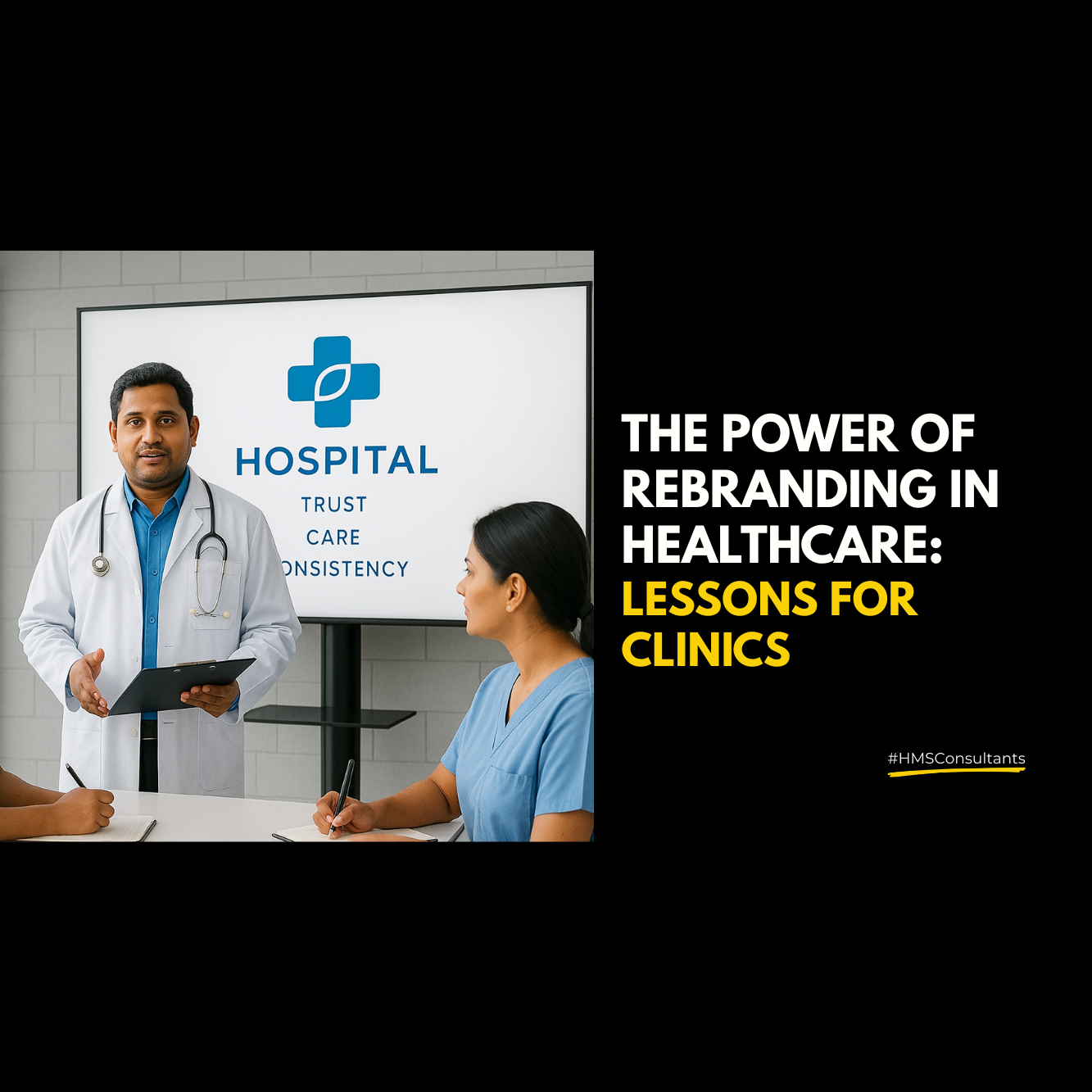
Rebranding in healthcare isn’t just about a new logo it’s about rebuilding trust, modernizing patient perception, and aligning your clinic’s identity with today’s digital expectations. Discover how hospitals and...