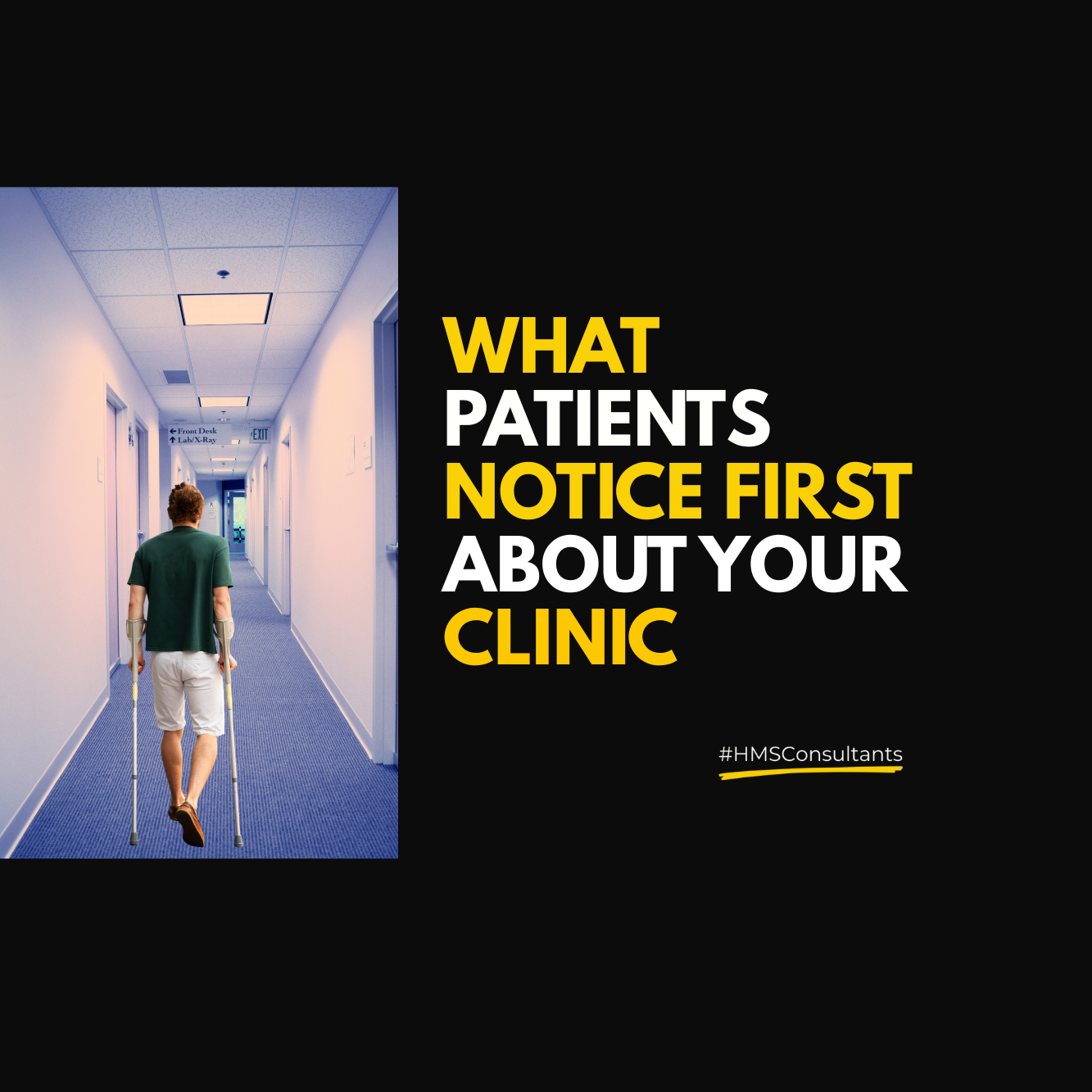
The Invisible Side of Healthcare Branding: What Patients See Without Saying
Patients notice more than treatments staff warmth, digital ease, cleanliness, and follow-ups shape trust. These invisible cues build your clinic’s brand.


Quick answer: Digital marketing for hospitals means being easy to find, easy to trust and easy to contact at the moment a patient or family searches. In India that starts with a clear website, an accurate Google Business Profile and fast enquiry handling, then search, content, WhatsApp and paid ads, all within the NMC advertising guidelines.
Latest update: The NMC notice of 6 October 2026 changes what hospitals can safely publish online: no testimonials, before-and-after claims, success rates, superlatives or offers, and no solicited or incentivised reviews. This guide has been updated to reflect it. See section 5.
Last updated: 28 October 2026 · By Akhil Dave, Founder & Principal Consultant, HMS Consultants
A family in your city needs a hospital. They search on Google, compare a few options, check ratings and photos, perhaps ask an AI assistant, and then call or message one. If your hospital is hard to find, unclear or slow to respond, you lose that patient before anyone at the hospital knows they existed.
That is the job of digital marketing for hospitals. This guide explains it in plain terms: the channels, the patient journey, how to plan and measure it, and what the latest NMC update means for what you can post.
Key takeaways
Digital marketing for hospitals is the planned use of online channels to help the right patients discover, trust and contact your hospital. It covers your website, Google search and maps, content, social media and video, WhatsApp, email and CRM, paid ads and how you respond to reviews.
It is not a monthly bundle of festival posters. A post with no path to an appointment is branding at best. Digital marketing connects visibility to enquiries and enquiries to visits, which is why it belongs inside your wider hospital marketing strategy and not beside it.
Patients no longer start with a referral alone. They search for symptoms, specialities and “hospital near me”, compare ratings, read about doctors, and increasingly ask AI assistants for a shortlist. Families also decide together, often late at night and often on a phone.
Three things follow for a hospital. First, being found matters as much as being good. Second, trust is judged online in seconds, through your website, profile and replies. Third, a slow response to an enquiry loses the patient to the next hospital on the list. Our guide on the invisible funnel in Indian hospitals explains how patients drop out unseen.
Work with HMS Consultants
Not sure where your hospital stands online? Start with a structured marketing audit.
Map your digital work to the journey a patient actually takes. Patient journey mapping shows where each channel helps and where patients leave.
| Stage | What the patient wants to know | Digital channel | What to watch |
|---|---|---|---|
| Discover | Which hospital treats this near me? | Google search, Google Business Profile, content, AI answers | Impressions, profile views |
| Evaluate | Can I trust them? Who are the doctors? | Website, doctor pages, factual content, reply to reviews | Time on page, page depth |
| Enquire | How do I book or ask a question? | Click-to-call, WhatsApp, forms, helpline | Calls, chats, form fills |
| Visit | What will happen when I arrive? | Confirmation messages, directions, reminders | Appointment show-up rate |
| Return and refer | Was I looked after well? | Follow-up messages, internal feedback, newsletters | Repeat visits, referrals |
Not every channel suits every hospital. Use this as a menu, and pick by your speciality, city and capacity to handle enquiries.
| Channel | What it does for a hospital | Watch-out |
|---|---|---|
| Website | The base of trust and conversion: speciality, doctor and contact pages. See how to build a hospital website that converts. | Slow, unclear or outdated pages lose patients quickly. |
| Local SEO and Google Business Profile | Appears for “hospital near me” and map searches. See the local SEO guide. | Inaccurate hours, phone or services hurt trust. |
| SEO and AEO | Brings educational searches and AI answers to your pages. See SEO and AEO strategy for hospitals. | Needs steady, accurate content; results take months. |
| Google and Meta ads | Fast visibility for specific services and campaigns. | Ad copy and landing pages must follow the NMC guidelines. |
| Social media and video | Educates, shows the human side of care and supports recall. | Posting without a plan or a path to enquiry. |
| Quick enquiries, reminders and follow-up. See WhatsApp OPD for hospitals. | Needs consent, clear ownership and quick replies. | |
| Reputation management | Polite replies and fixing issues that reviews reveal. See Google reviews for hospitals. | Do not solicit, incentivise or showcase reviews in promotion. |
| Email and CRM | Follow-up, health education and tracking enquiries to appointments. | Poor data hygiene and no consent. |
The NMC guidelines of 6 October 2026 apply to how doctors and hospitals promote themselves online. In plain terms, as we read them:
Every channel above, from ads to WhatsApp broadcasts, has to be checked against these rules. Read our full NMC advertising guidelines guide, or book an NMC compliance audit of your website and social channels.
For the wider plan, see our 12-month hospital marketing strategy and the integrated healthcare marketing strategy.
There is no single right budget. A practical way to think about it:
For typical professional fees, see healthcare marketing agency cost in India and hospital marketing consultant fees in India.
| Metric | What it tells you |
|---|---|
| Enquiries (calls, WhatsApp, forms) | Whether digital is producing real patient intent |
| Cost per enquiry | Whether paid spend is efficient |
| Enquiry-to-appointment rate | Whether your team converts the interest you create |
| Google Business Profile actions | Calls, direction requests and website clicks from maps |
| Organic search impressions and clicks | Whether search visibility is growing |
| Source of enquiry | Which channel deserves more or less effort |
Likes and follower counts can support recall, but they should never be the headline measure.
An in-house team gives control but needs several skills. An agency gives execution at scale. A specialist consultant gives strategy, audit and compliance direction. Many hospitals combine a consultant with in-house or agency execution. Compare them in agency vs consultancy and how to choose a healthcare marketing consultant, or see healthcare marketing services in India.
It is the use of a hospital’s website, Google search and maps presence, content, social media, WhatsApp, email and paid ads to help patients find the hospital, trust it and make an enquiry, within medical advertising rules such as the NMC guidelines.
Start with the foundations patients already use: a fast, clear website, an accurate Google Business Profile and a reliable enquiry-handling process. Search visibility and content come next, and paid ads work best once enquiries are being handled well.
There is no single figure. It depends on size, specialities, competition and goals. Fix foundations first, spend on channels you can measure, and review cost per enquiry monthly. See our guide to agency and consultant costs in India for typical ranges.
Paid ads are a channel, but the content rules still apply: no testimonials, before-and-after claims, success rates, superlatives or offers. Have every ad and landing page checked against the NMC guidelines, and consult a qualified healthcare lawyer for legal advice.
Paid campaigns and profile fixes can show movement within weeks, while search and content usually take a few months of consistent work. Results depend on the starting point, competition and how well enquiries are handled.
Yes. Patients search on Google and increasingly ask AI assistants for answers. Clear, accurate, well-structured pages, a verified Google Business Profile and FAQ-style content help a hospital appear in both.
Be careful. The NMC guidelines of 6 October 2026 bar testimonials and fake, paid or manipulated reviews. Until the NMC clarifies, avoid soliciting, incentivising or showcasing patient reviews in promotion. Replying politely to reviews, without clinical details, is a safe practice.
For teams who want to know what is working before they spend more.
Explore the AuditFor hospitals that need strategy, positioning and a connected plan.
Explore Hospital ConsultingFor hospitals that need a measurable, compliant digital plan.
Explore Digital StrategyFor websites and social channels that must stay within the NMC rules.
Explore the NMC AuditDisclaimer: HMS Consultants is a healthcare marketing consultancy. We are not medico-legal experts or a law firm. References to the NMC guidelines reflect our understanding of public information and are not legal advice. Please consult a qualified healthcare lawyer before acting.
About the author: Akhil Dave is Founder & Principal Consultant of HMS Consultants, with 25+ years in healthcare marketing.
Work with HMS Consultants
Want a measurable, NMC-aware digital plan for your hospital? Talk to us.
Patients notice more than treatments staff warmth, digital ease, cleanliness, and follow-ups shape trust. These invisible cues build your clinic’s brand.
Patients don’t distrust hospitals they distrust misleading marketing. This blog shows how transparency, empathy, and clarity can rebuild patient trust and confidence.
Stop chasing vanity metrics. Learn how real healthcare growth comes from tracking conversions, referrals, and channel ROI.
India is home to over 90 million people living with diabetes, with millions more undiagnosed. Defeat Diabetese, founded by Dr. Prakash Kurmi, is India’s first hybrid diabetes care ecosystem...

Doctor branding is not the same as reputation. A doctor may be trusted by existing patients but still invisible to new patients searching online. This blog explains how digital...
Google reviews are not just ratings for hospitals they are powerful insights into patient trust, emotions, and decision-making. This blog explains how hospitals can turn reviews into a strategic...