


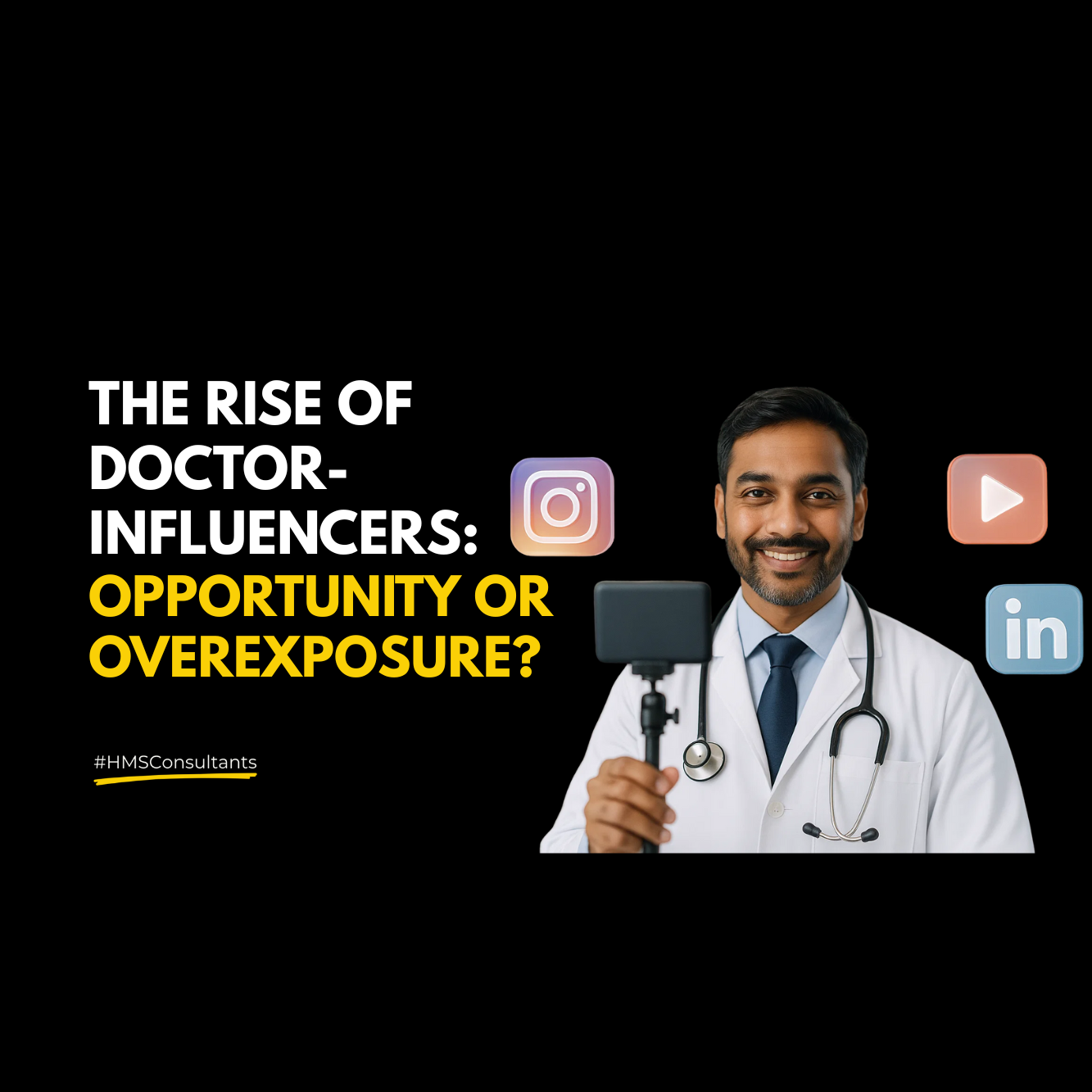
The Rise of Doctor-Influencers in India
Indian doctors are now building personal brands online, reaching patients beyond the clinic. This blog explores the opportunities, risks, and best practices of doctor-influencers in 2025.
Healthcare marketing services are activities that help healthcare businesses communicate better, become more visible, attract relevant patients, and build trust.
These services may include:
Each service has a purpose. But not every healthcare business needs every service at the same time.
This is why strategic understanding is important.
Work with HMS Consultants
Need a clear plan to grow brand visibility, patient footfall and revenue? Explore Hospital Marketing Strategy Consulting.
See Hospital Marketing Strategy ConsultingBook a free 30-min call
A website is often the first serious digital touchpoint for patients. Before booking an appointment, many patients visit a clinic or hospital website to understand services, doctors, treatments, location, and credibility.
A healthcare website should not only look good. It should help patients understand clearly.
Important website elements include:
SEO helps patients find this information when they search online. Healthcare digital marketing services often include SEO because patients search for doctors, treatments, symptoms, and location-based healthcare services.
For a consultant, the question is not only whether SEO is being done. The question is whether the website is actually useful for patients.
For local healthcare businesses, Google Business Profile can directly influence enquiries.
Patients often search for doctors, clinics, diagnostic centres, or hospitals near them. If the profile is incomplete, outdated, or poorly managed, the healthcare business may lose potential patients.
Google Business Profile services may include:
For clinics and hospitals, this is one of the most practical clinic marketing services and hospital marketing services.
A healthcare marketing consultant should understand how the profile affects patient discovery and trust.
Social media is one of the most visible healthcare marketing services, but it is also one of the most misunderstood.
Many healthcare businesses think social media means regular posting. But healthcare social media should not only create activity. It should educate, guide, and build trust.
Strong healthcare social media can include:
Social media should be connected to a healthcare marketing strategy. It should not become random posting without purpose.
Paid ads can help healthcare businesses increase visibility and generate enquiries. But ads should be used carefully in healthcare.
Running ads without proper strategy can lead to poor-quality enquiries, wasted budget, unclear messaging, or unrealistic patient expectations.
Before suggesting ads, professionals should understand:
Paid advertising can support healthcare business growth, but only when the foundation is clear.
Content is very important in healthcare because patients need information before they make decisions.
Good healthcare content should answer real patient questions. It should not sound like hard selling.
Content marketing services may include:
Healthcare content should be simple, responsible, and patient-friendly.
A healthcare marketing consultant should understand how content supports trust, SEO, patient education, and service positioning.
Patient reviews are powerful trust signals. Many patients check reviews before choosing a healthcare provider.
Review and reputation services may include:
Reputation management should not be fake or forced. It should be ethical and connected to actual patient experience.
For healthcare businesses, reviews are not just marketing. They reflect service quality and patient confidence.
Healthcare branding is not only about logo, colours, or design. It is about how patients understand and remember the doctor, clinic, hospital, or healthcare business.
Brand positioning helps answer:
A strong healthcare marketing strategy should include clear positioning.
Without positioning, marketing messages can become generic and forgettable.
A healthcare marketing consultant does not need to personally execute every service. But the consultant must understand how each service works and how it connects to the larger growth plan.
For example, if a clinic is not getting enquiries, the problem may not always be ads. It may be weak Google visibility, unclear service pages, poor reviews, or delayed call response.
If a hospital is not building trust, the issue may not be social media frequency. It may be poor communication, weak doctor positioning, unclear content, or lack of patient education.
Consulting requires diagnosis before recommendation.
This is why professionals must understand healthcare marketing services from a strategic point of view.
Many professionals learn marketing execution, but healthcare marketing consulting needs a broader understanding of services, patient behavior, business gaps, and ethical communication.
The HMS Certified Healthcare Marketing Consultant Program helps serious professionals understand how different healthcare marketing services fit into a consulting-led growth approach.
Participants learn to review digital presence, understand patient communication gaps, study service positioning, think through healthcare marketing strategy, and prepare practical recommendations for clinics, hospitals, and healthcare businesses.
The program is designed for professionals who want to move beyond service names and understand how marketing decisions are made in healthcare.
HMS provides structured learning, tools, frameworks, and guidance. Growth depends on the participant’s learning consistency, communication ability, practical application, and market development.
Healthcare marketing services are not only a list of tasks. They are connected parts of a larger growth system.
A website supports trust. SEO supports discovery. Google Business Profile supports local visibility. Social media supports patient education. Content supports clarity. Reviews support confidence. Ads support reach. Branding supports recall.
For professionals who want to become healthcare marketing consultants, understanding these services deeply is important.
The real value is not in suggesting every service to every healthcare business.
The real value is in knowing which service is needed, why it is needed, and how it can support patient trust and healthcare business growth responsibly.
Healthcare marketing services include website improvement, SEO, Google Business Profile management, social media, content marketing, paid ads, reviews, branding, patient communication, and digital presence improvement for healthcare businesses.
Healthcare marketing services help clinics and hospitals improve visibility, explain services clearly, build patient trust, support enquiries, and strengthen their digital presence.
Healthcare marketing services usually focus on execution. Healthcare marketing consulting focuses on diagnosis, strategy, direction, patient communication, service positioning, and business growth planning.
Important healthcare digital marketing services include website improvement, SEO, Google Business Profile, social media, content creation, review management, paid ads, and enquiry tracking.
A healthcare marketing consultant can assess which services a clinic, hospital, or healthcare business actually needs and guide the strategy before execution begins.
Yes. The program helps serious professionals understand healthcare marketing services from a consulting perspective, including audits, patient communication, service positioning, digital presence review, and strategy planning.
No. HMS Consultants does not guarantee clients, jobs, income, employment, or fixed earnings. The program provides structured learning, tools, frameworks, mentoring, and guidance. Success depends on the participant’s effort, communication, market development, and consulting delivery.
Share your details below and we will connect with you to discuss your growth strategy.
Indian doctors are now building personal brands online, reaching patients beyond the clinic. This blog explores the opportunities, risks, and best practices of doctor-influencers in 2025.
Stop chasing vanity metrics. Learn how real healthcare growth comes from tracking conversions, referrals, and channel ROI.
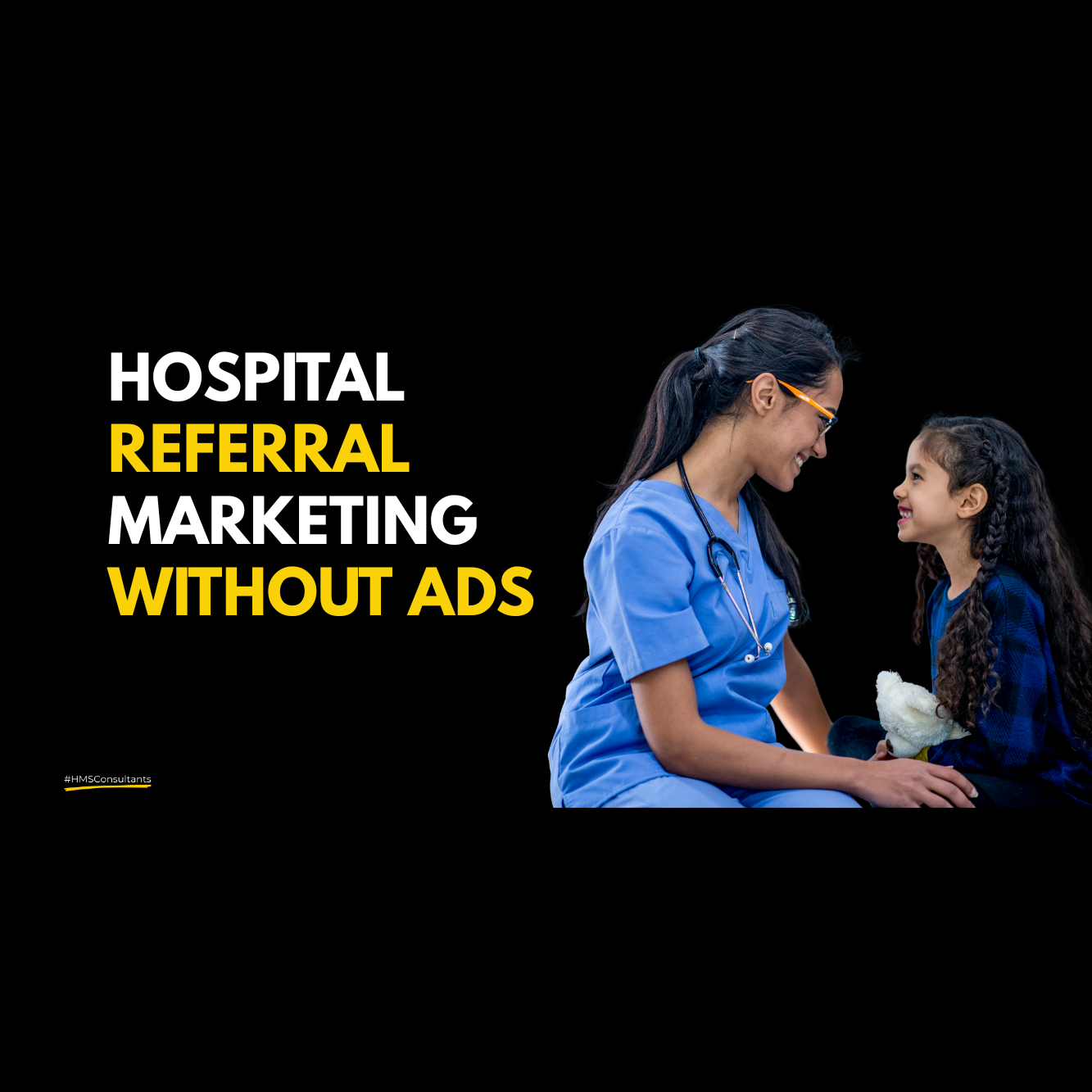
Hospitals don’t grow on ads alone. A well-designed referral marketing system turns patient trust and experience into steady, predictable growth without paid promotions.
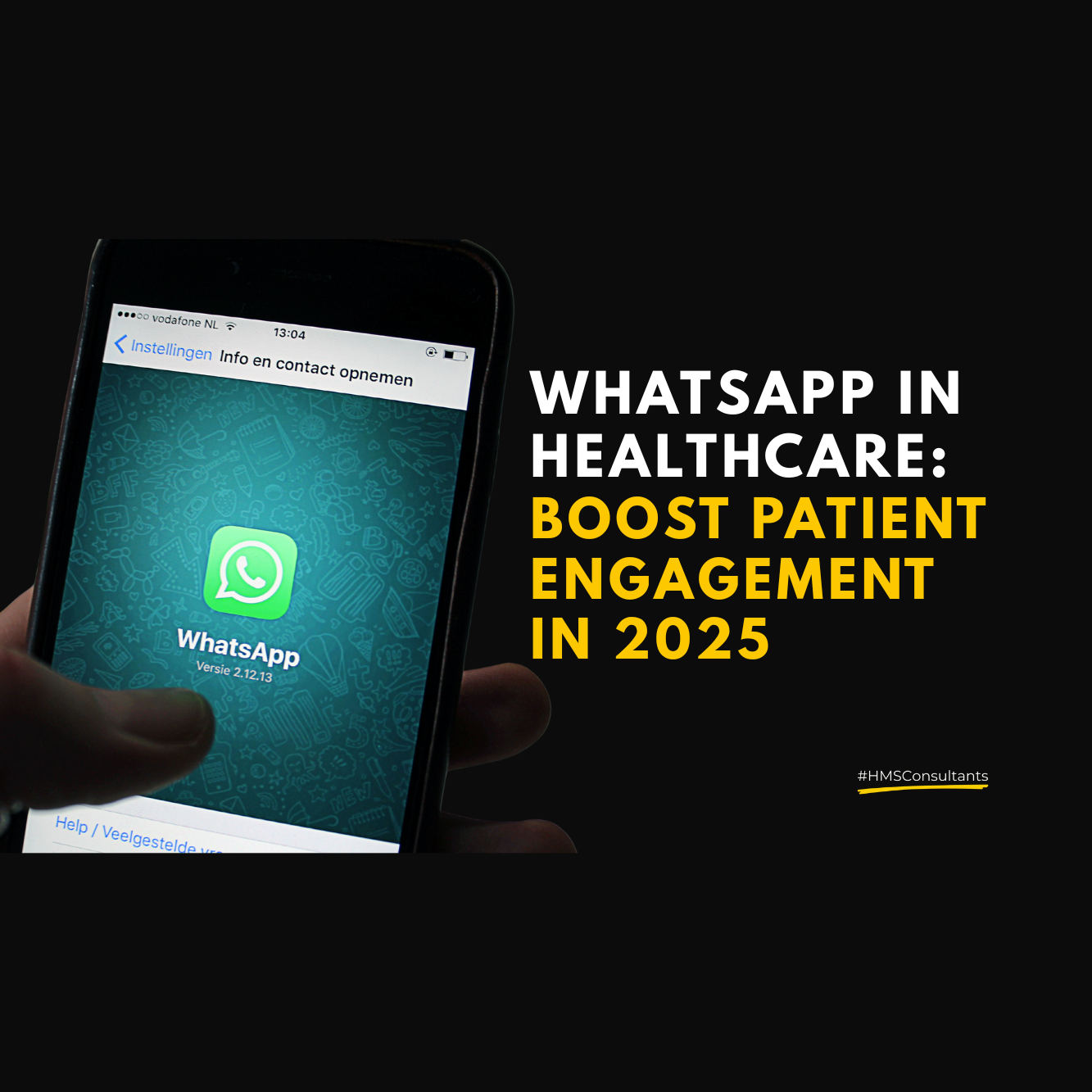
WhatsApp is transforming how clinics and hospitals engage with patients. From appointment reminders to education, it’s now a powerful marketing tool in 2025.

Copywriting frameworks help hospitals communicate with patients more effectively. This blog explains 8 proven frameworks with real healthcare examples to improve trust, engagement, and patient conversions.
Healthcare marketing ROI often feels disappointing because hospitals measure it the wrong way. Real ROI builds through patient trust, timing, and system readiness not instant OPD numbers.