Marketing Strategy of Hospital: The Gap Between Planning and Execution
Marketing strategy of hospital often looks strong on paper but fails in execution. This blog explores how gaps in patient communication, experience, and...
Table of Contents
ToggleBefore thinking strategy, let’s look at what is already happening on the ground:
These examples show AI isn’t just in labs; it’s reaching patients, helping clinics and hospitals in practical ways.
Here are ways hospitals can use these AI developments & the AI First momentum to reshape their marketing strategies:
AI models can help segment patient populations. For instance, using past patient data to predict who is likely to return for annual check-ups, or who might need reminders for screening. Marketing messages can be tailored accordingly (via SMS, WhatsApp, email).
The oncology chatbot example shows how chatbots can free up staff, improve access, answer patients in their languages, and deliver relevant information 24/7. For marketing, this builds trust, reduces friction, and becomes a visibility point (patients will share or review this ease).
If your hospital can promise faster image report turnaround using AI-assisted tools, it can use that as a positioning edge. “Get your X-Ray/CT results in 24 hours” or “AI-assisted screening” can be part of campaign messages.
Using AI tools to analyse which content topics perform best, what messaging resonates, which channels have higher engagement. This helps craft marketing content that works, rather than guessing.
AI can reduce waiting times, improve scheduling, and help staff focus on patient care. These improvements become stories in your marketing: “We reduced wait time by X,” “Our staff had more time to listen,” etc.
While AI offers huge potential, hospitals must approach it carefully. Marketing messages must be truthful, and AI must not create hype without reliability.
To give context:
If you are a hospital or clinic, here’s how you can start using this wave of AI in your marketing strategies:
Google’s AI First Accelerator is more than just another startup program. It indicates India is embracing AI at scale. For healthcare marketing, that opens up new possibilities: more personal communication, faster diagnosis, smarter content, and better operational efficiency.
Clinics that begin to use AI thoughtfully will not only improve patient experience but also stand out in growing digital visibility, trust, and reputation.
Written by Maitri Desai
Share your details below and we will connect with you to discuss your growth strategy.
Marketing strategy of hospital often looks strong on paper but fails in execution. This blog explores how gaps in patient communication, experience, and...
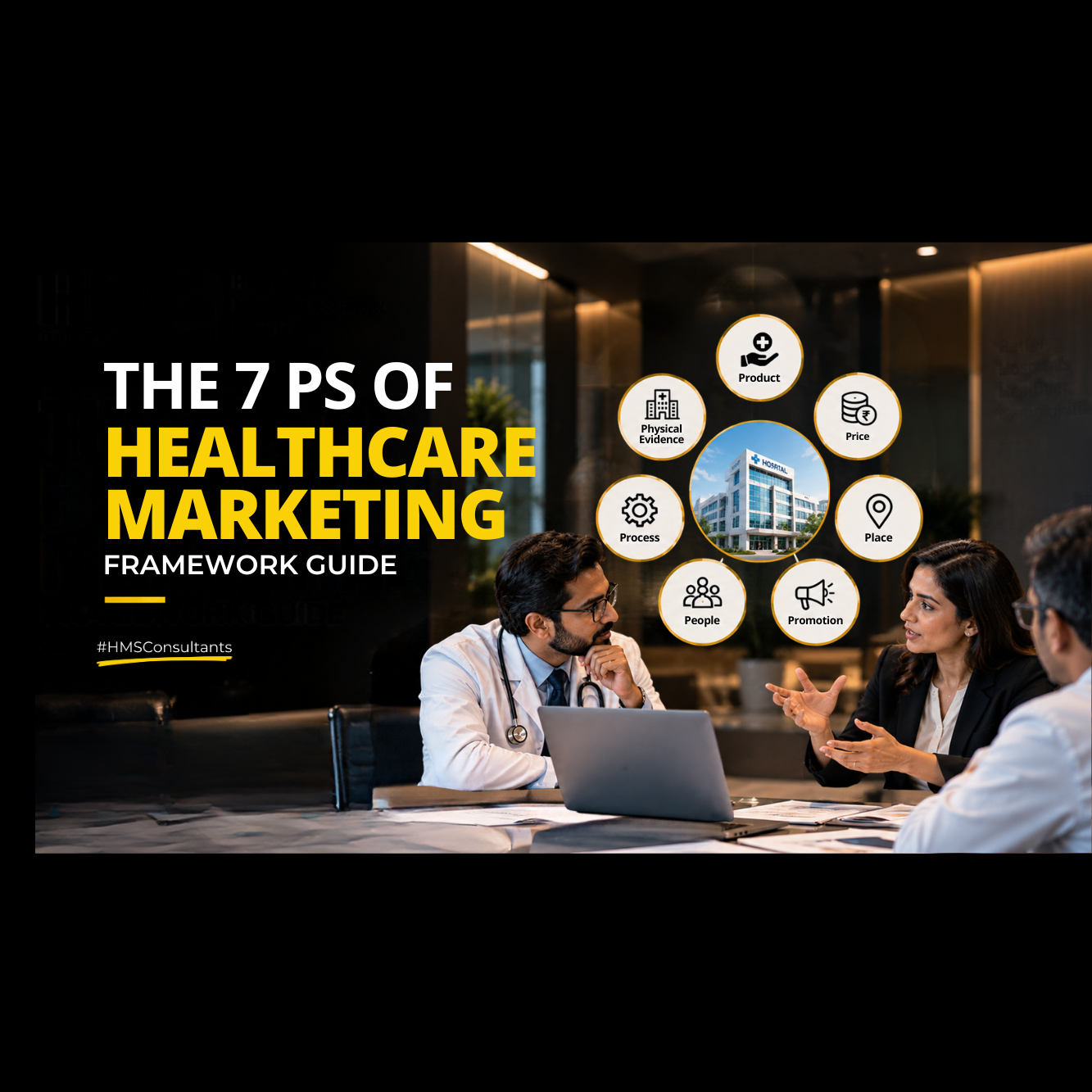
The 7 Ps of Marketing Product, Price, Place, Promotion, People, Process, and Physical Evidence now shape how customers perceive businesses in 2026. This...
Hospital marketing budgets often increase when growth slows, but higher spending rarely fixes the real problem. Without clarity in patient experience, communication, and...
A hospital marketing consultant is often hired too late when growth slows and confusion rises. This delay quietly impacts patient trust, marketing efficiency,...
Public relations in a hospital is not about media or advertising, but about building patient trust through clear communication, consistent experience, and effective...
A hospital marketing expert can identify hidden friction in the patient journey within the first 30 days. Learn how patient hesitation, messaging gaps,...