Category: Business

Explore the latest trends and strategies for healthcare businesses. From marketing to growth strategies, HMS Consultants offers expert guidance for healthcare success.

  • Marketing for Hospital: A Complete Guide to Attract More Patients and Build Trust in India

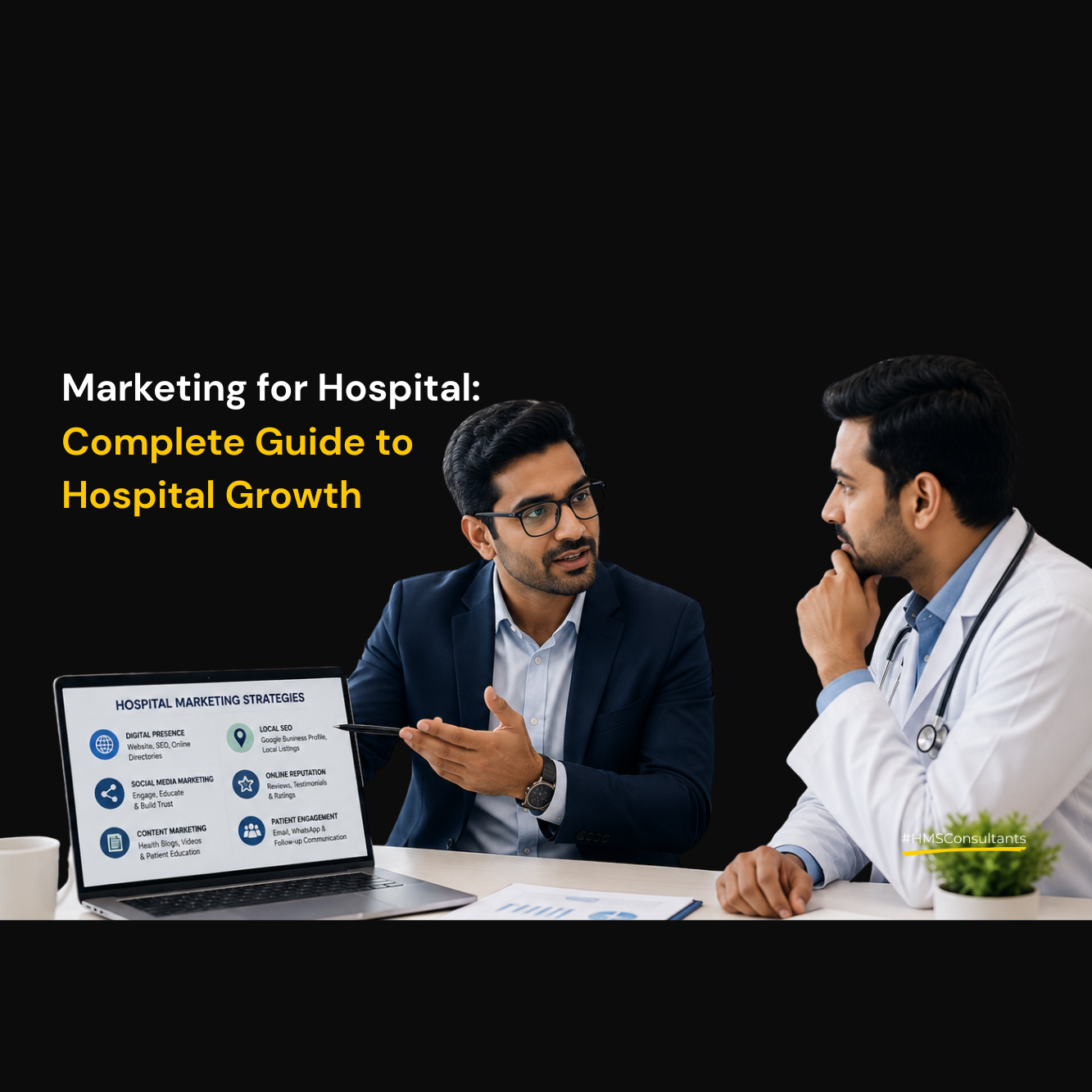
    Marketing for Hospital: A Complete Guide to Attract More Patients and Build Trust in India

    Marketing for Hospital: A Complete Guide to Attract More Patients and Build Trust in India

    Published on
    Share This

    The healthcare industry in India has become increasingly competitive. Patients today have more choices than ever before, and their decision-making process has changed significantly. Instead of relying solely on referrals or word-of-mouth recommendations, many patients begin their healthcare journey by searching online, reading reviews, comparing hospitals, and evaluating the quality of information available.

    This shift has made marketing for hospital an essential part of healthcare growth. However, hospital marketing is very different from marketing products or traditional businesses. Hospitals deal with people’s health, emotions, trust, and well-being. Every communication must therefore be ethical, informative, and patient-focused.

    Successful hospital marketing is not about promoting services aggressively. It is about helping patients find reliable healthcare information, building credibility, improving accessibility, and creating long-term relationships with the community.

    What Is Marketing for Hospital?

    Marketing for hospital refers to the planned activities that help hospitals communicate with patients, increase awareness about their services, strengthen their reputation, and encourage patients to choose them when healthcare needs arise.

    A successful marketing strategy focuses on creating value for patients rather than simply promoting treatments. It ensures that patients can easily find accurate information, understand available healthcare services, and connect with the right specialists when required.

    Hospital marketing combines traditional relationship-building with modern digital communication to create a seamless patient experience.

    Why Marketing for Hospital Is More Important Than Ever

    Healthcare is becoming increasingly patient-centric. Patients expect transparency, convenience, and easy access to information before selecting a hospital.

    Several factors have contributed to the growing importance of hospital marketing:

    • Increased competition among hospitals and clinics
    • Growing use of Google Search for healthcare information
    • Higher expectations for patient experience
    • Expansion of digital healthcare services
    • Greater influence of online reviews and ratings
    • Increased awareness about preventive healthcare

    Hospitals that actively communicate with their communities are more likely to build trust and remain competitive.

    Understanding the Difference Between Hospital Marketing and Healthcare Marketing

    Although these terms are often used interchangeably, they have slightly different meanings.

    Healthcare Marketing is a broad concept that includes marketing activities for hospitals, clinics, diagnostic centres, pharmaceutical companies, healthcare startups, wellness brands, and other healthcare organisations.

    Hospital Marketing specifically focuses on promoting hospitals, their departments, specialists, facilities, and patient services.

    Marketing for hospital is therefore a specialised branch of healthcare marketing that addresses the unique needs of hospitals and their patients.

    The Foundation of Effective Marketing for Hospital

    Before investing in advertising or promotional campaigns, hospitals should establish a strong marketing foundation.

    This includes:

    Understanding the Target Audience

    Every hospital serves different patient groups depending on its specialties, location, and facilities.

    Understanding patient demographics, healthcare needs, and behaviour helps hospitals communicate more effectively.

    Building Patient Trust

    Healthcare decisions are based on trust.

    Patients look for:

    • Qualified doctors
    • Transparent communication
    • Positive patient experiences
    • Clinical expertise
    • Hospital reputation
    • Reliable information

    Marketing should consistently reinforce these trust signals.

    Developing a Strong Brand Identity

    A hospital’s brand extends beyond its logo or colours. It reflects the organisation’s values, quality of care, professionalism, and patient experience.

    A strong brand creates confidence before patients even visit the hospital.

    Digital Marketing for Hospital: Why It Matters

    Digital platforms have transformed the way patients search for healthcare providers.

    Today, many patients begin with searches such as:

    • Best hospital near me
    • Orthopaedic hospital
    • Cardiology specialist
    • Maternity hospital
    • Emergency hospital

    This makes Digital Marketing for Hospital an essential part of modern healthcare marketing.

    Digital marketing allows hospitals to:

    • Reach patients when they actively search for healthcare
    • Improve online visibility
    • Share educational content
    • Build trust through informative communication
    • Generate qualified patient enquiries
    • Strengthen long-term patient relationships

    Unlike traditional advertising, digital marketing provides measurable insights that help hospitals continuously improve their strategies.

    Essential Components of Hospital Marketing

    1. A Professional Hospital Website

    A hospital website is often the first interaction patients have with the organisation.

    It should include:

    • Hospital overview
    • Doctor profiles
    • Specialties
    • Treatment information
    • Appointment booking
    • Contact details
    • Emergency services
    • Patient education resources

    A well-designed website improves both patient confidence and search engine visibility.

    2. Search Engine Optimisation (SEO)

    Search Engine Optimisation helps hospitals appear in Google when patients search for healthcare services.

    SEO involves:

    • Publishing educational blogs
    • Optimising service pages
    • Improving website performance
    • Using relevant healthcare keywords
    • Maintaining accurate local business information

    SEO is one of the most cost-effective long-term hospital marketing strategies.

    3. Google Business Profile

    For local healthcare providers, Google Business Profile plays a significant role in patient discovery.

    Hospitals should ensure that their profile includes:

    • Correct address
    • Phone number
    • Working hours
    • Department details
    • Photos
    • Patient reviews

    Regular updates improve local visibility and credibility.

    4. Content Marketing

    Patients appreciate healthcare providers who educate them before they become patients.

    Useful content includes:

    • Blogs
    • Health awareness articles
    • Doctor interviews
    • Frequently asked questions
    • Preventive healthcare tips
    • Treatment guides

    Educational content positions the hospital as a trusted source of information.

    5. Social Media Marketing for Hospital

    Social media is not simply a platform for promotions.

    Effective Social Media Marketing for Hospital focuses on meaningful engagement with the community.

    Hospitals can share:

    • Health awareness campaigns
    • Doctor introductions
    • Patient education videos
    • Wellness tips
    • Community events
    • Healthcare observance days
    • Behind-the-scenes hospital initiatives

    Social media helps strengthen relationships and humanise the hospital brand.

    Patient Experience Is the Best Marketing Strategy

    No marketing campaign can compensate for a poor patient experience.

    Patients remember:

    • Appointment scheduling
    • Reception staff behaviour
    • Waiting time
    • Doctor communication
    • Nursing care
    • Billing process
    • Follow-up support

    Satisfied patients become advocates who recommend the hospital to family and friends, contributing to long-term growth through positive word of mouth.

    Marketing should therefore work alongside operational excellence rather than independently.

    Measuring the Success of Marketing for Hospital

    Hospital marketing should be evaluated using meaningful performance indicators instead of vanity metrics.

    Useful metrics include:

    • Website traffic
    • Appointment enquiries
    • Organic search rankings
    • Google Business interactions
    • Patient conversion rates
    • Online reviews
    • Repeat patient visits
    • Referral sources
    • Patient satisfaction scores

    Tracking these indicators helps hospitals refine their marketing strategies over time.

    Common Mistakes in Hospital Marketing

    Many hospitals invest in marketing without a structured strategy.

    Some common mistakes include:

    • Focusing only on advertisements
    • Ignoring patient education
    • Having an outdated website
    • Inconsistent branding
    • Neglecting online reviews
    • Posting irregularly on social media
    • Measuring likes instead of patient enquiries
    • Publishing inaccurate or overly promotional healthcare content

    Avoiding these mistakes helps hospitals build stronger and more sustainable marketing programmes.

    Future Trends in Healthcare Marketing

    Healthcare marketing continues to evolve with patient expectations and technological advancements.

    Some emerging trends include:

    • Artificial intelligence for patient communication
    • Personalised healthcare experiences
    • Telemedicine integration
    • Video-based patient education
    • Voice search optimisation
    • Data-driven marketing decisions
    • Local SEO for hospitals
    • Online reputation management

    Hospitals that embrace these trends responsibly will be better prepared for future patient expectations.

    Creating a Sustainable Hospital Marketing Strategy

    An effective marketing strategy should combine multiple channels rather than relying on a single activity.

    A sustainable hospital marketing framework includes:

    • Understanding patient needs
    • Defining clear marketing objectives
    • Building a strong digital presence
    • Creating educational content
    • Improving search visibility
    • Strengthening patient communication
    • Monitoring performance
    • Continuously improving patient experience

    Marketing becomes far more effective when every activity supports a common long-term goal.

    Conclusion

    Marketing for hospital is no longer optional in today’s healthcare environment. As patient behaviour continues to evolve, hospitals must communicate more effectively, build trust consistently, and create meaningful experiences across every touchpoint.

    Successful hospital marketing is not about making the loudest promotional claims. It is about ensuring that patients can easily find reliable information, connect with experienced healthcare professionals, and feel confident in their healthcare decisions.

    By combining ethical healthcare marketing, strategic digital marketing for hospital, informative content, local search optimisation, and meaningful social media marketing for hospital, healthcare organisations can strengthen their reputation while supporting sustainable growth.

    Ultimately, the most successful hospitals are those that view marketing not as advertising, but as an extension of patient care.

    Contact Us HMS Consultants

    Marketing for hospital involves strategies that help hospitals increase awareness, improve patient engagement, strengthen their reputation, and attract patients through ethical communication.

    Hospital Marketing Strategies I Business I clinic marketing I Digital Marketing I Digital Strategy I Healthcare Marketing I hospital marketing I Medical Marketing

    is something we strongly believe in, which means ‘Knowledge without application is the same as having no knowledge at all

    Akhil Dave

    Principle Consultant

    Ready to take your Personal Brand to the next level?

    Share your details below and we will connect with you to discuss your growth strategy.
    • Healthcare Management Consulting Firm: Why Hospitals Should Use Existing Assets Better

      Healthcare Management Consulting Firm: Why Hospitals Should Use Existing Assets Better

      Healthcare Management Consulting Firm: Why Hospitals Should Use Existing Assets Better

      Published on
      Share This

      A healthcare management consulting firm does not always help hospitals by asking them to add more. Sometimes, the bigger opportunity is to use what the hospital already has more effectively.

      Many hospitals continue to invest in new machines, doctors, departments, campaigns, or services. But before adding more, hospitals should ask one important question:

      Are we fully using what we already have?

      A hospital may already have skilled doctors, diagnostic equipment, operating theatre time, rooms, trained staff, patient data, service packages, and referral networks. But if these resources are not used properly, the hospital may still feel like it needs more investment.

      A healthcare management consulting firm helps hospitals identify underused assets and improve their value before making new decisions.

      Why More Investment Is Not Always the Answer

      Hospitals often respond to slow growth by adding something new.

      They may think they need:

      • More doctors.
      • More machines.
      • More marketing campaigns.
      • More departments.
      • More staff.
      • More space.
      • More digital activity.

      Sometimes these things are needed. But not always.

      In many cases, the hospital already has useful resources. The problem is that those resources are not being used in the right way.

      For example, a hospital may have a diagnostic machine but low test volume. A specialist doctor may have available OPD slots but fewer relevant patients. An operation theatre may have unused time. A department may exist, but patients may not know about it clearly.

      Adding more without improving current utilisation can increase cost without improving results.

      What Existing Assets Mean in a Hospital

      Hospital assets are not only buildings and machines. They include everything that can support patient care, hospital operations, revenue, and growth.

      Existing hospital assets may include:

      • Doctors and consultants.
      • OPD slots.
      • Diagnostic equipment.
      • Operation theatre time.
      • ICU or room capacity.
      • Nursing and support staff.
      • Front desk team.
      • Patient database
      • Old enquiries and leads.
      • Existing departments.
      • Treatment packages.
      • Referral network.
      • Hospital location.
      • Website and digital platforms.

      A healthcare consulting firm helps hospitals look at these assets with a management perspective.

      The goal is to understand what is underused, what can be improved, and what can create better outcomes with better planning.

      Doctors’ Time Should Be Used Strategically

      Doctors are one of the most important assets of any hospital. But many hospitals do not study how doctor time is being used.

      Some doctors may have high demand, while others may have low OPD utilisation. Some specialists may be available, but their services may not be communicated properly.

      Hospitals should review:

      • Which doctors have underused OPD slots.
      • Which specialties need better patient flow.
      • Which consultation timings are not being used well.
      • Which procedures are linked to each doctor’s expertise.
      • Which services need better patient awareness.

      This does not mean overloading doctors. It means aligning doctor availability, patient demand, and hospital communication properly.

      A hospital consulting firm can help management understand where doctor utilisation can improve without affecting care quality.

      Equipment and Technology Need Better Utilisation

      Many hospitals invest in equipment and technology with the expectation that it will improve service capability. But after installation, some machines may not be used to their full potential.

      This can happen because:

      • Patients are not aware of the service.
      • Internal referrals are low.
      • Staff is not trained properly.
      • The service is not promoted clearly.
      • Pricing or package clarity is missing.
      • The machine is not connected to a department strategy.

      For example, a hospital may have advanced diagnostic equipment, but if patients and referring doctors do not understand its availability or relevance, utilisation remains low.

      A healthcare management consulting firm can help hospitals review whether existing technology is supporting patient care, revenue, and service growth as expected.

      Existing Patient Data Can Support Better Planning

      Many hospitals already have useful patient data, but they do not always use it for planning.

      This data may include:

      • OPD visits.
      • Repeat patients.
      • Follow-up patterns.
      • Service-wise enquiries.
      • Missed appointments.
      • Old leads.
      • Department-wise patient flow.
      • Common patient questions.
      • Seasonal demand.

      This information can help hospitals understand what patients are actually looking for.

      For example, if many patients enquire about a service but do not convert, the hospital may need better counselling, pricing clarity, doctor availability, or follow-up process.

      A healthcare consulting firm can help convert patient data into useful management decisions.

      Underused Departments Need Better Attention

      Some hospital departments may exist, but they may not receive enough attention.

      This may happen when:

      • Patients do not understand the service.
      • Doctor availability is not clear.
      • The front desk is not trained to explain the service.
      • Website content is weak.
      • Internal referrals are not happening.
      • Service packages are not structured.

      In such cases, the department is not necessarily weak. It may simply be underused.

      Before adding a new department, hospitals should check whether existing departments are being used properly.

      A hospital management consulting approach helps identify which departments have hidden potential and what changes are needed to improve performance.

      Space, Staff, and Systems Also Matter

      Hospital assets are not limited to doctors and machines. Space, staff, and systems also need proper utilisation.

      For example:

      • A room may remain unused for most of the day.
      • A counselling desk may not be used for patient education.
      • A front desk team may answer calls but not capture enquiry data.
      • Staff may have skills that are not being used fully.
      • Existing systems may not be followed consistently.

      Small improvements in these areas can create better patient experience and better hospital efficiency.

      A healthcare management consulting firm can help hospitals see where existing systems can be improved before making new investments.

      Why Asset Utilisation Supports Better Growth

      Better asset utilisation helps hospitals grow more efficiently.

      Instead of only increasing cost, hospitals can improve value from existing resources.

      This can support:

      • Better patient flow.
      • Improved department performance.
      • Stronger service awareness.
      • Better revenue planning.
      • Smarter staff deployment.
      • Better use of doctor time.
      • Higher equipment productivity.
      • Reduced unnecessary investment,

      Growth does not always come from adding more. Sometimes, growth comes from using current resources with more clarity.

      The Role of a Healthcare Management Consulting Firm

      A healthcare management consulting firm brings a structured view to hospital resources.

      It helps hospital leadership review what already exists and where improvement is possible.

      This may include:

      • Studying current asset utilisation.
      • Reviewing department performance.
      • Analysing patient flow.
      • Understanding doctor availability.
      • Checking equipment usage.
      • Reviewing staff roles.
      • Identifying underused services.
      • Connecting data with decisions.

      The role is not only to suggest new activities. It is also to identify what should be improved, reorganised, or used better.

      Conclusion

      A healthcare management consulting firm can help hospitals look beyond the idea of always adding more.

      Many hospitals already have valuable assets such as doctors, equipment, departments, staff, space, patient data, digital platforms, and local reputation. But if these assets are not used properly, the hospital may still struggle with growth, patient flow, and revenue clarity.

      Before investing in something new, hospitals should first understand what is already available and how well it is being used.

      Better hospital asset utilisation can improve performance, reduce waste, support patient care, and create more focused growth.

      A strong hospital management strategy is not only about expansion.

      It is also about using existing resources wisely.

      Contact Us HMS Consultants

      Healthcare consulting firms help hospitals review their operations, resources, services, patient flow, departments, and growth plans. As per this blog, they also help hospitals identify underused assets like doctors, equipment, staff, space, patient data, and existing departments.

      Hospital Marketing Strategies I Business I Hospital Branding I hospital marketing I Hospital Marketing Strategy I patient trust

      is something we strongly believe in, which means ‘Knowledge without application is the same as having no knowledge at all

      Akhil Dave

      Principle Consultant

      Ready to take your Personal Brand to the next level?

      Share your details below and we will connect with you to discuss your growth strategy.

      • Hospital Marketing Strategy: How Hospitals Can Build Trust and Patient Growth

        Hospital Marketing Strategy: How Hospitals Can Build Trust and Patient Growth

        Hospital Marketing Strategy: How Hospitals Can Build Trust and Patient Growth

        Published on
        Share This

        A hospital marketing strategy is not only about promotions, campaigns, ads, or social media posts. For hospitals, marketing must connect with patient trust, doctor credibility, department visibility, service communication, and long-term patient growth.

        Hospitals are different from regular businesses. A hospital may have many departments, doctors, treatments, facilities, and patient groups. This makes hospital marketing more complex than promoting one product or one service.

        Without strategy, marketing becomes scattered. One month the hospital may promote cardiology, the next month orthopaedics, then health check-ups, then festival posts, then random awareness campaigns. Activity may increase, but patient growth may not improve.

        A strong hospital marketing strategy helps hospitals decide what to promote, whom to reach, how to communicate, and how marketing should support real hospital goals.

        Why Hospitals Need a Marketing Strategy

        Many hospitals already do marketing. They may have a website, social media page, Google Business Profile, outdoor branding, health camps, brochures, ads, and referral activities.

        But these activities may not always be connected to a clear hospital marketing plan.

        A proper strategy helps answer:

        • Which departments need more visibility?
        • Which doctors should be positioned better?
        • Which services need patient education?
        • What information do patients need before choosing the hospital?
        • How should the hospital build trust in its local market?
        • Which digital and offline channels should be used?
        • How will enquiries be tracked and handled?

        When these questions are answered clearly, marketing becomes more focused and useful.

        Department-Wise Planning Matters

        A hospital cannot market every department in the same way. Each department has a different patient need and decision journey.

        For example, maternity care needs emotional trust, safety, comfort, and doctor connection. Orthopaedics may need to focus on pain relief, movement, surgery options, and recovery. Emergency care needs fast access, location clarity, and availability. Cardiology needs credibility, urgency, and expert trust.

        This is why hospital marketing strategies should include department-wise planning.

        A hospital marketing plan should identify priority departments, patient demand, doctor availability, local competition, service strengths, and communication gaps.

        This helps hospitals avoid random promotion and build focused growth plans.

        Doctor Positioning Builds Trust

        In hospital marketing, the hospital brand matters. But doctor credibility also plays a major role.

        Patients often choose a hospital because of the doctor they trust. This is especially true for specialties such as gynaecology, cardiology, orthopaedics, ophthalmology, dermatology, oncology, paediatrics, and surgery.

        A good hospital marketing strategy should include doctor positioning through:

        • Detailed doctor profiles
        • Educational videos
        • Patient-friendly introductions
        • Specialty-based content
        • Doctor-led awareness campaigns
        • Consultation-related FAQs

        Doctor positioning should not be exaggerated. It should be clear, ethical, and patient-friendly.

        When patients understand a doctor’s expertise, their confidence improves.

        Patient Trust Is the Core of Hospital Marketing

        Hospitals cannot grow only through visibility. They grow when patients trust them.

        Patient trust is built through clear communication, doctor credibility, good reviews, service clarity, patient education, staff behaviour, appointment experience, and ethical marketing claims.

        A hospital marketing strategy should not only ask, “How do we get more enquiries?”

        It should also ask, “Why should patients trust us?”

        This changes the quality of marketing.

        Instead of only promoting services, hospitals start educating patients, answering doubts, explaining treatments, and improving the patient journey.

        Hospital Branding Should Be Clear

        Hospital branding is not only about logos, colours, banners, or brochures. It is about what patients remember and feel about the hospital.

        Is the hospital known for emergency care, women and child care, advanced surgery, eye care, multispeciality treatment, affordable care, or patient-friendly service?

        A strong hospital marketing strategy should define this clearly.

        Good hospital branding helps patients understand what the hospital stands for, which services it is known for, why they should consider it, and how it is different from other hospitals nearby.

        Without clear branding, hospital communication becomes generic.

        Digital and Offline Marketing Should Work Together

        Hospital digital marketing is important, but hospitals also need offline trust-building. Health camps, doctor talks, community programmes, referral communication, local outreach, corporate tie-ups, and patient education events can also support growth.

        The mistake many hospitals make is treating digital and offline marketing separately.

        A better approach connects both.

        For example, a health camp can be supported through social media, Google updates, WhatsApp communication, posters, local SEO content, and follow-up messaging.

        A doctor awareness talk can become video content, blog content, FAQs, and social media posts.

        This makes one activity more valuable.

        Patient Communication Impacts Marketing Results

        Hospital patient communication plays an important role in marketing success.

        Patients may contact the hospital through phone calls, WhatsApp, website forms, social media messages, Google Business Profile, or walk-ins. If communication is slow, unclear, or unhelpful, marketing efforts may fail.

        Hospitals should improve call response, WhatsApp replies, appointment booking, front desk coordination, follow-up communication, and enquiry tracking.

        Marketing brings attention. Communication builds trust.

        Role of a Healthcare Marketing Consultant

        A healthcare marketing consultant can help hospitals build a structured marketing direction.

        The consultant studies hospital departments, doctors, services, patient audience, digital presence, local competition, enquiry flow, and communication gaps.

        Instead of only suggesting campaigns, the consultant helps the hospital understand which departments need focus, what patients are searching for, what communication is missing, which channels should be used, and how branding can be improved.

        This approach helps hospitals move from random marketing to planned growth.

        How HMS Supports This Direction

        Hospital marketing requires more than basic marketing knowledge. It needs understanding of patients, doctors, departments, trust, communication, digital visibility, and ethical healthcare promotion.

        The HMS Certified Healthcare Marketing Consultant Program helps serious professionals understand this specialised field.

        Participants learn how to review digital presence, study patient communication gaps, understand service positioning, plan healthcare marketing direction, and approach hospitals and clinics with structured thinking.

        The program is designed for professionals who want to understand healthcare marketing from a consulting-led perspective and guide healthcare businesses responsibly.

        Conclusion

        A hospital marketing strategy helps hospitals move beyond random promotion and build a clear direction for patient growth.

        Hospitals need more than posts, ads, brochures, or campaigns. They need department-wise planning, doctor positioning, patient trust, hospital branding, local visibility, enquiry handling, and ethical communication.

        The hospitals that grow stronger will be the ones that understand what patients need, communicate clearly, and connect marketing with real hospital goals.

        Contact Us HMS Consultants

        A hospital marketing strategy is a planned approach that helps hospitals improve visibility, build patient trust, promote departments, strengthen doctor credibility, and support patient growth.

        Hospital Marketing Strategies I Business I Hospital Branding I hospital marketing I Hospital Marketing Strategy I patient trust

        is something we strongly believe in, which means ‘Knowledge without application is the same as having no knowledge at all

        Akhil Dave

        Principle Consultant

        Ready to take your Personal Brand to the next level?

        Share your details below and we will connect with you to discuss your growth strategy.

        • Healthcare Marketing Services: What Professionals Should Understand Before Consulting

          Healthcare Marketing Services: What Professionals Should Understand Before Consulting

          Healthcare Marketing Services: What Professionals Should Understand Before Consulting

          Published on
          Share This

          Healthcare marketing services are becoming important for doctors, clinics, hospitals, diagnostic centres, wellness businesses, and healthcare startups that want to improve visibility, patient communication, enquiries, and business growth.

          But for professionals who want to enter healthcare marketing consulting, it is not enough to only know the names of these services. They must understand what each service does, when it is needed, why it matters, and how it supports patient trust and healthcare business growth.

          This is where the difference between service execution and consulting understanding begins.

          A healthcare marketing consultant should not randomly suggest social media, SEO, ads, or website work. A consultant should first understand the healthcare business, patient journey, communication gaps, digital presence, and growth goals.

          What Are Healthcare Marketing Services?

          Healthcare marketing services are activities that help healthcare businesses communicate better, become more visible, attract relevant patients, and build trust.

          These services may include:

          • Website development and improvement
          • Search engine optimization
          • Google Business Profile management
          • Social media marketing
          • Content creation
          • Paid advertising
          • Online reputation management
          • Patient communication strategy
          • Branding and positioning
          • Video marketing
          • Local SEO
          • Enquiry tracking
          • Marketing audit and reporting

          Each service has a purpose. But not every healthcare business needs every service at the same time.

          This is why strategic understanding is important.

          Website and SEO Services

          A website is often the first serious digital touchpoint for patients. Before booking an appointment, many patients visit a clinic or hospital website to understand services, doctors, treatments, location, and credibility.

          A healthcare website should not only look good. It should help patients understand clearly.

          Important website elements include:

          • Doctor profile
          • Service pages
          • Treatment explanations
          • Symptoms and conditions
          • Patient FAQs
          • Appointment details
          • Location information
          • Trust signals
          • Mobile-friendly design

          SEO helps patients find this information when they search online. Healthcare digital marketing services often include SEO because patients search for doctors, treatments, symptoms, and location-based healthcare services.

          For a consultant, the question is not only whether SEO is being done. The question is whether the website is actually useful for patients.

          Google Business Profile Services

          For local healthcare businesses, Google Business Profile can directly influence enquiries.

          Patients often search for doctors, clinics, diagnostic centres, or hospitals near them. If the profile is incomplete, outdated, or poorly managed, the healthcare business may lose potential patients.

          Google Business Profile services may include:

          • Updating business information
          • Adding services
          • Uploading photos
          • Managing reviews
          • Posting updates
          • Tracking calls and direction requests
          • Improving local visibility

          For clinics and hospitals, this is one of the most practical clinic marketing services and hospital marketing services.

          A healthcare marketing consultant should understand how the profile affects patient discovery and trust.

          Social Media Marketing Services

          Social media is one of the most visible healthcare marketing services, but it is also one of the most misunderstood.

          Many healthcare businesses think social media means regular posting. But healthcare social media should not only create activity. It should educate, guide, and build trust.

          Strong healthcare social media can include:

          • Patient education posts
          • Doctor explanation videos
          • Service awareness content
          • Myth vs fact content
          • Preventive health tips
          • Patient FAQs
          • Trust-building content
          • Treatment information
          • Awareness campaigns

          Social media should be connected to a healthcare marketing strategy. It should not become random posting without purpose.

          Paid Advertising Services

          Paid ads can help healthcare businesses increase visibility and generate enquiries. But ads should be used carefully in healthcare.

          Running ads without proper strategy can lead to poor-quality enquiries, wasted budget, unclear messaging, or unrealistic patient expectations.

          Before suggesting ads, professionals should understand:

          • Which service is being promoted
          • Who the target patient group is
          • Whether the landing page is clear
          • Whether the enquiry team is ready
          • Whether claims are ethical
          • Whether the budget is being used correctly
          • Whether results are being tracked

          Paid advertising can support healthcare business growth, but only when the foundation is clear.

          Content Marketing Services

          Content is very important in healthcare because patients need information before they make decisions.

          Good healthcare content should answer real patient questions. It should not sound like hard selling.

          Content marketing services may include:

          • Blogs
          • Service page content
          • Doctor profile content
          • Patient education posts
          • Video scripts
          • FAQs
          • Treatment explainers
          • Email or WhatsApp communication
          • Awareness content

          Healthcare content should be simple, responsible, and patient-friendly.

          A healthcare marketing consultant should understand how content supports trust, SEO, patient education, and service positioning.

          Review and Reputation Services

          Patient reviews are powerful trust signals. Many patients check reviews before choosing a healthcare provider.

          Review and reputation services may include:

          • Encouraging genuine feedback
          • Monitoring reviews
          • Responding professionally
          • Understanding patient complaints
          • Improving communication gaps
          • Building trust through patient experience

          Reputation management should not be fake or forced. It should be ethical and connected to actual patient experience.

          For healthcare businesses, reviews are not just marketing. They reflect service quality and patient confidence.

          Branding and Positioning Services

          Healthcare branding is not only about logo, colours, or design. It is about how patients understand and remember the doctor, clinic, hospital, or healthcare business.

          Brand positioning helps answer:

          • What is this healthcare provider known for?
          • Which services should be highlighted?
          • What makes the provider trustworthy?
          • How should expertise be communicated?
          • What should patients feel when they see the brand?
          • How is this provider different from others?

          A strong healthcare marketing strategy should include clear positioning.

          Without positioning, marketing messages can become generic and forgettable.

          Why Consultants Must Understand Services Deeply

          A healthcare marketing consultant does not need to personally execute every service. But the consultant must understand how each service works and how it connects to the larger growth plan.

          For example, if a clinic is not getting enquiries, the problem may not always be ads. It may be weak Google visibility, unclear service pages, poor reviews, or delayed call response.

          If a hospital is not building trust, the issue may not be social media frequency. It may be poor communication, weak doctor positioning, unclear content, or lack of patient education.

          Consulting requires diagnosis before recommendation.

          This is why professionals must understand healthcare marketing services from a strategic point of view.

          How HMS Supports This Direction

          Many professionals learn marketing execution, but healthcare marketing consulting needs a broader understanding of services, patient behavior, business gaps, and ethical communication.

          The HMS Certified Healthcare Marketing Consultant Program helps serious professionals understand how different healthcare marketing services fit into a consulting-led growth approach.

          Participants learn to review digital presence, understand patient communication gaps, study service positioning, think through healthcare marketing strategy, and prepare practical recommendations for clinics, hospitals, and healthcare businesses.

          The program is designed for professionals who want to move beyond service names and understand how marketing decisions are made in healthcare.

          HMS provides structured learning, tools, frameworks, and guidance. Growth depends on the participant’s learning consistency, communication ability, practical application, and market development.

          Conclusion

          Healthcare marketing services are not only a list of tasks. They are connected parts of a larger growth system.

          A website supports trust. SEO supports discovery. Google Business Profile supports local visibility. Social media supports patient education. Content supports clarity. Reviews support confidence. Ads support reach. Branding supports recall.

          For professionals who want to become healthcare marketing consultants, understanding these services deeply is important.

          The real value is not in suggesting every service to every healthcare business.

          The real value is in knowing which service is needed, why it is needed, and how it can support patient trust and healthcare business growth responsibly.

          Contact Us HMS Consultants

          Healthcare marketing services include website improvement, SEO, Google Business Profile management, social media, content marketing, paid ads, reviews, branding, patient communication, and digital presence improvement for healthcare businesses.

          Healthcare Marketing I Business I Healthcare Consulting I healthcare digital marketing I healthcare Management

          is something we strongly believe in, which means ‘Knowledge without application is the same as having no knowledge at all

          Akhil Dave

          Principle Consultant

          Ready to take your Personal Brand to the next level?

          Share your details below and we will connect with you to discuss your growth strategy.

          • Doctor Digital Marketing: How Patients Evaluate Doctors Before Booking

            Doctor Digital Marketing: How Patients Evaluate Doctors Before Booking

            Doctor Digital Marketing: How Patients Evaluate Doctors Before Booking

            Published on
            Share This

            Doctor digital marketing is not only about posting health tips, running ads, or getting more followers. For doctors, digital marketing should help patients understand the doctor’s expertise, approach, availability, and credibility before booking an appointment.

            Today, even when patients receive a recommendation, they often search the doctor’s name online, read reviews, check the clinic website, visit social media pages, or look for videos before deciding.

            This means doctor digital marketing should be planned around how patients evaluate a doctor before consultation.

            Patients First Look for the Doctor’s Identity

            Before booking, patients want to know who the doctor is. They look for simple but important details that help them understand the doctor’s professional background.

            This usually includes:

            • Doctor’s full name
            • Qualification
            • Speciality
            • Years of experience
            • Clinic or hospital association
            • Consultation location
            • Available timings
            • Key areas of practice

            If this information is missing, incomplete, or different across platforms, patients may feel unsure. A weak online presence can make even an experienced doctor look less visible or less accessible.

            Digital marketing for doctors should clearly establish the doctor’s identity across Google, website pages, directories, social media, and clinic communication. Patients should not struggle to understand who the doctor is and what type of care they provide.

            Patients Check Whether the Doctor Matches Their Concern

            Patients do not evaluate a doctor only by qualification. They also check whether the doctor is relevant to their specific health concern.

            For example, a patient with knee pain may look for an orthopaedic doctor who handles joint pain, arthritis, sports injuries, or knee replacement. A patient looking for pregnancy care may check whether the gynecologist provides antenatal care, high-risk pregnancy care, delivery support, or fertility guidance.

            This is where online marketing for doctors must move beyond general statements like “experienced doctor” or “quality care.”

            The content should clearly explain:

            • What conditions the doctor treats
            • Which patient concerns are commonly handled
            • What services are available
            • When patients should consult
            • What the patient can expect during the visit
            • Which symptoms should not be ignored

            This does not mean making exaggerated claims. It means helping patients understand whether the doctor is suitable for their concern.

            Patients Read Reviews Before Booking

            Reviews play an important role in a doctor’s digital marketing. Patients often read what others have experienced before deciding to book.

            They may observe:

            • How patients describe the doctor
            • Whether the doctor listens properly
            • Whether staff members are helpful
            • Whether appointment handling is smooth
            • Whether the clinic experience feels organised
            • How the doctor or clinic responds to feedback

            Reviews are not only about star ratings. They are signals of patient trust. A doctor may have strong clinical expertise, but if online reputation is unmanaged, patients may hesitate.

            A doctor marketing strategy should include review monitoring, professional response handling, and learning from repeated patient feedback. Positive reviews can strengthen confidence, while negative reviews should be handled carefully and ethically.

            Patients Notice How the Doctor Communicates Online

            Patients also evaluate how a doctor communicates online. This includes social media posts, videos, website content, captions, blogs, and replies to patient queries.

            A doctor’s communication style can influence patient comfort before consultation.

            Patients may feel more confident when the content is:

            • Simple to understand
            • Educational
            • Responsible
            • Calm in tone
            • Free from fear-based messaging
            • Focused on patient awareness
            • Clear about when to seek consultation

            For doctors, content should not sound like aggressive selling. Healthcare communication should guide, educate, and reassure patients.

            For example, a short video explaining when back pain needs medical attention can be more useful than a generic promotional post. A simple post explaining early signs of diabetes can help patients take timely action. Medical practice marketing becomes stronger when the doctor’s communication helps patients feel informed rather than pressured.

            Patients Compare Information Across Platforms

            A patient may not rely on only one platform. They may check Google, the website, social media, YouTube, healthcare directories, and review platforms before making a decision.

            If the information is different everywhere, it creates confusion. For example, Google may show one clinic timing, the website may show another, and social media may not mention the doctor’s current availability.

            A consistent doctor online presence should include updated details such as:

            • Doctor name and speciality
            • Clinic or hospital location
            • Contact number
            • Consultation timings
            • Services offered
            • Appointment process
            • Website or profile link
            • Patient education content

            Consistency helps patients feel that the doctor’s practice is organised and reliable.

            Patients Evaluate Convenience Before Booking

            Clinical expertise matters, but patients also consider practical details before booking. If they cannot find appointment information, location details, consultation timing, or the contact process, they may delay the decision.

            A doctor in digital marketing should make the next step easy.

            Patients should be able to understand:

            • Where the doctor is available
            • How to book an appointment
            • What timings are available
            • Whether a prior appointment is needed
            • Which number to call
            • What documents or reports to carry
            • Whether follow-up is required

            These details may look basic, but they affect patient inquiries. Many potential patients drop off not because they are uninterested, but because the booking process is unclear.

            Common Mistakes in Doctor Digital Marketing

            Many doctors or clinics make digital marketing less effective by focusing only on activity instead of patient evaluation.

            Common mistakes include:

            • Posting only festival creatives
            • Running ads without clear service pages
            • Using generic captions
            • Not updating Google Business Profile
            • Ignoring reviews
            • Not explaining services properly
            • Having incomplete doctor profiles
            • Making content too technical for patients
            • Not showing clear appointment steps

            These mistakes can reduce patient confidence. A doctor may be highly skilled, but if the digital presence is unclear, patients may not understand the doctor’s value.

            Doctor digital marketing should be structured, consistent, and patient-focused.

            Conclusion

            Doctor digital marketing is not just about visibility. It is about helping patients evaluate the doctor before booking.

            Patients look for identity, expertise, relevance, reviews, communication style, convenience, and trust signals. They want to know whether the doctor is suitable for their concern and whether the consultation process feels clear and reliable.

            A strong doctor marketing strategy should focus on patient questions before focusing on platforms. It should explain the doctor’s expertise, make information easy to find, manage the doctor’s reputation responsibly, and guide patients to book without pressure.

            For doctors, digital presence is often the first point at which patients begin to build trust. The clearer the doctor’s online presence, the easier it becomes for patients to understand, trust, and choose the right care.,

            Contact Us HMS Consultants

            Yes, a doctor can do digital marketing ethically and informatively. A doctor’s digital marketing should focus on patient education, clear service information, an updated online presence, reviews, appointment guidance, and helping patients understand the doctor’s expertise before booking.

            Digital Strategy I Business I Digital Marketing I doctor digital marketing I healthcare digital marketing I healthcare Management I Healthcare Marketing I Healthcare Marketing Strategy I hospital marketing I Hospital Marketing Strategies I online presence

            is something we strongly believe in, which means ‘Knowledge without application is the same as having no knowledge at all

            Akhil Dave

            Principle Consultant

            Ready to take your Personal Brand to the next level?

            Share your details below and we will connect with you to discuss your growth strategy.

            • Healthcare Marketing Strategies: What Clinics and Hospitals Really Need

              Healthcare Marketing Strategies: What Clinics and Hospitals Really Need

              Healthcare Marketing Strategies: What Clinics and Hospitals Really Need

              Published on
              Share This

              Healthcare marketing strategies are becoming important for clinics, hospitals, diagnostic centres, wellness businesses, and healthcare startups that want to grow with clarity and trust. Today, patients do not choose a healthcare provider only because a clinic exists nearby or a hospital has a name in the city.

              Patients search online. They compare doctors. They read reviews. They check websites. They look at social media pages. They ask others. They observe how clearly a healthcare provider communicates.

              This means healthcare marketing cannot depend only on random posts, occasional ads, or basic promotion.

              Clinics and hospitals need a proper healthcare marketing strategy that supports visibility, trust, patient communication, and long-term growth.
              Why Healthcare Marketing Needs Strategy

              Many healthcare businesses are already doing marketing. They may have an Instagram page, Facebook page, Google Business Profile, website, ads, brochures, or videos.

              But the problem is not always the absence of marketing.

              The problem is the absence of direction.

              A clinic may post regularly but still not get the right enquiries. A hospital may run ads but still not improve patient trust. A doctor may have a website but still not explain services clearly. A diagnostic centre may promote packages but still struggle with local visibility.

              This happens when marketing activities are not connected to a strategy.

              A healthcare marketing strategy helps answer:

              • Who are we trying to reach?
              • What services need more visibility?
              • What are patients searching for?
              • What doubts do patients have?
              • Is our digital presence trustworthy?
              • Are we communicating clearly?
              • Are enquiries being handled properly?
              • Is marketing supporting healthcare business growth?

              Without these answers, marketing becomes scattered.

              Patients Need Trust Before Action

              Healthcare is different from regular industries. A patient does not make decisions only based on offers, attractive creatives, or repeated posts.

              Healthcare decisions involve fear, risk, family discussions, trust, medical credibility, and confidence.

              Before booking an appointment, patients often want to know:

              • Is this doctor experienced?
              • Is this clinic reliable?
              • Is the treatment safe?
              • What symptoms should I not ignore?
              • What happens during consultation?
              • Are other patients satisfied?
              • Can I trust this hospital for my family?
              • Is the information clear and responsible?

              This is why patient communication is an important part of healthcare marketing strategies.

              Marketing should not only attract attention. It should reduce confusion, answer doubts, and build confidence.

              Website and SEO Strategy

              A website is often one of the first places patients visit before choosing a doctor, clinic, or hospital. But many healthcare websites only list services without properly explaining them.

              A good healthcare website should clearly explain:

              • Doctor profile and expertise
              • Services and treatments
              • Symptoms and conditions
              • Treatment process
              • Patient FAQs
              • Location and contact details
              • Appointment process
              • Trust signals and credibility

              SEO is also important because patients search for healthcare services online. They may search for terms related to symptoms, doctors, clinics, treatments, or location-based services.

              A strong healthcare marketing strategy should include website improvement and SEO direction so patients can find useful information when they need it.

              Google Business Profile Strategy

              For clinics, doctors, hospitals, and diagnostic centres, Google Business Profile is one of the most important local visibility tools.

              Patients often search directly on Google before calling or visiting.

              A strong Google profile should include:

              • Correct clinic or hospital name
              • Updated phone number
              • Accurate location
              • Service categories
              • Opening hours
              • Photos
              • Patient reviews
              • Regular updates
              • Clear appointment information

              Many healthcare businesses ignore this area, but it can directly affect patient enquiries.

              For local healthcare visibility, the Google Business Profile should be part of every clinic and hospital marketing strategy.

              Review and Reputation Strategy

              Patient reviews influence trust. A healthcare provider may have strong clinical expertise, but if online reviews are weak, outdated, or unmanaged, patients may hesitate.

              A proper review strategy includes:

              • Encouraging genuine patient feedback
              • Responding professionally to reviews
              • Understanding common patient complaints
              • Improving patient experience
              • Avoiding fake or unethical review practices
              • Using feedback to improve service quality

              Reviews are not only marketing assets. They are also a reflection of patient experience.

              Healthcare businesses should treat reputation management as a serious part of healthcare marketing.

              Social Media Strategy

              Social media is useful, but only when it is planned properly. Posting festival creatives, random health tips, or repeated service promotions is not enough.

              Healthcare social media should include:

              • Patient education
              • Doctor explanation videos
              • Treatment awareness
              • Myth-busting content
              • Service clarity
              • Preventive care tips
              • Patient FAQs
              • Trust-building content
              • Ethical awareness posts

              Social media should support patient understanding. It should not become hard selling.

              A good healthcare content plan helps clinics and hospitals educate patients and build trust over time.

              Enquiry Flow Strategy

              Marketing does not end when a patient sends a message or calls the clinic.

              Many healthcare businesses lose potential patients because their enquiry handling is weak.

              Common issues include:

              • Delayed response
              • Poor call handling
              • Unclear appointment process
              • Lack of follow-up
              • No tracking of enquiry sources
              • Incomplete information given to patients
              • No coordination between marketing and front desk

              A strong healthcare marketing strategy should also review the enquiry journey.

              If marketing brings enquiries but the system does not handle them properly, growth becomes difficult.

              Service Positioning Strategy

              Not every service should be promoted in the same way. A clinic or hospital may offer many services, but some require more education, some require more trust-building, and some require stronger local visibility.

              Service positioning helps answer:

              • Which service should be highlighted?
              • What patient problem does it solve?
              • What makes this service trustworthy?
              • What should patients know before booking?
              • How should the service be explained simply?
              • What content is needed around this service?

              Clear service positioning helps patients understand why they should choose a particular doctor, clinic, or hospital.

              Role of a Healthcare Marketing Consultant

              A healthcare marketing consultant can help clinics and hospitals bring structure to their marketing.

              Instead of only suggesting posts or ads, a consultant studies the full picture:

              • Digital presence
              • Website and SEO
              • Google Business Profile
              • Patient communication
              • Social media content
              • Reviews and reputation
              • Enquiry flow
              • Service positioning
              • Local visibility
              • Ethical marketing direction

              This helps healthcare businesses understand what needs improvement before spending more money on marketing execution.

              A consultant brings diagnosis before action.

              How HMS Supports This Direction

              Many professionals understand marketing tools, but healthcare marketing requires a different level of responsibility. It needs patient sensitivity, ethical communication, service understanding, and the ability to connect marketing activities with business growth.
              The HMS Certified Healthcare Marketing Consultant Program helps serious professionals learn this consulting-led approach.

              Participants are introduced to practical areas such as healthcare marketing strategy, digital presence review, patient communication, service positioning, clinic and hospital marketing diagnosis, proposal planning, and business development guidance.

              The program is designed for professionals who want to understand how healthcare businesses can grow with structure, not random marketing activities.

              HMS provides the learning structure, tools, frameworks, and guidance. The participant’s growth depends on consistent learning, communication ability, practical application, and market development.

              Conclusion

              Healthcare marketing strategies are not only about posts, ads, or promotions. Clinics and hospitals need a structured approach that connects visibility, patient trust, digital presence, reputation, enquiry handling, and ethical communication.

              A good healthcare marketing strategy helps patients understand the healthcare provider better and helps healthcare businesses grow with direction.

              For professionals who want to build a future in healthcare marketing, a learning strategy is more valuable than only learning execution.

              The clinics and hospitals that grow stronger will be the ones that communicate clearly, build trust responsibly, and follow a marketing strategy that supports real patient needs.

              Contact Us HMS Consultants

              Healthcare marketing strategies are planned approaches used by doctors, clinics, hospitals, diagnostic centres, and healthcare businesses to improve visibility, patient trust, communication, enquiries, and business growth ethically.

              Healthcare Marketing I Business I Digital Marketing I Digital Strategy I Doctors Digital Marketing I healthcare careers I Healthcare Consulting I healthcare digital marketing I healthcare Management I Hospital Marketing Strategy I Social Media Marketing

              is something we strongly believe in, which means ‘Knowledge without application is the same as having no knowledge at all

              Akhil Dave

              Principle Consultant

              Ready to take your Personal Brand to the next level?

              Share your details below and we will connect with you to discuss your growth strategy.

              • Healthcare Marketing Social Media: Why Posting Alone Does Not Build Patient Trust

                Healthcare Marketing Social Media: Why Posting Alone Does Not Build Patient Trust

                Healthcare Marketing Social Media: Why Posting Alone Does Not Build Patient Trust

                Published on
                Share This

                Healthcare marketing social media has become an important part of marketing for doctors, clinics, hospitals, diagnostic centres, wellness businesses, and healthcare startups. Today, almost every healthcare business wants to be visible on Instagram, Facebook, LinkedIn, YouTube, or other digital platforms.

                But visibility alone does not build patient trust.

                Many healthcare businesses post regularly on social media, but still struggle to create meaningful patient connection. They share festival creatives, doctor photos, treatment posters, awareness day posts, offers, or generic health tips. These posts may keep the page active, but they may not always help patients make better decisions.

                In healthcare, social media should not only be about posting.

                It should be about educating, reassuring, guiding, and building trust.

                Why Social Media Matters in Healthcare

                Patients today often search online before choosing a doctor, clinic, hospital, or treatment provider. They may check Google reviews, websites, doctor profiles, social media pages, videos, and patient education content before booking an appointment.

                This means social media can influence how patients see a healthcare brand.

                A strong social media presence can help healthcare businesses:

                • Explain services clearly
                • Answer common patient doubts
                • Build doctor credibility
                • Share patient education
                • Improve brand recall
                • Support healthcare digital marketing
                • Build trust before consultation
                • Communicate with patients responsibly

                But this only works when social media is planned with purpose.

                Random posting is not enough.

                The Problem With Posting Without Strategy

                Many doctors and hospitals believe that if they post regularly, their marketing is being handled. But regular posting does not always mean effective healthcare social media marketing.

                A page may be active but still not useful for patients.

                This usually happens when content is:

                • Too promotional
                • Too generic
                • Repetitive
                • Difficult to understand
                • Not connected to patient concerns
                • Not service-focused
                • Not trust-building
                • Not aligned with the patient journey

                For example, a clinic may post about a treatment, but the post may not explain who needs it, when to consult, what symptoms to notice, or what doubts patients usually have.

                A hospital may post about a department, but may not explain why the service is important, what patients should expect, or how the hospital supports care.

                This is why healthcare content strategy matters.

                Patients Need Clarity Before Promotion

                Healthcare decisions are emotional and sensitive. Patients are often worried, confused, or unsure. They may not understand medical terms, treatment options, risks, recovery, cost, safety, or when they should seek help.

                Because of this, healthcare social media should focus on clarity before promotion.

                Good healthcare content should answer questions such as:

                • What problem does this service solve?
                • What symptoms should patients not ignore?
                • When should someone visit a doctor?
                • What can patients expect during consultation?
                • What myths should be corrected?
                • What treatment doubts are common?
                • How can patients make informed decisions?

                When content answers real patient questions, it becomes useful.

                Useful content builds trust.

                Trust Is the Real Goal of Healthcare Social Media

                In regular marketing, attention can be enough to create interest. But in healthcare, attention is not enough. A patient needs confidence before taking action.

                Patient trust is built through:

                • Simple language
                • Responsible communication
                • Consistent education
                • Clear service explanation
                • Doctor credibility
                • Patient-friendly content
                • Ethical claims
                • Helpful videos
                • Realistic information
                • Strong digital presence

                This is why healthcare marketing social media should be handled carefully. A healthcare page should not sound like hard selling. It should sound informed, responsible, and helpful.

                The goal is not only to get likes or views.

                The goal is to help patients trust the healthcare provider.

                What Good Healthcare Social Media Should Include

                A strong healthcare social media plan should include different types of content, not only promotional posts.

                Useful content categories can include:

                • Patient education posts
                • Myth vs fact content
                • Symptoms awareness
                • Doctor explanation videos
                • Treatment journey content
                • Service explanation posts
                • Preventive healthcare tips
                • Patient FAQ content
                • Trust-building posts
                • Review and reputation content
                • Behind-the-scenes care content
                • Ethical awareness campaigns

                This type of content helps patients understand the healthcare provider better.

                It also supports hospital marketing and clinic marketing by building long-term credibility.

                Why Healthcare Social Media Needs Strategy

                Healthcare social media should be connected to a larger healthcare marketing strategy. It should not be managed as a separate activity.

                Before creating content, healthcare businesses should ask:

                • Which services need visibility?
                • Who is the target patient group?
                • What doubts do patients have?
                • What information is missing online?
                • What content builds doctor credibility?
                • What content supports enquiries?
                • What content should be avoided ethically?
                • How will social media support the website, SEO, Google profile, and patient enquiries?

                This is where a healthcare marketing consultant can add value.

                A consultant can help doctors, clinics, and hospitals understand what kind of content is needed and why.

                Role of a Healthcare Marketing Consultant

                A healthcare marketing consultant does not only suggest posts. The consultant studies the healthcare business, patient journey, digital presence, service positioning, and communication gaps.

                For social media, a consultant can help with:

                • Content direction
                • Patient education planning
                • Service-based content strategy
                • Doctor credibility building
                • Ethical communication
                • Campaign planning
                • Social media audit
                • Patient trust-building
                • Integration with healthcare digital marketing
                • Enquiry-focused content planning

                This helps healthcare businesses move from random posting to meaningful communication.

                How HMS Supports This Direction

                Many professionals know how to create content or manage social media pages, but healthcare social media requires a deeper understanding of patient behaviour, trust, ethics, and healthcare communication.

                The HMS Certified Healthcare Marketing Consultant Program helps serious professionals understand this specialised side of healthcare marketing.

                Participants learn how to review digital presence, understand patient communication gaps, plan healthcare content direction, study service positioning, and think from a consulting perspective.

                The program is designed for professionals who want to move beyond basic posting and understand how healthcare marketing can support trust, visibility, and business growth responsibly.

                HMS provides structured learning, tools, frameworks, and guidance. Growth depends on how participants learn, apply, communicate, and build their consulting practice over time.

                Conclusion

                Healthcare marketing social media should not be limited to regular posting. In healthcare, content must educate, guide, reassure, and build trust.

                Doctors, clinics, hospitals, and healthcare businesses need social media that speaks to patient concerns, explains services clearly, and supports ethical communication.

                Posting creates activity.

                Strategy creates direction.

                Trust creates patient confidence.

                For professionals who want to grow in healthcare marketing, understanding social media as a trust-building tool is an important skill. The future of healthcare social media will belong to those who can combine content, strategy, ethics, and patient understanding.

                Contact Us HMS Consultants

                Healthcare marketing social media means using platforms like Instagram, Facebook, LinkedIn, and YouTube to educate patients, explain services, build trust, improve visibility, and support ethical healthcare communication.

                Healthcare Marketing I Business I Digital Marketing I Digital Strategy I Doctors Digital Marketing I healthcare careers I Healthcare Consulting I healthcare digital marketing I healthcare Management I Hospital Marketing Strategy I Social Media Marketing

                is something we strongly believe in, which means ‘Knowledge without application is the same as having no knowledge at all

                Akhil Dave

                Principle Consultant

                Ready to take your Personal Brand to the next level?

                Share your details below and we will connect with you to discuss your growth strategy.

                • Healthcare Marketing Jobs: Why Strategy Skills Matter More Than Execution

                  Healthcare Marketing Jobs: Why Strategy Skills Matter More Than Execution

                  Healthcare Marketing Jobs: Why Strategy Skills Matter More Than Execution

                  Published on
                  Share This

                  Healthcare marketing jobs are changing. Earlier, many healthcare marketing roles were mainly about execution. Professionals were expected to coordinate campaigns, create social media posts, manage creatives, support events, handle advertising tasks, or work with agencies.

                  These responsibilities are still important.

                  But today, healthcare businesses need more than execution.

                  Doctors, clinics, hospitals, diagnostic centres, wellness businesses, and healthcare startups need professionals who can understand patient behaviour, digital visibility, trust-building, service positioning, communication gaps, and healthcare business growth.
                  This is why strategy skills are becoming important in healthcare marketing jobs.

                  The future of healthcare marketing will not only depend on people who can complete tasks. It will depend on professionals who can understand why those tasks matter. .

                  Healthcare Marketing Is Not Just Promotion

                  Many people still think healthcare marketing means social media posts, ads, banners, videos, campaigns, or offers.

                  But healthcare marketing is much deeper than that.

                  It deals with patients, trust, medical decisions, fear, confusion, credibility, and care. A patient does not choose a doctor or hospital the same way they choose a fashion product or restaurant.

                  Before making a healthcare decision, patients often look at:

                  • Doctor credibility
                  • Hospital or clinic reputation
                  • Patient reviews
                  • Treatment information
                  • Website quality
                  • Social media presence
                  • Google visibility
                  • Communication clarity
                  • Trust signals
                  • Past patient experience

                  This means healthcare marketing professionals need to understand the patient journey, not just marketing tools.

                  Why Execution Alone Is Not Enough

                  Execution is necessary. A healthcare business needs content, SEO, Google Business Profile updates, social media, campaigns, websites, ads, and patient communication material.

                  But execution without strategy can become random.

                  A clinic may post regularly but still fail to build trust.

                  A hospital may run ads but still attract poor-quality enquiries.

                  A doctor may have a website but still not communicate services clearly.

                  A diagnostic centre may invest in marketing but still not know which service line needs focus.

                  This is where healthcare marketing strategy becomes important.

                  Strategy helps answer important questions such as:

                  • What should be promoted?
                  • Who is the right patient audience?
                  • Which service needs more visibility?
                  • Is the communication clear and ethical?
                  • Are patients getting enough information?
                  • Is the digital presence building trust?
                  • Are enquiries being handled properly?
                  • Is the marketing activity supporting real growth?

                  Without these answers, marketing becomes only activity. With strategy, marketing becomes direction.

                  What Healthcare Businesses Expect Today

                  Healthcare businesses are becoming more competitive. Patients now compare options before choosing a doctor, clinic, or hospital.

                  Because of this, healthcare businesses expect marketing professionals to bring more than basic execution ability.

                  They need professionals who can:

                  • Understand healthcare services
                  • Analyse patient communication
                  • Review digital presence
                  • Improve brand positioning
                  • Coordinate healthcare digital marketing
                  • Understand local visibility
                  • Track enquiries and patient response
                  • Communicate with doctors and management
                  • Think ethically before promoting services
                  • Support long-term healthcare business growth

                  These expectations are changing the meaning of a healthcare marketing career.

                  Important Healthcare Marketing Skills

                  Professionals who want to grow in healthcare marketing jobs should start building practical skills that go beyond task completion.

                  Important healthcare marketing skills include:

                  • Patient journey understanding
                  • Healthcare communication
                  • Digital marketing basics
                  • Website and SEO awareness
                  • Google Business Profile understanding
                  • Review and reputation management
                  • Social media planning
                  • Service positioning
                  • Content strategy
                  • Enquiry flow understanding
                  • Reporting and analysis
                  • Ethical healthcare marketing
                  • Consulting thinking

                  These skills help professionals move from execution-based roles to strategy-led roles.

                  Why Strategy Skills Create More Value

                  A person who only executes may wait for instructions.

                  A person with strategy skills can identify gaps, ask the right questions, and suggest better directions.

                  For example, instead of only creating a social media post, a strategic healthcare marketer will ask:

                  • Is this topic useful for patients?
                  • Does it answer a common patient doubt?
                  • Does it build trust?
                  • Is the language simple and responsible?
                  • Does it support the clinic or hospital’s larger goal?
                  • Is it connected to the right service line?

                  This is the difference between doing marketing work and understanding healthcare marketing.

                  Professionals who can think this way become more valuable to healthcare businesses.

                  Healthcare Marketing Consultant as a Future Direction

                  As professionals build stronger strategy skills, some may also explore the role of a healthcare marketing consultant.

                  A healthcare marketing consultant does not only execute marketing tasks. A consultant helps doctors, clinics, hospitals, and healthcare businesses understand what is missing, what needs improvement, and how marketing can support growth responsibly.

                  This role may include:

                  • Digital presence review
                  • Patient communication audit
                  • Website and SEO direction
                  • Social media strategy
                  • Service positioning
                  • Enquiry flow improvement
                  • Local visibility guidance
                  • Ethical healthcare marketing planning

                  For people already working in healthcare marketing jobs, consulting skills can help them grow beyond routine execution and build a stronger professional identity.

                  How HMS Supports This Direction

                  Many professionals working in healthcare marketing understand tools and platforms, but they may not always receive structured exposure to consulting thinking, audit methods, patient communication, proposal planning, or healthcare business growth strategy.

                  The HMS Certified Healthcare Marketing Consultant Program is designed to help serious professionals build this specialized capability.

                  The program focuses on practical learning areas such as healthcare marketing strategy, digital presence review, patient communication, service positioning, consulting frameworks, proposal preparation, personal branding, and business development guidance.

                  It is meant for professionals who want to move from basic execution thinking to a more strategic and consulting-led approach in healthcare marketing.

                  HMS provides the structure, tools, frameworks, and guidance. The participant’s growth depends on learning consistency, communication ability, market effort, and practical application.

                  Conclusion

                  Healthcare marketing jobs are no longer limited to execution. The industry now needs professionals who can understand patients, communicate responsibly, analyse digital presence, think strategically, and support healthcare business growth.
                  Execution will always matter. But execution without strategy may not create strong results.

                  For professionals who want to grow in healthcare marketing careers in India, the next step is to build stronger healthcare marketing skills and learn how to think beyond tasks.

                  The future of healthcare marketing will belong to professionals who can combine execution with strategy, ethics, patient understanding, and consulting thinking.

                  Contact Us HMS Consultants

                  The HMS Certified Healthcare Marketing Consultant Program is a structured professional development and consulting enablement program for people who want to build healthcare marketing consulting skills with HMS training, tools, frameworks, mentoring, and guidance.

                  Healthcare Marketing I Business I Digital Marketing I Digital Strategy I healthcare careers I Healthcare Consulting I healthcare Management

                  is something we strongly believe in, which means ‘Knowledge without application is the same as having no knowledge at all

                  Akhil Dave

                  Principle Consultant

                  Ready to take your Personal Brand to the next level?

                  Share your details below and we will connect with you to discuss your growth strategy.

                  • MBA in Healthcare Management: Why Students Should Look Beyond Hospital Jobs

                    MBA in Healthcare Management: Why Students Should Look Beyond Hospital Jobs

                    MBA in Healthcare Management: Why Students Should Look Beyond Hospital Jobs

                    Written by
                    Published on
                    Share This

                    MBA in Healthcare Management has become a popular choice for students who want to build careers in hospitals, healthcare companies, consulting firms, insurance, pharma, and other healthcare businesses. For years, the common career path was simple: Complete the degree, get a hospital job, gain experience, and grow slowly through the system.

                    This path is still valuable. Hospital jobs provide real exposure to healthcare operations, patients, doctors, processes, quality standards, and administration. But healthcare has changed.

                    Today, healthcare is no longer limited to hospitals. It includes clinics, diagnostic centres, health-tech startups, telemedicine platforms, medical tourism, insurance, healthcare consulting, healthcare marketing, and patient experience-led businesses.

                    So, students should not only ask: “What hospital job can I get?” They should also ask: “What role can I build for myself in the future healthcare ecosystem?”

                    Traditional Career Options After MBA and MHA

                    Many students explore healthcare management jobs in India after completing an MBA or MHA. These roles help build a strong foundation in the healthcare industry.

                    Common career options include:

                    • Hospital Operations Executive.
                    • Healthcare Administrator.
                    • Quality Executive.
                    • NABH Coordinator.
                    • Patient Experience Manager.
                    • Insurance and TPA Executive.
                    • Business Development Executive.
                    • Healthcare Consulting Associate.

                    These are important healthcare management career options because they help students understand how healthcare organizations function.

                    For MHA students, MHA career opportunities often begin in hospitals, quality departments, administration, insurance, operations, or patient experience roles.

                    But as competition increases, students need to think beyond only entry-level jobs.

                    The Challenge Students Face Today

                    The number of students entering healthcare management is increasing. This means many graduates apply for similar roles with similar qualifications.

                    Some common challenges include:

                    • High competition for entry-level roles.
                    • Limited differentiation among students.
                    • Slow career progression in some organisations.
                    • Salary growth is linked mainly to promotions.
                    • Dependence on organisational hierarchy.
                    • Relocation and location limitations.
                    • Limited exposure to strategy and business growth.
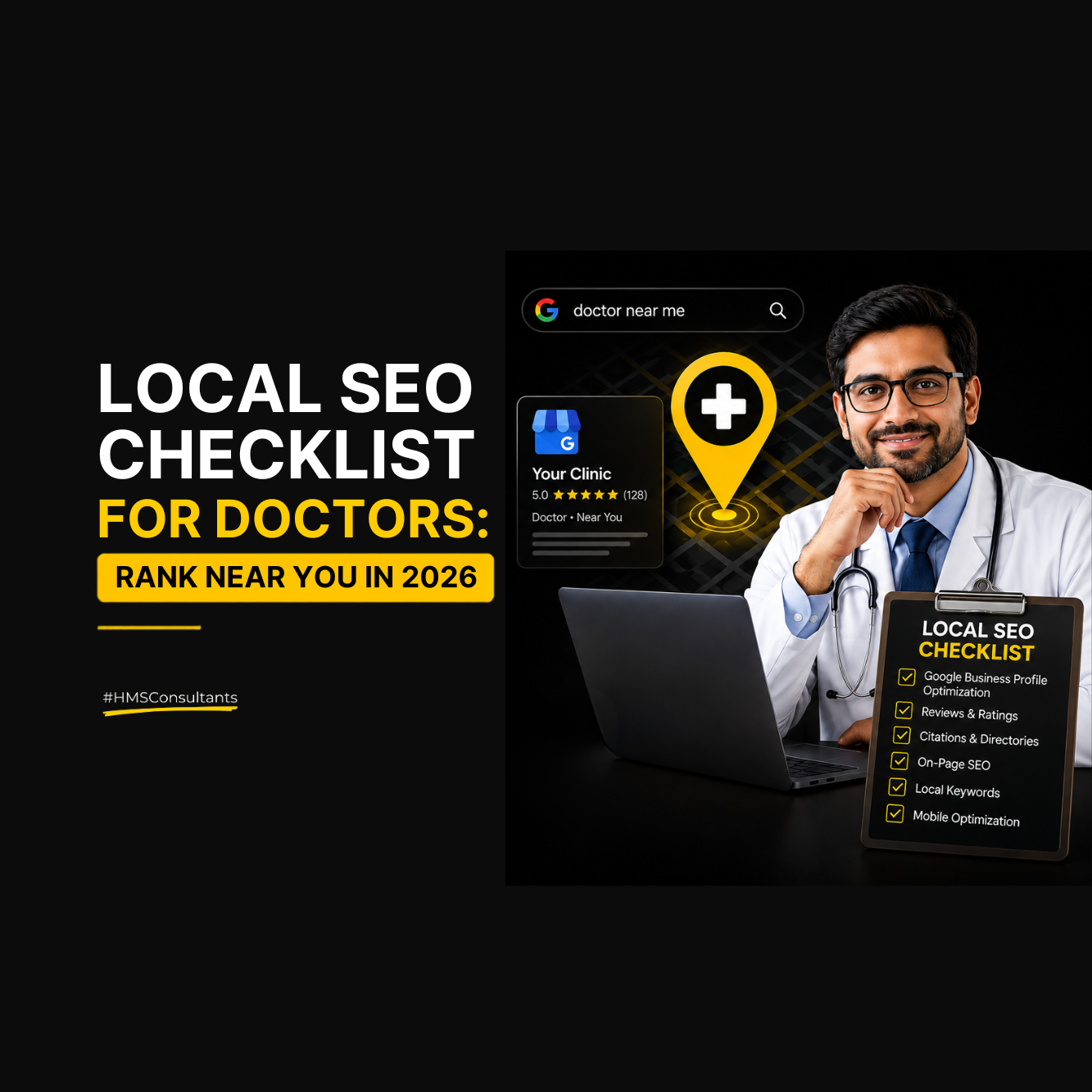
                    This does not mean hospital jobs are bad.

                    It means students should also build skills that make them more valuable beyond their degree.

                    A career after MBA healthcare management should not depend only on job openings. It should also depend on the specialised capability a student develops.

                    Healthcare Is Bigger Than Hospitals Now

                    Healthcare careers in India are expanding because the industry itself is expanding.

                    Today, healthcare includes:

                    • Multi-speciality hospitals.
                    • Clinics and diagnostic centres.
                    • Health-tech startups.
                    • Telemedicine platforms.
                    • Insurance and TPA organisations.
                    • Healthcare consulting firms.
                    • Healthcare marketing agencies.
                    • Medical tourism companies.
                    • Wellness and preventive healthcare brands.

                    As healthcare businesses grow, they need professionals who can understand both healthcare and business.

                    This creates new healthcare management career options for students who are willing to build skills in strategy, marketing, consulting, communication, and digital growth.
                    The Rise of Healthcare Consulting

                    Healthcare consulting is becoming an important career direction for students who want to solve business problems in healthcare.

                    A healthcare consulting career in India can include different areas such as:

                    • Operations consulting.
                    • Quality consulting.
                    • Accreditation consulting.
                    • Patient experience consulting.
                    • Digital transformation consulting.
                    • Healthcare marketing consulting.

                    Consultants help healthcare organizations identify problems, improve systems, strengthen the patient experience, and grow through better strategy.

                    This is why a healthcare consulting career in India is becoming more relevant for students who want to move beyond routine roles.

                    Why Healthcare Marketing Consulting Is Emerging

                    Many doctors, clinics, hospitals, diagnostic centres, and healthcare businesses are excellent at clinical care. But many of them struggle with visibility, branding, digital presence, patient communication, and enquiry generation.

                    This is where a healthcare marketing consultant can create value.

                    A healthcare marketing consultant helps healthcare businesses with:

                    • Patient communication.
                    • Digital presence.
                    • Website and SEO direction.
                    • Social media strategy.
                    • Brand positioning.
                    • Patient trust building.
                    • Enquiry flow improvement.
                    • Ethical healthcare marketing.

                    Healthcare marketing consulting is not generic marketing. It requires healthcare understanding, patient sensitivity, ethical communication, and business growth thinking.

                    For students pursuing MBA in Healthcare Management or exploring MHA career opportunities, this can become a specialised career path.
                    Skills Students Should Start Building

                    Students who want better healthcare careers in India should start building practical skills early.
                    Important skills include:

                    • Healthcare industry understanding.
                    • Communication skills.
                    • Strategic thinking.
                    • Digital marketing fundamentals.
                    • Patient journey understanding.
                    • Healthcare branding knowledge.
                    • Consulting and problem-solving skills.
                    • Business development skills.
                    • Ethical healthcare marketing awareness.

                    These skills can help students stand out in healthcare management jobs in India and also prepare them for consulting-led roles.

                    How HMS Supports This Direction

                    The HMS Certified Healthcare Marketing Consulting Program is designed for serious students and professionals who want to build specialised capability in healthcare marketing consulting.

                    The program helps participants understand healthcare marketing, patient communication, digital presence audits, consulting frameworks, client communication, proposal creation, personal branding, business development, and ethical healthcare growth strategy.

                    This is not a hospital job opportunity.

                    It is a structured professional development and consulting enablement program for people who want to build their own path as healthcare marketing consultants.

                    Conclusion

                    Hospital jobs will always remain important for MBA and MHA students. They provide exposure, discipline, and industry knowledge.

                    But today’s healthcare industry offers opportunities beyond traditional hospital employment.

                    For students pursuing MBA in Healthcare Management, the future may not only be about working inside healthcare organisations. It may also be about helping healthcare organisations grow through consulting, strategy, branding, patient communication, and business development.

                    The most successful professionals of tomorrow may be those who combine healthcare knowledge with business thinking, consulting skills, and market-ready capability.

                    Contact Us HMS Consultants

                    The HMS Certified Healthcare Marketing Consultant Program is a structured professional development and consulting enablement program for people who want to build healthcare marketing consulting skills with HMS training, tools, frameworks, mentoring, and guidance.

                    Healthcare Marketing I Business I Healthcare Consulting

                    is something we strongly believe in, which means ‘Knowledge without application is the same as having no knowledge at all

                    Akhil Dave

                    Principle Consultant

                    Ready to take your Personal Brand to the next level?

                    Share your details below and we will connect with you to discuss your growth strategy.

                    • Top 10 Reasons to Hire a Healthcare Marketing Consultant

                      Top 10 Reasons to Hire a Healthcare Marketing Consultant

                      Business, Digital Marketing, Healthcare AI, Healthcare Marketing

                      Top 10 Reasons to Hire a Healthcare Marketing Consultant

                      Written by
                      Published on
                      Share This

                      In the competitive landscape of healthcare in India, building a successful practice requires more than just clinical expertise. For individual doctors and practitioners, focusing solely on patient care while managing the complexities of marketing can be overwhelming. This is where a healthcare marketing consultant can make a significant difference, helping to transform your practice into a recognised brand, increase patient footfall, and ultimately boost your revenue. Here’s why you should consider hiring a healthcare marketing consultant.

                      1. Building a Strong Clinic Brand

                      In today’s digital age, branding is crucial for standing out in the crowded healthcare market. A healthcare marketing consultant can help you create a distinct identity for your clinic, positioning it as a trusted and reliable healthcare provider. From logo design to brand messaging, a consultant ensures that your clinic resonates with patients, establishing a strong and lasting impression. This is particularly important in India, where the healthcare market is diverse and highly competitive.

                      2. Increasing Patient Footfall with Strategic Marketing

                      One of the most significant challenges doctors face in India is attracting new patients while retaining existing ones. A healthcare marketing consultant leverages the latest digital marketing strategies, including SEO services for healthcare, social media marketing, and hospital advertising, to drive more patients to your clinic. By understanding the local market dynamics and patient behaviour, the consultant can develop tailored marketing campaigns that target the right audience, ensuring a steady flow of patients.

                      3. Focus on Practice, Not Marketing

                      Doctors are experts in medicine, not marketing. Yet, studies show that many doctors spend up to 20% of their time on administrative and marketing tasks. This is time that could be better spent caring for patients. By hiring a healthcare marketing consultant, you can delegate the marketing tasks and focus on what you do best—providing excellent patient care. The consultant takes care of everything from hospital marketing to digital healthcare marketing, allowing you to invest your time and energy into your practice. This improves patient outcomes and enhances your clinic’s reputation, leading to more referrals and increased patient loyalty.

                      4. Boosting Revenue with Data-Driven Strategies

                      A key benefit of working with a healthcare marketing consultant is using data-driven strategies to increase your clinic’s revenue. The consultant analyses patient data, market trends, and competitive positioning to develop marketing strategies that are not only effective but also profitable. Whether it’s izing sour digital presence, setting up a hospital, or improving your clinic’s online reputation, the consultant’s goal is to maximise your return on investment.

                      5. Access to Specialised Expertise

                      Healthcare marketing is a specialised field that requires an in-depth understanding of the industry. A consultant brings this expertise to the table, offering insights into the latest trends in digital marketing for hospitals, hospital branding, and public relations management. By staying updated with the latest marketing practices, the consultant ensures that your clinic remains competitive in an ever-changing healthcare landscape.

                      Top 10 Reasons to Hire a Healthcare Marketing Consultant in India

                      1. Specialised Expertise in Healthcare Digital Marketing:
                        • A healthcare marketing consultant has deep knowledge of healthcare digital marketing firms and digital marketing agencies for healthcare, ensuring your clinic or hospital leverages the best practices in the industry.
                      2. Tailored Marketing Strategies:
                        • Unlike generic marketing agencies healthcare, a consultant offers customized solutions that align with your specific needs, whether it’s digital marketing for hospitals or branding for hospitals.
                      3. Enhanced Online Presence:
                        • With expertise in SEO services for healthcare and hospital digital marketing, consultants help improve your clinic’s visibility, making it easier for patients to find you online.
                      4. Efficient Patient Acquisition:
                        • Consultants optimize patient acquisition through targeted strategies, leveraging digital healthcare marketing techniques and hospital advertising to increase patient footfall.
                      5. Focus on Core Medical Practice:
                        • By delegating marketing tasks, you can focus on patient care, while the consultant handles the complexities of digital marketing hospital and hospital marketing.
                      6. Data-Driven Decision Making:
                        • Healthcare marketing consultants use data analytics to guide strategies, ensuring that your marketing efforts, whether for a hospital marketing audit or hospital positioning, are effective and result-oriented.
                      7. Cost-Effective Marketing Solutions:
                        • Hiring a consultant can be more cost-effective than working with large digital marketing companies in India. They provide affordable yet impactful strategies that maximize ROI.
                      8. Comprehensive Branding and Reputation Management:
                        • Consultants assist in hospital branding, ensuring that your clinic or hospital establishes a strong, positive reputation, essential for long-term success.
                      9. Navigating the Challenges of the Indian Healthcare Market:
                        • With their understanding of challenges in healthcare in India and healthcare in marketing, consultants can help you overcome common hurdles and position your practice for success.
                      10. Strategic Use of Digital Tools:
                        • Consultants stay updated on the latest trends in digital marketing in healthcare, ensuring your practice utilizes the most effective tools, whether you’re aiming to build a hospital, improve public relations in a hospital, or engage patients online.

                      Conclusion: The Strategic Advantage of Hiring a Healthcare Marketing Consultant

                      Hiring a healthcare marketing consultant is not just an expense—it’s an investment in the future of your practice. By building a strong brand, increasing patient footfall, and boosting revenue, a consultant helps you achieve your business goals while allowing you to focus on your primary responsibility: patient care. In the competitive Indian healthcare market, this strategic move can be the difference between a struggling practice and a thriving one.

                      If you’re ready to take your practice to the next level, contact HMS Consultants today to learn how we can help you achieve your business goals with our expert healthcare marketing services.


                      “Knowing is Knowing, Doing is Doing”

                      is something we strongly believe in, which means ‘Knowledge without application is the same as having no knowledge at all

                      Akhil Dave

                      Principle Consultant

                      Ready to take your healthcare marketing to the next level?

                      Fill out the form below, and our consultant will contact you for a detailed, personalised consultation.