Why Indian Hospitals Must Train Their Marketing Teams (And How HMS Can Help)
Many hospitals hire marketers, but few train them. Learn why structured marketing team development is the missing link in hospital growth and how HMS helps.

– Hospital administration – operations, staffing, and day-to-day management roles
– Healthcare policy and insurance – roles within government health programs, insurance companies, or health-tech policy work
– Healthcare operations and quality – process improvement and operational efficiency roles within hospital systems
– Healthcare marketing – patient acquisition strategy, digital marketing, and brand management for hospitals, clinics, and healthcare startups
– Independent healthcare marketing consulting – building a client-based practice rather than a single-employer role
Most healthcare management programs emphasize operations and administration far more heavily than marketing, which means graduates often default toward more traditional hospital administration roles simply because that’s what the curriculum prepared them for most directly. This creates an opportunity: healthcare marketing has fewer qualified candidates competing for the same roles, and the skills required strategic thinking, understanding patient behavior, business fundamentals overlap significantly with what an MBA/MHA already builds, requiring targeted additional skill-building rather than starting from scratch.
An MBA/MHA provides strong business fundamentals but rarely covers the practical, hands-on skills healthcare marketing specifically requires:
– Digital marketing fundamentals SEO, social media, content strategy, and basic analytics
– Understanding of healthcare compliance and ethical marketing boundaries specific to medical claims
– Client-facing consulting skills, particularly for those considering independent practice rather than an employed role
– Familiarity with how AI search and answer engines are changing how patients find healthcare providers (see our SEO and AEO strategy guide for the underlying concepts)
Compensation in healthcare marketing varies significantly based on path chosen. An employed marketing role within a hospital or healthcare organization typically follows standard corporate salary progression for the sector and experience level. Independent consulting income varies far more widely early-stage consultants building a client base earn considerably less than established consultants with a strong roster, but the ceiling is also considerably higher for those who build a genuine independent practice, since income scales with client relationships rather than a fixed salary band. Structured programs that provide training, mentorship, and initial client access can meaningfully compress the time it takes to reach sustainable independent income.
A traditional employed role offers stability, a defined career ladder, and lower risk while building experience a reasonable starting point for many graduates. Independent consulting offers more autonomy, uncapped income potential, and the ability to work across multiple clients and specialties, but comes with more risk, especially in the early stages before a client base is established. Many successful healthcare marketing consultants spend an initial period in an employed role to build sector-specific experience and credibility before transitioning to independent practice though structured associate or mentorship programs can also provide this foundation directly.
– Build foundational digital marketing skills, either through formal training or hands-on project experience
– Gain direct healthcare sector exposure through an employed role, an internship, or a structured associate program
– Develop 1–2 specific case studies or examples of real problems solved, even at a small scale, to demonstrate credibility to future clients
– Understand the compliance and ethical boundaries specific to healthcare marketing before advising clients on it
– Build a small initial network often starting with contacts from healthcare management education itself as an early client or referral source
A structured associate or certified consultant program combining training, mentorship, and access to an established firm’s client relationships and brand can meaningfully shorten the path from graduation to a genuinely independent, sustainable consulting practice. Rather than learning entirely through trial and error, an associate typically works alongside experienced consultants on real client engagements, building both the practical skills and the credibility that would otherwise take years to accumulate independently.
– Underestimating how much practical, hands-on marketing skill is needed beyond MBA/MHA coursework
– Trying to go fully independent immediately without any mentorship or sector-specific experience first
– Undervaluing consulting work early on, which makes it harder to raise rates later
– Neglecting to build genuine healthcare compliance knowledge before advising clients on messaging
For MBA/MHA graduates genuinely interested in this path, the fastest, lowest-risk way to build both skill and credibility is through a structured program that combines real client work with direct mentorship rather than attempting to build a consulting practice entirely from scratch immediately after graduation.
HMS Consultants runs a Certified Healthcare Marketing Consulting Program built specifically for MBA/MHA graduates and healthcare professionals looking to build an independent consulting career, positioned as a genuine business opportunity rather than a course or a job.
Work with HMS Consultants
Starting a career in healthcare marketing? Get 1:1 mentorship from Akhil Dave.
Common paths include hospital administration, healthcare operations, health insurance and policy roles, and healthcare marketing a growing but still underexplored specialization within the broader field.
Yes — it combines the business training from an MBA/MHA with a specialized, growing niche that has less competition than more commonly chosen paths like hospital operations, while still building on healthcare sector knowledge.
It's possible but challenging without prior healthcare marketing experience or mentorship — structured programs that combine training with hands-on guidance, like an associate or certified consultant program, can significantly shorten this path.
Earnings vary significantly by experience, client base, and whether working independently or within a firm, ranging broadly from entry-level project fees to substantial monthly income for established independent consultants with a strong client roster.
Practical digital marketing skills, an understanding of healthcare compliance and ethical marketing boundaries, and client-facing consulting skills are all needed beyond the strategic and business fundamentals an MBA/MHA program typically covers.
Share your details below and we will connect with you to discuss your growth strategy.
Many hospitals hire marketers, but few train them. Learn why structured marketing team development is the missing link in hospital growth and how HMS helps.

What Google and YouTube's 2026 festive playbook means for doctors and clinic owners: how patients discover, research and trust doctors online, and what to avoid under NMC rules.

Public relations in a hospital is not about media or advertising, but about building patient trust through clear communication, consistent experience, and effective reputation management that supports long-term hospital...
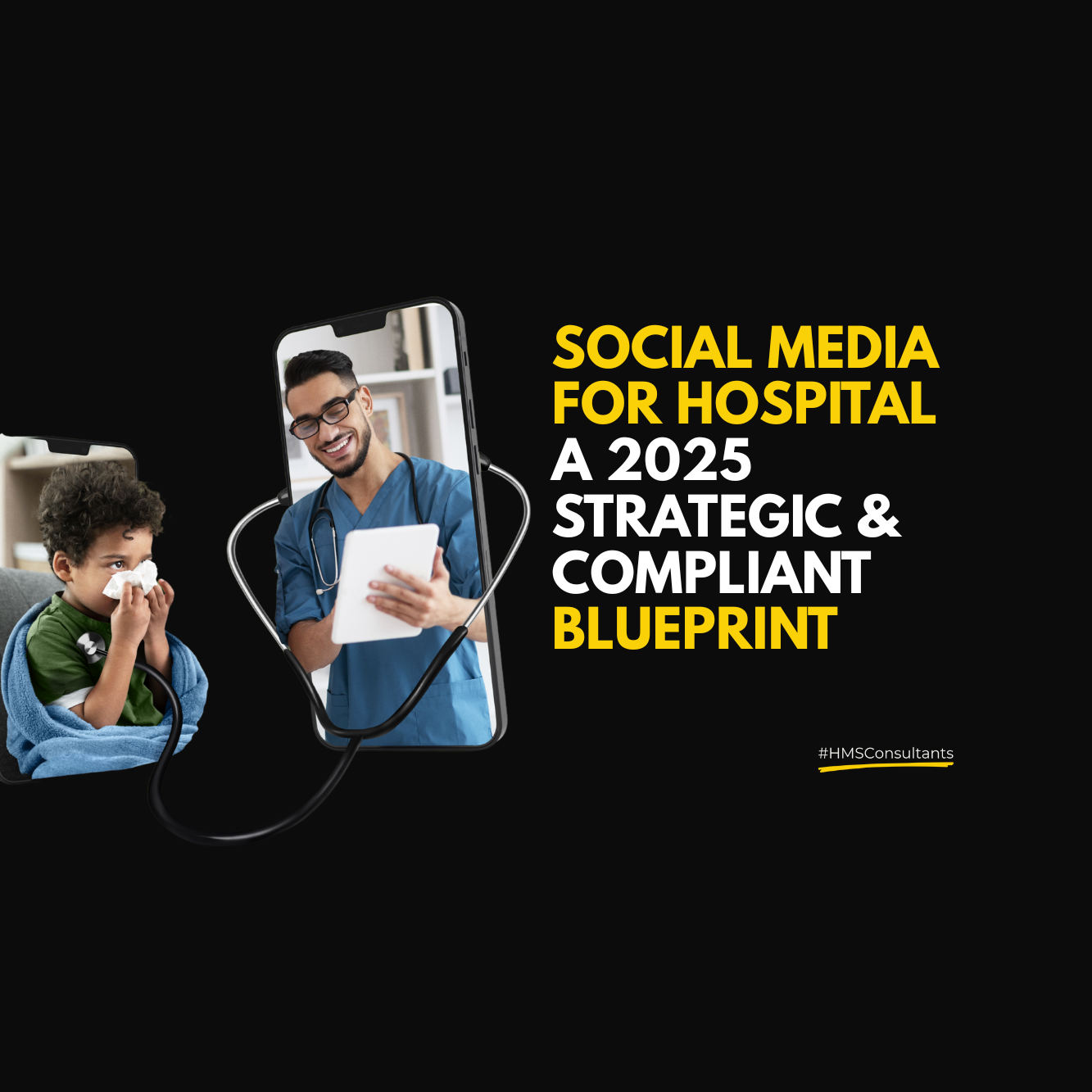
Social Media for Hospital is now the first touchpoint for patient trust and engagement. In 2025, it's about care, compliance, and credible content.
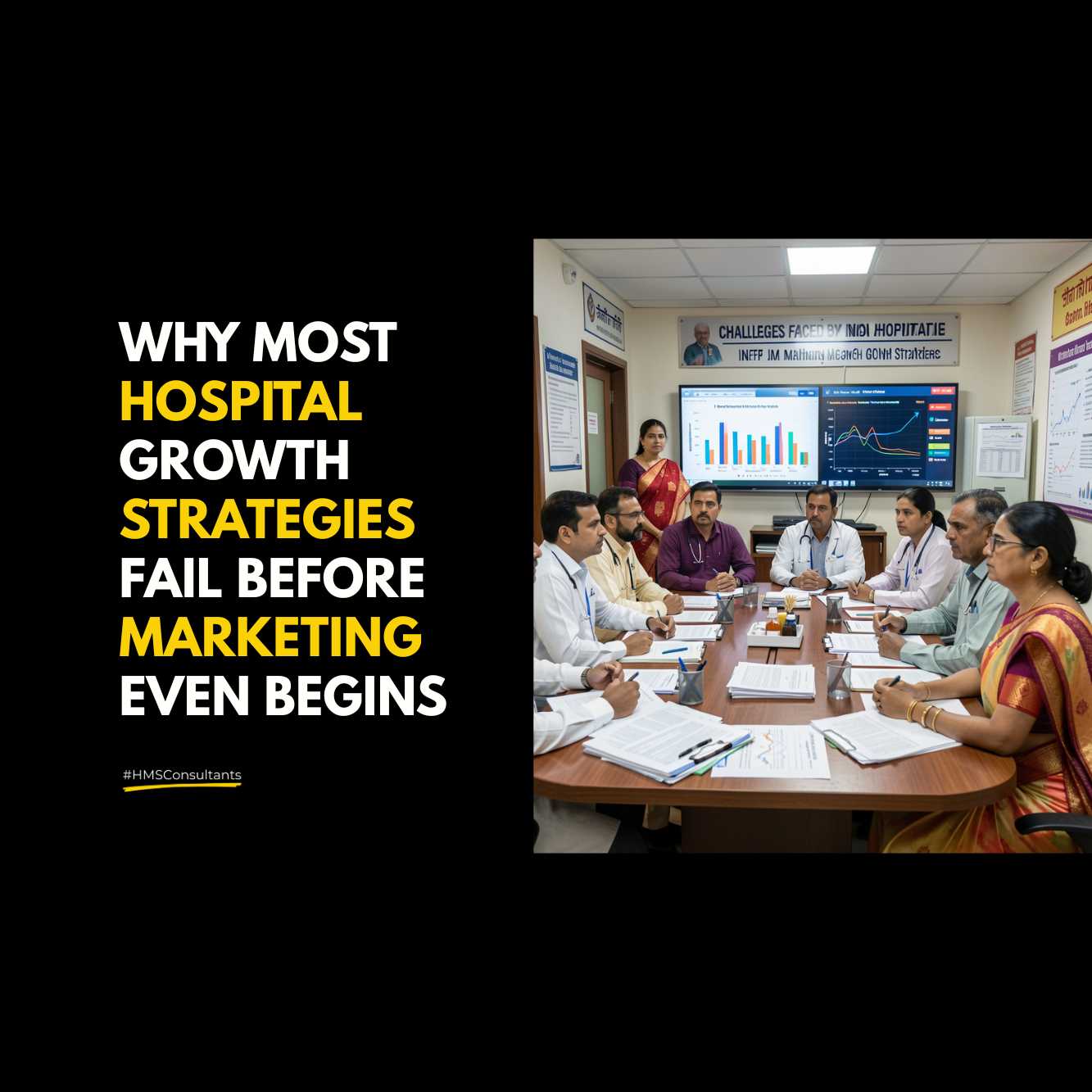
Most hospital growth strategies fail before marketing begins because they ignore patient trust, clarity, and decision behaviour. Sustainable hospital growth starts with confidence, not promotion.
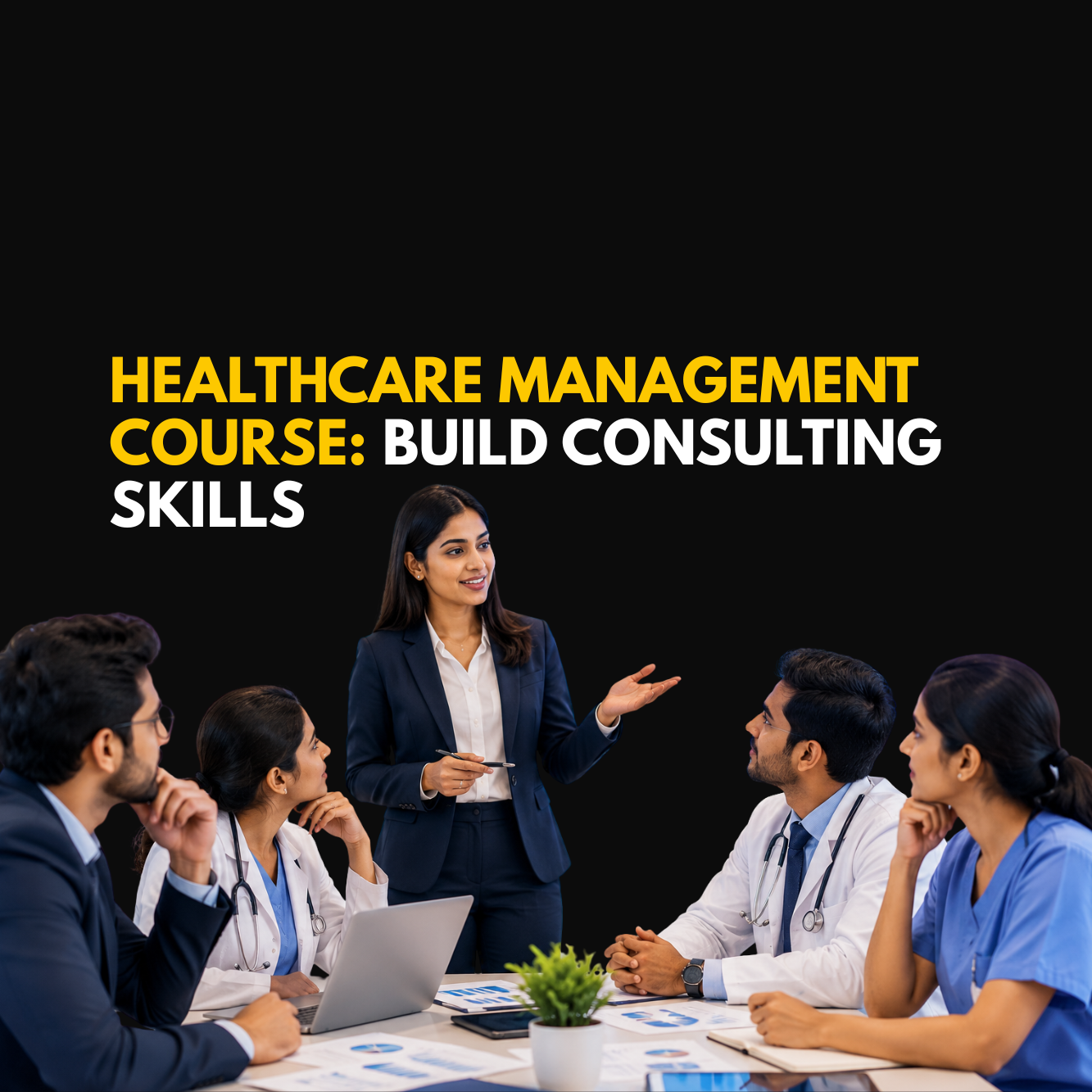
A healthcare management course provides the foundation for understanding healthcare systems, operations, and administration. However, modern healthcare professionals also need consulting skills, digital awareness, patient communication expertise, and strategic...