


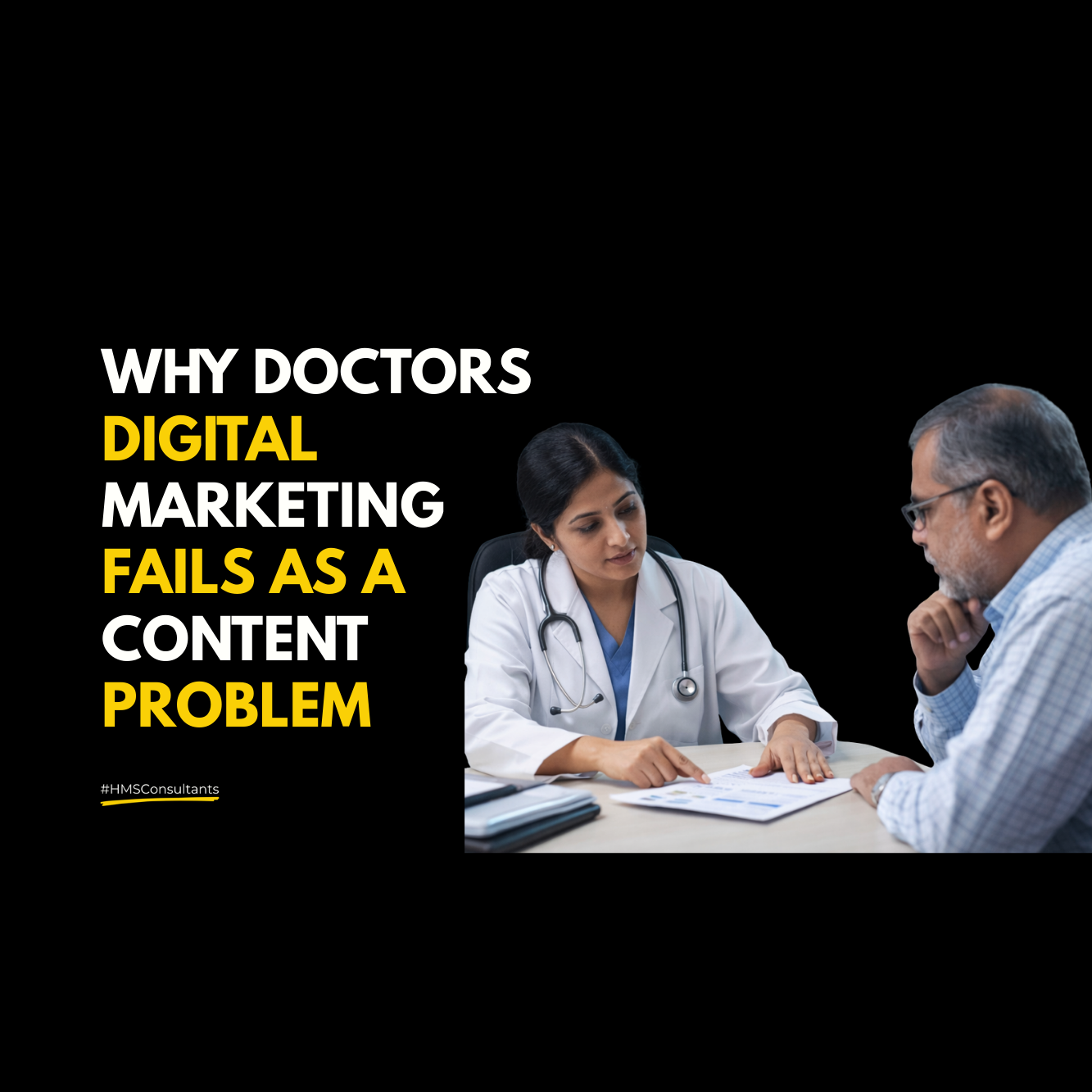
Why Doctors Digital Marketing Fails When It Is Treated as a Content Problem
Doctors digital marketing fails when it is treated as a content volume problem. Patients do not need more information they need help making confident healthcare decisions.
Marketing for hospital refers to the planned activities that help hospitals communicate with patients, increase awareness about their services, strengthen their reputation, and encourage patients to choose them when healthcare needs arise.
A successful marketing strategy focuses on creating value for patients rather than simply promoting treatments. It ensures that patients can easily find accurate information, understand available healthcare services, and connect with the right specialists when required.
Hospital marketing combines traditional relationship-building with modern digital communication to create a seamless patient experience.
Healthcare is becoming increasingly patient-centric. Patients expect transparency, convenience, and easy access to information before selecting a hospital.
Several factors have contributed to the growing importance of hospital marketing:
Hospitals that actively communicate with their communities are more likely to build trust and remain competitive.
Although these terms are often used interchangeably, they have slightly different meanings.
Healthcare Marketing is a broad concept that includes marketing activities for hospitals, clinics, diagnostic centres, pharmaceutical companies, healthcare startups, wellness brands, and other healthcare organisations.
Hospital Marketing specifically focuses on promoting hospitals, their departments, specialists, facilities, and patient services.
Marketing for hospital is therefore a specialised branch of healthcare marketing that addresses the unique needs of hospitals and their patients.
Before investing in advertising or promotional campaigns, hospitals should establish a strong marketing foundation.
This includes:
Every hospital serves different patient groups depending on its specialties, location, and facilities.
Understanding patient demographics, healthcare needs, and behaviour helps hospitals communicate more effectively.
Healthcare decisions are based on trust.
Patients look for:
Marketing should consistently reinforce these trust signals.
A hospital’s brand extends beyond its logo or colours. It reflects the organisation’s values, quality of care, professionalism, and patient experience.
A strong brand creates confidence before patients even visit the hospital.
Digital platforms have transformed the way patients search for healthcare providers.
Today, many patients begin with searches such as:
This makes Digital Marketing for Hospital an essential part of modern healthcare marketing.
Digital marketing allows hospitals to:
Unlike traditional advertising, digital marketing provides measurable insights that help hospitals continuously improve their strategies.
1. A Professional Hospital Website
A hospital website is often the first interaction patients have with the organisation.
It should include:
A well-designed website improves both patient confidence and search engine visibility.
2. Search Engine Optimisation (SEO)
Search Engine Optimisation helps hospitals appear in Google when patients search for healthcare services.
SEO involves:
SEO is one of the most cost-effective long-term hospital marketing strategies.
3. Google Business Profile
For local healthcare providers, Google Business Profile plays a significant role in patient discovery.
Hospitals should ensure that their profile includes:
Regular updates improve local visibility and credibility.
4. Content Marketing
Patients appreciate healthcare providers who educate them before they become patients.
Useful content includes:
Educational content positions the hospital as a trusted source of information.
5. Social Media Marketing for Hospital
Social media is not simply a platform for promotions.
Effective Social Media Marketing for Hospital focuses on meaningful engagement with the community.
Hospitals can share:
Social media helps strengthen relationships and humanise the hospital brand.
No marketing campaign can compensate for a poor patient experience.
Patients remember:
Satisfied patients become advocates who recommend the hospital to family and friends, contributing to long-term growth through positive word of mouth.
Marketing should therefore work alongside operational excellence rather than independently.
Hospital marketing should be evaluated using meaningful performance indicators instead of vanity metrics.
Useful metrics include:
Tracking these indicators helps hospitals refine their marketing strategies over time.
Many hospitals invest in marketing without a structured strategy.
Some common mistakes include:
Avoiding these mistakes helps hospitals build stronger and more sustainable marketing programmes.
Healthcare marketing continues to evolve with patient expectations and technological advancements.
Some emerging trends include:
Hospitals that embrace these trends responsibly will be better prepared for future patient expectations.
An effective marketing strategy should combine multiple channels rather than relying on a single activity.
A sustainable hospital marketing framework includes:
Marketing becomes far more effective when every activity supports a common long-term goal.
Marketing for hospital is no longer optional in today's healthcare environment. As patient behaviour continues to evolve, hospitals must communicate more effectively, build trust consistently, and create meaningful experiences across every touchpoint.
Successful hospital marketing is not about making the loudest promotional claims. It is about ensuring that patients can easily find reliable information, connect with experienced healthcare professionals, and feel confident in their healthcare decisions.
By combining ethical healthcare marketing, strategic digital marketing for hospital, informative content, local search optimisation, and meaningful social media marketing for hospital, healthcare organisations can strengthen their reputation while supporting sustainable growth.
Ultimately, the most successful hospitals are those that view marketing not as advertising, but as an extension of patient care.
Marketing for hospital involves strategies that help hospitals increase awareness, improve patient engagement, strengthen their reputation, and attract patients through ethical communication.
Hospital marketing helps patients find reliable healthcare providers, improves visibility, builds trust, and supports long-term organisational growth.
Digital marketing for hospital includes SEO, websites, Google Business Profile, content marketing, online advertising, email marketing, and other digital strategies that improve online visibility and patient acquisition.
Social media enables hospitals to educate communities, promote health awareness, share updates, engage with patients, and strengthen their brand image.
Yes. Healthcare marketing covers the broader healthcare industry, while hospital marketing specifically focuses on hospitals and their services.
There is no single strategy. A combination of SEO, educational content, patient experience, Google Business Profile optimisation, digital marketing, and reputation management generally delivers the best long-term results.
Share your details below and we will connect with you to discuss your growth strategy.
Doctors digital marketing fails when it is treated as a content volume problem. Patients do not need more information they need help making confident healthcare decisions.

Most doctors struggle with personal branding because visibility ≠ trust. Learn how to build credibility, patient confidence, and a lasting healthcare brand.

Hospital marketing isn't just digitalit's regulated. Learn how to build trust, boost visibility, and stay compliant in 2025.
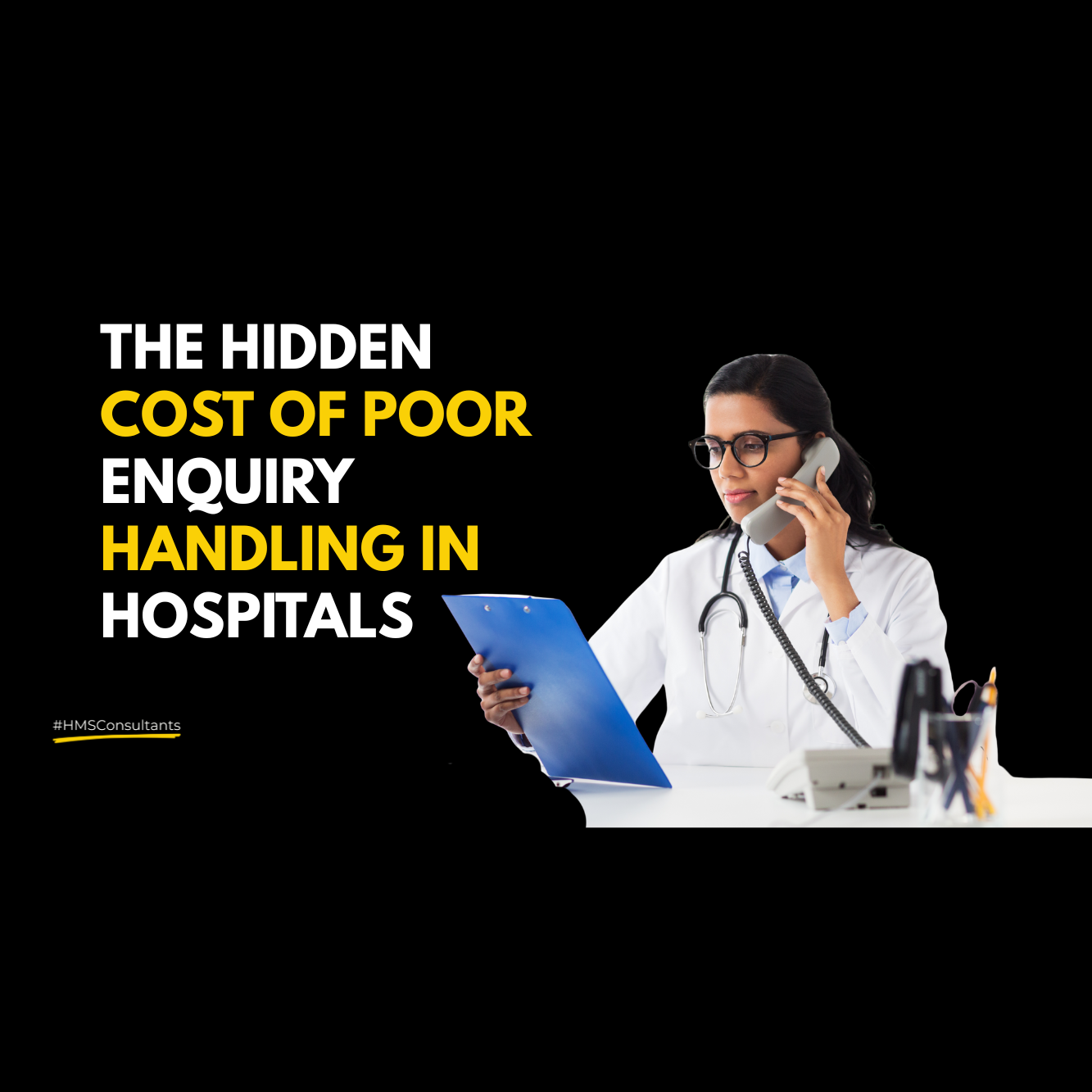
Hospitals lose patients not to competitors but to poor enquiry handling. Quick, clear, and caring responses can boost patient trust, conversions, and hospital growth.

Cost-effective hospital marketing is essential for healthcare providers to attract and retain patients in the competitive healthcare landscape. However, healthcare providers often face budget constraints that make investing in...
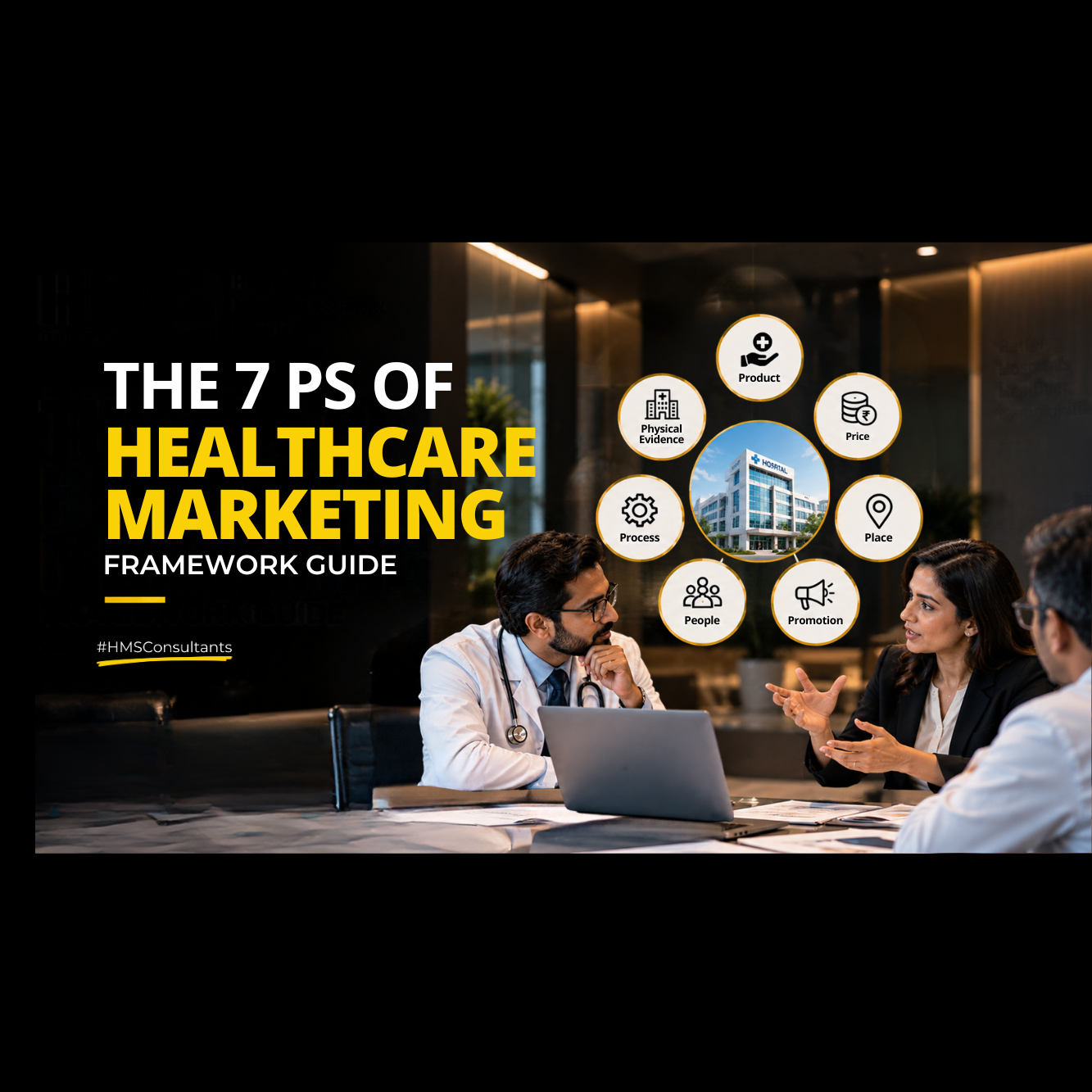
The 7 Ps of healthcare marketing Product, Price, Place, Promotion, People, Process, and Physical Evidence provide a practical framework for hospitals to strengthen marketing, patient experience, and trust.