Healthcare Consultant Positions: Roles, Skills, Career Scope, and Opportunities in India

Published on
Share This

Healthcare organisations are becoming more complex. Hospitals, clinics, diagnostic centres, healthcare startups, medical education institutions, and wellness businesses must now manage operations, patient experience, technology, branding, finance, compliance, and business growth at the same time.

Many healthcare organisations have strong clinical teams but may not always have the specialized expertise required to solve management and business challenges.

This is where healthcare consultants contribute. Healthcare consultant positions are suitable for professionals who can study organizational problems, identify gaps, develop practical recommendations, and support healthcare businesses in improving their performance.

These positions are not limited to one department or qualification.

Professionals from healthcare administration, medicine, nursing, pharmacy, marketing, finance, technology, operations, and business management can build careers in healthcare consulting.

However, consulting requires more than theoretical knowledge. A healthcare consultant must understand the healthcare environment, interpret business challenges, communicate with different stakeholders, and recommend solutions that are realistic for the organisation.

What Are Healthcare Consultant Positions?

Healthcare consultant positions are professional roles that involve advising healthcare organisations on operational, strategic, financial, marketing, technological, or patient-related challenges.

A consultant usually begins by understanding the current situation of the organisation. This may include studying existing systems, interviewing stakeholders, reviewing data, identifying problems, and evaluating opportunities.

The consultant then develops recommendations based on the organisation’s objectives, resources, market conditions, and operational capabilities.

Depending on the assignment, a healthcare consultant may work with:

  • Hospitals
  • Clinics
  • Diagnostic centres
  • Healthcare startups
  • Pharmaceutical companies
  • Medical technology businesses
  • Insurance organisations
  • Public health institutions
  • Medical education providers
  • Wellness and preventive healthcare businesses

Some healthcare consultants work as full-time employees in consulting firms or healthcare organisations. Others work independently and support multiple clients on specific projects.

Why Healthcare Consultant Positions Are Becoming Important

Healthcare organisations are under pressure to improve both clinical and business performance.

Patients expect better communication, faster services, digital convenience, transparency, and consistent experiences. At the same time, organisations must control costs, manage staff, improve processes, build visibility, and remain competitive.

Internal teams may understand their day-to-day responsibilities but may find it difficult to evaluate long-standing problems objectively. A consultant provides an external perspective and structured approach.

Healthcare consultant positions are becoming important because organisations need support in areas such as:

  • Business strategy
  • Hospital planning
  • Operational efficiency
  • Patient experience
  • Digital transformation
  • Healthcare marketing
  • Financial planning
  • Quality improvement
  • Brand development
  • Process standardisation

Consultants help healthcare organisations move from assumptions to informed decisions.

Different Types of Healthcare Consultant Positions

Healthcare consulting is a broad field. The role of a consultant depends on the organisation’s needs and the consultant’s area of expertise.

1. Healthcare Management Consultant

A healthcare management consultant supports organisations in solving administrative and strategic challenges.

The consultant may evaluate organisational structure, management systems, departmental coordination, resource utilisation, and business performance.

Common areas of work include:

  • Strategic planning
  • Organisational restructuring
  • Performance improvement
  • Leadership support
  • Policy development
  • Business expansion

This position requires a strong understanding of healthcare management and organisational decision-making.

2. Hospital Operations Consultant

A hospital operations consultant focuses on improving how hospital departments and processes function.

The consultant may review patient flow, appointment systems, admission procedures, discharge processes, staff coordination, and service delivery.

The objective is usually to reduce delays, improve efficiency, and create a better experience for both patients and staff.

This position is suitable for professionals with experience in hospital administration, quality management, or clinical operations.

3. Healthcare Marketing Consultant

A healthcare marketing consultant helps healthcare organisations improve their visibility, communication, positioning, and patient engagement.

This role is different from general marketing because healthcare communication must be ethical, accurate, and trust-driven.

Responsibilities may include:

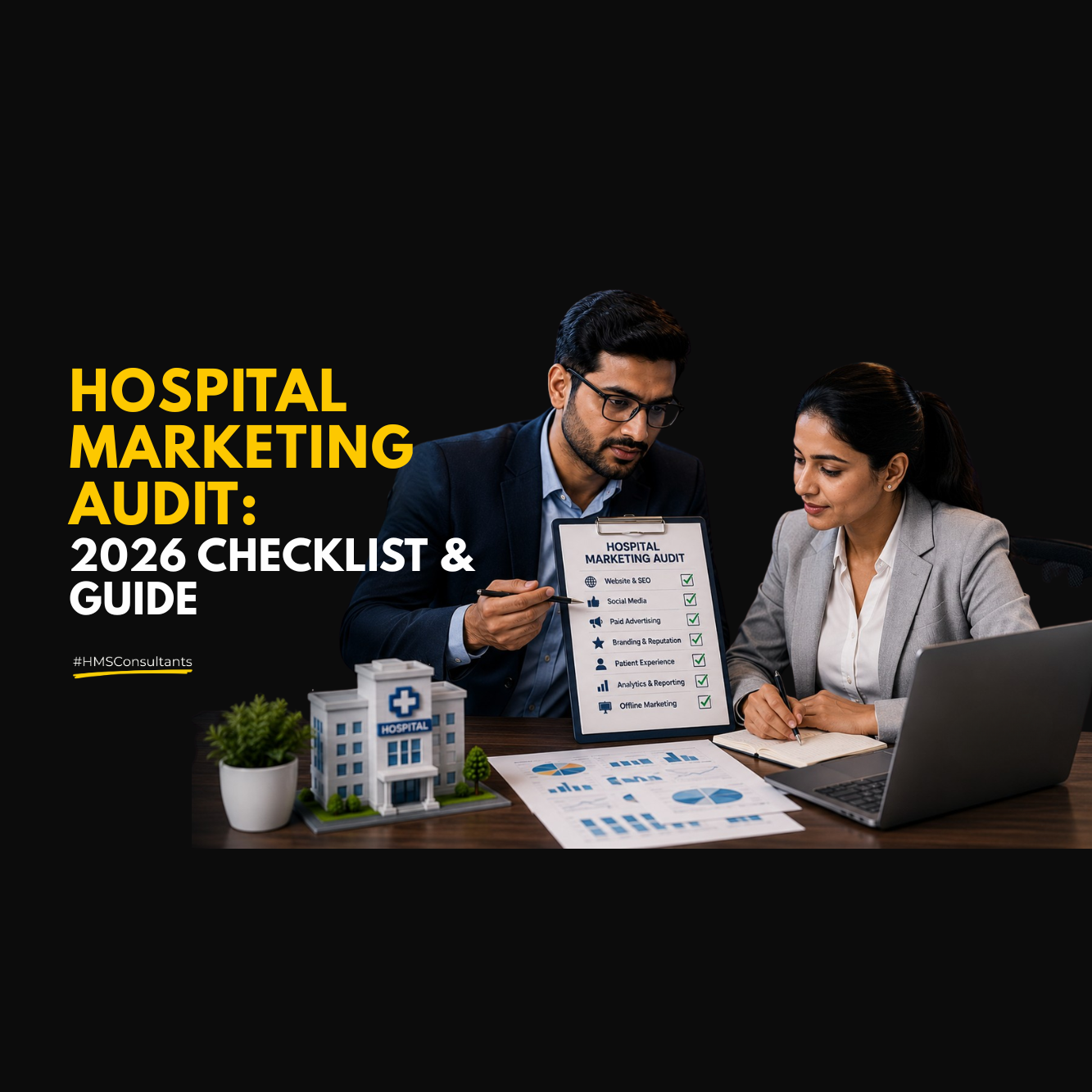
  • Conducting marketing audits
  • Developing marketing strategies
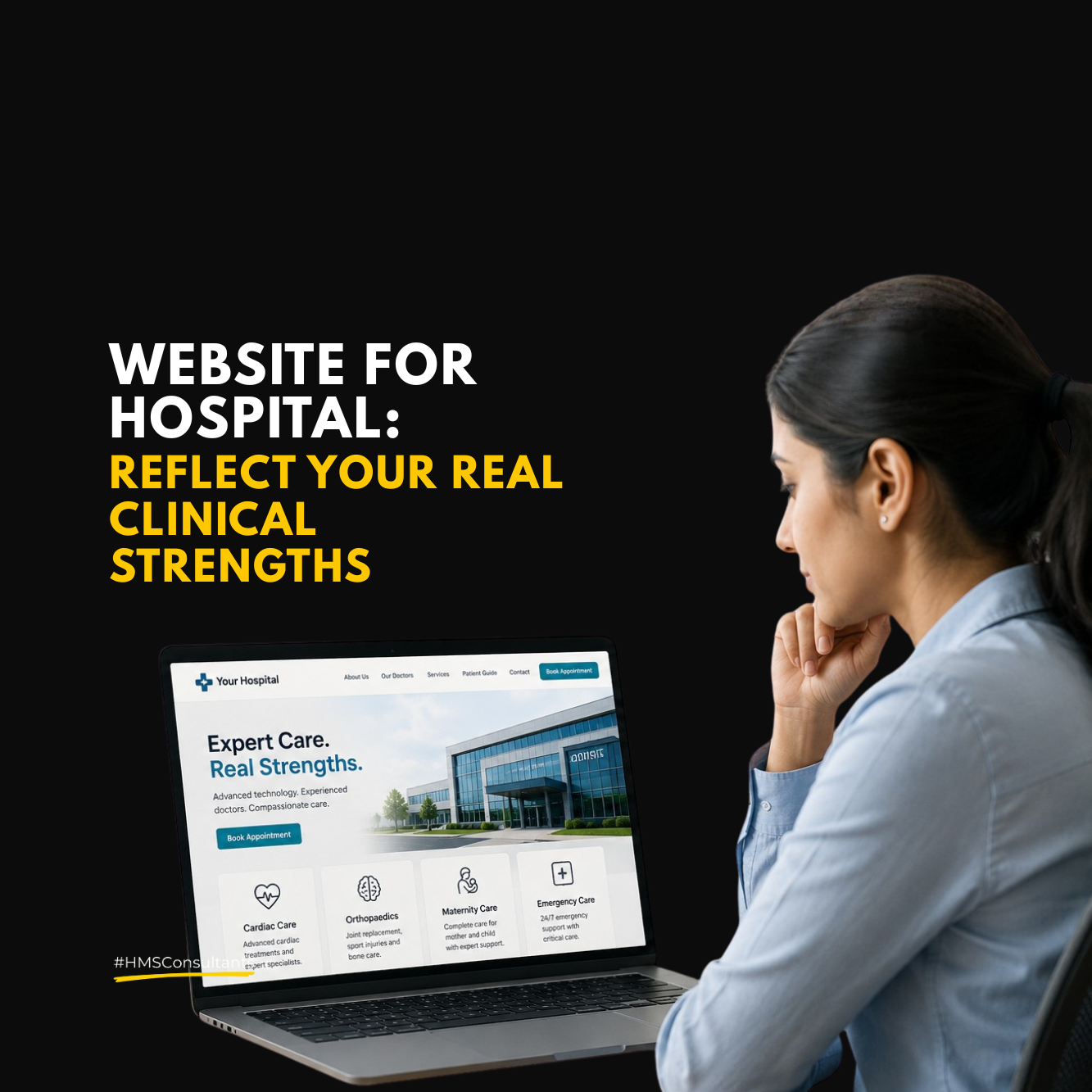
  • Improving digital presence
  • Planning patient education initiatives
  • Strengthening healthcare branding
  • Supporting local search visibility
  • Reviewing patient communication
  • Analysing campaign performance

Healthcare marketing consultant positions are increasingly relevant as patients use digital channels to research doctors, hospitals, and treatments.

4. Healthcare Quality Consultant

A healthcare quality consultant supports organisations in improving service standards, safety systems, documentation, and quality processes.

The consultant may work on:

  • Quality audits
  • Standard operating procedures
  • Accreditation preparation
  • Patient safety systems
  • Incident reporting
  • Clinical and administrative documentation
  • Process monitoring

This position usually requires strong knowledge of healthcare quality standards and hospital processes.

5. Healthcare Technology Consultant

Healthcare technology consultants help organisations select, implement, and optimise digital systems.

They may work with:

  • Hospital information systems
  • Electronic medical records
  • Telemedicine platforms
  • Patient relationship management systems
  • Data dashboards
  • Digital appointment systems
  • Automation tools

The role requires an understanding of both healthcare workflows and technology implementation.

A technology solution may be advanced, but it will not create value unless it supports the organisation’s actual processes.

6. Healthcare Financial Consultant

A healthcare financial consultant supports organisations in understanding costs, revenue, budgeting, pricing, and financial performance.

Responsibilities may include:

  • Financial analysis
  • Cost control
  • Revenue cycle assessment
  • Service pricing
  • Budget planning
  • Investment evaluation
  • Financial feasibility studies

This position is useful for hospitals and healthcare businesses that want to grow while maintaining financial stability.

7. Healthcare Strategy Consultant

A healthcare strategy consultant helps organisations make long-term business decisions.

This may involve:

  • Market research
  • Competitor analysis
  • Expansion planning
  • New service planning
  • Location assessment
  • Positioning strategy
  • Partnership evaluation

Healthcare strategy consultants often work with senior management, promoters, founders, and hospital leadership teams.

8. Patient Experience Consultant

A patient experience consultant examines the complete patient journey across the organisation.

The consultant studies how patients interact with the organisation before, during, and after receiving care.

Areas of evaluation may include:

  • Appointment booking
  • Front-office communication
  • Waiting experience
  • Staff behaviour
  • Information clarity
  • Feedback systems
  • Follow-up communication

The objective is to help the organisation improve trust, satisfaction, and service consistency.

Responsibilities in Healthcare Consultant Positions

Although responsibilities vary by specialisation, most healthcare consultants perform a combination of analytical, strategic, and communication-related work.

Typical responsibilities include:

  • Understanding the client’s problem
  • Conducting organisational assessments
  • Reviewing data and documentation
  • Interviewing staff and management
  • Identifying gaps and opportunities
  • Comparing current performance with expected standards
  • Preparing recommendations
  • Developing implementation plans
  • Presenting findings to decision-makers
  • Monitoring progress
  • Supporting internal teams during change

A consultant should not recommend solutions without understanding the organisation’s reality.

A small clinic, a multispeciality hospital, and a healthcare startup may face very different challenges. Recommendations must be practical for the organisation’s scale, resources, team, and objectives.

Skills Required for Healthcare Consultant Positions

Healthcare consulting requires a combination of healthcare knowledge, business understanding, and professional skills.

Analytical Thinking

Consultants must be able to study complex situations and identify the real cause of a problem.

For example, declining patient enquiries may not always be a marketing problem. The actual issue could involve weak follow-up, poor online reviews, limited service availability, or unclear communication.

Problem-Solving Ability

Healthcare consultants must convert observations into practical solutions.

A recommendation should clearly explain what needs to change, why it matters, and how the organisation can implement it.

Communication Skills

Consultants interact with hospital owners, doctors, administrators, employees, marketers, and technology teams.

They must communicate clearly with people from different professional backgrounds.

Healthcare Industry Understanding

General business knowledge is useful, but healthcare has unique responsibilities, systems, and ethical considerations.

Consultants must understand the importance of patient safety, confidentiality, clinical accuracy, and responsible communication.

Research Skills

Consultants often need to study market conditions, competitors, patient behavior, organizational records, and industry practices.

Research should support the recommendation rather than simply add information to a report.

Presentation and Documentation Skills

Healthcare consultants must be able to present findings in an organized and understandable format.

Reports, presentations, recommendations, and action plans should help decision-makers understand what needs to be done.

Stakeholder Management

Consulting assignments often involve people with different priorities.

A successful consultant listens to stakeholders, manages expectations, and builds cooperation around proposed changes.

Who Can Apply for Healthcare Consultant Positions?

Healthcare consultant positions are open to professionals from several backgrounds.

Potential candidates may include:

  • Healthcare administrators
  • Doctors
  • Nurses
  • Pharmacists
  • Hospital operations professionals
  • Quality managers
  • Healthcare marketers
  • Finance professionals
  • Technology professionals
  • Public health graduates
  • MBA graduates
  • Entrepreneurs
  • Medical and allied health professionals

The right career path depends on the individual’s experience and area of interest.

A doctor may move into clinical strategy or patient experience consulting. A hospital administrator may specialise in operations. A marketing professional may build expertise in healthcare marketing consulting.

Professional credibility comes from combining existing experience with specialised healthcare consulting skills.

Where Can Healthcare Consultants Work?

Healthcare consultants can work in different professional settings.

These include:

  • Healthcare consulting firms
  • Hospital groups
  • Corporate hospitals
  • Healthcare startups
  • Public health organisations
  • Insurance companies
  • Pharmaceutical companies
  • Medical technology firms
  • Independent consulting practices
  • Digital health organisations

Some professionals begin in full-time roles and later move into independent consulting. Others develop consulting expertise while continuing in their current healthcare position.

The field allows professionals to build specialised careers based on their experience and interests.

Common Mistakes While Preparing for Healthcare Consultant Positions

Many professionals are interested in consulting but approach the career without adequate preparation.

One common mistake is assuming that industry experience alone is enough. Experience is important, but consultants must also know how to assess a problem, structure a recommendation, and communicate with decision-makers.

Another mistake is choosing an area of specialisation without understanding its practical responsibilities.

Professionals may also focus heavily on certificates without developing real problem-solving ability. A qualification can support a career, but consulting credibility depends on how knowledge is applied.

Other common mistakes include:

  • Using generic recommendations for every organisation
  • Ignoring the organisation’s financial and operational limitations
  • Failing to understand stakeholder concerns
  • Presenting observations without an implementation plan
  • Making promises without sufficient evidence
  • Treating consulting as advice without accountability

Consulting should create clarity and support action.

How HMS Supports This Direction

HMS Consultants supports professionals who want to understand healthcare marketing consulting as a structured career direction.

Through the HMS Certified Healthcare Marketing Consultant Program, participants are introduced to the practical foundations of healthcare marketing consulting.

The programme focuses on areas such as:

  • Understanding healthcare businesses
  • Evaluating marketing challenges
  • Conducting healthcare marketing assessments
  • Developing strategy recommendations
  • Improving patient communication
  • Reviewing digital presence
  • Building trust-based healthcare brands
  • Presenting recommendations professionally

The purpose is not to teach isolated promotional tactics. It is to help professionals understand how consultants think, assess, and recommend.

Participants can use this knowledge to strengthen their existing healthcare roles, explore healthcare marketing consultant positions, support healthcare organizations, or develop an independent consulting practice.

However, career outcomes depend on several factors, including previous experience, practical application, communication skills, market conditions, and individual effort.

Conclusion

Healthcare consultant positions offer a valuable career direction for professionals who want to contribute beyond routine departmental responsibilities.

These roles require individuals who can understand healthcare organisations, identify business and operational challenges, and recommend practical improvements.

There are several specialisations within healthcare consulting, including management, operations, marketing, quality, finance, technology, strategy, and patient experience.

Professionals should choose a direction that aligns with their background, interests, and long-term career objectives.

Most importantly, successful healthcare consultants do not rely only on titles or theoretical knowledge. They develop the ability to listen, analyse, communicate, and support implementation.

As healthcare organisations continue to evolve, professionals with specialised consulting skills can play an important role in helping them improve performance, patient experience, and sustainable growth.

Contact Us HMS Consultants

Healthcare consultant positions are roles in which professionals advise healthcare organisations on management, operations, marketing, finance, quality, technology, strategy, or patient experience.

Practice Growth I Healthcare Consulting I HMS Insights I hospital positioning

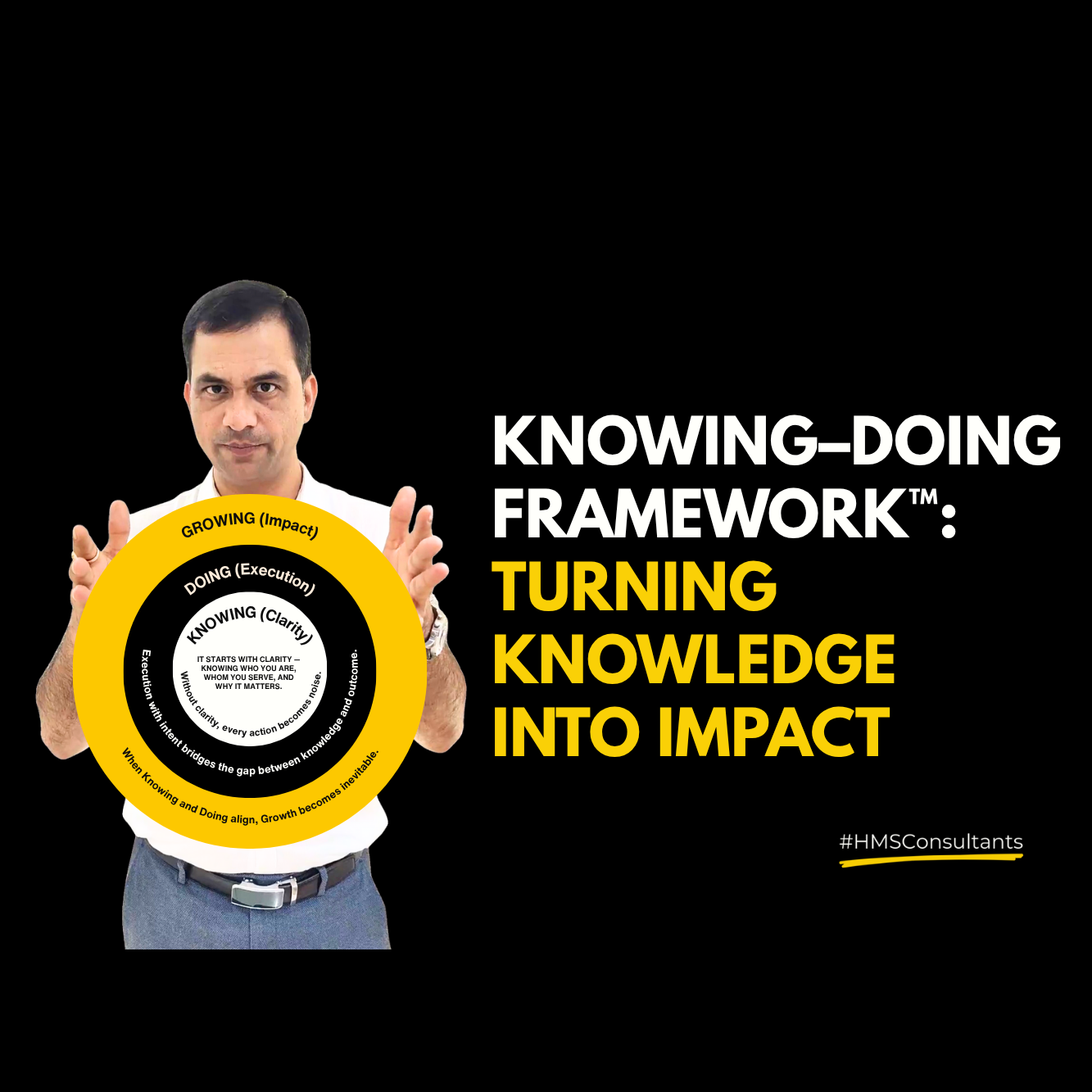
is something we strongly believe in, which means ‘Knowledge without application is the same as having no knowledge at all

Akhil Dave

Principle Consultant

Ready to take your Personal Brand to the next level?

Share your details below and we will connect with you to discuss your growth strategy.