Search results for: “digital”

  • Medical Marketing: Why Patient Questions Should Shape Your Content

    Medical Marketing: Why Patient Questions Should Shape Your Content

    Medical Marketing: Why Patient Questions Should Shape Your Content

    Published on
    Share This

    Medical marketing should not begin with random content ideas or only with what a clinic, hospital, or doctor wants to promote. It should begin with what patients are already asking.

    Patients ask questions at the reception desk, during consultation, on calls, through WhatsApp, on Google, and in follow-up conversations. These questions show what patients are confused about, what they are worried about, and what information they need before taking the next step.

    When medical marketing is shaped around real patient questions, the content becomes more useful and less promotional.

    Why Random Content Does Not Always Work

    Many healthcare providers create content just to stay active online. They post general health tips, awareness day posts, service promotions, doctor photos, and festival creatives.

    This creates activity, but it may not always answer what patients want to know.

    For example, instead of only posting about diabetes awareness, patients may actually want answers to questions like:

    • When should I check my sugar level?

    • What symptoms should I not ignore?

    • Do I need fasting before the test?

    • How often should I visit the doctor?

    • What reports should I carry?

    These questions are more practical than broad content. Healthcare marketing works better when it answers real patient concerns.

    Patient Questions Reveal Content Gaps

    Patient questions are useful signals. If many patients ask the same thing again and again, it means the current communication is not clear enough.

    For example:

    • If patients ask about doctor timings, appointment information may be unclear.

    • If they ask what is included in a package, the package details may be incomplete.

    • If they ask whether a symptom is serious, the clinic may need better patient education content.

    • If they ask what happens during a procedure, the service page may need a clearer explanation.

    This is why patient questions should guide healthcare content strategy.

    Where Patient Questions Come From

    A good medical content marketing plan should collect questions from everyday patient interactions.

    Useful sources include:

    • OPD consultations.

    • Reception desk conversations.

    • Phone enquiries.

    • WhatsApp messages.

    • Google Business Profile questions.

    • Social media comments.

    • Website enquiry forms.

    • Follow-up calls.

    • Health camps.

    These questions can become blogs, FAQs, videos, social media posts, website sections, and WhatsApp reply templates.

    How Patient Questions Improve Blogs

    Blogs become stronger when they answer real doubts.

    Instead of writing only broad topics like “Diabetes Care,” a clinic can create more useful blog topics such as:

    • When should you consult a doctor for high sugar?

    • What reports should you carry for a diabetes consultation?

    • Why does regular follow-up matter in diabetes care?

    • What symptoms of diabetes should not be ignored?

    These topics match how patients actually search and think.

    Patient-question-based blogs make medical marketing more connected to patient intent.

    How Patient Questions Improve Website Content

    Many healthcare websites only mention that a service is available. But patients need more clarity before enquiring.

    A good service page should answer:

    • What is the service?

    • Who may need it?

    • When should a patient consult?

    • Which doctor or department handles it?

    • What happens during the visit?

    • Are any reports needed?

    • How can the patient book an appointment?

    When these details are clear, patients feel more confident before taking the next step.

    How Patient Questions Improve Social Media

    Patient questions can also improve social media and video content.

    A doctor can answer one common patient question in a short video. A clinic can create a carousel around repeated doubts. A hospital can turn campaign enquiries into simple awareness posts.

    Examples:

    • Is chest pain always serious?

    • When should a child with fever visit a doctor?

    • Do you need dental cleaning even without pain?

    • What should you know before a health check-up?

    • When should knee pain be shown to a doctor?

    This makes healthcare communication more useful and patient-focused.

    Patient Questions Make Content Less Promotional

    One common mistake in medical practice marketing is making every post sound like a promotion.

    Patient-question-based content changes the tone. It allows doctors, clinics, and hospitals to educate first.

    Instead of saying only “Book your consultation today,” the content can explain when a patient should consult and what signs should not be ignored.

    This feels more helpful and builds better patient understanding.

    How to Build a Question-Based Content System

    Healthcare providers can start with a simple system:

    • Ask reception staff to note repeated questions.

    • Collect common WhatsApp enquiries weekly.

    • Ask doctors for frequent patient doubts.

    • Review Google search queries.

    • Check website form questions.

    • Turn repeated questions into FAQs.

    • Create short videos from doctor answers.

    Even 10 repeated patient questions can create a useful monthly content plan.

    Keep the Answers Responsible

    Patient-question-based content should be simple, but it must also be medically responsible.

    Good  should be:

    • Simple.
    • Accurate.
    • Ethical.
    • Easy to understand.
    • Free from exaggerated claims.
    • Connected to when a patient should consult.

    The purpose is not to diagnose online. The purpose is to educate and guide patients clearly.

    Conclusion

    Medical marketing becomes stronger when it starts with patient questions.

    These questions show what patients are searching for, what they are confused about, and what they need before making a healthcare decision.

    Instead of creating random content, clinics, hospitals, doctors, and healthcare businesses should use real patient questions to shape blogs, FAQs, videos, website content, social media posts, and WhatsApp communication.

    Good medical marketing is not only about being visible. It is about answering the right questions at the right time.

    Contact Us HMS Consultants

    Medical marketing means promoting healthcare services, doctors, clinics, hospitals, or medical practices through useful and ethical communication. In this blog context, medical marketing should begin with real patient questions so the content answers what patients actually want to understand.

    Healthcare Marketing I Digital Marketing I Digital Marketing For Doctors I Medical Marketing

    is something we strongly believe in, which means ‘Knowledge without application is the same as having no knowledge at all

    Akhil Dave

    Principle Consultant

    Ready to take your Personal Brand to the next level?

    Share your details below and we will connect with you to discuss your growth strategy.

    • What Is Health Care Marketing and Why Is It Different From Regular Marketing?

      What Is Health Care Marketing and Why Is It Different From Regular Marketing?

      What Is Health Care Marketing and Why Is It Different From Regular Marketing?

      Published on
      Share This

      What is health care marketing? This is an important question because many people still think healthcare marketing is the same as regular marketing. They think it is only about promotions, social media posts, advertisements, offers, videos, or campaigns. But health care marketing is different.

      It deals with patients, doctors, trust, medical decisions, treatment doubts, service credibility, ethical communication, and patient confidence.

      In traditional marketing, people may buy a product because it looks attractive, feels useful, offers a discount, or piques their interest. But in healthcare, patients do not make decisions so casually. They are often worried, confused, afraid, or unsure.

      That is why healthcare marketing should not only attract attention.

      It should educate, guide, reassure, and build trust.

      What Is Health Care Marketing?

      Health care marketing is the process of helping doctors, clinics, hospitals, diagnostic centres, wellness businesses, and healthcare organisations communicate their services clearly and responsibly to patients.

      It includes activities such as:

      • Patient education
      • Website and SEO
      • Google Business Profile
      • Social media content
      • Doctor profile communication
      • Service positioning
      • Patient reviews
      • Digital visibility
      • Healthcare advertising
      • Content marketing
      • Reputation management
      • Enquiry communication

      But the purpose is not only to promote a healthcare service.

      The purpose is to help patients understand the healthcare provider, trust the information, and make better decisions.

      Good healthcare marketing connects the right patient with the right healthcare service through clear, ethical, and useful communication.

      Why Healthcare Marketing Is Different From Regular Marketing

      Regular marketing often focuses on attention, interest, sales, offers, product benefits, and quick conversions.

      Healthcare marketing works differently because the decision is more sensitive.

      A patient choosing a doctor, treatment, clinic, or hospital is not only thinking about price or convenience. They may also be thinking about safety, trust, experience, diagnosis, recovery, family concerns, and medical credibility.

      This makes healthcare marketing more responsible.

      A healthcare brand cannot communicate like a fashion brand, food brand, or retail brand.

      It must be careful with claims, language, promises, images, patient stories, treatment information, and promotional messaging.

      This is why ethical healthcare marketing is important.

      Patient Trust Is the Centre of Healthcare Marketing

      In healthcare, trust is the foundation of every decision.

      Before booking an appointment, patients may check:

      • Doctor experience
      • Hospital reputation
      • Google reviews
      • Website information
      • Social media presence
      • Treatment details
      • Patient testimonials
      • Clinic location
      • Service quality
      • Communication clarity

      If these trust signals are weak, patients may hesitate.

      This means healthcare marketing should focus on building confidence before asking for action.

      For example, a patient may not immediately book a consultation after seeing one advertisement. But if the patient sees clear content, helpful explanations, doctor credibility, good reviews, and a responsible digital presence, the trust level improves.

      Healthcare marketing is not only about being visible.

      It is about being credible.

      The Role of Patient Education

      Patient education is one of the strongest parts of healthcare marketing.

      Many patients search online because they do not understand their symptoms, treatment options, risks, procedures, or recovery process. They want simple answers before they speak to a doctor.

      Healthcare content should help answer questions such as:

      • What does this symptom mean?
      • When should I consult a doctor?
      • What treatment options are available?
      • Is the procedure safe?
      • What should I expect during consultation?
      • What myths should I avoid?
      • How can I prevent this condition?
      • What questions should I ask my doctor?

      When healthcare marketing answers real patient questions, it becomes valuable.

      It helps patients feel informed rather than pressured.

      This is why healthcare content should educate before it promotes.

      Healthcare Digital Marketing and Patient Behaviour

      Healthcare digital marketing has become important because patients now search online before choosing healthcare services.

      They use Google, social media, YouTube, websites, maps, reviews, and online directories to compare providers and understand services.

      A strong healthcare digital marketing approach may include:

      • Website improvement
      • SEO
      • Google Business Profile optimization
      • Social media strategy
      • Educational blogs
      • Doctor videos
      • Online reviews
      • Paid campaigns
      • Local visibility
      • Enquiry tracking

      But digital marketing in healthcare should not be random.

      Every digital activity should support patient understanding, trust, and service clarity.

      A website should not only look modern. It should answer patient questions.

      Social media should not only look active. It should educate and build confidence.

      Google reviews should not only increase numbers. They should reflect genuine patient experience.

      This is where healthcare marketing strategy becomes important.

      Why Healthcare Marketing Needs Strategy

      Many healthcare businesses do marketing, but not all have a strategy.

      They may post regularly, run ads, update their website, or create videos. But if these activities are not connected to patient needs and business goals, results may remain weak.

      A healthcare marketing strategy helps answer important questions:

      • Which service needs visibility?
      • Who is the target patient group?
      • What problems are patients searching for?
      • What information is missing online?
      • What trust signals need improvement?
      • Is the communication ethical?
      • Are enquiries being handled properly?
      • Is the digital presence strong enough?
      • Is marketing supporting long-term growth?

      Without strategy, marketing becomes an activity.

      With strategy, marketing becomes direction.

      Ethical Healthcare Marketing Matters

      Healthcare marketing must be responsible because it influences patient decisions.

      Healthcare businesses should avoid misleading claims, exaggerated promises, fear-based messaging, fake urgency, unrealistic before-after communication, and unethical promotion.

      Patients deserve honest and clear information.

      Ethical healthcare marketing focuses on:

      • Responsible claims
      • Clear explanations
      • Patient-friendly language
      • Medical accuracy
      • Respect for patient privacy
      • Genuine reviews
      • Trust-based communication
      • No false promises
      • No unnecessary fear creation

      This is especially important for doctors, clinics, hospitals, and healthcare consultants.

      Marketing should support patient confidence, not manipulate patient fear.

      Role of a Healthcare Marketing Consultant

      A healthcare marketing consultant helps healthcare businesses understand how to communicate, position, and grow responsibly.

      The role is not only to suggest posts or advertisements.

      A healthcare marketing consultant studies the full picture, including:

      • Patient communication
      • Website clarity
      • Digital presence
      • Google visibility
      • Social media direction
      • Service positioning
      • Reviews and reputation
      • Enquiry flow
      • Ethical marketing gaps
      • Healthcare business growth

      The consultant helps healthcare businesses understand what is working, what is missing, and what needs improvement.

      This makes healthcare marketing consulting different from basic marketing execution.

      How HMS Supports This Direction

      Many professionals understand marketing tools, but healthcare marketing requires a deeper understanding of patients, trust, ethics, medical communication, and healthcare business growth.

      The HMS Certified Healthcare Marketing Consultant Program helps serious professionals understand this specialized field with a structured consulting-led approach.

      The program introduces participants to healthcare marketing strategy, digital presence review, patient communication, service positioning, healthcare marketing audits, proposal planning, personal branding, and business development guidance.

      It is designed for professionals who want to understand healthcare marketing beyond regular promotion and learn how to guide doctors, clinics, hospitals, and healthcare businesses with responsibility.

      HMS provides structured learning, tools, frameworks, and guidance. The participant’s growth depends on learning consistency, communication ability, practical application, and market development.

      Conclusion

      Health care marketing is not regular marketing with a healthcare name.

      It is a specialised approach that deals with patient trust, medical credibility, ethical communication, education, digital visibility, and responsible brand building.

      In healthcare, marketing should not only create attention. It should create understanding.

      It should not only promote services. It should build trust.

      It should not only bring enquiries. It should help patients make informed decisions.

      For professionals who want to grow in this field, understanding what health care marketing really means is the first step. The future of healthcare marketing will need people who can combine strategy, ethics, patient understanding, and business growth thinking.

      Contact Us HMS Consultants

      Health care marketing is the process of helping doctors, clinics, hospitals, diagnostic centres, and healthcare businesses communicate their services clearly, build trust, improve visibility, educate patients, and support responsible business growth.

      Healthcare Marketing I Digital Marketing I healthcare careers I Healthcare Consulting I Healthcare Marketing Strategy

      is something we strongly believe in, which means ‘Knowledge without application is the same as having no knowledge at all

      Akhil Dave

      Principle Consultant

      Ready to take your Personal Brand to the next level?

      Share your details below and we will connect with you to discuss your growth strategy.

      • Branding in Healthcare: Why Knowing What You Are Not Matters

        Branding in Healthcare: Why Knowing What You Are Not Matters

        Branding in Healthcare: Why Knowing What You Are Not Matters

        Published on
        Share This

        Branding in healthcare is not only about deciding what a hospital, clinic, doctor, diagnostic centre, or healthcare startup wants to be known for. It is also about deciding what the brand should not become.

        Many healthcare brands try to look trusted, advanced, caring, affordable, modern, accessible, specialist, and patient-friendly all at once. But when too many identities are communicated together, the brand can become confusing.

        This is why healthcare branding needs clear boundaries.

        A healthcare brand identity becomes stronger when the brand knows what it stands for and what does not match its positioning. Without this clarity, patients may see many messages but still not understand the brand’s real focus.

        Why Healthcare Brands Try to Be Everything

        Healthcare businesses often feel pressure to appeal to every patient.

        A clinic may want to promote all services. A hospital may want every department to get equal attention. A doctor may want to sound like a specialist and a general advisor at the same time.

        This usually happens because healthcare businesses do not want to miss any opportunity.

        But branding in healthcare becomes weak when the brand tries to speak to everyone in the same way. Patients may see activity everywhere, but they may not understand what the brand is actually known for.

        A strong healthcare brand strategy should help the brand decide:

        • What it should communicate.
        • What it should avoid.
        • Which patient group it mainly serves.
        • Which services should define its identity.
        • What tone does not suit the brand.
        • What type of promotion can weaken its position.

        Strong branding is not about saying more. It is about saying the right things clearly.

        What Brand Boundaries Mean in Healthcare

        Brand boundaries define what a healthcare brand should avoid in its communication, offers, campaigns, tone, and patient-facing identity.

        They help a healthcare business understand what fits the brand and what does not.

        For example:

        • A premium speciality clinic should not communicate like a discount-focused clinic.
        • A preventive health brand should not sound like an emergency hospital.
        • A doctor-led speciality centre should not look like a general multi-service clinic.
        • A wellness brand should not make unsupported medical claims.
        • A serious clinical service should not sound like a casual lifestyle page.

        These boundaries protect brand positioning in healthcare.

        When boundaries are clear, the brand becomes easier to understand. Patients know what kind of healthcare provider they are looking at and whether it is relevant to their needs.

        Knowing What You Are Not Improves Patient Perception

        Patients form opinions from small signals. They notice how a healthcare brand speaks, what it promotes, how it explains services, and how consistent it feels across platforms.

        If one campaign presents the brand as premium and another campaign focuses only on discounts, patients may feel unsure.

        If a speciality clinic communicates like a general clinic, its specialist value may become weaker.

        If a wellness brand uses too much hospital-style language, it may not match what patients expect from that brand.

        Patient perception becomes stronger when the brand is clear.

        A healthcare brand should be able to answer:

        • Are we specialists or general?
        • Are we premium or value-focused?
        • Are we preventive, diagnostic, treatment-focused, or wellness-led?
        • Are we doctor-led, hospital-led, or service-led?
        • Are we speaking to families, working professionals, women, senior citizens, or a specific patient group?

        When these answers are clear, the brand becomes easier to position and easier for patients to remember.

        Not Every Offer Fits Every Healthcare Brand

        Offers and campaigns can support healthcare marketing strategy, but they can also affect brand image.

        Many healthcare businesses use:

        • Discounts.
        • Health packages.
        • Free consultations.
        • Awareness camps.
        • Seasonal campaigns.
        • Screening drives.
        • Social media offers.

        These can work when they match the brand. But not every offer is right for every healthcare brand.

        A premium clinic may weaken its positioning if it constantly promotes heavy discounts.

        A high-end diagnostic centre may lose its premium feel if every campaign looks like a low-cost screening offer.

        A doctor-led practice may lose professional value if it communicates like a general promotional page.

        Before running a campaign, the brand should ask:

        • Does this offer match our healthcare brand identity?
        • Will this support our long-term positioning?
        • Will patients understand the value clearly?
        • Does this campaign attract the right audience?
        • Does this message make us look different or generic?

        Good healthcare branding protects long-term perception, not only short-term attention.

        Language Also Shapes Healthcare Branding

        The words a healthcare brand uses matter.

        Some brands sound too technical. Some sound too promotional. Some sound too casual. Some sounds too broad.

        Language should align with the brand’s role.

        For example:

        • A cancer care service should sound sensitive and clear.
        • A pediatric clinic should sound warm and reassuring.
        • A surgical service should sound professional and responsible.
        • A wellness brand should sound encouraging but not medically misleading.
        • A diagnostic center should sound accurate, clear, and reliable.

        Branding in healthcare becomes stronger when the tone, language, and message align with the service’s actual nature.

        If the language is wrong, the brand may attract attention but lose credibility.

        The Risk of Copying Competitors

        Many healthcare brands copy competitors without checking whether that style suits them.

        They may copy:

        • Campaign styles.
        • Taglines.
        • Content formats.
        • Social media tones.
        • Offer structures.
        • Design themes.
        • Doctor video styles.

        But what works for one healthcare brand may not fit another.

        A small speciality clinic should not copy the communication style of a large hospital. A hospital should not copy the personal tone of an individual doctor. A diagnostic centre should not copy the branding of a wellness brand.

        Copying can create activity, but it does not always create identity.

        A strong healthcare brand strategy should come from the brand’s own services, patient audience, strengths, purpose, and positioning.

        How Healthcare Brands Can Define What They Are Not

        A healthcare brand can begin by making simple decisions about what it does not want to become.

        For example:

        • We are not a discount-first brand.
        • We are not a casual health content page.
        • We are not a general service provider.
        • We are not an emergency care brand.
        • We are not trying to speak to every patient group.
        • We are not going to promote services we cannot support properly.
        • We are not going to copy competitors without checking brand fit.

        These decisions guide content, campaigns, design, service communication, and patient education.

        Once a healthcare brand knows what it is not, it becomes easier to decide what it should communicate.

        Conclusion

        Branding in healthcare is not only about visibility, design, or promotion. It is also about protecting clarity.

        When a healthcare brand tries to be everything, it can lose focus. Patients may see many messages, but they may not understand the brand’s real identity.

        Knowing what the brand is not helps improve brand positioning in healthcare, protect patient perception, and support a stronger healthcare marketing strategy.

        A healthcare brand becomes stronger when it has clear boundaries.

        In healthcare, clarity is not always built by adding more messages. Sometimes, it is built by removing the messages that do not belong.

        Contact Us HMS Consultants

        Branding is important in healthcare because it helps patients understand what a healthcare brand stands for and whether it is relevant to their needs. In this blog context, strong branding also means knowing what the brand is not, so communication stays clear and focused.

        Hospital Branding I healthcare Management I Healthcare Marketing I Healthcare Marketing Strategy I Healthcare Marketing Trends 2025 I hospital marketing

        is something we strongly believe in, which means ‘Knowledge without application is the same as having no knowledge at all

        Akhil Dave

        Principle Consultant

        Ready to take your Personal Brand to the next level?

        Share your details below and we will connect with you to discuss your growth strategy.

        • Hospital Marketing Ideas: Practical Ways to Improve Patient Reach

          Hospital Marketing Ideas: Practical Ways to Improve Patient Reach

          Hospital Marketing Ideas: Practical Ways to Improve Patient Reach

          Published on
          Share This

          Hospital marketing ideas should not be random activities done only to keep the hospital visible. For hospitals, marketing must help patients understand services, trust doctors, find the right department, and take the next step with confidence.

          Many hospitals already do some form of marketing. They post on social media, run ads, organise health camps, print brochures, update Google Business Profile, or share doctor photos.These activities can be useful, but only when they are connected to a clear purpose.

          The goal is not only to promote the hospital.

          The goal is to improve patient reach, build trust, and communicate healthcare services responsibly.

          Here are practical hospital marketing ideas that can help hospitals grow with better direction.

          Create Department-Wise Awareness Content

          A hospital usually has multiple departments such as cardiology, orthopaedics, gynaecology, paediatrics, ophthalmology, dermatology, surgery, emergency care, or diagnostics.

          Instead of promoting the hospital as one general brand all the time, hospitals should create department-wise awareness content.

          For example:

          • Common symptoms patients should not ignore
          • When to consult a specialist
          • Treatment options available
          • Preventive care tips
          • Myths and facts
          • Department-specific FAQs

          This helps patients understand which service they need and when they should seek help.

          Department-wise content also supports hospital digital marketing and improves service visibility.

          Use Doctor Education Videos

          Patients trust doctors when they understand their expertise and communication style. Doctor education videos can help hospitals build this trust.

          These videos do not need to be overly promotional. They can be simple and informative.

          Topics may include:

          • Common patient doubts
          • Symptoms explained by doctors
          • Treatment process
          • Recovery guidance
          • Preventive healthcare tips
          • When to visit the hospital

          Doctor videos make hospital communication more human and trustworthy.

          They also support hospital branding because patients begin to associate the hospital with expertise and guidance.

          Improve Google Business Profile Updates

          Google Business Profile is one of the most important platforms for patient discovery. Many patients search on Google or Maps before calling or visiting a hospital.

          Hospitals should regularly update their profile with:

          • Correct phone number
          • Accurate location
          • Updated timings
          • Department information
          • Hospital photos
          • Service updates
          • Health camp announcements
          • Patient-friendly posts

          A strong Google presence improves local visibility and patient reach.

          This is one of the most practical hospital marketing ideas because it directly affects how patients find and contact the hospital.

          Build a Genuine Review System

          Patient reviews influence hospital trust. Patients often check reviews before choosing a hospital, doctor, or department.

          Hospitals should create a responsible review system where satisfied patients are encouraged to share genuine feedback.

          This should be done ethically.

          Hospitals should also respond professionally to reviews, especially when patients share concerns. Reviews are not only for marketing. They are also a way to understand patient experience.

          A good review system helps improve trust, reputation, and internal service quality.

          Convert Health Camps Into Follow-Up Campaigns

          Health camps are common hospital marketing activities. But many hospitals conduct camps and stop there.

          A better approach is to connect health camps with follow-up communication.

          After a camp, hospitals can:

          • Share health reports clearly
          • Send preventive care tips
          • Guide patients for follow-up visits
          • Share doctor availability
          • Create awareness content from common findings
          • Track how many patients return for consultation

          This makes the health camp more meaningful.

          It also connects offline activity with a stronger hospital marketing plan.

          Create Patient FAQ Content

          Patients often have many questions before visiting a hospital.

          They may want to know:

          • Which doctor should I consult?
          • What symptoms are serious?
          • Is the treatment painful?
          • How long does recovery take?
          • What documents should I bring?
          • How do I book an appointment?
          • Is emergency support available?

          Hospitals can use these questions to create content for websites, social media, videos, brochures, and WhatsApp communication.

          FAQ-based content is simple, useful, and patient-friendly.

          It improves hospital patient communication and helps patients feel more informed.

          Strengthen Local SEO Content

          Many patients search for hospitals and doctors near their location.

          This is why local SEO should be part of hospital marketing strategies.

          Hospitals can create location and service-based content such as:

          • Orthopaedic hospital in the city
          • Maternity hospital near local areas
          • Emergency hospital near me
          • Best diagnostic services in the area
          • Specialist doctor pages
          • Department pages with local relevance

          Local SEO helps hospitals become visible when patients are actively searching for care.

          This is more useful than only posting generic social media content.

          Use Patient Education Campaigns

          Patient education campaigns help hospitals build trust and awareness.

          Campaigns can focus on topics such as diabetes care, heart health, eye health, women’s health, child health, cancer awareness, senior care, preventive check-ups, or emergency preparedness.

          These campaigns can run across social media, blogs, videos, Google updates, local events, and WhatsApp communication.

          The purpose should be to educate first and promote responsibly.

          When hospitals educate consistently, they build stronger patient trust.

          Improve Enquiry and Appointment Communication

          Marketing does not end when a patient calls or sends a message.

          If the enquiry response is slow, unclear, or unhelpful, patients may choose another hospital.

          Hospitals should improve:

          • Call response
          • WhatsApp replies
          • Appointment booking process
          • Front desk coordination
          • Department transfer
          • Follow-up communication
          • Missed call tracking

          This is one of the most ignored hospital marketing ideas.

          A hospital may get good visibility, but weak communication can reduce patient conversion.

          Use a Healthcare Marketing Consultant for Direction

          A healthcare marketing consultant can help hospitals understand which ideas are suitable for their goals.

          Not every hospital needs the same activities. A small hospital, multispeciality hospital, eye hospital, maternity hospital, or diagnostic centre may need different marketing priorities.

          A consultant can review the hospital’s services, digital presence, patient communication, local competition, and enquiry flow before suggesting the right direction.

          This helps hospitals avoid random marketing and follow a more structured approach.

          How HMS Supports This Direction

          Hospital marketing ideas work best when professionals understand healthcare communication, patient behaviour, ethical marketing, digital presence, and service positioning.

          The HMS Certified Healthcare Marketing Consultant Program helps serious professionals learn this consulting-led approach.

          Participants are introduced to healthcare marketing strategy, digital presence review, patient communication, service positioning, clinic and hospital marketing diagnosis, proposal planning, and business development guidance.

          The program is designed for professionals who want to understand how healthcare businesses can grow with practical, ethical, and structured marketing direction.

          Conclusion

          Hospital marketing ideas should not be limited to posts, ads, brochures, or one-time campaigns. Good hospital marketing should improve patient reach, build trust, explain services, support local visibility, and strengthen communication.

          The best ideas are not always the most expensive ones.

          They are the ones that help patients understand the hospital better and take action with confidence.

          For hospitals, marketing should be planned, patient-focused, and responsible.

          For professionals entering healthcare marketing consulting, understanding practical hospital marketing ideas is important because it connects creativity with strategy, patient trust, and real healthcare growth.

          Contact Us HMS Consultants

          Practical hospital marketing ideas include department-wise content, doctor education videos, Google Business Profile updates, genuine reviews, health camp follow-ups, patient FAQs, local SEO, and patient education campaigns.

          healthcare digital marketing I Digital Marketing I Digital Strategy I Hospital Branding I hospital marketing I Hospital Marketing Strategies

          is something we strongly believe in, which means ‘Knowledge without application is the same as having no knowledge at all

          Akhil Dave

          Principle Consultant

          Ready to take your Personal Brand to the next level?

          Share your details below and we will connect with you to discuss your growth strategy.

          • Healthcare Marketing Services: What Professionals Should Understand Before Consulting

            Healthcare Marketing Services: What Professionals Should Understand Before Consulting

            Healthcare Marketing Services: What Professionals Should Understand Before Consulting

            Published on
            Share This

            Healthcare marketing services are becoming important for doctors, clinics, hospitals, diagnostic centres, wellness businesses, and healthcare startups that want to improve visibility, patient communication, enquiries, and business growth.

            But for professionals who want to enter healthcare marketing consulting, it is not enough to only know the names of these services. They must understand what each service does, when it is needed, why it matters, and how it supports patient trust and healthcare business growth.

            This is where the difference between service execution and consulting understanding begins.

            A healthcare marketing consultant should not randomly suggest social media, SEO, ads, or website work. A consultant should first understand the healthcare business, patient journey, communication gaps, digital presence, and growth goals.

            What Are Healthcare Marketing Services?

            Healthcare marketing services are activities that help healthcare businesses communicate better, become more visible, attract relevant patients, and build trust.

            These services may include:

            • Website development and improvement
            • Search engine optimization
            • Google Business Profile management
            • Social media marketing
            • Content creation
            • Paid advertising
            • Online reputation management
            • Patient communication strategy
            • Branding and positioning
            • Video marketing
            • Local SEO
            • Enquiry tracking
            • Marketing audit and reporting

            Each service has a purpose. But not every healthcare business needs every service at the same time.

            This is why strategic understanding is important.

            Website and SEO Services

            A website is often the first serious digital touchpoint for patients. Before booking an appointment, many patients visit a clinic or hospital website to understand services, doctors, treatments, location, and credibility.

            A healthcare website should not only look good. It should help patients understand clearly.

            Important website elements include:

            • Doctor profile
            • Service pages
            • Treatment explanations
            • Symptoms and conditions
            • Patient FAQs
            • Appointment details
            • Location information
            • Trust signals
            • Mobile-friendly design

            SEO helps patients find this information when they search online. Healthcare digital marketing services often include SEO because patients search for doctors, treatments, symptoms, and location-based healthcare services.

            For a consultant, the question is not only whether SEO is being done. The question is whether the website is actually useful for patients.

            Google Business Profile Services

            For local healthcare businesses, Google Business Profile can directly influence enquiries.

            Patients often search for doctors, clinics, diagnostic centres, or hospitals near them. If the profile is incomplete, outdated, or poorly managed, the healthcare business may lose potential patients.

            Google Business Profile services may include:

            • Updating business information
            • Adding services
            • Uploading photos
            • Managing reviews
            • Posting updates
            • Tracking calls and direction requests
            • Improving local visibility

            For clinics and hospitals, this is one of the most practical clinic marketing services and hospital marketing services.

            A healthcare marketing consultant should understand how the profile affects patient discovery and trust.

            Social Media Marketing Services

            Social media is one of the most visible healthcare marketing services, but it is also one of the most misunderstood.

            Many healthcare businesses think social media means regular posting. But healthcare social media should not only create activity. It should educate, guide, and build trust.

            Strong healthcare social media can include:

            • Patient education posts
            • Doctor explanation videos
            • Service awareness content
            • Myth vs fact content
            • Preventive health tips
            • Patient FAQs
            • Trust-building content
            • Treatment information
            • Awareness campaigns

            Social media should be connected to a healthcare marketing strategy. It should not become random posting without purpose.

            Paid Advertising Services

            Paid ads can help healthcare businesses increase visibility and generate enquiries. But ads should be used carefully in healthcare.

            Running ads without proper strategy can lead to poor-quality enquiries, wasted budget, unclear messaging, or unrealistic patient expectations.

            Before suggesting ads, professionals should understand:

            • Which service is being promoted
            • Who the target patient group is
            • Whether the landing page is clear
            • Whether the enquiry team is ready
            • Whether claims are ethical
            • Whether the budget is being used correctly
            • Whether results are being tracked

            Paid advertising can support healthcare business growth, but only when the foundation is clear.

            Content Marketing Services

            Content is very important in healthcare because patients need information before they make decisions.

            Good healthcare content should answer real patient questions. It should not sound like hard selling.

            Content marketing services may include:

            • Blogs
            • Service page content
            • Doctor profile content
            • Patient education posts
            • Video scripts
            • FAQs
            • Treatment explainers
            • Email or WhatsApp communication
            • Awareness content

            Healthcare content should be simple, responsible, and patient-friendly.

            A healthcare marketing consultant should understand how content supports trust, SEO, patient education, and service positioning.

            Review and Reputation Services

            Patient reviews are powerful trust signals. Many patients check reviews before choosing a healthcare provider.

            Review and reputation services may include:

            • Encouraging genuine feedback
            • Monitoring reviews
            • Responding professionally
            • Understanding patient complaints
            • Improving communication gaps
            • Building trust through patient experience

            Reputation management should not be fake or forced. It should be ethical and connected to actual patient experience.

            For healthcare businesses, reviews are not just marketing. They reflect service quality and patient confidence.

            Branding and Positioning Services

            Healthcare branding is not only about logo, colours, or design. It is about how patients understand and remember the doctor, clinic, hospital, or healthcare business.

            Brand positioning helps answer:

            • What is this healthcare provider known for?
            • Which services should be highlighted?
            • What makes the provider trustworthy?
            • How should expertise be communicated?
            • What should patients feel when they see the brand?
            • How is this provider different from others?

            A strong healthcare marketing strategy should include clear positioning.

            Without positioning, marketing messages can become generic and forgettable.

            Why Consultants Must Understand Services Deeply

            A healthcare marketing consultant does not need to personally execute every service. But the consultant must understand how each service works and how it connects to the larger growth plan.

            For example, if a clinic is not getting enquiries, the problem may not always be ads. It may be weak Google visibility, unclear service pages, poor reviews, or delayed call response.

            If a hospital is not building trust, the issue may not be social media frequency. It may be poor communication, weak doctor positioning, unclear content, or lack of patient education.

            Consulting requires diagnosis before recommendation.

            This is why professionals must understand healthcare marketing services from a strategic point of view.

            How HMS Supports This Direction

            Many professionals learn marketing execution, but healthcare marketing consulting needs a broader understanding of services, patient behavior, business gaps, and ethical communication.

            The HMS Certified Healthcare Marketing Consultant Program helps serious professionals understand how different healthcare marketing services fit into a consulting-led growth approach.

            Participants learn to review digital presence, understand patient communication gaps, study service positioning, think through healthcare marketing strategy, and prepare practical recommendations for clinics, hospitals, and healthcare businesses.

            The program is designed for professionals who want to move beyond service names and understand how marketing decisions are made in healthcare.

            HMS provides structured learning, tools, frameworks, and guidance. Growth depends on the participant’s learning consistency, communication ability, practical application, and market development.

            Conclusion

            Healthcare marketing services are not only a list of tasks. They are connected parts of a larger growth system.

            A website supports trust. SEO supports discovery. Google Business Profile supports local visibility. Social media supports patient education. Content supports clarity. Reviews support confidence. Ads support reach. Branding supports recall.

            For professionals who want to become healthcare marketing consultants, understanding these services deeply is important.

            The real value is not in suggesting every service to every healthcare business.

            The real value is in knowing which service is needed, why it is needed, and how it can support patient trust and healthcare business growth responsibly.

            Contact Us HMS Consultants

            Healthcare marketing services include website improvement, SEO, Google Business Profile management, social media, content marketing, paid ads, reviews, branding, patient communication, and digital presence improvement for healthcare businesses.

            Healthcare Marketing I Business I Healthcare Consulting I healthcare digital marketing I healthcare Management

            is something we strongly believe in, which means ‘Knowledge without application is the same as having no knowledge at all

            Akhil Dave

            Principle Consultant

            Ready to take your Personal Brand to the next level?

            Share your details below and we will connect with you to discuss your growth strategy.

            • Hospital Marketing Strategy: Why Enquiry Quality Matters More Than Enquiry Volume

              Hospital Marketing Strategy: Why Enquiry Quality Matters More Than Enquiry Volume

              Hospital Marketing Strategy: Why Enquiry Quality Matters More Than Enquiry Volume

              Published on
              Share This

              A hospital marketing strategy is often judged by how many enquiries it generates. More calls, more WhatsApp messages, more form submissions, and more campaign responses are usually seen as signs of good marketing.

              But in healthcare, enquiry volume alone does not always show whether marketing is working.

              A hospital may receive many enquiries, but if most of them are not relevant, not service-specific, not from the right location, not ready to book, or not connected to the promoted department, the strategy may still be weak.

              Hospital marketing should not only ask, “How many enquiries did we get?”

              It should also ask, “What kind of enquiries did we get?”

              This is where enquiry quality becomes important.

              Why Enquiry Volume Can Be Misleading

              A high number of enquiries may look positive in a report, but it does not always mean better patient growth.

              For example, a campaign may generate many calls, but most callers may only ask for price. Some may be looking for a service the hospital does not offer. Some may be outside the hospital’s service area. Some may be casual enquiries with no real intent. Some may not match the department being promoted.

              If the hospital only counts enquiry numbers, it may assume the campaign is successful. But if very few enquiries convert into appointments, consultations, or useful patient engagement, the actual result may be poor.

              This is why a hospital marketing strategy should measure the quality of enquiries, not just the quantity.

              What Is a Quality Enquiry?

              A quality enquiry is one that has a clear connection with the hospital’s services and has a reasonable chance of moving toward consultation, appointment, screening, admission, or follow-up care.

              A good enquiry usually has:

              • A specific patient need
              • A relevant department or service requirement
              • A clear location match
              • Basic readiness to take the next step
              • A realistic expectation
              • A genuine health concern
              • A proper contact detail
              • A clear reason for reaching out

              For example, if a maternity campaign brings enquiries from expectant mothers asking about antenatal consultation, doctor availability, delivery support, and appointment process, those enquiries are more useful than random messages asking only for discounts.

              Quality enquiries help hospitals understand whether their marketing is reaching the right people.

              Why Hospitals Should Track Enquiry Type

              Every enquiry should not be treated as the same. A hospital should understand what kind of enquiries are coming in.

              Some common enquiry types include:

              • Appointment enquiries
              • Service-related enquiries
              • Price or package enquiries
              • Doctor availability enquiries
              • Emergency-related calls
              • Location or timing questions
              • Insurance or billing questions
              • Follow-up queries
              • Campaign-specific responses

              When hospitals track enquiry types, they can see what patients are actually asking for.

              This helps improve future marketing. If most enquiries are about price, the campaign may need clearer package information. If many patients ask whether a service is available, the content may not be explaining the service properly. If people call for a different department than the one promoted, the campaign message may be unclear.

              Enquiry type gives useful insight into patient understanding.

              Enquiry Quality Shows Marketing Clarity

              Good hospital marketing should create clear patient understanding. If enquiries are confused, repeated, or unrelated, it may show that the marketing message is not clear enough.

              For example, if a hospital promotes a preventive health package but patients keep asking whether it includes doctor consultation, blood tests, ECG, or reports, the campaign may not have explained the offer properly.

              If a hospital promotes a specialist OPD and patients keep asking whether the doctor is available on that day, the campaign may need stronger appointment information.

              If a hospital promotes a treatment service and patients do not understand who it is for, the message may be too broad.

              A strong hospital marketing strategy should reduce confusion before the patient contacts the hospital.

              Not Every Enquiry Means Patient Intent

              Some enquiries are only information-seeking. Some are price comparisons. Some are early-stage awareness questions. Some are urgent. Some are ready for immediate booking.

              Hospitals should not judge all enquiries with the same expectation.

              For example, a patient asking about chest pain consultation may need immediate guidance. A patient asking about knee replacement may take time to compare options. A patient asking about a health check-up package may respond faster if the details are clear.

              Understanding patient intent helps hospitals plan better communication.

              A hospital marketing strategy should identify whether enquiries are:

              • Ready to book
              • Comparing options
              • Looking for price
              • Asking for basic information
              • Needing reassurance
              • Looking for a specific doctor
              • Confused about the service

              This makes marketing analysis more practical.

              Why Source Quality Also Matters

              Hospitals often track which platform generated the enquiry, such as Google, social media, ads, website, referral, or WhatsApp. But the source should not be judged only by the number of enquiries.

              A platform that brings fewer but more relevant enquiries may be more valuable than a platform that brings many low-quality enquiries.

              For example, a hospital may get fewer website enquiries, but those patients may already understand the service and be closer to booking. On the other hand, a social media campaign may bring more messages, but many may be casual or unrelated.

              This does not mean one platform is better than another. It means hospitals should evaluate source quality based on enquiry relevance, not only enquiry count.

              What Hospitals Should Measure

              A hospital marketing strategy should track more than campaign reach and enquiry numbers.

              Hospitals should measure:

              • Number of enquiries
              • Enquiry source
              • Service or department asked for
              • Location of the patient
              • Type of enquiry
              • Appointment conversion
              • Common questions asked
              • Reasons patients did not book
              • Repeated confusion points
              • Quality of campaign response

              These details help hospitals understand whether marketing is creating useful patient movement.

              Without this analysis, hospitals may keep spending on campaigns without knowing whether they are attracting the right patients.

              Better Enquiry Analysis Improves Strategy

              When hospitals study enquiry quality, they can improve future campaigns.

              They can understand which services need clearer explanation, which campaigns bring serious patients, which platforms are creating useful responses, and which messages are creating confusion.

              This helps the marketing team make better decisions.

              Instead of only increasing the budget, the hospital can improve the message. Instead of running more ads, it can clarify the offer. Instead of posting more frequently, it can answer the questions patients are already asking.

              A better hospital marketing strategy is not always about doing more. It is about learning from the enquiries already coming in.

              Conclusion

              Hospital marketing strategy should not be judged only by enquiry volume. A large number of enquiries may look impressive, but if they are not relevant, clear, or connected to real patient needs, they may not support meaningful growth.

              Hospitals should focus on enquiry quality.

              The right questions are:

              Are the enquiries relevant?
              Are they connected to the promoted service?
              Are patients clear about what they need?
              Are they from the right location?
              Are they moving toward appointment or consultation?
              What confusion is repeated again and again?

              When hospitals understand enquiry quality, marketing becomes more focused and practical.

              A strong hospital marketing strategy does not only generate more enquiries. It generates better enquiries, clearer patient understanding, and more useful opportunities for patient care.

              Contact Us HMS Consultants

              The marketing strategy of a hospital is a planned approach to attract the right patient enquiries and guide them toward consultation or care. In this blog context, it means focusing not only on enquiry numbers but also on enquiry quality, relevance, source, patient intent, and conversion.

              Hospital Marketing Strategies I clinic marketing I Digital Marketing I Healthcare Marketing Strategy I hospital marketing I Hospital Marketing Strategy

              is something we strongly believe in, which means ‘Knowledge without application is the same as having no knowledge at all

              Akhil Dave

              Principle Consultant

              Ready to take your Personal Brand to the next level?

              Share your details below and we will connect with you to discuss your growth strategy.

              • Marketing a Hospital: Why Campaign Offers Must Be Clear Before Promotion

                Marketing a Hospital: Why Campaign Offers Must Be Clear Before Promotion

                Marketing a Hospital: Why Campaign Offers Must Be Clear Before Promotion

                Published on
                Share This

                Marketing a hospital is not only about designing attractive creatives, running ads, posting on social media, or choosing the right platform. Before any campaign is promoted, the hospital must be clear about what it is actually offering.

                Many hospital campaigns fail because the offer is confusing. Patients may see a health package, screening camp, consultation offer, awareness campaign, or discount message, but they may not understand what is included, who it is for, how to book, or what the next step should be.

                In healthcare, unclear communication can reduce patient response. A campaign may get attention, but if the offer is not simple and easy to understand, patients may hesitate to enquire.

                Why Offer Clarity Matters in Hospital Marketing

                Patients do not respond only because a campaign looks good. They respond when the message answers their basic questions.

                If a hospital promotes a health package, patients want to know what tests are included. If there is a consultation offer, they want to know which doctor or department it applies to. If there is a screening camp, they want to know the date, timing, location, eligibility, and booking process.

                When these details are missing, patients may feel unsure.

                Clear hospital offer communication helps patients understand:

                • What the campaign is about.
                • Who should consider it?
                • What is included?
                • Which doctor or department is involved.
                • How long the campaign is valid.
                • What the patient should do next.

                Marketing a hospital becomes more effective when the offer is clear before the promotion begins.

                Vague Campaigns Reduce Patient Response

                Many healthcare campaigns use broad lines such as “Special Health Offer,” “Book Your Check-Up Today,” or “Consult Our Experts.” These lines may sound simple, but they do not always give enough information.

                Patients may ask:

                What is special about the offer?
                Which service is included?
                Is this for everyone or only specific patients?
                Is there a price?
                Is prior appointment required?
                Can I walk in?
                Is the doctor available on all days?

                If the campaign does not answer these questions, patients may avoid taking action.

                A vague campaign creates extra work for the front desk and confusion for patients. A clear campaign makes the next step easier.

                Define the Campaign Type First

                Before promotion, the hospital should define what kind of campaign it is running. Every campaign should not be presented in the same way.

                A health package campaign is different from a screening camp. A consultation offer is different from an awareness campaign. A preventive care campaign is different from a procedure-related campaign.

                For example:

                A health package should clearly mention what is included.

                A screening camp should mention the date, time, location, and who can attend.

                A consultation offer should mention the department, doctor availability, appointment process, and validity.

                An awareness campaign should focus on education, symptoms, prevention, and when to consult.

                When the campaign type is clear, the message becomes easier to structure.

                What Every Hospital Campaign Should Explain

                A hospital campaign does not need to say everything, but it should answer the most important patient questions.

                Before promotion, hospitals should clearly define:

                • Campaign purpose.
                • Target patient group.
                • Service or package details.
                • Inclusions and exclusions.
                • Doctor or department involved.
                • Price or offer condition, if applicable.
                • Validity period.
                • Appointment process.
                • Location.
                • Contact or booking method.

                This does not mean the creative has to carry every detail. The main design can be simple, but the landing page, WhatsApp reply, Google post, or call script should explain the remaining information clearly.

                The campaign should not leave patients guessing.

                Healthcare Offers Should Be Communicated Responsibly

                Hospital promotion should be handled carefully because healthcare decisions are sensitive. Campaigns should not create fear, make unrealistic claims, or push patients into unnecessary action.

                Clear offer communication is not only good for marketing. It is also important for ethical healthcare communication.

                Hospitals should avoid:

                • Fear-based messaging.
                • Misleading discounts.
                • Unclear package inclusions.
                • Hidden conditions.
                • Overpromising results.
                • Using urgent language unnecessarily.
                • Promoting services without proper explanation.

                Patients should feel informed, not pressured.

                A responsible campaign explains the offer in a way that helps patients make a better decision.

                Campaign Clarity Supports Better Patient Enquiries

                When the offer is clear, patient enquiries become more meaningful. Patients call or message with better understanding. Staff can guide them faster. The appointment process becomes smoother.

                For example, a campaign for a cardiac screening package should clearly mention whether it includes ECG, blood tests, doctor consultation, or other tests. If this is not mentioned, patients may call only to ask basic questions.

                Similarly, a maternity consultation campaign should clarify whether it is for pregnancy confirmation, antenatal care, high-risk pregnancy consultation, or general women’s health.

                Clear communication reduces confusion and improves patient response.

                Promotion Should Begin After the Offer Is Ready

                Hospitals sometimes start promotion before the campaign details are final. The creative is ready, but the front desk does not know the offer. The social media post is live, but the package inclusions are unclear. The ad is running, but the landing page does not explain the next step.

                This weakens the campaign.

                Before promotion, the hospital should make sure:

                • The offer is clearly defined.
                • The staff knows the details.
                • Patient questions are expected.
                • The booking process is ready.
                • Digital content matches the campaign.
                • Terms and conditions are clear.
                • The next step is easy to follow.

                A campaign should not go live before the hospital is ready to explain it.

                Conclusion

                Marketing a hospital is not only about promotion. It is also about making sure the campaign offer is clear, responsible, and easy for patients to understand.

                Patients respond better when they know what is included, who the campaign is for, how long it is valid, which doctor or department is involved, and how they can book.

                A confusing campaign may get attention but still fail to generate meaningful patient response. A clear campaign helps patients make informed decisions and helps the hospital handle enquiries more effectively.

                Before promoting any hospital campaign, the first question should be simple:

                Is the offer clear enough for the patient to understand?

                If the answer is yes, the campaign has a stronger chance of working.

                Contact Us HMS Consultants

                Marketing for a hospital should begin with clear campaign planning. Before promotion, define what the campaign offers, who it is for, what is included, which doctor or department is involved, how patients can book, and what next step they should take.

                Digital Marketing I hospital marketing I Hospital Marketing Strategy

                is something we strongly believe in, which means ‘Knowledge without application is the same as having no knowledge at all

                Akhil Dave

                Principle Consultant

                Ready to take your Personal Brand to the next level?

                Share your details below and we will connect with you to discuss your growth strategy.

                • Public Relations in a Hospital: Why Silence Can Damage Reputation

                  Public Relations in a Hospital: Why Silence Can Damage Reputation

                  Public Relations in a Hospital: Why Silence Can Damage Reputation

                  Published on
                  Share This

                  Public relations in a hospital is not needed only during major crises or media issues. It is also important in everyday situations where patients, families, staff, or the public need clear answers.

                  Many hospitals think silence is safer when a situation feels sensitive. They may avoid responding to complaints, delays, confusion, service changes, or public questions because they do not want to create more attention. But in healthcare, silence does not always protect reputation. Sometimes, it creates more doubt.

                  When people do not receive timely information, they start making assumptions. These assumptions can slowly affect hospital reputation, patient confidence, and public perception.


                  Silence Does Not Feel Neutral in Healthcare

                  In many industries, delayed communication may be seen as a small issue. In healthcare, it can feel more serious because patients and families are already dealing with concern, fear, pain, or urgency.
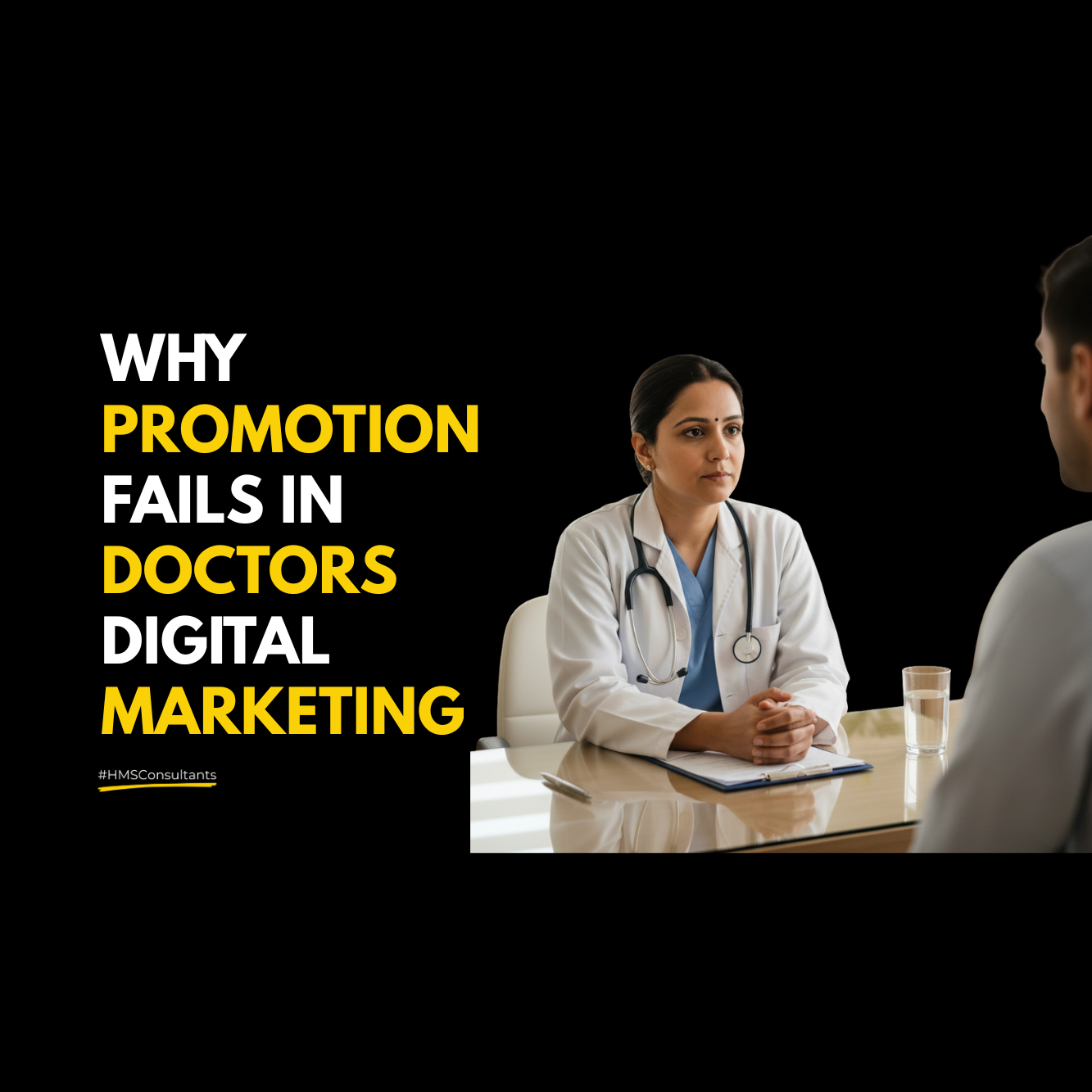
                  If there is a delay in consultation, patients expect to know why. If a doctor is unavailable, families expect timely information. If billing is unclear, patients expect clarification. If a complaint has been raised, people expect acknowledgement.


                  When the hospital does not communicate, patients may feel ignored.

                  Silence can be interpreted as carelessness, lack of responsibility, or an attempt to avoid the issue. Even if the hospital has no wrong intention, the absence of communication can create a negative impression.

                  Small Situations Can Become Reputation Problems

                  Hospital reputation is not affected only by big incidents. Sometimes, small unanswered situations create frustration and slowly damage public perception.

                  This can happen in situations such as:

                  • OPD delays without explanation.
                  • Sudden doctor unavailability.
                  • Appointment changes not communicated properly.
                  • Billing confusion.
                  • Long waiting time.
                  • Service delays.
                  • Unanswered patient complaints.
                  • Unclear instructions after consultation.
                  • Rumours or wrong information spreading locally.
                  • Staff giving different answers to the same question.

                  Individually, these may look like small issues. But when patients feel that nobody is explaining or responding, the situation can become bigger.

                  A patient may share their frustration with family, write a review, post online, or discuss it in the local community. This is where public relations in a hospital becomes important.

                  Why Silence Creates Assumptions

                  When a hospital does not clarify a situation, people often fill the gap with their own understanding. Sometimes that understanding may be incomplete or wrong.

                  For example, if a doctor is delayed and no one informs patients, they may assume the hospital is careless. If a bill is not explained properly, patients may assume they are being charged unfairly. If a complaint is not acknowledged, families may feel the hospital does not value patient feedback.

                  In most cases, a simple and timely explanation can reduce frustration.

                  Hospital communication does not always need to be long. Sometimes a clear update is enough.

                  For example:

                  “The doctor is delayed due to an emergency case. The expected waiting time is around 30 minutes.”

                  “Your billing query has been noted. Our team will review it and explain the details at the billing desk.”

                  “The service is temporarily unavailable today. We will help you with the next available appointment.”

                  These small responses can prevent confusion from becoming a reputation issue.

                  Responsible Communication Does Not Mean Saying Everything

                  Hospitals may avoid communication because they worry about saying the wrong thing. This concern is understandable because healthcare information can be sensitive.

                  But responsible communication does not mean revealing private patient details or over-explaining internal matters. It means acknowledging the concern, giving clear guidance, and helping people understand the next step.

                  A hospital response should be:

                  • Calm.
                  • Clear.
                  • Respectful.
                  • Timely.
                  • Factual.
                  • Privacy-conscious.
                  • Free from blame.

                  For example, if there is a public complaint, the hospital should not argue online or disclose medical details. A better response is to acknowledge the concern and guide the person to a direct communication channel.

                  This shows that the hospital is listening without making the matter public in an irresponsible way.

                  What Hospitals Should Communicate Early

                  Not every situation needs a public statement. But many situations need early and clear communication at the right level.

                  Hospitals should communicate early when there are:

                  • Changes in doctor availability.
                  • Appointment delays.
                  • Service interruptions.
                  • Billing clarification needs.
                  • Process changes.
                  • Temporary facility issues.
                  • Patient complaints.
                  • Repeated confusion at the front desk.
                  • Wrong information spreading among patients.

                  The goal is not to create unnecessary attention. The goal is to prevent confusion.

                  When patients know what is happening, why it is happening, and what they should do next, they feel more informed and less frustrated.

                  Hospital PR Needs a Response System

                  Many hospitals respond only when the situation becomes serious. By then, the issue may already have affected patient perception.

                  Hospital PR should not depend on last-minute reactions. Hospitals need a simple response system for common communication situations.

                  This may include:

                  • Who will respond to patient complaints.
                  • What front desk staff should say during delays.
                  • How billing concerns should be explained.
                  • Who approves public clarifications.
                  • How review concerns should be handled.
                  • How sensitive matters should be escalated.
                  • What information should never be shared publicly.

                  A response system helps the hospital communicate consistently. It also prevents different staff members from giving different answers.

                  This is important because inconsistent communication can create more confusion than silence itself.

                  Silence Can Make Small Issues Look Bigger

                  A hospital may choose silence to avoid conflict, but silence can sometimes make the issue look more serious than it is.

                  If patients are not updated, they may feel neglected. If complaints are not acknowledged, they may feel ignored. If rumours are not clarified, they may grow stronger. If staff does not know what to say, the hospital may look unprepared.

                  Public relations in a hospital should help prevent this.

                  PR is not only about speaking to the media or handling major incidents. It is also about making sure that everyday communication is clear, responsible, and timely.

                  Conclusion

                  Public relations in a hospital plays an important role in protecting reputation through timely communication. Hospitals do not always need long explanations, but they do need clear responses when patients, families, or the public are confused.

                  Silence may feel safe in the moment, but in healthcare, it can create doubt, frustration, and assumptions.

                  A hospital that communicates clearly during delays, complaints, service changes, billing confusion, and public concerns appears more responsible and organised.

                  Reputation is not only shaped by what a hospital says. It is also shaped by what it leaves unanswered.

                  Hospitals that respond carefully, respectfully, and on time can prevent small situations from becoming larger reputation problems.

                  Contact Us HMS Consultants

                  PR in hospital terms means public relations. It is how a hospital communicates with patients, families, staff, media, and the public. In this blog context, PR also means giving timely clarification during delays, complaints, service changes, billing confusion, or sensitive situations.

                  public relations I Hospital Marketing Strategies

                  is something we strongly believe in, which means ‘Knowledge without application is the same as having no knowledge at all

                  Akhil Dave

                  Principle Consultant

                  Ready to take your Personal Brand to the next level?

                  Share your details below and we will connect with you to discuss your growth strategy.

                  • Clinic Marketing: Why the Waiting Area Should Not Stay Silent

                    Clinic Marketing: Why the Waiting Area Should Not Stay Silent

                    Clinic Marketing: Why the Waiting Area Should Not Stay Silent

                    Published on
                    Share This

                    Clinic marketing is usually planned around what happens outside the clinic. Doctors and clinic owners think about Google visibility, social media posts, ads, reviews, referrals, and websites. These are important, but one valuable marketing space is often ignored: the waiting area.

                    Patients spend time in the clinic before consultation. They sit, observe, read, listen, and form opinions. This time should not be wasted. A clinic waiting area can quietly support patient education, service awareness, and better communication without making patients feel like they are being sold something.

                    The waiting area is not just a place where patients wait. It is a space where clinics can help patients understand their health concerns, learn about available services, prepare for consultations, and remember the clinic better.

                    This is why clinic marketing should also include what happens inside the clinic.


                    Why the Waiting Area Matters in Clinic Marketing

                    A patient sitting in the waiting area is already interested in care. They may have come for consultation, follow-up, reports, medicine guidance, or a family member’s appointment. Their attention is naturally connected to health.

                    This makes the waiting area a useful space for patient communication.

                    Many clinics keep this space silent or fill it only with generic posters. But the waiting area can answer common patient questions and reduce confusion before the consultation begins.

                    It can help patients understand:

                    • What services are available in the clinic?
                    • Which symptoms should not be ignored?
                    • What preventive care matters.
                    • What reports or records they should carry.
                    • When follow-up is important.
                    • How to book future appointments.
                    • What health concerns need regular monitoring?

                    In-clinic marketing does not need to be loud. It should be useful, simple, and patient-friendly.clinic waiting area

                    Waiting Time Can Become Learning Time

                    Most patients do not enjoy waiting. But if the clinic uses that time well, patients can learn something helpful before meeting the doctor.

                    For example, a diabetes clinic can display simple information about sugar monitoring, foot care, diet awareness, and follow-up importance. A dental clinic can show content about gum care, cavities, teeth cleaning, and warning signs. A physiotherapy clinic can explain posture, exercise precautions, and basic pain management.

                    This type of patient education helps patients become more informed. It also supports the doctor, as patients may come to the consultation with greater awareness.

                    Waiting-area content can include:

                    • Posters.
                    • Digital screens.
                    • Simple brochures.
                    • QR codes for service pages.
                    • Doctor education videos.
                    • FAQs.
                    • Preventive care tips.
                    • Follow-up reminders.

                    The goal is not to overload patients. The goal is to give them short, clear, and useful information.

                    Explain Services Without Hard Selling

                    Many clinics offer more services than patients realise. A patient may visit for one concern but may not know that the clinic also provides preventive check-ups, diagnostic support, counselling, minor procedures, follow-up care, or related treatment services.

                    The waiting area can help patients understand these services naturally.

                    For example, instead of writing “Book our package today,” the clinic can explain who may need the service and when it is useful.

                    A better approach is:

                    • “When should you consider a preventive health check-up?”
                    • “What signs show you may need an eye examination?”
                    • “Why regular dental cleaning matters.”
                    • “When should children visit a pediatrician?”
                    • “Why follow-up after treatment is important.”

                    This keeps the communication educational. Patients understand the value of the service without feeling pressured.

                    Clinic marketing works better when it helps patients make informed decisions.

                    Use the Waiting Area to Reduce Repeated Questions

                    Clinic staff often answer the same questions again and again. Patients may ask about timings, reports, follow-up visits, test preparation, payment options, appointment process, or doctor availability.

                    Some of these questions can be answered clearly inside the waiting area.

                    Clinics can display simple information such as:

                    • Appointment process.
                    • Consultation flow.
                    • Report collection timing.
                    • Follow-up instructions.
                    • Emergency contact guidance.
                    • Documents to carry.
                    • Clinic working hours.
                    • Basic preparation for tests or procedures.

                    This can reduce pressure on the front desk and improve patient experience. When patients already understand basic instructions, communication between staff becomes smoother.

                    A well-planned clinic waiting area supports both marketing and operations.

                    Make Doctor Expertise Easier to Understand

                    Patients often know the doctor’s name, but they may not fully understand the doctor’s areas of practice. The waiting area can help explain this clearly.

                    This does not mean displaying exaggerated claims. It means presenting doctor information in a simple and responsible way.

                    A clinic can share:

                    • Doctor’s specialty.
                    • Areas of practice.
                    • Common conditions treated.
                    • Patient education topics.
                    • Consultation focus areas.
                    • Follow-up care guidance.

                    For example, an orthopaedic clinic can mention joint pain, sports injuries, arthritis, fracture care, back pain, and mobility concerns. A gynecology clinic can explain pregnancy care, menstrual concerns, PCOS awareness, fertility guidance, and women’s preventive health.

                    This improves patient awareness and helps patients understand the clinic’s care focus.

                    Keep the Communication Simple and Visual

                    Waiting-area content should not be too long or too technical. Patients may not read heavy paragraphs while sitting in a clinic. They need short messages, clear visuals, and easy language.

                    Good waiting-area communication should be:

                    • Short.
                    • Clear.
                    • Visual.
                    • Patient-friendly.
                    • Easy to understand.
                    • Relevant to the clinic’s services.
                    • Free from fear-based messaging.

                    For example, instead of writing a long paragraph about hypertension, a clinic can use a simple poster: “High blood pressure may not show symptoms. Regular monitoring helps detect risk early.”

                    The message should help the patient understand, not create fear.

                    Clinic marketing inside the waiting area should feel calm, helpful, and professional.

                    Connect Offline Communication With Digital Channels

                    The waiting area can also guide patients toward the clinic’s digital platforms. But this should be done in a useful way.

                    Clinics can use QR codes to help patients:

                    • Read service information.
                    • Book follow-up appointments.
                    • Watch doctor education videos.
                    • Access health tips.
                    • Leave feedback.
                    • Save the clinic contact number.
                    • Visit the clinic website.

                    This connects in-clinic communication with digital visibility. A patient who sees a helpful poster can scan a QR code and continue learning later.

                    This is a practical way to combine offline and online clinic marketing without making the experience too promotional.

                    What Clinics Should Avoid

                    The waiting area should not become a cluttered advertising wall. Too many posters, confusing banners, or aggressive promotional messages can reduce the professional feel of the clinic.

                    Clinics should avoid:

                    • Overcrowding walls with too much content.
                    • Using fear-based health messages.
                    • Making unrealistic claims.
                    • Showing too many offers.
                    • Using technical medical language.
                    • Displaying outdated information.
                    • Ignoring design and readability.

                    Patients should feel informed, not overwhelmed. The waiting area should support trust and clarity.

                    Conclusion

                    Clinic marketing does not happen only online or outside the clinic. It also happens inside the clinic, especially in the waiting area.

                    The waiting area is a valuable space where patients can learn, understand services, prepare for consultation, and receive useful health guidance. It can reduce repeated questions, improve patient awareness, explain doctor expertise, and support stronger patient communication.

                    A silent waiting area is a missed opportunity. With simple posters, digital screens, QR codes, brochures, FAQs, and doctor education content, clinics can turn waiting time into meaningful patient education.

                    Good clinic marketing is not always about louder promotion. Sometimes, it is about using the spaces patients already interact with and making them more helpful, clear, and informative.

                    Contact Us HMS Consultants

                    Clinic marketing can be done by using both online and in-clinic communication. Along with Google visibility, social media, reviews, and websites, clinics should use the waiting area for patient education, service awareness, doctor information, FAQs, and appointment guidance.

                    clinic marketing I hospital marketing I Hospital Marketing Strategies I Hospital Marketing Strategy I Marketing ideas for clinics

                    is something we strongly believe in, which means ‘Knowledge without application is the same as having no knowledge at all

                    Akhil Dave

                    Principle Consultant

                    Ready to take your Personal Brand to the next level?

                    Share your details below and we will connect with you to discuss your growth strategy.

                    • Branding Hospital: Why Service Names and Brand Clarity Matter

                      Branding Hospital: Why Service Names and Brand Clarity Matter

                      Branding Hospital: Why Service Names and Brand Clarity Matter

                      Published on
                      Share This

                      Branding hospital is not only about logos, colors, taglines, interiors, or advertisements. One important part of hospital branding that is often ignored is how clearly the hospital names, organizes, and communicates its services.

                      Many hospitals offer multiple departments, clinics, packages, programs, procedures, doctor-led services, and specialised centres. But when these services are named differently across the website, Google Business Profile, brochures, reception desk, banners, and social media, patients may feel confused.

                      For example, the same service may be called “Heart Care” on one platform, “Cardiology” on another, “Cardiac OPD” in a banner, “Chest Pain Clinic” on social media, and “Heart Specialist Consultation” at the reception desk. Internally, the hospital team may understand what these terms mean. But for a patient, too many names can create uncertainty.

                      This is why hospital brand clarity matters. A hospital brand should make services easier to understand, not harder to identify.


                      Why Service Names Matter in Hospital Branding

                      Patients do not always understand medical terms the way hospital teams do. They search, ask, and enquire in simple language. A patient may not search for “orthopaedic department” first. They may search for “knee pain doctor,” “joint pain treatment,” or “fracture care near me.”

                      If hospital service names are too technical, unclear, or inconsistent, patients may not understand whether the hospital offers what they need.

                      Clear hospital service names help patients quickly understand:

                      • What the service is about.
                      • Which health concern does it relate to?
                      • Which doctor or department handles it?
                      • Whether the service is relevant to their problem.
                      • What is the next step they should take?

                      Hospital branding becomes stronger when patients can understand the hospital’s services without confusion.

                      The Problem With Multiple Names for the Same Service

                      One common issue in branding a hospital is using different names for the same or related services. This often happens when different teams create content separately.

                      The website team may use one name. The social media team may use another. The front desk may explain it differently. The doctor may use a clinical term. The brochure may mention a package name. Over time, the hospital communication becomes fragmented.

                      For example:

                      • “Women’s Health Clinic”
                      • “Gynaecology Department”
                      • “Maternity Care”
                      • “Pregnancy Clinic”
                      • “Antenatal Care Services”

                      All these may be connected, but patients may not know how they relate to each other. Some may think they are separate services. Some may not know which one to choose.

                      This weakens hospital service communication because the patient has to decode the hospital’s language. A strong hospital brand should reduce this confusion.

                      Patients Need Simple and Familiar Language

                      Hospital teams often use clinical or internal terms because they are familiar with them. But patients usually think in terms of symptoms, needs, and concerns.

                      A patient may think:

                      • I have chest pain.
                      • My child has a fever.
                      • I need pregnancy care.
                      • I want a health check-up.
                      • My father has knee pain.
                      • I need an eye test.

                      If the hospital only uses technical department names, the patient may not immediately connect their concern with the right service.

                      This does not mean hospitals should avoid medical terms completely. It means medical terms should be supported with patient-friendly explanations.

                      For example, instead of only saying “Cardiology,” the hospital can explain it as “heart care for chest pain, blood pressure, heart check-ups, and cardiac concerns.” This makes the service easier to understand.

                      Healthcare branding should help patients connect their concern with the right care.

                      How Confusing Service Names Affect Enquiries

                      Unclear service names can directly affect patient enquiries. When patients do not understand which service to choose, they may delay calling, ask repeated questions, or move to another hospital that explains things more clearly.

                      Confusion may happen when:

                      • Service names are too technical.
                      • The same service has different names across platforms.
                      • Packages are not explained properly.
                      • Department names and doctor services are mixed.
                      • Website pages do not match Google Business Profile listings.
                      • Social media posts use terms not found on the website.
                      • Front desk communication is different from online content.

                      For patients, this can create doubt. They may wonder whether the hospital offers the service, which doctor to meet, what appointment to book, or whether the service is suitable for their concern.

                      Hospital brand clarity helps reduce these doubts. It makes the enquiry process smoother and more confident.

                      Organizing Departments, Packages, and Programs

                      A hospital may have many layers of services. There may be departments, sub-specialities, health packages, screening programs, day-care procedures, emergency services, OPDs, and doctor-led clinics.

                      If these are not organised properly, the hospital brand can look confusing even if the hospital offers good care.

                      A clear hospital service structure should answer:

                      • What are the main departments?
                      • What services come under each department?
                      • Which services need separate pages or listings?
                      • Which packages need a simple explanation?
                      • Which doctor handles which service?
                      • Which terms should be used consistently everywhere?

                      For example, a hospital can use “Orthopaedics” as the department name and then clearly list related services such as joint pain, fracture care, arthritis care, sports injury care, spine problems, and knee replacement.

                      This helps patients understand both the department and the specific concern it addresses.

                      Consistency Across Every Platform

                      Hospital branding becomes stronger when the same service language is used across all patient-facing platforms.

                      This includes:

                      • Website service pages.
                      • Google Business Profile.
                      • Social media posts.
                      • Brochures and banners.
                      • Reception communication.
                      • WhatsApp replies.
                      • Doctor profile pages.
                      • Appointment scripts.
                      • Health camp communication.

                      If the website says one thing and the reception says another, the brand feels unorganised. If Google lists a service but the website does not explain it, patients may feel unsure. If social media promotes a service using a name that is not visible anywhere else, the patient journey becomes disconnected.

                      Consistency does not mean every platform must use the exact same paragraph. It means the service name, meaning, and patient guidance should remain aligned.

                      Brand Clarity Supports Hospital Positioning

                      Hospital positioning becomes stronger when patients clearly understand what the hospital offers and what it is known for. A hospital may want to be known for advanced care, specialist services, preventive health, emergency support, maternity care, diagnostics, or multi-speciality treatment. But that positioning becomes weak if the services are not communicated clearly.

                      Patients should not feel that the hospital is saying too many things in too many different ways.

                      Clear service naming helps create stronger recall. When patients repeatedly see the same service language across platforms, they begin to connect the hospital name with specific healthcare needs.

                      For example, if a hospital wants to strengthen its maternity care positioning, the communication around pregnancy care, antenatal visits, delivery support, high-risk pregnancy, and postnatal guidance should be organised clearly under one service structure.

                      This makes the hospital easier to understand and easier to remember.

                      What Hospitals Should Avoid

                      Hospitals should avoid creating service names only to sound advanced or different. If the name is attractive but unclear, it may not help patients.

                      Hospitals should avoid:

                      • Using too many names for the same service.
                      • Creating package names without explaining what they include.
                      • Using only medical terminology without patient-friendly meaning.
                      • Promoting services online that staff cannot explain clearly.
                      • Mixing department names, symptoms, and procedures without structure.
                      • Changing service names across platforms without a clear reason.

                      Branding hospital should make communication simpler, not more complicated.

                      Conclusion

                      Branding hospital is not only about how the hospital looks. It is also about how clearly patients understand what the hospital offers.

                      When service names are confusing, inconsistent, or too technical, patients may struggle to connect their health concern with the right department or doctor. This can affect enquiries, patient understanding, and hospital recall.

                      Clear hospital service names, organised service structure, and consistent communication help make hospital branding stronger. They allow patients to understand services faster, ask better questions, and take the next step with more confidence.

                      A strong hospital brand is not built only through design. It is also built through clarity.

                      When patients can easily understand what the hospital offers, the brand becomes easier to trust, remember, and choose.

                      Contact Us HMS Consultants

                      Branding in a hospital means creating a clear and consistent identity that helps patients understand what the hospital offers. In this blog context, hospital branding also includes clear service names, organised departments, simple communication, and consistency across website, Google profile, reception, and social media.

                      Digital Marketing I Hospital Branding I hospital marketing I Hospital Marketing Strategies I Hospital Marketing Strategy

                      is something we strongly believe in, which means ‘Knowledge without application is the same as having no knowledge at all

                      Akhil Dave

                      Principle Consultant

                      Ready to take your Personal Brand to the next level?

                      Share your details below and we will connect with you to discuss your growth strategy.