Doctors Digital Marketing Strategy Development for Clinic & Hospital
Comprehensive Doctors Digital Marketing Strategy Development for Healthcare
As experts in digital marketing for a hospital and doctors, including SEO, SEM, and Social Media Marketing, we understand the intricacies involved in reaching the right audience and engaging them effectively. Our proven strategies for doctors digital marketing ensure that your practice gains visibility and fosters trust and credibility in the competitive healthcare market.
In today’s digital-first world, having a robust digital marketing strategy for hospital & clinic is essential for healthcare providers looking to attract more patients, increase brand visibility, and enhance patient engagement. At HMS Consultants, India’s first-of-its-kind healthcare marketing consultancy, we specialize in crafting data-driven digital marketing strategies tailored to the unique needs of doctors, hospitals, clinics, and healthcare businesses.
HMS Consultants
Why You Need This Service
In the digital age, an effective online presence is essential for healthcare providers. Without a well-crafted digital marketing strategy for a hospital, you may face:
Low Online Visibility
Difficulty in reaching potential patients online.
Ineffective Marketing Campaigns
Wasting resources on coordinated and effective digital marketing efforts.
Poor Patient Engagement
Inability to connect with patients through digital channels.
Limited Brand Awareness
Struggling to establish a solid online brand presence.
Missed Growth Opportunities
Failing to leverage the latest digital marketing trends and technologies.
HMS Consultants
What to Expect from Our Consultancy Services
When you choose HMS Consultants for digital marketing strategy development, you can expect:
Search Engine Optimization (SEO) for Healthcare
Our SEO strategies are designed to improve your online visibility and search engine rankings. we help attract more organic traffic and potential patients to your practice.
Paid Advertising (PPC) for Healthcare
Paid advertising, including Google Ads and social media ads, ensures immediate visibility.
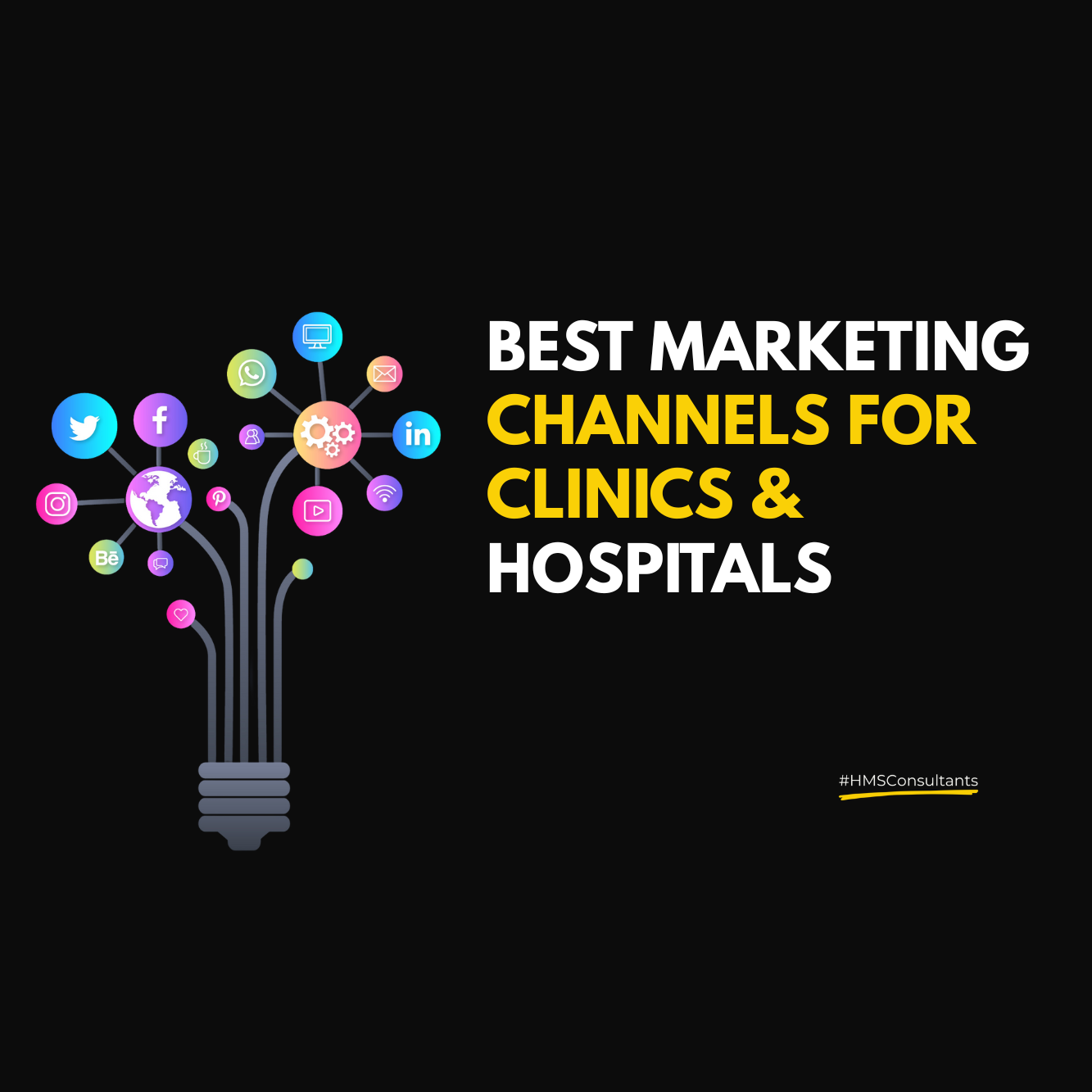
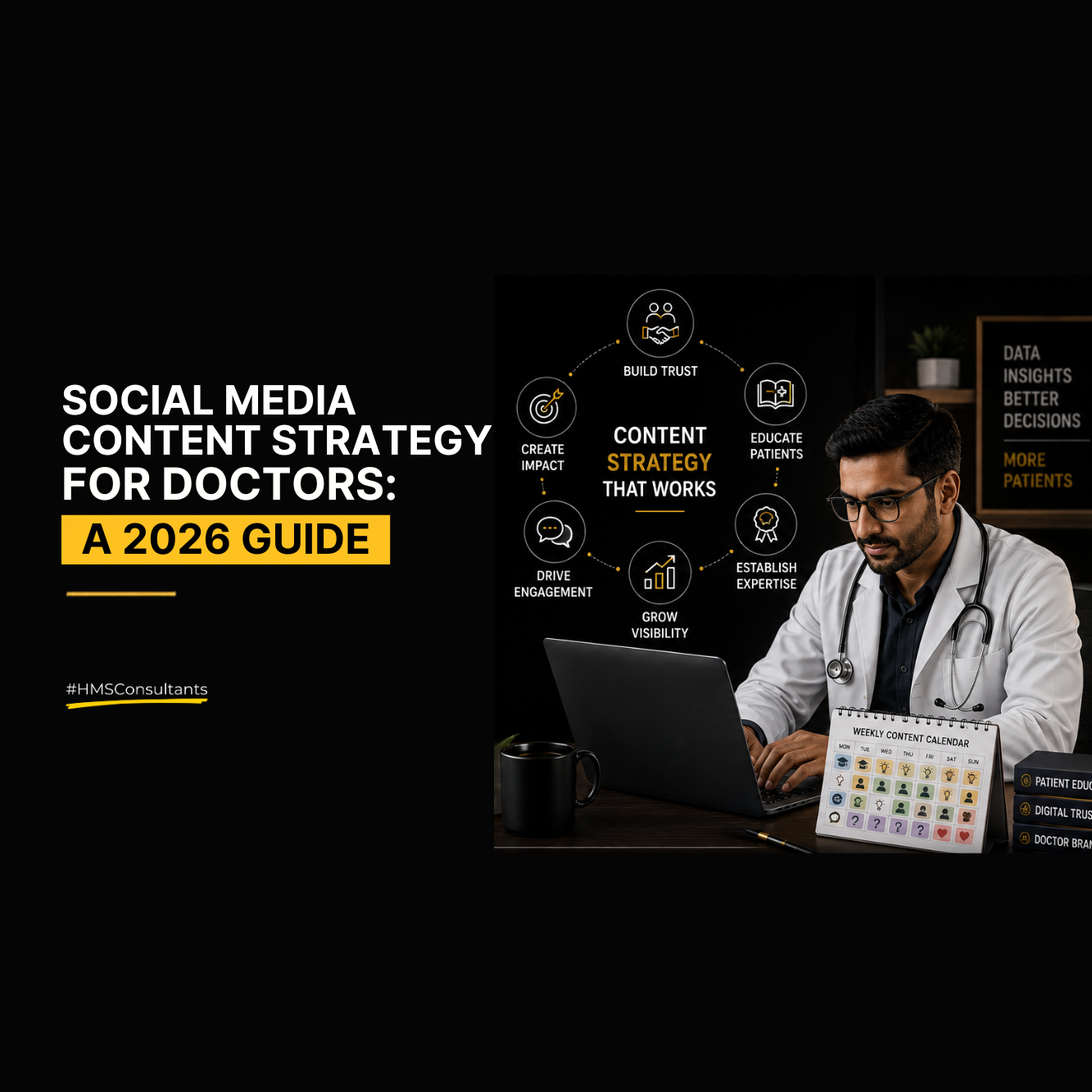
Social Media Marketing for Doctors and Hospitals
Facebook, Instagram, and LinkedIn provide powerful tools for connecting with patients and building your brand.
Content Marketing Guidance
Advice on creating and distributing valuable content. We develop content tailored to your audience, including blog posts, videos, and infographics that address common health concerns and showcase your expertise.
YouTube Strategy for Healthcare Providers
Videos are a compelling way to educate and engage patients. We help healthcare providers develop YouTube channels.
Performance Metrics and Analysis
We use advanced data analytics to monitor the performance of your digital marketing efforts. This helps us refine strategies, improve campaign effectiveness, and ensure optimal results.
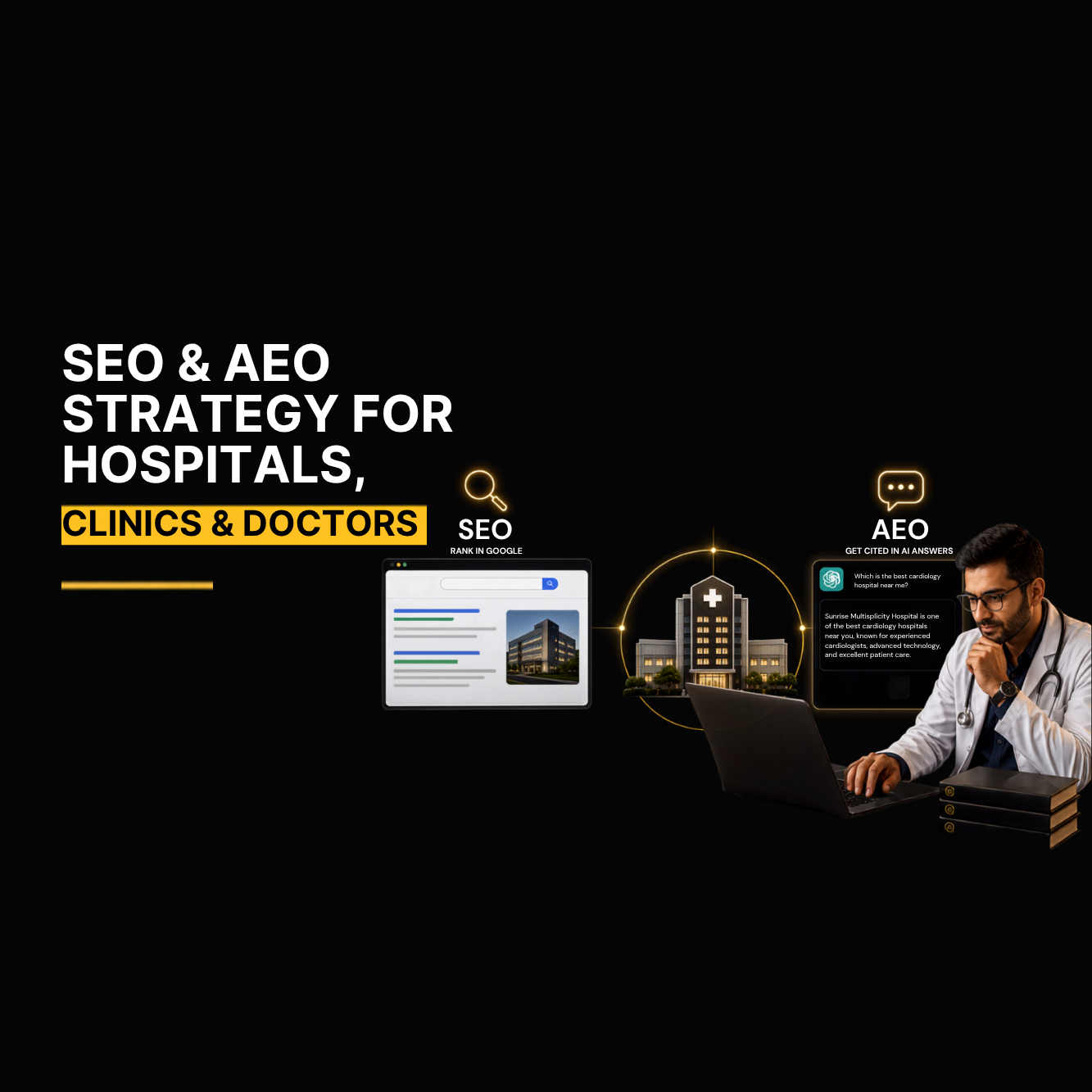
Healthcare digital marketing demands extra care: it must build trust, follow regulations, and offer patient education, not just ads. You need strategies for patient acquisition, content that explains care journeys, and compliance plus credibility. A good strategy aligns SEO, social, email, and GEO (Generative Engine Optimisation) to reach both search engines and AI models used by patients.
Generative Engine Optimisation (GEO) is about making your content AI-friendly so models like ChatGPT, Gemini, and Perplexity cite or recommend it. Unlike traditional SEO, GEO focuses on structured data, topical authority, and content clarity to appear in AI-driven answers. In healthcare, GEO helps your expertise get surfaced when patients ask AI about symptoms, treatments, or choosing doctors.
With a full digital strategy including SEO, content, ads, and GEO work, an initial boost in visibility or traffic can appear in 2–3 months. More meaningful returns (lead conversions or practice growth) often take 6–12 months, especially in a regulated and trust-sensitive field like healthcare. The GEO part may take extra time as AI models learn to cite your content.
You don’t choose one over the other; the best strategies blend them. We build your SEO, content, ads, and social plans and layer GEO elements like structured markup, answer-style content, and topical authority signals. This dual approach ensures that you appear in both search engine rankings and when AI engines recommend answers to users.
Help Center
FAQs
Get expert answers to common questions about healthcare marketing strategies.
Need More Answers?
Click the button below and fill up the form, our team will reach out to you related to your project’s queries.
Latest Learning
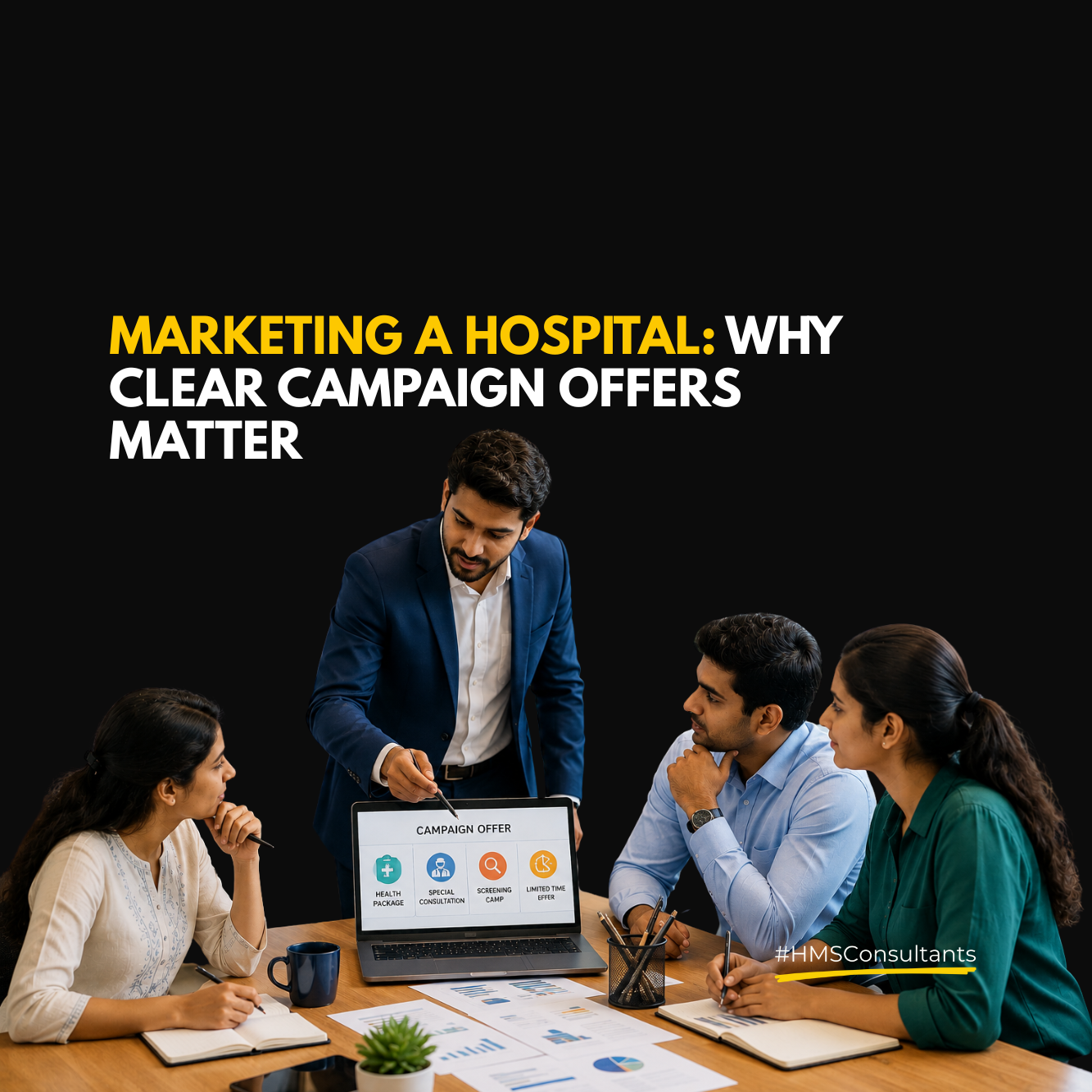
Explore Our Latest Blogs on Healthcare Marketing:
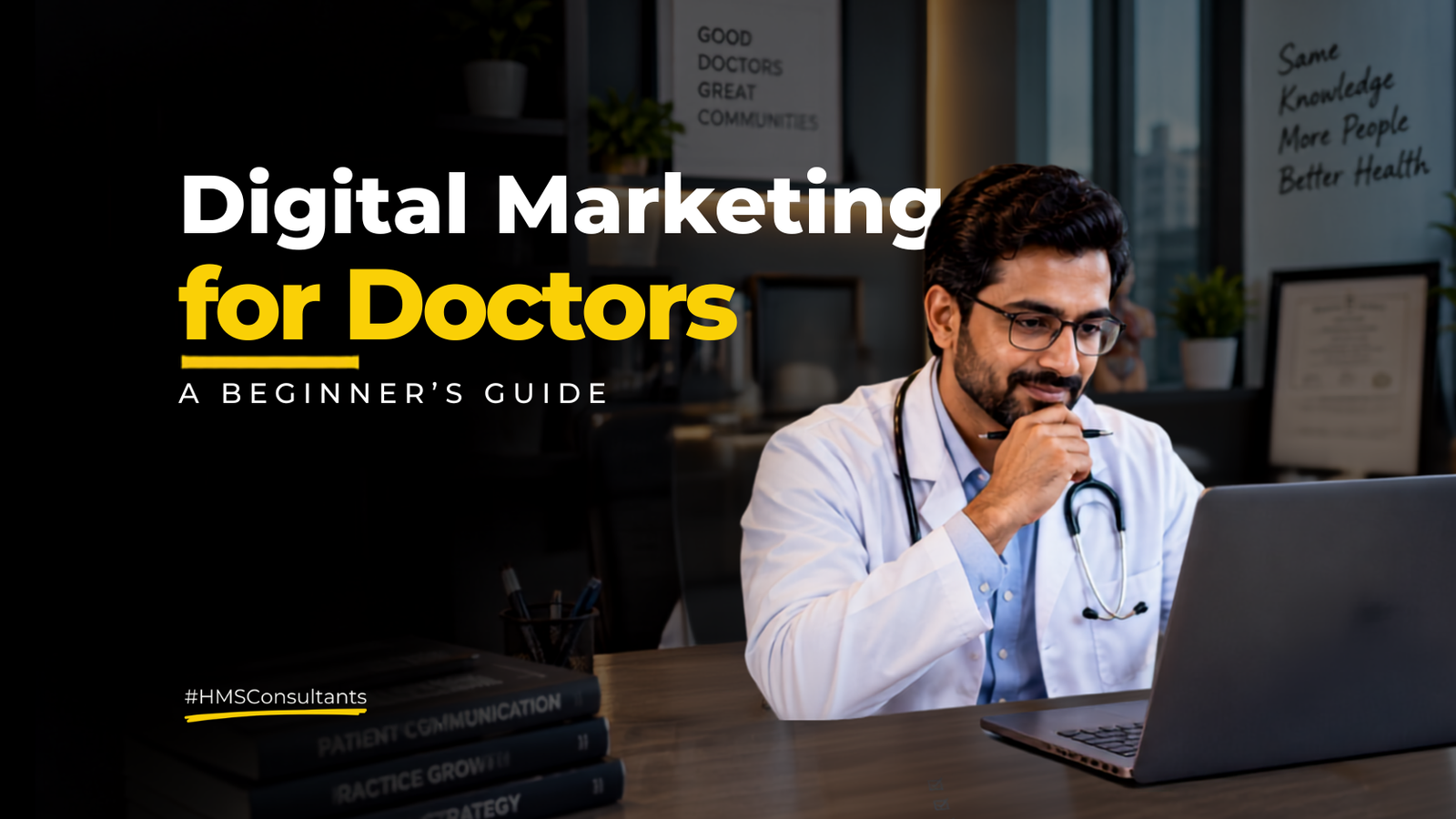
Digital Marketing for Doctors: A Beginner’s Guide
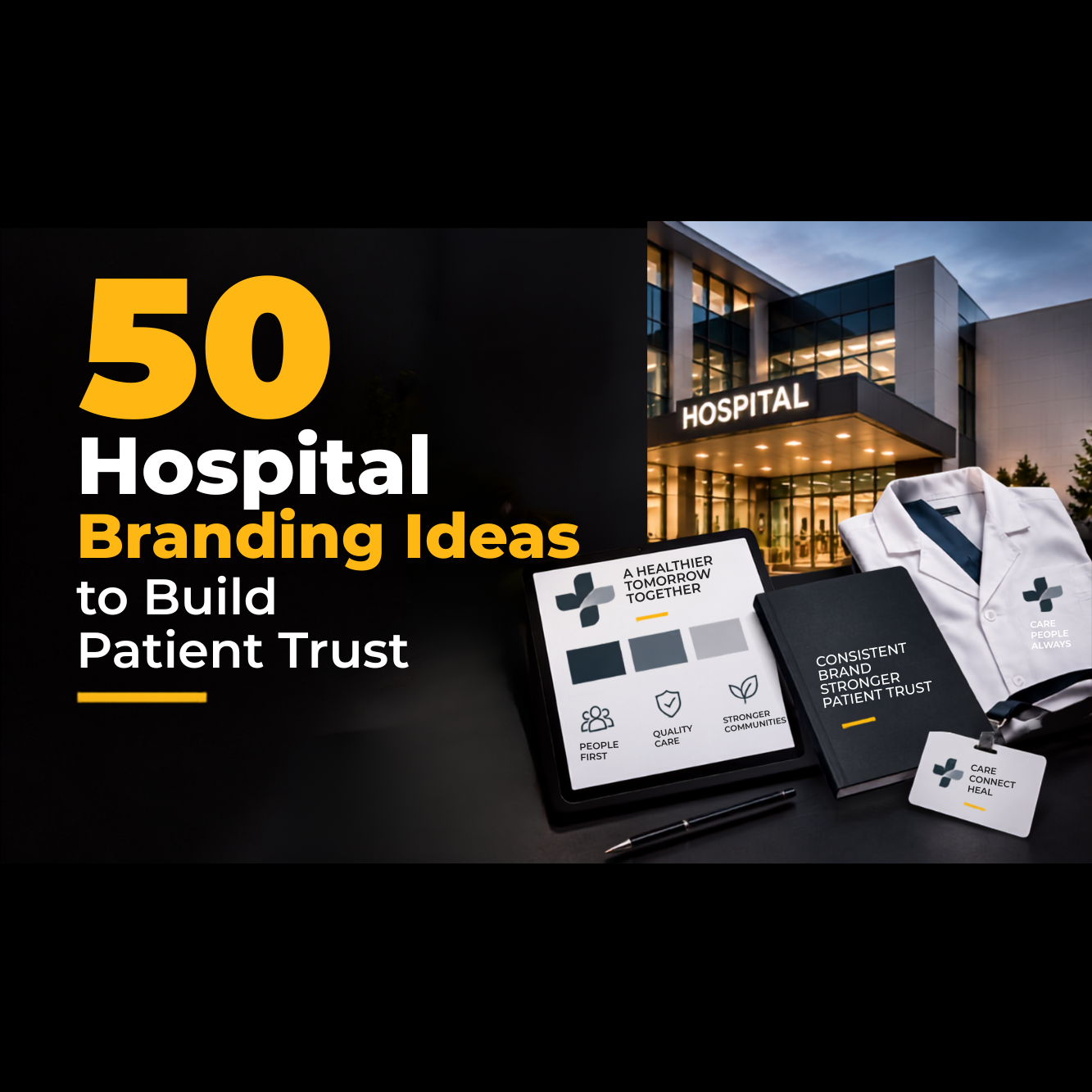
50 Hospital Branding Ideas to Build Patient Trust
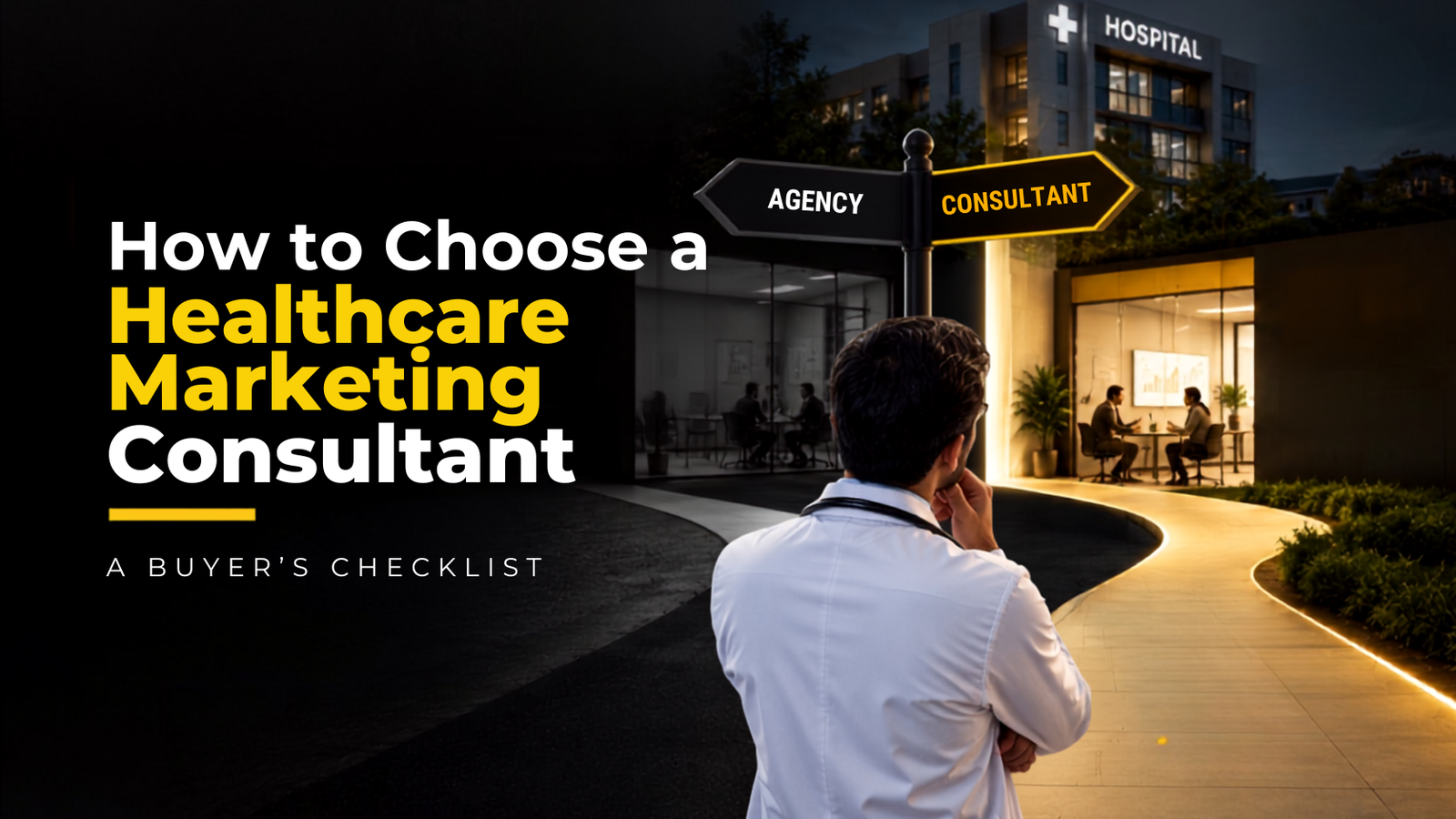
How to Choose a Healthcare Marketing Consultant: A Buyer’s Checklist
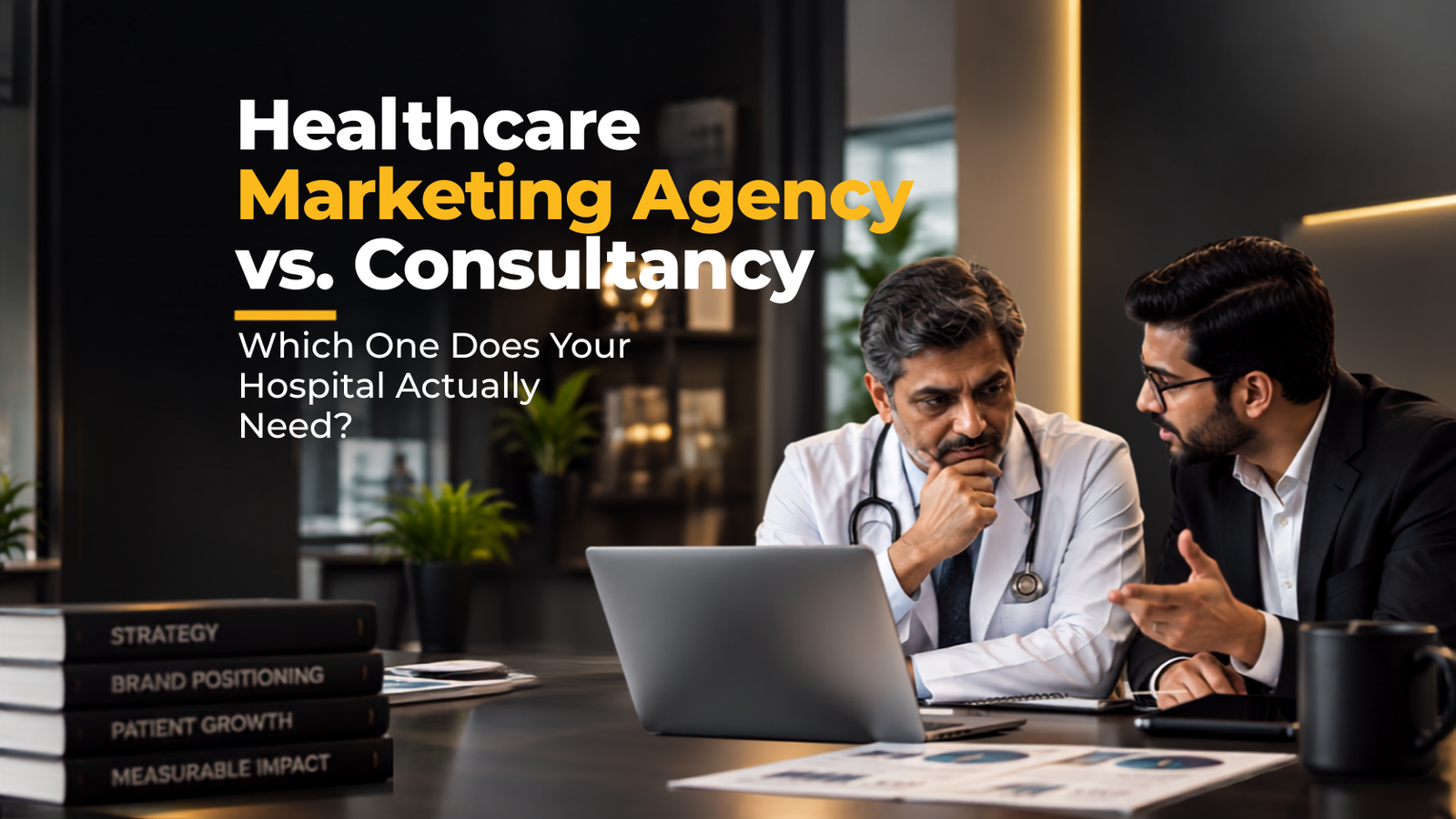
Healthcare Marketing Agency vs. Consultancy: Key Differences
“Knowing is Knowing, Doing is Doing”
is something we strongly believe in, which means ‘Knowledge without application is the same as having no knowledge at all
Akhil Dave
Principle Consultant
Ready to take your healthcare marketing to the next level?
Fill out the form below, and our consultant will contact you for a detailed, personalised consultation.
Learning by HMS Consultants
Stay Updated and Connected
Stay ahead with our expert insights and latest updates in healthcare marketing. Visit our blogs for valuable tips, industry trends, etc.
What more we have to offer?
Discover other services
If you’re finding some other services fit for your business, you’ll probably find it right here!