



Akhil Dave: Architect of Ethical Healthcare Marketing
Akhil Dave is redefining healthcare marketing in India with ethical, data-driven strategies. As the force behind HMS Consultants and AHMP India, he empowers hospitals to grow with purpose.
Healthcare marketing trends refer to the changing approaches, technologies, patient behaviours, and communication strategies that influence how healthcare organisations connect with patients.
A marketing trend is not simply a new digital tool or social media platform. It reflects how patient expectations are evolving and how healthcare providers need to respond.
For example, patients today expect faster communication, transparent information, online accessibility, and educational content before they choose a doctor or hospital. These changing expectations directly influence healthcare marketing strategies.
Understanding these trends helps healthcare organisations make informed decisions instead of following every new marketing technique that appears in the market.
Healthcare is one of the most trust-driven industries. Patients do not choose a hospital only because of advertisements. They look for confidence, credibility, expertise, accessibility, and clear communication.
Healthcare marketing trends matter because they help organizations:
Healthcare marketing should always support better patient experiences rather than simply increasing promotional activity.
Modern patients prefer healthcare providers who educate rather than constantly advertise.
Whether someone is searching for symptoms, treatments, preventive healthcare, or specialist services, they appreciate organisations that provide useful information before asking them to book an appointment.
Educational blogs, treatment guides, FAQs, awareness campaigns, and doctor videos help patients make informed decisions while building confidence in the healthcare provider.
Healthcare organisations that consistently educate patients often develop stronger long-term relationships than those that rely only on promotional campaigns.
Most healthcare journeys now begin with an online search.
Patients commonly search for:
Because of this behaviour, search visibility has become one of the most important healthcare marketing trends.
Hospitals and clinics that maintain updated websites, optimise their Google Business Profile, and publish relevant healthcare content are more likely to appear when patients are actively looking for medical services.
Being visible at the right moment often creates opportunities that traditional advertising cannot.
Healthcare branding today is about credibility rather than visibility alone.
Patients increasingly evaluate healthcare providers based on factors such as:
A strong healthcare brand answers an important patient question:
“Can I trust this healthcare provider?”
Marketing activities that strengthen trust are becoming more valuable than campaigns that focus only on increasing impressions or clicks.
.
Many patients prefer watching a doctor explain a treatment instead of reading lengthy medical information.
Short educational videos can help explain:
Video content also allows doctors to communicate naturally, making healthcare information easier to understand.
Instead of replacing written content, videos complement blogs, websites, and patient education initiatives.
Artificial Intelligence (AI) is becoming an important part of healthcare marketing.
Healthcare organisations are using AI to support activities such as:
However, AI should support healthcare professionals rather than replace them.
Healthcare communication requires empathy, ethical responsibility, and medical accuracy. Human expertise remains essential when building patient trust.
The future of healthcare marketing will combine technology with responsible human communication.
Patients no longer expect generic communication.
Different patient groups have different healthcare needs, concerns, and decision-making processes.
Healthcare organisations are increasingly personalising communication through:
Personalised communication improves patient experience while strengthening long-term relationships.
.
Earlier, many healthcare organisations considered websites to be digital brochures.
Today, a healthcare website functions as a complete patient information platform.
Patients expect to find:
A well-structured website supports both patient trust and digital marketing efforts.
Without a strong website, many other marketing activities become less effective.
Patient reviews have become one of the strongest influences on healthcare decisions.
Before choosing a doctor or hospital, patients often read online reviews to understand other people’s experiences.
Healthcare organisations are increasingly focusing on:
Reputation management should always reflect real patient experiences rather than artificially improving ratings.
Healthcare marketing decisions are becoming more evidence-based.
Instead of assuming which campaigns work, organisations now analyse information such as:
These insights help healthcare businesses allocate marketing budgets more effectively and continuously improve their strategies.
Good marketing decisions should be supported by meaningful data rather than assumptions.
Healthcare marketing works best when different activities support one another.
For example:
Instead of treating every marketing activity separately, successful healthcare organisations build an integrated strategy where every channel contributes to a common objective.
Work with HMS Consultants
Need a clear plan to grow brand visibility, patient footfall and revenue? Explore Hospital Marketing Strategy Consulting.
See Hospital Marketing Strategy ConsultingBook a free 30-min call
Healthcare marketing trends are not simply about adopting new technologies or following popular digital platforms. They reflect changing patient expectations and the growing importance of trust, transparency, education, and meaningful communication.
Hospitals, clinics, diagnostic centres, and healthcare businesses should evaluate every new marketing trend based on one important question:
Does this improve the patient experience while supporting long-term organisational growth?
When healthcare marketing is guided by patient needs instead of short-term promotional goals, it creates stronger relationships, better engagement, and sustainable business success.
As the Indian healthcare industry continues to evolve, organisations that embrace relevant marketing trends with a strategic and ethical approach will be better positioned to serve patients and strengthen their market presence.
Healthcare marketing trends are evolving strategies, technologies, and communication practices that help hospitals, clinics, and healthcare businesses connect more effectively with patients.
They help healthcare organisations adapt to changing patient behaviour, improve digital visibility, strengthen patient trust, and remain competitive.
While several trends are important, patient education, trust-based branding, local search visibility, and integrated digital marketing have become particularly significant for healthcare organisations.
Hospitals should regularly review their marketing strategies, monitor patient behaviour, invest in educational content, strengthen their online presence, and analyse marketing performance.
Yes. AI supports research, content planning, patient communication, and marketing analysis. However, human expertise remains essential for ethical communication and patient trust.
No. Healthcare organisations should adopt trends that align with their goals, patient needs, and long-term strategy rather than following every new marketing practice.
Share your details below and we will connect with you to discuss your growth strategy.
Akhil Dave is redefining healthcare marketing in India with ethical, data-driven strategies. As the force behind HMS Consultants and AHMP India, he empowers hospitals to grow with purpose.
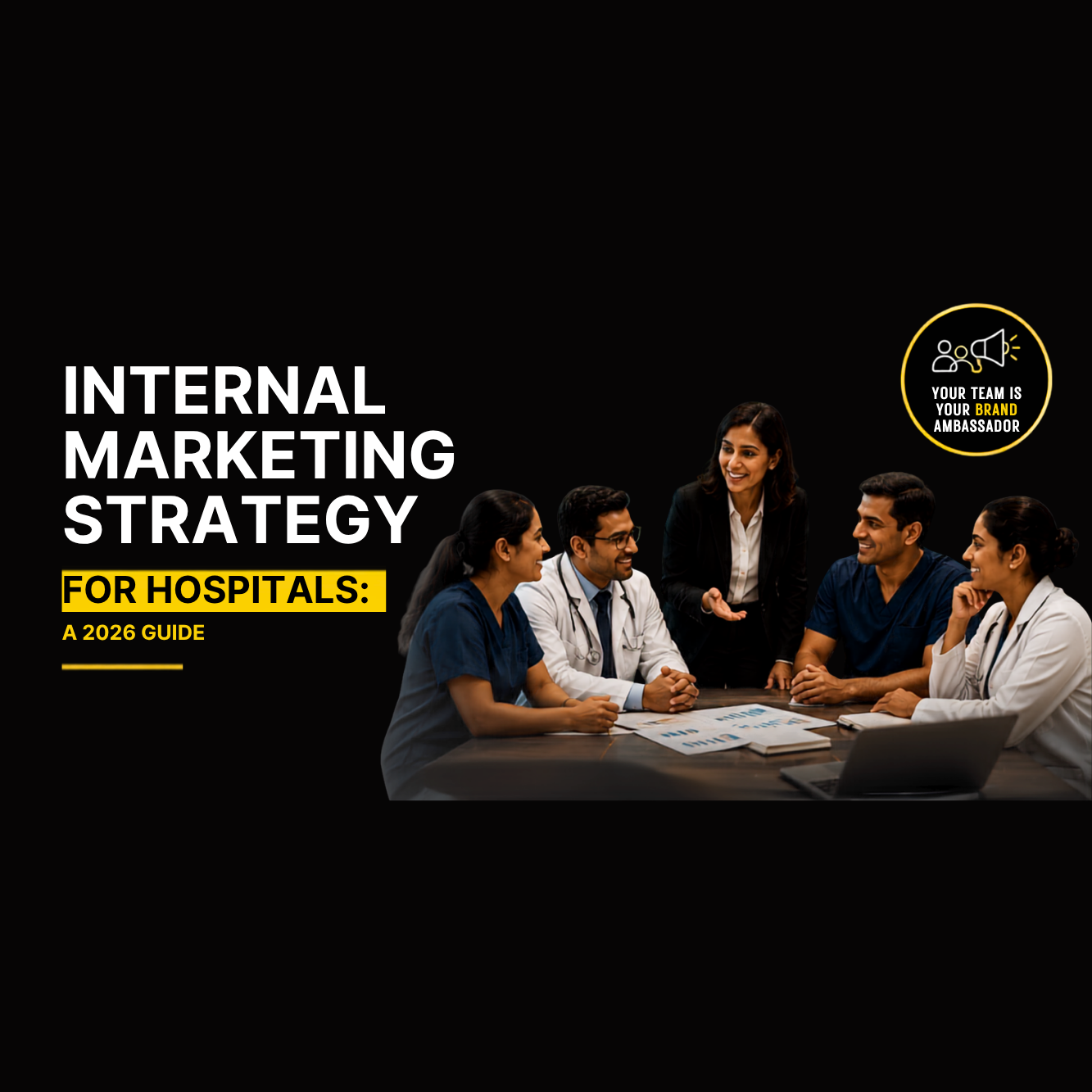
Internal marketing for hospitals aligns staff with the hospital’s brand promise, strengthens employee engagement, improves internal communication, and helps deliver a consistent patient experience. Discover a practical 2026 strategy...
Google reviews now influence patient choices more than a hospital’s traditional reputation. Even top doctors lose patients when ratings, feedback, and responses are ignored.
Doctor personal branding builds trust and humanizes care. Hospital branding strengthens credibility, creating a complete healthcare experience.
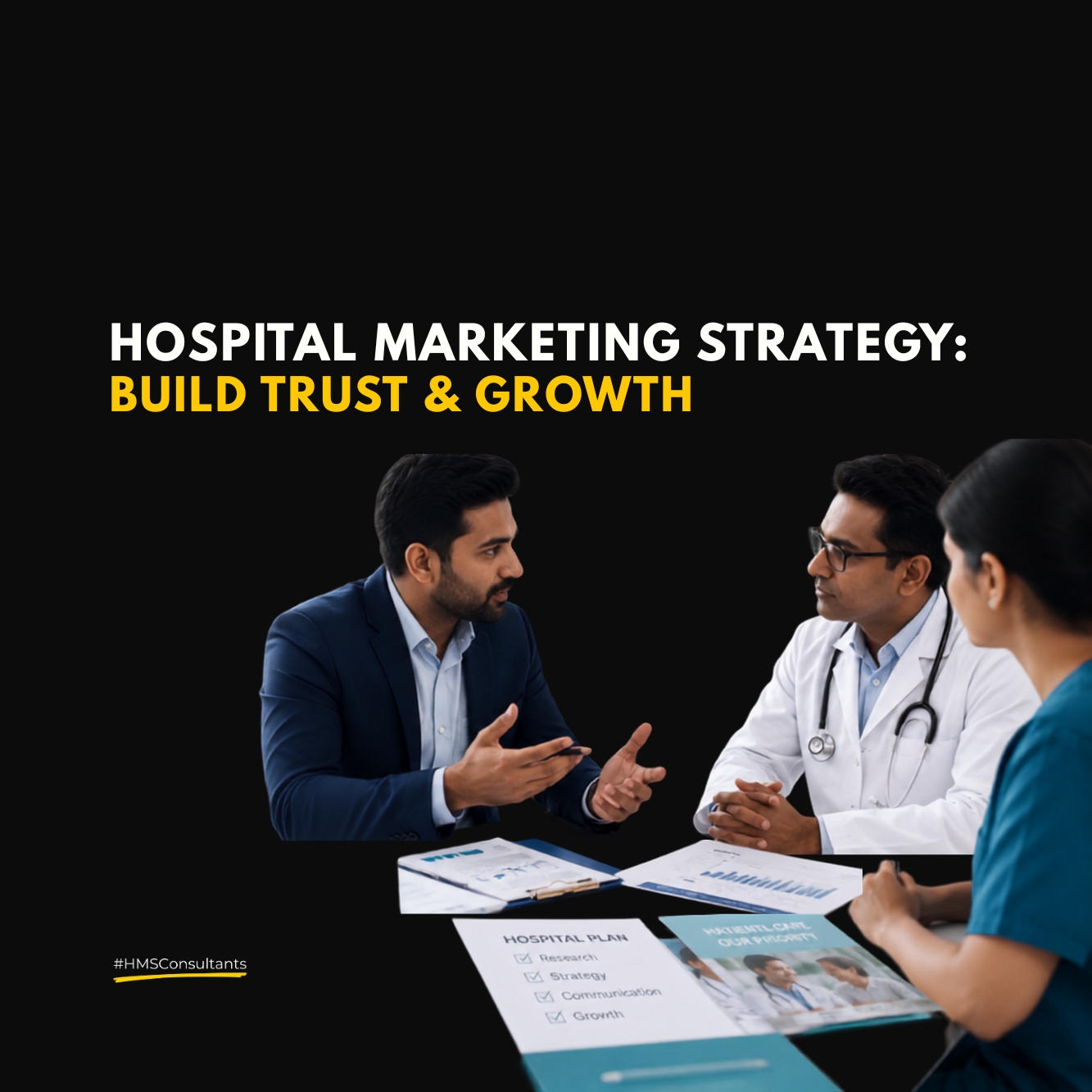
Learn how a hospital marketing strategy helps hospitals build patient trust through effective branding, doctor positioning, digital marketing, patient communication, and ethical healthcare practices. Discover why a structured marketing...
In 2025, no healthcare brand grows alone. Strategic partnerships are key to building trust, improving care, and scaling faster.