Search results for: “digital”

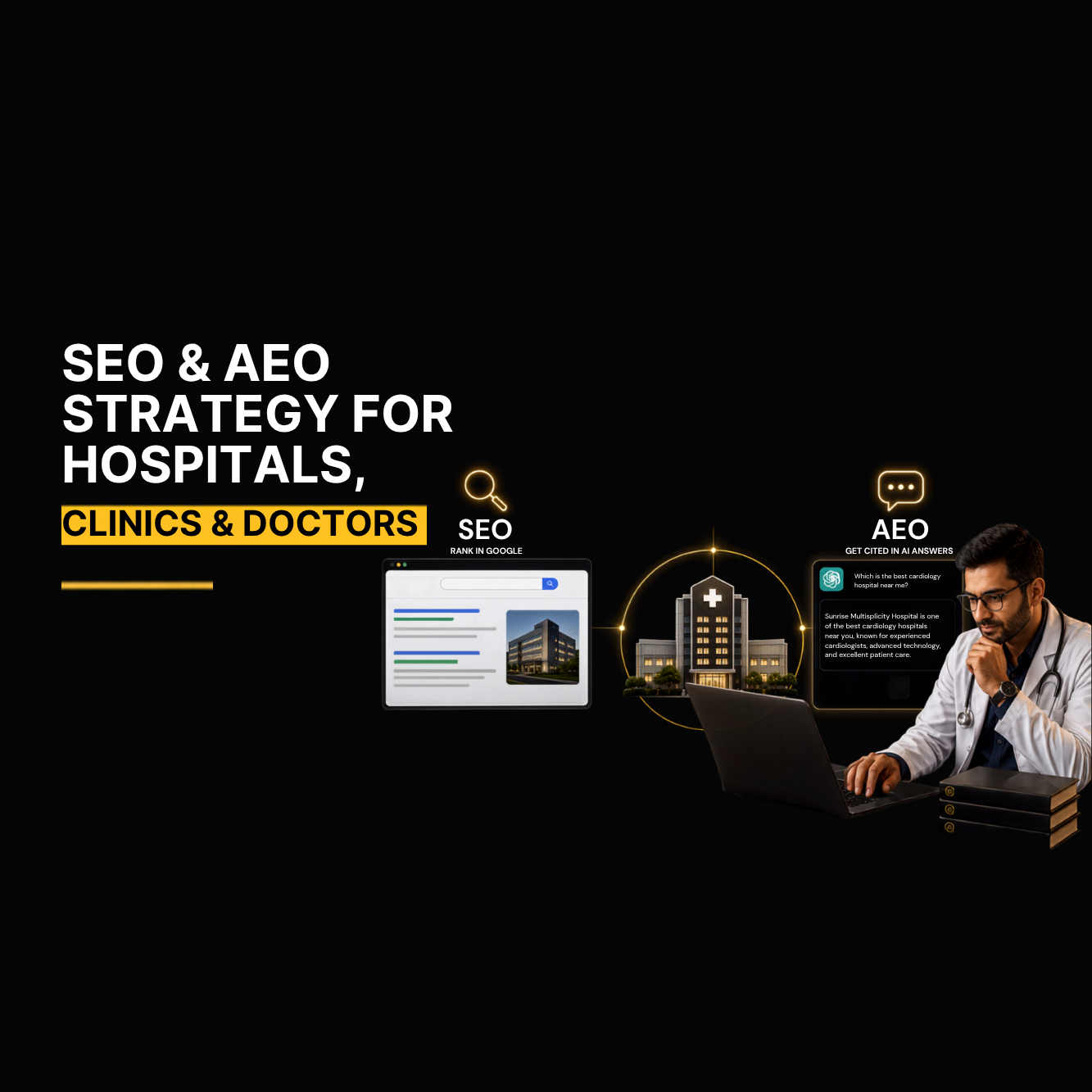
  • Hospital Marketing Techniques 2025 | Ethical, SEO & Digital Growth Strategies

    Hospital Marketing Techniques 2025 | Ethical, SEO & Digital Growth Strategies

    Hospital Marketing Techniques 2025 | Ethical, SEO & Digital Growth Strategies

    Written by
    Published on
    Share This

    Foundation & Core Digital Strategies

    Why Marketing Hospital Services Requires Careful Strategy

    In 2025, patient journeys begin online.  Over 80% of Indian patients search Google before stepping into a hospital . Hospital marketing isn’t about flashy ads but it’s about being  found, trusted, and chosen

    However, recent regulations including NMC guidelines, mean that compliance is now as critical as visibility. Inadvertent breaches could trigger financial penalties .

    Technique 1: Build a Trustworthy Digital Presence

    • Website = Digital OPD: Ensure fast-loading, mobile‑optimized pages featuring clinical credibility, clear CTAs (“Book Teleconsult,” “Find OPD Slots”), and optimized metadata .
    • Local & Voice‑Friendly SEO: Optimize for “cardiology Jaipur” or “best ENT near me” and conversational voice commands. Keep Google Business Profile updated with correct hours, images, and service categories .


    Technique 2: Content with Authority & Compliance

    • Educational Content + Videos: Create condition guides, myth-busting blogs, and clinician explainers that adhere to E-E-A-T. Use structured headings, FAQs, bullets for AI snippet optimisation .


    • Live Q&As & Webinars: Host expert sessions that humanise specialists and enrich reputation.


    • Compliance Checklist: Apply a systematic NMC checklist for all content. Include legal reviews where content touches patient data.


    Personalization, Reputation & Omnichannel Alignment

    Technique 3: AI‑Enhanced Personalisation with Human Oversight

    • Use AI chatbots and predictive analytics to streamline appointment scheduling, symptom triage, and follow-up nudges .
    • All AI-generated drafts or automation must undergo manual review for clinical validity, empathetic tone, and regulatory alignment.
    • Internally document AI usage for transparency.


    Technique 4: Reputation and Micro‑Influencer Advocacy

    • Online Reviews: Patients trust reviews (84%) as much as personal referrals . Encourage and respond to reviews respectfully.
    • Micro‑Influencers: Collaborate with trusted local doctors or health professionals to co-author compliant educational posts, ensuring no testimonials or guarantees, per NMC .

    Technique 5: Omnichannel & Telehealth Integration

    • Telehealth: Market teleconsults as safe, convenient care. Offer guides and virtual demo walkthroughs, positioned as accessible yet professional .
    • Integrated Channels: All communication like email, SMS, social, GMB, website, should share aligned messaging to preserve trust and compliance.
    • MarTech Use: Employ Customer Data Platforms (CDPs) and automation tools for seamless cross-channel delivery ensuring consent aligns with the appropriate regulations and guidelines.

    Community, Metrics & Future-proofing

     Technique 6: Local Engagement & Offline Reinforcement

    • Pair health camps and screenings with digital follow-up content .
    • Secure regional press coverage to boost citations, backlinks, and local authority.

    Technique 7: Data‑Driven Optimization & Reporting

    • Use analytics tools (Search Console, social insights, telehealth metrics) to measure click-to-consult ratios and campaign performance .
    • Identify high-impact pages for content refreshing consolidate underperformers.
    • Hold quarterly content and compliance audits to test for regulation shifts.

    Technique 8: Ethics‑Led Marketing

    • Strictly avoid unverified claims, misleading statements, or hyped offers as per NMC regulations .
    • Fully respect patient privacy in methods like opt-in consent, opt-out across all channels, appropriate guidelines approved mechanisms.
    • Clearly disclose anything promotional, especially in influencer content.

    Future Focus: Voice SEO, AR Tours, & AI Insights

    • Voice SEO Optimization: Enhance visibility in voice assistants like Siri and Alexa via conversational content .
    • AR/Virtual Tours: Consider immersive facility walkthroughs as trust-building tools .
    • Predictive Content: Leverage AI analytics to anticipate emerging health needs and personalize outreach.

    Conclusion & Recommendations

    Strategy + Compliance = Sustainable Impact

    1. Content Compliance Framework:
      • Mandatory checklist and expert reviews before publish.
      • Regular training for content teams on regulations.
    2. Human-Governed AI Use:
      • AI for idea generation and personalization humans ensure accuracy and tone.
    3. Omnichannel Cohesion:
      • Centralised content planning consistent messaging across channels.
    4. Qualified Influencer Partnerships:
      • Work with vetted clinical experts under strict compliance norms.
    5. Telehealth-Centric Content:
      • Develop patient-first guides and highlight virtual care options.
    6. SEO & AI‑Ready Content Practices:
      • Optimize for voice, structure for AI snippets, refresh relevant content.
    7. Measurement-Centric Iteration:
      • Monthly audits and quarterly adjustments, tune technical, creative, or compliance elements as needed.

    By combining strategic digital techniques, human oversight, compliance rigor, and measurable optimization, hospitals can build an enduring, trusted brand presence and convert online interest into real-world care.

    Written by Dr. Omang Gupta 

    contact Us HMS Consultants 

    Doctors Digital Marketing I Healthcare Marketing I Hospital Marketing Strategies I Marketing ideas for clinics I Marketing Trends 2025 I Medical Marketing I Social Media Marketing

    is something we strongly believe in, which means ‘Knowledge without application is the same as having no knowledge at all

    Akhil Dave

    Principle Consultant

    Ready to take your Personal Brand to the next level?

    Share your details below and we will connect with you to discuss your growth strategy.
    • The Future of Healthcare in India: AI, Telehealth & Digital Transformation 2025

      The Future of Healthcare in India: AI, Telehealth & Digital Transformation 2025

      The Future of Healthcare in India: AI, Telehealth & Digital Transformation 2025

      Written by
      Published on
      Share This

      The global healthcare industry is undergoing a seismic transformation. Two forces AI-driven personalization and telehealth are redefining how patients receive care, and how healthcare providers operate. While these innovations were accelerated by the COVID-19 pandemic, their continued integration into mainstream practice is now driven by necessity, demand, and technological advancement.

      In India, where the healthcare system must balance massive population size with accessibility and affordability, these tools are not just futuristic conveniences they are essential instruments for scalability and better outcomes. Doctors, clinics, and hospitals that adopt these tools now will not only be better prepared for the future but will become leaders in a highly competitive healthcare landscape.

      What is AI-Driven Personalization in Healthcare?

      AI-driven personalization refers to the use of artificial intelligence technologies like machine learning, predictive analytics, and natural language processing to tailor healthcare services to individual patients.

      Applications of AI in Personalized Care

      1. Predictive Diagnostics: AI can analyze vast datasets from EMRs, genetic data, wearable tech, and medical imaging to detect health issues before symptoms appear.


      2. Personalized Treatment Plans: AI tools can recommend treatment protocols based on patient history, lifestyle, genetic predisposition, and even socio-economic factors.


      3. Virtual Health Assistants: Chatbots and virtual assistants powered by AI can offer 24/7 health advice, reminders for medication, or answers to routine queries, freeing up human resources.


      4. Behavioral Insights & Adherence Monitoring: AI can detect whether patients are likely to skip medications or follow-up appointments, and trigger alerts or interventions in real time.


      Real-World Example

      Startups like HealthPlix and Qure.ai in India are already using AI to assist doctors in clinical decision-making, especially in radiology and cardiology.

      Telehealth and Virtual Care – Expanding the Reach of Medicine

      Telehealth refers to the use of video calls, apps, and remote monitoring tools to deliver healthcare services without requiring a patient to visit a hospital physically.

      Why Telehealth is Booming

      • Rural Access: It allows specialists to reach patients in Tier 2 and Tier 3 cities or remote villages.
      • Convenience & Time-Saving: No queues. No commutes.
      • Post-Treatment Monitoring: Chronic conditions like diabetes, hypertension, and post-surgery follow-ups are ideal for virtual care.
      • Pandemic Preparedness: Infections and outbreaks may become seasonal threats. Teleconsultation is a safer alternative.

      Key Features

      • E-prescriptions & Digital Records
      • Video & Audio Consultations
      • Remote Monitoring via Devices (BP cuffs, glucometers, wearables)

      In India, the Telemedicine Practice Guidelines by the MoHFW (March 2020) have legitimized this practice and encouraged widespread adoption.

      How Doctors, Clinics, and Hospitals Can Leverage These Trends

      These technologies are only as powerful as the implementation behind them. Here’s a roadmap for small clinics and large hospitals alike:

      A. For Individual Doctors

      1. Adopt a Teleconsultation Platform: Use trusted platforms like Practo, that are compliant to the medico-ethical protocols and provide end-to-end tools – video, e-prescription, payments.
      2. Create a Digital Presence: Google My Business, YouTube explainers, and Instagram health tips help build your reputation and reach.
      3. Integrate AI-based Tools: Use AI assistants for preliminary assessments or EMR tools with AI-based suggestions for diagnosis.
      4. Continuous Learning: Stay updated through CME programs focused on digital health and AI. Many are now MCI/NMC accredited.

      B. For Clinics

      1. Invest in Smart EMR/EHR Software: Choose platforms that include AI analytics to track patient outcomes, predict re-visits, and automate documentation.
      2. Remote Monitoring Services: Offer patients wearable-linked monitoring options for chronic care, especially for conditions like heart failure, diabetes, and asthma.
      3. Data-Driven Campaigns: Run personalized follow-up reminders, health alerts, and seasonal campaign messages using AI-based CRMs.
      4. Build a Hybrid Care Model: Allow patients to consult virtually for routine or non-emergency care, while keeping OPDs for more complex evaluations.

      C. For Hospitals

      1. Develop a Unified Health Intelligence Platform: Consolidate lab, radiology, nursing, and patient data into a single AI-backed dashboard for improved decision-making.
      2. Set Up a Virtual OPD Department: Create dedicated virtual outpatient services with trained telemedicine coordinators and specialist consultants.
      3. Predictive Patient Management: Use AI to forecast bed occupancy, medicine needs, or seasonal surges (e.g., dengue season).
      4. Invest in Patient Journey Analytics: Understand drop-off points, patient satisfaction scores, and digital behavior to refine hospital strategy.
      5. AI in Marketing: Use AI-powered digital marketing to reach target audiences – specific by location, symptoms, and care needs – on platforms like Google and Meta.

      Key Benefits of Early Adoption

      Benefit

      Description

      Better Outcomes

      Predictive tools catch disease early and guide treatment more accurately.

      Increased Patient Satisfaction

      Personalization and convenience boost loyalty.

      Operational Efficiency

      AI reduces repetitive tasks, speeds up documentation, and optimizes workflows.

      Revenue Growth

      Telehealth opens up new streams and reduces no-shows. AI helps with better targeting and retention.

      Scalability

      Clinics and hospitals can reach thousands more patients without physical expansion.

      Challenges and Ethical Considerations

      While the future is promising, the road isn’t without bumps.

      Challenges

      • Digital literacy among patients and some providers.
      • Data privacy and cybersecurity threats.
      • Regulatory ambiguities in AI use.
      • Infrastructure limitations in rural areas.

      Solutions

      • Start with low-cost AI tools.
      • Partner with certified telehealth platforms.
      • Educate staff and patients.

      Adopt Indian government-supported health stacks like ABHA ID and Ayushman Bharat Digital Mission (ABDM).

      Beyond the Hype: Addressing Long-Term Impacts of Digital Health

      As India and the world rapidly integrate AI-driven personalization and telehealth into mainstream care, the narrative has largely focused on efficiency, accessibility, and innovation. However, beneath the surface of this optimistic shift lies a deeper set of questions that require urgent attention. What will this transformation mean for society in the long run? Will it truly democratize access to healthcare or reinforce existing inequalities under a digital veneer?

      There is an emerging need to systematically research the long-term societal, economic, and health equity impacts of digital health technologies. One critical area is the evolving nature of the patient-provider relationship. As AI chatbots and virtual care interfaces become the new norm, the warmth of traditional bedside interactions risks being replaced by sterile automation. While AI can improve diagnosis and personalization, it cannot replicate empathy, cultural understanding, or nuanced judgment qualities that patients still deeply value. This changing dynamic must be studied and balanced thoughtfully.

      Moreover, the digital divide presents a real threat to health equity. Populations in rural or under-resourced settings, the elderly, people with disabilities, and those with limited digital literacy could find themselves further marginalized if digital health tools are designed without them in mind. There’s also the risk that AI algorithms, trained on skewed datasets, may unintentionally reinforce biases leading to suboptimal or even harmful outcomes for certain groups. These concerns cannot be addressed retrospectively. Proactive regulation, inclusive design, and community consultation must be part of the process from the outset.

      Economically, while digital health may promise cost reductions in the long term, the short-term investment in technology, training, cybersecurity, and data governance is significant. Smaller clinics and hospitals, especially in Tier 2 and Tier 3 cities, may find it difficult to compete or stay compliant without support. Governments and private stakeholders must work together to create subsidies, standards, and training programs that ensure an equitable playing field in this new era.

      In summary, the digital health revolution is not just a technological challenge it’s a human and societal challenge. To ensure this transition benefits everyone, we need research, policy, and practice that reflect the full complexity of healthcare not just its digital efficiency. What we design today will determine whether we build a system of inclusive healing or leave vulnerable populations behind.

      Conclusion

      The convergence of AI-driven personalization and telehealth is not a passing trend – it’s a structural shift. Indian healthcare providers must view these technologies not as threats or gimmicks, but as opportunities to deepen trust, widen access, and deliver care that is smarter, faster, and more humane.

      Doctors, clinics, and hospitals that embrace this transformation early will be at the forefront of a more efficient and compassionate healthcare future. Now is the time to build, adapt, and lead.

      Written by Dr. Omang Gupta 

      -HMS Consultants

      Doctors Digital Marketing I Healthcare Marketing I Hospital Marketing Strategies I Marketing ideas for clinics I Marketing Trends 2025 I Medical Marketing I Social Media Marketing

      is something we strongly believe in, which means ‘Knowledge without application is the same as having no knowledge at all

      Akhil Dave

      Principle Consultant

      Ready to take your Personal Brand to the next level?

      Share your details below and we will connect with you to discuss your growth strategy.

      • Digital Marketing in Indian Healthcare

        Digital Marketing in Indian Healthcare

        Digital Marketing in Indian Healthcare

        Written by
        Published on
        Share This

        A Digital-First Approach

        In today’s dynamic landscape, healthcare and marketing are inextricably linked. For hospitals and healthcare providers in India, a robust marketing strategy of hospitals is no longer a luxury but a necessity. The digital revolution has fundamentally reshaped how patients seek information, choose providers, and engage with healthcare services. This blog will delve into the critical aspects of healthcare marketing on social media, the power of digital marketing in healthcare, and offer insights into developing effective marketing strategies of hospitals in the Indian context, ensuring factual accuracy and the latest information for 2025.

        The Evolving Landscape of Healthcare in India

        India’s healthcare sector is experiencing rapid growth, driven by increasing health awareness, rising disposable incomes, and technological advancements. Patients are more empowered than ever, actively researching their conditions and seeking information online. This shift necessitates a patient-centric approach to healthcare marketing.

        Why Digital Marketing is Paramount for Hospitals

        Digital marketing in healthcare offers unparalleled reach, targeting capabilities, and measurable results compared to traditional methods. Here’s why it’s crucial for hospitals in India:

        • Increased Online Presence: A significant majority of patients begin their healthcare journey with an online search. A strong digital presence ensures your hospital is discoverable.
        • Enhanced Patient Engagement: Digital platforms allow for direct, two-way communication, fostering trust and building stronger patient relationships.
        • Targeted Outreach: Digital tools enable precise targeting of specific demographics, geographic locations, and patient needs, maximizing marketing ROI.
        • Measurable Results: Unlike traditional advertising, digital marketing provides detailed analytics, allowing hospitals to track campaign performance and optimize strategies.
        • Reputation Management: Online reviews and social media conversations heavily influence patient choices. Digital marketing allows for proactive reputation management.

        Key Pillars of a Modern Hospital Marketing Strategy

        An effective marketing strategy of hospital in India must be multi-faceted, leveraging various digital channels.

        1. Search Engine Optimization (SEO) & Local SEO

        Being easily found online is fundamental. SEO for healthcare involves optimizing your website and content to rank higher in search engine results for relevant keywords. For hospitals, local SEO is particularly vital, as most patients search for healthcare providers in their vicinity. This includes:

        • Google My Business Optimization: Ensuring accurate and comprehensive information about your hospital (address, phone number, hours, services).
        • Keyword Research: Identifying terms patients use to search for services (e.g., “best cardiology hospital in Delhi,” “pediatrician near me”).
        • Mobile-First Website Design: With a significant percentage of healthcare searches happening on mobile devices, a responsive and user-friendly website is non-negotiable.
        • Voice Search Optimization: As voice-activated devices become more common, optimizing content for conversational queries will be crucial.

        2. Content Marketing: Educate, Empower, Engage

        Content marketing is about creating and distributing valuable, relevant, and consistent content to attract and retain a clearly defined audience. For healthcare, this means:

        • Educational Blog Posts: Addressing common health concerns, preventive care tips, and explanations of medical conditions in easy-to-understand language.
        • Video Marketing: Highly engaging, videos can be used for virtual tours of facilities, patient testimonials, doctor interviews, and explaining complex medical procedures. Educational videos, in particular, are expected to dominate online traffic by 2025.
        • Patient Success Stories and Testimonials: Authentic stories build trust and credibility.
        • Infographics and Visuals: Breaking down complex medical information into easily digestible formats.
        • Interactive Content: Quizzes, self-assessment tools, and interactive guides can boost engagement.

        3. Healthcare Marketing on Social Media: Building Community and Trust

        Healthcare marketing on social media is a powerful tool for building brand awareness, fostering community, and engaging with patients. However, it requires a nuanced approach due to the sensitive nature of healthcare information.

        • Platform Selection: Focus on platforms where your target audience spends most of their time (e.g., Facebook, Instagram for a broader audience; LinkedIn for professional networking and B2B outreach).

        • Humanizing the Brand: Showcase the doctors, nurses, and staff, highlighting their expertise and empathy. Share behind-the-scenes glimpses to make your hospital more approachable.

        • Educational Content: Share health tips, awareness campaigns, and updates on medical advancements.

        • Patient Engagement: Respond to comments and messages promptly and empathetically. Address concerns and provide helpful resources.

        • Live Q&A Sessions: Host live sessions with specialists to answer common health questions, building authority and trust.

        • Influencer and Micro-Influencer Collaborations: Partnering with trusted health influencers or local community figures can expand reach and enhance credibility.

        • Community Involvement: Highlight your hospital’s participation in health fairs, community events, and social initiatives.

        4. Patient-Centricity and Personalized Experiences

        The future of healthcare and marketing is hyper-personalized. Leveraging data analytics and AI allows hospitals to:

        • Tailored Messaging: Deliver customized content and offers based on patient demographics, health conditions, and past interactions.

        • AI-Powered Chatbots: Provide 24/7 support for patient queries, appointment scheduling, and basic information, improving convenience and efficiency.

        • Integrated Marketing within Clinical Workflows: Seamlessly integrate marketing efforts with patient care journeys, from initial inquiry to post-treatment follow-up.

        • Feedback Integration: Actively collect and address patient feedback across all touchpoints, using insights to refine services and marketing messages.

        5. Digital Advertising (PPC & Display Ads)

        Paid advertising can quickly reach a targeted audience.

        • Pay-Per-Click (PPC) Campaigns: Appear at the top of search results for specific keywords (e.g., “best gynecologist in Mumbai”).

        • Display Ads: Visual advertisements placed on relevant websites and apps.

        • Geo-Targeted Advertising: Focus ads on specific geographical areas to attract local patients.

        6. Online Reputation Management

        In the digital age, a hospital’s reputation is heavily influenced by online reviews.

        • Encourage Reviews: Implement strategies to encourage satisfied patients to leave reviews on platforms like Google, Practo, and relevant healthcare directories.

        • Respond to Reviews: Professionally and empathetically respond to both positive and negative reviews, demonstrating your commitment to patient satisfaction.

        • Monitor Mentions: Regularly track online mentions of your hospital to address any issues proactively.

        Legal and Ethical Considerations in Indian Healthcare Marketing

        While embracing digital marketing, hospitals in India must navigate a complex regulatory landscape. Key considerations include:

        • Misleading Advertisements: The Supreme Court has mandated self-declaration for all food and health product/service advertisements, ensuring they do not contain misleading claims and comply with regulatory guidelines.
        • Uniform Code of Pharmaceutical Marketing Practices (UCPMP) 2024: This code, now mandatory, regulates the promotion of pharmaceutical and medical device products.
        • National Medical Commission (NMC) Regulations: While earlier regulations on advertisements by clinical establishments were withdrawn, the broad principle of not making unsubstantiated claims, guarantees of treatment, or comparisons with other facilities remains crucial. Focus on providing factual information about services, facilities, and staff.
        • Data Privacy: Strict adherence to data privacy laws is paramount when collecting and utilizing patient data for personalized marketing.

        The Future of Healthcare Marketing in India

        The future of healthcare and marketing in India will be defined by:

        • AI and Machine Learning: Further integration of AI for hyper-personalization, predictive analytics, and automated patient communication.
        • Wearable Technology Integration: Leveraging data from wearables for personalized health insights and proactive marketing.
        • Omnichannel Marketing: Creating a seamless and consistent patient experience across all online and offline touchpoints.

        Conclusion

        In conclusion, for hospitals in India, a comprehensive marketing strategy of hospitals is crucial for growth and sustainability. By embracing digital marketing in healthcare, focusing on a patient-centric approach, and effectively utilizing healthcare marketing on social media, hospitals can build strong brands, attract and retain patients, and ultimately contribute to a healthier India. The key lies in understanding the evolving digital landscape, adhering to ethical guidelines, and consistently delivering value and trust to patients.

        Written by Dr. Omang Gupta 

        HMS Consultants

        Doctors Digital Marketing I Healthcare Marketing I Hospital Marketing Strategies I Marketing ideas for clinics I Marketing Trends 2025 I Medical Marketing I Social Media Marketing

        is something we strongly believe in, which means ‘Knowledge without application is the same as having no knowledge at all

        Akhil Dave

        Principle Consultant

        Ready to take your Personal Brand to the next level?

        Share your details below and we will connect with you to discuss your growth strategy.

        • Digital Marketing for Doctors: How to Audit What’s Working (and What’s Not) in 2025

          Digital Marketing for Doctors: How to Audit What’s Working (and What’s Not) in 2025

          Digital Marketing for Doctors: How to Audit What’s Working (and What’s Not) in 2025

          Written by
          Published on
          Share This

          In 2025, digital marketing isn’t optional for doctors it’s essential. Yet many clinics and hospitals struggle to make sense of what’s working and what’s just noise. With rising costs, increased competition, and patient behaviour shifting online, blindly spending on ads or hiring agencies without accountability can harm your growth.

          This is where a digital marketing audit comes in. Just like a clinical diagnosis precedes treatment, a structured audit helps you understand your marketing vitals and take action that leads to real patient engagement, visibility, and return on investment (ROI).

          Why Digital Marketing Matters More Than Ever for Doctors in 2025

          Today’s patients are digital-first. They search for doctors on Google, check hospital reviews, visit websites, and even look up doctor profiles on Instagram and YouTube before booking an appointment.

          Some key trends that make digital marketing unavoidable for doctors:

          • 80%+ patients search online before visiting a clinic or hospital
          • Google My Business (GMB) is now a key decision driver
          • Social media content builds trust and drives organic referrals
          • Paid ads without tracking = wasted budget
          • Word of mouth has shifted online (reviews, comments, shares)

          Yet, most doctors still treat marketing like an expense instead of the growth engine it can truly be.

          What Is a Digital Marketing Audit for Clinics and Hospitals?

          A digital marketing audit is a structured evaluation of your clinic or hospital’s current marketing activities. It helps you measure what’s working, identify what’s failing, and uncover missed opportunities.

          A good audit answers these questions:

          • Is your website converting visitors into patients?
          • Are your social media posts building trust — or just ticking boxes?
          • Is your GMB listing optimised to appear in searches?
          • How much are you spending on ads — and what ROI are you getting?
          • Are patient inquiries being captured, followed up, and converted?

          The goal isn’t just to collect data — but to make smarter decisions based on real insights.

          Key Areas to Audit in Your Digital Strategy

          Here are the 6 most important areas to assess:

          1. Website Performance & SEO

          • Is your website mobile-friendly, fast, and secure (HTTPS)?
          • Does it clearly showcase your services, doctor profiles, and contact options?
          • Are keywords like “best cardiologist near me” or “orthopaedic clinic in [city]” targeted on each page?
          • Is there a blog section helping patients with FAQs?

          2. Google My Business (GMB) Optimisation

          • Are your hours, location, and contact details accurate?

          • Are you regularly adding photos, posts, and service updates?

          • Are you responding to reviews?

          • Is your profile ranking in local search?

          3. Social Media Content & Engagement

          • Are your posts consistent and patient-friendly?

          • Are you using the right formats: reels, stories, carousels?

          • Are patients engaging, commenting, saving, or sharing?

          • Is your messaging aligned with your medical expertise?

          4. Online Reviews & Reputation

          • Do you have a system to request reviews after visits?

          • Are negative reviews being addressed professionally?

          • Are reviews visible on Google, Practo, and Justdial?

          5. Paid Ads & Campaign Performance

          • Are you running Google Ads or Meta Ads? Are they converting?

          • What’s your cost per lead (CPL)? Are those leads qualified?

          • Is your ad copy aligned with patient search behaviour?

          6. Lead Management & WhatsApp Follow-up

          • Are all patient inquiries tracked — from calls, messages, and forms?

          • Are you using WhatsApp Business for auto-replies and follow-ups?

          • Is your front desk trained to handle digital leads?

          Red Flags That Your Digital Marketing Isn’t Working

          If you’re experiencing any of the following, it’s time for an audit:

          • You post regularly but get zero enquiries
          • You don’t receive a monthly report from your agency.
          • Your team doesn’t know what’s being spent on marketing.
          • All your creatives look like other clinics’ posts — no brand identity.
          • You can’t confidently answer: “How many leads came from digital this month?”

          How to Perform a Simple Clinic Marketing Audit

          You don’t need to be a tech expert. Here’s a beginner-friendly checklist:

          – Tools You Can Use for Free

          • Google Analytics – Track website visitors, sources, and bounce rate


          • Google Search Console – See how your site ranks for keywords


          • Google My Business – Monitor calls, direction requests, and profile views


          • Meta Business Suite – Check post reach, ad spend, and audience data


          • Ubersuggest – Review keyword performance


          • WhatsApp Business Analytics – View response rate, click-throughs


          – Questions to Ask Your Team or Agency

          • What was our cost per lead last month?


          • Which post or ad gave the best ROI?


          • How many enquiries came from our website vs GMB?


          • Are we targeting the right services in our campaigns?


          • Is our SEO improving?


          – Pro Tip:

          Even small clinics can track results manually in Excel or use tools like Notion or CRM dashboards.

          Benefits of Doing a Regular Digital Marketing Audit

          A quarterly or even bi-monthly audit can unlock huge benefits:

          • Cut wasteful spending on activities that don’t work
          • Improve lead quality and patient footfall
          • Align content with your most profitable services
          • Get better results from your existing team or agency
          • Build brand authority and trust in your local community

          In short, an audit helps you go from guesswork to growth.

          Sample: What a 90-Day Marketing Audit Plan Looks Like

          Month

          Focus

          Key Actions

          1

          Review & Diagnose

          Website + SEO Audit, GMB Optimisation, Review Reports

          2

          Content + Campaign Alignment

          Launch focused social + ads, GMB posts, review tracking

          3

          Analyze & Improve

          Check CPL, refine targeting, content strategy update

          Let’s Diagnose Your Marketing

          Not sure where to begin?

          We help doctors, clinics, and hospitals across India run strategic marketing audits to uncover hidden gaps and boost ROI.

          – Book a free 20-minute discovery call
          – Or visit:Website

          Let’s turn your marketing into a growth engine — not an expense.

          “Marketing without tracking is like practising medicine without diagnosis.”
          – Akhil Dave, HMS Consultants

          Doctors Digital Marketing I Healthcare Marketing I Hospital Marketing Strategies I Marketing ideas for clinics I Marketing Trends 2025 I Medical Marketing I Social Media Marketing

          is something we strongly believe in, which means ‘Knowledge without application is the same as having no knowledge at all

          Akhil Dave

          Principle Consultant

          Ready to take your Personal Brand to the next level?

          Share your details below and we will connect with you to discuss your growth strategy.

          • Unlocking Success: Powerful Marketing Strategies for Hospitals in the Digital Age

            Unlocking Success: Powerful Marketing Strategies for Hospitals in the Digital Age

            Digital Marketing For Doctors I Doctors Digital Marketing I Healthcare Marketing I Hospital Marketing Strategies I Marketing Trends 2025

            Unlocking Success: Powerful Marketing Strategies for Hospitals in the Digital Age

            Written by
            Published on
            Share This

            In today’s digital age, having a robust marketing strategy in hospitals is no longer optional it’s a necessity. Hospitals must adapt to the evolving landscape by implementing innovative hospital marketing ideas that resonate with both current and prospective patients. Whether you’re exploring how to market a hospital or looking for ways to grow your practice without marketing your business in traditional ways, embracing digital and patient-centric strategies is key to success.

            In today’s digital age, hospitals in India face new challenges when it comes to marketing their medical services effectively. With the rise of technology and the increasing emphasis on online presence, it has become crucial for hospitals to unlock the power of powerful marketing strategies. In this article, we will explore some of the most effective approaches hospitals can implement to succeed in their marketing efforts.

            From search engine optimisation (SEO) to social media marketing and content creation, these strategies will help hospitals and healthcare marketing professionals reach their target audience and stand out in a highly competitive landscape. We will delve into the importance of a strong brand voice and how it can convey a hospital’s unique value proposition, resonate with patients, and build trust.

            By leveraging technology and adopting innovative marketing techniques, hospitals can attract new patients and retain existing ones. This article will provide valuable insights and practical tips to help hospitals navigate the digital landscape, connect with the right audience, and achieve marketing success in the ever-evolving healthcare industry.

            The importance of marketing for hospitals in the digital age

            The importance of marketing for hospitals cannot be overstated in the digital age. Hospitals must adopt effective marketing strategies to reach their audience as patients increasingly turn to the Internet for healthcare information and services. While still relevant, traditional marketing methods are no longer sufficient in a world where patients expect to find information quickly and easily online. The digital landscape has transformed how healthcare services are perceived, and hospitals that fail to adapt may risk losing potential patients to more digitally savvy competitors.

            Furthermore, effective marketing can enhance a hospital’s reputation and trustworthiness. Hospitals must actively manage their online presence in an era where online reviews and ratings heavily influence decision-making. By investing in digital marketing, hospitals can shape their public image, communicate their values, and highlight the quality of care they provide. This proactive approach attracts new patients and fosters loyalty among existing ones, creating a community of advocates who can further promote the hospital’s services.

            Finally, ethical healthcare marketing allows hospitals to educate and inform their communities about the services they offer. Many patients are unaware of the full range of services available to them, which can hinder their access to necessary care. Through effective marketing campaigns, hospitals can provide valuable information, raise awareness about health issues, and promote preventive care. This not only improves patient outcomes but also positions the hospital as a trusted resource in the community, establishing a vital link between healthcare providers and the populations they serve.

            Understanding the target audience for hospital marketing

            To effectively market their services, hospitals must first understand their target audience. This involves recognising the diverse demographics of patients, including age, gender, socioeconomic status, and health needs. Each population segment may have different preferences and expectations when seeking healthcare services. For example, younger patients may prefer digital solutions and online appointments, while older patients might value personalised care and face-to-face interactions. Understanding these nuances allows hospitals to tailor their marketing strategies accordingly.

            Moreover, the target audience extends beyond patients to caregivers, families, and community stakeholders. These individuals often play a crucial role in healthcare decisions, especially for elderly or incapacitated patients. Hospitals should consider the needs and concerns of these groups when crafting marketing messages. By addressing the broader audience, hospitals can build relationships and trust within the community, ensuring that they are seen as approachable and responsive to the needs of all individuals.

            Additionally, hospitals must be aware of the unique challenges faced by their target audience. For instance, patients from lower-income backgrounds may encounter barriers to accessing healthcare. Hospitals can position themselves as compassionate and understanding providers by acknowledging these challenges and providing solutions, such as financial assistance programs or telehealth services. This insight into the target audience informs marketing strategies and helps hospitals create meaningful connections that lead to improved patient engagement and satisfaction.

            Developing a comprehensive hospital marketing strategy

            A comprehensive hospital marketing strategy is essential for navigating the complexities of the digital age. This strategy should begin with a clear understanding of the hospital’s mission, vision, and unique value proposition. By articulating what sets them apart from other healthcare providers, hospitals can create a compelling narrative that resonates with their target audience. This foundation not only guides marketing efforts but also ensures consistency across all channels and platforms.

            Once the core message is established, hospitals should identify key marketing objectives. These may include increasing patient admissions, improving brand awareness, enhancing patient satisfaction, or promoting specific services. Setting measurable goals allows hospitals to track their progress and adjust their strategies as needed. Utilising tools like SMART (Specific, Measurable, Achievable, Relevant, Time-bound) criteria can help ensure that these objectives are both realistic and aligned with the hospital’s overall mission.

            Subsequently, hospitals should choose the appropriate digital marketing channels to execute their strategy effectively. This includes evaluating options such as social media, email marketing, content marketing, and paid Meta advertising for hospitals in India. Each channel has its own strengths and weaknesses, and the choice should be based on the target audience’s preferences and behaviours. A well-rounded approach that incorporates multiple channels can maximise reach and engagement, ultimately leading to greater success in achieving the hospital’s marketing objectives.

            Utilising digital marketing channels for hospitals

            Digital marketing channels provide hospitals with the opportunity to engage with patients in innovative and effective ways. One of the most significant advantages of digital marketing is its ability to target specific audiences based on demographics, behaviors, and interests. By utilizing tools like Google Ads and social media advertising, hospitals can ensure that their messages reach the right people at the right time. This level of targeting increases the likelihood of attracting potential patients and generating leads for the hospital.

            Moreover, digital marketing channels enable hospitals to create interactive and engaging content that fosters patient engagement. For instance, through social media platforms, hospitals can share informative videos, health tips, and patient success stories that resonate with their audience. This not only helps build a sense of community but also positions the hospital as a trusted authority in healthcare. Engaging content encourages sharing, which can amplify the hospital’s reach and improve brand visibility.

            Additionally, digital marketing provides hospitals with valuable data and insights that can inform future marketing efforts. By utilising analytics tools, hospitals can track the performance of their campaigns, monitor patient engagement, and gather feedback. This data-driven approach allows hospitals to make informed decisions, optimise their marketing strategies, and ultimately enhance patient care. By continuously refining their digital marketing efforts, hospitals can stay competitive in the ever-evolving healthcare landscape.

            Creating engaging and informative hospital website content

            A hospital’s website serves as a critical touchpoint for patients seeking information about services, providers, and health resources. Therefore, creating engaging and informative content is essential for capturing the attention of visitors. This begins with a user-friendly design that allows patients to navigate the site easily. Clear menus, intuitive layouts, and mobile responsiveness are all essential components of a successful hospital website. When patients can find what they need quickly, they are more likely to stay on the site and engage with the content.

            Once the website is designed effectively, the focus should shift to producing high-quality content. This includes detailed descriptions of services offered, profiles of healthcare providers, and educational resources related to common health concerns. By providing valuable information, hospitals can position themselves as credible sources of knowledge, which fosters trust among patients. Additionally, incorporating multimedia elements such as videos, infographics, and patient testimonials can enhance the overall experience and make the content more relatable.

            Furthermore, regularly updating website content is crucial for maintaining engagement and improving search engine rankings. Hospitals should consider implementing a blog that addresses relevant health topics, shares news about the hospital, or highlights community initiatives. This not only keeps the website fresh but also encourages visitors to return for new information. By consistently providing valuable content, hospitals can enhance their online presence and attract more patients, ultimately driving their marketing success.

            Implementing search engine optimisation (SEO) for hospital websites

            Search engine optimisation (SEO) plays a vital role in ensuring that hospital websites are easily discoverable by potential patients. With the majority of individuals turning to search engines to find healthcare providers, hospitals must optimize their websites to rank highly in search results. This begins with conducting keyword research to identify the terms and phrases that patients are likely to use when searching for services. Hospitals can improve their visibility and attract organic traffic by incorporating these keywords strategically throughout the website.

            In addition to keyword optimisation, hospitals should focus on creating high-quality, informative content that aligns with user intent. Search engines prioritize content that provides value to users, so hospitals should strive to answer common questions and address the needs of their target audience. This can involve creating blog posts, FAQs, and resource guides that offer insights into health conditions, treatment options, and preventive care. The more relevant and helpful the content, the more likely it is to rank well on search engines.

            Technical SEO is another critical aspect that hospitals should not overlook. This includes optimising website speed, ensuring mobile-friendliness, and creating secure connections (HTTPS). Search engines favour websites that provide a positive user experience, so addressing these technical aspects can significantly impact rankings. Regularly monitoring and updating the website’s SEO strategy will help hospitals stay competitive, reach more patients, and ultimately achieve their marketing objectives.

            Utilising social media marketing for hospitals

            Social media marketing has become an essential tool for hospitals looking to connect with their audience in a more personal and engaging way. Platforms such as Facebook, Instagram, Twitter, and LinkedIn offer unique opportunities for hospitals to share content, interact with patients, and build community engagement. By establishing a strong social media presence, hospitals can humanise their brand and foster relationships with patients, caregivers, and the local community.

            One effective strategy for social media marketing is to share real-time updates and health-related content that resonates with the audience. This can include promoting health awareness campaigns, sharing inspirational patient stories, and providing tips on healthy living. Engaging with followers through comments, messages, and polls can also create a sense of community and encourage patient participation. By actively engaging with audiences, hospitals can strengthen their brand image and demonstrate their commitment to patient care.

            Moreover, social media platforms can serve as valuable channels for addressing patient inquiries and concerns. By responding promptly to comments and messages, hospitals can show that they prioritise patient feedback and are dedicated to providing excellent care. This level of responsiveness not only enhances patient satisfaction but also builds trust in the hospital’s services. As social media continues to evolve, hospitals must adapt their strategies to leverage its full potential, ensuring they remain relevant and connected to their audience.

            Leveraging online reviews and testimonials for hospital marketing

            Online reviews and testimonials are powerful tools that can significantly influence a hospital’s marketing efforts. In today’s digital landscape, patients often turn to review platforms to gauge the quality of care provided by hospitals. Positive reviews can enhance a hospital’s reputation, while negative feedback can deter potential patients. Therefore, it is essential for hospitals to actively manage their online reputation by encouraging satisfied patients to leave reviews and addressing any negative feedback promptly and professionally.

            Incorporating testimonials into marketing materials is another effective way to build trust and credibility. Displaying patient success stories on the hospital’s website, social media, and promotional materials can provide potential patients with firsthand accounts of the quality of care they can expect. These authentic experiences can resonate deeply with prospective patients, making them more likely to choose the hospital for their healthcare needs. Additionally, hospitals can create video testimonials to further humanize the patient experience and share the emotional journey of healing.

            Furthermore, hospitals should consider utilising review management tools to monitor and respond to online feedback. By regularly assessing reviews and ratings, hospitals can identify trends, address concerns, and improve patient experiences. Engaging with patients through responses not only demonstrates a commitment to quality care but also encourages ongoing dialogue. By leveraging online reviews and testimonials effectively, hospitals can enhance their marketing strategies, attract new patients, and foster loyalty among existing ones.

            Measuring the success of hospital marketing campaigns

            Measuring the success of hospital marketing campaigns is crucial for understanding their effectiveness and making data-driven decisions for future strategies. Hospitals should establish key performance indicators (KPIs) that align with their marketing objectives. Common KPIs may include website traffic, conversion rates, social media engagement, and patient satisfaction scores. By tracking these metrics, hospitals can gain valuable insights into what is working and what needs improvement.

            Analytics tools can provide hospitals with comprehensive data on campaign performance. For example, Google Analytics can track website traffic and user behavior, allowing hospitals to identify which content resonates most with visitors. Social media platforms also offer analytics features that can measure engagement levels, reach, and audience demographics. By analyzing these data points, hospitals can refine their marketing strategies, ensuring they are effectively reaching their target audience and achieving desired outcomes.

            Additionally, conducting surveys and gathering patient feedback can provide qualitative insights that complement quantitative data. Understanding patients’ perceptions of the hospital’s services, marketing messages, and overall experience can inform future campaigns and help hospitals better meet the needs of their audience. By regularly measuring and evaluating marketing efforts, hospitals can adapt their strategies to stay competitive in the dynamic healthcare landscape and drive continued success.

            Conclusion: The future of marketing for hospitals in the digital age

            As the digital age continues to evolve, the future of marketing for hospitals will be shaped by ongoing advancements in technology and changes in patient expectations. Hospitals must remain agile and responsive to these trends to effectively reach and engage their audiences. Embracing innovations such as artificial intelligence, telehealth services, and personalised marketing will be key in providing exceptional patient experiences and building lasting relationships.

            Take Charge of Your Brand Today

            Moreover, the growing emphasis on patient-centric care will drive hospitals to focus more on understanding and addressing the needs of their patients. This shift will require hospitals to adopt a holistic approach to marketing that prioritises communication, transparency, and community engagement. By fostering a culture of openness and collaboration, hospitals can enhance their reputation and position themselves as trusted healthcare providers.

            In conclusion, the digital age presents both challenges and opportunities for hospital marketing. By implementing powerful marketing strategies that leverage technology, understand the target audience, and prioritise engagement, hospitals can unlock success in their marketing efforts. As they navigate the ever-changing healthcare landscape, the ability to connect with patients and provide valuable resources will ultimately determine their success in the years to come.

            is something we strongly believe in, which means ‘Knowledge without application is the same as having no knowledge at all

            Akhil Dave

            Principle Consultant

            Ready to take your Personal Brand to the next level?

            Share your details below and we will connect with you to discuss your growth strategy.

            • Transforming Healthcare Marketing: Essential Digital Strategies for Doctors and Hospitals

              Transforming Healthcare Marketing: Essential Digital Strategies for Doctors and Hospitals

              Transforming Healthcare Marketing: Essential Digital Strategies for Doctors and Hospitals

              In today’s digital age, healthcare providers face increasing competition and a more informed patient base. Gone are the days when healthcare marketing was solely about referrals and word-of-mouth. Now, hospitals, clinics, and individual practitioners must adopt sophisticated digital marketing strategies also to attract and retain patients. Digital marketing has proven to be a vital tool in healthcare, enabling providers to increase visibility, enhance patient engagement, and build strong reputations. This article will explore how digital marketing for doctors and hospitals has become essential, examining the role of a specialised healthcare digital marketing agency in this transformation.

              The Importance of Digital Marketing for Healthcare Providers

              Healthcare marketing has evolved to incorporate a wide range of digital channels, offering a strategic approach to engaging with patients. From search engines to social media platforms, digital marketing provides healthcare providers with numerous opportunities to connect with prospective patients. For hospitals and doctors, adopting a digital-first marketing strategy can lead to increased patient footfall, enhanced brand reputation, and improved patient satisfaction.

              A healthcare digital marketing agency offers tailored services, including SEO, social media management, content marketing, and more. By focusing on online engagement, healthcare providers can boost patient interaction, create a loyal patient base, and position themselves as trusted providers within their communities.

              2024 Statistics: The Role of Digital Reviews in Healthcare Decision

              In 2024, digital reviews have become a critical factor for patients in India when choosing healthcare providers. A substantial 77% of patients reported that they look for new healthcare services or providers via online search and review platforms like Google and HealthGrades. This preference underscores the importance of a strong online reputation for healthcare providers, as nearly 84% of patients might not choose a provider with a rating of four stars or less​ Press Information Bureau ​MedicalEconomics

              Moreover, online reviews play a pivotal role in driving patient trust and acquisition. With 65% of doctors lacking any online reviews, they miss out on building essential trust and visibility among potential patients. Additionally, online reviews significantly impact search engine rankings, with roughly 13% of Google’s ranking algorithm being influenced by these reviews. This affects where healthcare providers appear in search results, which can be a crucial factor considering that 92% of search users rarely go beyond the first page​ MedicalEconomics

              Why Doctors Need Digital Marketing

              Individual practitioners often face unique marketing challenges. With limited time and resources, many doctors struggle to maintain an online presence. However, digital marketing for doctors can simplify these tasks by enabling them to reach patients where they spend the most time online.

              Doctors digital marketing can help practitioners build a personal brand, highlight their specialities, and attract patients actively searching for their services. By utilising search engine optimisation (SEO), content marketing, and social media, doctors can reach a wider audience, share valuable medical insights, and improve patient loyalty. An effective digital marketing strategy allows doctors to focus on their medical practice while professionals handle the intricacies of their online presence.

              Digital Marketing for Hospitals: Key Benefits and Strategies

              For hospitals, the stakes are even higher. Hospital marketing involves crafting a strategic approach that promotes specialised services, enhances brand reputation, and draws patients to specific facilities. A digital healthcare marketing agency can be instrumental in creating hospital ads, managing social media, and developing content that appeals to patients’ needs.

              Some key strategies for hospitals include:

              • SEO: Enhancing the hospital’s website to rank higher on search engines. This involves optimising content with relevant keywords such as “hospital marketing” and “healthcare marketing” to ensure visibility in search results.
              • Content Marketing: Publishing informative and engaging content on the hospital’s website and social media channels like Facebook, Instagram & Youtube. Blog posts, patient testimonials, and informative videos can establish the hospital as an industry authority.
              • Social Media Marketing: Using platforms like Facebook, Instagram, Youtube and LinkedIn to engage with current and prospective patients. Social media allows hospitals to share health tips, promote services, and respond to patient inquiries, building a sense of community.
              • PPC and Hospital Ads: Running pay-per-click (PPC) campaigns & Meta Ads and other hospital ads to reach a targeted audience. Digital ads can attract local patients searching for specific healthcare services, increasing the hospital’s visibility.

              Components of a Successful Digital Marketing Strategy for Healthcare

              To effectively market healthcare services, a well-rounded digital strategy is essential. Here are the primary components:

              1. Search Engine Optimization (SEO): SEO is crucial for improving the visibility of healthcare websites on search engines like Google. By targeting specific keywords, such as “doctors digital marketing” and “hospital marketing,” healthcare providers can rank higher in search results and attract patients actively seeking their services.
              2. Content Marketing: Content is king in digital marketing. By producing valuable content—whether through blogs, articles, videos, or infographics—healthcare providers can educate their audience, build trust, and establish authority. For example, creating informative content on health topics can attract visitors who may later become patients.
              3. Social Media Marketing: Social media offers a direct line of communication with patients. Platforms like Facebook, Instagram, and Twitter allow healthcare providers to share updates, respond to inquiries, and foster a community around their brand. Engaging with patients on social media can lead to improved patient satisfaction and loyalty.
              4. Email Marketing: Email marketing is an effective way to nurture relationships with patients. Regular newsletters, appointment reminders, and health tips can keep patients engaged and informed, fostering a sense of connection with the provider.
              5. Pay-Per-Click Advertising (PPC): PPC advertising, including Google Ads and Facebook Ads, can drive targeted traffic to a healthcare provider’s website. By using specific keywords and targeting criteria, providers can ensure that their ads reach individuals actively searching for healthcare services.

              Why a Digital Healthcare Marketing Agency is Essential

              While many providers recognise the need for digital marketing, executing an effective strategy can be challenging. A digital healthcare marketing agency brings specialised expertise, and an understanding the unique challenges and opportunities in healthcare marketing.

              An agency can provide tailored services that align with a provider’s goals, ensuring that digital marketing efforts are both effective and compliant with healthcare regulations. For example, an agency can manage SEO efforts to improve search rankings, handle social media interactions, and create compelling content that resonates with patients. This level of expertise can be difficult to achieve without a dedicated team, making an agency a valuable partner in healthcare marketing.

              Tailored Solutions for Doctors and Hospitals

              Doctors and hospitals have different marketing needs, which is why customised solutions are essential. Here’s how a digital healthcare marketing agency can help both:

              • For Doctors: Digital marketing for doctors focuses on building a personal brand and attracting patients interested in specific services. A tailored strategy might include SEO for local searches, content marketing to showcase expertise, and social media to engage with patients directly.
              • For Hospitals: Hospital marketing involves broader strategies that promote various services and specialties. A healthcare digital marketing agency can help hospitals run targeted hospital ads, create comprehensive content strategies, and build a robust online presence that appeals to a wide audience.

              Creating a Digital Healthcare Marketing Strategy with HMS Consultants

              At HMS Consultants, we offer a unique “prescription-based” consultancy approach, focusing on strategic guidance rather than execution. Here’s how we approach digital healthcare marketing:

              1. Initial Assessment: We begin with an audit of the provider’s current digital presence, identifying strengths, weaknesses, and opportunities for improvement.
              2. Customised Strategy Development: Based on the assessment, we develop a customised strategy that aligns with the provider’s goals. This may include SEO recommendations, content ideas, social media strategies, and more.
              3. Implementation Guidance: While we don’t execute the strategies directly, we provide detailed guidance that allows the provider’s team to implement the plan effectively. We offer ongoing support to ensure the strategy remains on track.

              Why Choose HMS Consultants for Healthcare Marketing

              HMS Consultants stands out as a trusted partner in healthcare marketing. We offer expert guidance tailored to the unique needs of doctors and hospitals. Our approach is data-driven, focusing on measurable results that align with each provider’s goals.

              By choosing HMS Consultants, healthcare providers gain access to deep industry knowledge, innovative strategies, and ethical marketing practices. We are committed to helping our clients succeed in an increasingly competitive market, ensuring they attract and retain patients through effective digital marketing.

              In today’s digital world, healthcare providers must adopt sophisticated marketing strategies to stand out. Digital marketing offers doctors and hospitals a powerful tool to attract patients, build trust, and enhance their reputations. By partnering with a specialized digital healthcare marketing agency like HMS Consultants, healthcare providers can navigate the complexities of digital marketing with confidence, focusing on what they do best—caring for patients.

              For doctors, hospitals, and healthcare organizations looking to enhance their digital presence and engage with patients effectively, HMS Consultants offers a unique approach to healthcare marketing, blending strategic insights with industry expertise. Book a consultation today and discover how digital marketing can transform your practice.

            • Top Digital Marketing Strategies for Doctors and Hospitals in India

              Top Digital Marketing Strategies for Doctors and Hospitals in India

              Business, Digital Marketing, Healthcare Marketing, Social Media Marketing

              Top Digital Marketing Strategies for Doctors and Hospitals in India

              Written by
              Published on
              Share This

              In the rapidly evolving digital landscape, healthcare providers, including doctors, clinics, and hospitals, must adapt to stay competitive and connect with their target audience effectively. Digital marketing offers numerous healthcare marketing strategies that can help healthcare professionals reach more patients, build trust, and ultimately grow their practices. In this blog, we will explore the top digital marketing strategies for doctors and hospitals in India that are crucial for enhancing patient engagement, increasing visibility, and driving growth.

              1. Leverage Digital Marketing for Doctors
              Digital marketing for doctors is more than just maintaining an online presence; it involves using various digital channels to communicate with patients, share valuable information, and promote healthcare services. Strategies such as social media marketing, content marketing, and SEO (Search Engine Optimisation) are essential for doctors who want to reach a wider audience and establish themselves as thought leaders in their field.

              2. Optimise Your Online Presence with SEO
              Search Engine Optimization (SEO) is a critical component of any digital marketing strategy. For doctors and hospitals, optimizing your website for search engines involves using relevant keywords like “digital marketing for doctors” or “hospital marketing strategies” to improve your search rankings. A well-optimized website helps you attract more organic traffic, making it easier for potential patients to find your practice when they search for healthcare services online.

              3. Utilize Social Media to Engage Patients
              Social media platforms like Facebook, Instagram, and LinkedIn are powerful tools for doctors and hospitals to connect with their patients. By sharing informative content, patient success stories, health tips, and updates about your practice, you can foster a sense of community and trust. Regular engagement on social media also helps in building a positive online reputation and enhances patient loyalty.

              Digital Marketing Strategy for Doctors, Clinic and Hospitals In India
              1. Implement Content Marketing to Educate and Inform
                Content marketing is all about creating and sharing valuable content that addresses the needs and concerns of your target audience. For healthcare providers, this could mean writing blog posts on common medical conditions, producing videos about treatment options, or sharing infographics on preventive healthcare tips. By consistently providing valuable content, you can position your practice as a reliable source of information and build trust with potential patients.
              2. Invest in Local SEO to Attract Nearby Patients
                For hospitals and clinics, local SEO is particularly important. Optimizing your practice for local search terms like “doctors in [city]” or “best hospital in [city]” ensures that you appear in search results when patients are looking for healthcare services in your area. Ensure your Google My Business profile is up-to-date with your practice’s name, address, phone number, and operating hours to boost your local search visibility.
              3. Develop a Comprehensive Healthcare Marketing Strategy
                A well-thought-out healthcare marketing strategy encompasses all aspects of digital marketing, from SEO and content marketing to social media and paid advertising. It’s essential to have a clear understanding of your target audience, set measurable goals, and use data analytics to track the performance of your campaigns. With the right strategy, you can increase patient footfall, improve patient engagement, and boost your practice’s profitability.
              4. Maximize Patient Engagement Through Digital Channels
                Patient engagement is a critical aspect of healthcare marketing. Utilizing digital tools such as email newsletters, patient portals, and online appointment scheduling can enhance patient satisfaction and loyalty. Moreover, personalized email campaigns and follow-up reminders can help keep patients informed and engaged, improving their overall experience with your practice.
              5. Harness the Power of Paid Advertising
                Paid advertising, including Google Ads and Facebook Ads, can significantly increase your practice’s visibility online. By targeting specific keywords and demographics, you can reach potential patients who are actively searching for healthcare services. Paid ads can drive immediate traffic to your website, increase brand awareness, and generate more patient inquiries.
              6. Use Data Analytics to Optimize Your Strategy
                Data analytics plays a crucial role in digital marketing. By analyzing patient data and campaign performance, healthcare providers can gain insights into what’s working and what’s not. Tools like Google Analytics can help track website traffic, user behavior, and conversion rates, allowing you to refine your marketing strategy for better results.
              7. Build Trust with Online Reputation Management
                Managing your online reputation is essential for attracting new patients and retaining existing ones. Encourage satisfied patients to leave positive reviews on platforms like Google, Practo, and Healthgrades. Respond to both positive and negative reviews professionally and promptly to build trust and show that you value patient feedback.
              8. YouTube Strategy for Healthcare Providers
                YouTube is a powerful platform for healthcare marketing that allows doctors and hospitals to share valuable video content with a broad audience. Videos on health tips, patient testimonials, surgical procedures, and virtual tours of your facility can build trust and establish your practice as an authority in the healthcare field. Engaging video content helps demystify medical procedures, educate patients, and increase your visibility in search engine results. Creating a YouTube channel dedicated to your practice can significantly boost patient engagement and attract new patients.
              9. WhatsApp Business Strategy
                WhatsApp Business is an effective tool for direct patient communication and engagement. It allows healthcare providers to send appointment reminders, share health tips, and provide follow-up care instructions. WhatsApp’s status feature can be utilized by hospital staff and doctors to share important updates, promotions, or health-related information with their contacts, effectively turning every employee into a brand ambassador. By leveraging WhatsApp Business, healthcare providers can maintain a personal touch in their communication while enhancing patient satisfaction and loyalty.


              Integrating YouTube and WhatsApp Business into your healthcare marketing strategy can enhance patient engagement, build trust, and drive more traffic to your practice. These platforms offer unique ways to connect with your audience, provide valuable information, and improve the overall patient experience. At HMS Consultants, we help healthcare providers develop and implement innovative digital marketing strategies to achieve their goals. Contact us today to learn more about our services.

              Conclusion

              Digital marketing is a powerful tool that doctors and hospitals can leverage to enhance their visibility, engage with patients, and grow their practices. By implementing these strategies, healthcare providers in India can stay ahead of the competition and ensure their continued success in the digital age. At HMS Consultants, we specialize in developing tailored digital marketing strategies for healthcare providers. Contact us today to learn how we can help your practice thrive.

              “Knowing is Knowing, Doing is Doing”

              is something we strongly believe in, which means ‘Knowledge without application is the same as having no knowledge at all

              Akhil Dave

              Principle Consultant

              Ready to take your healthcare marketing to the next level?

              Fill out the form below, and our consultant will contact you for a detailed, personalised consultation.

              • How Digital Marketing for Healthcare Can Increase Your Patient Count

                How Digital Marketing for Healthcare Can Increase Your Patient Count

                Digital Marketing, Healthcare Marketing, Social Media Marketing

                How Digital Marketing for Healthcare Can Increase Your Patient Count

                Written by
                Published on
                Share This

                In today’s competitive healthcare landscape, digital marketing has become essential for attracting new patients and retaining existing ones. A well-executed digital marketing strategy can enhance patient engagement, improve online reputation, and significantly increase patient count. This blog explores the importance of digital marketing in healthcare and provides practical tips to leverage it effectively.

                Importance of Digital Marketing in Healthcare

                Digital marketing for healthcare involves using online channels to reach and engage with patients. It includes strategies such as SEO (Search Engine Optimization), SEM (Search Engine Marketing), and social media marketing. These techniques help healthcare providers increase online visibility, connect with patients, and build trust.

                SEO and SEM

                SEO helps healthcare websites rank higher in search engine results, making it easier for patients to find your services. SEM involves paid search campaigns that target specific keywords related to your services, ensuring your ads appear at the top of search results. Together, these strategies can drive more traffic to your website and increase patient inquiries.

                Social Media Marketing

                Social media is an essential tool in the overall marketing strategy. Platforms like Facebook, Instagram, YouTube and LinkedIn allow healthcare providers to connect with patients, share valuable content, and promote their services. However, it’s crucial to rely on something other than social media. A balanced approach with other digital marketing techniques is vital for sustained success.

                Key Elements of an Effective Digital Marketing Strategy

                1. Understanding Your Target Audience: To develop a perfect digital marketing strategy, it’s very important to understand your target audience, segment them appropriately, and consider the local dialect. This helps create digital or social media content that resonates with potential patients and addresses their needs.

                2. Social Media Platform-Specific Content: Digital marketing can be highly effective when you develop platform-specific content. Each platform has its unique audience and content requirements, so tailoring your content to fit the platform ensures better engagement and authenticity.

                3. Website and Content Optimization: Your website is the cornerstone of your digital marketing efforts. Ensure it is user-friendly, mobile-optimized, and contains valuable content that answers patients’ questions. Regularly update it to keep it fresh and relevant.

                4. Periodic Audits and Analytics: It is essential to audit your digital assets regularly and analyse their performance. Use tools like Google Analytics and Google Search Console to track website traffic, user behaviour, and conversion rates. This helps you identify areas for improvement and refine your strategy.

                5. Understanding User Perspective: Generating content without understanding the user’s perspective on your services is futile. Engage with patients and target audiance to understand their needs and preferences. This will help you create relevant and valuable content.

                The Role of Marketing Consultants

                Doctors are experts in their field, but digital marketing requires different skills and knowledge. It’s not everyone’s cup of tea. A marketing consultant who understands the healthcare industry and is up-to-date with digital marketing trends can change the game. They can help increase brand visibility, patient footfall, and attract the patients of your choice to your practice, Hospital or Clinic.

                Conclusion

                Digital marketing is a powerful tool that can significantly increase your patient count. You can enhance your online presence and attract more patients by implementing effective SEO and SEM strategies, engaging with patients on social media, optimising your website, and conducting regular audits. Working with a knowledgeable marketing consultant can provide the expertise needed to succeed in the ever-evolving digital landscape.

                Remember, “Knowing is Knowing, Doing is Doing.” Knowledge without implementation is same having no knowledge at all. By reading this blog, you must be knowledgeable about digital marketing strategies and not implementing them in your practice is.

                Insights by

                Akhil Dave, Principal Consultant – HMS Consultant

                “Knowing is Knowing, Doing is Doing”

                is something we strongly believe in, which means ‘Knowledge without application is the same as having no knowledge at all

                Akhil Dave

                Principle Consultant

                Ready to take your healthcare marketing to the next level?

                Fill out the form below, and our consultant will contact you for a detailed, personalised consultation.

                • Digital Marketing Strategy Development

                  Digital Marketing Strategy Development

                  Doctors Digital Marketing Strategy Development for Clinic & Hospital

                  Comprehensive Doctors Digital Marketing Strategy Development for Healthcare

                  As experts in digital marketing for a hospital and doctors, including SEO, SEM, and Social Media Marketing, we understand the intricacies involved in reaching the right audience and engaging them effectively. Our proven strategies for doctors digital marketing ensure that your practice gains visibility and fosters trust and credibility in the competitive healthcare market.

                  What is Healthcare Marketing?
                  Watch the Video

                  In today’s digital-first world, having a robust digital marketing strategy for hospital & clinic is essential for healthcare providers looking to attract more patients, increase brand visibility, and enhance patient engagement. At HMS Consultants, India’s first-of-its-kind healthcare marketing consultancy, we specialize in crafting data-driven digital marketing strategies tailored to the unique needs of doctors, hospitals, clinics, and healthcare businesses.

                  HMS Consultants

                  Why You Need This Service

                  In the digital age, an effective online presence is essential for healthcare providers. Without a well-crafted digital marketing strategy for a hospital, you may face:

                  Low Online Visibility

                  Difficulty in reaching potential patients online.

                  Ineffective Marketing Campaigns

                  Wasting resources on coordinated and effective digital marketing efforts.

                  Poor Patient Engagement

                  Inability to connect with patients through digital channels.

                  Limited Brand Awareness

                  Struggling to establish a solid online brand presence.

                  Missed Growth Opportunities

                  Failing to leverage the latest digital marketing trends and technologies.

                  HMS Consultants

                  What to Expect from Our Consultancy Services

                  When you choose HMS Consultants for digital marketing strategy development, you can expect:

                  Search Engine Optimization (SEO) for Healthcare

                  Our SEO strategies are designed to improve your online visibility and search engine rankings. we help attract more organic traffic and potential patients to your practice.

                  Paid Advertising (PPC) for Healthcare

                  Paid advertising, including Google Ads and social media ads, ensures immediate visibility.

                  Social Media Marketing for Doctors and Hospitals

                  Facebook, Instagram, and LinkedIn provide powerful tools for connecting with patients and building your brand.

                  Content Marketing Guidance

                  Advice on creating and distributing valuable content. We develop content tailored to your audience, including blog posts, videos, and infographics that address common health concerns and showcase your expertise.

                  YouTube Strategy for Healthcare Providers

                  Videos are a compelling way to educate and engage patients. We help healthcare providers develop YouTube channels.

                  Performance Metrics and Analysis

                  We use advanced data analytics to monitor the performance of your digital marketing efforts. This helps us refine strategies, improve campaign effectiveness, and ensure optimal results.

                  Healthcare digital marketing demands extra care: it must build trust, follow regulations, and offer patient education, not just ads. You need strategies for patient acquisition, content that explains care journeys, and compliance plus credibility. A good strategy aligns SEO, social, email, and GEO (Generative Engine Optimisation) to reach both search engines and AI models used by patients.

                  Help Center

                  FAQs

                  Get expert answers to common questions about healthcare marketing strategies.

                  Need More Answers?

                  Click the button below and fill up the form, our team will reach out to you related to your project’s queries.

                  “Knowing is Knowing, Doing is Doing”

                  is something we strongly believe in, which means ‘Knowledge without application is the same as having no knowledge at all

                  Akhil Dave

                  Principle Consultant

                  Ready to take your healthcare marketing to the next level?

                  Fill out the form below, and our consultant will contact you for a detailed, personalised consultation.

                    Learning by HMS Consultants

                    Stay Updated and Connected

                    Stay ahead with our expert insights and latest updates in healthcare marketing. Visit our blogs for valuable tips, industry trends, etc.

                    What more we have to offer?

                    Discover other services

                    If you’re finding some other services fit for your business, you’ll probably find it right here!

                  • Branding Hospital: Why Service Names and Brand Clarity Matter

                    Branding Hospital: Why Service Names and Brand Clarity Matter

                    Branding Hospital: Why Service Names and Brand Clarity Matter

                    Published on
                    Share This

                    Branding hospital is not only about logos, colors, taglines, interiors, or advertisements. One important part of hospital branding that is often ignored is how clearly the hospital names, organizes, and communicates its services.

                    Many hospitals offer multiple departments, clinics, packages, programs, procedures, doctor-led services, and specialised centres. But when these services are named differently across the website, Google Business Profile, brochures, reception desk, banners, and social media, patients may feel confused.

                    For example, the same service may be called “Heart Care” on one platform, “Cardiology” on another, “Cardiac OPD” in a banner, “Chest Pain Clinic” on social media, and “Heart Specialist Consultation” at the reception desk. Internally, the hospital team may understand what these terms mean. But for a patient, too many names can create uncertainty.

                    This is why hospital brand clarity matters. A hospital brand should make services easier to understand, not harder to identify.


                    Why Service Names Matter in Hospital Branding

                    Patients do not always understand medical terms the way hospital teams do. They search, ask, and enquire in simple language. A patient may not search for “orthopaedic department” first. They may search for “knee pain doctor,” “joint pain treatment,” or “fracture care near me.”

                    If hospital service names are too technical, unclear, or inconsistent, patients may not understand whether the hospital offers what they need.

                    Clear hospital service names help patients quickly understand:

                    • What the service is about.
                    • Which health concern does it relate to?
                    • Which doctor or department handles it?
                    • Whether the service is relevant to their problem.
                    • What is the next step they should take?

                    Hospital branding becomes stronger when patients can understand the hospital’s services without confusion.

                    The Problem With Multiple Names for the Same Service

                    One common issue in branding a hospital is using different names for the same or related services. This often happens when different teams create content separately.

                    The website team may use one name. The social media team may use another. The front desk may explain it differently. The doctor may use a clinical term. The brochure may mention a package name. Over time, the hospital communication becomes fragmented.

                    For example:

                    • “Women’s Health Clinic”
                    • “Gynaecology Department”
                    • “Maternity Care”
                    • “Pregnancy Clinic”
                    • “Antenatal Care Services”

                    All these may be connected, but patients may not know how they relate to each other. Some may think they are separate services. Some may not know which one to choose.

                    This weakens hospital service communication because the patient has to decode the hospital’s language. A strong hospital brand should reduce this confusion.

                    Patients Need Simple and Familiar Language

                    Hospital teams often use clinical or internal terms because they are familiar with them. But patients usually think in terms of symptoms, needs, and concerns.

                    A patient may think:

                    • I have chest pain.
                    • My child has a fever.
                    • I need pregnancy care.
                    • I want a health check-up.
                    • My father has knee pain.
                    • I need an eye test.

                    If the hospital only uses technical department names, the patient may not immediately connect their concern with the right service.

                    This does not mean hospitals should avoid medical terms completely. It means medical terms should be supported with patient-friendly explanations.

                    For example, instead of only saying “Cardiology,” the hospital can explain it as “heart care for chest pain, blood pressure, heart check-ups, and cardiac concerns.” This makes the service easier to understand.

                    Healthcare branding should help patients connect their concern with the right care.

                    How Confusing Service Names Affect Enquiries

                    Unclear service names can directly affect patient enquiries. When patients do not understand which service to choose, they may delay calling, ask repeated questions, or move to another hospital that explains things more clearly.

                    Confusion may happen when:

                    • Service names are too technical.
                    • The same service has different names across platforms.
                    • Packages are not explained properly.
                    • Department names and doctor services are mixed.
                    • Website pages do not match Google Business Profile listings.
                    • Social media posts use terms not found on the website.
                    • Front desk communication is different from online content.

                    For patients, this can create doubt. They may wonder whether the hospital offers the service, which doctor to meet, what appointment to book, or whether the service is suitable for their concern.

                    Hospital brand clarity helps reduce these doubts. It makes the enquiry process smoother and more confident.

                    Organizing Departments, Packages, and Programs

                    A hospital may have many layers of services. There may be departments, sub-specialities, health packages, screening programs, day-care procedures, emergency services, OPDs, and doctor-led clinics.

                    If these are not organised properly, the hospital brand can look confusing even if the hospital offers good care.

                    A clear hospital service structure should answer:

                    • What are the main departments?
                    • What services come under each department?
                    • Which services need separate pages or listings?
                    • Which packages need a simple explanation?
                    • Which doctor handles which service?
                    • Which terms should be used consistently everywhere?

                    For example, a hospital can use “Orthopaedics” as the department name and then clearly list related services such as joint pain, fracture care, arthritis care, sports injury care, spine problems, and knee replacement.

                    This helps patients understand both the department and the specific concern it addresses.

                    Consistency Across Every Platform

                    Hospital branding becomes stronger when the same service language is used across all patient-facing platforms.

                    This includes:

                    • Website service pages.
                    • Google Business Profile.
                    • Social media posts.
                    • Brochures and banners.
                    • Reception communication.
                    • WhatsApp replies.
                    • Doctor profile pages.
                    • Appointment scripts.
                    • Health camp communication.

                    If the website says one thing and the reception says another, the brand feels unorganised. If Google lists a service but the website does not explain it, patients may feel unsure. If social media promotes a service using a name that is not visible anywhere else, the patient journey becomes disconnected.

                    Consistency does not mean every platform must use the exact same paragraph. It means the service name, meaning, and patient guidance should remain aligned.

                    Brand Clarity Supports Hospital Positioning

                    Hospital positioning becomes stronger when patients clearly understand what the hospital offers and what it is known for. A hospital may want to be known for advanced care, specialist services, preventive health, emergency support, maternity care, diagnostics, or multi-speciality treatment. But that positioning becomes weak if the services are not communicated clearly.

                    Patients should not feel that the hospital is saying too many things in too many different ways.

                    Clear service naming helps create stronger recall. When patients repeatedly see the same service language across platforms, they begin to connect the hospital name with specific healthcare needs.

                    For example, if a hospital wants to strengthen its maternity care positioning, the communication around pregnancy care, antenatal visits, delivery support, high-risk pregnancy, and postnatal guidance should be organised clearly under one service structure.

                    This makes the hospital easier to understand and easier to remember.

                    What Hospitals Should Avoid

                    Hospitals should avoid creating service names only to sound advanced or different. If the name is attractive but unclear, it may not help patients.

                    Hospitals should avoid:

                    • Using too many names for the same service.
                    • Creating package names without explaining what they include.
                    • Using only medical terminology without patient-friendly meaning.
                    • Promoting services online that staff cannot explain clearly.
                    • Mixing department names, symptoms, and procedures without structure.
                    • Changing service names across platforms without a clear reason.

                    Branding hospital should make communication simpler, not more complicated.

                    Conclusion

                    Branding hospital is not only about how the hospital looks. It is also about how clearly patients understand what the hospital offers.

                    When service names are confusing, inconsistent, or too technical, patients may struggle to connect their health concern with the right department or doctor. This can affect enquiries, patient understanding, and hospital recall.

                    Clear hospital service names, organised service structure, and consistent communication help make hospital branding stronger. They allow patients to understand services faster, ask better questions, and take the next step with more confidence.

                    A strong hospital brand is not built only through design. It is also built through clarity.

                    When patients can easily understand what the hospital offers, the brand becomes easier to trust, remember, and choose.

                    Contact Us HMS Consultants

                    Branding in a hospital means creating a clear and consistent identity that helps patients understand what the hospital offers. In this blog context, hospital branding also includes clear service names, organised departments, simple communication, and consistency across website, Google profile, reception, and social media.

                    Digital Marketing I Hospital Branding I hospital marketing I Hospital Marketing Strategies I Hospital Marketing Strategy

                    is something we strongly believe in, which means ‘Knowledge without application is the same as having no knowledge at all

                    Akhil Dave

                    Principle Consultant

                    Ready to take your Personal Brand to the next level?

                    Share your details below and we will connect with you to discuss your growth strategy.