

Is AI Ready to Be Your Healthcare Marketing Assistant?
AI can automate reminders, draft content, and speed up SEO but it can’t replace human empathy, strategy, and cultural understanding. The future of healthcare marketing is AI + Human...
This happens when highly experienced doctors remain digitally invisible despite years of successful medical practice and strong offline reputation.
Many doctors today already have:
But when patients search their name online, they often find incomplete information or weak digital presence.
In many cases, patients find:
At the same time, another doctor with stronger digital visibility appears consistently across platforms. Patients see:
Patients trust what they can find online.
This does not always mean the digitally visible doctor is clinically superior. It simply means the digitally visible doctor becomes easier for patients to trust.
And that is changing healthcare decision-making completely.
Healthcare decisions today are deeply digital. Patients no longer depend only on offline referrals or family recommendations before choosing a doctor.
Before booking consultations, patients usually:
This behaviour is growing rapidly across specialties such as cardiology, orthopaedics, dermatology, ophthalmology, dental, cosmetic medicine, neurology, fertility, and general practice.
Patients today are not only evaluating qualifications.
They are evaluating trust digitally.
This is one of the biggest reasons why personal branding for doctors matters more than ever before.
One of the biggest misconceptions in healthcare marketing is that personal branding means becoming famous online.
Many doctors assume personal branding requires:
But real personal branding for doctors works very differently.
It focuses on:
The goal is not internet fame.
The goal is to ensure that when patients search for healthcare answers online, they find the right doctor with confidence.
This is why strong doctor branding today depends more on educational communication and trust-building than aggressive promotion.
Personal branding in healthcare is not vanity.
It is authority with visibility.
When patients search:
“Dr. [Doctor Name] + City”
They should ideally find:
But many doctors still have poor digital discoverability because their online presence is incomplete or inconsistent.
Some doctors still have:
This creates a trust gap immediately.
Patients often interpret weak digital visibility as weak credibility.
Strong personal branding for doctors begins with:
This is not advanced marketing.
This is basic digital hygiene in modern healthcare.
Another major mistake doctors make is trying to stay active everywhere at the same time.
Many doctors believe they need:
But the Digital Doctor Framework focuses more on consistency than frequency.
For many doctors, one platform is enough initially.
LinkedIn usually works better when:
Instagram often works better when:
This is especially relevant for:
The goal is not posting every day.
The goal is long-term consistency.
Even one educational post every week can gradually build visibility, authority, and patient trust.
Work with HMS Consultants
Want to be known and trusted for your expertise, ethically and within guidelines? Explore Doctor Branding for doctors.
Every doctor repeatedly hears patient questions such as:
Patients are already searching these questions online every day.
When doctors answer these questions through:
This changes patient behaviour completely.
The patient may begin trusting the doctor before the first consultation itself.
That is the power of educational healthcare communication.
This is also why personal branding for doctors is becoming one of the strongest patient acquisition systems in healthcare today.
Not because content becomes viral.
But because it creates:
Another major part of personal branding for doctors is review management.
Most patients today read reviews before booking appointments. In many cases, reviews work as modern digital referrals.
Patients often trust:
More than advertisements.
Doctors who actively:
Usually build stronger trust online.
Patients are not only asking:
“Is this doctor qualified?”
They are also asking:
“Can I trust this doctor with my healthcare problem?”
This is why reviews influence healthcare decisions so strongly today.
The strongest doctor brands today are often built through patient advocacy.
Patient testimonials, recovery journeys, and healthcare experiences create emotional reassurance for future patients. Because the biggest question most patients silently ask is:
“Did this treatment work for someone like me?”
When recovered patients share their experiences authentically, trust transfers instantly.
This is why patient advocacy is becoming one of the strongest pillars of healthcare marketing today.
Strong doctor brands are built through:
One uncomfortable reality in healthcare today is this:
Many younger doctors become digitally discoverable faster than highly experienced doctors.
This does not mean they are clinically superior.
It means they are easier to find online.
Patients today often trust:
A doctor with years of excellent experience and strong clinical expertise may still struggle digitally if visibility remains weak.
At the same time, another doctor with:
May become the first choice online.
This is not about popularity.
It is about accessibility and trust.
The Digital Doctor Framework discussed here connects directly with the TVA Framework:
Personal branding for doctors becomes the strongest form of Advocacy in healthcare.
Because when doctors become:
Patients:
Without aggressive advertising.
Traditional word-of-mouth still exists in healthcare.
But today, that word-of-mouth is happening digitally through:
This is why personal branding for doctors is no longer optional.
It is becoming essential for long-term practice growth.
Personal branding for doctors is not about social media fame.
It is about becoming discoverable, building authority, strengthening patient trust, and helping patients feel confident before consultations.
Patients are already searching online.
The real question is:
Doctors who build:
Usually creates stronger long-term practice growth.
Because in modern healthcare, clinical excellence alone is no longer enough if patients cannot find it online.
And in 2026, the doctors patients remember digitally are often the doctors patients choose first.
Branding a doctor today is not about becoming famous online. It is about becoming discoverable, trustworthy, and professionally visible to the right patients. Patients now search online before booking consultations, which means doctors need a strong digital presence across Google, reviews, healthcare profiles, and educational content. A doctor brand is built through patient trust, consistent communication, educational healthcare content, reviews, and professional visibility rather than aggressive promotion.
The 5 P’s of personal branding for doctors can be understood through professional visibility, patient trust, positioning, presence, and perception. In healthcare, personal branding works when doctors consistently build authority through educational communication, maintain professional online presence, and create trust-driven patient experiences. Strong doctor branding is not created overnight. It develops through consistent visibility and meaningful healthcare communication over time.
The 5 A’s of personal branding focus on authenticity, authority, accessibility, advocacy, and awareness. For doctors, this means building a brand that patients can trust before consultations. Educational content, reviews, patient experiences, and digital discoverability help doctors create stronger patient awareness and authority online. Advocacy becomes important when satisfied patients begin recommending and trusting the doctor publicly through reviews and referrals.
The ABC of personal branding refers to authenticity, branding, and credibility. In healthcare, credibility is one of the most important factors influencing patient decisions. Patients today evaluate doctors digitally before appointments. This is why personal branding for doctors should focus on authentic communication, professional visibility, patient education, and trust-building rather than promotional marketing.
Personal branding works best when doctors focus on consistency, visibility, patient trust, educational communication, authenticity, discoverability, professional credibility, and patient engagement. Patients today do not only choose doctors based on qualifications. They also evaluate reviews, online presence, healthcare content, and digital trust signals before making healthcare decisions.
The key to personal branding is trust. In healthcare, patients are not simply looking for information. They are looking for confidence and reassurance before consultations. Doctors who consistently educate patients, maintain professional visibility, answer healthcare questions, and build strong digital trust usually create stronger long-term patient relationships and practice growth.
The 4 V’s of branding are visibility, value, voice, and vision. In healthcare marketing, visibility helps patients discover the doctor online, value comes from patient education and expertise, voice represents professional communication style, and vision reflects long-term patient trust and healthcare positioning. Together, these elements help doctors create a stronger and more trusted personal brand online.
Share your details below and we will connect with you to discuss your growth strategy.
AI can automate reminders, draft content, and speed up SEO but it can’t replace human empathy, strategy, and cultural understanding. The future of healthcare marketing is AI + Human...

marketing attribution healthcare, patient journey tracking, attribution blind spots, multi touch attribution, healthcare ROI
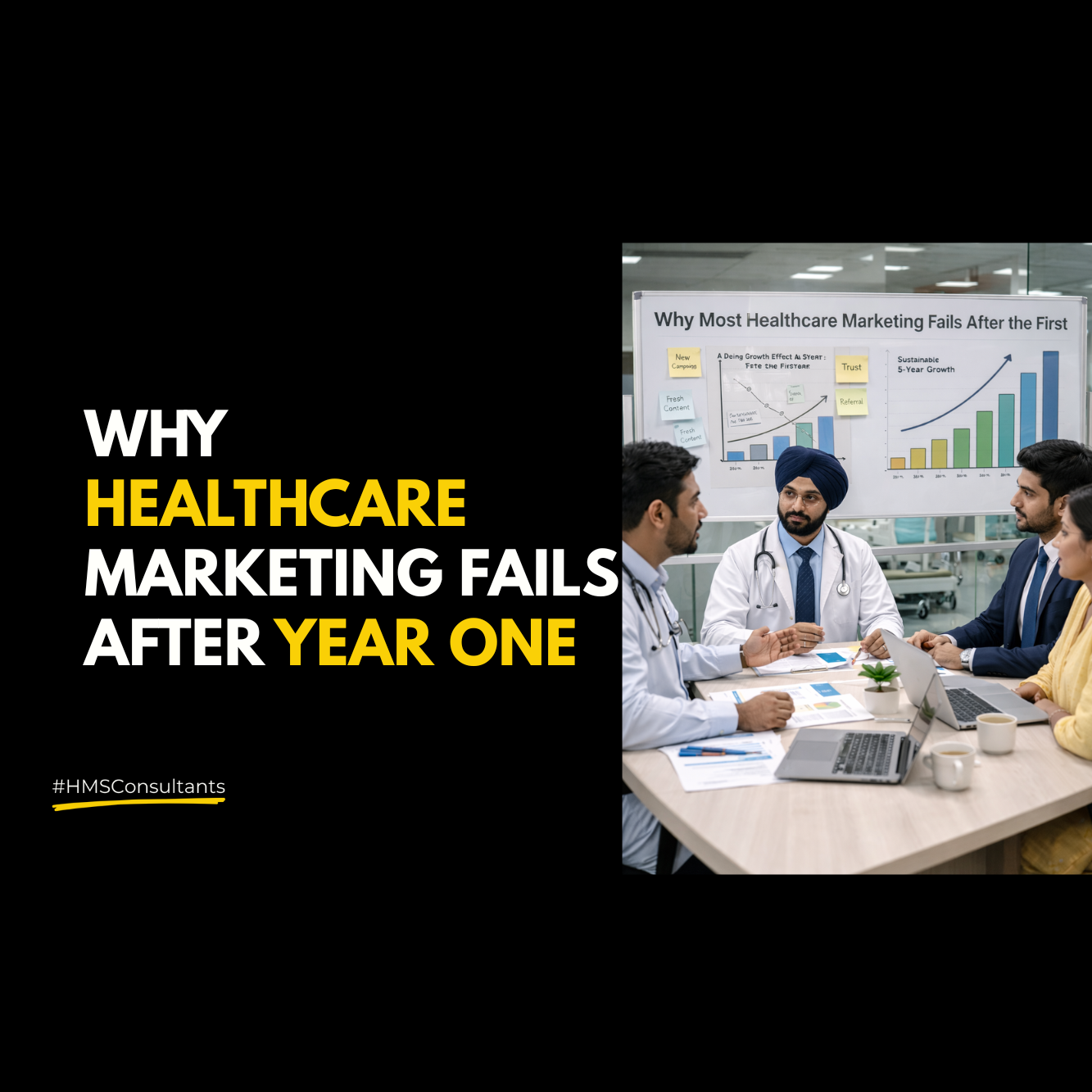
Healthcare marketing often shows strong results in the first year, driven by visibility and novelty. Over time, growth slows as campaign-led strategies fade. Sustainable hospital growth requires long-term systems...
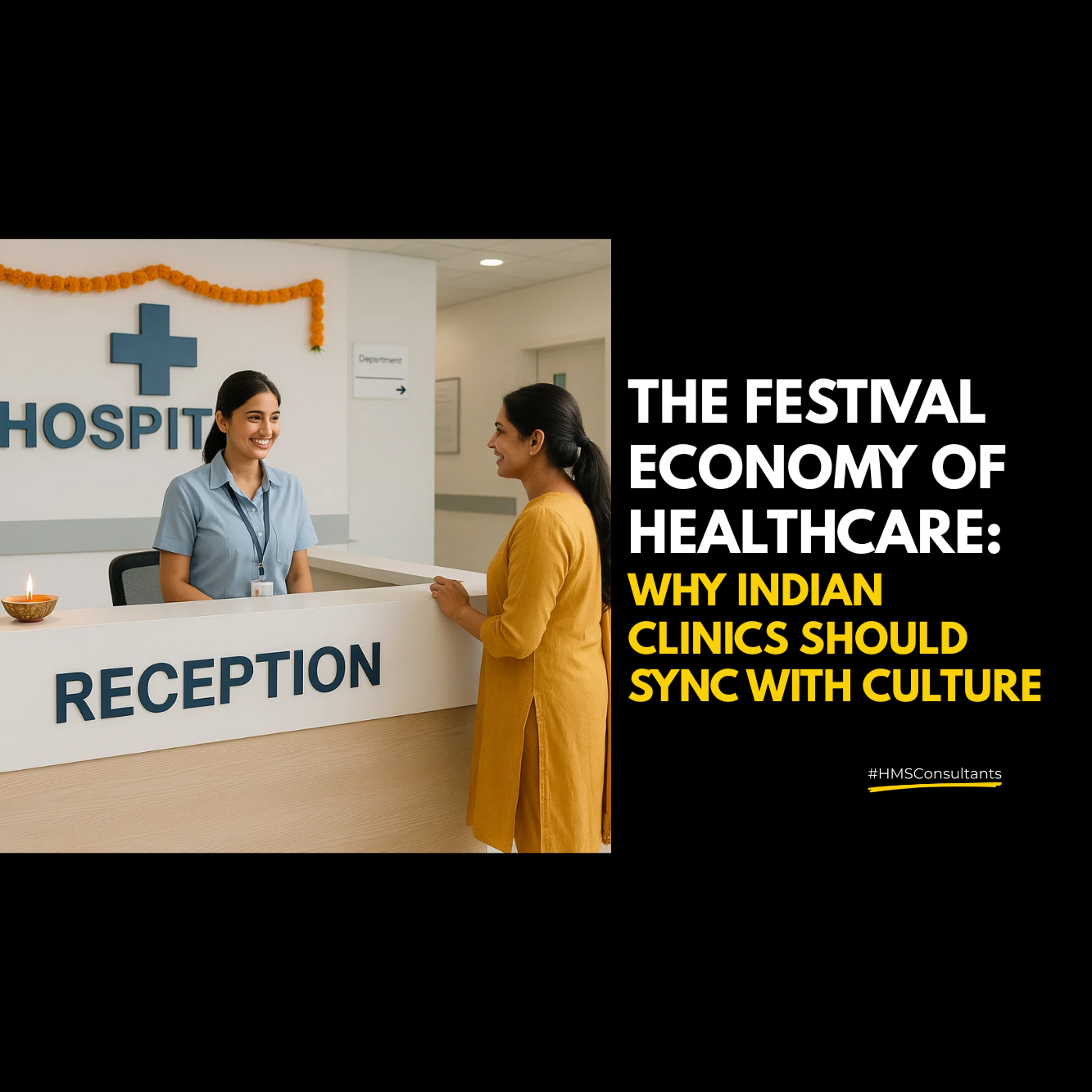
In India, festivals are more than celebrations they shape trust, decisions, and community. Clinics that align with cultural calendars can turn festive moments into lasting patient connections.

Boost healthcare practice with specialised digital marketing for doctors. Partner with agency for doctors digital marketing & healthcare digital marketing agency to enhance online presence

Healthcare career opportunities in India are growing, but long-term success now depends on specialised skills. Learn how healthcare marketing consulting can help professionals move beyond traditional roles and build...