


Affordable Marketing Tips for Doctors to Boost Clinic Growth
Discover affordable marketing tips tailored for doctors and clinic owners in India, designed to help increase patient footfall and grow medical practice.
Digital marketing in healthcare was earlier seen as a set of activities:
These activities are still relevant. But they no longer define success.
Today, patients do not interact with these channels independently.
They move across them as part of a single journey.
They search.
They compare.
They validate.
They decide.
Which means digital marketing healthcare is no longer about presence.
It is about guiding that journey clearly.
In cities like Ahmedabad, Pune, Indore, or Jaipur, patient behaviour has become structured.
A typical journey looks like this:
A patient searches for symptoms or treatments.
They explore multiple hospitals.
They check reviews.
They evaluate clarity of information.
They shortlist options.
At no point in this journey is the hospital explaining itself directly.
The patient is interpreting signals.
And digital marketing healthcare is responsible for shaping those signals.
Hospitals often assume that improving reach will improve results.
So they focus on:
But conversion does not depend only on visibility.
It depends on clarity and consistency.
If a patient:
they move to the next option.
The issue is not traffic.
It is friction.
Digital marketing healthcare often creates attention, but not confidence.
This gap appears when:
Patients today are not looking for promotion.
They are looking for reassurance.
This is why hospitals that focus on explaining rather than advertising tend to perform better in the long run.
One of the biggest changes in digital marketing healthcare is how patients consume information.
They are no longer just clicking links.
They are getting direct answers.
This is where AEO (Answer Engine Optimization) becomes important.
Patients ask:
Hospitals that structure their content to answer these questions clearly become more visible not just in search results, but in AI-generated responses.
This changes positioning.
The hospital is no longer one of many options.
It becomes a source of clarity.
Healthcare decisions are highly location-specific.
A patient searching for care in Vadodara or Ahmedabad is not looking for general information.
They are looking for relevant, nearby options.
This is where GEO (Geographic Optimization) plays a critical role.
Local search visibility, accurate listings, and location-based content ensure that hospitals appear at the right moment.
If a hospital is not visible locally,
it is not considered.
Artificial intelligence is influencing digital marketing in healthcare in two key ways.
First, it is changing how information is delivered.
Search engines are summarising content, reducing the need for multiple clicks.
Second, it is helping hospitals understand patient behaviour.
Hospitals can now identify:
This allows for better alignment between strategy and execution.
AI is not replacing marketing.
It is improving how effectively it works.
One of the biggest limitations in current healthcare marketing is fragmentation.
Different activities are handled separately:
But patients do not experience them separately.
They experience one system.
A strong digital presence with weak response handling creates a negative impression.
Good content with poor follow-up leads to lost patients.
This is why digital marketing healthcare must move from activity-based thinking to system-based thinking.
Effective digital marketing in healthcare is not defined by how much is being done.
It is defined by how well everything works together.
Patients should experience:
From the first search to the first visit,
everything should feel connected.
Work with HMS Consultants
Need a clear plan to grow brand visibility, patient footfall and revenue? Explore Hospital Marketing Strategy Consulting.
See Hospital Marketing Strategy ConsultingBook a free 30-min call
Digital marketing healthcare in 2026 is no longer about being present everywhere.
It is about being clear where it matters.
Hospitals that focus only on visibility will continue to generate attention.
Hospitals that focus on clarity, consistency, and experience will generate trust and conversions.
Because in healthcare, patients do not choose the most visible option.
They choose the one that feels most reliable.
Digital marketing healthcare refers to the use of digital platforms such as websites, search engines, and social media to attract, inform, and engage patients while improving visibility, communication clarity, and overall patient acquisition for hospitals and clinics.
Digital marketing healthcare is important because patients now search, compare, and evaluate hospitals online before visiting, making digital presence essential for building trust, improving visibility, and influencing patient decision-making in a competitive healthcare environment.
Digital marketing healthcare often fails to convert because of unclear communication, poor enquiry handling, delayed responses, and lack of alignment between digital visibility and actual patient experience, creating friction in the decision-making journey.
AEO, or Answer Engine Optimization, helps healthcare providers structure content to directly answer patient queries, improving visibility in AI-driven search results and increasing the likelihood of being selected as a trusted source of information.
GEO, or Geographic Optimization, focuses on improving local search visibility so hospitals appear in location-based queries, helping them connect with nearby patients actively searching for healthcare services and increasing relevant patient footfall.
AI impacts digital marketing healthcare by analysing patient behaviour, identifying drop-off points, improving content relevance, and enabling hospitals to optimise communication systems, making marketing efforts more data-driven and aligned with patient expectations.
Common mistakes include focusing only on visibility, ignoring patient experience, lacking structured communication, poor enquiry handling, and failing to align digital strategies with internal processes, which ultimately reduces conversion and patient trust.
Hospitals can improve digital marketing healthcare results by focusing on clear communication, structured patient journeys, faster response systems, consistent follow-ups, and aligning digital presence with actual patient experience across all touchpoints.
Share your details below and we will connect with you to discuss your growth strategy.
Discover affordable marketing tips tailored for doctors and clinic owners in India, designed to help increase patient footfall and grow medical practice.
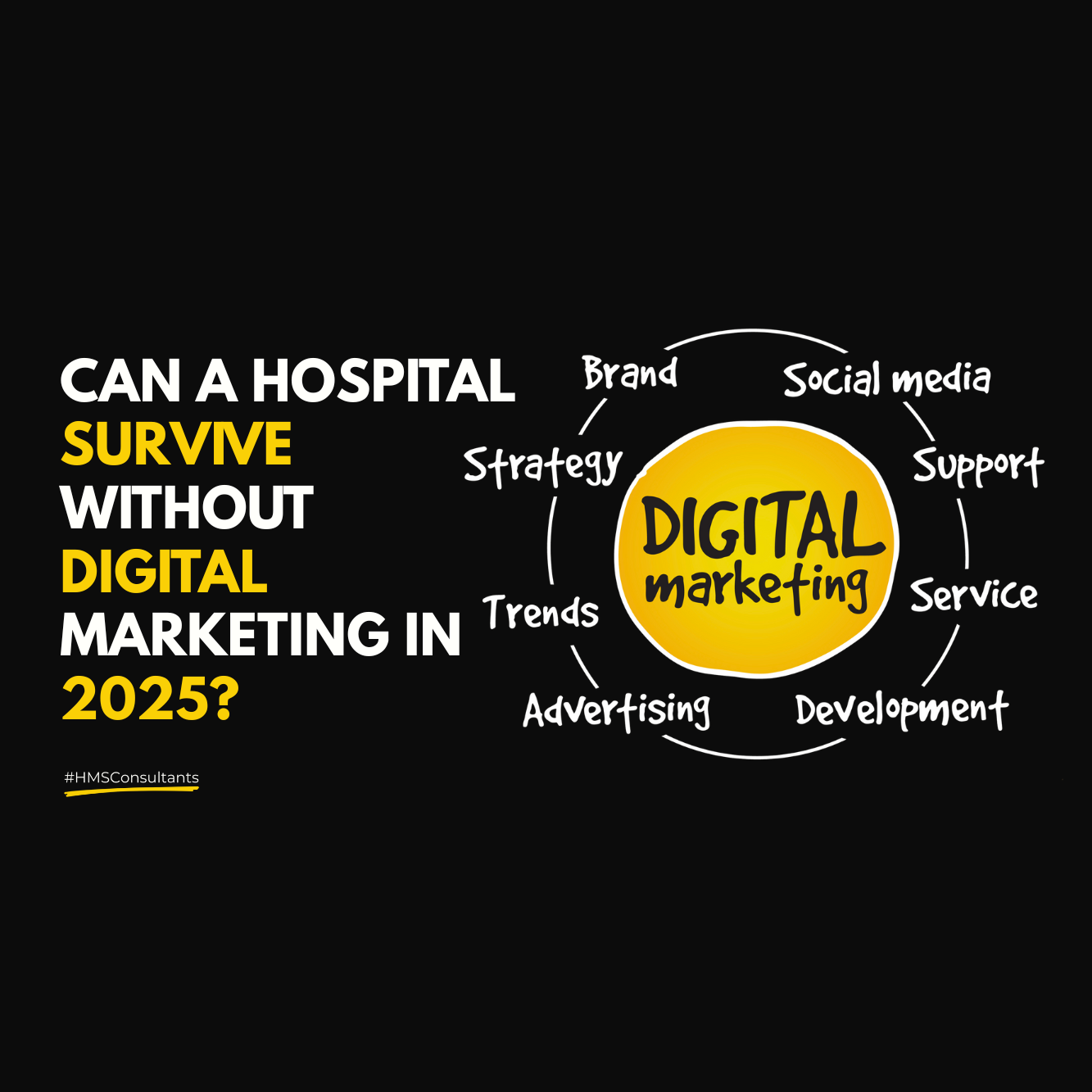
Patients in 2025 begin their hospital search on Google, comparing reviews, websites and doctor profiles. Hospitals without digital presence lose trust and new patients silently.
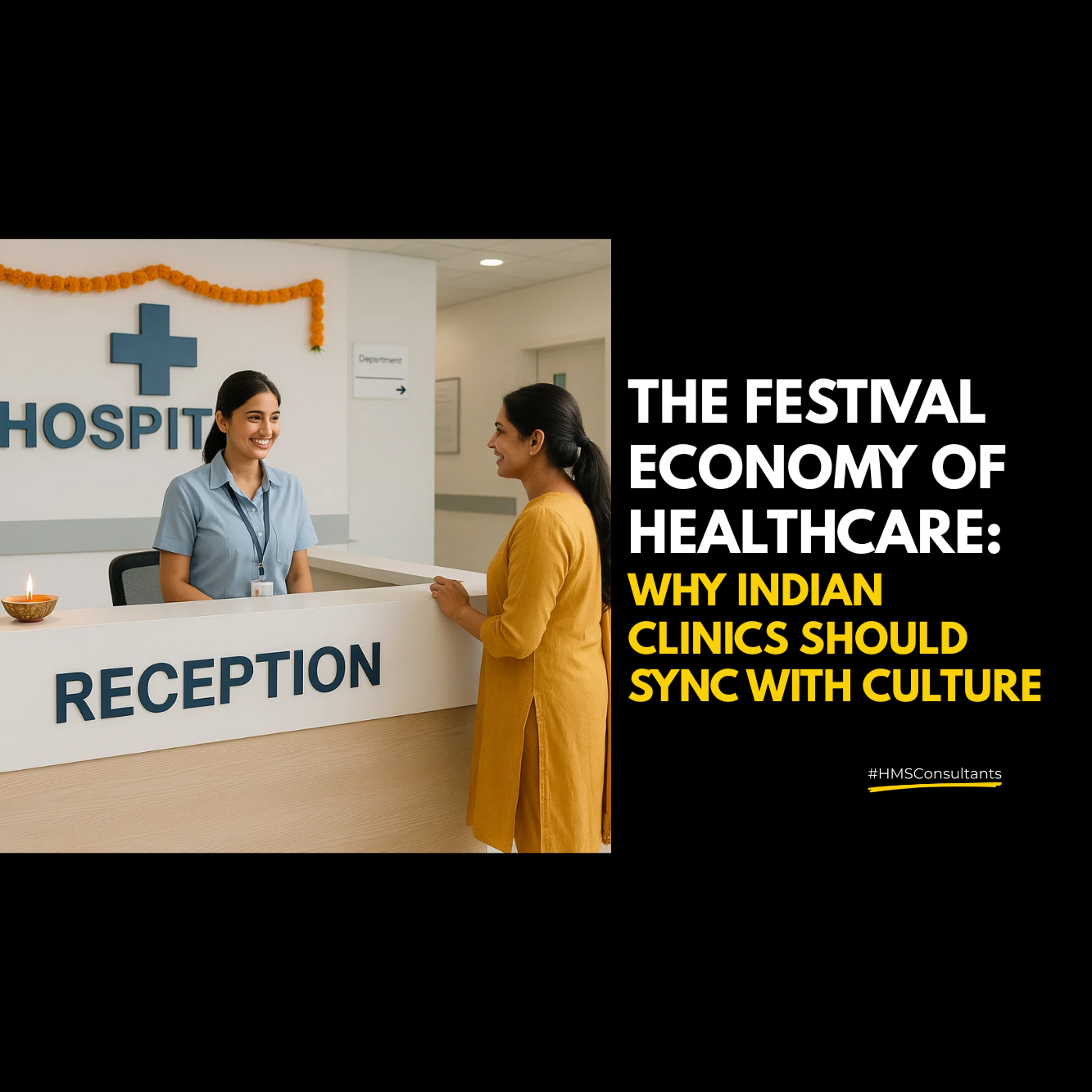
In India, festivals are more than celebrations they shape trust, decisions, and community. Clinics that align with cultural calendars can turn festive moments into lasting patient connections.

AI is no longer an extra in healthcare marketing it’s the new toolkit for growth. From smarter emails to SEO audits, discover how clinics can save time, build trust,...
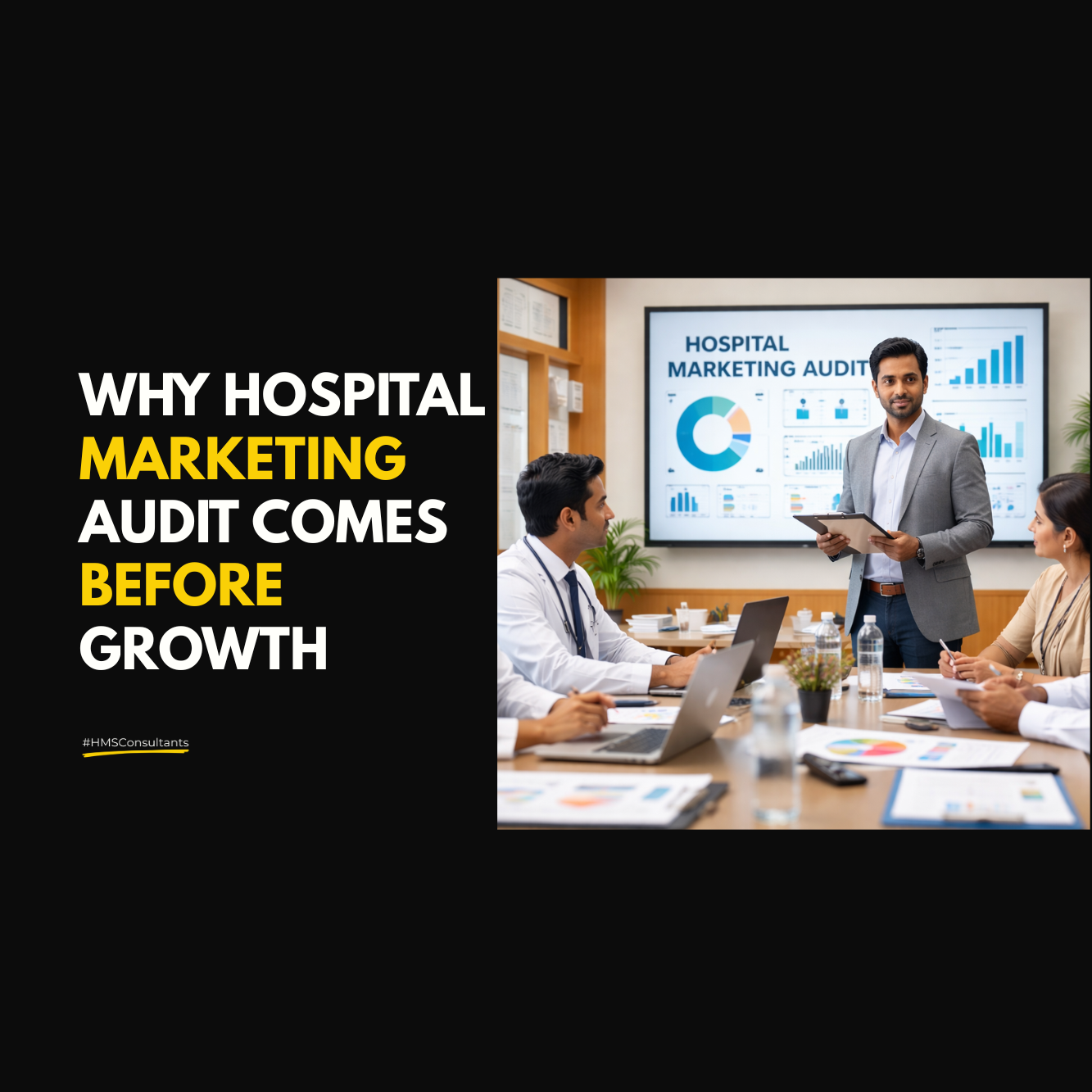
A hospital marketing audit helps identify system leaks, improve ROI, and align strategy before making growth decisions.

Hospital marketing strategy fails when channels are chosen before patient decisions are understood. Growth improves when strategy reduces decision friction, not just increases visibility.