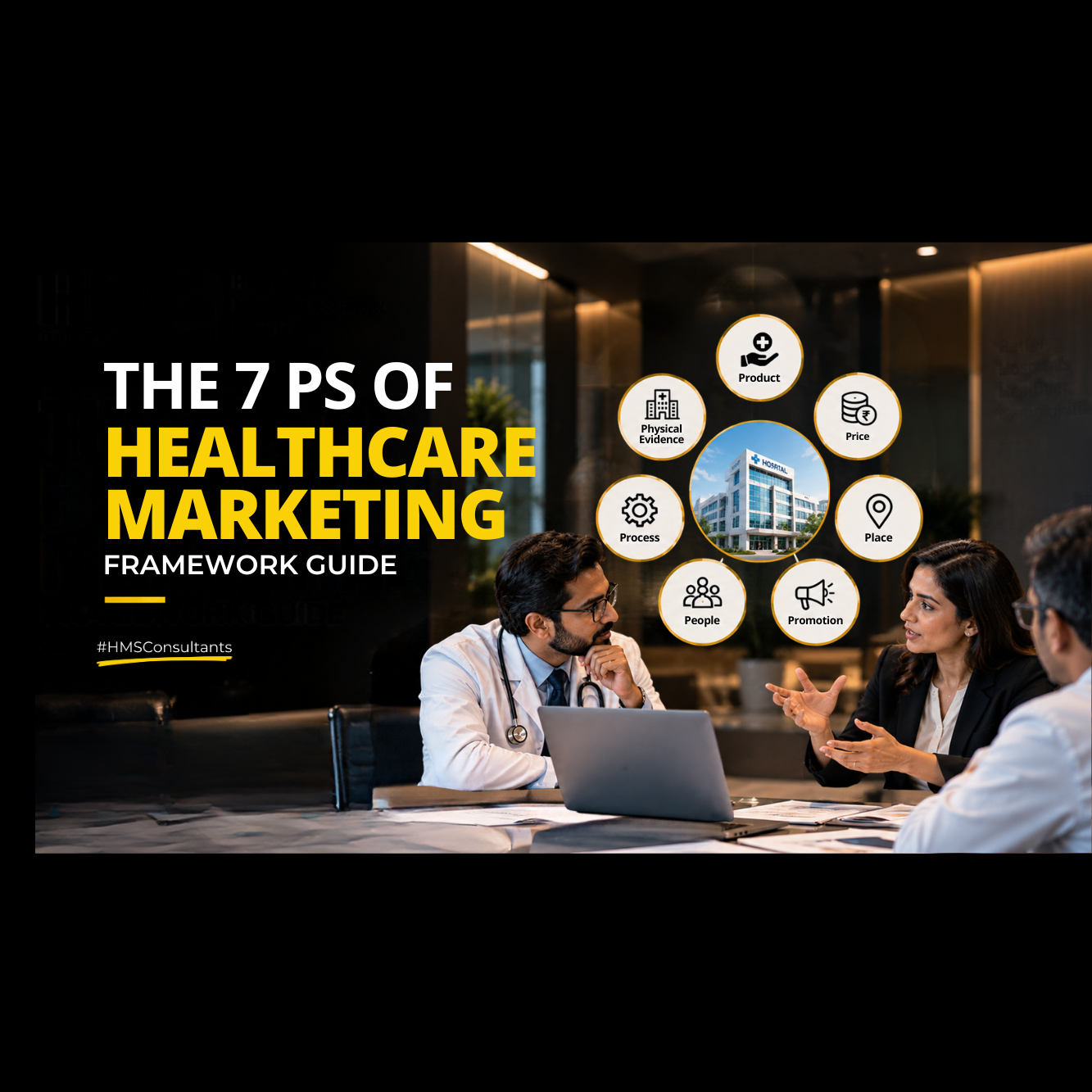
The 7 Ps of Marketing in Healthcare: Why Knowing the Framework Is Not Enough.
The 7 Ps of marketing in healthcare go far beyond promotion. This blog explains how Product, Price, Place, People, Process, and Physical Evidence...
People love subscriptions because they make life simple. You do not think twice before opening Netflix, Spotify, or even your gym membership. The same psychology can apply to healthcare.
For marketing a clinic, this model creates something much stronger than a one-time visit. It creates habit and loyalty.
Netflix never says, “watch one movie and leave.” It is about a long-term relationship. Clinics can mirror this by offering:
This shifts care from occasional visits to continuous engagement. Patients stay connected, and your clinic stays top of mind.
Netflix does not sell just movies, it offers a bundle of entertainment. Clinics can create similar bundles that patients find appealing.
Bundles make patients feel they are getting more, while also simplifying their choices.
Subscriptions create what marketers call “stickiness.” Once someone signs up, they are less likely to go elsewhere. Clinics can build loyalty through memberships that offer:
This improves patient care while transforming your clinic marketing strategy into a system for long-term retention.
The beauty of subscription-style healthcare is that it doubles as marketing. Every reminder, bundled service, or membership perk also acts as a branding touchpoint. Unlike one-off ads, these efforts:
For small and mid-sized clinics, this is a powerful and affordable clinic branding service.
Healthcare in India is shifting fast. Patients want convenience and clarity. They already pay subscriptions for mobiles, OTT platforms, gyms, and even groceries. Healthcare is the next logical step.
A clinic offering a ₹499 per month membership for regular check-ups and follow-ups does not sound unusual. It sounds familiar. Patients understand the model, and familiarity builds trust.
In Ahmedabad, a mid-sized general clinic launched a “Family Health Membership” covering four annual visits, basic tests, and WhatsApp follow-ups. Priced affordably, it quickly gained traction. Families stayed loyal because they felt “covered,” and the clinic enjoyed steady patient flow without running constant ads.
That is the Netflix effect in action.
From a healthcare consultant’s perspective, the subscription model is more than a marketing idea. It is a growth strategy. It ensures:
In crowded markets, this kind of innovation becomes a unique advantage.
Netflix has shown the world that loyalty is not built through one-time sales. It is built through continuous value. For clinics, adopting subscription-style thinking can completely transform patient relationships.
Instead of patients visiting only when they are unwell, they become part of an ongoing health journey with your clinic at the center.
The future of clinic marketing in India may not belong to the loudest ads or the biggest billboards. It may belong to the smartest memberships. And to the clinics that design them with care, clarity, and trust.
Written by Maitri Desai
Share your details below and we will connect with you to discuss your growth strategy.
The 7 Ps of marketing in healthcare go far beyond promotion. This blog explains how Product, Price, Place, People, Process, and Physical Evidence...
Hospital marketing techniques are evolving rapidly in 2026. This blog explains how search visibility, Google reviews, patient trust, educational content, and digital systems...
Personal branding for doctors is becoming essential in 2026. This blog explains how digital visibility, patient trust, reviews, and educational authority influence long-term...
Healthcare digital marketing is no longer only about social media visibility. This blog explains how trust, reputation, content authority, reviews, patient retention, and...
Medical marketing is often misunderstood as advertising alone. This blog explains why hospitals struggle with patient growth despite heavy spending and how trust,...
Most hospital marketing today looks almost identical because hospitals often use the same messaging, branding styles, and healthcare communication patterns. This blog explains...