Category: hospital marketing

  • Marketing a Hospital: Why Campaign Offers Must Be Clear Before Promotion

    Marketing a Hospital: Why Campaign Offers Must Be Clear Before Promotion

    Marketing a Hospital: Why Campaign Offers Must Be Clear Before Promotion

    Published on
    Share This

    Marketing a hospital is not only about designing attractive creatives, running ads, posting on social media, or choosing the right platform. Before any campaign is promoted, the hospital must be clear about what it is actually offering.

    Many hospital campaigns fail because the offer is confusing. Patients may see a health package, screening camp, consultation offer, awareness campaign, or discount message, but they may not understand what is included, who it is for, how to book, or what the next step should be.

    In healthcare, unclear communication can reduce patient response. A campaign may get attention, but if the offer is not simple and easy to understand, patients may hesitate to enquire.

    Why Offer Clarity Matters in Hospital Marketing

    Patients do not respond only because a campaign looks good. They respond when the message answers their basic questions.

    If a hospital promotes a health package, patients want to know what tests are included. If there is a consultation offer, they want to know which doctor or department it applies to. If there is a screening camp, they want to know the date, timing, location, eligibility, and booking process.

    When these details are missing, patients may feel unsure.

    Clear hospital offer communication helps patients understand:

    • What the campaign is about.
    • Who should consider it?
    • What is included?
    • Which doctor or department is involved.
    • How long the campaign is valid.
    • What the patient should do next.

    Marketing a hospital becomes more effective when the offer is clear before the promotion begins.

    Vague Campaigns Reduce Patient Response

    Many healthcare campaigns use broad lines such as “Special Health Offer,” “Book Your Check-Up Today,” or “Consult Our Experts.” These lines may sound simple, but they do not always give enough information.

    Patients may ask:

    What is special about the offer?
    Which service is included?
    Is this for everyone or only specific patients?
    Is there a price?
    Is prior appointment required?
    Can I walk in?
    Is the doctor available on all days?

    If the campaign does not answer these questions, patients may avoid taking action.

    A vague campaign creates extra work for the front desk and confusion for patients. A clear campaign makes the next step easier.

    Define the Campaign Type First

    Before promotion, the hospital should define what kind of campaign it is running. Every campaign should not be presented in the same way.

    A health package campaign is different from a screening camp. A consultation offer is different from an awareness campaign. A preventive care campaign is different from a procedure-related campaign.

    For example:

    A health package should clearly mention what is included.

    A screening camp should mention the date, time, location, and who can attend.

    A consultation offer should mention the department, doctor availability, appointment process, and validity.

    An awareness campaign should focus on education, symptoms, prevention, and when to consult.

    When the campaign type is clear, the message becomes easier to structure.

    What Every Hospital Campaign Should Explain

    A hospital campaign does not need to say everything, but it should answer the most important patient questions.

    Before promotion, hospitals should clearly define:

    • Campaign purpose.
    • Target patient group.
    • Service or package details.
    • Inclusions and exclusions.
    • Doctor or department involved.
    • Price or offer condition, if applicable.
    • Validity period.
    • Appointment process.
    • Location.
    • Contact or booking method.

    This does not mean the creative has to carry every detail. The main design can be simple, but the landing page, WhatsApp reply, Google post, or call script should explain the remaining information clearly.

    The campaign should not leave patients guessing.

    Healthcare Offers Should Be Communicated Responsibly

    Hospital promotion should be handled carefully because healthcare decisions are sensitive. Campaigns should not create fear, make unrealistic claims, or push patients into unnecessary action.

    Clear offer communication is not only good for marketing. It is also important for ethical healthcare communication.

    Hospitals should avoid:

    • Fear-based messaging.
    • Misleading discounts.
    • Unclear package inclusions.
    • Hidden conditions.
    • Overpromising results.
    • Using urgent language unnecessarily.
    • Promoting services without proper explanation.

    Patients should feel informed, not pressured.

    A responsible campaign explains the offer in a way that helps patients make a better decision.

    Campaign Clarity Supports Better Patient Enquiries

    When the offer is clear, patient enquiries become more meaningful. Patients call or message with better understanding. Staff can guide them faster. The appointment process becomes smoother.

    For example, a campaign for a cardiac screening package should clearly mention whether it includes ECG, blood tests, doctor consultation, or other tests. If this is not mentioned, patients may call only to ask basic questions.

    Similarly, a maternity consultation campaign should clarify whether it is for pregnancy confirmation, antenatal care, high-risk pregnancy consultation, or general women’s health.

    Clear communication reduces confusion and improves patient response.

    Promotion Should Begin After the Offer Is Ready

    Hospitals sometimes start promotion before the campaign details are final. The creative is ready, but the front desk does not know the offer. The social media post is live, but the package inclusions are unclear. The ad is running, but the landing page does not explain the next step.

    This weakens the campaign.

    Before promotion, the hospital should make sure:

    • The offer is clearly defined.
    • The staff knows the details.
    • Patient questions are expected.
    • The booking process is ready.
    • Digital content matches the campaign.
    • Terms and conditions are clear.
    • The next step is easy to follow.

    A campaign should not go live before the hospital is ready to explain it.

    Conclusion

    Marketing a hospital is not only about promotion. It is also about making sure the campaign offer is clear, responsible, and easy for patients to understand.

    Patients respond better when they know what is included, who the campaign is for, how long it is valid, which doctor or department is involved, and how they can book.

    A confusing campaign may get attention but still fail to generate meaningful patient response. A clear campaign helps patients make informed decisions and helps the hospital handle enquiries more effectively.

    Before promoting any hospital campaign, the first question should be simple:

    Is the offer clear enough for the patient to understand?

    If the answer is yes, the campaign has a stronger chance of working.

    Contact Us HMS Consultants

    Marketing for a hospital should begin with clear campaign planning. Before promotion, define what the campaign offers, who it is for, what is included, which doctor or department is involved, how patients can book, and what next step they should take.

    Digital Marketing I hospital marketing I Hospital Marketing Strategy

    is something we strongly believe in, which means ‘Knowledge without application is the same as having no knowledge at all

    Akhil Dave

    Principle Consultant

    Ready to take your Personal Brand to the next level?

    Share your details below and we will connect with you to discuss your growth strategy.

    • Clinic Marketing: Why the Waiting Area Should Not Stay Silent

      Clinic Marketing: Why the Waiting Area Should Not Stay Silent

      Clinic Marketing: Why the Waiting Area Should Not Stay Silent

      Published on
      Share This

      Clinic marketing is usually planned around what happens outside the clinic. Doctors and clinic owners think about Google visibility, social media posts, ads, reviews, referrals, and websites. These are important, but one valuable marketing space is often ignored: the waiting area.

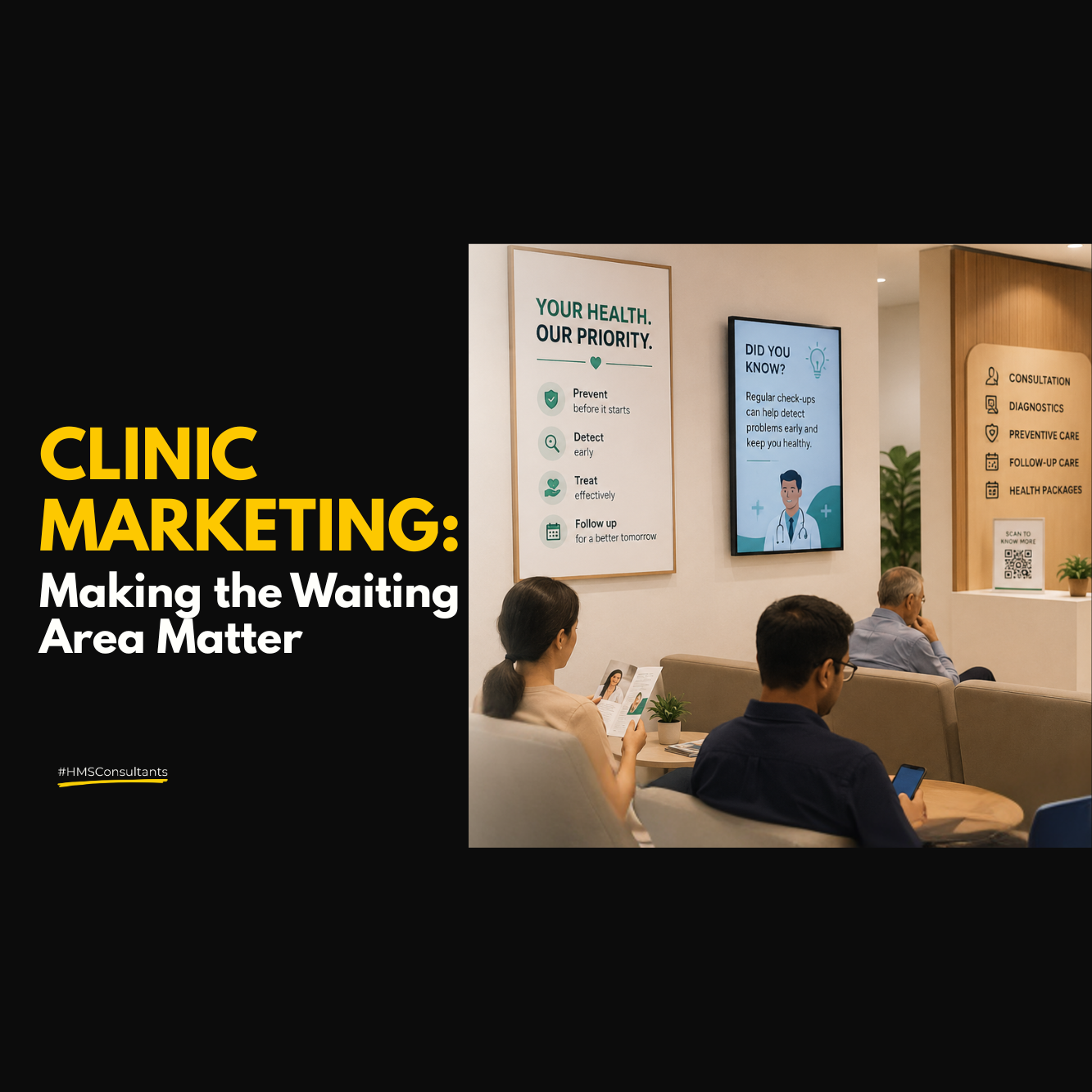
      Patients spend time in the clinic before consultation. They sit, observe, read, listen, and form opinions. This time should not be wasted. A clinic waiting area can quietly support patient education, service awareness, and better communication without making patients feel like they are being sold something.

      The waiting area is not just a place where patients wait. It is a space where clinics can help patients understand their health concerns, learn about available services, prepare for consultations, and remember the clinic better.

      This is why clinic marketing should also include what happens inside the clinic.


      Why the Waiting Area Matters in Clinic Marketing

      A patient sitting in the waiting area is already interested in care. They may have come for consultation, follow-up, reports, medicine guidance, or a family member’s appointment. Their attention is naturally connected to health.

      This makes the waiting area a useful space for patient communication.

      Many clinics keep this space silent or fill it only with generic posters. But the waiting area can answer common patient questions and reduce confusion before the consultation begins.

      It can help patients understand:

      • What services are available in the clinic?
      • Which symptoms should not be ignored?
      • What preventive care matters.
      • What reports or records they should carry.
      • When follow-up is important.
      • How to book future appointments.
      • What health concerns need regular monitoring?

      In-clinic marketing does not need to be loud. It should be useful, simple, and patient-friendly.clinic waiting area

      Waiting Time Can Become Learning Time

      Most patients do not enjoy waiting. But if the clinic uses that time well, patients can learn something helpful before meeting the doctor.

      For example, a diabetes clinic can display simple information about sugar monitoring, foot care, diet awareness, and follow-up importance. A dental clinic can show content about gum care, cavities, teeth cleaning, and warning signs. A physiotherapy clinic can explain posture, exercise precautions, and basic pain management.

      This type of patient education helps patients become more informed. It also supports the doctor, as patients may come to the consultation with greater awareness.

      Waiting-area content can include:

      • Posters.
      • Digital screens.
      • Simple brochures.
      • QR codes for service pages.
      • Doctor education videos.
      • FAQs.
      • Preventive care tips.
      • Follow-up reminders.

      The goal is not to overload patients. The goal is to give them short, clear, and useful information.

      Explain Services Without Hard Selling

      Many clinics offer more services than patients realise. A patient may visit for one concern but may not know that the clinic also provides preventive check-ups, diagnostic support, counselling, minor procedures, follow-up care, or related treatment services.

      The waiting area can help patients understand these services naturally.

      For example, instead of writing “Book our package today,” the clinic can explain who may need the service and when it is useful.

      A better approach is:

      • “When should you consider a preventive health check-up?”
      • “What signs show you may need an eye examination?”
      • “Why regular dental cleaning matters.”
      • “When should children visit a pediatrician?”
      • “Why follow-up after treatment is important.”

      This keeps the communication educational. Patients understand the value of the service without feeling pressured.

      Clinic marketing works better when it helps patients make informed decisions.

      Use the Waiting Area to Reduce Repeated Questions

      Clinic staff often answer the same questions again and again. Patients may ask about timings, reports, follow-up visits, test preparation, payment options, appointment process, or doctor availability.

      Some of these questions can be answered clearly inside the waiting area.

      Clinics can display simple information such as:

      • Appointment process.
      • Consultation flow.
      • Report collection timing.
      • Follow-up instructions.
      • Emergency contact guidance.
      • Documents to carry.
      • Clinic working hours.
      • Basic preparation for tests or procedures.

      This can reduce pressure on the front desk and improve patient experience. When patients already understand basic instructions, communication between staff becomes smoother.

      A well-planned clinic waiting area supports both marketing and operations.

      Make Doctor Expertise Easier to Understand

      Patients often know the doctor’s name, but they may not fully understand the doctor’s areas of practice. The waiting area can help explain this clearly.

      This does not mean displaying exaggerated claims. It means presenting doctor information in a simple and responsible way.

      A clinic can share:

      • Doctor’s specialty.
      • Areas of practice.
      • Common conditions treated.
      • Patient education topics.
      • Consultation focus areas.
      • Follow-up care guidance.

      For example, an orthopaedic clinic can mention joint pain, sports injuries, arthritis, fracture care, back pain, and mobility concerns. A gynecology clinic can explain pregnancy care, menstrual concerns, PCOS awareness, fertility guidance, and women’s preventive health.

      This improves patient awareness and helps patients understand the clinic’s care focus.

      Keep the Communication Simple and Visual

      Waiting-area content should not be too long or too technical. Patients may not read heavy paragraphs while sitting in a clinic. They need short messages, clear visuals, and easy language.

      Good waiting-area communication should be:

      • Short.
      • Clear.
      • Visual.
      • Patient-friendly.
      • Easy to understand.
      • Relevant to the clinic’s services.
      • Free from fear-based messaging.

      For example, instead of writing a long paragraph about hypertension, a clinic can use a simple poster: “High blood pressure may not show symptoms. Regular monitoring helps detect risk early.”

      The message should help the patient understand, not create fear.

      Clinic marketing inside the waiting area should feel calm, helpful, and professional.

      Connect Offline Communication With Digital Channels

      The waiting area can also guide patients toward the clinic’s digital platforms. But this should be done in a useful way.

      Clinics can use QR codes to help patients:

      • Read service information.
      • Book follow-up appointments.
      • Watch doctor education videos.
      • Access health tips.
      • Leave feedback.
      • Save the clinic contact number.
      • Visit the clinic website.

      This connects in-clinic communication with digital visibility. A patient who sees a helpful poster can scan a QR code and continue learning later.

      This is a practical way to combine offline and online clinic marketing without making the experience too promotional.

      What Clinics Should Avoid

      The waiting area should not become a cluttered advertising wall. Too many posters, confusing banners, or aggressive promotional messages can reduce the professional feel of the clinic.

      Clinics should avoid:

      • Overcrowding walls with too much content.
      • Using fear-based health messages.
      • Making unrealistic claims.
      • Showing too many offers.
      • Using technical medical language.
      • Displaying outdated information.
      • Ignoring design and readability.

      Patients should feel informed, not overwhelmed. The waiting area should support trust and clarity.

      Conclusion

      Clinic marketing does not happen only online or outside the clinic. It also happens inside the clinic, especially in the waiting area.

      The waiting area is a valuable space where patients can learn, understand services, prepare for consultation, and receive useful health guidance. It can reduce repeated questions, improve patient awareness, explain doctor expertise, and support stronger patient communication.

      A silent waiting area is a missed opportunity. With simple posters, digital screens, QR codes, brochures, FAQs, and doctor education content, clinics can turn waiting time into meaningful patient education.

      Good clinic marketing is not always about louder promotion. Sometimes, it is about using the spaces patients already interact with and making them more helpful, clear, and informative.

      Contact Us HMS Consultants

      Clinic marketing can be done by using both online and in-clinic communication. Along with Google visibility, social media, reviews, and websites, clinics should use the waiting area for patient education, service awareness, doctor information, FAQs, and appointment guidance.

      clinic marketing I hospital marketing I Hospital Marketing Strategies I Hospital Marketing Strategy I Marketing ideas for clinics

      is something we strongly believe in, which means ‘Knowledge without application is the same as having no knowledge at all

      Akhil Dave

      Principle Consultant

      Ready to take your Personal Brand to the next level?

      Share your details below and we will connect with you to discuss your growth strategy.

      • Branding Hospital: Why Service Names and Brand Clarity Matter

        Branding Hospital: Why Service Names and Brand Clarity Matter

        Branding Hospital: Why Service Names and Brand Clarity Matter

        Published on
        Share This

        Branding hospital is not only about logos, colors, taglines, interiors, or advertisements. One important part of hospital branding that is often ignored is how clearly the hospital names, organizes, and communicates its services.

        Many hospitals offer multiple departments, clinics, packages, programs, procedures, doctor-led services, and specialised centres. But when these services are named differently across the website, Google Business Profile, brochures, reception desk, banners, and social media, patients may feel confused.

        For example, the same service may be called “Heart Care” on one platform, “Cardiology” on another, “Cardiac OPD” in a banner, “Chest Pain Clinic” on social media, and “Heart Specialist Consultation” at the reception desk. Internally, the hospital team may understand what these terms mean. But for a patient, too many names can create uncertainty.

        This is why hospital brand clarity matters. A hospital brand should make services easier to understand, not harder to identify.


        Why Service Names Matter in Hospital Branding

        Patients do not always understand medical terms the way hospital teams do. They search, ask, and enquire in simple language. A patient may not search for “orthopaedic department” first. They may search for “knee pain doctor,” “joint pain treatment,” or “fracture care near me.”

        If hospital service names are too technical, unclear, or inconsistent, patients may not understand whether the hospital offers what they need.

        Clear hospital service names help patients quickly understand:

        • What the service is about.
        • Which health concern does it relate to?
        • Which doctor or department handles it?
        • Whether the service is relevant to their problem.
        • What is the next step they should take?

        Hospital branding becomes stronger when patients can understand the hospital’s services without confusion.

        The Problem With Multiple Names for the Same Service

        One common issue in branding a hospital is using different names for the same or related services. This often happens when different teams create content separately.

        The website team may use one name. The social media team may use another. The front desk may explain it differently. The doctor may use a clinical term. The brochure may mention a package name. Over time, the hospital communication becomes fragmented.

        For example:

        • “Women’s Health Clinic”
        • “Gynaecology Department”
        • “Maternity Care”
        • “Pregnancy Clinic”
        • “Antenatal Care Services”

        All these may be connected, but patients may not know how they relate to each other. Some may think they are separate services. Some may not know which one to choose.

        This weakens hospital service communication because the patient has to decode the hospital’s language. A strong hospital brand should reduce this confusion.

        Patients Need Simple and Familiar Language

        Hospital teams often use clinical or internal terms because they are familiar with them. But patients usually think in terms of symptoms, needs, and concerns.

        A patient may think:

        • I have chest pain.
        • My child has a fever.
        • I need pregnancy care.
        • I want a health check-up.
        • My father has knee pain.
        • I need an eye test.

        If the hospital only uses technical department names, the patient may not immediately connect their concern with the right service.

        This does not mean hospitals should avoid medical terms completely. It means medical terms should be supported with patient-friendly explanations.

        For example, instead of only saying “Cardiology,” the hospital can explain it as “heart care for chest pain, blood pressure, heart check-ups, and cardiac concerns.” This makes the service easier to understand.

        Healthcare branding should help patients connect their concern with the right care.

        How Confusing Service Names Affect Enquiries

        Unclear service names can directly affect patient enquiries. When patients do not understand which service to choose, they may delay calling, ask repeated questions, or move to another hospital that explains things more clearly.

        Confusion may happen when:

        • Service names are too technical.
        • The same service has different names across platforms.
        • Packages are not explained properly.
        • Department names and doctor services are mixed.
        • Website pages do not match Google Business Profile listings.
        • Social media posts use terms not found on the website.
        • Front desk communication is different from online content.

        For patients, this can create doubt. They may wonder whether the hospital offers the service, which doctor to meet, what appointment to book, or whether the service is suitable for their concern.

        Hospital brand clarity helps reduce these doubts. It makes the enquiry process smoother and more confident.

        Organizing Departments, Packages, and Programs

        A hospital may have many layers of services. There may be departments, sub-specialities, health packages, screening programs, day-care procedures, emergency services, OPDs, and doctor-led clinics.

        If these are not organised properly, the hospital brand can look confusing even if the hospital offers good care.

        A clear hospital service structure should answer:

        • What are the main departments?
        • What services come under each department?
        • Which services need separate pages or listings?
        • Which packages need a simple explanation?
        • Which doctor handles which service?
        • Which terms should be used consistently everywhere?

        For example, a hospital can use “Orthopaedics” as the department name and then clearly list related services such as joint pain, fracture care, arthritis care, sports injury care, spine problems, and knee replacement.

        This helps patients understand both the department and the specific concern it addresses.

        Consistency Across Every Platform

        Hospital branding becomes stronger when the same service language is used across all patient-facing platforms.

        This includes:

        • Website service pages.
        • Google Business Profile.
        • Social media posts.
        • Brochures and banners.
        • Reception communication.
        • WhatsApp replies.
        • Doctor profile pages.
        • Appointment scripts.
        • Health camp communication.

        If the website says one thing and the reception says another, the brand feels unorganised. If Google lists a service but the website does not explain it, patients may feel unsure. If social media promotes a service using a name that is not visible anywhere else, the patient journey becomes disconnected.

        Consistency does not mean every platform must use the exact same paragraph. It means the service name, meaning, and patient guidance should remain aligned.

        Brand Clarity Supports Hospital Positioning

        Hospital positioning becomes stronger when patients clearly understand what the hospital offers and what it is known for. A hospital may want to be known for advanced care, specialist services, preventive health, emergency support, maternity care, diagnostics, or multi-speciality treatment. But that positioning becomes weak if the services are not communicated clearly.

        Patients should not feel that the hospital is saying too many things in too many different ways.

        Clear service naming helps create stronger recall. When patients repeatedly see the same service language across platforms, they begin to connect the hospital name with specific healthcare needs.

        For example, if a hospital wants to strengthen its maternity care positioning, the communication around pregnancy care, antenatal visits, delivery support, high-risk pregnancy, and postnatal guidance should be organised clearly under one service structure.

        This makes the hospital easier to understand and easier to remember.

        What Hospitals Should Avoid

        Hospitals should avoid creating service names only to sound advanced or different. If the name is attractive but unclear, it may not help patients.

        Hospitals should avoid:

        • Using too many names for the same service.
        • Creating package names without explaining what they include.
        • Using only medical terminology without patient-friendly meaning.
        • Promoting services online that staff cannot explain clearly.
        • Mixing department names, symptoms, and procedures without structure.
        • Changing service names across platforms without a clear reason.

        Branding hospital should make communication simpler, not more complicated.

        Conclusion

        Branding hospital is not only about how the hospital looks. It is also about how clearly patients understand what the hospital offers.

        When service names are confusing, inconsistent, or too technical, patients may struggle to connect their health concern with the right department or doctor. This can affect enquiries, patient understanding, and hospital recall.

        Clear hospital service names, organised service structure, and consistent communication help make hospital branding stronger. They allow patients to understand services faster, ask better questions, and take the next step with more confidence.

        A strong hospital brand is not built only through design. It is also built through clarity.

        When patients can easily understand what the hospital offers, the brand becomes easier to trust, remember, and choose.

        Contact Us HMS Consultants

        Branding in a hospital means creating a clear and consistent identity that helps patients understand what the hospital offers. In this blog context, hospital branding also includes clear service names, organised departments, simple communication, and consistency across website, Google profile, reception, and social media.

        Digital Marketing I Hospital Branding I hospital marketing I Hospital Marketing Strategies I Hospital Marketing Strategy

        is something we strongly believe in, which means ‘Knowledge without application is the same as having no knowledge at all

        Akhil Dave

        Principle Consultant

        Ready to take your Personal Brand to the next level?

        Share your details below and we will connect with you to discuss your growth strategy.

        • Marketing Ideas for Hospital: How to Use Local Community Presence for Better Recall

          Marketing Ideas for Hospital: How to Use Local Community Presence for Better Recall

          Marketing Ideas for Hospital: How to Use Local Community Presence for Better Recall

          Published on
          Share This

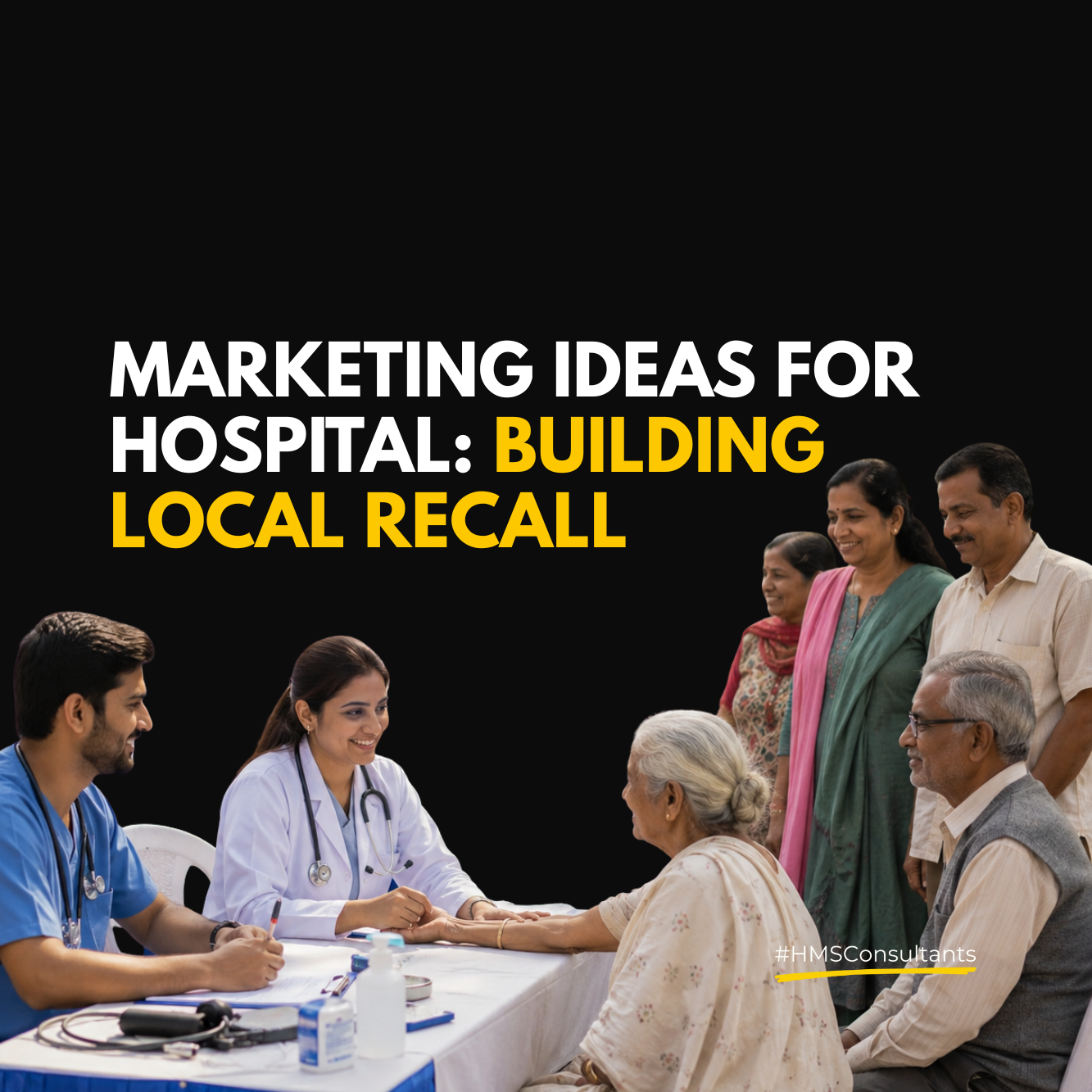
          Marketing ideas for hospital should not always begin with digital campaigns, paid ads, or social media posts. For many hospitals, especially those serving a specific city or locality, stronger recall is built through regular community presence.

          A hospital may have good doctors, services, facilities, and online visibility. But if people living nearby do not remember the hospital when a healthcare need arises, marketing may still feel incomplete. Local recall matters because patients often choose hospitals they have seen, heard about, or interacted with through trusted community activities.

          This is where local hospital marketing becomes important. A hospital should not only be visible online. It should also be present in the area it serves’s health awareness, preventive care, and community conversations.

          Why Local Recall Matters

          Hospitals are not chosen casually. People may not need a hospital every day, but when a health concern comes up, they remember names that feel familiar, reliable, and accessible.

          Local recall is built when people repeatedly see the hospital in useful and responsible ways.This can happen through health awareness programs, preventive check-up drives, residential society sessions, school health talks, corporate wellness activities, seasonal health campaigns, and local partnerships.

          That is why community presence is one of the most practical marketing ideas for hospital growth, especially for hospitals that depend on patients from nearby areas.

          Community Health Awareness Programs

          Community health awareness is one of the strongest ways to build hospital recall. Hospitals can organise awareness sessions around common health concerns that people often ignore until symptoms become serious.

          These sessions should not sound promotional. They should focus on simple and useful health education.

          Hospitals can create awareness around:

          • Diabetes
          • Heart health
          • Women’s health
          • Bone and joint care
          • Child health
          • Eye care
          • Cancer screening
          • Seasonal infections
          • Mental health

          When doctors explain health concerns in simple language, people begin to see the hospital as a helpful healthcare guide, not only a place for treatment.

          Preventive Health Check-Up Drives

          Preventive check-up drives can support both public health awareness and hospital visibility. Many people delay health check-ups because they do not feel an immediate need. When hospitals take preventive care closer to the community, people become more aware of early detection and regular monitoring.

          These drives can be planned in:

          • Residential societies
          • Schools and colleges
          • Corporate offices
          • Senior citizen groups
          • Community centres
          • Local clubs
          • Industrial areas

          The purpose should not only be to collect leads. It should be to educate people about why preventive health matters and when they should consult a doctor.

          A well-planned preventive drive can improve hospital visibility while also creating useful community engagement.

          Local Partnerships for Better Reach

          Hospitals can build stronger community presence by partnering with local groups and institutions. These partnerships help hospitals reach people in places where health conversations are already relevant.

          Useful partnerships can include schools, colleges, housing societies, corporate offices, NGOs, local associations, senior citizen groups, fitness centres, women’s groups, and industrial units.

          For example, a hospital can conduct a bone health session for senior citizens, a menstrual health awareness session in a college, or a heart health talk for working professionals.

          Among different marketing ideas for hospital visibility, local partnerships are useful because they help the hospital reach targeted groups rather than speaking to a broad audience.

          Seasonal Health Campaigns

          Every local area faces seasonal health concerns. Hospitals can use these concerns to plan timely awareness campaigns that are useful for the community.

          Seasonal campaigns may include:

          • Monsoon fever awareness
          • Dengue and malaria prevention
          • Respiratory care during pollution season
          • Heatstroke awareness in summer
          • Flu prevention
          • Skin and allergy awareness
          • Child health during school reopening
          • Senior care during winter

          These campaigns work well because they connect with what people are already experiencing. When a hospital shares timely health guidance, people see the information as relevant and useful.

          Seasonal communication also helps hospitals remain visible throughout the year without depending only on promotional content.

          Residential Society and Corporate Activities

          Residential societies and corporate offices are important spaces for local hospital marketing. Families, senior citizens, working professionals, and children are part of these communities.

          Hospitals can conduct short, focused sessions on practical topics such as:

          • When to consult for chest pain
          • Early signs of diabetes
          • Joint pain and mobility care
          • Child fever warning signs
          • Women’s health after 40
          • Senior citizen fall prevention
          • Importance of regular screening
          • Stress and lifestyle health

          These sessions should be easy to understand and directly useful. The goal is not to make the activity too technical. The aim is to help people know when to take health concerns seriously and when to seek medical advice.

          Offline Presence Can Support Online Recall

          Community activities should not end after the event. Hospitals can use offline activities to support online recall as well.

          After a health camp, awareness session, or community activity, hospitals can share:

          • Event highlights
          • Doctor education clips
          • Key health tips
          • Photos from the session
          • Short awareness posts
          • Follow-up health guidance

          This helps the hospital extend the impact of offline activities to digital platforms. People who attended the event remember it, while others can still discover the hospital through online updates.

          This balance of offline and online communication makes hospital visibility stronger.

          What Hospitals Should Avoid

          Community presence should be handled responsibly. If every activity looks like direct promotion, people may lose interest.

          Hospitals should avoid:

          • Turning health talks into sales pitches
          • Using fear-based communication
          • Promising guaranteed results
          • Sharing patient-sensitive information
          • Using overly technical language
          • Conducting one-time camps without follow-up
          • Promoting services without patient education

          The purpose of community-based hospital marketing is to educate, connect, and build recall. It should feel helpful before it feels promotional.

          Conclusion

          Marketing ideas for hospital growth should include more than online campaigns and advertisements. For hospitals serving a local area, community presence can play an important role in building long-term recall.

          Health awareness programs, preventive check-up drives, local partnerships, residential society sessions, corporate wellness programs, and seasonal campaigns can help hospitals stay connected with people around them.

          Strong community presence helps people remember the hospital before a healthcare need becomes urgent. Better hospital marketing does not always mean louder promotion. Sometimes, it means being consistently present where the community needs useful health guidance.

          Contact Us HMS Consultants

          Hospital marketing can be done by building both online visibility and local community presence. Hospitals should use health awareness programs, preventive check-up drives, local partnerships, seasonal campaigns, residential society sessions, and useful digital updates to stay connected with nearby patients.

          Digital Marketing I Doctor Branding I healthcare digital marketing I Healthcare Marketing I Hospital Branding I hospital marketing I Hospital Marketing Strategies I Hospital Marketing Strategy I local community building

          is something we strongly believe in, which means ‘Knowledge without application is the same as having no knowledge at all

          Akhil Dave

          Principle Consultant

          Ready to take your Personal Brand to the next level?

          Share your details below and we will connect with you to discuss your growth strategy.

          • Doctor Digital Marketing: How Patients Evaluate Doctors Before Booking

            Doctor Digital Marketing: How Patients Evaluate Doctors Before Booking

            Doctor Digital Marketing: How Patients Evaluate Doctors Before Booking

            Published on
            Share This

            Doctor digital marketing is not only about posting health tips, running ads, or getting more followers. For doctors, digital marketing should help patients understand the doctor’s expertise, approach, availability, and credibility before booking an appointment.

            Today, even when patients receive a recommendation, they often search the doctor’s name online, read reviews, check the clinic website, visit social media pages, or look for videos before deciding.

            This means doctor digital marketing should be planned around how patients evaluate a doctor before consultation.

            Patients First Look for the Doctor’s Identity

            Before booking, patients want to know who the doctor is. They look for simple but important details that help them understand the doctor’s professional background.

            This usually includes:

            • Doctor’s full name
            • Qualification
            • Speciality
            • Years of experience
            • Clinic or hospital association
            • Consultation location
            • Available timings
            • Key areas of practice

            If this information is missing, incomplete, or different across platforms, patients may feel unsure. A weak online presence can make even an experienced doctor look less visible or less accessible.

            Digital marketing for doctors should clearly establish the doctor’s identity across Google, website pages, directories, social media, and clinic communication. Patients should not struggle to understand who the doctor is and what type of care they provide.

            Patients Check Whether the Doctor Matches Their Concern

            Patients do not evaluate a doctor only by qualification. They also check whether the doctor is relevant to their specific health concern.

            For example, a patient with knee pain may look for an orthopaedic doctor who handles joint pain, arthritis, sports injuries, or knee replacement. A patient looking for pregnancy care may check whether the gynecologist provides antenatal care, high-risk pregnancy care, delivery support, or fertility guidance.

            This is where online marketing for doctors must move beyond general statements like “experienced doctor” or “quality care.”

            The content should clearly explain:

            • What conditions the doctor treats
            • Which patient concerns are commonly handled
            • What services are available
            • When patients should consult
            • What the patient can expect during the visit
            • Which symptoms should not be ignored

            This does not mean making exaggerated claims. It means helping patients understand whether the doctor is suitable for their concern.

            Patients Read Reviews Before Booking

            Reviews play an important role in a doctor’s digital marketing. Patients often read what others have experienced before deciding to book.

            They may observe:

            • How patients describe the doctor
            • Whether the doctor listens properly
            • Whether staff members are helpful
            • Whether appointment handling is smooth
            • Whether the clinic experience feels organised
            • How the doctor or clinic responds to feedback

            Reviews are not only about star ratings. They are signals of patient trust. A doctor may have strong clinical expertise, but if online reputation is unmanaged, patients may hesitate.

            A doctor marketing strategy should include review monitoring, professional response handling, and learning from repeated patient feedback. Positive reviews can strengthen confidence, while negative reviews should be handled carefully and ethically.
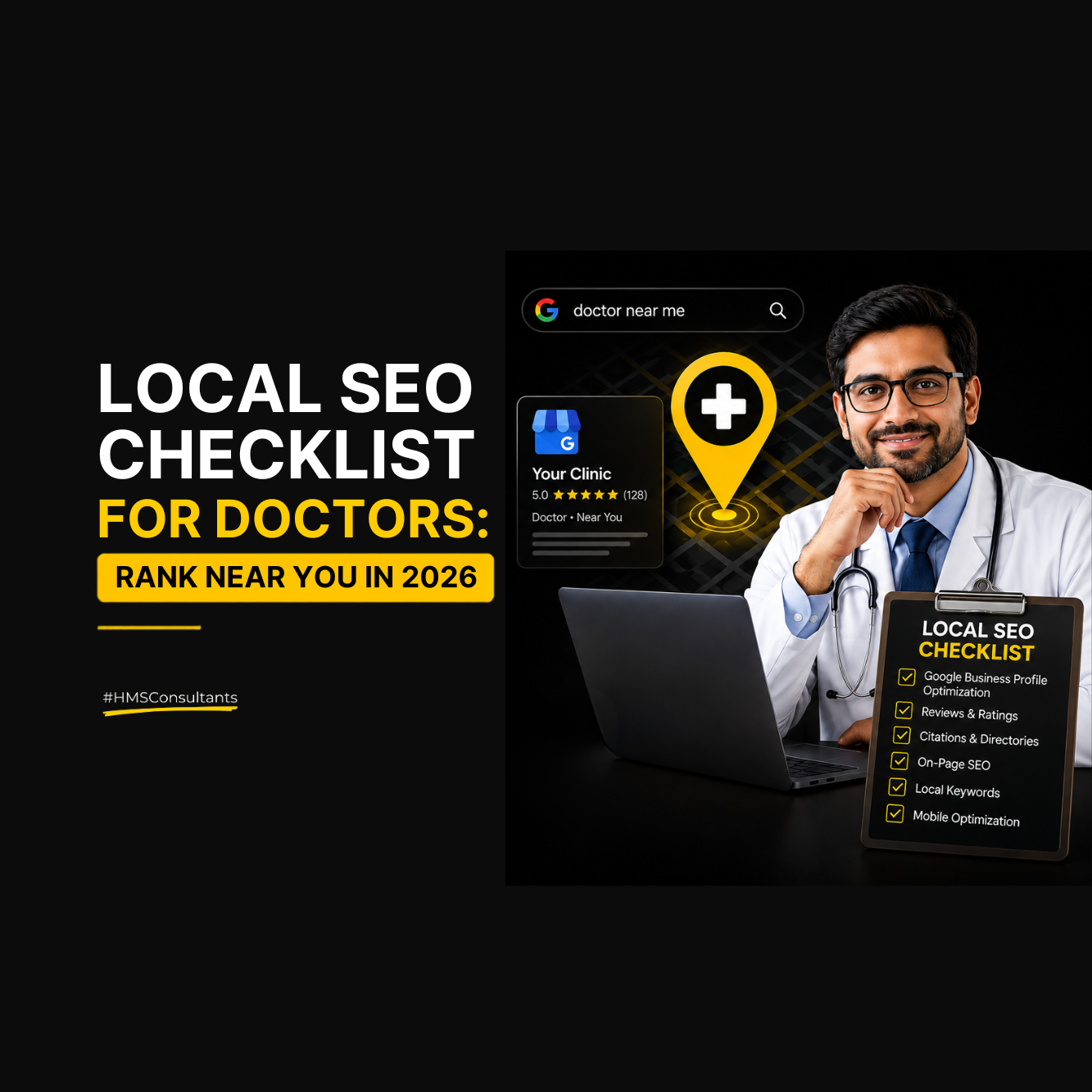
            Patients Notice How the Doctor Communicates Online

            Patients also evaluate how a doctor communicates online. This includes social media posts, videos, website content, captions, blogs, and replies to patient queries.

            A doctor’s communication style can influence patient comfort before consultation.

            Patients may feel more confident when the content is:

            • Simple to understand
            • Educational
            • Responsible
            • Calm in tone
            • Free from fear-based messaging
            • Focused on patient awareness
            • Clear about when to seek consultation

            For doctors, content should not sound like aggressive selling. Healthcare communication should guide, educate, and reassure patients.

            For example, a short video explaining when back pain needs medical attention can be more useful than a generic promotional post. A simple post explaining early signs of diabetes can help patients take timely action. Medical practice marketing becomes stronger when the doctor’s communication helps patients feel informed rather than pressured.

            Patients Compare Information Across Platforms

            A patient may not rely on only one platform. They may check Google, the website, social media, YouTube, healthcare directories, and review platforms before making a decision.

            If the information is different everywhere, it creates confusion. For example, Google may show one clinic timing, the website may show another, and social media may not mention the doctor’s current availability.

            A consistent doctor online presence should include updated details such as:

            • Doctor name and speciality
            • Clinic or hospital location
            • Contact number
            • Consultation timings
            • Services offered
            • Appointment process
            • Website or profile link
            • Patient education content

            Consistency helps patients feel that the doctor’s practice is organised and reliable.

            Patients Evaluate Convenience Before Booking

            Clinical expertise matters, but patients also consider practical details before booking. If they cannot find appointment information, location details, consultation timing, or the contact process, they may delay the decision.

            A doctor in digital marketing should make the next step easy.

            Patients should be able to understand:

            • Where the doctor is available
            • How to book an appointment
            • What timings are available
            • Whether a prior appointment is needed
            • Which number to call
            • What documents or reports to carry
            • Whether follow-up is required

            These details may look basic, but they affect patient inquiries. Many potential patients drop off not because they are uninterested, but because the booking process is unclear.

            Common Mistakes in Doctor Digital Marketing

            Many doctors or clinics make digital marketing less effective by focusing only on activity instead of patient evaluation.

            Common mistakes include:

            • Posting only festival creatives
            • Running ads without clear service pages
            • Using generic captions
            • Not updating Google Business Profile
            • Ignoring reviews
            • Not explaining services properly
            • Having incomplete doctor profiles
            • Making content too technical for patients
            • Not showing clear appointment steps

            These mistakes can reduce patient confidence. A doctor may be highly skilled, but if the digital presence is unclear, patients may not understand the doctor’s value.

            Doctor digital marketing should be structured, consistent, and patient-focused.

            Conclusion

            Doctor digital marketing is not just about visibility. It is about helping patients evaluate the doctor before booking.

            Patients look for identity, expertise, relevance, reviews, communication style, convenience, and trust signals. They want to know whether the doctor is suitable for their concern and whether the consultation process feels clear and reliable.

            A strong doctor marketing strategy should focus on patient questions before focusing on platforms. It should explain the doctor’s expertise, make information easy to find, manage the doctor’s reputation responsibly, and guide patients to book without pressure.

            For doctors, digital presence is often the first point at which patients begin to build trust. The clearer the doctor’s online presence, the easier it becomes for patients to understand, trust, and choose the right care.,

            Contact Us HMS Consultants

            Yes, a doctor can do digital marketing ethically and informatively. A doctor’s digital marketing should focus on patient education, clear service information, an updated online presence, reviews, appointment guidance, and helping patients understand the doctor’s expertise before booking.
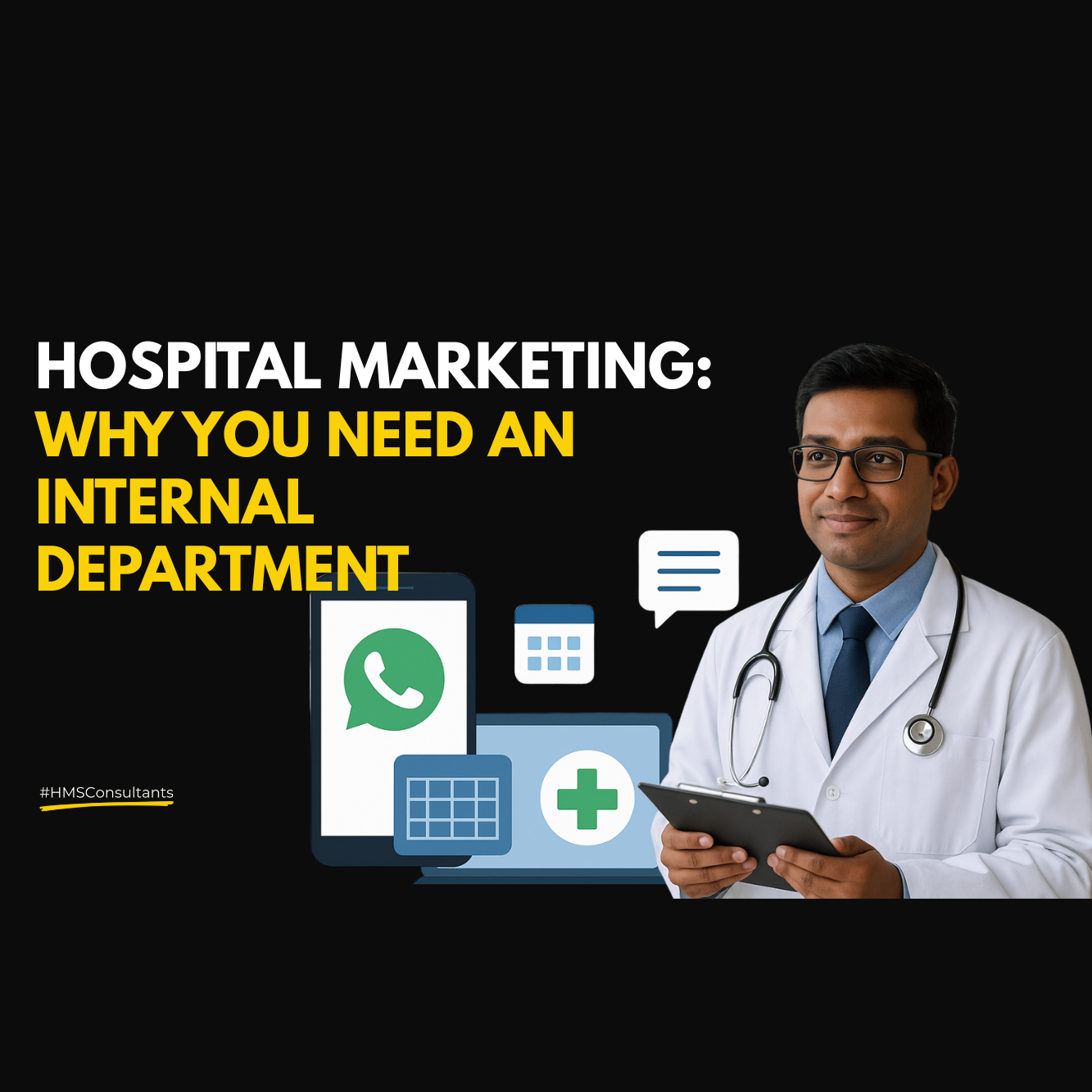
            Digital Strategy I Business I Digital Marketing I doctor digital marketing I healthcare digital marketing I healthcare Management I Healthcare Marketing I Healthcare Marketing Strategy I hospital marketing I Hospital Marketing Strategies I online presence

            is something we strongly believe in, which means ‘Knowledge without application is the same as having no knowledge at all

            Akhil Dave

            Principle Consultant

            Ready to take your Personal Brand to the next level?

            Share your details below and we will connect with you to discuss your growth strategy.
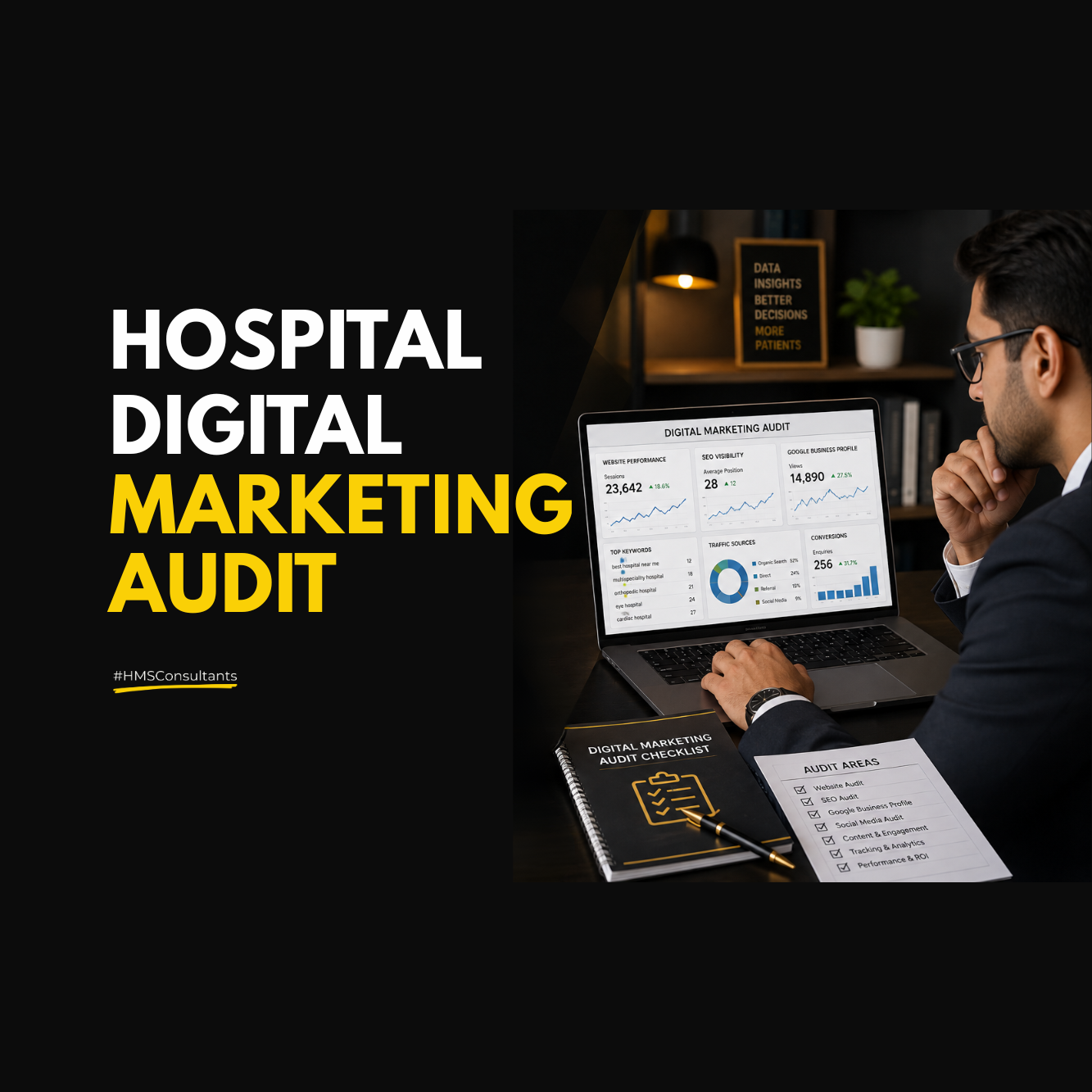
            • Hospital Marketing: How to Decide Which Services to Promote First

              Hospital Marketing: How to Decide Which Services to Promote First

              Hospital Marketing: How to Decide Which Services to Promote First

              Published on
              Share This

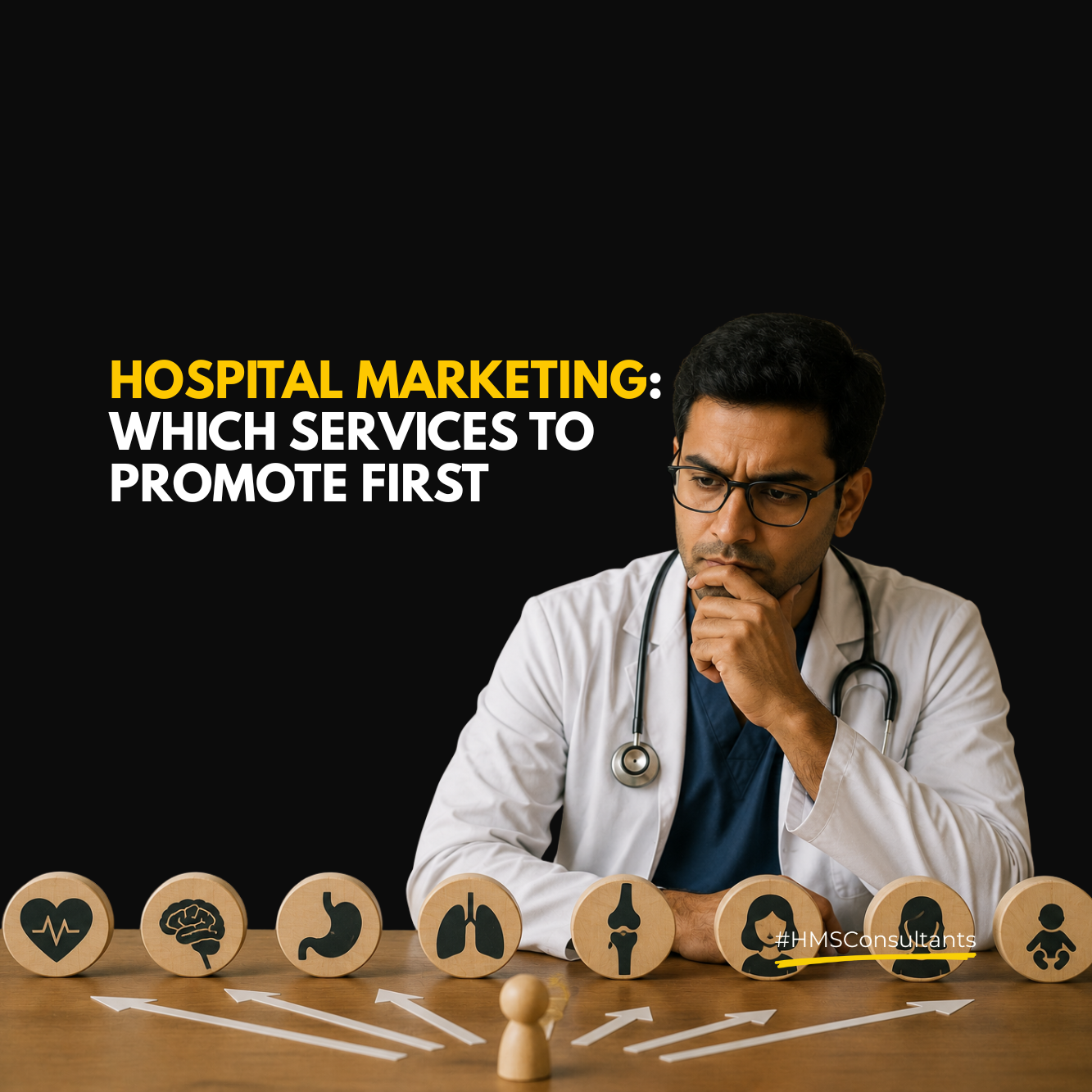
              Hospital marketing becomes difficult when everything is treated as equally important. Most hospitals have multiple departments, doctors, services, packages, and treatment areas. Naturally, every service needs visibility. But in practice, promoting everything at once often leads to scattered communication and weak results.
              A hospital cannot market emergency care, maternity, orthopedics, diagnostics, preventive health check-ups, surgery, and specialist consultations with the same message and the same urgency. Each service has different patient needs, decision time, trust requirements, and business value. This is why hospital marketing should not start with the question, “What should we post?” It should start with a better question: “Which service needs marketing attention first, and why?”

              A clear hospital marketing strategy helps hospitals decide which services to promote first based on patient demand, department readiness, local competition, service value, and growth potential.

              Why Service Prioritisation Matters in Hospital Marketing

              Many hospitals run campaigns without deciding which services deserve focus. As a result, marketing becomes too broad. One week the hospital promotes one department, the next week another, and then a general awareness post follows. This creates activity, but not always direction.

              Service prioritisation helps the hospital focus its effort where it can make the most meaningful impact.

              It helps answer:

              • Which services are patients actively looking for?
              • Which departments are underutilized?
              • Which services need better explanation?
              • Which doctors have availability to handle more patients?
              • Which services support long-term hospital business growth?
              • Which departments face stronger competition?
              • Which services are seasonal or time-sensitive?

              Without this clarity, hospital marketing may continue, but the results may remain unclear.

              Patient Demand Should Guide the First Decision

              The first factor to study is patient demand. Hospitals should not promote a service only because it exists. They should understand whether patients are searching for it, asking about it, or showing real need for it.

              Patient demand can be understood through enquiry patterns, appointment data, common patient questions, Google searches, local health concerns, seasonal illness trends, and competitor visibility.

              For example, if many patients are asking about knee pain, pregnancy care, diabetes management, fever treatment, diagnostic packages, or cardiac check-ups, those areas may need stronger communication.

              This does not mean only high-demand services should be promoted. But demand helps the hospital know where patient interest already exists. Marketing can then improve visibility, explain the service better, and guide patients more clearly.

              A hospital marketing strategy should always connect service promotion with real patient behaviour.

              Department Readiness Comes Before Promotion

              A common mistake in hospital marketing is promoting a service before the department is ready to handle the response.

              If marketing brings enquiries but the doctor is not available, the front desk is not informed, the appointment process is unclear, or follow-up is weak, the campaign may damage trust instead of supporting growth.

              Before promoting any service, the hospital should check:

              • Is the doctor or department available consistently?
              • Can the team handle more enquiries?
              • Is the front desk trained to explain the service?
              • Is the appointment process simple?
              • Is the website information clear?
              • Are packages, reports, or instructions ready where needed?
              • Is follow-up being handled properly?

              Hospital service promotion should not create demand that the hospital cannot manage. Good marketing works only when the patient journey behind it is prepared.

              Underused Services May Need Visibility First

              Many hospitals have strong services that patients do not know about. These may be clinically valuable, but they remain underutilised because they are not clearly visible online or offline.

              Sometimes the service exists on the hospital premises, but it is missing from the website. Sometimes it is not mentioned properly on Google Business Profile. Sometimes the doctor is available, but patients do not know that the department offers that care.

              Underused services can be identified by checking:

              • Services with low enquiries
              • Departments not clearly explained online
              • Doctors with weak digital visibility
              • Treatments not covered in content
              • Services missing from Google Business Profile
              • Low patient awareness despite strong capability

              These services may not need paid ads immediately. They may first need clear service pages, patient education content, doctor-led videos, Google updates, and better internal communication.

              In hospital marketing, visibility should begin with clarity.

              Growth Potential Should Be Considered Carefully

              Hospital marketing must remain ethical and patient-centred, but hospitals also need to understand which services support long-term sustainability. Some services may have higher demand, stronger repeat value, better department capacity, or greater positioning importance for the hospital.

              This is where hospital growth strategy becomes important.

              Hospitals should look at:

              • Patient need
              • Clinical strength
              • Revenue potential
              • Doctor availability
              • Department capacity
              • Local competition
              • Long-term brand positioning

              For example, if a hospital has strong orthopaedic expertise but patients are choosing competitors for joint pain or fracture care, that department may need focused promotion. If diagnostics are available but underused, preventive health packages may need better communication.

              Marketing should support services where the hospital has genuine capability, not only where it wants more visibility.

              Competition Can Reveal Service Opportunities

              A hospital should not copy competitor marketing, but it should understand what competitors are doing. Local competition often shows which services are being pushed heavily and where gaps may exist.

              Hospitals should observe:

              • Which services competitors promote most
              • How they explain those services
              • Which doctors or departments are visible online
              • What patients mention in competitor reviews
              • Where competitors are strong or weak
              • Which patient questions remain unanswered

              If many hospitals are promoting the same service, your hospital needs a clearer positioning angle. If competitors are weak in an area where your hospital has strength, that service may become a strong marketing opportunity.

              Hospital service promotion should be based on differentiation, not imitation.

              Timing Can Improve Marketing Response

              Some hospital services perform better when promoted at the right time. Timing can depend on seasons, awareness months, local health patterns, school calendars, corporate cycles, or disease trends.

              For example, fever and infection care may need stronger communication during monsoon. Respiratory care may become more relevant during pollution season. Preventive health packages may work well around health awareness campaigns. School health check-ups may be planned before academic sessions.

              Hospitals should build a service-wise marketing calendar instead of deciding campaigns at the last moment.

              This helps plan:

              • Awareness posts
              • Doctor videos
              • Google updates
              • Blog content
              • Local campaigns
              • Preventive health messages
              • Patient education material

              When timing is planned, hospital marketing becomes more consistent and less random.

              The Marketing Route Should Match the Service

              Not every service needs the same marketing channel. Some services need search visibility. Some need patient education. Some need doctor credibility. Some need local awareness. Some need Google Business Profile optimization. Some need paid campaigns.

              For example, high-search services may need SEO and Google visibility. Complex services may need blogs and educational videos. Doctor-led services may need profile strengthening and credibility-building content. Preventive services may need awareness campaigns. Competitive services may need stronger service positioning.

              The better question is not, “Should we run ads?”

              The better question is, “What does this service need before patients respond?”

              This is where hospital marketing becomes strategic. The channel should come after the service priority is clear.

              Conclusion

              Hospital marketing becomes stronger when hospitals stop promoting everything equally and start prioritising services strategically.

              Every service does not need the same campaign, message, platform, or budget. Some services need awareness. Some need search visibility. Some need doctor credibility. Some need better patient education. Some need operational readiness before promotion.

              A clear hospital marketing strategy helps hospitals decide which services to promote first based on patient demand, department readiness, competition, timing, and growth potential.

              For hospitals that want sustainable growth, marketing should not begin with random activity.

              It should begin with the right service priority.

              Contact Us HMS Consultants

              Hospital marketing is the process of promoting a hospital’s services, departments, doctors, and patient care in a planned way. In this blog context, it means deciding which services should be promoted first based on patient demand, department readiness, competition, and growth potential.

              Healthcare Marketing I Digital Strategy I healthcare digital marketing I healthcare Management I Healthcare Marketing Strategy I hospital marketing I Hospital Marketing Strategies I Hospital Marketing Strategy

              is something we strongly believe in, which means ‘Knowledge without application is the same as having no knowledge at all

              Akhil Dave

              Principle Consultant

              Ready to take your Personal Brand to the next level?

              Share your details below and we will connect with you to discuss your growth strategy.

              • The Website for Hospital That AI Won’t Recommend and Patients Can’t Find

                The Website for Hospital That AI Won’t Recommend and Patients Can’t Find

                The Website for Hospital That AI Won’t Recommend and Patients Can’t Find

                Written by
                Published on
                Share This

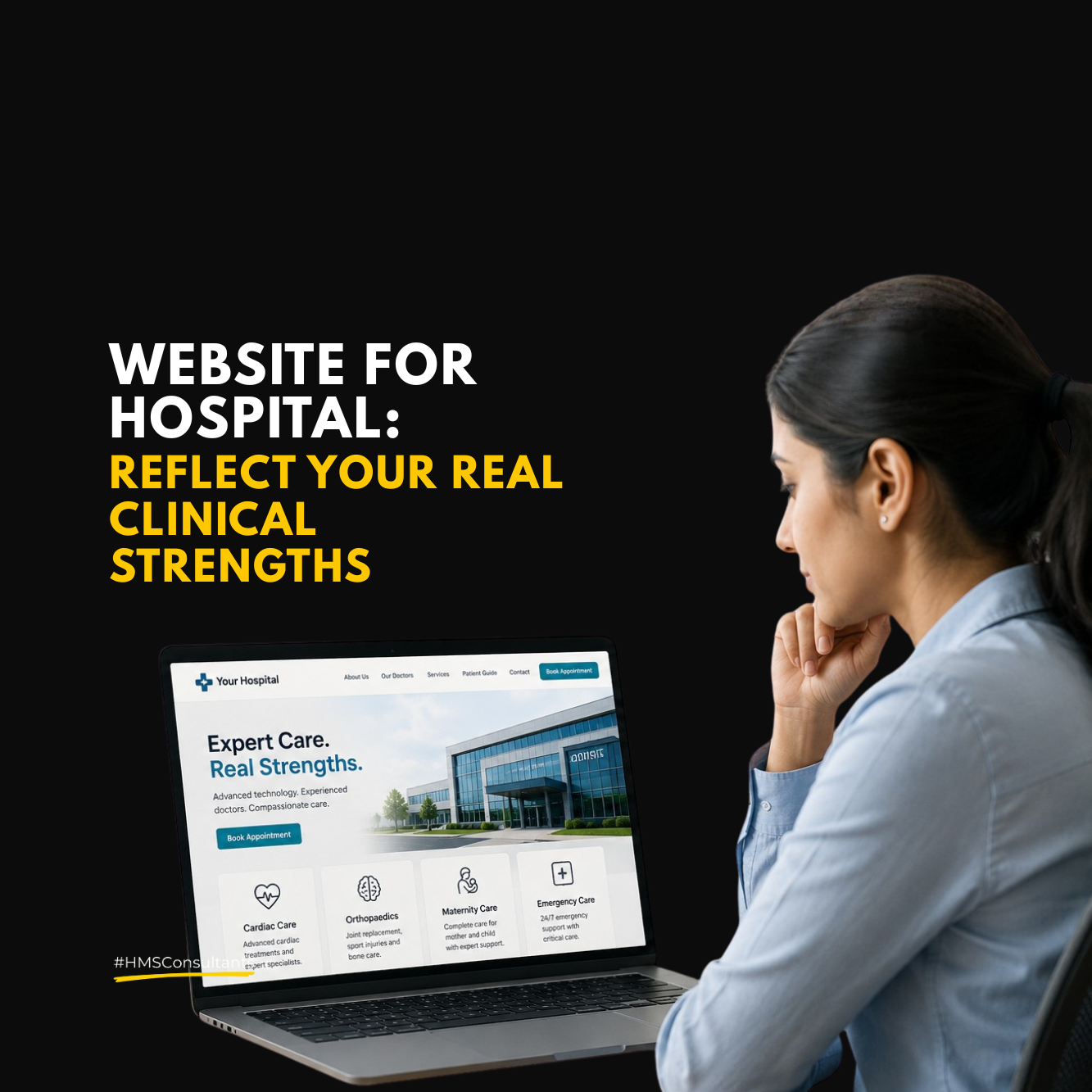
                A website for hospital in 2026 is no longer just a digital presence. It is a discovery asset. And most hospital websites in India today are failing at discovery not because they are absent, but because they are built the wrong way for how patients and AI systems now search for healthcare. The problem is no longer about having a website. The problem is about whether that website can be found, understood, and recommended by both patients and the AI systems that now influence healthcare decisions before a human ever clicks.

                Two significant shifts have happened in patient search behaviour simultaneously. Understanding both is now essential for any hospital that wants its website to generate consistent enquiries.

                How Patients Search for Hospitals Has Changed Completely

                A few years ago, patients searched broadly.

                They typed:

                • “Hospital near me”
                • “Best hospital in Ahmedabad”
                • “Multi-specialty hospital”

                Today, that behaviour has changed. Patients search with specific intent.

                They now search:

                • “Laparoscopic surgeon for hernia in Surat”
                • “Best hospital for knee replacement in Pune”
                • “Paediatric neurologist in Vadodara”
                • “Normal delivery hospital with NICU facility”
                • “Cardiologist for heart valve surgery in Nagpur”

                This shift from broad to specific is critical. A patient searching this specifically is not browsing. They are deciding. They are comparing. They are close to taking action.

                And when they land on a hospital website that shows a generic services list one page covering all twenty departments in five lines each they do not find what they are looking for. They leave. Silently. Without enquiring.

                The website for hospital that lists “Orthopaedics, Cardiology, Neurology, Gynaecology, Paediatrics” on a single services page is not speaking to a patient searching for a specific procedure. It is speaking to no one in particular.

                What AI Search Is Doing to Hospital Discoverability

                The second shift is more recent and far less understood by most hospital marketing teams.

                Patients in 2026 are not only using Google to search. They are using AI tools Google AI Overview, ChatGPT, Perplexity, and similar platforms to ask healthcare questions directly.

                They ask:

                • “Which hospital in Jaipur is best for ACL surgery?”
                • “What should I look for in a hospital for a difficult pregnancy?”
                • “Is robotic surgery available at hospitals in Indore?”

                These AI systems do not simply show links. They read, analyse, and summarise hospital websites before presenting recommendations. They look for structured, specific, and credible content to pull answers from.

                When a hospital website is generic, unstructured, and thin on department-specific content, AI systems cannot extract meaningful information from it. The hospital effectively does not exist in AI-generated responses even if it has an excellent clinical reputation.

                This is the new invisibility. A hospital can have a functional website, a Google Business listing, and active social media and still be completely absent from AI-driven patient searches because its website for hospital is not structured for how AI reads content.

                Why Generic Websites Fail Both Patients and AI

                Most hospital websites are built from an internal perspective. Hospitals decide what to display based on what they want to communicate their infrastructure, their achievements, their departments.

                But patients and AI systems approach a website from the outside in. They arrive with a specific question. They want a specific answer.

                A generic website answers no specific question well.

                When a patient with a knee problem lands on a page that says “Orthopaedics Department – We offer comprehensive orthopaedic care,” they learn nothing useful. There is no doctor named. No procedure explained. No recovery timeline mentioned. No success rate referenced. No trust signal relevant to their specific concern.

                That patient moves on.

                And when an AI system reads the same page while answering “best knee replacement hospital in Pune,” it finds no structured, specific content to recommend. That hospital is skipped in favour of one that has a dedicated knee replacement page with detailed, patient-relevant content.

                What Specialty-Specific Pages Do for a Hospital Website

                A specialty-specific page is a dedicated page for one condition, one procedure, or one department built around what a patient actually wants to know before deciding.

                A well-built specialty page for orthopaedics, for example, does not just say “we treat bone and joint conditions.” It answers:

                • What conditions are treated and by which doctors.
                • What procedures are performed and how they are done.
                • What patients can expect before, during, and after treatment.
                • What the recovery process looks like.
                • What makes this hospital’s approach different?
                • How to book a consultation.

                This kind of content serves two purposes simultaneously. It gives the specific patient the clarity they need to trust and enquire. And it gives AI systems the structured, specific content they need to recommend the hospital in relevant searches.

                A website for a hospital with fifteen well-built specialty pages is not just a better website. It is a fundamentally more discoverable asset for patients and AI alike.

                The Silent Cost of Not Updating the Website

                Most hospitals built their websites once and stopped. The content is the same as it was three years ago. No new doctor has been added. No new procedure has been explained. No new patient question has been answered.

                Meanwhile, patient search behaviour has evolved. AI search has emerged. Competitors have built deeper, more structured content.

                Every month a hospital website sits unchanged, it falls further behind in both human and AI-driven discoverability. Patients land, find nothing specific, and leave. AI reads the page, finds nothing to recommend, and skips it.

                The hospital does not see this happening. There are no complaints. The phone is still ringing from patients who already know the hospital through other means. But the patients who are searching specifically, comparing actively, and deciding digitally are choosing somewhere else.

                That is the cost. And it compounds every month.

                Conclusion

                A website for hospital in 2026 must do more than exist. It must be built for how patients actually search with specific intent, specific questions, and specific expectations. And it must be structured for how AI systems now read and recommend healthcare providers before patients even visit a page.

                Generic websites built around departments and infrastructure are no longer sufficient. Hospitals that build specialty-specific, patient-intent-driven content will be found by patients and by AI. Hospitals that do not will remain invisible to both, regardless of how good their clinical care actually is.

                The website for hospital that patients can find is the one built around their questions. The one AI will recommend is the one structured around their answers.

                In 2026, those are the same website.

                Contact Us HMS Consultants

                A website for hospital helps patients find the right doctor, understand available treatments, verify credibility, and book appointments all before visiting physically. Without one, hospitals remain invisible to patients who search online before making any healthcare decision.

                hospital marketing I Digital Marketing

                is something we strongly believe in, which means ‘Knowledge without application is the same as having no knowledge at all

                Akhil Dave

                Principle Consultant

                Ready to take your Personal Brand to the next level?

                Share your details below and we will connect with you to discuss your growth strategy.

                • The 7 Ps of Marketing in Healthcare: Why Knowing the Framework Is Not Enough.

                  The 7 Ps of Marketing in Healthcare: Why Knowing the Framework Is Not Enough.

                  The 7 Ps of Marketing in Healthcare: Why Knowing the Framework Is Not Enough.

                  Written by
                  Published on
                  Share This

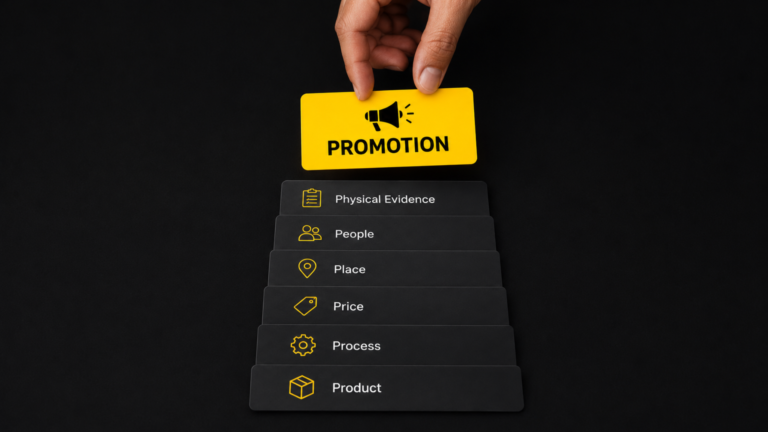
                  The 7 Ps of marketing – Product, Price, Place, Promotion, People, Process, and Physical Evidence are widely discussed in healthcare boardrooms, marketing meetings, and strategy presentations across India. Most hospital marketing teams are already familiar with the framework. Many have even presented it in internal reviews. Yet most hospitals continue to grow inconsistently, lose patients they already attracted, and struggle with conversion despite active marketing. The reason is not that hospitals do not know the 7 Ps of marketing. The reason is that most hospitals act on only one of them.

                  That one P is almost always Promotion.
                  Budgets go toward ads, creatives, social media management, and campaigns. The other six Ps remain unaddressed. And quietly, that imbalance becomes the real reason marketing does not deliver the results it should.

                  When Promotion Becomes the Only P That Gets Attention.

                  Most hospital marketing conversations begin and end with promotion.

                  How many ads should we run? Which platform should we use? Should we increase the budget?

                  These are valid questions. But promotion is only one part of a seven-part system.

                  When a hospital focuses only on:

                  • Meta campaigns.
                  • Social media posts.
                  • Google Ads.
                  • Newspaper promotions.
                  • Hoardings and outdoor branding.

                  Without addressing the remaining six Ps, it creates a very specific problem.

                  Patients are attracted. But once they arrive digitally or physically the experience does not match the promise.That gap between the promoted image and the actual experience is where patient trust breaks down.

                  And broken trust is far harder to rebuild than it is to build from the beginning.

                  Hand lifting a yellow “Promotion” card above stacked healthcare marketing elements, representing the 7 P’s of marketing and the importance of promotion within healthcare strategy.

                  Product: What Are You Actually Offering the Patient?

                  In the 7 Ps of marketing framework, Product in healthcare is not about equipment or departments.

                  It is about what the patient actually receives the total experience of seeking, receiving, and recovering from care.

                  Most hospitals define their product internally:

                  • “We have 200 beds.”
                  • “We offer 12 specialities.”
                  • “We have the latest diagnostics.”

                  But patients do not experience infrastructure. They experience:

                  • How the first phone enquiry was handled.
                  • Whether the doctor explained things clearly.
                  • Whether they felt heard or processed.
                  • Whether the recovery guidance made sense.

                  When the Product P is weak, no amount of promotion brings consistent growth. Because the patient experience does not justify the patient’s decision to return or refer.

                  Price: It Is Not Just the Fee on the Receipt.

                  Price in healthcare is misunderstood in two directions.

                  Some hospitals believe lower prices attract more patients. Others believe premium pricing automatically signals quality.

                  Both assumptions miss the real role of Price in the 7 Ps of marketing.

                  What patients actually evaluate is not the number. It is the confidence that the number creates.

                  Patients lose confidence when:

                  • Estimates change without explanation.
                  • Billing feels confusing or incomplete.
                  • The cost does not match the perceived experience quality.
                  • There is no transparency during the treatment journey.

                  Clear, predictable pricing reduces hesitation. Unclear pricing delays decisions. And in healthcare, a delayed decision often means the patient chose another provider entirely.

                  Place: More Than a Pin on Google Maps.

                  Place in the 7 Ps of marketing has expanded completely beyond physical location.

                  Patients today experience a hospital’s “place” across multiple digital touchpoints before they ever visit physically:

                  • Google search results.
                  • Maps listing accuracy and reviews.
                  • Website clarity and speed.
                  • WhatsApp responsiveness.
                  • Practo or Justdial presence.

                  A hospital with excellent infrastructure but poor digital discoverability is still invisible to patients who are actively searching.

                  This is why the Place P cannot be treated as solved simply because the hospital exists in a visible location.

                  The hospital must also exist clearly and consistently in the spaces where patients make their first decisions which are almost always digital in 2026.

                  People: The P That Either Builds or Destroys Everything Else.

                  Of all the 7 Ps of marketing, People is the one that has the most direct impact on trust and the one most hospitals invest in the least from a marketing perspective.

                  People in this context means every individual a patient interacts with:

                  • Front desk staff.
                  • Patient coordinators.
                  • Ward attendants.
                  • Billing executives.
                  • Doctors during follow-up.

                  A single dismissive interaction at the front desk can undo everything a ₹2 lakh ad campaign built.

                  Patients do not experience brands. They experience people.

                  And how those people speak, listen, respond, and communicate becomes the hospital’s real brand regardless of what the creative agency produces.

                  Process: The Silent Reason Patients Don’t Return.

                  Most hospitals lose existing patients not to competitors, but to friction.

                  Process refers to how smoothly a patient moves through every stage of their healthcare journey:

                  • Appointment booking.
                  • Waiting time management.
                  • Consultation flow.
                  • Post-treatment follow-up.
                  • Discharge communication.
                  • Billing clarity.

                  When any part of this flow feels confusing, delayed, or disorganised, the patient’s confidence weakens.

                  They may not complain loudly. But they do not return quietly.

                  In the 7 Ps of marketing, Process is the operational backbone of trust. Hospitals that simplify their patient journey internally usually see stronger reviews, better retention, and more organic referrals without spending more on promotion.

                  Physical Evidence: What Patients See Before They Decide.

                  Physical Evidence is the P most hospitals confuse with aesthetics.

                  It is not only about a clean lobby or matching uniforms. It is about every visible cue that communicates: this hospital can be trusted.

                  In 2026, physical evidence begins online:

                  • Is the website current and professional?
                  • Do the Google reviews reflect the experience being promised?
                  • Are doctor profiles complete and credible?
                  • Does the social media presence feel consistent or abandoned?

                  When physical evidence is weak or inconsistent, patients experience doubt even if the actual healthcare quality is excellent.

                  That doubt is often enough to make them choose a competitor who looks more credible, even if they are clinically equivalent.

                  Why the 7 Ps of Marketing Work Only as a System.

                  The framework was never designed to be used partially.

                  Each of the 7 Ps of marketing connects to the others. A strong promotion strategy that drives patients to a poor process creates frustrated patients. Strong people working within a confusing process still lose patients. Excellent physical evidence online that contradicts the physical experience on the ground destroys trust permanently.

                  Hospitals that treat the 7 P’s as a checklist to present in a board meeting and then ignore do not see results from their marketing investment.

                  Hospitals that treat the 7 P’s as an operational audit continuously improving each element usually build the kind of growth that does not depend on constant ad spending.

                  Conclusion

                  The 7 Ps of marketing are not a theoretical framework meant for textbooks. They are a diagnostic tool. When marketing is not delivering results, the answer is almost always found somewhere in the six P’s that are being ignored.

                  Promotion can create awareness. But it cannot fix a weak product, unclear pricing, poor digital presence, undertrained people, broken processes, or inconsistent physical evidence.

                  Hospitals that are growing consistently in 2026 are not necessarily spending more. They are usually the hospitals that have aligned all seven elements and built a patient experience that marketing can finally support rather than compensate for.

                  Because when all 7 P’s work together, patients do not need to be convinced. They choose on their own.

                  Contact Us HMS Consultants

                  The 7 P’s of marketing are Product, Price, Place, Promotion, People, Process, and Physical Evidence. In healthcare, these seven elements together shape how patients discover, evaluate, trust, and choose a hospital or clinic.

                  Healthcare Marketing I hospital marketing

                  is something we strongly believe in, which means ‘Knowledge without application is the same as having no knowledge at all

                  Akhil Dave

                  Principle Consultant

                  Ready to take your Personal Brand to the next level?

                  Share your details below and we will connect with you to discuss your growth strategy.

                  • Most Hospitals Still Misunderstand Medical Marketing

                    Most Hospitals Still Misunderstand Medical Marketing

                    Most Hospitals Still Misunderstand Medical Marketing

                    Written by
                    Published on
                    Share This

                    Medical marketing is one of the most misunderstood functions inside Indian hospitals today. Most hospitals believe medical marketing means:
                    • Advertisements.
                    • Social media posts.
                    • Newspaper campaigns.
                    • Hoardings.
                    • Healthcare camps.
                    • Digital promotions.
                    But despite spending heavily on these activities, many hospitals still struggle with:
                    • Low OPD growth.
                    • Weak patient recall.
                    • Poor engagement.
                    • Inconsistent referrals.
                    • Limited long-term brand preference.

                    This is where the real problem begins.
                    Most hospitals are not failing because they are doing less marketing.
                    They are failing because they misunderstand what medical marketing actually is.
                    That is becoming one of the biggest challenges in healthcare marketing in 2026.

                    Medical Marketing Is Not Just Advertising

                    One of the biggest misconceptions in hospital marketing is treating medical marketing as advertising.

                    Advertising is only one part of medical marketing.

                    It is not the entire system.

                    Many hospitals spend lakhs on:

                    • Newspaper ads.
                    • Meta campaigns.
                    • Google Ads.
                    • Outdoor branding.
                    • Social media creatives.
                    • Promotional activities.

                    But after all the spending, patient growth still remains inconsistent.

                    Why?

                    Because patients do not choose hospitals only because they saw an advertisement.

                    Healthcare decisions work differently.

                    When patients need serious healthcare support, they usually:

                    • Ask family members.
                    • Search doctor names.
                    • Check reviews.
                    • Compare trust signals.
                    • Speak to referred doctors.
                    • Evaluate credibility before choosing a hospital.

                    This means medical marketing is not simply about visibility.

                    It is about building trust before the patient even walks into the hospital.

                    Most Hospitals Treat Medical Marketing Like a Department

                    Another major problem is that many hospitals treat medical marketing as an isolated department instead of a complete patient growth system.

                    The marketing team runs campaigns.

                    The reception team works separately.

                    Doctors communicate differently.

                    Patient follow-ups are inconsistent.

                    Online reputation is unmanaged.

                    And discharge communication ends the relationship completely.

                    As a result, the patient experience becomes disconnected.

                    Effective medical marketing does not work like isolated activities.

                    It works like a connected system where:

                    • Trust.
                    • Communication.
                    • Visibility.
                    • Patient experience.
                    • Retention.
                    • Advocacy.

                    Work together continuously.

                    That is where most hospitals struggle.

                    The Biggest Medical Marketing Mistake: Selling Services Instead of Solving Problems

                    Most hospital communication sounds almost identical.

                    Hospitals repeatedly talk about:

                    • Advanced technology.
                    • Expert doctors.
                    • Modern infrastructure.
                    • Comprehensive treatment.
                    • Patient-first care.

                    The problem is that almost every hospital says the same thing.

                    Patients rarely choose hospitals because of generic statements.

                    Patients choose hospitals when they feel:

                    • Understood.
                    • Reassured.
                    • Guided.
                    • Emotionally confident.

                    This is one of the biggest shifts happening in healthcare marketing.

                    Patients respond more strongly to communication that addresses:

                    • Their fear.
                    • Their confusion.
                    • Their symptoms.
                    • Their questions.

                    For example:

                    “Advanced orthopaedic department” feels promotional.

                    But:

                    “Worried about knee pain getting worse while climbing stairs?” feels personal.

                    That difference changes patient attention completely.

                    Strong medical marketing speaks to patient problems before promoting hospital services.

                    Most Hospitals Ignore Patients After Discharge

                    One of the most overlooked parts of hospital marketing is patient retention.

                    Many hospitals focus heavily on acquiring new patients while completely ignoring existing patients after discharge.

                    The patient visits once.

                    Treatment happens.

                    And communication stops.

                    No follow-up.
                    No educational content.
                    No reminders.
                    No relationship-building.

                    Six months later, when the patient needs healthcare support again, they search again from the beginning.

                    Sometimes they choose another hospital entirely.

                    This is one of the biggest invisible losses in medical marketing today.

                    Existing patients already:

                    • Know the hospital.
                    • Understand the experience.
                    • Trust the doctors.

                    Yet many hospitals fail to nurture that trust consistently.

                    Retention marketing often creates higher long-term ROI than constantly chasing new patient acquisition.

                    Effective Medical Marketing Works Through Trust

                    One of the most important shifts happening in medical marketing is the movement from promotion-based communication toward trust-based communication.

                    Patients today evaluate hospitals across:

                    • Google reviews.
                    • Maps visibility.
                    • Doctor videos.
                    • Healthcare content.
                    • Social media.
                    • Referrals.
                    • Online reputation.

                    This means trust is being built continuously across multiple digital touchpoints.

                    Hospitals that consistently:

                    • Educate patients.
                    • Simplify communication.
                    • Respond professionally.
                    • Maintain visibility.
                    • Create reassuring patient experiences.

                    Usually build stronger long-term preference.

                    This is where medical marketing becomes different from advertising.

                    Advertising creates visibility.

                    Trust creates patient decisions.

                    The T-V-A Approach to Medical Marketing

                    One of the simplest ways to understand effective medical marketing is through three pillars:

                    These three pillars work together continuously.

                    Trust

                    Patients must trust the hospital before choosing it confidently.

                    Trust is built through:

                    • Educational content.
                    • Reviews.
                    • Referrals.
                    • Doctor communication.
                    • Patient experience.
                    • Reputation.

                    Visibility

                    Once trust-building starts, the hospital must remain visible where patients search.

                    This includes:

                    • Google search.
                    • Maps.
                    • Social media.
                    • YouTube.
                    • Healthcare content.
                    • Local SEO.

                    Advocacy

                    The strongest medical marketing happens when patients start recommending the hospital themselves.

                    This happens when:

                    • Patient experiences feel memorable.
                    • Communication feels human.
                    • Follow-ups feel personal.
                    • Patients feel genuinely cared for.

                    Advocacy turns patients into long-term growth drivers.

                    Why This Matters More in 2026

                    Healthcare decisions are becoming increasingly digital.

                    Patients now compare hospitals faster than ever before.

                    At the same time, patient attention spans are shrinking.

                    This means hospitals can no longer depend only on advertisements to grow consistently.

                    Patients expect:

                    • Credibility.
                    • Clarity.
                    • Reassurance.
                    • Accessibility.
                    • Trust signals.

                    Before making healthcare decisions.

                    That is why medical marketing in 2026 is becoming:

                    • More strategic.
                    • More patient-centric.
                    • More trust-driven.
                    • More system-oriented.

                    Hospitals that continue treating medical marketing only as promotion will struggle to build long-term patient preference.

                    Conclusion

                    Most hospitals still misunderstand medical marketing because they treat it as advertising instead of a patient trust-building system.

                    The problem is not lack of spending.

                    The problem is lack of strategic alignment.

                    Effective medical marketing is not built only through campaigns, promotions, or visibility.

                    It is built through:

                    • Trust.
                    • Communication.
                    • Patient experience.
                    • Retention.
                    • Visibility.
                    • Advocacy working together continuously.

                    In 2026, hospitals that understand this shift will build stronger patient relationships, stronger recall, and stronger long-term growth.

                    Because patients do not choose hospitals only because they see them.

                    They choose hospitals because they trust them.

                    Contact Us HMS Consultants

                    Medical marketing is the strategic process of building trust, visibility, patient engagement, and long-term relationships for hospitals, clinics, and healthcare providers through communication, branding, patient experience, and digital presence.

                    hospital marketing I Digital Marketing I Healthcare Marketing Strategy I Medical Marketing

                    is something we strongly believe in, which means ‘Knowledge without application is the same as having no knowledge at all

                    Akhil Dave

                    Principle Consultant

                    Ready to take your Personal Brand to the next level?

                    Share your details below and we will connect with you to discuss your growth strategy.