Search results for: “marketing trends”

  • How to Select a Name, Logo & Tagline for Your New Hospital

    How to Select a Name, Logo & Tagline for Your New Hospital

    How to Select a Name, Logo & Tagline for Your New Hospital

    Written by
    Published on
    Share This

    Boost your brand with emotional clarity, strategic identity, and legal compliance

    The Strategic Importance of Naming & Visual Identity

    1. Why Hospital Naming and Branding Matter

    Choosing the right name, logo, and tagline isn’t decoration it’s your first conversation with patients. These elements signal:

    • Trust and clarity in a crowded market
    • Clinical credibility, even before the first consult
    • Differentiation, positioning your hospital’s unique care proposition 

    Branding is like a clinical diagnosis: you must define the problem (audience need), prescribe solutions (your name & visual identity), and monitor outcomes (patient perception).

    2. Selecting the Right Name

    2.1 Be Memorable, Meaningful & Descriptive

    • Keep it short and easy to pronounce
    • Focus on benefits or specialties, not just founder names
    • Example: “Prognos Health” conveys insight unique yet resonant in brand storytelling 

    2.2 Ensure Legal Clarity

    • Check for trademark conflicts and any naming restrictions under hospital registration laws
    • Let legal counsel review for compliance and uniqueness

    2.3 Do a domain market search

    • Confirm URL availability and across social platforms

    3. Building a Cohesive Logo

    3.1 Visual Simplicity & Symbolism

    • Avoid visuals that confuse or mislead. 
    • Choose symbols that support your mission (e.g., compassionate care, advanced medicine) 

    3.2 Versatility & Readability

    • Must scale legibly: from signage to app icon
    • Specify clear space rules and simplified versions of the logo.

    4. Crafting a Tagline That Resonates

    4.1 The Power of a Tagline

    A tagline is your brand’s value proposition in six words  . Effective taglines are:

    • Focused: highlight one core benefit
    • Short: easy to recall
    • Emotionally resonant: connect without hyperbole

    Examples:

    • “Your Partner in Lifelong Care”
    • “Compassionate Healing, Advanced Medicine”
    • “Where Families Find Health & Hope”

    Avoid stale clichés like “5-star care” or “highest quality” they fail to differentiate and may undermine uniqueness  .

    5. Building a Branding System

    5.1 Develop a Brand Positioning Statement

    Life your brand’s foundation from the formula:

    For [target audience] who [need], [Hospital Name] is a [hospital type] that [primary benefit]. Unlike [competitors], our brand [differentiator].   

    Your tagline should reinforce this core positioning.

    5.2 Create Visual & Brand Guidelines

    • Define primary and secondary color codes.
    • Specify logo placement and clear space no distortion 

    Outline typography, messaging tone, imagery style, and accessibility standards

    6. Embedding Branding in Patient Experience

    6.1 Offline Touchpoints

    • Exterior signage: visible, readable, well-placed
    • Interior: color zones, wayfinding, comfortable aesthetics
    • Staff uniforms and badges consistent with logo and color palette

    6.2 Digital Touchpoints

    • Website, social media, and patient portal reflect unified identity
    • Video intros and animations reinforce trust during user interaction

    7. Compliance & Ethical Considerations

    • Avoid names implying unrealistic guarantees (e.g., “Miracle Care Hospital”) this violates NMC/UCPMP 
    • Respect privacy no medical claims or using patient imagery in logo or campaigns without consent
    • Ensure color contrast and design accessible to visually impaired users

    8. Implementation Roadmap & Measurement

    8.1 Measuring Brand Impact

    • Brand Awareness: through surveys and web search trends
    • Engagement Metrics: social media growth, content shares
    • Operational Consistency: audit brand usage across touchpoints
    • Patient Feedback: comments on the brand and first impressions

    Final Thought

    Naming, logo design, and tagline creation is more than branding it’s strategic brand architecture. Getting it right ensures your hospital arrives in the hearts and minds of patients before they experience your clinical care.

    Written by Dr. Omang Gupta 

    contact Us HMS Consultants 

    Doctors Digital Marketing I Healthcare Marketing I Hospital Marketing Strategies I Marketing ideas for clinics I Marketing Trends 2025 I Medical Marketing I Social Media Marketing

    is something we strongly believe in, which means ‘Knowledge without application is the same as having no knowledge at all

    Akhil Dave

    Principle Consultant

    Ready to take your Personal Brand to the next level?

    Share your details below and we will connect with you to discuss your growth strategy.

    • Public Relationship Management for Hospitals: Building Trust Beyond Treatment 2025.

      Public Relationship Management for Hospitals: Building Trust Beyond Treatment 2025.

      Public Relationship Management for Hospitals: Building Trust Beyond Treatment 2025.

      Written by
      Published on
      Share This

      A Strategic Guide to Ethical, Compliant, and Data-Driven Healthcare Communication in India – 2025 and Beyond

      In India’s fast-evolving healthcare landscape, trust isn’t just a virtue , it’s a strategic asset. As digital disruption intensifies and regulatory scrutiny tightens, Public Relationship Management (PRM) has emerged not merely as a marketing function but as a pillar of sustainable hospital growth.

      Hospitals today must do more than offer quality care. They must also communicate trust, demonstrate credibility, and above all, navigate an increasingly complex ecosystem of patient expectations, media narratives, and legal responsibilities.

      This blog redefines PRM for Indian hospitals in 2025, not as mere visibility, but as a disciplined blend of compliant innovation, ethical storytelling, digital intelligence, and community-rooted brand positioning.

      What Is Public Relationship Management in Healthcare?

      Public Relationship Management (PRM) is the strategic orchestration of communication between a healthcare institution and its stakeholders, including patients, families, referring doctors, media, civil society, and regulatory authorities.

      It spans multiple touchpoints, such as:

      • Patient storytelling & experience design (with documented informed consent)
      • Doctor-led medical journalism & expert visibility
      • Community impact campaigns aligned with public health needs
      • Crisis reputation management, especially in adverse outcomes
      • Digital platforms & search engine narrative control

      But in India’s current healthcare climate, PRM must also comply with ethical mandates particularly those under:

      • IMC Regulations
      • NMC 2023 Guidelines: We advise readers to monitor for future updates while acknowledging that the principles embedded in these regulations likely reflect the intended direction of future ethical compliance in the medical profession
      • UCMP 2024 Guidelines: These guidelines were “expanded to include medical device manufacturing companies” in September 2024. This is a significant update that broadens the scope of compliance for hospitals to an extent and that the readers should read all these guidelines.
      • Digital Personal Data Protection Act, 2023

      Reminder: Patient names, images, or testimonials must never be shared without explicit, verifiable consent. Content that hints at superiority, guaranteed results, or unjustified claims violates medical ethics and can attract penalties.

      Why Hospitals Can’t Ignore PR in 2025: The Reality Check

      1. Digital Word-of-Mouth Has Replaced Traditional Referrals

      Patients “Google before they go.” A hospital’s online presence, reviews, and visibility on platforms like Google Business, Practo, JustDial, and health forums often outweigh word-of-mouth or even brand legacy.

      2. Crisis is Not a Possibility, It’s a Certainty

      From medico-legal cases and treatment dissatisfaction to viral misinformation, every hospital is vulnerable. How your hospital prepares, responds, and communicates during these events defines your future patient volumes.

      3. Trust Deficit in Indian Healthcare

      Reports from NITI Aayog and Lancet indicate a persistent lack of trust in private healthcare in India, often driven by opaque pricing, communication gaps, and perceived commercial motives. PRM becomes a vital tool to humanize care and showcase transparency.

      4. Doctor Visibility = Institutional Authority

      A single credible media quote from a consultant can boost both the doctor’s and the hospital’s authority in that specialty, driving referrals and enhancing institutional prestige.

      The Five Pillars of a Legally Compliant PR Strategy for Indian Hospitals

      1. Digital Reputation & Feedback Management

      • Use healthcare-grade ORM tools to monitor feedback across Practo, Lybrate, Google, and Quora.
      • Set up standard operating protocols for patient complaint resolution within 72 hours.
      • Avoid incentivizing reviews because it violates IMC guidelines and Google’s spam policies.

      2. Ethical Media & Press Relations

      • Pitch non-branded public health awareness stories during events like World Heart Day, Breastfeeding Week, etc.
      • Facilitate data-backed opinion pieces authored by your specialists in regional newspapers and online publications.
      • Avoid comparative advertising. Instead, position the hospital on values, transparency, and medical integrity.

      3. Doctor Branding Within Ethical Boundaries

      • Develop SEO-optimized, factually accurate profiles of key consultants (credentials, specialties, not personal claims).
      • Host regular webinars, Q&A sessions, and community AMAs (ask-me-anything) without aggressive service pitches.
      • Use LinkedIn, YouTube, and Instagram reels to spotlight public health education, not self-promotion.

      IMPORTANT NOTE: Doctors must refrain from using titles such as “India’s No.1” or “Renowned” unless substantiated by national-level, third-party recognition or awards. Misuse can result in medical council censure.

      4. Community Engagement for Trust-Building

      • Run free checkup camps in underserved areas in partnership with local PHCs, CSR arms, or NGOs.
      • Organize parenting, nutrition, or adolescent health workshops in schools and colleges.
      • Align hospital outreach with state-specific health goals (e.g., Anaemia Mukt Bharat, TB Mukt Bharat).

      5. Crisis Communication Framework

      • Develop a Crisis SOP playbook including approval chains, spokesperson guidelines, and legal vetting protocols.
      • Appoint a trained, medically literate PR spokesperson, preferably someone with both healthcare and communication background.
      • During crises, respond within 24 hours with empathy, legal caution, and fact-based clarity.

      Smart Tools Powering Modern Healthcare PR

      Tool Category

      Examples

      Purpose

      Social Media Listening

      Hootsuite, Brandwatch, Sprout Social

      Identify patient sentiment & prevent escalation

      ORM Platforms

      RepuGen, Practo Engage, Birdeye (India)

      Review & feedback management

      AI-driven CRM & Chatbots

      Yellow.ai, Tars, Navia

      Automate patient queries and maintain engagement

      Press Release Platforms

      IndiaPRwire, BusinessWire India, Press Trust of India

      News distribution & authority building

      WhatsApp Feedback Bots

      Interakt, Gupshup

      Collect real-time OP/IPD satisfaction scores

      AI Integration: Hospitals should be encouraged to explore the strategic application of AI beyond basic chatbots for PRM. This includes AI-driven sentiment analysis for comprehensive online review monitoring, predictive analytics for early crisis identification, and personalized patient communication at scale to enhance engagement and build loyalty.   

      Data Interoperability: Seamless data flow will enable more personalized, efficient, and secure patient engagement, thereby becoming a crucial asset for advanced PRM strategies.   

      Video Content: The importance of incorporating video marketing for purposes such as virtual facility tours, authentic patient testimonials, and educational health content, given that video is projected to dominate online traffic by 2025 is highly important.

      India-Specific Best Practices: Reputation That Converts

      EXAMPLE: How a Mid-Tier Hospital in Jaipur Doubled Footfall in 6 Months

      A 200-bed multi-specialty hospital in Rajasthan improved footfall by 48% through:

      • Transparent patient billing infographics shared on Instagram
      • Regional-language health education reels by their top gynaecologist
      • Weekly newspaper columns on seasonal health tips
      • Participation in State TB and Maternal Health taskforces as a credible partner

      NOTE: Explicitly link transparent pricing models and value-based communication as direct, proactive PRM strategies to effectively combat the “trust deficit” that is often driven by perceived commercial motives and opaque pricing structures.This will demonstrate how PRM directly addresses the economic drivers of distrust.

      From Perception to Loyalty: PR as a Clinical Asset

      “A successful surgery saves a life. But a successful reputation saves a hospital.”

      Today’s patients are not only just seeking the best doctor, they’re seeking empathy, clarity, credibility, and reassurance. A well-structured, compliant and human PR strategy makes your hospital not only visible but venerable.

      Final Thought

      Compliant Innovation is the Future of Healthcare PR

      PRM in healthcare must no longer be viewed as a tactical visibility tool, but as a strategic, ethical compass in a sector increasingly under public and legal scrutiny.

      For hospitals and healthcare brands that seek long-term patient trust, compliance and innovation are not trade-offs rather they are twin engines of sustainable success.

      Written by Dr. Omang Gupta 

      HMS Consultants

      Doctors Digital Marketing I Healthcare Marketing I Hospital Marketing Strategies I Marketing ideas for clinics I Marketing Trends 2025 I Medical Marketing I Social Media Marketing

      is something we strongly believe in, which means ‘Knowledge without application is the same as having no knowledge at all

      Akhil Dave

      Principle Consultant

      Ready to take your Personal Brand to the next level?

      Share your details below and we will connect with you to discuss your growth strategy.

      • Doctor Personal Branding: A Strategic Guide to Build Trust & Visibility

        Doctor Personal Branding: A Strategic Guide to Build Trust & Visibility

        Doctor Personal Branding: A Strategic Guide to Build Trust & Visibility

        Written by
        Published on
        Share This

        In an era where patients research their doctors before ever stepping into a clinic, your digital presence is your first impression. Personal branding is no longer optional for healthcare professionals  it’s a strategic necessity. Whether you are a practicing physician, a specialist, or a clinic owner, building a trustworthy, visible, and consistent brand can directly impact your patient engagement, professional reputation, and long-term success.

        At HMS Consultants, we don’t execute campaigns  we design strategies. We help doctors like you shape your brand, clarify your message, and guide your digital and offline journey so that your execution partners (agencies or internal teams) can deliver with clarity.

        The Foundations of Personal Branding

        Define Your Niche
        Be specific. Are you a pediatric cardiologist? A cosmetic dentist? The more clearly you define your expertise, the easier it is to attract the right audience.

        Clarify Your Core Values
        Do you stand for compassionate care, patient-first diagnosis, evidence-based treatment, or affordable healthcare? Your values guide how you show up online and offline.

        Craft a Compelling Brand Story
        Patients don’t connect with degrees they connect with stories. Why did you become a doctor? What have you learned along the way? What makes your approach different?

        Building Your Online Presence

        Google My Business Optimisation
        Ensure your GMB profile is claimed, updated, and includes photos, services, working hours, and patient reviews. This improves your visibility in “doctor near me” searches.

        LinkedIn for Doctors
        Use LinkedIn to showcase thought leadership. Share case studies (with patient consent), opinion pieces on medical trends, or videos on healthcare awareness.

        Instagram & YouTube as Educational Tools
        Short-form reels build attention. Long-form YouTube videos build authority. Topics like “Myths about LASIK,” “How to manage knee pain,” or “My journey as a doctor” can go a long way.

        Personal Website or Blog
        A doctor-branded website (e.g., drrahulshah.com) adds credibility. It centralizes your content, offers SEO benefits, and builds trust over time.

        Authority Through Content

        Content Ideas for Doctors

        • Weekly health tips in your specialty
        • Behind-the-scenes videos at your clinic
        • Myth-busting series
        • Patient success stories (with consent)

        Cross-Platform Strategy
        Use YouTube for deep-dive videos, Instagram for reach, Quora for answering questions, and your website for SEO blogs.

        Consistency is King
        The most successful personal brands show up regularly. Create a content calendar and let your team or agency execute it consistently.

        Offline Touchpoints that Amplify Your Brand

        Clinic Environment
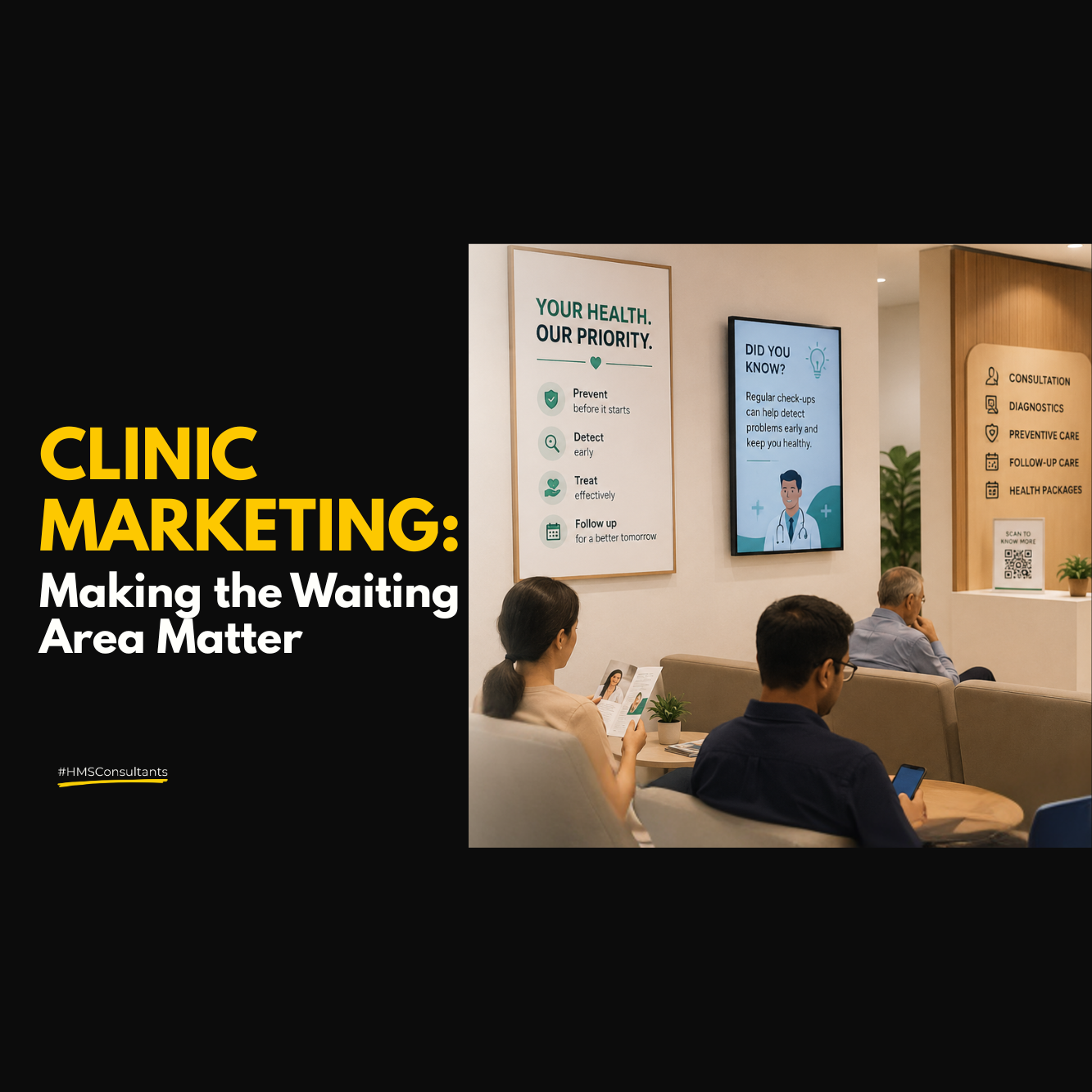
        Your waiting room, reception, wall posters, and staff dress code should all reflect your brand tone (professional, warm, modern, etc.).

        Train Your Front Desk Team
        They are the first human brand contact. Make sure they understand your vision and how to communicate it to patients with empathy and professionalism.

        Patient Reviews & Testimonials
        Encourage happy patients to leave honest feedback. Respond to reviews with gratitude and empathy.

        Common Mistakes Doctors Make

        Only relying on Instagram reels
        Platforms change. You must diversify.

        Not training your staff
        Even the best marketing fails if your front desk is rude or disorganized.

        Not showcasing your values
        People don’t just want expertise  they want relatability and trust.

        Ignoring long-form content
        Authority is built with depth, not just entertainment.

        How HMS Consultants Can Help

        We at HMS Consultants specialize in strategy-first personal branding for doctors. We don’t execute campaigns instead,

        we: Conduct Personal Brand Audits
        Create Strategic Content Blueprints
        Guide your agency/in-house team for effective execution
        Align your brand with growth, ethics, and visibility

        Our approach ensures that doctors can focus on what they do best healing while we take care of how the world perceives them.

        FAQs

        Q: What is personal branding for a doctor?
        It’s how you present yourself to the world online and offline in a way that builds trust and authority.

        Q: How can doctors benefit from branding?
        A strong personal brand leads to increased visibility, patient trust, and practice growth.

        Q: Which platforms are best for doctors to build their brand?
        Google My Business, LinkedIn, Instagram, YouTube, and your personal website/blog.

        Q: Is it ethical for doctors to promote themselves?
        Yes — when done ethically. Educating, sharing insights, and showing real value are professional, not promotional.

        Q: Can HMS Consultants help even if I already have a marketing agency?
        Absolutely. We provide the strategic direction your team or agency needs to succeed.

        CTA: Ready to Build Your Personal Brand?

        Stand out in a sea of sameness. Let HMS Consultants help you craft a clear, powerful, and ethical personal brand that builds trust, grows visibility, and supports your practice.

        Schedule your strategy call today: Hms consultants 

        Written by : Akhil Dave

        Doctors Digital Marketing I Healthcare Marketing I Hospital Marketing Strategies I Marketing ideas for clinics I Marketing Trends 2025 I Medical Marketing I Social Media Marketing

        is something we strongly believe in, which means ‘Knowledge without application is the same as having no knowledge at all

        Akhil Dave

        Principle Consultant

        Ready to take your Personal Brand to the next level?

        Share your details below and we will connect with you to discuss your growth strategy.

        • Social Media for Hospital | 2025 Blueprint

          Social Media for Hospital | 2025 Blueprint

          Social Media for Hospital | 2025 Blueprint

          Written by
          Published on
          Share This

          The New Digital Front Door & Strategic Foundations

          Why Social Media for Hospital Is Essential in 2025

          In 2025, social media isn’t just a marketing channel, it’s often the first interaction between hospitals and patients. 

          Platforms like Facebook, Instagram, and LinkedIn supplemented by short-video content to shape opinions, build trust, and frequently guide patient decisions .

          Each post must be clinically accurate, patient-centric, empathetic, and compliant with India’s NMC, UCPMP, and DPDPA regulations providing guidance without risk.

          Core Tactics: Educational & Interactive Content

          1. Informational Infographics & Carousels: Focus on trending health topics and local needs. Use clean headlines like “Top 5 Ways to Prevent Swine Flu” to support voice-search optimization .
          2. Medical Myth-Busters: Tackle misconceptions with sourced clarity e.g., “Masks don’t cause Viral Pneumonia.”
          3. Expert Explainer Videos & Live Q&As: Share short-form videos for tips (hand-washing, child CPR), and weekly Q&As to engage and reassure patients directly .
          4. Virtual Facility Tours (AR/VR ready): Offer immersive walkthroughs of OPDs and wards to reduce anxiety and build digital comfort .

          SEO & E-E-A-T Integrations

          • Embed the keyword “Social Media for Hospital” in headings and naturally within content.
          • Optimize mobile-friendliness, speed, alt-text, and structured data to reinforce trust and discoverability.
          • Embed short FAQs (“How can hospitals use social media responsibly?”) to capture snippet and voice-search traffic.

          Engagement, Trust, & Rigorous Compliance Backbone

           Authentic Engagement & Community Building

          1. Two-Way Communication: Actively respond to comments, messages, and inquiries within 24 hours. Use interactive tools like polls for example, “Which vaccination topic next week?”
          2. Geo-Targeted Awareness Ads: Use Facebook/Instagram ads in your city radius, refined by demographic needs. Promote teleconsults or free check-ups aligned with analytics .
          3. Staff & Specialist Spotlights: Highlight your nurses, support staff, and specialists. Focus on professionalism and empathy never individual health outcomes.
          4. Community Event Promotion: Live-stream screenings and camps with branded visuals. Reinforce your digital presence with offline efforts .

           Strict Regulatory Compliance

          • No patient testimonials, no surgery outcome videos NMC mandates against them, regardless of consent.
          • Replace personal stories with anonymized statistics e.g., “Our diabetic management program improves A1c for 70% of participants.”
          • Consent protocols: always use opt-in forms for patient visuals and video, with records. Include detailed privacy policies per DPDPA .

          Offer transparent content approvals, with documented reviews by legal and medical teams.

          Advanced Social Strategy & Data-Led Optimization

           Measurement, Testing, and Insights

          • Monitor reach, engagement rates, click conversions, and sentiment analysis via AI tools.
          • Conduct A/B testing to compare formats e.g., whether Reels or carousels drive better engagement.
          • Schedule quarterly compliance audits to confirm no violations of UCPMP, NMC, or DPDPA.

           Future-Proof Your Strategy

          1. AI-Generated Personalization: Use AI for captions and hashtag suggestions under human supervision. Leverage predictive analytics to determine posting calendars.
          2. Interactive Features & Short-Form Dominance: Invest in quizzes (“Breast Cancer Risk?”), AR filters (e.g., handwashing trainer), and trending Reels content .
          3. Voice-Search Optimized FAQs: Answer conversational queries: “Where can I find a pediatric allergy test nearby?” Make answers scannable and voice-friendly.
          4. Crisis Communication Plan: Predefine a protocol for rapid response to misinformation or adverse events. Train a cross-functional social media crisis team.

          Integrated Omnichannel Ecosystem & Next‑Steps Table

          Seamless Cross‑Channel Coordination

          • Synchronize messages across websites, patient portals, email, SMS, and social media to deliver unified, compliant patient journeys.
          • Embed social content within newsletters and portal notifications (e.g., “Watch our doctor explain heart attack signs”).
          • Use CDP segmentation to tailor messaging like prenatal care vs senior wellness, while securing informed opt-ins.

          Final Thoughts

          “Social Media for Hospital” isn’t just about promotion, it’s about establishing credibility, care, and ethical leadership in a regulated digital landscape.

          Written by Dr. Omang Gupta 

          contact Us HMS Consultants 

          Doctors Digital Marketing I Healthcare Marketing I Hospital Marketing Strategies I Marketing ideas for clinics I Marketing Trends 2025 I Medical Marketing I Social Media Marketing

          is something we strongly believe in, which means ‘Knowledge without application is the same as having no knowledge at all

          Akhil Dave

          Principle Consultant

          Ready to take your Personal Brand to the next level?

          Share your details below and we will connect with you to discuss your growth strategy.

          • Why Hospital Branding Matters More Than Ever in 2025

            Why Hospital Branding Matters More Than Ever in 2025

            Why Hospital Branding Matters More Than Ever in 2025

            Written by
            Published on
            Share This

            Why Hospital Branding Matters in 2025

            Branding is no longer optional it’s integral to a hospital’s identity. With private groups like Apollo, Fortis, Max, and Aster DM expanding and investing heavily in standardized branding, visual identity, and digital experience expectations are rising. Today’s patients are informed, discerning, and driven by trust before they even walk through the door.

            To thrive, hospitals must integrate strategic brand positioning with patient experience and regulatory alignment.

            Hospital Branding Idea 1: Establish a Consistent Visual Identity

            • Logo & Color Palette: Use calming, professional colors such as blues and greens, which evoke safety and trust (as seen with Apollo and Zen brands) .
            • Signage & Design Language: Employ large, readable, branded signage across various touchpoints from entry gates to in-ward features. Telangana’s government hospitals are upgrading in this area, drawing on Kerala’s proven mode.

            Uniforms & Staff Branding: Simple branding cues like uniform logos, name badges, and color-coded staff categories create visual cohesion and assure patients at every stage.

            Hospital Branding Idea 2: Create a Digital-First Platform

            • Mobile-Optimized Website: With most patients searching via smartphone , your site must load fast, be intuitive, and clearly communicate your unique value. Include rich media: video, virtual tours, patient stories.
            • AR/VR Facility Tours: Showcase your facilities online via engaging VR walkthroughs patients feel closer before they ever arrive.
            • SEO & Voice Search Readiness: Optimize for keywords such as “best IVF in Vadodara” and voice search phrases like “nearest pediatric hospital”.

            Hospital Branding Idea 3: Emotional & Educational Storytelling

            • Patient Journeys: Showcase upliftment from illness to wellness. Authentic patient stories build empathy, credibility, and recall.
            • Educational Content: Publish expert health articles, myth-busters, and doctor Q&As. Search engines reward fresh, authoritative content.
            • Live Interactions: Host Facebook/Instagram Lives with specialists to humanize your brand and answer real-time patient questions.

            Activating Brand through Experience, Advocacy, and Community

              Hospital Branding Idea 4: Expand with AI-Based Personalization

            • Smart Chatbots & Virtual Assistants: Provide 24/7 support for appointment booking and basic triage. In 2025, AI chatbots are delivering personalized engagement.
            • Predictive Insights: Automated reminders for follow-ups, screenings, or vaccinations show that you care before patients even ask.
            • Personalized Portals: Patient dashboards with health records, appointment histories, and tailored recommendations underscore your patient-centric ethos.

            Hospital Branding Idea 5: Leverage Staff & Patient Advocates

            • Internal Brand Advocacy: Inspired by research showing staff engagement reduces absenteeism by 41%, involve your teams with newsletters, recognition programs, and storytelling support.
            • Micro-Influencers & Testimonials: Collaborate with trusted local specialists and satisfied patients. Carefully follow NMC/UCPMP rules by avoiding health claims and ensuring compliance .

            Hospital Branding Idea 6: Engage Local Communities

            • Health Camps & Public Screening: Combine free services with branded materials, follow-up digital outreach, and local media coverage .
            • Strategic Partnerships: Tie-up with NGOs, schools, and technology firms to broaden your brand reach and reinforce social credibility.
            • Traditional Media Wins: Write op-eds and thought pieces for local newspapers and health magazines to reach wider audiences and improve SEO via backlinks.

            Ensuring Credibility, Compliance & Future-Ready Innovation

            Hospital Branding Idea 7: Focus on Experience & Infrastructure

            • Smart Facilities: Install interactive kiosks and digital signboards efficient navigation reflects a modern brand.
            • Mobile App Integration: Provide instant access to records, appointments, and health reminders like Karamsad’s seamless patient experience.
            • Patient-Centric Touches: Offer amenity zones, prayer areas, or green lounges. Personal details matter name greeting at doors, calm music based on regional preferences.

            Hospital Branding Idea 8: Ethics, Privacy & Accessibility

            • Regulation Follows Reality: Adhere strictly to NMC advertising rules, UCPMP guidelines, and DPDPA for data protection .
            • Inclusive Design: Ensure digital platforms and signage accommodate people with disabilities following recent AR/VR-inclusive design research.
            • Transparent Communication: Clearly label education vs. promotional content, especially in health influencer collaborations.

            Hospital Branding Idea 9: Unified Cross-Channel Strategy

            • Visual & Message Consistency: Your logo, palette, tone, and brand promise must align across online assets, print materials, uniforms, and onsite branding.
            • AR-Linked Offline Collateral: Give patients quick access to virtual tools (AR codes to lifestyle tips, appointment videos, etc.) a bridge between the physical and digital brand.

            Hospital Branding Idea 10: Brand-Proof Your Future

            • Voice Optimization: Prepare your content for smart assistants with conversational headlines like “When is the closest dialysis center?”

            AI-Powered Segmentation: Use CDPs to personalize messages prenatal reminders, senior cardio tips while safeguarding data privacy.

            Measurement, Implementation & Next Steps

            How to Measure Brand Impact

            KPI

            Measurement Tool / Example

            Brand Awareness

            Search volume, social mentions, direct site visits

            Digital Engagement

            Time on site, video views, webinar attendance

            Conversion & Referrals

            Click-to-call rates, appointment booking form fills

            Online Reputation

            Ratings/reviews, sentiment analysis via GMB & social media

            Community Reach

            Event attendance, media coverage, participant surveys

            Conclusion | Your Strategic Brand Blueprint

            Branding isn’t just marketing it’s ongoing reputation management, built on consistent trust and relevance. When done right, it increases patient comfort, improves conversion, and secures brand preference.

            Raise your brand by being modern, credible, ethical, inclusive, compliant above all, patient-centric.

            Written by Dr. Omang Gupta 

            contact Us HMS Consultants 

            Doctors Digital Marketing I Healthcare Marketing I Hospital Marketing Strategies I Marketing ideas for clinics I Marketing Trends 2025 I Medical Marketing I Social Media Marketing

            is something we strongly believe in, which means ‘Knowledge without application is the same as having no knowledge at all

            Akhil Dave

            Principle Consultant

            Ready to take your Personal Brand to the next level?

            Share your details below and we will connect with you to discuss your growth strategy.

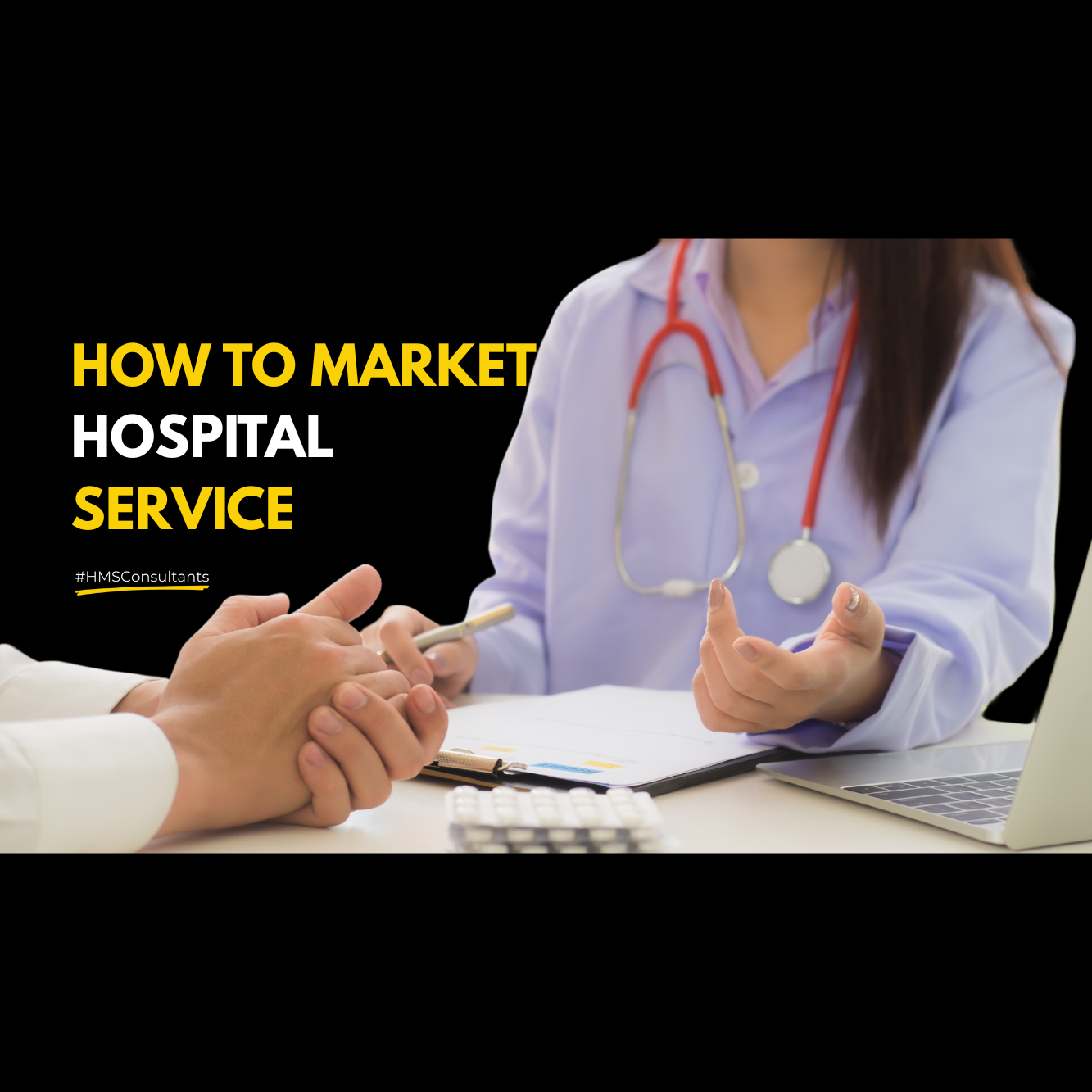
            • HOW TO MARKET HOSPITAL SERVICE

              HOW TO MARKET HOSPITAL SERVICE

              HOW TO MARKET HOSPITAL SERVICE

              Written by
              Published on
              Share This

              Shift from Hype to Humanity

              Over 80% of patients in India begin their healthcare journey with a Google search. 

              Marketing hospital services isn’t about loud advertising, it’s about being found, being trusted, and ultimately being chosen.

              Claim & Optimize Your Digital Space

              Website as the Digital OPD

              • Mobile first, fast loading pages are crucial as smartphone use grows 

              • Clear CTAs (“Book Teleconsult”, “Find OPD Slots”).

              • Specialist credentials, patient stories, service bundles.

              Search Engine & Local Optimisation

              • Optimise SEO for location + service keywords (e.g., “cardiology Jaipur”) 

              • Claim and maintain Google Business Profile with regular updates and geo-tagged images 

              • Expand visibility through directory listings like Practo and JustDial.

              Thoughtful Content & Educational Presence

              • Produce condition guides, FAQs, and myth busting posts.
              • Use video tours, expert explainers, and patient narratives 
              • Host live Q&A sessions or webinars to humanise your specialists

              Reputation Management & Reviews

              • 75% of patients trust online reviews as much as personal referrals
              • Encourage reviews and respond with empathy.
              • Use feedback for service improvements and public goodwill.

              Leverage AI for Personalization & Access

              • Integrate chatbots for 24/7 queries and appointment scheduling .
              • Use AI to segment patient journeys and send targeted health reminders.
              • Geo-targeted PPC ads complement stronger SEO efforts.

              Elevate with Telehealth & Social Trust

              • Promote teleconsultations as patient centric alternatives
              • Maintain consistent branding across online and offline touchpoints.
              • Partner with trusted influencers or local healthcare professionals to amplify authority

              Community Presence & Hybrid Engagement

              • Organize health camps & check up drives with follow up contacts.
              • Share media coverage to increase backlink credibility and visibility.

              Empower Team Advocacy

              • Encourage doctors and staff to publish articles and share patient education content.

              • Build an internal communications plan that recognizes and shares their value.

               Data Analysis & Continuous Improvement

              • Use tools like Google Search Console & CRM dashboards to monitor click to booking rates.

              • Refresh content regularly based on performance, especially what ranks.

              Compliance & Ethical Standards

              • Follow guidelines from UCPMP and NMC to avoid false claims and non peer reviewed assertations.
              • Respect data norms under India’s DPDPA to use consent based patient communications.
              • Clearly disclose sponsored content or collaborations.

              Emerging Areas for Differentiation

              • Optimize for voice search to appear in virtual assistants.
              • Explore AR/VR virtual tours for advanced patient engagement

              CONCLUSION

              Marketing That Treats Your Brand Like a Patient

              Marketing hospital services isn’t a quick fix. It’s a treatment plan, blending visibility, credibility, empathy, and optimisation.

              All the strategies mentioned above ensure that hospitals:

              • Appear in patient searches
              • Build trust and comfort
              • Optimize investments in digital and telemedicine
              • Comply with evolving ethical and data rules.


              Written by Dr. Omang Gupta 

              HMS Consultants

              Doctors Digital Marketing I Healthcare Marketing I Hospital Marketing Strategies I Marketing ideas for clinics I Marketing Trends 2025 I Medical Marketing I Social Media Marketing

              is something we strongly believe in, which means ‘Knowledge without application is the same as having no knowledge at all

              Akhil Dave

              Principle Consultant

              Ready to take your Personal Brand to the next level?

              Share your details below and we will connect with you to discuss your growth strategy.

              • The Future of Healthcare in India: AI, Telehealth & Digital Transformation 2025

                The Future of Healthcare in India: AI, Telehealth & Digital Transformation 2025

                The Future of Healthcare in India: AI, Telehealth & Digital Transformation 2025

                Written by
                Published on
                Share This

                The global healthcare industry is undergoing a seismic transformation. Two forces AI-driven personalization and telehealth are redefining how patients receive care, and how healthcare providers operate. While these innovations were accelerated by the COVID-19 pandemic, their continued integration into mainstream practice is now driven by necessity, demand, and technological advancement.

                In India, where the healthcare system must balance massive population size with accessibility and affordability, these tools are not just futuristic conveniences they are essential instruments for scalability and better outcomes. Doctors, clinics, and hospitals that adopt these tools now will not only be better prepared for the future but will become leaders in a highly competitive healthcare landscape.

                What is AI-Driven Personalization in Healthcare?

                AI-driven personalization refers to the use of artificial intelligence technologies like machine learning, predictive analytics, and natural language processing to tailor healthcare services to individual patients.

                Applications of AI in Personalized Care

                1. Predictive Diagnostics: AI can analyze vast datasets from EMRs, genetic data, wearable tech, and medical imaging to detect health issues before symptoms appear.


                2. Personalized Treatment Plans: AI tools can recommend treatment protocols based on patient history, lifestyle, genetic predisposition, and even socio-economic factors.


                3. Virtual Health Assistants: Chatbots and virtual assistants powered by AI can offer 24/7 health advice, reminders for medication, or answers to routine queries, freeing up human resources.


                4. Behavioral Insights & Adherence Monitoring: AI can detect whether patients are likely to skip medications or follow-up appointments, and trigger alerts or interventions in real time.


                Real-World Example

                Startups like HealthPlix and Qure.ai in India are already using AI to assist doctors in clinical decision-making, especially in radiology and cardiology.

                Telehealth and Virtual Care – Expanding the Reach of Medicine

                Telehealth refers to the use of video calls, apps, and remote monitoring tools to deliver healthcare services without requiring a patient to visit a hospital physically.

                Why Telehealth is Booming

                • Rural Access: It allows specialists to reach patients in Tier 2 and Tier 3 cities or remote villages.
                • Convenience & Time-Saving: No queues. No commutes.
                • Post-Treatment Monitoring: Chronic conditions like diabetes, hypertension, and post-surgery follow-ups are ideal for virtual care.
                • Pandemic Preparedness: Infections and outbreaks may become seasonal threats. Teleconsultation is a safer alternative.

                Key Features

                • E-prescriptions & Digital Records
                • Video & Audio Consultations
                • Remote Monitoring via Devices (BP cuffs, glucometers, wearables)

                In India, the Telemedicine Practice Guidelines by the MoHFW (March 2020) have legitimized this practice and encouraged widespread adoption.

                How Doctors, Clinics, and Hospitals Can Leverage These Trends

                These technologies are only as powerful as the implementation behind them. Here’s a roadmap for small clinics and large hospitals alike:

                A. For Individual Doctors

                1. Adopt a Teleconsultation Platform: Use trusted platforms like Practo, that are compliant to the medico-ethical protocols and provide end-to-end tools – video, e-prescription, payments.
                2. Create a Digital Presence: Google My Business, YouTube explainers, and Instagram health tips help build your reputation and reach.
                3. Integrate AI-based Tools: Use AI assistants for preliminary assessments or EMR tools with AI-based suggestions for diagnosis.
                4. Continuous Learning: Stay updated through CME programs focused on digital health and AI. Many are now MCI/NMC accredited.

                B. For Clinics

                1. Invest in Smart EMR/EHR Software: Choose platforms that include AI analytics to track patient outcomes, predict re-visits, and automate documentation.
                2. Remote Monitoring Services: Offer patients wearable-linked monitoring options for chronic care, especially for conditions like heart failure, diabetes, and asthma.
                3. Data-Driven Campaigns: Run personalized follow-up reminders, health alerts, and seasonal campaign messages using AI-based CRMs.
                4. Build a Hybrid Care Model: Allow patients to consult virtually for routine or non-emergency care, while keeping OPDs for more complex evaluations.

                C. For Hospitals

                1. Develop a Unified Health Intelligence Platform: Consolidate lab, radiology, nursing, and patient data into a single AI-backed dashboard for improved decision-making.
                2. Set Up a Virtual OPD Department: Create dedicated virtual outpatient services with trained telemedicine coordinators and specialist consultants.
                3. Predictive Patient Management: Use AI to forecast bed occupancy, medicine needs, or seasonal surges (e.g., dengue season).
                4. Invest in Patient Journey Analytics: Understand drop-off points, patient satisfaction scores, and digital behavior to refine hospital strategy.
                5. AI in Marketing: Use AI-powered digital marketing to reach target audiences – specific by location, symptoms, and care needs – on platforms like Google and Meta.

                Key Benefits of Early Adoption

                Benefit

                Description

                Better Outcomes

                Predictive tools catch disease early and guide treatment more accurately.

                Increased Patient Satisfaction

                Personalization and convenience boost loyalty.

                Operational Efficiency

                AI reduces repetitive tasks, speeds up documentation, and optimizes workflows.

                Revenue Growth

                Telehealth opens up new streams and reduces no-shows. AI helps with better targeting and retention.

                Scalability

                Clinics and hospitals can reach thousands more patients without physical expansion.

                Challenges and Ethical Considerations

                While the future is promising, the road isn’t without bumps.

                Challenges

                • Digital literacy among patients and some providers.
                • Data privacy and cybersecurity threats.
                • Regulatory ambiguities in AI use.
                • Infrastructure limitations in rural areas.

                Solutions

                • Start with low-cost AI tools.
                • Partner with certified telehealth platforms.
                • Educate staff and patients.

                Adopt Indian government-supported health stacks like ABHA ID and Ayushman Bharat Digital Mission (ABDM).

                Beyond the Hype: Addressing Long-Term Impacts of Digital Health

                As India and the world rapidly integrate AI-driven personalization and telehealth into mainstream care, the narrative has largely focused on efficiency, accessibility, and innovation. However, beneath the surface of this optimistic shift lies a deeper set of questions that require urgent attention. What will this transformation mean for society in the long run? Will it truly democratize access to healthcare or reinforce existing inequalities under a digital veneer?

                There is an emerging need to systematically research the long-term societal, economic, and health equity impacts of digital health technologies. One critical area is the evolving nature of the patient-provider relationship. As AI chatbots and virtual care interfaces become the new norm, the warmth of traditional bedside interactions risks being replaced by sterile automation. While AI can improve diagnosis and personalization, it cannot replicate empathy, cultural understanding, or nuanced judgment qualities that patients still deeply value. This changing dynamic must be studied and balanced thoughtfully.

                Moreover, the digital divide presents a real threat to health equity. Populations in rural or under-resourced settings, the elderly, people with disabilities, and those with limited digital literacy could find themselves further marginalized if digital health tools are designed without them in mind. There’s also the risk that AI algorithms, trained on skewed datasets, may unintentionally reinforce biases leading to suboptimal or even harmful outcomes for certain groups. These concerns cannot be addressed retrospectively. Proactive regulation, inclusive design, and community consultation must be part of the process from the outset.

                Economically, while digital health may promise cost reductions in the long term, the short-term investment in technology, training, cybersecurity, and data governance is significant. Smaller clinics and hospitals, especially in Tier 2 and Tier 3 cities, may find it difficult to compete or stay compliant without support. Governments and private stakeholders must work together to create subsidies, standards, and training programs that ensure an equitable playing field in this new era.

                In summary, the digital health revolution is not just a technological challenge it’s a human and societal challenge. To ensure this transition benefits everyone, we need research, policy, and practice that reflect the full complexity of healthcare not just its digital efficiency. What we design today will determine whether we build a system of inclusive healing or leave vulnerable populations behind.

                Conclusion

                The convergence of AI-driven personalization and telehealth is not a passing trend – it’s a structural shift. Indian healthcare providers must view these technologies not as threats or gimmicks, but as opportunities to deepen trust, widen access, and deliver care that is smarter, faster, and more humane.

                Doctors, clinics, and hospitals that embrace this transformation early will be at the forefront of a more efficient and compassionate healthcare future. Now is the time to build, adapt, and lead.

                Written by Dr. Omang Gupta 

                -HMS Consultants

                Doctors Digital Marketing I Healthcare Marketing I Hospital Marketing Strategies I Marketing ideas for clinics I Marketing Trends 2025 I Medical Marketing I Social Media Marketing

                is something we strongly believe in, which means ‘Knowledge without application is the same as having no knowledge at all

                Akhil Dave

                Principle Consultant

                Ready to take your Personal Brand to the next level?

                Share your details below and we will connect with you to discuss your growth strategy.

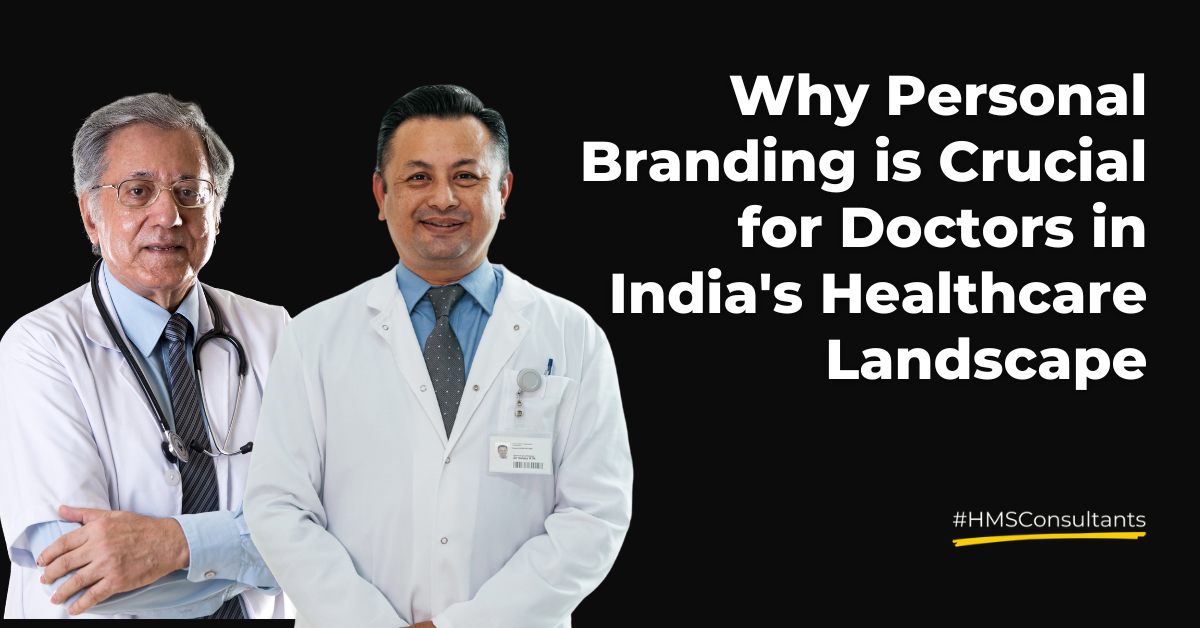
                • Build Your Personal Brand and Elevate Your Practice with HMS Consultants

                  Build Your Personal Brand and Elevate Your Practice with HMS Consultants

                  Build Your Personal Brand and Elevate Your Practice with HMS Consultants

                  Written by
                  Published on
                  Share This

                  Why Personal Branding is Crucial for Doctors in India’s Healthcare Landscape

                  In India’s dynamic healthcare ecosystem, where patients often prioritise trust in a doctor’s name and credentials over a clinic or hospital’s reputation, personal branding has emerged as a powerful tool for healthcare professionals. As the relationship between doctors and patients transitions from traditional paternalism to collaborative partnerships, building a robust personal brand can enhance a doctor’s credibility and attract the right audience to their practice.

                  This blog delves into why personal branding is essential for doctors in India and how our expert marketing consultants can help healthcare professionals navigate this journey effectively.

                  The Evolving Dynamics of Doctor-Patient Relationships:

                  According to a study shared by Lupin, Indian patients increasingly view doctors as partners in their healthcare journey, rather than mere authority figures. This shift demands a proactive approach where doctors not only deliver excellent medical care but also foster trust and transparency. A well-crafted personal brand can bridge this gap, positioning doctors as empathetic, knowledgeable, and reliable caregivers.

                  Moreover, insights from Statista reveal that over 60% of patients in India prefer healthcare providers they are familiar with, further emphasising the importance of personal connection in choosing a doctor.

                  Why Personal Branding Matters for Doctors:

                  1. Building Trust:
                    Patients are more likely to trust and refer a doctor whose name is synonymous with quality care and professionalism.
                  2. Standing Out in a Competitive Market:
                    With the mushrooming of multispecialty hospitals and clinics, personal branding helps doctors differentiate themselves and their practice.
                  3. Influencing Patient Choice:
                    As per Invoca’s healthcare marketing statistics, 77% of patients conduct online research before visiting a healthcare provider. A doctor with a strong online presence has a higher chance of being selected.
                  4. Attracting the Right Patients:
                    Personal branding helps you connect with patients who align with your expertise and values, leading to better outcomes and satisfaction.
                  5. Leveraging Digital Platforms:
                    Platforms like LinkedIn, YouTube, and Instagram are excellent avenues for doctors to share their expertise and engage with their audience, building a strong personal brand.

                  HMS Consultants: Your Partner in Personal Branding

                  At HMS Consultants, we understand the unique challenges doctors face in balancing their clinical responsibilities with the need to build and manage their personal brand. Our data-driven and customized approach ensures that your personal branding efforts align seamlessly with your clinic or hospital’s overarching goals.

                  Our Services Include:

                  • Brand Identity Creation: Craft a compelling personal story and unique value proposition.
                  • Social Media Strategy: Maximize reach on platforms like LinkedIn, YouTube, and Instagram with engaging, platform-specific content.
                  • Digital Presence Optimization: Build and optimize your professional website, Google My Business profile, and social media channels.
                  • Reputation Management: Proactively manage online reviews and patient feedback to maintain a positive digital footprint.
                  • Thought Leadership: Position yourself as a subject matter expert by publishing blogs, articles, and hosting webinars.

                  5 Quick Tips for Building a Strong Personal Brand:

                  1. Define Your Niche:
                    Highlight your area of expertise, such as paediatrics, orthopaedics, or aesthetic surgery. Patients appreciate clarity and focus in a doctor’s offerings.
                  2. Be Consistent:
                    Ensure that your messaging, tone, and visual branding remain consistent across all platforms and interactions.
                  3. Engage Authentically on Social Media:
                    Share insights, success stories, and patient education content that resonate with your target audience. Avoid overly technical jargon and keep it relatable.
                  4. Monitor Your Online Reputation:
                    Actively address both positive and negative feedback to demonstrate accountability and care for your patients’ concerns.
                  5. Collaborate with Experts:
                    Partner with consultants like HMS to streamline your branding efforts and achieve tangible results without stretching your bandwidth.

                  People Also Ask: Your FAQs on Personal Branding for Doctors

                  In this section, we answer some of the most commonly asked questions about personal branding, tailored specifically for healthcare professionals.

                  What are the 5 P’s of personal branding?

                  The 5 P’s of personal branding include:

                  1. Passion – Showcase your dedication to your medical field.

                  2. Purpose – Clearly define your mission and goals as a healthcare professional.

                  3. Positioning – Establish yourself as an expert in your niche.

                  4. Presentation – Ensure consistent and professional communication across all platforms.

                  5. Persistence – Continuously work to build your brand with consistency and patience.

                  How to brand a doctor?

                  Branding a doctor involves:

                  1. Defining your speciality and unique value proposition.

                  2. Creating an optimised online presence through social media, websites, and directories.

                  3. Sharing thought leadership content such as blogs, webinars, and podcasts.

                  4. Leveraging patient feedback and testimonials to build trust.

                  What are the 5 C’s of personal branding?

                  The 5 C’s of personal branding include:

                  1. Clarity – Have a clear and focused message about your expertise.

                  2. Consistency – Maintain uniformity across all branding channels.

                  3. Credibility – Build trust through authentic and transparent communication.

                  4. Connection – Engage with your audience through relevant and relatable content.

                  5. Creativity – Stand out with innovative and unique branding strategies.

                  What are the 5 A’s of personal branding?

                  The 5 A’s of personal branding for doctors are:

                  1. Authenticity – Be true to your personality and values.

                  2. Authority – Establish yourself as a trusted expert in your field.

                  3. Alignment – Align your personal brand with your career goals.

                  4. Adaptability – Stay relevant by evolving with market trends.

                  5. Advocacy – Let your satisfied patients advocate for your brand through testimonials.

                  What are the 4 C’s of personal branding?

                  The 4 C’s of personal branding include:

                  1. Confidence – Exude self-assurance in all your communications.

                  2. Competence – Showcase your skills and qualifications.

                  3. Commitment – Stay dedicated to your professional growth.

                  4. Communication – Ensure your message reaches the right audience.

                  What are the 3 C’s of personal branding?

                  The 3 C’s of personal branding are:

                  1. Character – Reflect on your professional ethics and values.

                  2. Content – Use engaging and valuable content to build your brand.

                  3. Communication – Clearly convey your expertise and experience.

                  How do I sell myself as a doctor?

                  1. Build a strong personal brand showcasing your expertise.

                  2. Network with other healthcare professionals and industry leaders.

                  3. Use digital platforms to highlight your achievements and patient success stories.

                  What is medical branding?

                  Medical branding involves creating a unique identity for healthcare providers, emphasising their expertise, patient care, and professional values to stand out in a competitive market.

                  How do you label a doctor?

                  Doctors can be labelled based on their expertise, such as:

                  1. “Trusted Pediatric Specialist.”

                  2. “Leading Orthopedic Surgeon in [City].”

                  3. “Compassionate Caregiver for Women’s Health.”

                  What is the ABC of personal branding?

                  The ABC of personal branding includes:

                  1. Authenticity – Be genuine in your interactions.

                  2. Brand Consistency – Maintain a consistent image across all channels.

                  3. Communication – Effectively reach and engage your audience.

                  What are the 4 V’s of branding?

                  The 4 V’s of branding are:

                  1. Vision – Define your long-term goals.

                  2. Voice – Develop a distinct and relatable tone.

                  3. Value – Highlight what sets you apart.

                  4. Visibility – Ensure your presence on relevant platforms.

                  What are the 8 rules of personal branding?

                  1. Be authentic.

                  2. Stay consistent.

                  3. Identify your niche.

                  4. Create high-quality content.

                  5. Be active on social media.

                  6. Engage with your audience.

                  7. Monitor your reputation.

                  8. Continuously learn and adapt.

                  What are the 4Ps of branding?

                  The 4Ps include:

                  1. Product – Your services and expertise as a doctor.

                  2. Price – The value you provide.

                  3. Place – Your physical and digital presence.

                  4. Promotion – How you communicate your brand.

                  What is the key to personal branding?

                  The key is authenticity. Be true to who you are while ensuring your brand aligns with your professional goals and values.

                  What are the four Rs of place branding?

                  1. Recognition – Building awareness of your brand.

                  2. Reputation – Maintaining a trustworthy image.

                  3. Resonance – Connecting emotionally with your audience.

                  4. Relevance – Staying relevant to your target audience’s needs.

                  The Future of Personal Branding in Healthcare

                  As India’s healthcare industry grows increasingly competitive, personal branding will continue to play a pivotal role in a doctor’s career trajectory. By building a strong, authentic brand, healthcare professionals can foster trust, attract loyal patients, and ultimately elevate their practice.

                  Conclusion: Take Charge of Your Brand Today

                  Your name is your strongest asset in healthcare. Don’t let it go unnoticed in the crowded marketplace. With HMS Consultants’ expertise, you can create a powerful personal brand that complements your clinical practice and establishes you as a trusted healthcare leader.

                  Ready to build your personal brand?

                  Contact HMS Consultants today for a free consultation and take the first step toward transforming your name into a legacy.

                  Digital Marketing For Doctors I Doctors Digital Marketing I Healthcare Marketing I Healthcare Marketing Strategy I Marketing ideas for clinics I Marketing Trends 2025 I Medical Marketing I Personal Branding

                  is something we strongly believe in, which means ‘Knowledge without application is the same as having no knowledge at all

                  Akhil Dave

                  Principle Consultant

                  Ready to take your Personal Brand to the next level?

                  Share your details below and we will connect with you to discuss your growth strategy.

                  • Optimising for ChatGPT Search: SEO Strategies for Healthcare Websites

                    Optimising for ChatGPT Search: SEO Strategies for Healthcare Websites

                    ChatGPT Search I Digital Marketing I Digital Marketing For Doctors I Doctors Digital Marketing I Healthcare Marketing I Healthcare Marketing Strategy I Marketing Trends 2025 I Social Media Marketing

                    Optimising for ChatGPT Search: SEO Strategies for Healthcare Websites

                    Written by
                    Published on
                    Share This

                    With the recent release of ChatGPT’s search functionality, businesses, especially in niche industries like healthcare, are exploring how to optimise their content for this innovative search tool. Unlike traditional search engines like Google or Bing, ChatGPT search relies on advanced language models, understanding not just keywords but also the context and semantics of user queries. In this blog, we’ll dive into effective strategies to help your content rank higher on ChatGPT search, specifically tailored for healthcare marketing needs.

                    Key Differences Between Traditional Search and ChatGPT Search

                    Before diving into specific strategies, it’s essential to understand how ChatGPT search differs from traditional search engines:

                    Content Quality and Relevance

                    Traditional search engines prioritise keyword optimisation and backlink profiles, while ChatGPT focuses on contextually relevant, semantically rich content that aligns with natural language patterns.

                    Structured Data and Metadata

                    Traditional search engines use structured data and metadata for better visibility, whereas ChatGPT relies heavily on the actual content’s coherence and comprehensiveness, with less emphasis on metadata.

                    User Engagement Metrics 

                    Traditional search engines measure success through metrics like click-through rates and dwell time. ChatGPT, however, is independent of such metrics, instead prioritising the relevance and quality of the information themselves; businesses, particularly in healthcare, need to adapt their SEO strategies to optimise for ChatGPT search while maintaining the fundamentals for traditional search engines.

                    1. Focus on High-Quality, Contextually Rich Content

                    ChatGPT search is designed to understand nuanced language and provide answers based on context. Here’s how to create content that meets these criteria:

                    • Depth of Information: Unlike Google, which may prioritise keyword density and backlinking, ChatGPT values content that provides comprehensive answers to user queries. For instance, if you’re writing about “patient engagement strategies in healthcare,” go beyond surface-level details. Provide in-depth, actionable insights on how to implement these strategies effectively.

                    • Semantic Richness: Ensure that the content is rich in language that users naturally use. Instead of stuffing keywords, use variations and synonyms to describe the same concept. For example, use terms like “patient interaction,” “patient communication,” or “patient experience” interchangeably.

                    • Conversational Tone: Write in a conversational, natural tone that matches how users might ask questions. ChatGPT favors content that reads naturally and closely resembles human dialogue, as this aligns with the model’s training data .

                    2. Align with User Intent

                    ChatGPT search is built to respond to user intent, so it’s crucial to tailor your content accordingly:

                    • Understand User Queries: Utilize tools like Ubersuggest and Answer the Public to research what healthcare-related questions people are asking. For example, “How can patient engagement increase clinic visits?” is a common question that could guide your content’s focus.

                    • Address Common Pain Points: Identify the problems that your audience frequently encounters. If your target audience is healthcare providers, discuss specific issues they might have, such as managing patient engagement, improving hospital reviews, or boosting patient trust through digital platforms.

                    • Optimize for Long-Tail Keywords: ChatGPT performs well with detailed, long-tail keywords that mirror natural speech. For example, instead of just “healthcare marketing,” consider phrases like “how to improve patient engagement in healthcare marketing” .

                    3. Keep Content Ad Up-to-Date

                    ChatGPT prioritises current and credible information, so maintaining up-to-date content is critical:

                    • Regular Updates: Regularly refresh your content with the latest insights, statistics, and trends in healthcare marketing. An updated article on “Healthcare Marketing Strategies for 2024” is more likely to rank than an outdated 2022 version.

                    • Ensure Factual Accuracy: Since healthcare information is sensitive, accuracy is paramount. Double-check all facts, figures, and claims with reputable sources like medical journals or government health sites. ChatGPT rewards credibility and may demote content that contains outdated or misleading information .

                    4. Encourage Positive Review

                    Though ChatGPT doesn’t rely on traditional metrics like backlinks or engagement rates, having a reputable online presence can improve your standing:

                    • Customer Reviews: Positive reviews on platforms like G2, TrustPilot, and healthcare-specific forums can enhance your brand’s credibility. Encourage satisfied clients to share their experiences online.

                    • Expert Recommendations: When healthcare professionals or industry experts mention or recommend your brand, it signals to ChatGPT that your content is credible. Consider building relationships with influencers or thought leaders in the healthcare industry who might refer to your business in their content .

                    5. Leverage Social Media for Brand Visibility

                    A social media presence can indirectly boost your authority, making your brand more recognisable to ChatGPT’s search algorithms:

                    • Engage on Multiple Platforms: Share valuable healthcare insights across LinkedIn, Twitter, and Facebook to build a following. Consistent social media engagement shows that your brand is active and invested in the healthcare community.

                    • Content Sharing: Encourage your network to share your healthcare marketing articles or resources. Even though ChatGPT doesn’t use social signals as traditional SEO would, these mentions reinforce your brand’s visibility and authority online .

                    6. Optimise for Natural Language and Conversational content

                    GPT processes content differently than Google, so optimising for a conversational tone and natural language is crucial:

                    • Use FAQs and Answer-Based Content: Craft content that directly answers common questions, making it easier for ChatGPT to understand the context and provide direct answers. An FAQ section, for example, on “How can hospitals improve patient retention?” would align well with ChatGPT’s search behavior.

                    • Implement a Q&A Format: This is particularly effective for healthcare providers, as patients often search with specific questions. Organize your content to answer questions clearly, making it easy for ChatGPT to parse and present relevant information.

                    7. Ensure Your Content Reflects Real Expertise

                    ChatGPT’s lael values content from trustworthy sources, particularly in areas as critical as healthcare:

                    • Establish Thought Leadership: Regularly publish articles, case studies, or white papers that demonstrate your expertise in healthcare marketing. Content from recognized experts or companies often ranks better in AI-driven searches.

                    • Highlight Credentials: For healthcare businesses, displaying credentials or affiliations with reputable institutions can add credibility. For example, mentioning partnerships with known healthcare organizations can enhance trustworthiness .

                    Conclusion

                    While optimizing for ChatGPT search shares some similar SEO strategies, it requires a more refined approach that prioritizes conversational language, context, and credible, up-to-date information. As a healthcare marketing professional or organization, these adjustments can increase the visibility of your content, ensuring that it resonates with ChatGPT’s unique processing methods and, ultimately, reaches the right audience.

                    For healthcare providers, clinics, and marketers looking to leverage the latest in digital tools, understanding and adapting to ChatGPT’s approach could be a valuable step forward in the evolving world of SEO.

                    By focusing on content quality, user intent, conversational language, and authority-building strategies, you can stay ahead of the curve and make your mark in ChatGPT’s new search landscape.


                    Sources:

                    1. Neil Patel – Ubersuggest and Keyword Research Tools
                    2. WebFX – Content Accuracy and SEO
                    3. CopyBlogger – Brand Mentions and Authority
                    4. Axonn – Importance of Content Updates
                    5. Answer the Public – Understanding User Intent
                    6. TrustPilot and G2 – Role of Customer Reviews
                    7. Axonn – Value of Social Media Presence
                    8. SEMrush – Natural Language Optimization

                    “Knowing is Knowing, Doing is Doing”

                    is something we strongly believe in, which means ‘Knowledge without application is the same as having no knowledge at all

                    Akhil Dave

                    Principle Consultant

                    Ready to take your healthcare marketing to the next level?

                    Fill out the form below, and our consultant will contact you for a detailed, personalised consultation.

                    • The Power of Collaboration: How GoodFirms is Helping Startups Like HMS Consultants Reach New Heights

                      The Power of Collaboration: How GoodFirms is Helping Startups Like HMS Consultants Reach New Heights

                      Business, Digital Marketing, Healthcare AI, Healthcare Marketing, Healthcare Marketing Strategy, Market Research, Online Reputation in Healthcare, Social Media Marketing, Technology

                      The Power of Collaboration: How GoodFirms is Helping Startups Like HMS Consultants Reach New Heights

                      Written by
                      Published on
                      Share This

                      The Power of Collaboration: How GoodFirms is Helping Startups Like HMS Consultants Reach New Heights

                      In today’s competitive business environment, collaboration is one of the key drivers of success, especially for startups and new ventures. Building strategic partnerships with platforms that enhance visibility can significantly impact the growth trajectory of businesses looking to establish themselves. One such powerful ally is GoodFirms, a globally recognised listing platform known for helping businesses gain exposure and trust from potential clients.

                      At HMS Consultants, we’ve always believed in creating meaningful relationships to grow. As India’s first-of-its-kind healthcare marketing consultancy, our journey is focused on providing tailored marketing strategies to healthcare providers, ranging from individual doctors and clinics to mid-sized hospitals. As we continue to expand, we are thrilled to collaborate with GoodFirms to showcase our services to a global audience.

                      Where you find the right company

                      The Importance of Listing Platforms Like GoodFirms

                      For startups like us, gaining credibility and trust in the industry is a fundamental step in establishing our brand. Platforms like GoodFirms play a crucial role in this. They offer startups and new businesses the chance to get listed and reviewed by clients, which further helps build trust. More importantly, they provide an incredible opportunity to connect with new clients, partners, and collaborators who are searching for services within the healthcare marketing space.

                      By leveraging GoodFirms’ global reach and extensive network, we are optimistic that HMS Consultants will be able to connect with potential clients, broaden our impact, and showcase our unique services and expertise.

                      Why Collaborating with Platforms Like GoodFirms Matters

                      1. Enhanced Credibility: Having a presence on trusted platforms like GoodFirms allows businesses to establish credibility in the market. This visibility goes a long way in helping clients trust the services we provide.

                      2. Global Reach: Platforms like GoodFirms have an international reach, helping businesses like ours tap into global markets and attract clients beyond geographical limitations.

                      3. Increased Client Confidence: GoodFirms offers clients the ability to review and rate service providers, which further enhances our reputation. Positive feedback can attract more clients to our services, knowing that we have already made an impact in the industry.

                      4. Targeted Exposure: For businesses like HMS Consultants, which focuses on niche sectors such as healthcare marketing, getting listed on GoodFirms ensures that we are visible to the right audience looking specifically for healthcare marketing expertise.

                      5. Collaboration Leads to Growth: Partnerships with platforms like GoodFirms open up more networking opportunities with other businesses. This type of collaboration fosters growth and helps us deliver better services to our clients.

                      Our Commitment to Collaboration

                      As a startup, HMS Consultants recognises the value of strategic collaborations that enable growth, learning, and new opportunities. Collaborating with GoodFirms is a significant step toward expanding our footprint in the healthcare marketing sector, allowing us to reach more clients who need expert guidance in building their brand and increasing patient footfall.

                      If you’re looking for a trusted healthcare marketing consultancy, don’t hesitate to check out our GoodFirms profile and explore the services we offer. We are excited about this collaboration and look forward to continuing to provide top-tier, strategy-driven solutions to healthcare providers worldwide.

                      You can find more about our profile on GoodFirms here: GoodFirms

                      Let’s collaborate and grow together!

                      “Knowing is Knowing, Doing is Doing”

                      is something we strongly believe in, which means ‘Knowledge without application is the same as having no knowledge at all

                      Akhil Dave

                      Principle Consultant

                      Ready to take your healthcare marketing to the next level?

                      Fill out the form below, and our consultant will contact you for a detailed, personalised consultation.