
Search results for: “patient education”

  • Hospital Growth with Doctor Personal Branding 2025

    Hospital Growth with Doctor Personal Branding 2025

    Hospital Growth with Doctor Personal Branding 2025

    Written by
    Published on
    Share This

    What Makes a Health Brand Memorable in 2025?

    In the fast-paced world of healthcare, branding is much more than just a logo or color scheme. As we approach 2025, healthcare providers are finding that creating a memorable health brand involves a combination of strategic positioning, clear messaging, compelling stories, and strong visual identity. Whether it’s a private doctor or a large hospital system, these elements are crucial in standing out from the competition and building long-lasting relationships with patients.

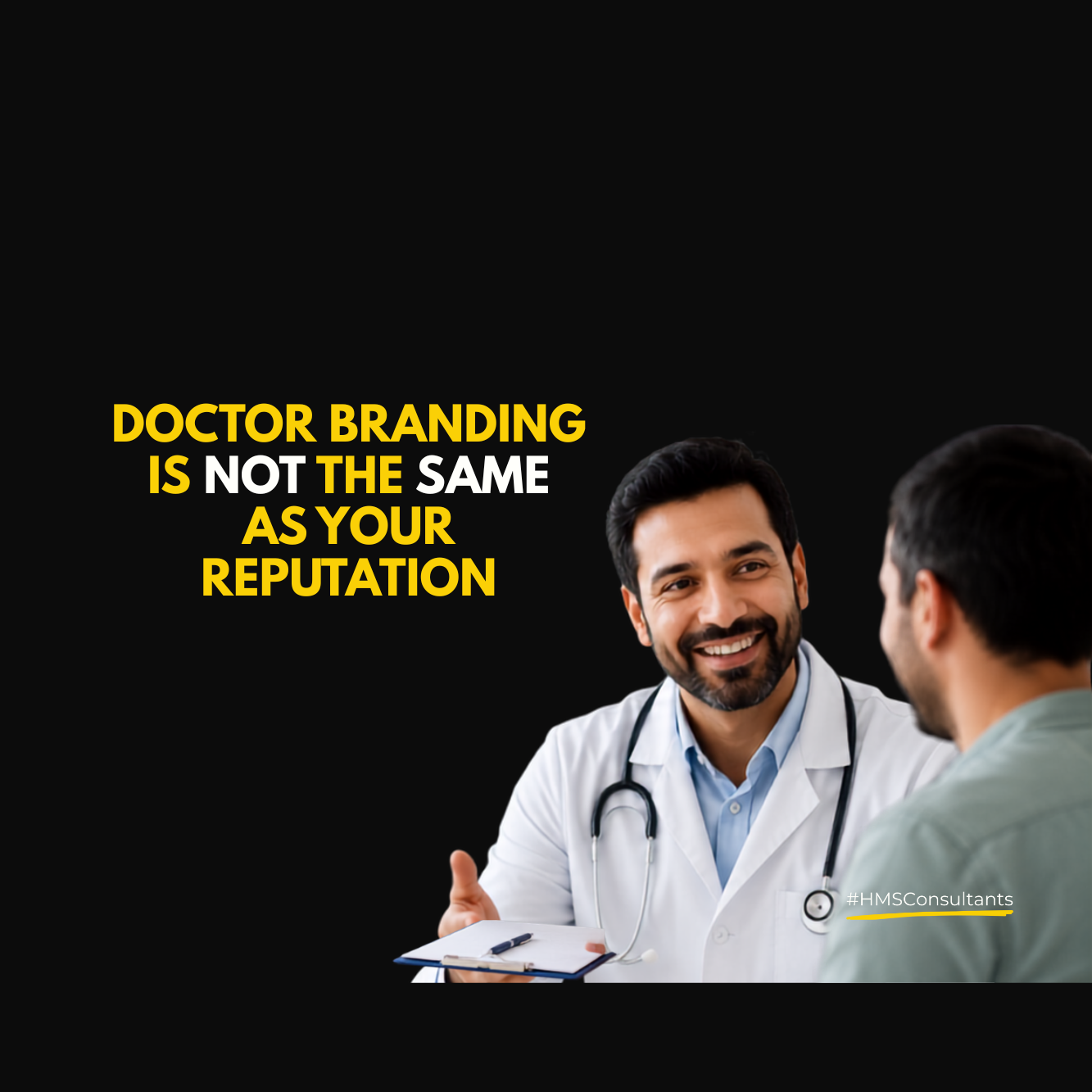
    1. The Power of Doctor Personal Branding

    In 2025, patients are increasingly searching for healthcare providers they can trust, and one of the best ways to build this trust is through doctor personal branding. Gone are the days when a doctor’s reputation solely rested on word-of-mouth referrals. Today, a doctor’s online presence and how they position themselves play a crucial role in their brand identity.

    • Why Doctor Personal Branding Matters:
      • Establishes authority and expertise in a specific field.
      • Helps doctors connect with patients on a personal level.
      • Builds trust through authentic storytelling and patient testimonials.
      • Allows doctors to communicate their values and treatment philosophy clearly.

    Personal branding isn’t about self-promotion, it’s about showcasing a doctor’s unique qualities and approach to patient care. By creating an authentic online presence across platforms like social media, blogs, and websites, doctors can position themselves as trustworthy, approachable, and knowledgeable. A well-crafted personal brand helps potential patients see beyond the credentials and recognize the doctor as someone they can rely on for their health needs.

    2. Hospital Branding Ideas That Make a Lasting Impact

    For hospitals, creating a memorable brand goes beyond having a well-designed logo or catchy tagline. Hospital branding ideas that make a lasting impact in 2025 focus on creating an experience that aligns with patient expectations and trust.

    • Key Elements of Memorable Hospital Branding:
      • Patient-Centric Approach: Emphasizing care that prioritizes the patient’s needs and well-being.
      • Consistency Across Touchpoints: Ensuring the hospital’s values and messaging are reflected in every interaction, both online and offline.
      • Community Engagement: Building a sense of trust through local outreach and consistent communication.

    Effective hospital branding should tell a compelling story. It’s not just about medical services, it’s about showing how the hospital impacts the community and improves lives. Whether it’s through patient success stories or a hospital’s commitment to cutting-edge technology, these stories play a critical role in shaping a memorable brand.

    Additionally, strategic visual identity, from the hospital’s logo to the design of its website and patient materials, should reflect its core values and create an immediate, lasting impression. A thoughtful visual identity fosters trust and helps patients feel confident in their choice of healthcare provider.

    3. Clarity in Communication

    In a cluttered digital world, clarity is key when it comes to branding. A health brand that’s clear about what it offers and who it serves is far more likely to stand out in 2025.

    • How Clarity Shapes a Health Brand:
      • Clear messaging helps patients quickly understand the services offered.
      • Reduces confusion, making it easier for patients to make decisions.
      • Positions the brand as trustworthy and professional, ensuring the message is consistent across all platforms.

    When it comes to healthcare marketing, unclear messaging can lead to disengagement. Patients often don’t have the time or patience to sift through complex information. Simple, clear, and effective communication allows potential patients to quickly grasp what the health brand is all about and why they should choose it.

    4. The Art of Storytelling in Healthcare Branding

    Storytelling is one of the most powerful tools in building a memorable health brand. It goes beyond the clinical aspects of healthcare to evoke emotions, inspire trust, and build a deeper connection with patients.

    • Ways to Incorporate Storytelling into Health Branding:
      • Share patient success stories to showcase the impact of services.
      • Highlight the journey of the brand, its values, history, and mission.
      • Use testimonials to illustrate real experiences and outcomes.

    A compelling story humanizes a healthcare brand. Whether it’s a heartwarming patient story or the journey of a hospital system, storytelling is an effective way to engage with patients on a personal level. It creates a sense of community and shows that healthcare providers care about more than just medical procedures, they care about people’s lives.

    5. Strategic Visual Identity

    A strategic visual identity is essential in making a health brand memorable. It’s more than just a logo, it’s about how the entire brand is visually represented.

    • Elements of Strategic Visual Identity:
      • Logo Design: A simple yet memorable logo that reflects the brand’s core values.
      • Color Scheme: Colors that convey trust, compassion, and professionalism (e.g., blue for trust, green for healing).
      • Typography and Imagery: Fonts and images that are clean, professional, and approachable.

    In 2025, health brands that excel in visual identity have a cohesive and modern look that resonates with patients. Every visual element, from the website to the signage, should create a seamless, positive experience for the patient. A strong visual identity helps patients immediately recognize the brand, fostering familiarity and trust.

    Conclusion

    As we look toward 2025, the most memorable health brands will be those that combine effective doctor personal branding, hospital branding ideas, and smart healthcare marketing strategies. By focusing on clear messaging, compelling storytelling, and a strategic visual identity, healthcare providers can differentiate themselves in a competitive marketplace.

    Patients are not just looking for healthcare services, they’re looking for a brand they can trust, relate to, and feel confident in. In this new era of healthcare marketing, a memorable health brand goes beyond logos, it’s about positioning, clarity, and creating connections that last.

    Written by Maitri Desai

    Doctors Digital Marketing I Healthcare Marketing I Hospital Marketing Strategies I Marketing ideas for clinics I Marketing Trends 2025 I Medical Marketing I Social Media Marketing

    is something we strongly believe in, which means ‘Knowledge without application is the same as having no knowledge at all

    Akhil Dave

    Principle Consultant

    Ready to take your Personal Brand to the next level?

    Share your details below and we will connect with you to discuss your growth strategy.

    • Choosing a Hospital Marketing Expert: What to Know

      Choosing a Hospital Marketing Expert: What to Know

      Choosing a Hospital Marketing Expert: What to Know

      Written by
      Published on
      Share This

      In today’s highly competitive healthcare environment, hospitals and clinics can’t afford to rely on word-of-mouth or traditional outreach alone. Whether you’re a multispecialty hospital, a diagnostic center, or a wellness clinic, you need a marketing strategy that brings results, and that’s where hiring a hospital marketing expert becomes critical.

      But with so many consultants and agencies out there, how do you choose the right one?

      This blog will help you identify what to look for and which questions to ask before making that decision.

      1. Do They Specialize in Hospital or Healthcare Marketing?

      Marketing a hospital is not like marketing an e-commerce brand or a fashion label. A hospital marketing expert must understand:

      • Patient behavior and decision-making
      • Compliance with medical marketing guidelines
      • Sensitivity around diseases, procedures, and ethics

      Ask: “Can you share past hospital or healthcare projects you’ve worked on?” 

      Look for case studies that prove their experience and ability to handle healthcare-specific nuances.

      2. Do They Start with Strategy, Not Just Execution?

      Be wary of experts who immediately jump into social media, website redesigns, or ads without asking about your goals. A true hospital marketing expert will begin with:

      • Audience profiling (Who are your patients?)
      • Competitor analysis (What are others doing in your city/region?)
      • Service positioning (How are you different?)

      Ask: “Will you provide a strategic roadmap before execution?”

      Strategy-first professionals drive long-term growth, not just short-term engagement.

      3. How Do They Measure Success?

      Vanity metrics like likes and followers won’t fill your OPD. A skilled hospital marketing expert will focus on:

      • Appointment bookings
      • Increase in walk-ins or inquiries
      • Patient recall and satisfaction

      Ask: “What KPIs will you track, and how often will we review them?”

      A good expert sets up proper tracking systems and brings regular insights.

      4. Are They Team Players with Your Internal Staff?

      Your front desk, call center, doctors, and reception staff play a huge role in converting leads into patients.

      A good hospital marketing expert will:

      • Train or coordinate with your team
      • Guide them on patient communication
      • Set up follow-up processes

      Ask: “Will you work with our internal teams to improve execution?”

      If they only focus on digital and ignore what happens after a lead is generated, that’s a red flag.

      5. Can They Help You Build Trust, Not Just Visibility?

      In healthcare, brand trust is everything. A great hospital marketing expert knows how to:

      • Build recall through consistent messaging
      • Create educational, empathetic content
      • Encourage word-of-mouth and testimonials

      Ask: “How will you help us build patient trust and reputation over time?”

      Final Thoughts

      Hiring a hospital marketing expert isn’t just about outsourcing your social media. It’s about finding a strategic partner who understands your vision, guides your team, and drives measurable results.

      When choosing the right person or team:
      Look for healthcare experience
      Demand a strategy-first approach
      Ensure alignment with your goals and ethics

      In the age of informed patients and online decision-making, smart hospital marketing is no longer optional, it’s essential.

      Written by Tusharika Ranjan

      Doctors Digital Marketing I Healthcare Marketing I Hospital Marketing Strategies I Marketing ideas for clinics I Marketing Trends 2025 I Medical Marketing I Social Media Marketing

      is something we strongly believe in, which means ‘Knowledge without application is the same as having no knowledge at all

      Akhil Dave

      Principle Consultant

      Ready to take your Personal Brand to the next level?

      Share your details below and we will connect with you to discuss your growth strategy.

      • How to Effectively Market Health Services in 2025

        How to Effectively Market Health Services in 2025

        How to Effectively Market Health Services in 2025

        Written by
        Published on
        Share This

        Healthcare marketing has entered a new era. Traditional tactics and textbook strategies like the 7Ps are no longer enough. Patients are behaving like digital consumers, making choices based on reviews, visibility, and how clearly your services are communicated.

        Whether you run a multi-specialty hospital or a small clinic, the need to rethink how you market your health services is urgent. In this blog, we go beyond the outdated playbook to explore what actually works in 2025.

        The New Patient Journey: Awareness Begins Online

        Today’s patients don’t walk into the nearest hospital. They research symptoms, check Google Reviews, scroll through Instagram pages, and evaluate the tone of your WhatsApp replies.

        Marketing health services in this environment is about building trust before a patient walks in.

        • Patients start with Google, not your reception desk.
        • They compare your digital presence with others.
        • They expect instant clarity and emotional reassurance.

        If your healthcare business isn’t optimized for these touchpoints, you’re invisible.

        Top Strategies for Marketing Health Services Today

        1. Build Digital Trust (Not Just Awareness)

          • Claim and optimize your Google My Business profile.
          • Showcase real patient testimonials and reviews.
          • Highlight credentials, success stories, and team profiles on your website and social media.
        2. Hyperlocal Visibility is Key

          • Use local SEO strategies to appear in “near me” searches.
          • Integrate your Digipin and map links for accurate directions.
          • Target neighborhood-based Facebook groups and community pages.
        3. Educational Content Marketing

          • Publish blogs, explainer videos, and FAQs that answer common health concerns.
          • Use relatable language, not medical jargon.
          • Share simple, reassuring content that builds authority and reduces fear.
        4. Automate Smartly with WhatsApp & Email

          • Send appointment reminders, pre-visit instructions, and follow-ups.
          • Automate FAQs and feedback requests via WhatsApp.
          • Personalize responses while maintaining consistency.
        5. Referral Ecosystems for Organic Growth

          • Build collaborations with local pharmacies, diagnostic labs, fitness studios, and psychologists.

        Position your practice as part of a patient’s overall wellness journey.

        Common Mistakes in Healthcare Marketing

        •  Relying only on word-of-mouth
        • Random Instagram posting without strategy
        • Hiring marketing agencies without goal alignment
        • Overlooking front-desk communication quality

        Marketing health services is not about doing everything, it’s about doing the right things consistently.

        Final Takeaway

        Your hospital, clinic, or wellness brand is not just a place of treatment, it’s a brand that patients choose, trust, and recommend.

        Effective marketing of health services in 2025 means combining empathy, education, and digital visibility. When done right, it not only grows your patient base but also elevates your credibility in a highly competitive space.

        Want to get started with a clear marketing strategy for your healthcare practice? Start by auditing your online presence and how you communicate.

        Written by Tusharika Ranjan

        Doctors Digital Marketing I Healthcare Marketing I Hospital Marketing Strategies I Marketing ideas for clinics I Marketing Trends 2025 I Medical Marketing I Social Media Marketing

        is something we strongly believe in, which means ‘Knowledge without application is the same as having no knowledge at all

        Akhil Dave

        Principle Consultant

        Ready to take your Personal Brand to the next level?

        Share your details below and we will connect with you to discuss your growth strategy.


        • Clinic Not Getting Leads? Fix These 7 Costly Mistakes

          Clinic Not Getting Leads? Fix These 7 Costly Mistakes

          Clinic Not Getting Leads? Fix These 7 Costly Mistakes

          Written by
          Published on
          Share This

          You’re investing time, effort, and maybe even a decent chunk of money into your clinic’s marketing. But the calls aren’t coming, appointments are few, and footfall is flat. So what’s really going wrong?

          Spoiler: It’s probably not that people don’t need your services. The real problem often lies in how you’re reaching them, speaking to them, and converting them. Let’s unpack the common gaps that silently sabotage lead generation for clinics and healthcare practices.

          1. You’re Visible But Not Understandable

          Many clinics proudly say: “We’re on Instagram! We’re running ads!” But digital presence without clarity is noise. If a potential patient can’t understand what you treat, who you’re for, or how to book, they’ll scroll past.

          Clarity > Visibility.

          Fix: Audit your messaging. Ask: “If someone saw this for the first time, would they know exactly what I offer and how to reach me?”

          2.Your Website (or Lack of One) is Hurting You

          In 2025, not having a clinic website is like not having a nameplate outside your clinic. And having a poor one is worse, it can actively damage trust.

          Patients expect:

          • Clear services and pricing
          • Doctor profiles and photos
          • Google Maps location

          Easy appointment booking

          Fix: Invest in a lean but professional website. Add SEO-rich content that answers patient questions

          3.  You, Not Them

          “We have state-of-the-art equipment. Our doctors are highly qualified.” That’s great. But your audience is thinking: Can they solve my problem?

          Patients book when they feel understood, not impressed.

          Fix: Flip your content. Show that you understand their pain, their confusion, their fears. Speak to them, not about you.

          4. You’re Not Following Up Properly

          A lead doesn’t convert instantly. Maybe they asked a question on WhatsApp. Maybe they visited your website but got distracted.

          Fix: Build a follow-up system:

          • Use WhatsApp or SMS nudges
          • Send a reminder a day later
          • Offer a call-back option

          Sometimes, one gentle reminder is all it takes to win a patient.

          5. You Have No Entry Point Offers

          Some patients don’t want a full consultation yet. They want to test the waters.

          Fix: Create low-commitment entry points:

          • Free camps or screenings
          • First-time consultation discounts
          • Free downloads (like a guide or checklist)

          These bring them into your world.

          6. Your Staff Isn’t Trained for Conversions

          You’re spending on ads, but your receptionist doesn’t pick up or responds with “Hello?” That’s a broken funnel.

          Fix: Train your front desk. Create scripts. Ensure every inquiry gets a warm, informative, and clear response.

          7. You’re Marketing Without Strategy

          Random ads, inconsistent content, no idea who your ideal patient is, this isn’t marketing. It’s gambling.

          Fix: Take a step back. Define your ideal patient, your value proposition, and what channels actually work for you. Create a plan. Then execute.

          Conclusion

          If your clinic isn’t getting leads, the solution isn’t always spending more. It’s often about fixing the silent breakdowns in your patient journey, from first impression to final booking.

          The good news? These issues are fixable. And once you start correcting them, the results don’t just improve, they compound.

          Don’t just be seen. Be understood, trusted, and easy to reach. That’s when real growth begins.

          Written by Tusharika Ranjan

          Doctors Digital Marketing I Healthcare Marketing I Hospital Marketing Strategies I Marketing ideas for clinics I Marketing Trends 2025 I Medical Marketing I Social Media Marketing

          is something we strongly believe in, which means ‘Knowledge without application is the same as having no knowledge at all

          Akhil Dave

          Principle Consultant

          Ready to take your Personal Brand to the next level?

          Share your details below and we will connect with you to discuss your growth strategy.

          • How to Choose the Best Healthcare Marketing Agency in 2025

            How to Choose the Best Healthcare Marketing Agency in 2025

            How to Choose the Best Healthcare Marketing Agency in 2025

            Written by
            Published on
            Share This

            The term “marketing agency” is everywhere in 2025, from your LinkedIn feed to WhatsApp groups and digital ads. But here’s the catch: not every marketing agency is built for every business. And when it comes to the healthcare sector, this distinction matters more than ever. Choosing the right marketing agency can be the difference between creating buzz and actually driving footfall, between high visibility and high trust.

            If you’re a healthcare business, wellness startup, clinic, or hospital trying to figure out which marketing agency to partner with, this guide is for you. We’ll decode what really makes a marketing agency effective especially for niche industries like healthcare.

            What Is a Marketing Agency in 2025?

            A marketing agency in 2025 is no longer just about social media or advertising. It’s a multi-functional partner that blends strategy, creativity, analytics, technology, and branding to help businesses grow.

            There are several types of marketing agencies today:

            • Digital marketing agencies (SEO, PPC, social media, websites)
            • Creative agencies (branding, design, content)
            • Strategic marketing agencies (positioning, messaging, customer insight)
            • Full-service marketing agencies (end-to-end execution)


            But when you search for a “marketing agency,” it’s important to remember: the best agency for you depends on your business goals and in healthcare, those goals are often more complex than they seem.

            Why Most Marketing Agencies Fail Healthcare Businesses

            Many clinics and healthcare startups approach a marketing agency hoping for quick results, more leads, more reach, more engagement. But most agencies miss the mark. Why?

            • Lack of domain knowledge: Healthcare is not like fashion or FMCG. A marketing agency must understand patient behavior, ethical boundaries, compliance rules, and emotional sensitivity.
            • Short-term tactics: Many marketing agencies focus on visibility without building long-term patient trust.
            • Overused templates: Agencies often apply the same strategies across industries, ignoring the nuanced expectations of healthcare seekers.

            That’s why healthcare providers should look for a marketing agency that is not just creative but context-aware and regulation-conscious.

            7 Traits That Define a Great Marketing Agency in 2025

            1. Strategy Comes First
              Before you shoot a reel or run ads, a smart marketing agency will first define your positioning. Who are you? Who do you serve? What makes you different?
            2. Deep Industry Understanding
              A great marketing agency knows the specific nuances of your industry, whether it’s appointment cycles, seasonal trends, or medical ethics.
            3. Multi-Channel, But Focused
              In 2025, being everywhere doesn’t mean being effective. The best marketing agency helps you choose channels that align with your audience, whether it’s Google, WhatsApp, Instagram, or local radio.
            4. Data-Driven Thinking
              Every marketing agency promises results, but only a few track, analyze, and optimize regularly. Dashboards, feedback loops, conversion metrics, this is where results take shape.
            5. Compliance-Friendly Creativity
              Especially for healthcare, your marketing agency must respect medical advertising laws. The best agencies know how to be persuasive without overpromising or breaking rules.
            6. Transparent & Collaborative
              The right marketing agency works with you, not for you. Clear communication, shared documents, accessible teams these matter more than jazzy presentations.

            Experience with Healthcare Marketing
            A generic marketing agency might not understand why “walk-ins” don’t work the same way for a pediatrician as they do for a restaurant. Seek agencies with real healthcare case studies.

            5 Questions to Ask Before Hiring a Marketing Agency

            1. Can you show proven results for healthcare clients?
            2. How do you measure success beyond likes and reach?
            3. What happens if your campaigns don’t perform?
            4. Will you support my in-house staff or replace them?
            5. How do you adapt to compliance and ethical guidelines in healthcare?

            Asking these can quickly tell you if a marketing agency is selling gloss or real growth.

            The Healthcare-Specific Advantage

            Why should a healthcare business even care this much?
            Because your reputation isn’t built in ads, it’s built in moments of clarity, comfort, and credibility. And a marketing agency that understands that will:

            • Speak in a tone that builds patient trust
            • Use channels your audience actually uses (hint: not just Instagram)
            • Help you educate, not just promote

            The right marketing agency knows that in healthcare, marketing is not just about selling services,  it’s about guiding decisions that change lives.

            Final Thoughts

            The term “marketing agency” may get thrown around a lot in 2025, but for healthcare businesses, it should never be a one-size-fits-all solution. The best marketing agency for you is the one that understands your patients, respects your practice, and builds your brand with integrity.

            Whether you’re launching a new clinic, scaling your hospital, or trying to break through the digital noise, your success hinges on one partner: a marketing agency that truly gets you.

            Written by Tusharika Ranjan

            Doctors Digital Marketing I Healthcare Marketing I Hospital Marketing Strategies I Marketing ideas for clinics I Marketing Trends 2025 I Medical Marketing I Social Media Marketing

            is something we strongly believe in, which means ‘Knowledge without application is the same as having no knowledge at all

            Akhil Dave

            Principle Consultant

            Ready to take your Personal Brand to the next level?

            Share your details below and we will connect with you to discuss your growth strategy.

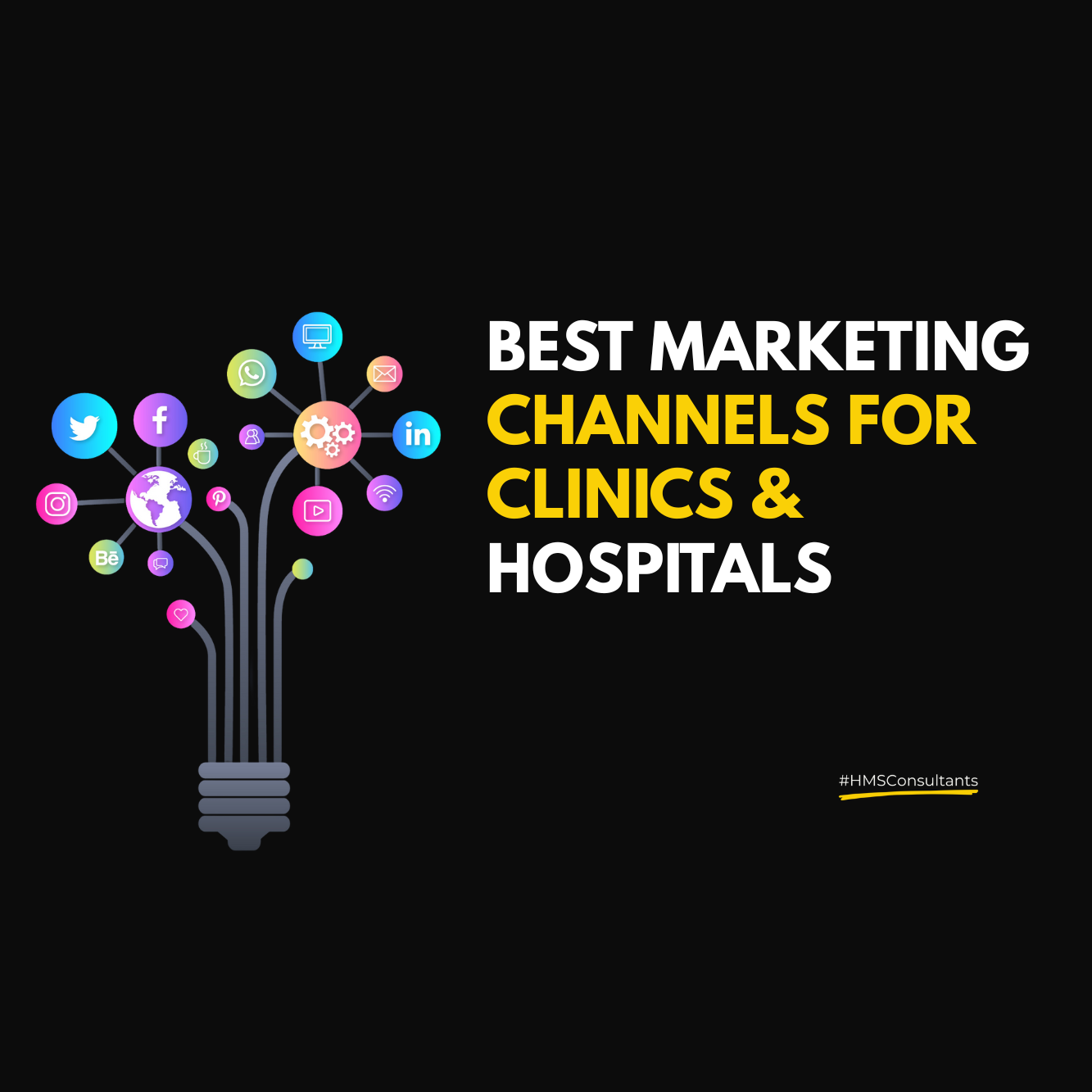
            • Best Marketing Channels for Clinics & Hospitals

              Best Marketing Channels for Clinics & Hospitals

              Best Marketing Channels for Clinics & Hospitals

              Written by
              Published on
              Share This

              In today’s competitive healthcare landscape, being a great doctor isn’t enough. To attract and retain patients, you need the right marketing strategy and at the heart of that lies one critical decision: which channels will actually work for your practice?

              Too often, healthcare providers jump onto trends: Facebook ads, influencer marketing, expensive SEO campaigns, without clarity on what fits their goals, audience, or budget.

              This blog will walk you through how to choose the right marketing channels for your clinic or hospital, with real considerations that go beyond generic advice.

              1. Know Your Audience First (Not the Channels)

              Before you even think about platforms, ask:

              • Who are my ideal patients?
              • What are their habits? (Online or offline? Instagram or newspapers?)
              • Where do they go for health information or recommendations?

              A pediatric clinic in a metro city may thrive on Instagram and mom groups. A rural eye hospital may find success through WhatsApp forwards and community events. The channel must match the patient.

              Action Step: Create a simple patient persona. Age, income, tech savviness, preferred languages, and info sources.

              2. Understand the Role of Each Channel

              Each marketing channel plays a different role in the patient journey. Here’s a quick breakdown:

              Channel

              Best For

              Google Business Profile

              Discoverability + Credibility

              WhatsApp Broadcast

              Retention + Direct Engagement

              Instagram

              Brand Awareness + Soft Trust Building

              YouTube Shorts

              Thought Leadership + SEO Value

              Facebook Groups

              Community Building + Targeted Ads

              Local Newspaper Ads

              Regional Trust + Offline Awareness

              Posters/Leaflets

              Nearby Visibility + Low-Cost Recall

              Doctor Directories (Practo, etc.)

              Lead Generation + Reviews

              No channel works in isolation. The best results come from mixing awareness, engagement, and conversion-focused tools in a planned sequence.

              3. Prioritize Based on Your Stage

              Are you a newly launched clinic, or an established hospital? Your channel mix should reflect your growth stage.

              For new clinics/startups:

              • Focus on local SEO and Google Business listing
              • Start small with WhatsApp engagement
              • Use Instagram to showcase work environment, doctor profiles, behind-the-scenes
              • Join local Facebook groups (RWAs, community circles)

              For growing practices:

              • Start content marketing via blogs or YouTube Shorts
              • Use paid ads (Google/Facebook) with retargeting
              • Host offline health camps or webinars for lead gen

              For established hospitals:

              • Focus on brand reinforcement and trust
              • Create specialty-specific funnels (e.g., cataract, IVF, ortho)
              • Invest in patient experience marketing (feedback loops, CRM)

              Action Step: Map your growth stage and choose 2–3 primary channels to focus on. Avoid scattergun marketing.

              4. Track Effort vs Impact

              A marketing channel is only as good as the results it brings relative to the effort/cost. Many founders waste energy on time-consuming platforms (like Reels or blogs) without consistency or returns.

              Create a simple table:

              Channel

              Time/Cost Spent

              Patients Reached/Leads

              Is it Working?

              Instagram

              5 hrs/week

              5–10 DMs, low conversions

              No

              GMB

              1 hr/week

              8 new calls/month

              Yes

              WhatsApp

              2 hrs/month

              15 repeat appointments

              Yes

              Let data, not peer pressure decide your next move.

              5. Don’t Confuse Presence with Strategy

              Just having a profile on Facebook or an Instagram page with occasional posts is not a strategy. A real marketing strategy answers:

              • Why are we using this platform?
              • What content will we post, and for whom?
              • How will we measure success?

              And most importantly: how will we guide a patient from seeing us to trusting us to booking an appointment?

              Pro Tip: Treat your channels like departments. Each must serve a role (awareness, education, engagement, or conversion).

              6. Watch What Your Patients Respond To

              Look at the comments, messages, and feedback you’re already receiving:

              • Do patients ask for directions? Highlight your GMB link.
              • Do they want to know who’s treating them? Introduce your staff online.
              • Are they engaging with reels but not converting? Shift to WhatsApp follow-ups.

              Patient behaviour is your best strategist.

              7. Review + Adjust Every 3 Months

              Marketing isn’t set-and-forget. Every 90 days:

              • Audit each channel’s performance
              • Cut what’s not working
              • Double down on high-ROI tactics
              • Realign based on business goals (e.g., launch of a new service)

              Don’t let dead platforms drain your time.

              Final Thoughts : Marketing Channels Should Serve You, Not Confuse You

              Choosing the right marketing channels isn’t about being everywhere. It’s about being visible where it matters, and building trust step by step.

              As a healthcare founder, your time is limited. Focus on clarity, consistency, and conversion, and the right patients will follow.

              If this sparked some questions or made you rethink your current channel mix, it might be time to take a step back and audit your strategy. You’re not alone in this, it’s something many growing practices struggle with.

              Written by Tusharika Ranjan

              Doctors Digital Marketing I Healthcare Marketing I Hospital Marketing Strategies I Marketing ideas for clinics I Marketing Trends 2025 I Medical Marketing I Social Media Marketing

              is something we strongly believe in, which means ‘Knowledge without application is the same as having no knowledge at all

              Akhil Dave

              Principle Consultant

              Ready to take your Personal Brand to the next level?

              Share your details below and we will connect with you to discuss your growth strategy.


              • Measuring What Matters: The Marketing Metrics Clinics Actually Need

                Measuring What Matters: The Marketing Metrics Clinics Actually Need

                Measuring What Matters: The Marketing Metrics Clinics Actually Need

                Written by
                Published on
                Share This

                Walk into any modern clinic or hospital today, and you’ll likely hear this:

                “We’ve been running ads, posting on Instagram, even hired an agency but patients aren’t increasing the way we expected.” Sound familiar? Most clinics today are spending on marketing. But very few are measuring what truly matters.

                Too often, the success of a campaign is judged by likes, followers, or impressions. While these numbers might look impressive on a social media report, they rarely answer the more important question:

                “Did it bring the right patients through the door?”

                The Real Cost of Tracking the Wrong Metrics

                Let’s say you spent ₹10,000 boosting a reel about your clinic’s new service. It got 15,000 views. Your agency calls it a win. But two weeks later, your appointment calendar looks exactly the same. That’s not a win. That’s a missed opportunity to understand what’s actually driving results.

                In reality, many clinics fall into the trap of chasing visibility without clarity:

                • Posting without knowing who they’re speaking to
                • Running ads without tracking what happens after the click
                • Judging campaigns based on engagement, not patient action


                Marketing becomes a blur of effort but not always impact.

                The 6 Metrics That Actually Drive Clinic Growth

                Let’s refocus. Here are the key metrics that smart healthcare businesses use to understand performance, optimise spend, and build sustainable growth:

                1. New Patient Acquisition Rate

                This tells you how many first-time patients you’re bringing in. It’s your frontline growth indicator.

                If this number is flat despite marketing efforts, something’s off in your targeting, messaging, or funnel.

                2. Appointment Conversion Rate

                Not everyone who shows interest becomes a patient. This metric tracks how many leads (form fills, DMs, calls) actually book an appointment. If you have 50 inquiries but only 10 bookings, your communication or front-desk process might need improvement.

                3. Patient Retention Rate

                Many clinics obsess over new patient growth and forget about existing ones. This metric helps you understand how many patients return for second visits, annual check-ups, or long-term care. Retention is a sign of trust, convenience, and overall experience.

                4. Cost Per Acquisition (CPA)

                How much are you spending to bring in one new patient? If your CPA is higher than your average appointment value, you’re bleeding money. This metric helps you make marketing budget decisions grounded in reality.

                5. Referral Rate

                Referrals are one of the most powerful and cost-effective growth drivers. This metric tracks how many new patients came from word-of-mouth or direct recommendations. It speaks volumes about your credibility.

                6. Channel ROI

                Which platform or channel is actually delivering? Is Instagram bringing patients, or is Google Search outperforming everything else? If you’re active on five channels but only one converts, this metric helps you focus energy where it matters.

                What Most Clinics Miss

                Beyond the six core KPIs above, there are two additional metrics that can transform your decision-making:

                Average Appointment Value

                This helps you understand what each appointment is worth  essential for pricing decisions and profitability analysis.

                Lifetime Patient Value (LTV)

                This measures how much revenue one patient can bring over a long-term relationship. It allows you to plan long-term strategies and understand how much you can afford to spend on marketing or engagement.

                So, How Do You Start Tracking All This?

                1. Start Small

                Pick 2 or 3 metrics that feel most urgent for your current stage. If you’re struggling with growth, focus on acquisition and CPA. If you have patients but struggle to scale, focus on retention and LTV.

                2. Review Monthly

                Track results month over month. Don’t just rely on a quarterly report from an agency. The more often you reflect, the more agile your decisions become.

                3. Ask the Right Questions

                Train your front-desk to ask: “How did you hear about us?”  Add source fields to your appointment forms. Watch what people search before calling you.

                4. Use Simple Dashboards

                You don’t need expensive tools. Google Sheets + Google Analytics + form data is often enough. Focus on consistency over complexity.

                Final Thoughts

                Visibility doesn’t equal impact.

                At a time when clinics are under pressure to perform and budgets are tight, the clinics that win will be the ones that measure what truly matters. Let others count likes. You count patients.

                Written by Tusharika Ranjan

                Doctors Digital Marketing I Healthcare Marketing I Hospital Marketing Strategies I Marketing ideas for clinics I Marketing Trends 2025 I Medical Marketing I Social Media Marketing

                is something we strongly believe in, which means ‘Knowledge without application is the same as having no knowledge at all

                Akhil Dave

                Principle Consultant

                Ready to take your Personal Brand to the next level?

                Share your details below and we will connect with you to discuss your growth strategy.


                • Why Transparency Matters in Healthcare Marketing 2025

                  Why Transparency Matters in Healthcare Marketing 2025

                  Why Transparency Matters in Healthcare Marketing 2025

                  Written by
                  Published on
                  Share This

                  Trust Is the Foundation of Healthcare

                  In healthcare, trust is everything. Unlike other industries where a customer can change brands after a bad experience, patients place their health and often their lives in the hands of healthcare providers. This sacred responsibility makes transparency not just a marketing tactic but an ethical and moral imperative.

                  As we move into 2025, the importance of transparency in healthcare marketing has grown dramatically. Between evolving patient expectations, stricter regulations like the National Medical Commission (NMC) guidelines, the Uniform Code for Pharmaceutical Marketing Practices (UCPMP) 2024, and the Digital Personal Data Protection Act (DPDPA) 2023, transparency is no longer optional it is non-negotiable.

                  What Does Transparency Mean in Healthcare Marketing?

                  Transparency in healthcare marketing refers to clear, honest, and open communication about:

                  • The services provided
                  • Treatment costs and expected outcomes
                  • The qualifications and experience of healthcare professionals
                  • Data privacy practices
                  • Potential risks and limitations
                  • It involves moving away from exaggerated claims, hidden charges, and manipulative messaging towards truthful, evidence-based, and patient-first communication.

                  Why Transparency Is More Important Than Ever in 2025

                  1. Rising Patient Awareness and Digital Literacy

                  • Patients today are highly informed. With access to medical information online, they can easily research symptoms, treatment options, and doctor credentials. Social media and online review platforms give them a voice and a powerful channel to share experiences.
                  • A transparent healthcare provider who clearly outlines treatment plans, pricing, and post-care support is far more likely to earn and retain patient trust than one relying on vague or misleading information.

                  2. Strict Regulatory Compliance

                  Indian healthcare marketing is governed by multiple regulations:

                  • NMC Guidelines strictly prohibit patient testimonials and promotional claims that exaggerate results.
                  • UCPMP disallows any unethical inducements or misleading promotions by pharmaceutical companies and indirectly affects how hospitals and clinics promote drug-related services.
                  • DPDPA places heavy emphasis on data privacy, requiring explicit patient consent and transparency in data usage.

                  Non-compliance can result in hefty fines, suspension of licenses, and severe reputational damage.

                  3. Growing Importance of Data Privacy

                  As digital health services, telemedicine, and electronic health records become mainstream, patient data security is a growing concern. Transparent privacy policies and clear data handling practices reassure patients that their sensitive information is protected and used ethically.

                  Healthcare providers who openly communicate how data is collected, stored, and shared can stand out as trustworthy leaders.

                  4. Increased Competition and Market Saturation

                  With an explosion of private hospitals, specialty clinics, and healthcare startups in India, patients have more options than ever. In this competitive landscape, transparency becomes a unique differentiator.

                  Patients are more likely to choose a provider who openly shares pricing, expected recovery timelines, treatment risks, and practitioner credentials over a flashy but opaque competitor.

                  Benefits of Transparent Healthcare Marketing

                  • Builds Long-Term Trust

                  Transparent marketing fosters strong, enduring relationships. Patients who feel respected and well-informed are more likely to return for follow-ups, recommend the provider to family and friends, and leave positive reviews.

                  • Enhances Brand Reputation

                  A reputation for honesty and openness directly enhances brand image. Hospitals and clinics known for ethical communication attract partnerships, collaborations, and top-tier talent.

                  • Improves Patient Outcomes

                  When patients understand their treatment plans and risks clearly, they are more compliant and engaged, leading to better health outcomes and lower rates of litigation or complaints.

                  • Supports Ethical and Sustainable Growth

                  By focusing on truthful messaging, providers avoid short-term gains from misleading promotions and instead invest in sustainable brand growth rooted in trust and integrity.

                  Practical Steps to Build Transparency in Healthcare Marketing

                  1. Clear, Accurate Website Content

                  Your website should clearly list:

                  • Services offered

                  • Doctor profiles with verified qualifications

                  • Approximate costs (where possible)

                  • Patient education resources (e.g., FAQs, blogs)

                  • Make sure content is regularly updated and free from exaggerated claims.

                  2. Ethical Use of Social Media

                  Avoid sharing patient testimonials or before-after treatment images, as per NMC regulations. Instead, focus on health awareness posts, general wellness tips, and staff highlights.

                  Interactive Q&A sessions (without individual medical advice) can also build trust and engage audiences.

                  3. Transparent Pricing Models

                  Provide estimated price ranges upfront. Where costs vary, explain why (e.g., individual patient conditions, additional tests). This avoids shock at the billing stage and strengthens patient confidence.

                  4. Clear Data Privacy Disclosures

                  Clearly explain what data is collected, why it is needed, how it is stored, and how patients can access or request deletion of their data.

                  Ensure all marketing activities adhere strictly to DPDPA guidelines.

                  5. Open Communication Channels

                  Encourage patients to ask questions and voice concerns. Implement feedback loops through surveys, suggestion boxes, or online forms, and make it clear that feedback is genuinely valued and acted upon.

                  Common Pitfalls to Avoid

                  • Avoid overpromising results (e.g., “Guaranteed recovery”)

                  • Avoid using misleading language or unverified claims

                  • Avoid hiding critical costs or treatment side effects

                  • Avoid sharing patient photos or stories without explicit and fully informed consent (and even then, often prohibited)

                  • Avoid using vague terms like “best,” “top,” or “number one” without evidence

                  Future of Transparent Healthcare Marketing in India

                  Looking forward, transparency will continue to be central to healthcare marketing success. With further digitalization, AI-driven patient interfaces, and stricter privacy laws on the horizon, providers who embrace transparency early will be better positioned to navigate this evolving landscape.

                  Moreover, patients increasingly demand not just treatment but holistic experiences honesty, empathy, and clear communication will become critical markers of quality care.

                  Conclusion

                  Transparency as the New Standard

                  Transparency in healthcare marketing is not a trend it is a new standard of care. It reflects respect for patient autonomy, strengthens compliance, improves outcomes, and builds enduring brand loyalty.


                  Written by Dr. Omang Gupta 

                  Contact Us HMS Consultants 

                  Doctors Digital Marketing I Healthcare Marketing I Hospital Marketing Strategies I Marketing ideas for clinics I Marketing Trends 2025 I Medical Marketing I Social Media Marketing

                  is something we strongly believe in, which means ‘Knowledge without application is the same as having no knowledge at all

                  Akhil Dave

                  Principle Consultant

                  Ready to take your Personal Brand to the next level?

                  Share your details below and we will connect with you to discuss your growth strategy.

                  • The Role of Marketing in Healthcare: Investment, Not Expense.

                    The Role of Marketing in Healthcare: Investment, Not Expense.

                    The Role of Marketing in Healthcare: Investment, Not Expense.

                    Written by
                    Published on
                    Share This

                    For decades, marketing in healthcare has been misunderstood, often viewed as a questionable expense rather than a critical investment. Many clinicians and hospital leaders in India have hesitated to embrace it, fearing ethical pitfalls and reputational risks. But as patient expectations evolve, regulatory frameworks mature, and digital behaviors shift dramatically, it is no longer optional.

                    Marketing is an essential strategic investment, one that strengthens patient trust, sustains growth, and reinforces a hospital’s mission of care.

                    The True Role of Marketing in Healthcare

                    Building Visibility and Accessibility

                    Patients today rely on digital channels to find and evaluate healthcare providers. The majority of patients in India begin their journey online, often through voice search or Google Business Profiles.

                    A strong marketing strategy ensures that your services are visible when and where patients are searching, enabling immediate access to care.

                    Empowering and Educating Patients

                    Effective marketing should prioritize patient education over promotion. By providing clear, evidence-based information on preventive care, procedures, and health management, hospitals position themselves as trustworthy advisors rather than mere service providers.

                    This educational approach aligns closely with NMC guidelines and helps fulfill a core part of the doctor’s oath: empowering patients to make informed decisions about their health.

                    Building Trust and Loyalty

                    A well-executed marketing strategy fosters long-term relationships. Transparent communication, educational content, and responsive engagement on social channels build patient loyalty and confidence, all while staying compliant with NMC prohibitions on testimonials and solicitations.

                    In times of crisis, such as during pandemics or local health emergencies, this trust serves as a strong foundation for resilience.

                    Why the Taboo? Understanding Historical Resistance

                    The Ethical Confusion

                    Many hospitals avoid marketing due to concerns about ethical conflicts. The NMC and UCPMP guidelines emphasize non-solicitation, prohibiting patient testimonials and misleading claims. While caution is warranted, these guidelines do not ban marketing outright,  they mandate truthful, educational, and non-exploitative communication.

                    Expense Versus Investment Mindset

                    Marketing is often viewed through a short-term, transactional lens, “How many patients did this ad bring today?” In reality, marketing enhances long-term brand equity, patient trust, and future revenue.

                    Focusing only on immediate ROI is akin to skipping preventive check-ups: it ignores larger, long-term benefits for short-term savings.

                    Marketing as a Strategic Investment

                    Growing Patient Lifetime Value

                    A well-planned marketing strategy nurtures relationships, thereby increasing Patient Lifetime Value (PLV). Instead of single-visit interactions, patients return for follow-up care, preventive services, and referrals.

                    Community Health Impact

                    Educational campaigns (like maternal health awareness, vaccination drives, or lifestyle modification seminars) improve public health outcomes and build community goodwill.

                    Enhancing Crisis Preparedness

                    Hospitals with strong brand equity can navigate crises more effectively. Transparent, proactive communication during emergencies not only manages immediate reputational risks but also builds long-term credibility.

                    Data-Driven Operational Efficiency

                    Modern marketing analytics provide real-time insights into patient behavior, service demand, and brand sentiment. This intelligence supports better operational decisions, improved resource allocation, and tailored service offerings.

                    Practical Steps to Reframe Marketing as an Investment

                    Prioritize Education and Value

                    Shift from promotional messaging to educational, patient-centered content:

                    • Health blogs demystifying complex procedures.
                    • FAQs addressing common concerns.
                    • Webinars and community workshops to engage patients meaningfully.

                    Integrate AI and Digital Trends

                    Leverage AI tools for patient segmentation, predictive analytics, and 24/7 chat support. Integrating with telehealth, wearables, and ABHA-linked records builds a seamless digital experience.

                    Ensure your strategy accommodates voice search and local SEO, as majority of new healthcare searches in India are voice-based in 2025.

                    Embrace Omnichannel Consistency

                    Marketing should be seamlessly integrated across physical touchpoints, websites, social media, and mobile platforms. This holistic approach ensures consistent messaging and patient experiences at every interaction point.

                    Commit to Regulatory and Ethical Compliance

                    • Avoid direct patient testimonials and outcome-based procedure videos.
                    • Maintain explicit consent for data collection in line with DPDPA regulations, especially for children’s data and sensitive health records.
                    • Conduct periodic audits to ensure content remains compliant with the latest NMC and UCPMP guidelines.

                    SEO and Digital Strategy Enhancements

                    Optimize for Voice and Local Search

                    Adapt content to answer conversational queries (e.g., “Which clinic near me offers preventive cardiac screening?”). Use location-specific keywords and ensure Google Business Profiles are updated, allowing direct booking and immediate navigation.

                    Consider Vernacular Expansion

                    Explore creating content in major Indian languages, considering that vernacular searches are growing rapidly. This enhances accessibility and broadens audience reach.

                    Strengthen AI Integration

                    Guide patients from content directly to AI chatbots or live assistance for faster resolution and smoother appointment workflows.

                    Conclusion

                    The Future Demands a Mindset Shift

                    The old mindset of seeing marketing as an “expense” is no longer tenable in modern healthcare. As patients become savvier and digital ecosystems expand, marketing stands as a vital investment in trust, accessibility, and long-term success.

                    Marketing humanizes healthcare, bringing patients closer, strengthening community ties, and future-proofing your brand.

                    Written by Dr. Omang Gupta 

                    contact Us HMS Consultants 

                    Doctors Digital Marketing I Healthcare Marketing I Hospital Marketing Strategies I Marketing ideas for clinics I Marketing Trends 2025 I Medical Marketing I Social Media Marketing

                    is something we strongly believe in, which means ‘Knowledge without application is the same as having no knowledge at all

                    Akhil Dave

                    Principle Consultant

                    Ready to take your Personal Brand to the next level?

                    Share your details below and we will connect with you to discuss your growth strategy.

                    • Doctor Personal Branding: A Strategic Guide to Build Trust & Visibility

                      Doctor Personal Branding: A Strategic Guide to Build Trust & Visibility

                      Doctor Personal Branding: A Strategic Guide to Build Trust & Visibility

                      Written by
                      Published on
                      Share This

                      In an era where patients research their doctors before ever stepping into a clinic, your digital presence is your first impression. Personal branding is no longer optional for healthcare professionals  it’s a strategic necessity. Whether you are a practicing physician, a specialist, or a clinic owner, building a trustworthy, visible, and consistent brand can directly impact your patient engagement, professional reputation, and long-term success.

                      At HMS Consultants, we don’t execute campaigns  we design strategies. We help doctors like you shape your brand, clarify your message, and guide your digital and offline journey so that your execution partners (agencies or internal teams) can deliver with clarity.

                      The Foundations of Personal Branding

                      Define Your Niche
                      Be specific. Are you a pediatric cardiologist? A cosmetic dentist? The more clearly you define your expertise, the easier it is to attract the right audience.

                      Clarify Your Core Values
                      Do you stand for compassionate care, patient-first diagnosis, evidence-based treatment, or affordable healthcare? Your values guide how you show up online and offline.

                      Craft a Compelling Brand Story
                      Patients don’t connect with degrees they connect with stories. Why did you become a doctor? What have you learned along the way? What makes your approach different?

                      Building Your Online Presence

                      Google My Business Optimisation
                      Ensure your GMB profile is claimed, updated, and includes photos, services, working hours, and patient reviews. This improves your visibility in “doctor near me” searches.

                      LinkedIn for Doctors
                      Use LinkedIn to showcase thought leadership. Share case studies (with patient consent), opinion pieces on medical trends, or videos on healthcare awareness.

                      Instagram & YouTube as Educational Tools
                      Short-form reels build attention. Long-form YouTube videos build authority. Topics like “Myths about LASIK,” “How to manage knee pain,” or “My journey as a doctor” can go a long way.

                      Personal Website or Blog
                      A doctor-branded website (e.g., drrahulshah.com) adds credibility. It centralizes your content, offers SEO benefits, and builds trust over time.

                      Authority Through Content

                      Content Ideas for Doctors

                      • Weekly health tips in your specialty
                      • Behind-the-scenes videos at your clinic
                      • Myth-busting series
                      • Patient success stories (with consent)

                      Cross-Platform Strategy
                      Use YouTube for deep-dive videos, Instagram for reach, Quora for answering questions, and your website for SEO blogs.

                      Consistency is King
                      The most successful personal brands show up regularly. Create a content calendar and let your team or agency execute it consistently.

                      Offline Touchpoints that Amplify Your Brand

                      Clinic Environment
                      Your waiting room, reception, wall posters, and staff dress code should all reflect your brand tone (professional, warm, modern, etc.).

                      Train Your Front Desk Team
                      They are the first human brand contact. Make sure they understand your vision and how to communicate it to patients with empathy and professionalism.

                      Patient Reviews & Testimonials
                      Encourage happy patients to leave honest feedback. Respond to reviews with gratitude and empathy.

                      Common Mistakes Doctors Make

                      Only relying on Instagram reels
                      Platforms change. You must diversify.

                      Not training your staff
                      Even the best marketing fails if your front desk is rude or disorganized.

                      Not showcasing your values
                      People don’t just want expertise  they want relatability and trust.

                      Ignoring long-form content
                      Authority is built with depth, not just entertainment.

                      How HMS Consultants Can Help

                      We at HMS Consultants specialize in strategy-first personal branding for doctors. We don’t execute campaigns instead,

                      we: Conduct Personal Brand Audits
                      Create Strategic Content Blueprints
                      Guide your agency/in-house team for effective execution
                      Align your brand with growth, ethics, and visibility

                      Our approach ensures that doctors can focus on what they do best healing while we take care of how the world perceives them.

                      FAQs

                      Q: What is personal branding for a doctor?
                      It’s how you present yourself to the world online and offline in a way that builds trust and authority.

                      Q: How can doctors benefit from branding?
                      A strong personal brand leads to increased visibility, patient trust, and practice growth.

                      Q: Which platforms are best for doctors to build their brand?
                      Google My Business, LinkedIn, Instagram, YouTube, and your personal website/blog.

                      Q: Is it ethical for doctors to promote themselves?
                      Yes — when done ethically. Educating, sharing insights, and showing real value are professional, not promotional.

                      Q: Can HMS Consultants help even if I already have a marketing agency?
                      Absolutely. We provide the strategic direction your team or agency needs to succeed.

                      CTA: Ready to Build Your Personal Brand?

                      Stand out in a sea of sameness. Let HMS Consultants help you craft a clear, powerful, and ethical personal brand that builds trust, grows visibility, and supports your practice.

                      Schedule your strategy call today: Hms consultants 

                      Written by : Akhil Dave

                      Doctors Digital Marketing I Healthcare Marketing I Hospital Marketing Strategies I Marketing ideas for clinics I Marketing Trends 2025 I Medical Marketing I Social Media Marketing

                      is something we strongly believe in, which means ‘Knowledge without application is the same as having no knowledge at all

                      Akhil Dave

                      Principle Consultant

                      Ready to take your Personal Brand to the next level?

                      Share your details below and we will connect with you to discuss your growth strategy.