Search results for: “marketing trends”

  • How to Measure Healthcare Marketing Success |HMS Consultants

    How to Measure Healthcare Marketing Success |HMS Consultants

    How to Measure Healthcare Marketing Success |HMS Consultants

    Written by
    Published on
    Share This

    Healthcare marketing in India has undergone a massive shift in the past decade. From newspaper ads and hoardings to social media campaigns and Google search ads, hospitals, clinics, and diagnostic labs are investing heavily in visibility.

    But here’s the challenge: How do you know if all this effort is actually working?

    Many healthcare providers measure success only through basic numbers, traffic on their website, likes on their Facebook posts, or how many calls they receive after a campaign. While these are important, they tell only part of the story. True success in healthcare marketing is a blend of quantitative metrics (numbers) and qualitative signals (patient experience and trust).
    In this blog, we’ll explore the key metrics, patient insights, and real-world examples that tell you whether your hospital marketing strategies or clinic promotion ideas are on the right track.

    1. Patient Inquiries Are Increasing

    One of the most direct signs that your marketing is working is an increase in patient inquiries.

    • Appointment Bookings: If your hospital website or clinic social media is driving more online appointment requests, that’s proof your campaigns are reaching the right people.
    • Phone Calls: Many patients still prefer calling before visiting. A rise in calls after a campaign means it’s effective.
    • Patient References: If patients say things like “I saw your ad on Instagram” or “I read your article about diabetes,” your content is resonating.

    How to Track: Use a simple spreadsheet, a Google Form, or a CRM to track sources of inquiries. Note where patients heard about you (Google search, Facebook, referral, WhatsApp campaign, etc.). This helps you double down on what’s working.

    2. Your Online Reputation Is Growing

    In healthcare, trust = currency. Patients rarely make a decision purely based on pricing or offers. They look at reviews, testimonials, and stories of other patients.

    Indicators of Success:

    • Growth in Google reviews or Practo feedback.
    • Patients mentioning your ads, blogs, or videos in their reviews.
    • Positive sentiment around staff, doctor-patient communication, and overall experience.

    Pro Tip: Encourage satisfied patients to leave feedback immediately after their consultation. Even a small clinic can grow reputation faster by making feedback collection a routine part of patient care.

    3. Patients Recognize Your Brand

    Brand recall is one of the hardest but most powerful wins in healthcare marketing.

    You’ll know your brand is making an impact when patients start recognizing your name, your campaigns, or even your visuals.

    Examples in India:

    • Apollo Hospitals is instantly associated with “corporate healthcare.”
    • Narayana Health is synonymous with “affordable cardiac care.”
    • Dr. Lal PathLabs is known for “trust + convenience in diagnostics.”

    For smaller hospitals and clinics, success looks like:

    • Patients saying “I saw your Facebook post about women’s health.”
    • Local recognition at community events.

    Increased engagement (comments, shares, saves) on awareness campaigns.

    4. Website Visitors Are Taking Action

    Traffic is important, but action matters more.

    A healthcare website is not just an online brochure. It should guide visitors to take specific next steps.

    Key Conversions to Track:

    • Clicking “Book Appointment” buttons.
    • Downloading guides (e.g., “Diabetes Diet Chart” or “Pregnancy Care Checklist”).
    • Signing up for newsletters, webinars, or health camps.

    How to Measure: Use free tools like Google Analytics or Meta Insights to see not only how many people visit but also how many take meaningful actions.

    5. Community Engagement Is Stronger

    Healthcare marketing doesn’t live only online. In India, community engagement is a critical success factor.

    If your marketing is effective, you’ll see:

    • More attendance at health camps, screenings, and wellness workshops.
    • Local media mentions or partnerships with NGOs and wellness brands.
    • Invitations to your doctors for expert talks, school health programs, or corporate seminars.

    Example: Many small-town hospitals in India build their reputation by consistently running free eye check-up camps or diabetes awareness drives.

    6. Patient Retention Is Improving

    Attracting new patients is expensive. Retaining them is cheaper and more impactful.

    If your marketing includes follow-up messages, personalized tips, and loyalty programs, you’ll see more repeat visits.

    Indicators of Success:

    • Patients returning for annual check-ups or regular follow-ups.
    • Higher compliance with aftercare programs because of reminders via SMS/WhatsApp.
    • Referrals from existing patients, the strongest marketing there is.


    Pro Tip: Even a small clinic can set up a WhatsApp group or monthly email with simple health tips. Patients feel cared for and keep coming back.

    7. Staff Engagement With Marketing

    One overlooked metric is how your staff engages with marketing.

    If doctors and nurses start sharing your hospital’s content, mentioning your brand at conferences, or actively referring patients to online campaigns, it means your marketing is aligned internally.

    Remember: Your team are your first brand ambassadors.

    8. Financial ROI Is Visible

    Finally, the ultimate test: Is your marketing giving you a return on investment (ROI)?

    ROI doesn’t always mean immediate revenue. It could also be:

    • Lower patient acquisition cost.
    • Better patient loyalty.
    • Higher lifetime value of patients.

    For example:

    • If ₹20,000 spent on Facebook ads brings in 50 new patient inquiries, the cost per inquiry is ₹400.
    • If even 10 convert into patients with an average spend of ₹2,000, you’ve earned ₹20,000 breaking even. With repeat visits, you profit.

    FAQs: Measuring Healthcare Marketing in India

    Q1. Should small clinics focus on branding or direct leads?

    Both. Branding builds trust, while lead generation brings patients. Even small clinics can balance the two by creating awareness posts and running local Google Ads simultaneously.

    Q2. What tools can I use to measure marketing success?

    • Google Analytics (website tracking)
    • Meta Business Suite (Facebook/Instagram)
    • Practo/Justdial (reviews & patient leads)
    • Simple CRM or Excel to log patient inquiries

    Q3. How long does it take to see results?

    • Paid ads → immediate impact (1–2 weeks).
    • Content & SEO → 3–6 months.
    • Brand recognition → 1 year or more.

    Conclusion : Numbers + Human Stories

    Measuring whether your healthcare marketing is working goes beyond numbers on a dashboard. Yes, traffic, clicks, and inquiries matter. But the deeper success lies in how patients feel, how often they return, and how strongly they recommend you.

    For hospitals, clinics, healthtech firms, and wellness centers in India, the goal is not just to attract attention but to build lasting trust.

    At HMS Consultants, we help healthcare organizations create marketing strategies that combine data-driven results with patient-first branding. From tracking inquiries to shaping brand narratives, we ensure your growth is both measurable and meaningful.

    Written by Maitri Desai

    Doctors Digital Marketing I Healthcare Marketing I Hospital Marketing Strategies I Marketing ideas for clinics I Marketing Trends 2025 I Medical Marketing I Social Media Marketing

    is something we strongly believe in, which means ‘Knowledge without application is the same as having no knowledge at all

    Akhil Dave

    Principle Consultant

    Ready to take your Personal Brand to the next level?

    Share your details below and we will connect with you to discuss your growth strategy.

    • Mission-Driven Marketing in Healthcare: Why It Matters More Than Ever

      Mission-Driven Marketing in Healthcare: Why It Matters More Than Ever

      Mission-Driven Marketing in Healthcare: Why It Matters More Than Ever

      Written by
      Published on
      Share This

      Healthcare is more than a service, it’s a promise. Behind every consultation, procedure, and campaign lies a deeper mission: improving lives. But in today’s competitive healthcare environment, simply stating your mission isn’t enough. You need to weave it into every aspect of your marketing strategy.

      That’s where mission-driven marketing comes in, aligning your brand communication with the core values that make your healthcare business unique.

      What is Mission-Driven Marketing?

      Mission-driven marketing focuses on promoting not just what you offer, but why you exist. It’s about using your brand’s purpose as the guiding force behind your campaigns, patient interactions, and community initiatives.

      For healthcare, this means:

      • Communicating values like compassion, transparency, and quality care
      • Prioritizing patient well-being over aggressive sales tactics

      Building long-term trust instead of chasing short-term gains

      Why Mission-Driven Marketing Works in Healthcare

      1. It Builds Trust Faster

      When your campaigns reflect genuine values, patients sense authenticity. For example, a hospital emphasizing preventive care through free community health camps shows its mission in action and gains patient trust naturally.

      2. It Differentiates You from Competitors

      In cities where multiple clinics offer similar treatments, your mission becomes your unique selling point (USP).

      • Example: A pediatric clinic whose mission is “Every child deserves joyful health” can tailor all its marketing from wall art to website  around this belief.

      3. It Inspires Your Team

      Mission-driven brands don’t just attract patients; they attract the right talent. Healthcare professionals feel motivated when they’re part of a purpose-led organization.

      4. It Makes Marketing More Impactful

      Campaigns grounded in mission are more memorable. Instead of generic “Get treated here” messages, you create stories that resonate.

      • Example: Instead of promoting “40% off health check-ups,” a campaign could highlight “Empowering early detection for stronger, healthier futures.”

      How to Implement Mission-Driven Marketing in Healthcare

      1. Define Your Core Purpose

      Go beyond “We provide medical services.” Identify why your healthcare brand exists and what long-term change you want to bring.

      2. Communicate it Everywhere

      Your mission should be reflected in:

      • Website copy
      • Social media tone
      • Patient education materials
      • Community events

      3. Show Proof, Not Just Promises

      Share real stories of your mission in action, patient success journeys, CSR initiatives, or employee volunteer programs.

      • Train Your Staff

       Every team member is a brand ambassador. Consistent communication and actions aligned with your mission amplify patient trust.

      Real-Life Example

      A cancer care center with a mission to “Fight cancer with dignity and compassion” made its mission the foundation of all marketing. From empathetic patient support videos to partnerships with palliative care NGOs, every touchpoint reinforced their purpose. Result? Higher patient satisfaction, better community reputation, and increased referrals.

      Final Thoughts

      In healthcare, marketing isn’t just about visibility, it’s about values. When your mission drives your marketing, you create meaningful connections that last far beyond a single appointment.

      At HMS Consultants, we help healthcare businesses uncover and communicate their true purpose through ethical, mission-led strategies. Because when your mission is clear, your marketing becomes unstoppable.

      Written by Tusharika Ranjan

      Doctors Digital Marketing I Healthcare Marketing I Hospital Marketing Strategies I Marketing ideas for clinics I Marketing Trends 2025 I Medical Marketing I Social Media Marketing

      is something we strongly believe in, which means ‘Knowledge without application is the same as having no knowledge at all

      Akhil Dave

      Principle Consultant

      Ready to take your Personal Brand to the next level?

      Share your details below and we will connect with you to discuss your growth strategy.

      • Healthcare Marketing 2025: Why Platform Features Matter

        Healthcare Marketing 2025: Why Platform Features Matter

        Healthcare Marketing 2025: Why Platform Features Matter

        Written by
        Published on
        Share This

        In a world where visibility is currency, especially in healthcare marketing, platforms are not just distribution channels, they are decision-makers. Instagram’s recent push for creators to use its built-in editing app, Edits by Instagram, is just the tip of the iceberg. Behind the scenes, a quiet but significant shift is taking place across all social platforms: they’re increasingly rewarding content created and edited natively within their own ecosystems.

        For healthcare marketers, be it hospital branding teams, clinic owners, or marketing agencies working with doctors, this is a wake-up call. If your posts, videos, or carousels aren’t leveraging platform-native tools, you might be invisibly penalized, even if your message is brilliant.
        This blog explores why that’s happening, what broader trends it signals, and what healthcare marketers should be doing today to stay ahead.

        Why Platforms Are Pushing Their Own Tools

        Let’s get one thing clear: platforms want to keep you inside their ecosystems. That means:

        • More time spent on the app
        • More ads shown
        • More data collected
        • Less leakage to other platforms (like YouTube, Canva, or CapCut)

        To do this, they now subtly (or overtly) reward native behavior. And what’s more native than using their own creation tools?

        Take Instagram’s Edits for example:

        • It allows in-app video editing with music, transitions, filters
        • No watermark, which is crucial for brand content
        • Improved integration with Reels
        • Drafts and easy content repurposing
        • Built-in analytics for creators

        Instagram hasn’t officially stated that Edits content gets a boost, but creators who use it consistently see better reach. This applies to brands too. If you’re a clinic uploading Reels about diabetes tips or hospital tours, where you edit your video matters.

        And it’s not just Instagram. Here’s how other platforms are doing it:

        How Other Platforms Encourage Native Creation

        A. YouTube Shorts

        • Shorts created inside the app have higher placement in the Shorts shelf
        • Easier tagging and music syncing
        • Direct visibility on mobile vs. externally uploaded videos

        For hospitals running awareness campaigns (e.g., cancer screenings), Shorts can work like TV ads- fast, visual, mobile-first.

        B. LinkedIn

        • Documents, carousels, and videos uploaded directly perform better than links
        • Native posts drive engagement; external links often get deprioritized
        • Creator Mode and Newsletter features give additional reach

        Doctors or healthcare entrepreneurs sharing insights do it natively, not just as PDFs or links.

        C. X (formerly Twitter)

        • Videos uploaded to X get more algorithmic preference than YouTube embeds
        • Threads with visuals gain traction when all content stays on the platform

        A wellness brand using X for FAQs should embed native videos + visual threads for visibility.

        D. Facebook

        • Facebook Reels made using Meta’s in-app features outperform externally edited ones
        • Facebook Live gets featured to broader audiences if streamed via its own platform

        Consider Facebook Live Q&As with doctors instead of Zoom reposts. 

        Across platforms, the rule is becoming clear: if you want visibility, use native tools.

        4. Why This Matters for Healthcare Marketing

        Most healthcare providers aren’t just competing with each other, they’re competing with short attention spans. A well edited 20 second Reel might reach 10,000 people. But a poorly formatted external video? It might not even show up.

        For clinics and hospitals:

        • That’s lost appointments
        • Lost follow-ups
        • Lost trust

        For startups:

        • That’s poor brand recall
        • Inconsistent engagement
        • Wasted marketing spend

        In healthcare, this isn’t just about ‘reach’, it’s about trust, reliability, and being discoverable when someone needs you.

        Real-World Examples

        Case 1: A Wellness Clinic’s Reel Strategy
        A Mumbai-based women’s wellness clinic started creating daily Reels using Instagram Edits. Each video included:

        • Doctor tip of the day
        • Visual callouts using in-app text overlays
        • Local trending music

        Result: Reach increased by 35% in 4 weeks. More importantly, they noticed a spike in WhatsApp inquiries from Reel viewers.

        Case 2: A Dental Hospital on LinkedIn
        Instead of linking to an external blog, a Bangalore-based dental network shared an educational carousel on gum health using LinkedIn Docs.

        Result: 3x more views and 4x more shares compared to their previous post with an external blog link.

        Case 3: A Pediatric Clinic on YouTube Shorts
        A pediatrician created Shorts using YouTube’s in-app tools showing “Day in the Life of a Child Specialist.”

        Result: Over 100K views in 10 days. She started receiving patient referrals from new parents who discovered her via Shorts.

        What Should Healthcare Marketers Do?

        Let’s turn this into an action checklist:

        Use the platform’s own tools wherever possible
        Don’t over-rely on Canva, CapCut, or other tools unless you’re repurposing. Create once, natively.

        Train your team on platform shifts
        Your digital team must stay updated on features like Instagram Edits, LinkedIn Carousels, YouTube Live changes.

        Match content with platform purpose
        Don’t upload long PDFs on Instagram. Don’t post funny Reels on LinkedIn. Use formats as intended.

        Track native vs non-native performance
        Do a 2-week test. One post made externally, one natively. Compare reach, saves, DMs, etc.

        Always keep compliance in mind
        Even native content should follow healthcare marketing rules, HIPAA guidelines, and patient confidentiality norms.

        The Bigger Picture: The Algorithm is the New Gatekeeper

        Algorithms are no longer passive. They reward behavior they want and penalize what feels “foreign.”

        For a healthcare brand, this isn’t just about visibility. It’s about:

        • Staying competitive
        • Reaching patients in real time
        • Maintaining digital hygiene
        • Building long-term trust

        The platforms will continue changing. The only way to keep up is to change with them.

        Final Thoughts

        Instagram’s Edits update is just a micro-example of a broader trend:

        Social platforms are increasingly biased toward their own ecosystems.
        Visibility is now tied to how you create, not just what you create.

        For healthcare marketers, digital success is no longer just about quality, it’s also about format, context, and compatibility.

        So before you upload your next campaign, ask: Are we playing by the platform’s rules?

        Written by Tusharika Ranjan

        Doctors Digital Marketing I Healthcare Marketing I Hospital Marketing Strategies I Marketing ideas for clinics I Marketing Trends 2025 I Medical Marketing I Social Media Marketing

        is something we strongly believe in, which means ‘Knowledge without application is the same as having no knowledge at all

        Akhil Dave

        Principle Consultant

        Ready to take your Personal Brand to the next level?

        Share your details below and we will connect with you to discuss your growth strategy.

        • Choosing a Hospital Marketing Expert: What to Know

          Choosing a Hospital Marketing Expert: What to Know

          Choosing a Hospital Marketing Expert: What to Know

          Written by
          Published on
          Share This

          In today’s highly competitive healthcare environment, hospitals and clinics can’t afford to rely on word-of-mouth or traditional outreach alone. Whether you’re a multispecialty hospital, a diagnostic center, or a wellness clinic, you need a marketing strategy that brings results, and that’s where hiring a hospital marketing expert becomes critical.

          But with so many consultants and agencies out there, how do you choose the right one?

          This blog will help you identify what to look for and which questions to ask before making that decision.

          1. Do They Specialize in Hospital or Healthcare Marketing?

          Marketing a hospital is not like marketing an e-commerce brand or a fashion label. A hospital marketing expert must understand:

          • Patient behavior and decision-making
          • Compliance with medical marketing guidelines
          • Sensitivity around diseases, procedures, and ethics

          Ask: “Can you share past hospital or healthcare projects you’ve worked on?” 

          Look for case studies that prove their experience and ability to handle healthcare-specific nuances.

          2. Do They Start with Strategy, Not Just Execution?

          Be wary of experts who immediately jump into social media, website redesigns, or ads without asking about your goals. A true hospital marketing expert will begin with:

          • Audience profiling (Who are your patients?)
          • Competitor analysis (What are others doing in your city/region?)
          • Service positioning (How are you different?)

          Ask: “Will you provide a strategic roadmap before execution?”

          Strategy-first professionals drive long-term growth, not just short-term engagement.

          3. How Do They Measure Success?

          Vanity metrics like likes and followers won’t fill your OPD. A skilled hospital marketing expert will focus on:

          • Appointment bookings
          • Increase in walk-ins or inquiries
          • Patient recall and satisfaction

          Ask: “What KPIs will you track, and how often will we review them?”

          A good expert sets up proper tracking systems and brings regular insights.

          4. Are They Team Players with Your Internal Staff?

          Your front desk, call center, doctors, and reception staff play a huge role in converting leads into patients.

          A good hospital marketing expert will:

          • Train or coordinate with your team
          • Guide them on patient communication
          • Set up follow-up processes

          Ask: “Will you work with our internal teams to improve execution?”

          If they only focus on digital and ignore what happens after a lead is generated, that’s a red flag.

          5. Can They Help You Build Trust, Not Just Visibility?

          In healthcare, brand trust is everything. A great hospital marketing expert knows how to:

          • Build recall through consistent messaging
          • Create educational, empathetic content
          • Encourage word-of-mouth and testimonials

          Ask: “How will you help us build patient trust and reputation over time?”

          Final Thoughts

          Hiring a hospital marketing expert isn’t just about outsourcing your social media. It’s about finding a strategic partner who understands your vision, guides your team, and drives measurable results.

          When choosing the right person or team:
          Look for healthcare experience
          Demand a strategy-first approach
          Ensure alignment with your goals and ethics

          In the age of informed patients and online decision-making, smart hospital marketing is no longer optional, it’s essential.

          Written by Tusharika Ranjan

          Doctors Digital Marketing I Healthcare Marketing I Hospital Marketing Strategies I Marketing ideas for clinics I Marketing Trends 2025 I Medical Marketing I Social Media Marketing

          is something we strongly believe in, which means ‘Knowledge without application is the same as having no knowledge at all

          Akhil Dave

          Principle Consultant

          Ready to take your Personal Brand to the next level?

          Share your details below and we will connect with you to discuss your growth strategy.

          • What Sets the Top Marketing Companies in India Apart: A Healthcare Perspective

            What Sets the Top Marketing Companies in India Apart: A Healthcare Perspective

            What Sets the Top Marketing Companies in India Apart: A Healthcare Perspective

            Written by
            Published on
            Share This

            Healthcare marketing in India is more competitive than ever. Whether you run a multispecialty hospital, a dental clinic, or a wellness startup, you need a marketing partner who truly understands your unique needs. With search engines flooded with terms like “top marketing companies in India” or “best digital marketing companies India,” it’s easy to get lost in the noise.

            But what really sets a healthcare-focused marketing company apart from the rest?

            This blog unpacks that, and why it matters.

            1. Specialisation in Healthcare Marketing

            The best marketing companies in India that cater to healthcare are not just digital generalists. They deeply understand the nuances of patient journeys, consent-driven communication, medical ethics, and the difference between marketing a spa and a super-specialty hospital.

            For instance, building brand trust for a cancer care hospital requires a different tone, content plan, and storytelling approach than promoting a new dental clinic.

            Healthcare marketing isn’t just about leads, it’s about reputation, compliance, and connection. The top companies know that.

            2. Data-Driven Yet Patient-Centric

            The top digital marketing companies in India may boast strong analytics, but only a few apply this data to improve patient experience and not just campaign metrics.

            A good healthcare marketing firm focuses on:

            • Tracking appointment conversion, not just CTR
            • Improving recall and referrals
            • Reducing anxiety through communication

            They measure what matters for your practice, not just what impresses the boardroom.

            3. Omnichannel but Not Overwhelming

            Yes, your hospital needs a presence on Google, Instagram, and WhatsApp, but not every platform works the same way. The top marketing companies know how to choose the right channels for each healthcare goal.

            • Google My Business for walk-ins
            • LinkedIn for referrals and credibility
            • WhatsApp for OPD updates and engagement
            • YouTube for patient testimonials or surgery explainer videos

            The key isn’t being everywhere, it’s being strategic.

            4. Experience with Medical Brands

            Just as you wouldn’t go to a dentist for eye surgery, you shouldn’t go to a generic marketing agency to build your hospital’s brand.

            The top healthcare marketing companies in India have worked with:

            • Clinics needing local recall 
            • Hospitals launching new specialties
            • Startups building B2C health tech products
            • Wellness centers blending modern and traditional care

            This experience shows up in their storytelling, compliance awareness, and campaign results.

            5. Clarity in Process, Not Just Creativity

            Creativity matters. But in healthcare, so does structure.

            Top marketing companies in India (especially in the healthcare space) offer:

            • Branding workshops
            • Strategic audits
            • Implementation roadmaps
            • Staff training and patient communication playbooks

            They don’t just sell you reels, they build sustainable patient relationships.

            So… Who Are the Best Marketing Companies in India for Healthcare?

            There’s no single name that fits every need. But here’s how to spot one:
            They ask about your patient profile, not just your budget
            They offer reputation building, not just ad campaigns
            They respect medical ethics and know healthcare regulations
            Their team includes strategists, not just designers

            In a landscape flooded with “top digital marketing companies India” lists, look for one that truly understands your patients.

            At HMS Consultants, we specialize in helping healthcare businesses design clear, ethical, and effective marketing strategies. But whether you work with us or someone else, remember: In healthcare, marketing isn’t optional. It’s a responsibility.

            Written by Tusharika Ranjan

            Doctors Digital Marketing I Healthcare Marketing I Hospital Marketing Strategies I Marketing ideas for clinics I Marketing Trends 2025 I Medical Marketing I Social Media Marketing

            is something we strongly believe in, which means ‘Knowledge without application is the same as having no knowledge at all

            Akhil Dave

            Principle Consultant

            Ready to take your Personal Brand to the next level?

            Share your details below and we will connect with you to discuss your growth strategy.


            • The Rise of WhatsApp in Healthcare Marketing: From Appointment Reminders to Patient Education

              The Rise of WhatsApp in Healthcare Marketing: From Appointment Reminders to Patient Education

              The Rise of WhatsApp in Healthcare Marketing: From Appointment Reminders to Patient Education

              Written by
              Published on
              Share This

              WhatsApp is no longer just a personal messaging app. In the world of healthcare marketing, it’s quietly becoming a powerhouse. With over 500 million users in India alone, WhatsApp offers hospitals, clinics, and healthcare startups an unparalleled opportunity to connect with patients right where they already are.

              If you’re still relying only on Instagram posts or Facebook ads, you’re missing out on one of the most engaging and cost-effective healthcare marketing channels available today.

              Why WhatsApp is Perfect for Healthcare Marketing

              1. It’s where your patients are.

                Almost every smartphone user in India has WhatsApp. Whether you serve urban professionals or rural families, this is the app they open first in the morning and last at night. If you’re a hospital or clinic, marketing on WhatsApp means meeting your patients where they already spend their time.

              2. It builds direct, personal connections.

                Unlike social media, where algorithms decide what’s seen, WhatsApp creates direct, uninterrupted access to your patients. No guesswork. No ad spend. Just authentic, two-way communication.

              3. It’s cost-effective and scalable.

              WhatsApp marketing for healthcare doesn’t need massive budgets. You can start with automated reminders, broadcast messages, and a well-structured flow without running full-fledged campaigns.

              4. It allows automation, without losing the human touch.

              Using WhatsApp Business API or tools like Interakt, Tellephant, or Yellow.ai, hospitals can create automated yet friendly workflows. Think appointment reminders, payment confirmations, follow-up care advice, prescription refills, and even pre-surgery instructions.

              Real-World Use Cases of WhatsApp in Healthcare

              1. Appointment Booking and Reminders

              Instead of calling, patients can simply message “Book” to initiate a slot booking. Automated flows can remind them 24 hours before the appointment, reducing no-shows.

              2. Patient Education and FAQs

              Create a flow that answers common queries: “What tests are needed for diabetes?”, “Is LASIK safe?”, “What is postpartum care?”, keeping patients informed without needing staff to respond manually.

              3. Discharge Follow-ups and Recall

              Send a message 7 days after discharge to check recovery and recommend next steps. A great way to increase patient retention and loyalty.

              4. Test Results and Prescriptions

              Send encrypted documents or PDFs directly over WhatsApp, with patient consent. It’s faster, easier, and feels more modern.

              5. Event Promotions or Health Camps

              Running a screening camp or health talk? Share registration links and information to targeted patient groups on WhatsApp. Combine with local database outreach.

              Best Practices for WhatsApp Marketing in Healthcare

              • Always get patient consent before sending messages
              • Avoid spamming only send helpful, relevant content
              • Personalize messages using patient name and context
              • Use verified WhatsApp Business accounts to build trust

              Maintain HIPAA and GDPR standards if dealing with sensitive info

              What WhatsApp Marketing Can’t Replace (Yet)

              WhatsApp is powerful, but it’s not your entire strategy. You still need:

              • A strong brand story
              • A lead generation funnel
              • Search engine visibility (Google, GMB, website blogs)
              • A presence on Instagram, YouTube, or LinkedIn depending on your patient base

              WhatsApp is one part of your healthcare marketing mix but when used well, it can be your highest-converting channel.

              Final Thoughts

              WhatsApp marketing in healthcare isn’t just a trend. It’s a transformation.

              Patients expect faster replies, easier bookings, and convenient follow-ups. Clinics and hospitals that use WhatsApp strategically are building deeper trust, reducing staff load, and improving patient experience.

              If you’re serious about scaling your digital presence WhatsApp isn’t optional anymore.

              Written by Tusharika Ranjan

              Doctors Digital Marketing I Healthcare Marketing I Hospital Marketing Strategies I Marketing ideas for clinics I Marketing Trends 2025 I Medical Marketing I Social Media Marketing

              is something we strongly believe in, which means ‘Knowledge without application is the same as having no knowledge at all

              Akhil Dave

              Principle Consultant

              Ready to take your Personal Brand to the next level?

              Share your details below and we will connect with you to discuss your growth strategy.

              • How to Choose the Best Healthcare Marketing Agency in 2025

                How to Choose the Best Healthcare Marketing Agency in 2025

                How to Choose the Best Healthcare Marketing Agency in 2025

                Written by
                Published on
                Share This

                The term “marketing agency” is everywhere in 2025, from your LinkedIn feed to WhatsApp groups and digital ads. But here’s the catch: not every marketing agency is built for every business. And when it comes to the healthcare sector, this distinction matters more than ever. Choosing the right marketing agency can be the difference between creating buzz and actually driving footfall, between high visibility and high trust.

                If you’re a healthcare business, wellness startup, clinic, or hospital trying to figure out which marketing agency to partner with, this guide is for you. We’ll decode what really makes a marketing agency effective especially for niche industries like healthcare.

                What Is a Marketing Agency in 2025?

                A marketing agency in 2025 is no longer just about social media or advertising. It’s a multi-functional partner that blends strategy, creativity, analytics, technology, and branding to help businesses grow.

                There are several types of marketing agencies today:

                • Digital marketing agencies (SEO, PPC, social media, websites)
                • Creative agencies (branding, design, content)
                • Strategic marketing agencies (positioning, messaging, customer insight)
                • Full-service marketing agencies (end-to-end execution)


                But when you search for a “marketing agency,” it’s important to remember: the best agency for you depends on your business goals and in healthcare, those goals are often more complex than they seem.

                Why Most Marketing Agencies Fail Healthcare Businesses

                Many clinics and healthcare startups approach a marketing agency hoping for quick results, more leads, more reach, more engagement. But most agencies miss the mark. Why?

                • Lack of domain knowledge: Healthcare is not like fashion or FMCG. A marketing agency must understand patient behavior, ethical boundaries, compliance rules, and emotional sensitivity.
                • Short-term tactics: Many marketing agencies focus on visibility without building long-term patient trust.
                • Overused templates: Agencies often apply the same strategies across industries, ignoring the nuanced expectations of healthcare seekers.

                That’s why healthcare providers should look for a marketing agency that is not just creative but context-aware and regulation-conscious.

                7 Traits That Define a Great Marketing Agency in 2025

                1. Strategy Comes First
                  Before you shoot a reel or run ads, a smart marketing agency will first define your positioning. Who are you? Who do you serve? What makes you different?
                2. Deep Industry Understanding
                  A great marketing agency knows the specific nuances of your industry, whether it’s appointment cycles, seasonal trends, or medical ethics.
                3. Multi-Channel, But Focused
                  In 2025, being everywhere doesn’t mean being effective. The best marketing agency helps you choose channels that align with your audience, whether it’s Google, WhatsApp, Instagram, or local radio.
                4. Data-Driven Thinking
                  Every marketing agency promises results, but only a few track, analyze, and optimize regularly. Dashboards, feedback loops, conversion metrics, this is where results take shape.
                5. Compliance-Friendly Creativity
                  Especially for healthcare, your marketing agency must respect medical advertising laws. The best agencies know how to be persuasive without overpromising or breaking rules.
                6. Transparent & Collaborative
                  The right marketing agency works with you, not for you. Clear communication, shared documents, accessible teams these matter more than jazzy presentations.

                Experience with Healthcare Marketing
                A generic marketing agency might not understand why “walk-ins” don’t work the same way for a pediatrician as they do for a restaurant. Seek agencies with real healthcare case studies.

                5 Questions to Ask Before Hiring a Marketing Agency

                1. Can you show proven results for healthcare clients?
                2. How do you measure success beyond likes and reach?
                3. What happens if your campaigns don’t perform?
                4. Will you support my in-house staff or replace them?
                5. How do you adapt to compliance and ethical guidelines in healthcare?

                Asking these can quickly tell you if a marketing agency is selling gloss or real growth.

                The Healthcare-Specific Advantage

                Why should a healthcare business even care this much?
                Because your reputation isn’t built in ads, it’s built in moments of clarity, comfort, and credibility. And a marketing agency that understands that will:

                • Speak in a tone that builds patient trust
                • Use channels your audience actually uses (hint: not just Instagram)
                • Help you educate, not just promote

                The right marketing agency knows that in healthcare, marketing is not just about selling services,  it’s about guiding decisions that change lives.

                Final Thoughts

                The term “marketing agency” may get thrown around a lot in 2025, but for healthcare businesses, it should never be a one-size-fits-all solution. The best marketing agency for you is the one that understands your patients, respects your practice, and builds your brand with integrity.

                Whether you’re launching a new clinic, scaling your hospital, or trying to break through the digital noise, your success hinges on one partner: a marketing agency that truly gets you.

                Written by Tusharika Ranjan

                Doctors Digital Marketing I Healthcare Marketing I Hospital Marketing Strategies I Marketing ideas for clinics I Marketing Trends 2025 I Medical Marketing I Social Media Marketing

                is something we strongly believe in, which means ‘Knowledge without application is the same as having no knowledge at all

                Akhil Dave

                Principle Consultant

                Ready to take your Personal Brand to the next level?

                Share your details below and we will connect with you to discuss your growth strategy.

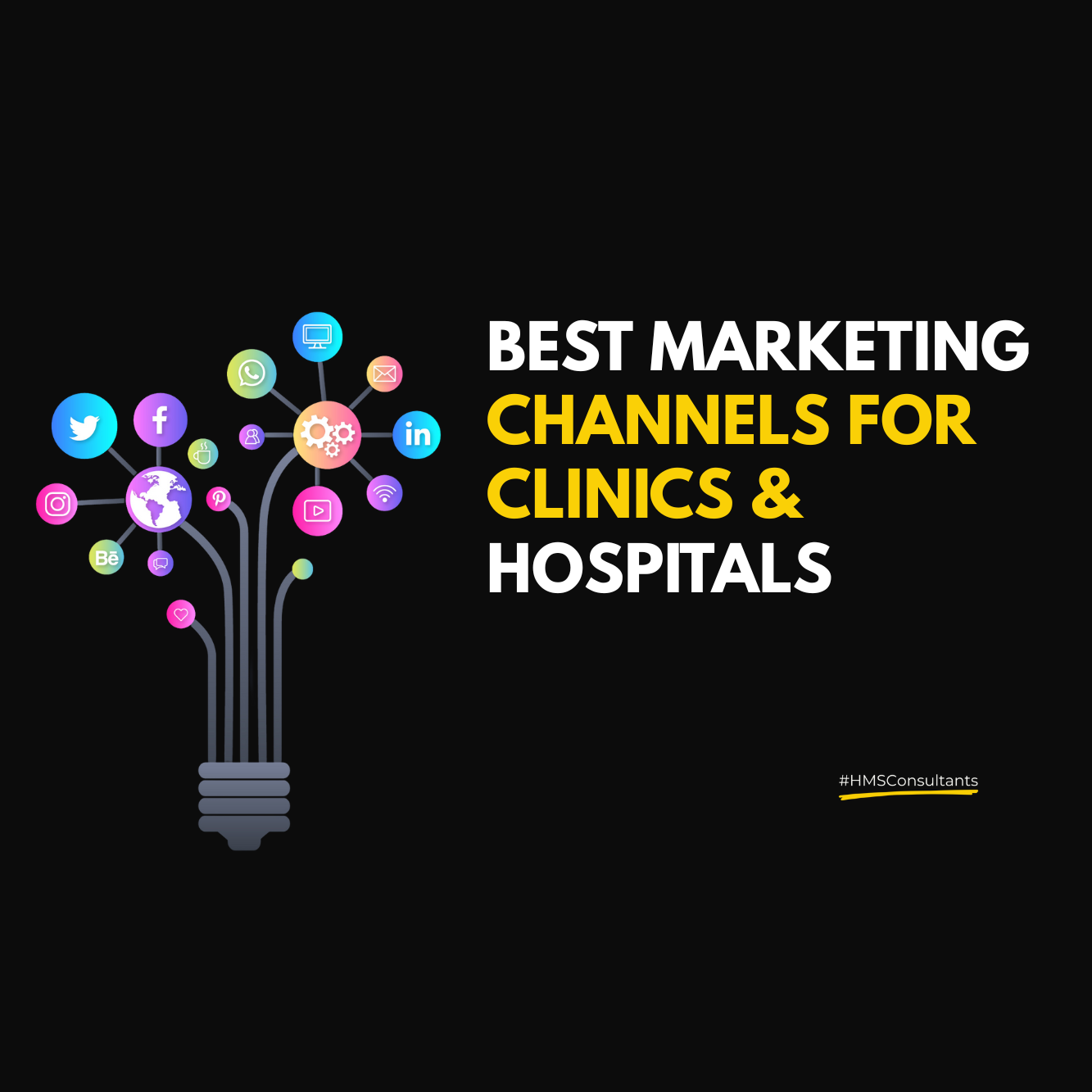
                • Best Marketing Channels for Clinics & Hospitals

                  Best Marketing Channels for Clinics & Hospitals

                  Best Marketing Channels for Clinics & Hospitals

                  Written by
                  Published on
                  Share This

                  In today’s competitive healthcare landscape, being a great doctor isn’t enough. To attract and retain patients, you need the right marketing strategy and at the heart of that lies one critical decision: which channels will actually work for your practice?

                  Too often, healthcare providers jump onto trends: Facebook ads, influencer marketing, expensive SEO campaigns, without clarity on what fits their goals, audience, or budget.

                  This blog will walk you through how to choose the right marketing channels for your clinic or hospital, with real considerations that go beyond generic advice.

                  1. Know Your Audience First (Not the Channels)

                  Before you even think about platforms, ask:

                  • Who are my ideal patients?
                  • What are their habits? (Online or offline? Instagram or newspapers?)
                  • Where do they go for health information or recommendations?

                  A pediatric clinic in a metro city may thrive on Instagram and mom groups. A rural eye hospital may find success through WhatsApp forwards and community events. The channel must match the patient.

                  Action Step: Create a simple patient persona. Age, income, tech savviness, preferred languages, and info sources.

                  2. Understand the Role of Each Channel

                  Each marketing channel plays a different role in the patient journey. Here’s a quick breakdown:

                  Channel

                  Best For

                  Google Business Profile

                  Discoverability + Credibility

                  WhatsApp Broadcast

                  Retention + Direct Engagement

                  Instagram

                  Brand Awareness + Soft Trust Building

                  YouTube Shorts

                  Thought Leadership + SEO Value

                  Facebook Groups

                  Community Building + Targeted Ads

                  Local Newspaper Ads

                  Regional Trust + Offline Awareness

                  Posters/Leaflets

                  Nearby Visibility + Low-Cost Recall

                  Doctor Directories (Practo, etc.)

                  Lead Generation + Reviews

                  No channel works in isolation. The best results come from mixing awareness, engagement, and conversion-focused tools in a planned sequence.

                  3. Prioritize Based on Your Stage

                  Are you a newly launched clinic, or an established hospital? Your channel mix should reflect your growth stage.

                  For new clinics/startups:

                  • Focus on local SEO and Google Business listing
                  • Start small with WhatsApp engagement
                  • Use Instagram to showcase work environment, doctor profiles, behind-the-scenes
                  • Join local Facebook groups (RWAs, community circles)

                  For growing practices:

                  • Start content marketing via blogs or YouTube Shorts
                  • Use paid ads (Google/Facebook) with retargeting
                  • Host offline health camps or webinars for lead gen

                  For established hospitals:

                  • Focus on brand reinforcement and trust
                  • Create specialty-specific funnels (e.g., cataract, IVF, ortho)
                  • Invest in patient experience marketing (feedback loops, CRM)

                  Action Step: Map your growth stage and choose 2–3 primary channels to focus on. Avoid scattergun marketing.

                  4. Track Effort vs Impact

                  A marketing channel is only as good as the results it brings relative to the effort/cost. Many founders waste energy on time-consuming platforms (like Reels or blogs) without consistency or returns.

                  Create a simple table:

                  Channel

                  Time/Cost Spent

                  Patients Reached/Leads

                  Is it Working?

                  Instagram

                  5 hrs/week

                  5–10 DMs, low conversions

                  No

                  GMB

                  1 hr/week

                  8 new calls/month

                  Yes

                  WhatsApp

                  2 hrs/month

                  15 repeat appointments

                  Yes

                  Let data, not peer pressure decide your next move.

                  5. Don’t Confuse Presence with Strategy

                  Just having a profile on Facebook or an Instagram page with occasional posts is not a strategy. A real marketing strategy answers:

                  • Why are we using this platform?
                  • What content will we post, and for whom?
                  • How will we measure success?

                  And most importantly: how will we guide a patient from seeing us to trusting us to booking an appointment?

                  Pro Tip: Treat your channels like departments. Each must serve a role (awareness, education, engagement, or conversion).

                  6. Watch What Your Patients Respond To

                  Look at the comments, messages, and feedback you’re already receiving:

                  • Do patients ask for directions? Highlight your GMB link.
                  • Do they want to know who’s treating them? Introduce your staff online.
                  • Are they engaging with reels but not converting? Shift to WhatsApp follow-ups.

                  Patient behaviour is your best strategist.

                  7. Review + Adjust Every 3 Months

                  Marketing isn’t set-and-forget. Every 90 days:

                  • Audit each channel’s performance
                  • Cut what’s not working
                  • Double down on high-ROI tactics
                  • Realign based on business goals (e.g., launch of a new service)

                  Don’t let dead platforms drain your time.

                  Final Thoughts : Marketing Channels Should Serve You, Not Confuse You

                  Choosing the right marketing channels isn’t about being everywhere. It’s about being visible where it matters, and building trust step by step.

                  As a healthcare founder, your time is limited. Focus on clarity, consistency, and conversion, and the right patients will follow.

                  If this sparked some questions or made you rethink your current channel mix, it might be time to take a step back and audit your strategy. You’re not alone in this, it’s something many growing practices struggle with.

                  Written by Tusharika Ranjan

                  Doctors Digital Marketing I Healthcare Marketing I Hospital Marketing Strategies I Marketing ideas for clinics I Marketing Trends 2025 I Medical Marketing I Social Media Marketing

                  is something we strongly believe in, which means ‘Knowledge without application is the same as having no knowledge at all

                  Akhil Dave

                  Principle Consultant

                  Ready to take your Personal Brand to the next level?

                  Share your details below and we will connect with you to discuss your growth strategy.


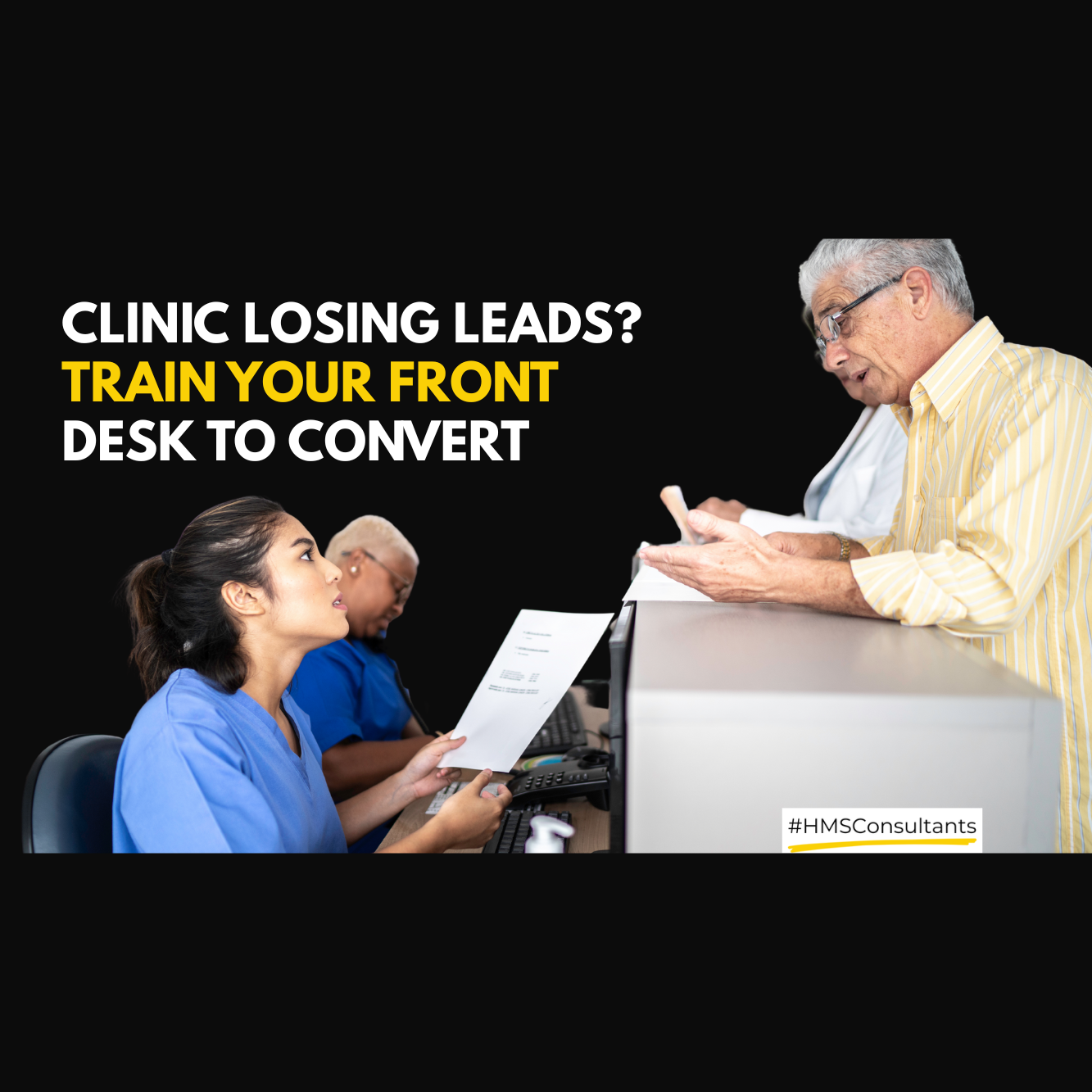
                  • From Call Logs to Conversions: Why Your Reception Team Might Be Failing Your Healthcare Marketing

                    From Call Logs to Conversions: Why Your Reception Team Might Be Failing Your Healthcare Marketing

                    From Call Logs to Conversions: Why Your Reception Team Might Be Failing Your Healthcare Marketing

                    Written by
                    Published on
                    Share This

                    You’ve done the hard work, invested in digital ads, optimized your SEO, boosted your social media. The phone finally rings. But what happens next?

                    In many hospitals, clinics, and diagnostic centers, the front desk or reception team becomes the weakest link in the marketing funnel. The ads may work, but the conversions don’t follow. Why? Because no one trained the people who answer the calls to handle them strategically.

                    This blog dives into why receptionist training is crucial for patient conversion, and how healthcare businesses can plug this invisible leak.

                    1. The Front Desk Is Your First Impression

                    In healthcare, trust is everything. For many patients, the first human interaction they have with your clinic isn’t the doctor, it’s the receptionist. A rushed or robotic tone, lack of clarity, or poor attitude can instantly break that trust. Ask yourself:

                    • Are my receptionists trained to sound calm, helpful, and empathetic?

                    • Do they know how to handle new patient inquiries, not just routine appointments?

                    2. Most Receptionists Aren’t Trained to Convert

                    Reception teams are usually trained for operations which are appointment booking, billing, file management. But when someone calls for the first time, it’s a sales opportunity, not just a clerical task. A good receptionist should:

                    • Know how to explain the doctor’s expertise in simple, reassuring language
                    • Guide the patient confidently toward booking a consultation
                    • Offer alternatives if the schedule is full (next best date, teleconsults, etc.)
                    • Ask the right questions without sounding intrusive

                    3. You’re Losing Money on Every Untrained Call

                    Imagine spending Rs. 5000 on ads. You get 15 leads. But only 3 convert because your front desk doesn’t follow up, can’t explain services, or keeps patients on hold.

                    That’s money burned.

                    Every missed or fumbled call isn’t just bad service, it’s a lost marketing investment. Your clinic’s ROI isn’t just tied to your marketing team. It’s tied to your operational readiness to convert.

                    4. Patients Today Need Guidance, Not Just Information

                    Thanks to Google, patients already know the basics. They call because they want clarity, assurance, and direction. If your receptionist simply says, “Yes, we do that. You can come,” then it’s not enough.

                    Instead, the call handler should say: “Yes, we have Dr. X who specializes in this. The consultation takes about 20 minutes. We can book you for tomorrow or suggest a video consultation today if it’s urgent.” This shift in tone increases confidence, and with it, bookings.

                    5. Call Scripts Are Not Just for Corporates

                    Even small clinics can benefit from basic call scripts and standard responses. They ensure:

                    • Every caller gets complete, consistent information
                    • Receptionists know how to handle pricing questions
                    • Upselling (like tests, second opinions, or follow-ups) happens naturally

                    Scripts are not about sounding robotic, they’re about being prepared and professional.

                    6. You Can Track and Improve Reception Performance

                    If you’re running marketing campaigns, set up a dedicated phone number (via a cloud telephony tool) to track how many leads come in and how they’re handled. Also consider:

                    • Call recordings (with patient consent) for training
                    • Weekly performance reviews
                    • Incentives for conversions booked

                    This turns your reception team into an extension of your sales strategy.

                    Final Thoughts

                    It’s easy to point fingers at marketing when patient footfall doesn’t increase. But often, the problem lies after the phone rings. Reception training is marketing enablement and every healthcare business should treat it as such.

                    In today’s competitive landscape, your next patient isn’t just one ad away. They’re one good phone conversation away.

                    Written by Tusharika Ranjan

                    Doctors Digital Marketing I Healthcare Marketing I Hospital Marketing Strategies I Marketing ideas for clinics I Marketing Trends 2025 I Medical Marketing I Social Media Marketing

                    is something we strongly believe in, which means ‘Knowledge without application is the same as having no knowledge at all

                    Akhil Dave

                    Principle Consultant

                    Ready to take your Personal Brand to the next level?

                    Share your details below and we will connect with you to discuss your growth strategy.


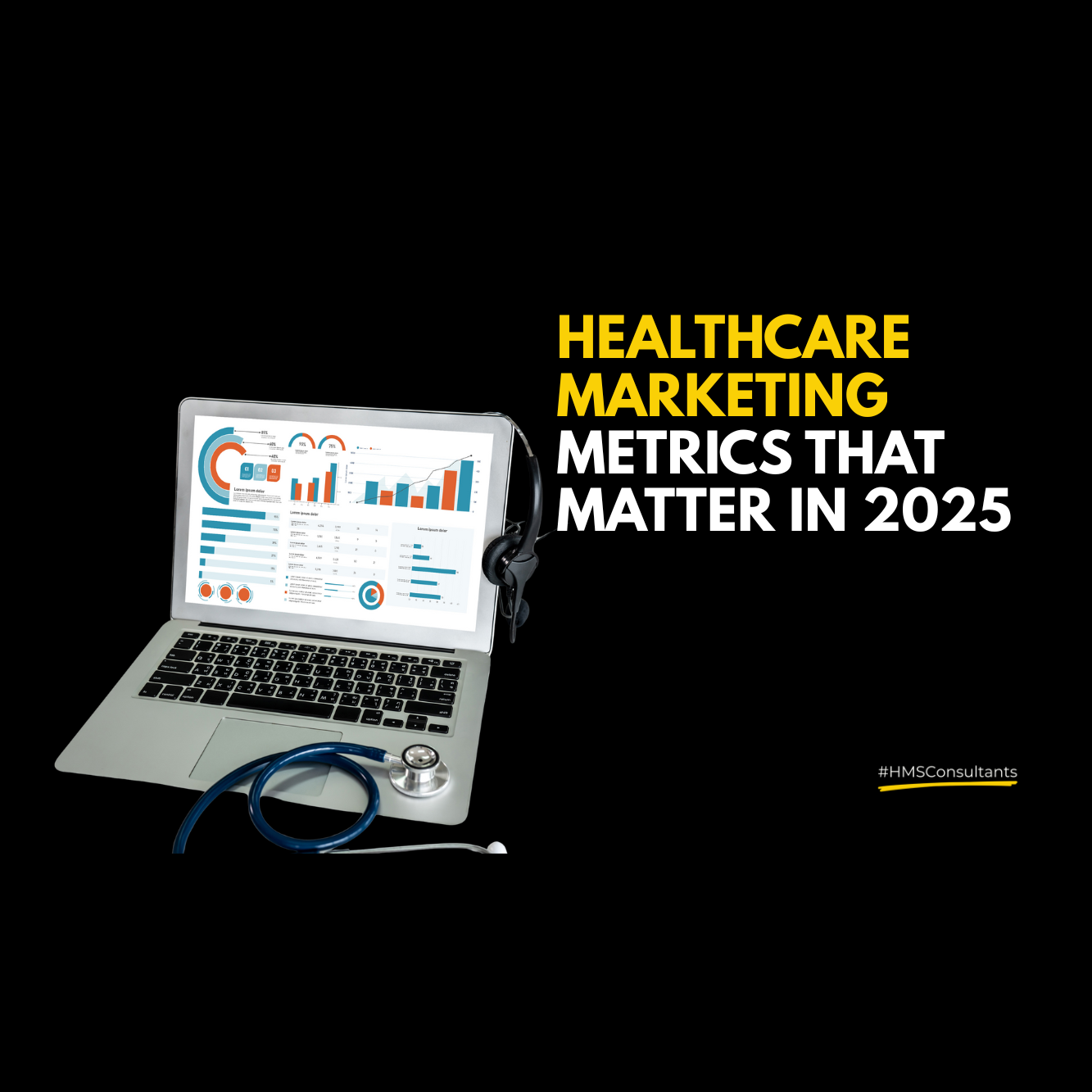
                    • Measuring What Matters: The Marketing Metrics Clinics Actually Need

                      Measuring What Matters: The Marketing Metrics Clinics Actually Need

                      Measuring What Matters: The Marketing Metrics Clinics Actually Need

                      Written by
                      Published on
                      Share This

                      Walk into any modern clinic or hospital today, and you’ll likely hear this:

                      “We’ve been running ads, posting on Instagram, even hired an agency but patients aren’t increasing the way we expected.” Sound familiar? Most clinics today are spending on marketing. But very few are measuring what truly matters.

                      Too often, the success of a campaign is judged by likes, followers, or impressions. While these numbers might look impressive on a social media report, they rarely answer the more important question:

                      “Did it bring the right patients through the door?”

                      The Real Cost of Tracking the Wrong Metrics

                      Let’s say you spent ₹10,000 boosting a reel about your clinic’s new service. It got 15,000 views. Your agency calls it a win. But two weeks later, your appointment calendar looks exactly the same. That’s not a win. That’s a missed opportunity to understand what’s actually driving results.

                      In reality, many clinics fall into the trap of chasing visibility without clarity:

                      • Posting without knowing who they’re speaking to
                      • Running ads without tracking what happens after the click
                      • Judging campaigns based on engagement, not patient action


                      Marketing becomes a blur of effort but not always impact.

                      The 6 Metrics That Actually Drive Clinic Growth

                      Let’s refocus. Here are the key metrics that smart healthcare businesses use to understand performance, optimise spend, and build sustainable growth:

                      1. New Patient Acquisition Rate

                      This tells you how many first-time patients you’re bringing in. It’s your frontline growth indicator.

                      If this number is flat despite marketing efforts, something’s off in your targeting, messaging, or funnel.

                      2. Appointment Conversion Rate

                      Not everyone who shows interest becomes a patient. This metric tracks how many leads (form fills, DMs, calls) actually book an appointment. If you have 50 inquiries but only 10 bookings, your communication or front-desk process might need improvement.

                      3. Patient Retention Rate

                      Many clinics obsess over new patient growth and forget about existing ones. This metric helps you understand how many patients return for second visits, annual check-ups, or long-term care. Retention is a sign of trust, convenience, and overall experience.

                      4. Cost Per Acquisition (CPA)

                      How much are you spending to bring in one new patient? If your CPA is higher than your average appointment value, you’re bleeding money. This metric helps you make marketing budget decisions grounded in reality.

                      5. Referral Rate

                      Referrals are one of the most powerful and cost-effective growth drivers. This metric tracks how many new patients came from word-of-mouth or direct recommendations. It speaks volumes about your credibility.

                      6. Channel ROI

                      Which platform or channel is actually delivering? Is Instagram bringing patients, or is Google Search outperforming everything else? If you’re active on five channels but only one converts, this metric helps you focus energy where it matters.

                      What Most Clinics Miss

                      Beyond the six core KPIs above, there are two additional metrics that can transform your decision-making:

                      Average Appointment Value

                      This helps you understand what each appointment is worth  essential for pricing decisions and profitability analysis.

                      Lifetime Patient Value (LTV)

                      This measures how much revenue one patient can bring over a long-term relationship. It allows you to plan long-term strategies and understand how much you can afford to spend on marketing or engagement.

                      So, How Do You Start Tracking All This?

                      1. Start Small

                      Pick 2 or 3 metrics that feel most urgent for your current stage. If you’re struggling with growth, focus on acquisition and CPA. If you have patients but struggle to scale, focus on retention and LTV.

                      2. Review Monthly

                      Track results month over month. Don’t just rely on a quarterly report from an agency. The more often you reflect, the more agile your decisions become.

                      3. Ask the Right Questions

                      Train your front-desk to ask: “How did you hear about us?”  Add source fields to your appointment forms. Watch what people search before calling you.

                      4. Use Simple Dashboards

                      You don’t need expensive tools. Google Sheets + Google Analytics + form data is often enough. Focus on consistency over complexity.

                      Final Thoughts

                      Visibility doesn’t equal impact.

                      At a time when clinics are under pressure to perform and budgets are tight, the clinics that win will be the ones that measure what truly matters. Let others count likes. You count patients.

                      Written by Tusharika Ranjan

                      Doctors Digital Marketing I Healthcare Marketing I Hospital Marketing Strategies I Marketing ideas for clinics I Marketing Trends 2025 I Medical Marketing I Social Media Marketing

                      is something we strongly believe in, which means ‘Knowledge without application is the same as having no knowledge at all

                      Akhil Dave

                      Principle Consultant

                      Ready to take your Personal Brand to the next level?

                      Share your details below and we will connect with you to discuss your growth strategy.