Search results for: “digital”

  • Market Feasibility Study for New Clinic India 2025 Guide

    Market Feasibility Study for New Clinic India 2025 Guide

    Market Feasibility Study for New Clinic India 2025 Guide

    Written by
    Published on
    Share This

    Opening a new clinic is a strategic commitment to serve a community’s health needs sustainably and responsibly. A market feasibility study for a new clinic in India in 2025 acts as your diagnostic foundation confirming the viability of your idea before major investments are made.

    Successful clinics don’t just open; they are strategically planned, deeply researched, and community-aligned. This updated guide combines fresh regulatory updates, cutting-edge technology integrations, and culturally sensitive approaches to help you build a resilient healthcare business in India.

    1: Define Your Vision and Service Scope

    Begin by defining your clinic’s core identity:

    • Specialty type: Single specialty (e.g., dermatology, pediatrics) or multi-specialty.
    • Key services: Consultations, preventive care, telehealth, day-care procedures, wellness services.
    • Target audience: Urban working professionals, young families, elderly patients, or rural populations.

    This clarity allows you to align operational, regulatory, and branding strategies from day one.

    2: Demographic, Epidemiological & Cultural Analysis

    Understand your patient community

    • Population profile: Age, gender ratio, income levels, insurance coverage, urban vs. rural split.
    • Disease burden: Use latest state and district-level health surveys to understand trends of NCDs and CDs (e.g., diabetes, hypertension, maternal health).
    • Cultural factors: Consider family decision-making patterns, gender preferences for certain specialties, and local attitudes toward preventive vs. curative care.

    In 2025, India’s push towards preventive healthcare and wellness is rising rapidly. Initiatives like Ayushman Bharat (Health & Wellness Centers) and National Health Mission (NHM) have reshaped patient expectations. Including these in your feasibility plan signals cultural alignment and readiness.

    3: Regulatory Landscape and Compliance

    Key updates for 2025

    • CDSCO’s reclassification: Your clinic’s equipment procurement strategy must comply.
    • SUGAM portal relaunch: This recent relaunch marked the full automation of licensing and approvals; all old applications nullified, requiring immediate resubmission.
    • BIS certification: Fast-tracking for critical devices by 2025.
    • New Drugs, Medical Devices & Cosmetics Bill: Introducing stricter oversight on devices and clinical establishments.
    • Personal Data Protection Act (DPDPA): Penalties for breaches now reach up to a significant level, necessitating robust patient data governance.
    • National Medical Device Policy: Emphasizes Make in India, pushing for self-reliant supply chains.

    For clinics, this means stringent scrutiny on equipment, clinical protocols, and data privacy practices. 

    CONSULT with legal and compliance experts early for this.

    4: Financial Feasibility Analysis

    Revenue projections

    • Expected monthly footfall, segmented by service lines.
    • Average revenue per patient (consult, diagnostics, therapies).
    • Cross-selling potential (wellness packages, annual memberships).

    Cost analysis

    • Real estate (lease/purchase), design and build, licensing.
    • Staffing and training, especially for tech-driven services.
    • Marketing and community outreach budget.

    Break-even and sustainability

    Model conservative, moderate, and optimistic scenarios to gauge risk appetite. With rising inflation and tech adoption costs, conservative planning is crucial in 2025.

    5: Competitive Analysis

    Map existing players

    • Identify clinics, hospitals, diagnostics centers within a 5 km radius.
    • Evaluate service gaps using Google reviews, Practo ratings, and patient forums.

    Assess pricing and brand perception

    • Are competitors known for affordability or premium care?
    • What are their unique value propositions?

    6: Technology and Innovation Readiness

    Embrace advanced technologies

    • AI and ML: Predictive analytics for appointment optimization, patient churn prediction, and synthetic data generation for training staff.
    • Wearables & RPM: Offer chronic disease monitoring services to increase patient loyalty and add new revenue streams.
    • Blockchain: Strengthen data security, improve consent management, and enhance audit trails for patient privacy.
    • Generative AI: Automate clinical notes and create personalized educational content for patients.

    Technology is not an add-on; it is core to future-ready clinic models.

    7: Community Engagement & Government Collaboration

    Engage grassroots networks

    • Partner with Community Health Workers (CHWs) under NHM.
    • Leverage Ayushman Bharat Health & Wellness Centres for preventive screening drives.

    Understand cultural nuances

    • Design service offerings that respect gender sensitivities.
    • Create family-friendly outreach programs.

    8: Primary Research & Local Sentiment

    Conduct community surveys

    • What services are lacking locally?
    • How far are people willing to travel for premium care?
    • What frustrates them about existing providers?

    Focus group discussions

    Test pricing sensitivity and potential acceptance of advanced services (e.g., teleconsultations, wellness packages).

    9: SWOT Analysis

    Performing a SWOT analysis for a new clinic establishment is a crucial self-assessment for owners. 

    To do this, start by listing Strengths (S) unique to your clinic, such as specialized services, experienced staff, advanced technology you plan to implement (like AI-driven diagnostics), or a strong initial capital. 

    Next, identify Weaknesses (W), which might include a lack of brand recognition, limited initial patient base, high startup costs, or a less-than-ideal location. 

    For Opportunities(O), consider external factors like underserved patient demographics in your target area, emerging healthcare trends (e.g., increased demand for telemedicine or preventive care), government incentives for new healthcare facilities, or potential partnerships with local businesses. 

    Finally, pinpoint Threats (T) – these could be strong competition from established clinics, unfavorable regulatory changes, economic downturns affecting patient spending, or unexpected challenges in talent acquisition. 

    By objectively evaluating these internal (S, W) and external (O, T) factors, new clinic owners can gain a clearer understanding of their position, strategize effectively, and proactively mitigate potential risks.

    Step 10: SEO and Digital Readiness Check

    SEO enhancements for 2025

    • Integrate “India” and “2025” throughout for freshness and context.
    • Use long-tail, conversational keywords.
    • Mobile-first optimization: With 70% of health searches via smartphones by patients, mobile optimization of the website becomes a priority. 
    • Local SEO focus: Optimize Google Business Profile and location-based keywords to the local physical location of the said clinic. 

    Leverage multimedia

    • Create explainer videos, short Instagram reels, or LinkedIn infographics to complement the blog.

    Conclusion

    A market feasibility study for a new clinic in India in 2025 is more than an analysis — it is your risk shield, brand compass, and patient trust foundation.

    By blending the latest regulatory requirements, advanced technology integrations, and culturally resonant community strategies, clinics can create offerings that are not only viable but future-proof.

    Believe in building healthcare brands that last, grounded in rigorous data, deep empathy, and a strategic long-term view.

    Written by Dr. Omang Gupta 

    contact Us HMS Consultants 

    Doctors Digital Marketing I Healthcare Marketing I Hospital Marketing Strategies I Marketing ideas for clinics I Marketing Trends 2025 I Medical Marketing I Social Media Marketing

    is something we strongly believe in, which means ‘Knowledge without application is the same as having no knowledge at all

    Akhil Dave

    Principle Consultant

    Ready to take your Personal Brand to the next level?

    Share your details below and we will connect with you to discuss your growth strategy.

    • How to Use Data to Improve the Patient Experience in Indian Healthcare

      How to Use Data to Improve the Patient Experience in Indian Healthcare

      How to Use Data to Improve the Patient Experience in Indian Healthcare

      Written by
      Published on
      Share This

      In today’s world, patients expect more than just good treatment they also want a smooth, stress-free experience. But many times, patients face small issues that can leave them feeling frustrated or confused. These issues are called friction points

      At HMS Consultancy, we help hospitals, clinics, and wellness centers understand where these friction points happen and how to fix them using data. When used the right way, data can help improve the overall patient journey and make healthcare better for everyone. 

      What Are Friction Points? 

      Friction points are moments during a patient’s journey where something goes wrong or doesn’t feel right. These can happen at different stages, such as: 

      • Booking an appointment 
      • Waiting for the doctor 
      • Talking to hospital staff 
      • Receiving bills or reports 
      • Following up after treatment 

      Even small problems like unclear directions, delays, or confusing bills can make patients unhappy. 

      Example: A patient books an appointment online but never gets a confirmation message. They arrive confused and unsure. This small mistake creates frustration, and that’s a friction point. 

      How Can Data Help? 

      Data helps us understand what is going wrong, where it’s going wrong, and why. Here are a few ways hospitals can use data to find friction points:

      1. Patient Feedback and Surveys

      After visiting a hospital, patients often fill out surveys or leave online reviews. This feedback is very useful. 

      Example: If many people say, “The waiting time was too long,” then long waits are clearly a problem. 

      What to Do: Collect this feedback regularly. Read comments carefully to find common issues. Tools like Google Forms, SurveyMonkey, or even Google Reviews can help. 

      2. Website and App Data

      Many patients visit a hospital’s website or use an app to book appointments or check information. By looking at how they use these tools, you can find where they get stuck. 

      Example: If most users leave the appointment page without booking, maybe it’s too hard to use or has errors. 

      What to Do: Use tools like Google Analytics or Hotjar to see how people move around your website or app. Find out which pages they leave quickly or which buttons they don’t click. 

      3. Call Center and Chatbot Records

      When patients call your hospital or use a chatbot, they often ask questions or report problems. These calls and chats can show what’s unclear or not working. 

      Example: If many people ask, “Where is the hospital located?” maybe your website doesn’t clearly show directions. 

      What to Do: Review call logs or chatbot conversations. Look for repeated questions. That’s where patients are confused. 

      4. Hospital Records and Timings

      Inside the hospital, a lot of data is already being recorded. This includes: 

      • How long do patients wait 
      • How much time does each appointment take 
      • How many appointments are missed or canceled 
      • How long patients stay in the hospital 

      Example: If patients are waiting 45 minutes to see a doctor, even with an appointment, that’s a sign of a system problem. 

      What to Do: Use this data to compare different departments. Find areas where time or processes can be improved. 

      5. Social Media and Online Reviews

      Patients often post their experiences on social media platforms like Instagram, Facebook, Google, or Practo. These reviews can tell you what patients love or hate about your services. 

      Example: If several patients complain online about rude staff or unclear bills, those are friction points. 

      What to Do: Regularly check reviews and comments. Use free tools like Google Alerts or social listening tools to track your mentions. 

      How to Fix the Problems You Find 

      Once you know where the problems are, you can start fixing them. Here are some examples: 

      Problem 

      What Data Showed 

      What to Do 

      Long Waiting Times 

      Hospital logs show long delays 

      Adjust doctor schedules, add reminders, or reduce overbooking 

      Booking is Hard 

      Website data shows users leave the page 

      Make booking simpler and mobile-friendly 

      Many Missed Appointments 

      Data shows high no-shows 

      Send reminders by SMS or WhatsApp 

      Confusing Bills 

      Feedback says billing is unclear 

      Explain charges better and show sample bills online 

      Poor Staff Behavior 

      Reviews mention rude behavior 

      Train staff for better communication and empathy 

      Can We Predict Problems Before They Happen? 

      Yes! Once you collect enough data, you can start predicting when and where problems may happen. This is called predictive analytics

      Example: 

      • If you know Mondays are always crowded, you can assign more staff that day. 
      • If older patients miss follow-ups more often, you can send them extra reminders. 

      This way, you don’t just fix problems you prevent them. 

      Final Thoughts

      In healthcare, every small issue matters. A long wait, a confusing form, or a rude reply can make patients feel uncomfortable or lose trust. 

      By using data, hospitals and wellness centers can find out what patients are struggling with, and take steps to improve those areas. At HMS Consultancy, we help you make data driven decisions to create a smoother, friendlier, and more caring patient experience. 

      Let’s use data to make healthcare simpler, smarter, and more human

      Written by Jay Wandile

      contact Us HMS Consultants 

      Doctors Digital Marketing I Healthcare Marketing I Hospital Marketing Strategies I Marketing ideas for clinics I Marketing Trends 2025 I Medical Marketing I Social Media Marketing

      is something we strongly believe in, which means ‘Knowledge without application is the same as having no knowledge at all

      Akhil Dave

      Principle Consultant

      Ready to take your Personal Brand to the next level?

      Share your details below and we will connect with you to discuss your growth strategy.

      • Clinic Marketing in 2025: Proven Strategies for Growth

        Clinic Marketing in 2025: Proven Strategies for Growth

        Clinic Marketing in 2025: Proven Strategies for Growth

        Written by
        Published on
        Share This

        Why Marketing Matters & Foundational Strategy

        The Rising Need for Marketing in Clinics

        In today’s digital-first healthcare landscape, a well-rounded clinic marketing strategy ensures you’re visible, trusted, and approachable. With the majority of patients using online channels before choosing a provider, marketing is no longer optional it’s essential.

        It’s not about sales it’s about diagnosing needs (audience research), prescribing solutions (marketing initiatives), and monitoring outcomes (KPIs). Every activity should echo the clinic’s core values transparency, empathy, and ethical care.

        Key Tactic 1: Local SEO & Online Presencew

        • Google Business Optimization (GBP): Ensure NAP (Name, Address, Phone) consistency. Add real photos, service details, working hours, and FAQ posts.
        • Local Keywords SEO: Include phrases like “clinic in [City]” or “best skin specialist near me” in website metadata.
        • Directory Listings: Maintain accurate presence on Practo, JustDial, Healthgrades, etc.

        Key Tactic 2: Engaging Content & Thought Leadership

        • Blogging & FAQs: Answer local patient concerns “How to manage seasonal allergies?” or “What to expect in a pediatric check-up?” 
        • Infographics: Visual explainers on prevention, wellness, or treatment processes.
        • Short-Form Video Series: Use 30–60 second Reels or Shorts for trusted health tips.

        Community Trust & Digital Innovation

        Key Tactic 3: Patient Referral Programs

        Build structured referral schemes with thank-you incentives or priority booking to organically expand reach through satisfied patient networks

        Key Tactic 4: Online Reputation Management

        With the majority of patients reading online reviews:

        • Encourage reviews gently at point-of-care.
        • Respond promptly with empathy.
        • Resolve any negative feedback with follow-up care and transparency.

        Key Tactic 5: Social Media Engagement

        • Micro-Learning Reels & Carousels: Bite-sized content on seasonal health or clinic FAQs.
        • Live Q&A & Staff Spotlights: Humanise interactions with professional, warm videos.
        • Geo-Targeted Ads: Promote local events or teleconsults with targeted Facebook/Instagram campaigns.

        Key Tactic 6: AI Chatbots & Telehealth Promotion

        • Use AI-powered chatbots for 24/7 FAQs, appointment scheduling, and follow-up support.

        • Promote telehealth prominently through ads and organic content, particularly for appointment convenience .

        Community Outreach & Data-Driven Refinement

        Key Tactic 7: Workshops & Community Events

        Organize free or low-cost health workshops nutrition, maternal care, preventive screenings with branded collateral and engaging social follow-up to reinforce local trust .

        Key Tactic 8: Email & SMS Marketing Sequences

        Implement structured messaging such as:

        • Appointment reminders
        • Monthly newsletters with condition-specific content
        • Preventive health tips segments.

        Key Tactic 9: Video & Virtual Tour Experiences

        Clinics can benefit from showcasing staff routines, facility tours, or procedure primers these formats drive connection and patient confidence.

        Key Tactic 10: Digital Signage & Onsite Experience

        • Use digital displays in waiting rooms to share health tips and staff spotlights.
        • Enhance patient experience with calming visuals, wayfinding screens, and consistency with your digital brand.

        Measurement, Compliance & Innovation

        Track & Evaluate

        Metric

        Tool / Approach

        Search Visibility

        GBP views/clicks

        Online Reputation

        Average ratings, sentiment analysis

        Engagement

        Reach, comments, shares

        Conversion

        Appointment bookings, chatbot starts

        Community Impact

        Event attendance, sign-ups

        Perform monthly reviews for campaign updates and quarterly audits to identify gaps and optimization needs.

        Ensure Compliance & Ethical Integrity

        • Abide by NMC/UCPMP rules and regulations.
        • Store patient response data per DPDPA, including opt-in logs and clear data usage guidelines .

        Future Fixes & AI Advancements

        • Predictive Analytics: Use data to anticipate patient needs e.g., seasonal flu messaging to high-risk segments .
        • Voice Search Preparedness: Optimize FAQs for queries like “Do clinics near me offer telehealth?”
        • AR Filters & Interactive Tools: Use browser-based quizzes or mindset tools to increase engagement and perception of trust.

        Conclusion: Your Strategic Blueprints

        These Clinic Marketing Ideas form an integrated, patient-first ecosystem:

        • Strong local SEO
        • Trust-building content and social strategies
        • Community & referral loops
        • Seamless digital integration
        • Metrics-based improvement
        • Ethical, compliant execution

        If you’re a solo doctor or multi-specialty clinic, these strategies offer a balanced, sustainable way to grow GP viewership, build trust, and drive patient loyalty.

        Written by Dr. Omang Gupta 

        contact Us HMS Consultants 

        Doctors Digital Marketing I Healthcare Marketing I Hospital Marketing Strategies I Marketing ideas for clinics I Marketing Trends 2025 I Medical Marketing I Social Media Marketing

        is something we strongly believe in, which means ‘Knowledge without application is the same as having no knowledge at all

        Akhil Dave

        Principle Consultant

        Ready to take your Personal Brand to the next level?

        Share your details below and we will connect with you to discuss your growth strategy.

        • Marketing Health Services for Hospitals | Build Trust & Grow

          Marketing Health Services for Hospitals | Build Trust & Grow

          Marketing Health Services for Hospitals | Build Trust & Grow

          Written by
          Published on
          Share This

          Marketing health services in today’s digitally connected world is no longer optional it’s essential. Patients are no longer passive recipients of care; they are informed decision-makers who research doctors, read online reviews, engage on social media, and evaluate healthcare providers based on digital touchpoints before stepping into a hospital.

          1. Digital Presence is the New Front Door

          Before stepping into a hospital, most patients search online. Whether it’s looking for the best pediatrician, reading reviews, or comparing treatments, the journey starts with Google. 

          Every healthcare provider today must have: 

          • A responsive, mobile-friendly website with detailed services, doctor profiles, and appointment options. 
          • Health blogs that answer common patient queries using simple, empathetic language. 
          • A strong Google My Business profile and active online review management. 

          2. Targeted Campaigns for Real Patient Personas

          Effective healthcare marketing starts with understanding your audience. Not all patients have the same needs, which is why persona based marketing is crucial. 

          For example: 

          • A first time mother might be looking for prenatal yoga, lactation support, and postpartum counseling. 
          • A working professional may need preventive checkups and stress relief packages. 
          • A teenager might be searching for mental health support or skin treatments. 

          By creating patient personas, we design highly focused campaigns on platforms like Instagram, Facebook, and Google Ads, ensuring better engagement and conversion. 

          3. Social Media Builds Trust and Connection

          Social media isn’t just for branding; it’s a tool to educate, engage, and build trust. 

          Content that works: 

          • Doctor Q&A Reels (“Ask the Pediatrician”) 
          • Behind-the-scenes videos (NICU walkthrough, day in the life of an OB-GYN) 
          • Real patient stories (with consent) 
          • Infographics on common issues (e.g., breastfeeding tips, postpartum mental health) 

          What to avoid: medical jargon, impersonal content, or exaggerated claims. 

          4. Integrated & Consistent Communication

          An effective healthcare marketing strategy should be omnichannel and consistent, whether it’s online ads, emails, SMS, or physical brochures. 

          Marketing touchpoints include: 

          • Email nurturing campaigns for appointment reminders, health tips, or follow-up care. 
          • WhatsApp or SMS updates for health check promotions or patient engagement. 
          • Offline + Online integration — like promoting a wellness camp across social, SMS, and your website simultaneously. 

          5. Ethical Marketing is Non-Negotiable

          In healthcare, trust is everything. Marketing must always remain honest, respectful, and ethical. 

          Avoid: 

          • Fear-based or guilt-inducing messaging 
          • Unrealistic guarantees (“100% Cure”) 
          • Misleading or unverified health claims 

          6. Thought Leadership as a Growth Driver

          Establishing your doctors and brand as authorities in healthcare builds immense trust. 

          How? 

          • Host free webinars on child wellness, maternal health, or mental wellness. 
          • Publish case studies or treatment success stories. 
          • Share doctor led videos explaining procedures or health tips. 

          7. Track, Adapt, Repeat

          Modern marketing is about measurable results. Track what’s working and what’s not. 

          Key metrics: 

          • Website traffic and lead conversion 
          • Social media engagement 
          • ROI on ad spend 
          • Patient satisfaction and feedback 

          Final Thought

          In today’s healthcare landscape, growth isn’t just about more patients it’s about building trust, delivering value, and creating meaningful connections. A patient-first marketing approach focuses on digital visibility, personalized communication, ethical messaging, and measurable outcomes. By combining empathy with strategy and staying true to medical integrity, hospitals and clinics can strengthen their reputation, engage patients more deeply, and drive sustainable growth in 2025 and beyond.

          Written by Jay Wandile

          contact Us HMS Consultants 


          Doctors Digital Marketing I Healthcare Marketing I Hospital Marketing Strategies I Marketing ideas for clinics I Marketing Trends 2025 I Medical Marketing I Social Media Marketing

          is something we strongly believe in, which means ‘Knowledge without application is the same as having no knowledge at all

          Akhil Dave

          Principle Consultant

          Ready to take your Personal Brand to the next level?

          Share your details below and we will connect with you to discuss your growth strategy.

          • How to Select a Name, Logo & Tagline for Your New Hospital

            How to Select a Name, Logo & Tagline for Your New Hospital

            How to Select a Name, Logo & Tagline for Your New Hospital

            Written by
            Published on
            Share This

            Boost your brand with emotional clarity, strategic identity, and legal compliance

            The Strategic Importance of Naming & Visual Identity

            1. Why Hospital Naming and Branding Matter

            Choosing the right name, logo, and tagline isn’t decoration it’s your first conversation with patients. These elements signal:

            • Trust and clarity in a crowded market
            • Clinical credibility, even before the first consult
            • Differentiation, positioning your hospital’s unique care proposition 

            Branding is like a clinical diagnosis: you must define the problem (audience need), prescribe solutions (your name & visual identity), and monitor outcomes (patient perception).

            2. Selecting the Right Name

            2.1 Be Memorable, Meaningful & Descriptive

            • Keep it short and easy to pronounce
            • Focus on benefits or specialties, not just founder names
            • Example: “Prognos Health” conveys insight unique yet resonant in brand storytelling 

            2.2 Ensure Legal Clarity

            • Check for trademark conflicts and any naming restrictions under hospital registration laws
            • Let legal counsel review for compliance and uniqueness

            2.3 Do a domain market search

            • Confirm URL availability and across social platforms

            3. Building a Cohesive Logo

            3.1 Visual Simplicity & Symbolism

            • Avoid visuals that confuse or mislead. 
            • Choose symbols that support your mission (e.g., compassionate care, advanced medicine) 

            3.2 Versatility & Readability

            • Must scale legibly: from signage to app icon
            • Specify clear space rules and simplified versions of the logo.

            4. Crafting a Tagline That Resonates

            4.1 The Power of a Tagline

            A tagline is your brand’s value proposition in six words  . Effective taglines are:

            • Focused: highlight one core benefit
            • Short: easy to recall
            • Emotionally resonant: connect without hyperbole

            Examples:

            • “Your Partner in Lifelong Care”
            • “Compassionate Healing, Advanced Medicine”
            • “Where Families Find Health & Hope”

            Avoid stale clichés like “5-star care” or “highest quality” they fail to differentiate and may undermine uniqueness  .

            5. Building a Branding System

            5.1 Develop a Brand Positioning Statement

            Life your brand’s foundation from the formula:

            For [target audience] who [need], [Hospital Name] is a [hospital type] that [primary benefit]. Unlike [competitors], our brand [differentiator].   

            Your tagline should reinforce this core positioning.

            5.2 Create Visual & Brand Guidelines

            • Define primary and secondary color codes.
            • Specify logo placement and clear space no distortion 

            Outline typography, messaging tone, imagery style, and accessibility standards

            6. Embedding Branding in Patient Experience

            6.1 Offline Touchpoints

            • Exterior signage: visible, readable, well-placed
            • Interior: color zones, wayfinding, comfortable aesthetics
            • Staff uniforms and badges consistent with logo and color palette

            6.2 Digital Touchpoints

            • Website, social media, and patient portal reflect unified identity
            • Video intros and animations reinforce trust during user interaction

            7. Compliance & Ethical Considerations

            • Avoid names implying unrealistic guarantees (e.g., “Miracle Care Hospital”) this violates NMC/UCPMP 
            • Respect privacy no medical claims or using patient imagery in logo or campaigns without consent
            • Ensure color contrast and design accessible to visually impaired users

            8. Implementation Roadmap & Measurement

            8.1 Measuring Brand Impact

            • Brand Awareness: through surveys and web search trends
            • Engagement Metrics: social media growth, content shares
            • Operational Consistency: audit brand usage across touchpoints
            • Patient Feedback: comments on the brand and first impressions

            Final Thought

            Naming, logo design, and tagline creation is more than branding it’s strategic brand architecture. Getting it right ensures your hospital arrives in the hearts and minds of patients before they experience your clinical care.

            Written by Dr. Omang Gupta 

            contact Us HMS Consultants 

            Doctors Digital Marketing I Healthcare Marketing I Hospital Marketing Strategies I Marketing ideas for clinics I Marketing Trends 2025 I Medical Marketing I Social Media Marketing

            is something we strongly believe in, which means ‘Knowledge without application is the same as having no knowledge at all

            Akhil Dave

            Principle Consultant

            Ready to take your Personal Brand to the next level?

            Share your details below and we will connect with you to discuss your growth strategy.

            • Public Relationship Management for Hospitals: Building Trust Beyond Treatment 2025.

              Public Relationship Management for Hospitals: Building Trust Beyond Treatment 2025.

              Public Relationship Management for Hospitals: Building Trust Beyond Treatment 2025.

              Written by
              Published on
              Share This

              A Strategic Guide to Ethical, Compliant, and Data-Driven Healthcare Communication in India – 2025 and Beyond

              In India’s fast-evolving healthcare landscape, trust isn’t just a virtue , it’s a strategic asset. As digital disruption intensifies and regulatory scrutiny tightens, Public Relationship Management (PRM) has emerged not merely as a marketing function but as a pillar of sustainable hospital growth.

              Hospitals today must do more than offer quality care. They must also communicate trust, demonstrate credibility, and above all, navigate an increasingly complex ecosystem of patient expectations, media narratives, and legal responsibilities.

              This blog redefines PRM for Indian hospitals in 2025, not as mere visibility, but as a disciplined blend of compliant innovation, ethical storytelling, digital intelligence, and community-rooted brand positioning.

              What Is Public Relationship Management in Healthcare?

              Public Relationship Management (PRM) is the strategic orchestration of communication between a healthcare institution and its stakeholders, including patients, families, referring doctors, media, civil society, and regulatory authorities.

              It spans multiple touchpoints, such as:

              • Patient storytelling & experience design (with documented informed consent)
              • Doctor-led medical journalism & expert visibility
              • Community impact campaigns aligned with public health needs
              • Crisis reputation management, especially in adverse outcomes
              • Digital platforms & search engine narrative control

              But in India’s current healthcare climate, PRM must also comply with ethical mandates particularly those under:

              • IMC Regulations
              • NMC 2023 Guidelines: We advise readers to monitor for future updates while acknowledging that the principles embedded in these regulations likely reflect the intended direction of future ethical compliance in the medical profession
              • UCMP 2024 Guidelines: These guidelines were “expanded to include medical device manufacturing companies” in September 2024. This is a significant update that broadens the scope of compliance for hospitals to an extent and that the readers should read all these guidelines.
              • Digital Personal Data Protection Act, 2023

              Reminder: Patient names, images, or testimonials must never be shared without explicit, verifiable consent. Content that hints at superiority, guaranteed results, or unjustified claims violates medical ethics and can attract penalties.

              Why Hospitals Can’t Ignore PR in 2025: The Reality Check

              1. Digital Word-of-Mouth Has Replaced Traditional Referrals

              Patients “Google before they go.” A hospital’s online presence, reviews, and visibility on platforms like Google Business, Practo, JustDial, and health forums often outweigh word-of-mouth or even brand legacy.

              2. Crisis is Not a Possibility, It’s a Certainty

              From medico-legal cases and treatment dissatisfaction to viral misinformation, every hospital is vulnerable. How your hospital prepares, responds, and communicates during these events defines your future patient volumes.

              3. Trust Deficit in Indian Healthcare

              Reports from NITI Aayog and Lancet indicate a persistent lack of trust in private healthcare in India, often driven by opaque pricing, communication gaps, and perceived commercial motives. PRM becomes a vital tool to humanize care and showcase transparency.

              4. Doctor Visibility = Institutional Authority

              A single credible media quote from a consultant can boost both the doctor’s and the hospital’s authority in that specialty, driving referrals and enhancing institutional prestige.

              The Five Pillars of a Legally Compliant PR Strategy for Indian Hospitals

              1. Digital Reputation & Feedback Management

              • Use healthcare-grade ORM tools to monitor feedback across Practo, Lybrate, Google, and Quora.
              • Set up standard operating protocols for patient complaint resolution within 72 hours.
              • Avoid incentivizing reviews because it violates IMC guidelines and Google’s spam policies.

              2. Ethical Media & Press Relations

              • Pitch non-branded public health awareness stories during events like World Heart Day, Breastfeeding Week, etc.
              • Facilitate data-backed opinion pieces authored by your specialists in regional newspapers and online publications.
              • Avoid comparative advertising. Instead, position the hospital on values, transparency, and medical integrity.

              3. Doctor Branding Within Ethical Boundaries

              • Develop SEO-optimized, factually accurate profiles of key consultants (credentials, specialties, not personal claims).
              • Host regular webinars, Q&A sessions, and community AMAs (ask-me-anything) without aggressive service pitches.
              • Use LinkedIn, YouTube, and Instagram reels to spotlight public health education, not self-promotion.

              IMPORTANT NOTE: Doctors must refrain from using titles such as “India’s No.1” or “Renowned” unless substantiated by national-level, third-party recognition or awards. Misuse can result in medical council censure.

              4. Community Engagement for Trust-Building

              • Run free checkup camps in underserved areas in partnership with local PHCs, CSR arms, or NGOs.
              • Organize parenting, nutrition, or adolescent health workshops in schools and colleges.
              • Align hospital outreach with state-specific health goals (e.g., Anaemia Mukt Bharat, TB Mukt Bharat).

              5. Crisis Communication Framework

              • Develop a Crisis SOP playbook including approval chains, spokesperson guidelines, and legal vetting protocols.
              • Appoint a trained, medically literate PR spokesperson, preferably someone with both healthcare and communication background.
              • During crises, respond within 24 hours with empathy, legal caution, and fact-based clarity.

              Smart Tools Powering Modern Healthcare PR

              Tool Category

              Examples

              Purpose

              Social Media Listening

              Hootsuite, Brandwatch, Sprout Social

              Identify patient sentiment & prevent escalation

              ORM Platforms

              RepuGen, Practo Engage, Birdeye (India)

              Review & feedback management

              AI-driven CRM & Chatbots

              Yellow.ai, Tars, Navia

              Automate patient queries and maintain engagement

              Press Release Platforms

              IndiaPRwire, BusinessWire India, Press Trust of India

              News distribution & authority building

              WhatsApp Feedback Bots

              Interakt, Gupshup

              Collect real-time OP/IPD satisfaction scores

              AI Integration: Hospitals should be encouraged to explore the strategic application of AI beyond basic chatbots for PRM. This includes AI-driven sentiment analysis for comprehensive online review monitoring, predictive analytics for early crisis identification, and personalized patient communication at scale to enhance engagement and build loyalty.   

              Data Interoperability: Seamless data flow will enable more personalized, efficient, and secure patient engagement, thereby becoming a crucial asset for advanced PRM strategies.   

              Video Content: The importance of incorporating video marketing for purposes such as virtual facility tours, authentic patient testimonials, and educational health content, given that video is projected to dominate online traffic by 2025 is highly important.

              India-Specific Best Practices: Reputation That Converts

              EXAMPLE: How a Mid-Tier Hospital in Jaipur Doubled Footfall in 6 Months

              A 200-bed multi-specialty hospital in Rajasthan improved footfall by 48% through:

              • Transparent patient billing infographics shared on Instagram
              • Regional-language health education reels by their top gynaecologist
              • Weekly newspaper columns on seasonal health tips
              • Participation in State TB and Maternal Health taskforces as a credible partner

              NOTE: Explicitly link transparent pricing models and value-based communication as direct, proactive PRM strategies to effectively combat the “trust deficit” that is often driven by perceived commercial motives and opaque pricing structures.This will demonstrate how PRM directly addresses the economic drivers of distrust.

              From Perception to Loyalty: PR as a Clinical Asset

              “A successful surgery saves a life. But a successful reputation saves a hospital.”

              Today’s patients are not only just seeking the best doctor, they’re seeking empathy, clarity, credibility, and reassurance. A well-structured, compliant and human PR strategy makes your hospital not only visible but venerable.

              Final Thought

              Compliant Innovation is the Future of Healthcare PR

              PRM in healthcare must no longer be viewed as a tactical visibility tool, but as a strategic, ethical compass in a sector increasingly under public and legal scrutiny.

              For hospitals and healthcare brands that seek long-term patient trust, compliance and innovation are not trade-offs rather they are twin engines of sustainable success.

              Written by Dr. Omang Gupta 

              HMS Consultants

              Doctors Digital Marketing I Healthcare Marketing I Hospital Marketing Strategies I Marketing ideas for clinics I Marketing Trends 2025 I Medical Marketing I Social Media Marketing

              is something we strongly believe in, which means ‘Knowledge without application is the same as having no knowledge at all

              Akhil Dave

              Principle Consultant

              Ready to take your Personal Brand to the next level?

              Share your details below and we will connect with you to discuss your growth strategy.

              • Doctor Personal Branding: A Strategic Guide to Build Trust & Visibility

                Doctor Personal Branding: A Strategic Guide to Build Trust & Visibility

                Doctor Personal Branding: A Strategic Guide to Build Trust & Visibility

                Written by
                Published on
                Share This

                In an era where patients research their doctors before ever stepping into a clinic, your digital presence is your first impression. Personal branding is no longer optional for healthcare professionals  it’s a strategic necessity. Whether you are a practicing physician, a specialist, or a clinic owner, building a trustworthy, visible, and consistent brand can directly impact your patient engagement, professional reputation, and long-term success.

                At HMS Consultants, we don’t execute campaigns  we design strategies. We help doctors like you shape your brand, clarify your message, and guide your digital and offline journey so that your execution partners (agencies or internal teams) can deliver with clarity.

                The Foundations of Personal Branding

                Define Your Niche
                Be specific. Are you a pediatric cardiologist? A cosmetic dentist? The more clearly you define your expertise, the easier it is to attract the right audience.

                Clarify Your Core Values
                Do you stand for compassionate care, patient-first diagnosis, evidence-based treatment, or affordable healthcare? Your values guide how you show up online and offline.

                Craft a Compelling Brand Story
                Patients don’t connect with degrees they connect with stories. Why did you become a doctor? What have you learned along the way? What makes your approach different?

                Building Your Online Presence

                Google My Business Optimisation
                Ensure your GMB profile is claimed, updated, and includes photos, services, working hours, and patient reviews. This improves your visibility in “doctor near me” searches.

                LinkedIn for Doctors
                Use LinkedIn to showcase thought leadership. Share case studies (with patient consent), opinion pieces on medical trends, or videos on healthcare awareness.

                Instagram & YouTube as Educational Tools
                Short-form reels build attention. Long-form YouTube videos build authority. Topics like “Myths about LASIK,” “How to manage knee pain,” or “My journey as a doctor” can go a long way.

                Personal Website or Blog
                A doctor-branded website (e.g., drrahulshah.com) adds credibility. It centralizes your content, offers SEO benefits, and builds trust over time.

                Authority Through Content

                Content Ideas for Doctors

                • Weekly health tips in your specialty
                • Behind-the-scenes videos at your clinic
                • Myth-busting series
                • Patient success stories (with consent)

                Cross-Platform Strategy
                Use YouTube for deep-dive videos, Instagram for reach, Quora for answering questions, and your website for SEO blogs.

                Consistency is King
                The most successful personal brands show up regularly. Create a content calendar and let your team or agency execute it consistently.

                Offline Touchpoints that Amplify Your Brand

                Clinic Environment
                Your waiting room, reception, wall posters, and staff dress code should all reflect your brand tone (professional, warm, modern, etc.).

                Train Your Front Desk Team
                They are the first human brand contact. Make sure they understand your vision and how to communicate it to patients with empathy and professionalism.

                Patient Reviews & Testimonials
                Encourage happy patients to leave honest feedback. Respond to reviews with gratitude and empathy.

                Common Mistakes Doctors Make

                Only relying on Instagram reels
                Platforms change. You must diversify.

                Not training your staff
                Even the best marketing fails if your front desk is rude or disorganized.

                Not showcasing your values
                People don’t just want expertise  they want relatability and trust.

                Ignoring long-form content
                Authority is built with depth, not just entertainment.

                How HMS Consultants Can Help

                We at HMS Consultants specialize in strategy-first personal branding for doctors. We don’t execute campaigns instead,

                we: Conduct Personal Brand Audits
                Create Strategic Content Blueprints
                Guide your agency/in-house team for effective execution
                Align your brand with growth, ethics, and visibility

                Our approach ensures that doctors can focus on what they do best healing while we take care of how the world perceives them.

                FAQs

                Q: What is personal branding for a doctor?
                It’s how you present yourself to the world online and offline in a way that builds trust and authority.

                Q: How can doctors benefit from branding?
                A strong personal brand leads to increased visibility, patient trust, and practice growth.

                Q: Which platforms are best for doctors to build their brand?
                Google My Business, LinkedIn, Instagram, YouTube, and your personal website/blog.

                Q: Is it ethical for doctors to promote themselves?
                Yes — when done ethically. Educating, sharing insights, and showing real value are professional, not promotional.

                Q: Can HMS Consultants help even if I already have a marketing agency?
                Absolutely. We provide the strategic direction your team or agency needs to succeed.

                CTA: Ready to Build Your Personal Brand?

                Stand out in a sea of sameness. Let HMS Consultants help you craft a clear, powerful, and ethical personal brand that builds trust, grows visibility, and supports your practice.

                Schedule your strategy call today: Hms consultants 

                Written by : Akhil Dave

                Doctors Digital Marketing I Healthcare Marketing I Hospital Marketing Strategies I Marketing ideas for clinics I Marketing Trends 2025 I Medical Marketing I Social Media Marketing

                is something we strongly believe in, which means ‘Knowledge without application is the same as having no knowledge at all

                Akhil Dave

                Principle Consultant

                Ready to take your Personal Brand to the next level?

                Share your details below and we will connect with you to discuss your growth strategy.

                • Social Media for Hospital | 2025 Blueprint

                  Social Media for Hospital | 2025 Blueprint

                  Social Media for Hospital | 2025 Blueprint

                  Written by
                  Published on
                  Share This

                  The New Digital Front Door & Strategic Foundations

                  Why Social Media for Hospital Is Essential in 2025

                  In 2025, social media isn’t just a marketing channel, it’s often the first interaction between hospitals and patients. 

                  Platforms like Facebook, Instagram, and LinkedIn supplemented by short-video content to shape opinions, build trust, and frequently guide patient decisions .

                  Each post must be clinically accurate, patient-centric, empathetic, and compliant with India’s NMC, UCPMP, and DPDPA regulations providing guidance without risk.

                  Core Tactics: Educational & Interactive Content

                  1. Informational Infographics & Carousels: Focus on trending health topics and local needs. Use clean headlines like “Top 5 Ways to Prevent Swine Flu” to support voice-search optimization .
                  2. Medical Myth-Busters: Tackle misconceptions with sourced clarity e.g., “Masks don’t cause Viral Pneumonia.”
                  3. Expert Explainer Videos & Live Q&As: Share short-form videos for tips (hand-washing, child CPR), and weekly Q&As to engage and reassure patients directly .
                  4. Virtual Facility Tours (AR/VR ready): Offer immersive walkthroughs of OPDs and wards to reduce anxiety and build digital comfort .

                  SEO & E-E-A-T Integrations

                  • Embed the keyword “Social Media for Hospital” in headings and naturally within content.
                  • Optimize mobile-friendliness, speed, alt-text, and structured data to reinforce trust and discoverability.
                  • Embed short FAQs (“How can hospitals use social media responsibly?”) to capture snippet and voice-search traffic.

                  Engagement, Trust, & Rigorous Compliance Backbone

                   Authentic Engagement & Community Building

                  1. Two-Way Communication: Actively respond to comments, messages, and inquiries within 24 hours. Use interactive tools like polls for example, “Which vaccination topic next week?”
                  2. Geo-Targeted Awareness Ads: Use Facebook/Instagram ads in your city radius, refined by demographic needs. Promote teleconsults or free check-ups aligned with analytics .
                  3. Staff & Specialist Spotlights: Highlight your nurses, support staff, and specialists. Focus on professionalism and empathy never individual health outcomes.
                  4. Community Event Promotion: Live-stream screenings and camps with branded visuals. Reinforce your digital presence with offline efforts .

                   Strict Regulatory Compliance

                  • No patient testimonials, no surgery outcome videos NMC mandates against them, regardless of consent.
                  • Replace personal stories with anonymized statistics e.g., “Our diabetic management program improves A1c for 70% of participants.”
                  • Consent protocols: always use opt-in forms for patient visuals and video, with records. Include detailed privacy policies per DPDPA .

                  Offer transparent content approvals, with documented reviews by legal and medical teams.

                  Advanced Social Strategy & Data-Led Optimization

                   Measurement, Testing, and Insights

                  • Monitor reach, engagement rates, click conversions, and sentiment analysis via AI tools.
                  • Conduct A/B testing to compare formats e.g., whether Reels or carousels drive better engagement.
                  • Schedule quarterly compliance audits to confirm no violations of UCPMP, NMC, or DPDPA.

                   Future-Proof Your Strategy

                  1. AI-Generated Personalization: Use AI for captions and hashtag suggestions under human supervision. Leverage predictive analytics to determine posting calendars.
                  2. Interactive Features & Short-Form Dominance: Invest in quizzes (“Breast Cancer Risk?”), AR filters (e.g., handwashing trainer), and trending Reels content .
                  3. Voice-Search Optimized FAQs: Answer conversational queries: “Where can I find a pediatric allergy test nearby?” Make answers scannable and voice-friendly.
                  4. Crisis Communication Plan: Predefine a protocol for rapid response to misinformation or adverse events. Train a cross-functional social media crisis team.

                  Integrated Omnichannel Ecosystem & Next‑Steps Table

                  Seamless Cross‑Channel Coordination

                  • Synchronize messages across websites, patient portals, email, SMS, and social media to deliver unified, compliant patient journeys.
                  • Embed social content within newsletters and portal notifications (e.g., “Watch our doctor explain heart attack signs”).
                  • Use CDP segmentation to tailor messaging like prenatal care vs senior wellness, while securing informed opt-ins.

                  Final Thoughts

                  “Social Media for Hospital” isn’t just about promotion, it’s about establishing credibility, care, and ethical leadership in a regulated digital landscape.

                  Written by Dr. Omang Gupta 

                  contact Us HMS Consultants 

                  Doctors Digital Marketing I Healthcare Marketing I Hospital Marketing Strategies I Marketing ideas for clinics I Marketing Trends 2025 I Medical Marketing I Social Media Marketing

                  is something we strongly believe in, which means ‘Knowledge without application is the same as having no knowledge at all

                  Akhil Dave

                  Principle Consultant

                  Ready to take your Personal Brand to the next level?

                  Share your details below and we will connect with you to discuss your growth strategy.

                  • Why Hospital Branding Matters More Than Ever in 2025

                    Why Hospital Branding Matters More Than Ever in 2025

                    Why Hospital Branding Matters More Than Ever in 2025

                    Written by
                    Published on
                    Share This

                    Why Hospital Branding Matters in 2025

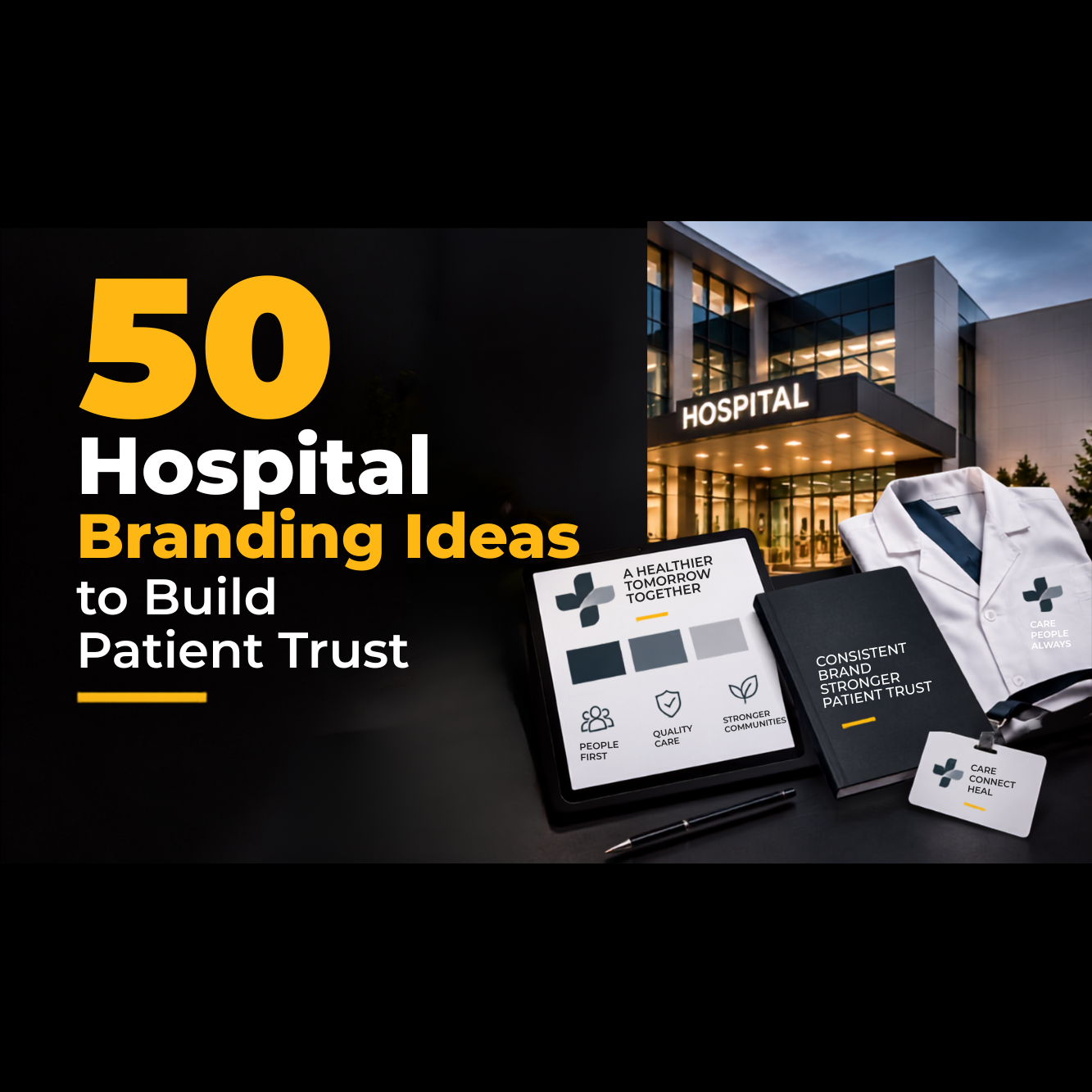
                    Branding is no longer optional it’s integral to a hospital’s identity. With private groups like Apollo, Fortis, Max, and Aster DM expanding and investing heavily in standardized branding, visual identity, and digital experience expectations are rising. Today’s patients are informed, discerning, and driven by trust before they even walk through the door.

                    To thrive, hospitals must integrate strategic brand positioning with patient experience and regulatory alignment.

                    Hospital Branding Idea 1: Establish a Consistent Visual Identity

                    • Logo & Color Palette: Use calming, professional colors such as blues and greens, which evoke safety and trust (as seen with Apollo and Zen brands) .
                    • Signage & Design Language: Employ large, readable, branded signage across various touchpoints from entry gates to in-ward features. Telangana’s government hospitals are upgrading in this area, drawing on Kerala’s proven mode.

                    Uniforms & Staff Branding: Simple branding cues like uniform logos, name badges, and color-coded staff categories create visual cohesion and assure patients at every stage.

                    Hospital Branding Idea 2: Create a Digital-First Platform

                    • Mobile-Optimized Website: With most patients searching via smartphone , your site must load fast, be intuitive, and clearly communicate your unique value. Include rich media: video, virtual tours, patient stories.
                    • AR/VR Facility Tours: Showcase your facilities online via engaging VR walkthroughs patients feel closer before they ever arrive.
                    • SEO & Voice Search Readiness: Optimize for keywords such as “best IVF in Vadodara” and voice search phrases like “nearest pediatric hospital”.

                    Hospital Branding Idea 3: Emotional & Educational Storytelling

                    • Patient Journeys: Showcase upliftment from illness to wellness. Authentic patient stories build empathy, credibility, and recall.
                    • Educational Content: Publish expert health articles, myth-busters, and doctor Q&As. Search engines reward fresh, authoritative content.
                    • Live Interactions: Host Facebook/Instagram Lives with specialists to humanize your brand and answer real-time patient questions.

                    Activating Brand through Experience, Advocacy, and Community

                      Hospital Branding Idea 4: Expand with AI-Based Personalization

                    • Smart Chatbots & Virtual Assistants: Provide 24/7 support for appointment booking and basic triage. In 2025, AI chatbots are delivering personalized engagement.
                    • Predictive Insights: Automated reminders for follow-ups, screenings, or vaccinations show that you care before patients even ask.
                    • Personalized Portals: Patient dashboards with health records, appointment histories, and tailored recommendations underscore your patient-centric ethos.

                    Hospital Branding Idea 5: Leverage Staff & Patient Advocates

                    • Internal Brand Advocacy: Inspired by research showing staff engagement reduces absenteeism by 41%, involve your teams with newsletters, recognition programs, and storytelling support.
                    • Micro-Influencers & Testimonials: Collaborate with trusted local specialists and satisfied patients. Carefully follow NMC/UCPMP rules by avoiding health claims and ensuring compliance .

                    Hospital Branding Idea 6: Engage Local Communities

                    • Health Camps & Public Screening: Combine free services with branded materials, follow-up digital outreach, and local media coverage .
                    • Strategic Partnerships: Tie-up with NGOs, schools, and technology firms to broaden your brand reach and reinforce social credibility.
                    • Traditional Media Wins: Write op-eds and thought pieces for local newspapers and health magazines to reach wider audiences and improve SEO via backlinks.

                    Ensuring Credibility, Compliance & Future-Ready Innovation

                    Hospital Branding Idea 7: Focus on Experience & Infrastructure

                    • Smart Facilities: Install interactive kiosks and digital signboards efficient navigation reflects a modern brand.
                    • Mobile App Integration: Provide instant access to records, appointments, and health reminders like Karamsad’s seamless patient experience.
                    • Patient-Centric Touches: Offer amenity zones, prayer areas, or green lounges. Personal details matter name greeting at doors, calm music based on regional preferences.

                    Hospital Branding Idea 8: Ethics, Privacy & Accessibility

                    • Regulation Follows Reality: Adhere strictly to NMC advertising rules, UCPMP guidelines, and DPDPA for data protection .
                    • Inclusive Design: Ensure digital platforms and signage accommodate people with disabilities following recent AR/VR-inclusive design research.
                    • Transparent Communication: Clearly label education vs. promotional content, especially in health influencer collaborations.

                    Hospital Branding Idea 9: Unified Cross-Channel Strategy

                    • Visual & Message Consistency: Your logo, palette, tone, and brand promise must align across online assets, print materials, uniforms, and onsite branding.
                    • AR-Linked Offline Collateral: Give patients quick access to virtual tools (AR codes to lifestyle tips, appointment videos, etc.) a bridge between the physical and digital brand.

                    Hospital Branding Idea 10: Brand-Proof Your Future

                    • Voice Optimization: Prepare your content for smart assistants with conversational headlines like “When is the closest dialysis center?”

                    AI-Powered Segmentation: Use CDPs to personalize messages prenatal reminders, senior cardio tips while safeguarding data privacy.

                    Measurement, Implementation & Next Steps

                    How to Measure Brand Impact

                    KPI

                    Measurement Tool / Example

                    Brand Awareness

                    Search volume, social mentions, direct site visits

                    Digital Engagement

                    Time on site, video views, webinar attendance

                    Conversion & Referrals

                    Click-to-call rates, appointment booking form fills

                    Online Reputation

                    Ratings/reviews, sentiment analysis via GMB & social media

                    Community Reach

                    Event attendance, media coverage, participant surveys

                    Conclusion | Your Strategic Brand Blueprint

                    Branding isn’t just marketing it’s ongoing reputation management, built on consistent trust and relevance. When done right, it increases patient comfort, improves conversion, and secures brand preference.

                    Raise your brand by being modern, credible, ethical, inclusive, compliant above all, patient-centric.

                    Written by Dr. Omang Gupta 

                    contact Us HMS Consultants 

                    Doctors Digital Marketing I Healthcare Marketing I Hospital Marketing Strategies I Marketing ideas for clinics I Marketing Trends 2025 I Medical Marketing I Social Media Marketing

                    is something we strongly believe in, which means ‘Knowledge without application is the same as having no knowledge at all

                    Akhil Dave

                    Principle Consultant

                    Ready to take your Personal Brand to the next level?

                    Share your details below and we will connect with you to discuss your growth strategy.

                    • Online Marketing for Doctors: India

                      Online Marketing for Doctors: India

                      Online Marketing for Doctors: India

                      Written by
                      Published on
                      Share This

                      In today’s digital-first world, word-of-mouth alone is no longer enough to grow a clinic. Patients no longer choose doctors based solely on proximity or referrals. Instead they Google, compare, read reviews, and check social media before deciding. That’s why online marketing for doctors isn’t just a trend, it’s a necessity.

                      Why Online Marketing Matters for Doctors

                      1. Your Patients Are Online
                        The majority of patients in India search online before booking a healthcare appointment. If you’re not visible online, you’re invisible to new patients.
                      2. It Builds Trust Before They Even Visit You
                        A well-optimized Google listing, informative Instagram page, or patient testimonial video can do more than any hoarding or pamphlet ever could.
                      3. 24/7 Discovery
                        Even when your clinic is closed, your digital presence keeps working for you, answering patient questions, building credibility, and attracting bookings.

                      Core Elements of Online Marketing for Doctors

                      1. Google My Business (GMB) Optimization

                      Having a clinic without a GMB profile is like running a shop with no signboard.
                      Make sure your GMB listing has:

                      • Updated phone number and address

                      • Working hours

                      • Services listed clearly

                      • Photos of your clinic

                      • Verified reviews from real patients

                      Tip: Ask happy patients to leave a short review after their appointment.

                      2. Professional Website with Local SEO

                      Your website is your digital clinic. Keep it:

                      • Simple to navigate
                      • Mobile-friendly
                      • Clear with services, credentials, timings, and contact forms

                      Use local SEO tactics so that searches like “best child specialist in Vadodara” lead to you.

                      3. Social Media Marketing (Especially Instagram & Facebook)

                      Even if you’re not an influencer, your presence matters. Use social media to:

                      • Educate (short health tips)
                      • Engage (reels, Q&A polls)
                      • Build trust (showing your clinic, staff, behind-the-scenes)

                      4. Online Reputation Management

                      One negative review unattended can undo the trust built by 10 positive ones.

                      • Always respond politely to feedback
                      • Never delete genuine reviews
                      • Encourage satisfied patients to share their stories
                      • Keep monitoring your online mentions

                      5. WhatsApp & SMS Marketing

                      Yes, it’s still effective, especially in India. Use it for:

                      • Appointment reminders
                      • Follow-ups
                      • Special clinic days or camps
                      • New service announcements

                      6. Online Directories & Booking Platforms

                      Make sure you’re listed on:

                      • Practo
                      • Lybrate
                      • Justdial
                      • Sulekha
                      • Healthcare-focused directories

                      These platforms improve discoverability and some even handle appointment bookings.

                      Final Thoughts

                      Patients today aren’t looking for flashy ads. Instead they want clarity, empathy, and reliability. Online marketing isn’t about becoming viral. It’s about being visible, approachable, and credible.

                      You focus on healing. Let us handle the rest.

                      Need help marketing your clinic online?
                      Contact HMS Consultants to schedule your marketing audit.

                      Written by Dr. Omang Gupta 

                      Doctors Digital Marketing I Healthcare Marketing I Hospital Marketing Strategies I Marketing ideas for clinics I Marketing Trends 2025 I Medical Marketing I Social Media Marketing

                      is something we strongly believe in, which means ‘Knowledge without application is the same as having no knowledge at all

                      Akhil Dave

                      Principle Consultant

                      Ready to take your Personal Brand to the next level?

                      Share your details below and we will connect with you to discuss your growth strategy.