Search results for: “digital”

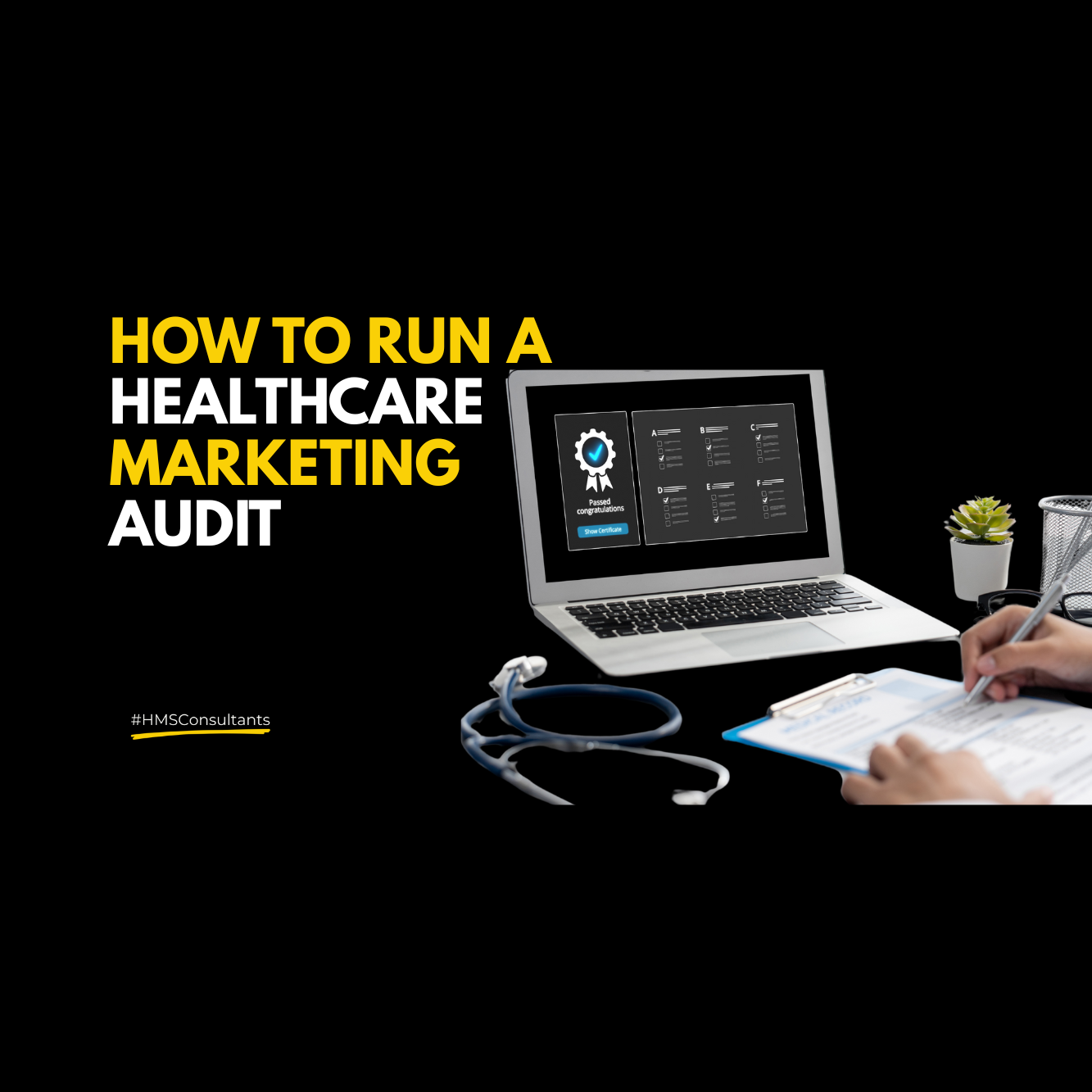
  • How to Run a Healthcare Marketing Audit

    How to Run a Healthcare Marketing Audit

    How to Run a Healthcare Marketing Audit

    Written by
    Published on
    Share This

    In today’s fast-moving healthcare landscape, clinics and hospitals are more visible than ever yet also more misunderstood. Many spend heavily on ads, hire digital agencies, or create social media pages, but still struggle with poor engagement, weak referrals, and inconsistent patient growth.

    The problem? Most skip the essential first step: a Healthcare Marketing Audit.

    Think of it as your clinic’s “health check-up” before you prescribe anything, you must diagnose what’s working, what’s not, and where the gaps lie.

    In this guide, we’ll walk you through what a healthcare marketing audit is, why it matters, and how to run one effectively even if you’ve never done it before.

    What is a Healthcare Marketing Audit?

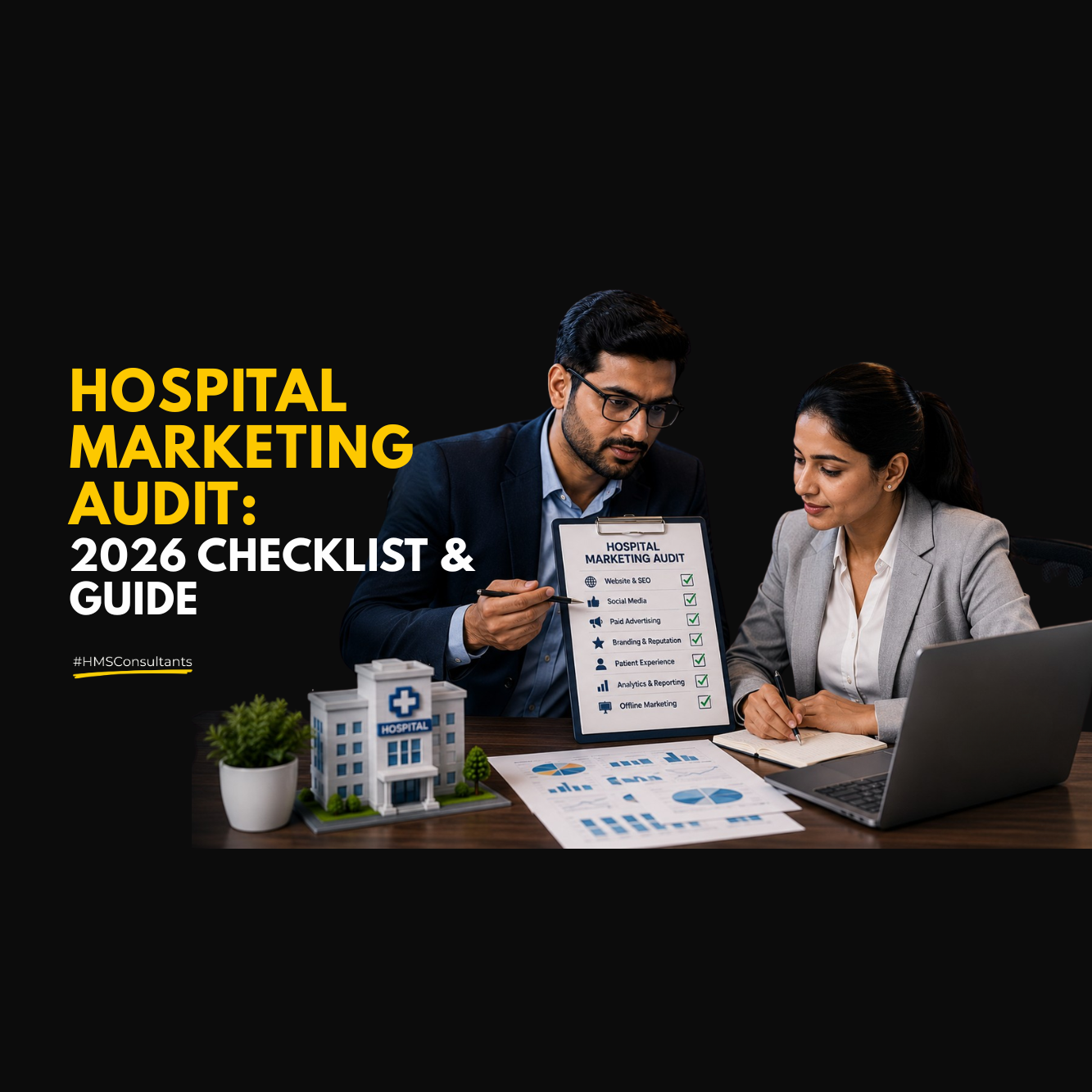
    A healthcare marketing audit is a structured evaluation of your clinic or hospital’s overall marketing efforts across branding, digital presence, patient communication, internal experience, and competitive positioning.

    It helps you answer questions like:

    • Is my online presence aligned with how I want to be perceived?
    • Are my patients engaged and referring?
    • Am I spending on the right channels?
    • Why is my growth not matching my service quality?

    Unlike a campaign review (which looks at performance metrics like clicks or likes), a marketing audit zooms out and looks at your entire ecosystem. It reveals not just how you’re performing but whether you’re even playing the right game.

    Why Clinics Often Skip It (and Why You Shouldn’t)

    Many clinics jump straight into action: Google Ads, hiring an agency, printing leaflets and then wonder why results feel inconsistent or disappointing.

    Here’s why most skip the audit:

    • “We’re too small for this.”
      → Truth: Smaller clinics benefit even more from clarity, because they can’t afford wasted effort.
    • “We already know what we need, just more patients.”
      → Truth: More patients isn’t a strategy. The right patients coming through the right channels is.
    • “We can’t afford strategy, we need execution now.”
      → Truth: Without strategy, execution becomes expensive trial-and-error.


    At HMS Consultants, nearly every client we’ve worked with has had unseen blind spots — and uncovering them through a simple audit has helped redirect energy, budget, and focus.

    5 Key Areas to Audit in Your Practice

    Here’s a breakdown of the most critical components your healthcare marketing audit should cover:

    1. Digital Presence Audit

    Ask yourself:

    • Do I show up on Google when someone searches for my specialty?
    • Is my website mobile-friendly, easy to navigate, and updated?
    • Are my patient reviews recent and consistently positive?
    • Is my Google My Business profile optimized with services, photos, and accurate info?

    Why it matters:
    Your digital presence is your first impression — often before a patient ever calls you.

    2. Branding & Identity Audit

    Checklist:

    • Is your logo, tagline, and color scheme consistent?
    • Does your brand communicate trust, expertise, and empathy?
    • Do all your touchpoints (website, brochures, social media) feel aligned?
    • Are you positioned clearly (e.g., premium vs. accessible, specialist vs. generalist)?

    Why it matters:
    A confused brand leads to confused patients and confusion never converts.

    3. Patient Journey & Experience Audit

    Evaluate:

    • How easy is it to book an appointment?
    • Do your front-desk staff communicate well?
    • Are follow-ups timely and meaningful?
    • Is feedback taken and acted on?

    Why it matters:
    Your marketing doesn’t stop when the patient walks in. It continues through the entire experience and determines if they’ll refer others.

    4. Channel Effectiveness Audit

    Track:

    • Which channels are you using? (e.g., Instagram, WhatsApp, SEO, events)
    • What is the ROI of each?
    • Are you measuring or just “doing”?

    Why it matters:
    Effort ≠ impact. If you’re on five platforms but only one works, it’s time to focus.

    5. Competitor Benchmarking

    Compare:

    • What are similar clinics in your area doing differently?
    • How do their digital profiles, reviews, and content compare?
    • What can you learn or adapt?

    Why it matters:
    Benchmarking helps you identify gaps, ideas, and missed opportunities.

    How to Run the Audit (Step-by-Step)

    You don’t need a full-time marketing team to do this. Here’s how to start:

    Step 1: Create an Audit Template

    Make a simple table with columns: Area | Observation | What’s Working | What’s Missing | Action Needed


    Step 2: Review Each Touchpoint

    Spend time reviewing:

    • Your website on mobile and desktop
    • Your Google listing
    • All social media platforms
    • Your physical brochures, signage, waiting room experience
    • How your staff answers calls or DMs

    Step 3: Interview Key Stakeholders

    Ask front-desk staff, doctors, patients, and even family:

    • What do you think our clinic is known for?
    • What would make our communication better?

    Step 4: Measure What You Can

    Use free tools:

    • Google Analytics for website traffic
    • Google My Business insights for search visibility
    • Instagram insights for engagement
    • Patient feedback forms (offline or Google Forms)


    Step 5: Prioritize & Plan

    Don’t try to fix everything at once. Pick:

    • 2 immediate improvements
    • 2 medium-term changes

    2 things to delegate or outsource

    Turning Audit into Action: What Comes Next?

    An audit without follow-up is just a report. Use the insights to:

    • Refine your brand messaging
    • Rework or redesign your website
    • Focus on the highest-performing channels
    • Train staff on patient experience best practices
    • Build a strategic communication calendar

    At HMS, our audit work doesn’t stop at diagnosis we help clients convert insights into patient-first growth strategies.

    Benefits of a Successful Marketing Audit

    ✅ Save money on unnecessary channels
    ✅ Improve consistency across all platforms
    ✅ Sharpen patient perception and trust
    ✅ Strengthen internal alignment
    ✅ Increase referrals and retention through better experience

    Real Insights, Real Results 

    Here’s what we’ve seen with our own clients:

    • A wellness-focused startup realized patients were confused about their identity. After a branding and journey audit, they repositioned their messaging — leading to stronger engagement and 40% more interest in their sessions.
    • A healthtech startup was spending on multiple ads with low ROI. Post-audit, they dropped underperforming channels and tripled their website conversion rate.
    • A mid-sized clinic had outdated listings and low visibility. After fixing digital presence issues, their patient inquiries jumped by 60% in 3 months.

    Final Thoughts

    You wouldn’t begin treatment without a proper diagnosis. So why market without a strategy?

    A marketing audit helps you slow down, reflect, and rebuild your patient journey from the inside out. It’s not about doing more. It’s about doing what matters with clarity and purpose.

    And that’s what we do at HMS Consultants.

    Written by Tusharika Ranjan

    Doctors Digital Marketing I Healthcare Marketing I Hospital Marketing Strategies I Marketing ideas for clinics I Marketing Trends 2025 I Medical Marketing I Social Media Marketing

    is something we strongly believe in, which means ‘Knowledge without application is the same as having no knowledge at all

    Akhil Dave

    Principle Consultant

    Ready to take your Personal Brand to the next level?

    Share your details below and we will connect with you to discuss your growth strategy.

    • Doctor Collaboration Strategies for Better Patient Care

      Doctor Collaboration Strategies for Better Patient Care

      Doctor Collaboration Strategies for Better Patient Care

      Written by
      Published on
      Share This

      Building Trust-Based, Patient-Centric Networks for Better Outcomes

      In today’s dynamic healthcare ecosystem, especially in India’s rapidly evolving tier 2 and tier 3 cities, patients are no longer satisfied with fragmented care. They seek continuity, coordination, and compassion. And the cornerstone of achieving this lies in doctor-to-doctor collaboration.

      Whether you’re a general physician referring to a specialist, or a specialist requiring multi-disciplinary intervention, how you collaborate with your peers directly impacts patient outcomes, trust, and your professional reputation

      This blog outlines the strategic steps a doctor should follow to collaborate effectively with other doctors, for the patient’s benefit and their own sustainable growth.

      Why Doctor Collaboration Matters More Than Ever

      • Rise of multi-morbidity: More patients today suffer from chronic conditions like diabetes, hypertension, and arthritis, requiring multi-specialty input.
      • Informed patients: Modern patients cross-check diagnoses and often seek second opinions.
      • Medical reputation is network-driven: Referrals now account for a significant share of new patients, especially in close-knit communities.
      • Tier 2/3 city ecosystem: These areas thrive on trust, community, and shared reputation, making collaborative care a key success strategy.

      I. Build a Trusted Referral Network: Start With Relationship, Not Just Results

      “Don’t just wait to be referred. Earn it.”

      • Identify Complementary Specialties: If you’re a general physician, find specialists who have a strong track record with common patient needs, like diabetologists, orthopedists, gynecologists, and pediatricians.
      • Meet Them Personally: Arrange brief one-on-one meetings over coffee or at medical events. Discuss clinical alignment and values.
      • Collaborate on Difficult Cases: Jointly manage complex patients and document outcomes (while maintaining confidentiality).
      • Trust Is Currency: In a community-based healthcare system, trust travels faster than technology. Be honest, humble, and clinically competent.

      II. Communicate Clearly, Consistently & Compassionately

      • Use Secure Communication Channels: WhatsApp is popular but not ideal for clinical data. Consider secure EHR platforms or encrypted messaging apps.
      • Write Structured Referral Notes: Include your observations, differential diagnosis, treatment given, and what you expect from the specialist.
      • Send Follow-Up Reports: When a patient returns after seeing the referred doctor, update the other doctor on the progress.

      Avoid the Blame Game: Never criticize or undermine another doctor in front of the patient. Respect builds respect.

      III. Create a Feedback Loop Between Referring & Referred Doctor

      “Information flow must be two-way, not one-way.”

      • Share clinical feedback, not just patient status.
      • Discuss follow-up needs and shared accountability.
      • If there are differing clinical opinions, resolve them respectfully in private communication.

      This fosters long-term mutual respect and professional growth

      IV. Make the Patient Feel Cared for, Not Tossed Around

      • Introduce the referred doctor to the patient before sending them.
      • Guide the patient’s expectations: what the referral is for, what tests might be done, etc.
      • Coordinate appointments if possible.
      • Ask for the patient’s feedback after referral.

      A seamless handover makes the patient feel important and respected, not like a case being passed on.

      V. Collaborate in Group Practice or Co-branded Models

      In HMS’s experience working with multiple individual doctors and clinics, one key trend has emerged: multi-doctor setups outperform single-specialty clinics in trust, reviews, and growth.

      • Co-locate your practice with another doctor to share resources and cross-refer patients.
      • Run joint OPDs for complex chronic diseases.
      • Launch co-branded campaigns on child health, women’s wellness, or geriatric care.

      VI. Document and Measure Collaborative Success

      If you’ve referred 10 patients last month, how many came back?
      If another doctor referred patients to you, how many reported good outcomes?

      Keep records. Run numbers. Refine.

      Even in tier-2 towns, patients are becoming data-aware. The more intentional and transparent you are with your referrals, the more you’ll grow.

      VII. Know That Your Results Affect Their Reputation

      A doctor who refers patients to you is putting their own professional credibility on the line. Respect that trust.

      • Prioritize referred patients.
      • Communicate proactively with the referring doctor.
      • Deliver excellent care with empathy and follow-through.

      This not only sustains but multiplies your referral network over time.

      VIII. Formalize a Patient Referral Program

      To go from passive referrals to structured collaboration, develop a referral program that includes:

      • Clear referral guidelines
      • Regular case discussions
      • Referral slips or digital forms
      • Performance tracking
      • Feedback collection from patients and referring doctors

      IX. Promote Collaborative Success in Your Online Presence

      Don’t hesitate to:

      • Share success stories (with patient consent) of co-managed cases
      • Highlight your specialist network on your website
      • List your collaborating doctors on your Google Business Profile
      • Co-author articles or social media posts on health awareness

      This improves SEO, boosts patient trust, and reflects your commitment to holistic care.

      X. Keep Learning, Keep Expanding

      Attend joint CMEs, conferences, and inter-specialty workshops.
      Collaboration is not a one-time tactic, it’s a continuous mindset of growth.

      Final Thoughts : A Strong Medical Network Is the Doctor’s Lifeline

      “If you want to go fast, go alone. If you want to go far, go together.”

      In the Indian healthcare landscape, especially in growing towns and cities, a doctor’s network is not optional, it is existential.

      Collaboration creates a ripple effect: better care, higher trust, more referrals, and ultimately, sustained growth for your clinic.

      When doctors collaborate, everyone wins, especially the patient.

      Doctors Digital Marketing I Healthcare Marketing I Hospital Marketing Strategies I Marketing ideas for clinics I Marketing Trends 2025 I Medical Marketing I Social Media Marketing

      is something we strongly believe in, which means ‘Knowledge without application is the same as having no knowledge at all

      Akhil Dave

      Principle Consultant

      Ready to take your Personal Brand to the next level?

      Share your details below and we will connect with you to discuss your growth strategy.

      • Word of Mouth Marketing for Indian Clinics 2025

        Word of Mouth Marketing for Indian Clinics 2025

        Word of Mouth Marketing for Indian Clinics 2025

        Written by
        Published on
        Share This

        In India’s trust-driven healthcare landscape, especially in Tier 2 and Tier 3 cities, nothing drives sustainable growth better than one simple truth: Your network is your net-worth.

        More than any paid ad or flashy campaign, it’s the quiet confidence of a neighbor’s recommendation, a general physician’s referral, or a happy patient’s testimonial that fills hospital beds and clinic waiting rooms.

        In 2025, word-of-mouth marketing (WOMM) is not just relevant, it’s irreplaceable. But to make it work, it must be done ethically, strategically, and locally optimized. This blog explores how doctors and hospitals can unlock their referral potential, while staying compliant with regulations, building long-term trust, and optimizing for both offline and digital-first outreach.

        I. The Power and Relevance of Word-of-Mouth in Indian Healthcare

        Word-of-mouth is the most authentic and scalable marketing channel available. When a patient speaks highly of a doctor, or when one physician refers to another, that recommendation carries weight no marketing copy can match.

        What Makes WOMM So Powerful in 2025?

        • Trust-building: The majority of patients in India still trust personal recommendations over online reviews or ads.


        • Low-cost, high-impact: Referrals generate some of the highest-quality leads without media spends.


        • Compound effect: One satisfied patient can lead to 5–10 future patients over time.


        • Cultural fit: In India, family, community, and professional networks remain the most influential sources of health decisions.


        Example: A general physician refers a cardiac patient to a local cardiologist. The cardiologist offers transparent treatment, good follow-up, and updates the GP. Over time, the GP refers 10+ more patients, and the cardiologist becomes the “go-to” name in that locality.

        II. The Types of Word-of-Mouth Networks You Must Activate

        To scale WOMM, understand and nurture the following referral sources:

        1. Patient-to-Patient Referrals

        • WhatsApp groups, building societies, religious communities
        • Tools: Thank-you cards, follow-up messages, referral cards with QR codes

        2. Doctor-to-Doctor Referrals

        • General physicians to specialists; dentists to oral surgeons; gynecologists to neonatologists
        • Mutual clinical respect, smooth communication, and prompt updates make this model thrive

        3. Doctor-to-Patient Referrals

        • Explaining your network clearly to patients shows you care beyond just one ailment
        • Builds your credibility as a connected, holistic healer

        4. Internal Team Referrals

        • Receptionists, nurses, and pharmacists are hidden brand ambassadors
        • Empower them with training and incentives for suggesting relevant services

        III. Ethical Referral Practices: Stay Trusted, Stay Legal

         Important Compliance Note

        Financial incentives for patient referrals are unethical and potentially illegal under the NMC and UCPMP guidelines in India.

        What You Can Do Instead:

        • Offer non-financial recognition (e.g., certificates, shout-outs, co-marketing)
        • Build professional rapport with colleagues for mutual clinical success
        • Maintain transparency and patient-first ethics at all times
        • Avoid conflict of interest by clearly disclosing collaboration terms to patients

        Referrals must be rooted in outcomes and trust, not transactions.

        IV. Unleash Your Network by Unleashing Yourself

        Your network is dormant unless you make yourself visible, relevant, and reliable.

         Activate your network through:

        • Hosting inter-doctor meets every quarter
        • Sharing clinical tips via WhatsApp in local language
        • Attending or organizing community health sessions
        • Making house visits or providing teleconsults to increase visibility
        • Joining local influencers like school principals, sarpanches, or religious leaders

        Make it easy for people to talk about you  and make sure they talk with clarity and pride.

        V. Give Each Referrer a Clear Reason to Refer You

        Nobody refers out of obligation. They refer when they’re confident their reputation is safe with you.

        How to become referrable:

        • Deliver consistent, transparent outcomes
        • Offer clear updates to the referrer about the patient journey
        • Respect the doctor-patient dynamic, never poach
        • Ensure post-treatment support that enhances satisfaction

        Your service quality reflects back on your referral partners. If you win, they win.

        VI. Build a Structured, Sustainable Referral Program

        To scale WOMM, systematize it like any other growth strategy.

        Elements of a good referral system:

        • Identify and segment referral sources (patients, doctors, staff, NGOs)
        • Keep a referral database (Excel or CRM)
        • Offer vernacular referral guides, especially in Tier 2/3 cities
        • Train front-desk to ask, “How did you hear about us?”
        • Automate review and feedback collection

        VII. Evaluate Your Referral Program Like a Business Metric

        What’s not measured doesn’t grow.

        Metrics to Monitor:

        • Referrals per month
        • Conversion rate from referred to visiting patients
        • Net Promoter Score (NPS) from patients and doctors
        • Repeat referrals from same sources

        Use tools like Google Forms, WhatsApp surveys, or Zoho CRM for tracking.

        VIII. Expand Strategically Once You’ve Stabilized

        Once your WOMM program is running smoothly:

        • Expand to nearby localities with GMB optimization and hyperlocal content
        • Offer vernacular health awareness sessions in schools, SHGs, and local events
        • Partner with local labs, diagnostics, and pharmacies for co-promotion
        • Run “Refer a Friend” campaigns for patients with non-financial incentives (e.g., free checkup, health tips booklet)
        • Encourage patient testimonials in Gujarati, Marathi, Tamil, etc., to build local credibility

        IX. Optimizing for Local SEO & Digital Word-of-Mouth

        In 2025, online reputation = offline patient trust. Make sure your online presence reflects your local impact.

        Local SEO Checklist:

        • Google Business Profile (GBP): Add doctor names, services, high-quality photos
        • Respond to every review, especially in regional languages
        • Use schema markup to boost visibility in local searches
        • Include hyperlocal keywords: e.g., “best gynecologist in Satellite Ahmedabad”
        • Optimize for voice search and mobile use
        • Run WhatsApp Business broadcasts in the patient’s local language

        X. Medical and Legal Disclaimer

        Disclaimer: This blog is for informational purposes only. It does not constitute medical advice, and all referral strategies mentioned must be executed in compliance with Indian medical ethics guidelines (NMC, UCPMP, and DPDPA). Please consult your legal advisor before implementing referral frameworks.

        Conclusion

        Trust is Earned, Growth is Shared

        Word-of-mouth marketing remains the gold standard for healthcare providers in India, not because it’s easy, but because it’s deeply human.

        By delivering outcomes, respecting relationships, engaging your community, and digitally amplifying your message, you can turn every satisfied patient, colleague, or well-wisher into a trusted growth channel.

        Be consistent. Be ethical. Be community-rooted. And watch your network become your net-worth.

        Written by Dr. Omang Gupta 

        Contact Us HMS Consultants 

        Doctors Digital Marketing I Healthcare Marketing I Hospital Marketing Strategies I Marketing ideas for clinics I Marketing Trends 2025 I Medical Marketing I Social Media Marketing

        is something we strongly believe in, which means ‘Knowledge without application is the same as having no knowledge at all

        Akhil Dave

        Principle Consultant

        Ready to take your Personal Brand to the next level?

        Share your details below and we will connect with you to discuss your growth strategy.

        • Local Marketing for Clinics & Hospitals in India 2025

          Local Marketing for Clinics & Hospitals in India 2025

          Local Marketing for Clinics & Hospitals in India 2025

          Written by
          Published on
          Share This

          Local marketing for clinics and hospitals has become more important than ever in 2026. Patients are no longer choosing healthcare providers only through referrals or traditional advertising. They are searching online, checking Google reviews, asking in local WhatsApp groups, comparing nearby options, and trusting healthcare brands that feel familiar in their own community.

          For clinics and hospitals, this creates a clear opportunity.

          Large hospitals may focus on wide campaigns, but local clinics and hospitals can build stronger connections with the people around them. They can speak the local language, understand community needs, participate in neighbourhood activities, and become a trusted healthcare name in their area.

          Local marketing is not only about getting more patients. It is about building visibility, trust, recall, and long-term relationships with the local community.

          Why Local Marketing Matters in 2026

          Patients today often search for healthcare services with local intent.

          They may search for:

          • Best pediatrician near me
          • Orthopedic clinic in my area
          • Eye hospital near me
          • Dental clinic nearby
          • Gynecologist in [city]
          • Trusted hospital near me

          If a clinic or hospital does not appear clearly in these searches, patients may choose another option.

          Local marketing helps healthcare providers become visible at the exact moment when patients are looking for care. But visibility alone is not enough. Patients also check reviews, photos, location, doctor availability, timings, and how professionally the clinic communicates.

          In 2026, local marketing for clinics and hospitals should focus on three things:

          • Being easy to find
          • Being easy to trust
          • Being easy to contact

          When these three areas are strong, local patients are more likely to remember and choose the healthcare provider.

          Moreover, with India’s diverse and highly localized culture, patients often choose doctors based on word-of-mouth, community trust, and local reputation, far beyond just clinical skills. This makes local marketing not just about attracting new patients but about nurturing relationships and becoming the “go-to” healthcare provider.

          Build a Strong Google Business Profile

          For any local clinic or hospital, Google Business Profile is one of the most important digital assets.

          Patients use it to check:

          • Clinic or hospital location
          • Opening hours
          • Phone number
          • Reviews
          • Photos
          • Directions
          • Services
          • Doctor availability
          • Patient experience

          A weak or outdated Google Business Profile can create confusion. If timings are wrong, phone numbers are outdated, photos are poor, or reviews are unanswered, patients may lose trust before calling.

          Clinics and hospitals should regularly update:

          • Contact details
          • Working hours
          • Service categories
          • Doctor information
          • Facility photos
          • OPD timings
          • Health camp updates
          • Patient review responses

          Google Business Profile also supports local SEO. A well-managed profile helps clinics and hospitals appear better in nearby searches and map results.

          Speak to Patients in Their Local Language

          In healthcare, language matters.

          Patients feel more comfortable when healthcare communication is easy to understand. For local clinics and hospitals, using the local language can build a stronger emotional connection.

          This can include:

          • Local language social media posts
          • Regional language health tips
          • Local festival greetings
          • Waiting area posters
          • WhatsApp updates
          • Community health announcements
          • Patient education videos

          Speaking in the local language does not mean making the brand less professional. It means making the communication more human and accessible.

          A clinic in Gujarat, Punjab, Tamil Nadu, Rajasthan, or Maharashtra should not communicate exactly the same way. Local culture, language, habits, and patient concerns should influence the marketing approach.

          When patients feel understood, trust becomes easier to build.

          Understand Which Local Patients Need You Most

          Good local marketing starts with understanding the patient base.

          Clinics and hospitals should study:

          • Which nearby areas bring the most patients
          • Which age groups visit most often
          • Which services are in higher demand
          • Which health concerns are common locally
          • Which patient groups need more awareness
          • Which timings work better for the community

          For example, a pediatric clinic near a school or residential area may focus on vaccination reminders, seasonal illness awareness, and child health education.

          A dental clinic may focus on family dental care, cleaning awareness, tooth pain, and smile-related concerns.

          A multispeciality hospital may focus on departments with strong local demand, such as orthopaedics, gynecology, diabetes care, diagnostics, or emergency care.

          Local marketing works better when it is based on real patient behaviour, not assumptions.

          Choose the Right Marketing Method for Your Area

          Every location is different. A marketing method that works in a metro city may not work in a semi-urban or rural area.

          In urban areas, clinics and hospitals may get better response through:

          • Google search
          • Instagram content
          • Google ads
          • Short videos
          • Website pages
          • Online reviews
          • Local SEO

          In semi-urban or community-driven areas, better results may come from:

          • Health camps
          • Local WhatsApp groups
          • Community events
          • School awareness sessions
          • Local newspaper mentions
          • Regional language posters
          • Doctor talks
          • Referral networks

          The goal is not to use every channel. The goal is to choose the channels that match the local audience.

          A strong local marketing strategy combines digital visibility with community presence.

          Use Offline Activities to Strengthen Online Trust

          Offline marketing still matters in healthcare.

          Health camps, awareness sessions, school programs, society talks, and local partnerships help clinics and hospitals build real community relationships.

          But in 2026, offline activity should not stay offline.

          Every useful community activity can support online visibility.

          For example:

          • Share health camp photos on social media
          • Post doctor awareness clips from local events
          • Add community activity updates on Google Business Profile
          • Create short patient education posts from common questions
          • Use event learnings for future local campaigns

          This makes the clinic or hospital look active, accessible, and connected to the community.

          Local marketing becomes stronger when offline trust and online visibility support each other.

          Focus on Patient Experience

          In local healthcare, word-of-mouth still plays a major role.

          A patient may come through Google, but they may recommend the clinic because of the experience.

          Patient experience includes:

          • How the phone call is answered
          • How the front desk communicates
          • How waiting time is handled
          • How clearly instructions are given
          • How follow-up is explained
          • How reviews are responded to
          • How respectfully patients are treated

          A strong local marketing strategy should not ignore patient experience.

          If the marketing brings enquiries but the clinic experience is poor, long-term growth becomes difficult.

          Small things can create a strong local impact:

          • Clear appointment reminders
          • Polite front desk communication
          • Local language guidance
          • Simple instructions after consultation
          • Follow-up messages
          • Festival greetings
          • Review requests after good experiences

          Good local marketing is not only promotion. It is also how patients feel after interacting with the clinic or hospital.

          Build Local Recall Through Consistency

          Local marketing should not happen only during health camps or festival posts.

          It should be consistent.

          Clinics and hospitals should regularly communicate with their local audience through:

          • Google updates
          • Social media posts
          • Patient education content
          • Health tips
          • Local awareness campaigns
          • Review responses
          • WhatsApp updates
          • Community events
          • Seasonal health alerts

          Consistency helps patients remember the healthcare brand.

          When people repeatedly see useful and relevant communication from a clinic or hospital, the brand becomes familiar. This familiarity supports trust and recall when the patient or family needs care.

          Measure What Is Working

          Local marketing should be reviewed regularly.

          Clinics and hospitals should track:

          • Which areas enquiries come from
          • Which services get more local response
          • Which campaigns bring appointments
          • Which posts get engagement
          • Which health camps create follow-up visits
          • Which reviews influence trust
          • Which platforms generate quality enquiries

          This helps improve the strategy over time.

          If Google Business Profile brings more relevant calls, focus on improving it further. If health camps bring follow-up visits, plan them better. If WhatsApp updates get good response, make them more structured.

          Local marketing should keep improving based on actual response.

          Conclusion

          Local marketing for clinics and hospitals in India is no longer optional. In 2026, patients are searching locally, comparing options, reading reviews, asking communities, and choosing healthcare providers they can trust.

          Clinics and hospitals have a strong advantage because they can connect deeply with their local audience.

          By using Google Business Profile, local SEO, regional language content, community engagement, patient experience, offline activities, and consistent communication, healthcare providers can build stronger local trust.

          Good local marketing is not only about increasing footfall.

          It is about becoming the healthcare name people remember, trust, and recommend in their own community.

          Written by Dr. Omang Gupta 

          Contact Us HMS Consultants 

          Doctors Digital Marketing I Healthcare Marketing I Hospital Marketing Strategies I Marketing ideas for clinics I Marketing Trends 2025 I Medical Marketing I Social Media Marketing

          is something we strongly believe in, which means ‘Knowledge without application is the same as having no knowledge at all

          Akhil Dave

          Principle Consultant

          Ready to take your Personal Brand to the next level?

          Share your details below and we will connect with you to discuss your growth strategy.

          • Why Transparency Matters in Healthcare Marketing 2025

            Why Transparency Matters in Healthcare Marketing 2025

            Why Transparency Matters in Healthcare Marketing 2025

            Written by
            Published on
            Share This

            Trust Is the Foundation of Healthcare

            In healthcare, trust is everything. Unlike other industries where a customer can change brands after a bad experience, patients place their health and often their lives in the hands of healthcare providers. This sacred responsibility makes transparency not just a marketing tactic but an ethical and moral imperative.

            As we move into 2025, the importance of transparency in healthcare marketing has grown dramatically. Between evolving patient expectations, stricter regulations like the National Medical Commission (NMC) guidelines, the Uniform Code for Pharmaceutical Marketing Practices (UCPMP) 2024, and the Digital Personal Data Protection Act (DPDPA) 2023, transparency is no longer optional it is non-negotiable.

            What Does Transparency Mean in Healthcare Marketing?

            Transparency in healthcare marketing refers to clear, honest, and open communication about:

            • The services provided
            • Treatment costs and expected outcomes
            • The qualifications and experience of healthcare professionals
            • Data privacy practices
            • Potential risks and limitations
            • It involves moving away from exaggerated claims, hidden charges, and manipulative messaging towards truthful, evidence-based, and patient-first communication.

            Why Transparency Is More Important Than Ever in 2025

            1. Rising Patient Awareness and Digital Literacy

            • Patients today are highly informed. With access to medical information online, they can easily research symptoms, treatment options, and doctor credentials. Social media and online review platforms give them a voice and a powerful channel to share experiences.
            • A transparent healthcare provider who clearly outlines treatment plans, pricing, and post-care support is far more likely to earn and retain patient trust than one relying on vague or misleading information.

            2. Strict Regulatory Compliance

            Indian healthcare marketing is governed by multiple regulations:

            • NMC Guidelines strictly prohibit patient testimonials and promotional claims that exaggerate results.
            • UCPMP disallows any unethical inducements or misleading promotions by pharmaceutical companies and indirectly affects how hospitals and clinics promote drug-related services.
            • DPDPA places heavy emphasis on data privacy, requiring explicit patient consent and transparency in data usage.

            Non-compliance can result in hefty fines, suspension of licenses, and severe reputational damage.

            3. Growing Importance of Data Privacy

            As digital health services, telemedicine, and electronic health records become mainstream, patient data security is a growing concern. Transparent privacy policies and clear data handling practices reassure patients that their sensitive information is protected and used ethically.

            Healthcare providers who openly communicate how data is collected, stored, and shared can stand out as trustworthy leaders.

            4. Increased Competition and Market Saturation

            With an explosion of private hospitals, specialty clinics, and healthcare startups in India, patients have more options than ever. In this competitive landscape, transparency becomes a unique differentiator.

            Patients are more likely to choose a provider who openly shares pricing, expected recovery timelines, treatment risks, and practitioner credentials over a flashy but opaque competitor.

            Benefits of Transparent Healthcare Marketing

            • Builds Long-Term Trust

            Transparent marketing fosters strong, enduring relationships. Patients who feel respected and well-informed are more likely to return for follow-ups, recommend the provider to family and friends, and leave positive reviews.

            • Enhances Brand Reputation

            A reputation for honesty and openness directly enhances brand image. Hospitals and clinics known for ethical communication attract partnerships, collaborations, and top-tier talent.

            • Improves Patient Outcomes

            When patients understand their treatment plans and risks clearly, they are more compliant and engaged, leading to better health outcomes and lower rates of litigation or complaints.

            • Supports Ethical and Sustainable Growth

            By focusing on truthful messaging, providers avoid short-term gains from misleading promotions and instead invest in sustainable brand growth rooted in trust and integrity.

            Practical Steps to Build Transparency in Healthcare Marketing

            1. Clear, Accurate Website Content

            Your website should clearly list:

            • Services offered

            • Doctor profiles with verified qualifications

            • Approximate costs (where possible)

            • Patient education resources (e.g., FAQs, blogs)

            • Make sure content is regularly updated and free from exaggerated claims.

            2. Ethical Use of Social Media

            Avoid sharing patient testimonials or before-after treatment images, as per NMC regulations. Instead, focus on health awareness posts, general wellness tips, and staff highlights.

            Interactive Q&A sessions (without individual medical advice) can also build trust and engage audiences.

            3. Transparent Pricing Models

            Provide estimated price ranges upfront. Where costs vary, explain why (e.g., individual patient conditions, additional tests). This avoids shock at the billing stage and strengthens patient confidence.

            4. Clear Data Privacy Disclosures

            Clearly explain what data is collected, why it is needed, how it is stored, and how patients can access or request deletion of their data.

            Ensure all marketing activities adhere strictly to DPDPA guidelines.

            5. Open Communication Channels

            Encourage patients to ask questions and voice concerns. Implement feedback loops through surveys, suggestion boxes, or online forms, and make it clear that feedback is genuinely valued and acted upon.

            Common Pitfalls to Avoid

            • Avoid overpromising results (e.g., “Guaranteed recovery”)

            • Avoid using misleading language or unverified claims

            • Avoid hiding critical costs or treatment side effects

            • Avoid sharing patient photos or stories without explicit and fully informed consent (and even then, often prohibited)

            • Avoid using vague terms like “best,” “top,” or “number one” without evidence

            Future of Transparent Healthcare Marketing in India

            Looking forward, transparency will continue to be central to healthcare marketing success. With further digitalization, AI-driven patient interfaces, and stricter privacy laws on the horizon, providers who embrace transparency early will be better positioned to navigate this evolving landscape.

            Moreover, patients increasingly demand not just treatment but holistic experiences honesty, empathy, and clear communication will become critical markers of quality care.

            Conclusion

            Transparency as the New Standard

            Transparency in healthcare marketing is not a trend it is a new standard of care. It reflects respect for patient autonomy, strengthens compliance, improves outcomes, and builds enduring brand loyalty.


            Written by Dr. Omang Gupta 

            Contact Us HMS Consultants 

            Doctors Digital Marketing I Healthcare Marketing I Hospital Marketing Strategies I Marketing ideas for clinics I Marketing Trends 2025 I Medical Marketing I Social Media Marketing

            is something we strongly believe in, which means ‘Knowledge without application is the same as having no knowledge at all

            Akhil Dave

            Principle Consultant

            Ready to take your Personal Brand to the next level?

            Share your details below and we will connect with you to discuss your growth strategy.

            • Clinic Growth Made Easy with Online Marketing

              Clinic Growth Made Easy with Online Marketing

              Clinic Growth Made Easy with Online Marketing

              Written by
              Published on
              Share This

              In 2025, Indian healthcare providers face fierce competition and increasingly informed patients who value convenience and transparency. Whether you run a single-doctor clinic or a large multispecialty facility, traditional marketing alone can’t sustain growth.

              Online marketing, when implemented strategically, offers a powerful way to generate revenue, boost patient footfall, and establish strong brand recognition, all while staying compliant with the National Medical Commission (NMC) and the Uniform Code for Pharmaceutical Marketing Practices (UCPMP).

              This comprehensive guide outlines exactly how you can achieve these goals using only online strategies.

              Why Online Marketing is No Longer Optional

              The majority of patients in India search online before booking appointments.

              Patients demand personalized experiences, transparent service details, and convenient online access.

              Online marketing is measurable, cost-effective, and scalable, making it ideal for even small healthcare setups.

              1. Building a Solid Digital Foundation

              • Website: Your Virtual Front Door: Ensure your website is mobile-first, fast, and easy to navigate. Provide clear information on services, specialties, doctors’ profiles, treatment costs (if feasible), and booking options. Use SEO-optimized service pages with keywords like “best dental clinic in Jaipur” or “affordable physiotherapy in Ahmedabad.”
              • Local SEO: Be Seen First
              • Optimize your Google Business Profile with updated hours, address, service categories, photos, and FAQs.
              • Collect and respond to genuine patient reviews to build trust.
              • Add location-specific keywords to your website and blog content.

              2. Content Marketing: Educate to Engage

              • Blogging for Authority: Write in-depth, patient-friendly blogs answering common questions like “How to manage diabetes naturally?” or “What is the cost of IVF in India in 2025?”
              • Use tools like Ubersuggest and AnswerThePublic to find high-traffic patient questions.
              • Regularly update old content to reflect the latest medical guidelines and practices.
              • Video Content: Short educational videos (explaining procedures, care tips, or lifestyle advice) can significantly improve reach, especially on Instagram and YouTube.
              • Consider live Q&A sessions to engage directly with potential patients.

              3. Paid Online Ads: Quick Boost for Revenue and Footfall

              • Google Ads: Use location-targeted search ads with strong call-to-actions like “Book your consultation today” or “Same day appointments available.”

              Focus on high-intent keywords such as “pediatrician near me” or “emergency dental care Jaipur.”

              • Social Media Ads: Run ads on Facebook and Instagram showcasing new services, seasonal health packages, or free check-up camps.
              • Highlight your USPs: short wait times, specialized expertise, or a women-friendly atmosphere.
              • Remarketing Campaigns: Use retargeting ads to reach website visitors who did not book or call on their first visit, nudging them back to your services.

              4. Patient Engagement: The Key to Repeat Visits and Word-of-Mouth

              • Email and WhatsApp Marketing: Send personalized appointment reminders, wellness tips, and festival greetings.

              Share educational newsletters that reinforce your expertise and care.

              • Feedback and Reviews: Actively collect feedback post-consultation via online forms or WhatsApp surveys. 

              Address negative feedback promptly and publicly demonstrate your commitment to improvement.

              5. Build Brand Recognition Through Social Proof and Trust

              • Highlight Ethical, NMC-Compliant Stories: Share stories about community health camps, health awareness drives, or doctor achievements, without using patient testimonials or procedure success images, per NMC guidelines.
              • Consistent Branding: Use consistent colors, fonts, and messaging across your website, social media, and ads to build a recognizable brand.
              • Focus on brand promises like “Patient-first care” or “Accessible quality healthcare.

              6. Analytics: Continuously Measure and Optimize

              • Google Analytics: Track where your patients are coming from (search, ads, social media), which pages they visit most, and where they drop off.
              • Call and Appointment Tracking: Use call tracking numbers or online booking metrics to directly attribute new patients to specific campaigns.
              • Adjust Based on Data: Double down on channels that generate the highest conversions and improve or pause underperforming campaigns.

              7. Staying Compliant and Ethical

              • Do not publish patient testimonials, before-after images, or procedure success videos that conflict with NMC &/or UCPMP rules.
              • Always obtain explicit, documented consent before using any patient-related information or photos.
              • Update privacy policies to comply with India’s DPDPA for all online data collection.

              The Result: Sustainable Growth

              • When implemented correctly, online marketing is not just a cost, it becomes an investment that drives revenue, improves patient footfall, and positions your brand as a trustworthy healthcare provider.

              Conclusion

              The future of healthcare in India is digital-first and patient-centric. With strategic online marketing, individual doctors and small-to-medium clinics can build credibility, attract new patients, and retain them long-term, all while maintaining compliance and ethical standards.

              One should believe in empowering healthcare providers with actionable strategies that blend traditional values with modern tools. Investing in online marketing today is the best prescription for a thriving practice tomorrow.

              Written by Dr. Omang Gupta 

              Contact Us HMS Consultants 

              Doctors Digital Marketing I Healthcare Marketing I Hospital Marketing Strategies I Marketing ideas for clinics I Marketing Trends 2025 I Medical Marketing I Social Media Marketing

              is something we strongly believe in, which means ‘Knowledge without application is the same as having no knowledge at all

              Akhil Dave

              Principle Consultant

              Ready to take your Personal Brand to the next level?

              Share your details below and we will connect with you to discuss your growth strategy.

              • Healthcare Startup Marketing Guide India 2025

                Healthcare Startup Marketing Guide India 2025

                Healthcare Startup Marketing Guide India 2025

                Written by
                Published on
                Share This

                In today’s rapidly evolving health-tech landscape, starting a healthcare venture is more than just a business decision it’s a mission to improve lives. But while innovation drives healthcare startups forward, many founders underestimate one crucial aspect: marketing. Without a clear, evidence-based, and ethical marketing strategy, even the most revolutionary solution risks going unnoticed.

                In this guide, we’ll unpack how to market a healthcare startup (not clinics or hospitals) effectively in 2025.

                Why Marketing Matters for Healthcare Startups

                Healthcare startups operate in a highly regulated, trust-sensitive environment. Unlike other sectors where marketing is often viewed purely as a sales tool, here, it must be treated as a long-term investment in credibility and community impact.

                This booming market demands clear, ethical, and strategic messaging to differentiate startups.

                Key Pillars of Healthcare Startup Marketing

                1. Build Trust as the Foundation

                • Highlight credentials and evidence: Showcase appropriate certifications, key partnerships, and clinical trial data (if applicable).
                • Transparent messaging: Clearly state what your solution can and cannot do. Avoid exaggerated claims that can violate NMC or DPDPA standards.
                • Founder story: Personal stories humanize the brand and make the mission relatable.

                2. Craft a Patient/User-Centric Brand Narrative

                People don’t just buy a product they connect with a story. Develop a narrative that emphasizes patient empowerment, accessibility, and real-world impact. For example: Instead of saying AI diagnostics reduce errors by 20%”, say “Our AI solution ensures faster, more accurate results so patients spend less time worrying and more time recovering.”

                3. Develop a Data-Driven Digital Presence

                (A) Website

                • SEO-optimized content (long-tail keywords, local terms, voice search phrases).
                • Mobile-first, fast-loading design 70% of health-tech searches in India are mobile.
                • Transparent privacy and data protection statements (aligned with DPDPA).

                (B) Blog and Thought Leadership

                • Write expert articles on emerging trends (e.g., “How AI is transforming chronic disease management in India in 2025”).
                • Share insights on policy changes like the New Drugs, Medical Devices and Cosmetics Bill or National Digital Health Mission updates.
                • Highlight your product’s unique approach with use-case stories (without testimonials that imply guaranteed outcomes).

                (C) Social Media

                • Platforms: LinkedIn (for B2B credibility), Instagram and Facebook (for community engagement), and YouTube (for education and demos).
                • Short videos (explainer reels, founder interviews).
                • Compliance-friendly educational content avoid patient images or testimonial promises.

                4. Implement Account-Based Marketing (ABM) for B2B Startups

                If targeting hospitals, insurance companies, or corporates, adopt ABM:

                • Identify key accounts and stakeholders.
                • Personalize outreach with tailored problem-solving content.
                • Use white papers, policy briefs, or private webinars to position yourself as an expert partner, not just a vendor.

                5. Leverage Events and Industry Conferences

                • Participate in events like India Health & Wellness Summit, BioAsia, or regional MedTech expos.
                • Host workshops and webinars on niche topics  e.g., digital pathology advancements or health data interoperability.
                • Partner with medical colleges and academic institutions to strengthen credibility.

                6. Build Community and Engage Continuously

                • Start or support online communities focused on your domain (e.g., diabetes tech support groups, mental health wellness circles).
                • Facilitate Q&A sessions, or expert roundtables.
                • Use polls and surveys to understand user needs and adjust offerings accordingly.

                Compliance and Ethics: Non-Negotiable

                1. NMC Guidelines: Prohibit any advertising that directly or indirectly induces patients to use a service avoid patient testimonials or cured patient photos.
                2. UCPMP: While focused on pharmaceuticals, principles of transparency and non-inducement are relevant to any healthcare product or service.
                3. DPDPA: Explicitly outline data collection, consent mechanisms, and how patient/user data will be used and stored.

                Future-Ready Tactics for 2025 and Beyond

                1. AI and Predictive Analytics

                • Use AI to tailor user experiences, suggest personalized care pathways, or proactively address user concerns through smart support.

                2. Voice and Vernacular Search Optimization

                • Optimize content for voice queries, which are rapidly growing in India’s regional language markets.
                • Develop multilingual content in Hindi, Gujarati, Tamil, and other regional languages to improve inclusivity.


                3. Public-Private Partnerships (PPP)

                • Engage with government health initiatives (Ayushman Bharat Digital Mission) to scale reach and gain trust.
                • Collaborate with NGOs or public health agencies to support underserved populations.


                4. Sustainability and Social Impact

                • Highlight eco-friendly practices, data privacy ethics, and social equity contributions as core brand values.

                Common Mistakes to Avoid

                • Avoid overpromising outcomes or results.
                • Avoid ignoring compliance frameworks, even for purely digital products.
                • Avoid underestimating the value of patient/user education.
                • Avoid relying only on traditional channels like ignoring AI and voice search opportunities.

                Conclusion

                In the crowded healthcare startup space, marketing isn’t merely an expense, it’s an investment in credibility and growth. A thoughtful, evidence-based, patient-centric strategy is essential for gaining traction, ensuring compliance, and making a real impact.

                By following these principles, grounded in transparency, local relevance, digital readiness, and continuous patient engagement, your healthcare startup can truly stand out and transform lives.

                Written by Dr. Omang Gupta 

                Contact Us HMS Consultants 

                Doctors Digital Marketing I Healthcare Marketing I Hospital Marketing Strategies I Marketing ideas for clinics I Marketing Trends 2025 I Medical Marketing I Social Media Marketing

                is something we strongly believe in, which means ‘Knowledge without application is the same as having no knowledge at all

                Akhil Dave

                Principle Consultant

                Ready to take your Personal Brand to the next level?

                Share your details below and we will connect with you to discuss your growth strategy.

                • How to Build a Google & AI Optimized Hospital Site

                  How to Build a Google & AI Optimized Hospital Site

                  How to Build a Google & AI Optimized Hospital Site

                  Written by
                  Published on
                  Share This

                  In today’s fast-evolving digital world, having a website isn’t enough, it must be discoverable, engaging, and trusted by both humans and machines. As traditional search engines like Google evolve and new AI-driven search assistants like ChatGPT, Gemini, and others rise, hospitals, clinics, and healthcare businesses need a future-proof approach to web design.

                  Most clinics and hospitals in India (and globally) focus heavily on Google SEO but ignore AI optimization. However, with generative AI assistants shaping patient search behavior, where people ask detailed, conversational questions and expect immediate, summarized answers, it’s crucial to build a dual-optimized website.

                  Why Optimize for Both Google and AI?

                  • Traditional SEO Isn’t Enough Anymore

                  Google remains India’s dominant search engine, but the way patients search is changing. People increasingly use voice and conversational queries (“Which hospital in Jaipur offers painless delivery?” or “Which pediatrician is best for first-time moms?”). AI assistants provide quick, curated summaries rather than just a list of links.

                  • AI Assistants Influence Decisions

                  ChatGPT, Gemini, and similar models are being used to summarize reviews, compare services, and even suggest doctors. They pull content directly from websites and knowledge graphs, making it essential that your website is authoritative, structured, and easy for AI to understand.

                  Step-by-Step Guide to Building a Dual-Optimized Healthcare Website

                  Step 1: Strengthen Technical and On-Page SEO

                  (A). Master the Basics

                  • Mobile-first design: Over 70% of healthcare searches in India happen on mobile.
                  • Fast load speeds: Aim for page load under 3 seconds.
                  • Secure site (HTTPS): Crucial for patient trust and rankings.
                  • Schema markup: Add healthcare-specific structured data (like medical specialty, location, ratings) to help Google and AI models interpret your services accurately.

                  (B). Prioritize E-E-A-T

                  Google emphasizes Experience, Expertise, Authoritativeness, and Trustworthiness (E-E-A-T), critical for health-related sites. Ensure:

                  • Authored or medically reviewed content, with visible credentials.
                  • Consistent NAP (Name, Address, Phone Number) across all platforms.
                  • Visible privacy policy, disclaimers, and compliance with Indian regulations (like NMC, UCPMP 2024, DPDPA 2023).

                  Step 2: Optimize for Conversational Queries and Voice Search

                  • Use natural, patient-friendly language, think “How can I prevent knee pain in old age?” rather than technical jargon alone.
                  • Include FAQ sections on each service page, answering real patient questions. AI platforms often scrape these for direct answers.
                  • Integrate long-tail keywords: Instead of just “orthopedic surgeon Jaipur,” also include “Which orthopedic surgeon offers minimally invasive knee replacement in Jaipur in 2025?”

                  Step 3: Create AI-Ready Structured Content

                  AI models read and summarize content based on how it’s structured.

                  (A). Use Clear, Logical Formatting

                  • Headings (H1, H2, H3) that mirror common patient questions.
                  • Bullet points and numbered lists for easy summarization.
                  • Short paragraphs, 3-4 lines max, to improve readability and “chunking” for AI outputs.

                  (B). Provide Summaries and Key Takeaways

                  End each major section with a concise summary. This helps AI assistants extract accurate, context-rich responses.

                  Step 4: Strengthen Internal and External Linking

                  • Use descriptive anchor texts that reflect real queries (e.g., “read about our pain-free childbirth options here”).
                  • Link to credible external medical sources, which boosts authority signals.
                  • Encourage other credible healthcare sites to link to you (earned backlinks), reinforcing your site’s trustworthiness to both Google and AI.

                  Step 5: Optimize for Local and Hyperlocal SEO

                  • Register and optimize your Google Business Profile and local directories.
                  • Add local keywords (“OB-GYN near Civil Lines Jaipur”) and integrate neighborhood references naturally into your content.
                  • Encourage reviews on Google and healthcare directories, while ensuring compliance with NMC guidelines (avoid patient testimonials that imply guaranteed results).

                  Step 6: Enable AI Assistant Integration

                  • Install chatbots or virtual assistants on your site for instant Q&A, appointment booking, or navigation support.
                  • Develop structured knowledge bases that AI bots can use to answer complex questions reliably.

                  Step 7: Address Data Privacy and Compliance

                  • Explicitly outline how patient data is collected and used, crucial under India’s DPDPA 2023.
                  • Implement opt-in mechanisms for newsletters, appointment reminders, or chat services.
                  • Keep disclaimers clear that content does not replace professional medical advice.

                  Beyond the Website: Supporting Channels

                  Social Media Signals

                  • Regularly update your social media (Instagram, LinkedIn, Facebook), ensuring content matches website messaging.
                  • Social signals strengthen overall digital authority and improve AI content context.

                  Content Diversification

                  • Include blogs, explainer videos, infographics, and podcasts.
                  • AI platforms prefer multimodal data, and rich content keeps patients engaged and boosts your SEO.

                  Common Pitfalls to Avoid

                  • Avoid using heavy medical jargon without patient-friendly translations.
                  • Do not Ignore compliance: Never share patient images, testimonials, or success claims that violate NMC rules.
                  • Avoid publishing infrequently: Stale websites rank lower and offer less value to AI models.
                  • Avoid overusing stock imagery: Reduces perceived authenticity

                  Patient-First Perspective

                  A website is not just a marketing asset, it is an educational and ethical extension of your clinic or hospital. By prioritizing transparent, patient-centered content and integrating modern AI-readiness alongside classic SEO, hospitals can earn trust, improve accessibility, and thrive in India’s increasingly digital healthcare ecosystem.

                  Conclusion

                  Designing a website optimized for both traditional search engines like Google and modern AI tools like ChatGPT and Gemini is no longer optional, it’s a strategic imperative. By focusing on robust SEO, conversational and structured content, local and voice search, and strict compliance, hospitals and clinics can achieve stronger digital visibility, patient trust, and sustainable growth.

                  Written by Dr. Omang Gupta 

                  Contact Us HMS Consultants 

                  Doctors Digital Marketing I Healthcare Marketing I Hospital Marketing Strategies I Marketing ideas for clinics I Marketing Trends 2025 I Medical Marketing I Social Media Marketing

                  is something we strongly believe in, which means ‘Knowledge without application is the same as having no knowledge at all

                  Akhil Dave

                  Principle Consultant

                  Ready to take your Personal Brand to the next level?

                  Share your details below and we will connect with you to discuss your growth strategy.

                  • Patient Trust: The Cornerstone of Modern Healthcare

                    Patient Trust: The Cornerstone of Modern Healthcare

                    Patient Trust: The Cornerstone of Modern Healthcare

                    Written by
                    Published on
                    Share This

                    Trust as the Foundation of Healing

                    In India and across the world  trust has always been the bedrock of the doctor-patient relationship. No technology, marketing innovation, or new facility can replace the value of a patient’s deep confidence in their doctor or clinic.

                    However, in 2025, as healthcare becomes more digitized and choices multiply, building and maintaining patient trust has become both more challenging and more critical than ever.

                    Why Is Patient Trust So Important?

                    Better Health Outcomes

                    Studies consistently show that patients who trust their doctors have better health outcomes, adhere more strictly to treatment plans, and report higher levels of satisfaction.

                    Reduced Litigation and Complaints

                    Trust significantly reduces legal conflicts and complaints. Patients who feel heard and respected are less likely to file malpractice complaints, regardless of treatment outcomes.

                    Higher Retention and Loyalty

                    Patients are more likely to return for follow-ups and recommend trusted doctors to friends and family. This strengthens community goodwill and long-term growth for clinics and hospitals.

                    Current Challenges to Trust in 2025

                    Information Overload

                    With health information now easily accessible online (sometimes inaccurate or sensationalized), patients often arrive with pre-formed opinions, making the role of the physician as a guide and educator even more essential.

                    Rise of AI and Telemedicine

                    While telehealth and AI-driven diagnostics improve access and efficiency, they can also create a perception of impersonality if not carefully integrated with human touch.

                    Social Media Influence

                    Online reviews, influencer recommendations, and patient forums can rapidly shape or damage a clinic’s reputation, even before a patient steps through the door.

                    Regulatory Transparency

                    Stricter regulations like NMC guidelines, UCPMP guidelines, and the DPDPA guidelines require clear, honest communication and careful data handling, further emphasizing the importance of trust.

                    How Clinics and Doctors Can Build and Maintain Patient Trust

                    1. Prioritize Communication

                    • Active Listening: Spend time understanding the patient’s perspective without interruption.
                    • Clear Explanations: Avoid jargon. Explain diagnoses, procedures, and treatment options simply and transparently.
                    • Expectation Setting: Outline realistic outcomes to prevent disappointment or misunderstanding.

                    2. Embrace Transparency

                    • Service Clarity: Be upfront about pricing, potential risks, and alternative treatment options.
                    • Regulatory Compliance: Follow NMC prohibitions on patient testimonials and direct solicitations, ensuring all marketing and informational material remains ethical and factual. Perhaps the best alternative to this is transparent operational SOPs, quality certifications.
                    • Privacy Assurance: Implement explicit consent processes, especially as per DPDPA 2023, to protect patient data.

                    3. Consistent Patient Experience

                    A patient’s trust depends on consistency at every touchpoint from the first phone call to follow-up visits.

                    • Train all staff (front desk, nurses, support staff) in empathetic, patient-centered care.
                    • Maintain high hygiene and safety standards, visibly and consistently.
                    • Use technology (e.g., appointment reminders, digital health records) to improve but not replace human connections.

                    4. Show Empathy and Cultural Sensitivity

                    In India’s diverse landscape, understanding cultural nuances is crucial.

                    • Respect familial decision-making structures.
                    • Provide language support where possible.
                    • Recognize religious and social customs that may impact healthcare decisions.

                    5. Leverage Technology Thoughtfully

                    While AI, wearables, and telehealth offer great advantages, they must complement not substitute human judgment.

                    • Use AI tools to augment diagnosis and monitoring but emphasize that final decisions are always reviewed by an experienced clinician.
                    • Offer teleconsultations with an option for in-person discussions when needed.

                    6. Demonstrate Expertise and Continuous Learning

                    Patients trust doctors who stay updated and continuously improve.

                    • Highlight academic achievements, ongoing training, and certifications (without overpromising or advertising beyond factual statements, per NMC rules).
                    • Share evidence-based health tips on blogs and social media to demonstrate a commitment to patient education.

                    Regulatory and Ethical Considerations

                    NMC

                    Strictly prohibit using patient testimonials, before/after images, and direct inducements. Always ensure compliance to avoid penalties and protect patient dignity.

                    UCPMP & DPDPA

                    Adhere to fair marketing practices, avoid unverified claims, and safeguard patient data. Establish clear privacy policies and processes for consent, particularly for children’s data.

                    Real World Examples

                    Narayana Health

                    Emphasizes affordable care and builds trust through low-cost transparent models.

                    Pristyn Care

                    Focuses on patient coordinators to enhance trust.

                    Dr. Devi Shetty’s approach

                    Highlights patient-centric communication, widely regarded as building trust.

                    Conclusion

                    Trust Is Your Greatest Asset

                    As healthcare continues to evolve, the human connection remains irreplaceable. Trust is not a line item in your marketing budget it is the foundation of every consultation, every treatment, and every future referral.

                    By prioritizing patient-centric communication, ethical transparency, and cultural sensitivity, clinics and doctors can not only strengthen relationships but also future-proof their practice in an increasingly digital world.

                    Written by Dr. Omang Gupta 

                    contact Us HMS Consultants 

                    Doctors Digital Marketing I Healthcare Marketing I Hospital Marketing Strategies I Marketing ideas for clinics I Marketing Trends 2025 I Medical Marketing I Social Media Marketing

                    is something we strongly believe in, which means ‘Knowledge without application is the same as having no knowledge at all

                    Akhil Dave

                    Principle Consultant

                    Ready to take your Personal Brand to the next level?

                    Share your details below and we will connect with you to discuss your growth strategy.

                    • The Role of Marketing in Healthcare: Investment, Not Expense.

                      The Role of Marketing in Healthcare: Investment, Not Expense.

                      The Role of Marketing in Healthcare: Investment, Not Expense.

                      Written by
                      Published on
                      Share This

                      For decades, marketing in healthcare has been misunderstood, often viewed as a questionable expense rather than a critical investment. Many clinicians and hospital leaders in India have hesitated to embrace it, fearing ethical pitfalls and reputational risks. But as patient expectations evolve, regulatory frameworks mature, and digital behaviors shift dramatically, it is no longer optional.
                      Marketing is an essential strategic investment, one that strengthens patient trust, sustains growth, and reinforces a hospital’s mission of care.

                      The True Role of Marketing in Healthcare

                      Building Visibility and Accessibility

                      Patients today rely on digital channels to find and evaluate healthcare providers. The majority of patients in India begin their journey online, often through voice search or Google Business Profiles.

                      A strong marketing strategy ensures that your services are visible when and where patients are searching, enabling immediate access to care.

                      Empowering and Educating Patients

                      Effective marketing should prioritize patient education over promotion. By providing clear, evidence-based information on preventive care, procedures, and health management, hospitals position themselves as trustworthy advisors rather than mere service providers.

                      This educational approach aligns closely with NMC guidelines and helps fulfill a core part of the doctor’s oath: empowering patients to make informed decisions about their health.

                      Building Trust and Loyalty

                      A well-executed marketing strategy fosters long-term relationships. Transparent communication, educational content, and responsive engagement on social channels build patient loyalty and confidence, all while staying compliant with NMC prohibitions on testimonials and solicitations.

                      In times of crisis, such as during pandemics or local health emergencies, this trust serves as a strong foundation for resilience.

                      Why the Taboo? Understanding Historical Resistance

                      The Ethical Confusion

                      Many hospitals avoid marketing due to concerns about ethical conflicts. The NMC and UCPMP guidelines emphasize non-solicitation, prohibiting patient testimonials and misleading claims. While caution is warranted, these guidelines do not ban marketing outright,  they mandate truthful, educational, and non-exploitative communication.

                      Expense Versus Investment Mindset

                      Marketing is often viewed through a short-term, transactional lens, “How many patients did this ad bring today?” In reality, marketing enhances long-term brand equity, patient trust, and future revenue.

                      Focusing only on immediate ROI is akin to skipping preventive check-ups: it ignores larger, long-term benefits for short-term savings.

                      Marketing as a Strategic Investment

                      Growing Patient Lifetime Value

                      A well-planned marketing strategy nurtures relationships, thereby increasing Patient Lifetime Value (PLV). Instead of single-visit interactions, patients return for follow-up care, preventive services, and referrals.

                      Community Health Impact

                      Educational campaigns (like maternal health awareness, vaccination drives, or lifestyle modification seminars) improve public health outcomes and build community goodwill.

                      Enhancing Crisis Preparedness

                      Hospitals with strong brand equity can navigate crises more effectively. Transparent, proactive communication during emergencies not only manages immediate reputational risks but also builds long-term credibility.

                      Data-Driven Operational Efficiency

                      Modern marketing analytics provide real-time insights into patient behavior, service demand, and brand sentiment. This intelligence supports better operational decisions, improved resource allocation, and tailored service offerings.
                      Practical Steps to Reframe Marketing as an Investment

                      Prioritize Education and Value

                      Shift from promotional messaging to educational, patient-centered content:

                      • Health blogs demystifying complex procedures.
                      • FAQs addressing common concerns.
                      • Webinars and community workshops to engage patients meaningfully.

                      Integrate AI and Digital Trends

                      Leverage AI tools for patient segmentation, predictive analytics, and 24/7 chat support. Integrating with telehealth, wearables, and ABHA-linked records builds a seamless digital experience.

                      Ensure your strategy accommodates voice search and local SEO, as majority of new healthcare searches in India are voice-based in 2025.

                      Embrace Omnichannel Consistency

                      Marketing should be seamlessly integrated across physical touchpoints, websites, social media, and mobile platforms. This holistic approach ensures consistent messaging and patient experiences at every interaction point.

                      Commit to Regulatory and Ethical Compliance

                      • Avoid direct patient testimonials and outcome-based procedure videos.
                      • Maintain explicit consent for data collection in line with DPDPA regulations, especially for children’s data and sensitive health records.
                      • Conduct periodic audits to ensure content remains compliant with the latest NMC and UCPMP guidelines.

                      SEO and Digital Strategy Enhancements

                      Optimize for Voice and Local Search

                      Adapt content to answer conversational queries (e.g., “Which clinic near me offers preventive cardiac screening?”). Use location-specific keywords and ensure Google Business Profiles are updated, allowing direct booking and immediate navigation.

                      Consider Vernacular Expansion

                      Explore creating content in major Indian languages, considering that vernacular searches are growing rapidly. This enhances accessibility and broadens audience reach.

                      Strengthen AI Integration

                      Guide patients from content directly to AI chatbots or live assistance for faster resolution and smoother appointment workflows.

                      Conclusion

                      The Future Demands a Mindset Shift

                      The old mindset of seeing marketing as an “expense” is no longer tenable in modern healthcare. As patients become savvier and digital ecosystems expand, marketing stands as a vital investment in trust, accessibility, and long-term success.

                      Marketing humanizes healthcare, bringing patients closer, strengthening community ties, and future-proofing your brand.

                      Written by Dr. Omang Gupta 

                      contact Us HMS Consultants 

                      Doctors Digital Marketing I Healthcare Marketing I Hospital Marketing Strategies I Marketing ideas for clinics I Marketing Trends 2025 I Medical Marketing I Social Media Marketing

                      is something we strongly believe in, which means ‘Knowledge without application is the same as having no knowledge at all

                      Akhil Dave

                      Principle Consultant

                      Ready to take your Personal Brand to the next level?

                      Share your details below and we will connect with you to discuss your growth strategy.