Why Hospitals Lose Patients Before They Even Visit
In today’s digital healthcare environment, most hospitals believe they lose patients because of competition or pricing. The truth is far more surprising: in India, a large percentage of patients never reach the hospital door at all. They drop off somewhere in the journey before the first visit silently, invisibly, and without any chance for the hospital to explain its value.
For decades, healthcare was driven by referrals, reputation, and word of mouth. If a hospital had good doctors, patients walked in with confidence. But patient behaviour has changed. Today, the first consultation happens online, not in OPD.
Before making a decision, patients research symptoms on Google, check doctor profiles, read reviews, compare photos of facilities, and even check consultation fees. The hospital that looks more trustworthy, organised, and transparent wins the patient long before the first appointment.
And this is where many hospitals unknowingly lose them.
A Decision Is Made Before a Step Is Taken
A patient searching for a doctor in Ahmedabad, Surat, Indore, Jaipur, Nagpur, or any rapidly developing Indian city does not begin with a visit. Their journey starts with a search bar.
“Best oncology hospital near me.”
“Normal delivery package price.”
“Painless cataract surgery.”
If a hospital does not appear in search results, appears with outdated or incomplete information, or has poor reviews, the decision ends right there. The patient moves on. They don’t call to verify. They don’t walk in to check. The decision is already made, silently.
Hospitals often assume competition is taking away patients. In reality, visibility and credibility are.
The Trust Test Happens Online
Modern patients evaluate hospitals in much the same way they assess hotels, airlines, or even restaurants: through online presence and reviews. It may sound unfair, but it is logical from the patient’s perspective. Medical care is one of the most emotional decisions a family makes. Before trusting a doctor with their health, they seek reassurance.
They check:
- Are the reviews consistent or concerning?
- Does the website look modern and updated?
- Are there photos of real facilities, doctors, rooms, or OT?
- Does the hospital respond politely to negative feedback?
- Is there a WhatsApp number available for quick queries?
If these signals are absent or poorly managed, patients assume the experience inside the hospital will be equally unorganised.
In other words, the hospital may be clinically excellent, but digitally invisible.
Missing the Patient Because No One Answered
One of the biggest reasons hospitals lose patients, especially in Tier-II and Tier-III cities, is slow enquiry handling. A patient trying to call for an appointment, asking for cataract surgery cost, or enquiring about visiting hours does not wait anymore. If the call is missed or WhatsApp is seen but not replied to, the patient simply moves on to another provider.
Hospitals believe they lost the case to competition. Reality: they lost it to silence.
A receptionist who puts a patient on hold for too long, a coordinator who promises a call back but never does, or a WhatsApp response sent after 24 hours, all of these translate to one thing in the patient’s mind: “If they don’t communicate properly before admission, how will they treat us afterwards?”
Minor lapses in communication create big doubts.
Confusing or Hidden Information Drives Patients Away
Hospitals often keep pricing or service details vague, assuming patients will call for clarification. But patients no longer want to call for clarity, they prefer transparency.
If a hospital website or brochure says:
“Call for details”
“Contact reception for pricing”
“No listed timings or doctor schedules”
…the patient simply considers the hospital too complicated. Healthcare is already stressful. Patients prefer a hospital that makes the journey simpler, not harder.
Transparency is not a marketing tool; it is a trust builder.
A Website That Looks Like It Was Made 10 Years Ago
Hospitals don’t realise how often they turn patients away with outdated websites:
- Broken links
- Old photos
- No doctor profiles
- No facility details
- No patient testimonials
- Poor mobile experience
To patients, a website is a reflection of hospital management. If the digital presence appears neglected, patients fear a similar level of neglect in treatment or administration. A modern, clean, informative website can change perception instantly, even if nothing else changes.
Lack of Follow-Up = Losing Patients You Already Earned
Hospitals often have hundreds or thousands of past patients, yet very few maintain any relationship with them. A simple follow-up call, check-up reminder, medication reminder, or post-surgery care message could bring them back when needed.
Instead, hospitals spend money to attract new patients while ignoring the ones already loyal to them. In India, patients deeply value care shown outside the hospital. One follow-up message can build more trust than a full-page advertisement.
Patients Are Comparing Hospitals More Than Ever
Patients compare everything:
- Reviews
- Waiting time
- Staff behaviour
- Cleanliness
- Billing transparency
- Doctors’ communication style
Even if two hospitals have the same clinical outcomes, the one that looks more organised, responsive, and compassionate wins. Patients today are not just choosing treatment. They are choosing comfort, confidence, and experience.
The Silent Loss That Hospitals Never Measure
When a hospital says, “Footfall is low,” the question to ask is not:
“How many patients visited?”
The real question is:
“How many patients tried to reach us but never got through?”
Most hospitals do not track:
- Missed calls
- Dropped WhatsApp enquiries
- Website form submissions with no reply
- Patients who clicked “Directions” on Google but never arrived
These are invisible losses. No one sees them. But every day, hospitals are losing real patients who would have come if the journey wasn’t broken.
The Simple Fixes That Change Everything
Hospitals don’t need huge budgets to stop losing patients early. They need:
- Updated Google Business profile
- Accurate service details and timings
- Fast WhatsApp replies
- Website with basic clarity
- Staff trained to speak kindly and confidently
- Transparent pricing
- Consistent follow-ups
These minor improvements can transform trust and foot traffic faster than any ad campaign. Because patients don’t choose hospitals based on promotions, they choose them based on confidence.
Conclusion
Hospitals don’t lose patients due to poor treatment quality. They lose them because patients never get far enough to see it. In the digital era, trust is built before the first visit. The more a hospital simplifies the patient journey, the more patients walk in with confidence.
The hospital that communicates better, answers questions faster, explains things clearly, and appears trustworthy online wins the patient’s trust long before they reach the reception desk.
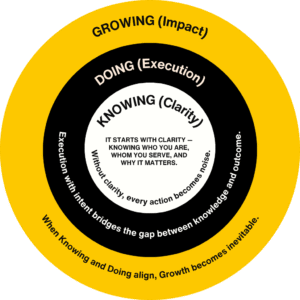
is something we strongly believe in, which means ‘Knowledge without application is the same as having no knowledge at all
Akhil Dave
Principle Consultant
Ready to take your Personal Brand to the next level?
Share your details below and we will connect with you to discuss your growth strategy.

Digital Marketing for Doctors: A Beginner’s Guide
Digital marketing for doctors starts with the basics. Learn how to build a…

50 Hospital Branding Ideas to Build Patient Trust
Discover 50 practical hospital branding ideas to build patient trust, strengthen hospital brand…

How to Choose a Healthcare Marketing Consultant: A Buyer’s Checklist
Learn how to choose a healthcare marketing consultant with a practical checklist covering…
Healthcare Marketing Agency vs. Consultancy: Key Differences
What is the difference between a healthcare marketing agency and consultancy? Learn how…

Internal Marketing Strategy for Hospitals: A 2026 Guide
Internal marketing for hospitals aligns staff with the hospital’s brand promise, strengthens employee…

SEO & AEO Strategy for Hospitals, Clinics & Doctors (2026)
Learn how hospitals, clinics, and doctors can combine SEO, AEO, and GEO to…