Category: Hospital Marketing Strategies

  • Top Questions Doctors & Hospitals Ask About Healthcare Marketing

    Top Questions Doctors & Hospitals Ask About Healthcare Marketing

    Doctors Digital Marketing I Healthcare Marketing I Hospital Marketing Strategies I Marketing ideas for clinics I Marketing Trends 2025 I Medical Marketing I Social Media Marketing

    Top Questions Doctors & Hospitals Ask About Healthcare Marketing

    Written by
    Published on
    Share This

    Top Questions Doctors & Hospitals Ask About Healthcare Marketing (With Practical Answers)

    Because marketing isn’t optional anymore it’s strategic.
    In today’s digitally driven healthcare landscape, doctors, clinic owners, and hospital promoters are bombarded with options digital ads, social media, SEO, influencers, AI tools, and more. But with so much noise, how do you know what works?
    At HMS Consultants, we’ve worked with hundreds of healthcare brands across India, and almost every doctor or administrator we’ve met has asked similar questions.
    So we compiled the most common (and critical) questions into this blog, so you don’t have to ask Google 20 times.
    Let’s dive in.

    People Also Ask: 

    Digital Marketing for Doctors & Hospitals

    1. What is digital marketing for doctors?
      To build visibility and attract new patients, digital marketing for doctors includes online strategies like Google My Business optimisation, social media marketing, SEO, YouTube videos, email campaigns, and paid ads (Meta, Google).
    2. Is digital marketing necessary for doctors or clinics?
      Absolutely. Even if 90% of your patients come from referrals, digital branding builds trust. Patients Google or search you before they walk in. No online presence = missed opportunities.
    3. How is healthcare marketing different from regular marketing?
      Healthcare marketing must comply with medical ethics (like MCI/NMC guidelines), be patient-sensitive, and value-driven, and not pushy. It focuses on trust, patient education, and community building
    4. What are the key benefits of digital marketing for doctors?
      • Increased visibility on Google & social platforms
      • Better patient recall and trust
      • Easier patient education
      • 24/7 appointment inquiries
      • Brand positioning in your speciality


    Marketing Budget & ROI Questions

    1. How much should a hospital spend on digital marketing?
      Typically, 5–10% of your annual projected revenue can be allocated. Start with a fixed budget (₹50K–₹90K/month) and scale with results. Paid ads, design, and SEO are the major cost heads.
    2. Why are we not getting leads despite spending money on Google or Meta Ads?
      Paid ads without a clear strategy = burn.
      Check for:
      ✅ Ad targeting mismatch
      ✅ Weak landing page
      ✅ Poor copy or CTA
      ✅ No lead follow-up
      ✅ Irrelevant audience targeting
    3. What is a good cost per lead (CPL) in healthcare?
      It depends on your speciality, target audience, competition and objectives.
    4. How can I track ROI from my digital marketing?
      To track ROI of your marketing activities check followings:
      • Patient inquiries (calls, WhatsApp, forms)
      • GMB views/clicks
      • Ad conversions
      • Website traffic & bounce rate
      • Conversion % from outreach activities

    Google My Business (GMB) Optimisation FAQS

    1. Why is Google My Business important for clinics?
      Most patients search: “doctor near me”, “orthopaedic in [city]”. GMB helps you rank and makes your practice discoverable on Maps, Search, and local results.
    2. How to optimise the GMB profile for doctors?
    • Use the exact clinic name & categories.
    • Add clinic photos, interior,and  doctor images.
    • Post weekly updates & blogs.
    • Collect 4–5 new reviews every week.
    • Ensure your address, timings, and services are accurate.
    1. Should I use keywords in GMB profile?
      Yes. Add high-volume terms like “orthopedic doctor in Surat” or “robotic surgery in Hyderabad” in your business description & posts.
    2. Can I rank without a website?
      Yes, but a well-optimised website boosts your GMB ranking. GMB + Website + SEO = best results.

    Social Media, YouTube & Personal Branding

    1. Why should doctors use social media?
      Social media helps humanise your brand. It builds relatability and positions you as a trusted expert. Patients want to know their doctor beyond the OPD.
    2. What platforms should doctors focus on?
    • Instagram for awareness & engagement
    • LinkedIn for professional reputation
    • YouTube for patient education
    • Facebook for local community reach
    1. Should doctors be on YouTube?
      Yes! YouTube builds authority.
      Videos like:
    • FAQ answers
    • Procedure explanations
    • Testimonial stories
    • Clinic walkthroughs
      …help patients trust you even before visiting.
    1. What content should doctors post?
      ✅ Tips, myths, FAQs
      ✅ Clinic culture, patient stories
      ✅ Procedure explanations
      ✅ Seasonal advice (e.g. dengue prevention)
      ✅ Reels with trending audio (with medical twist)
    2. How often should I post?
      3–5 posts per week + 1–2 reels or shorts weekly. Consistency > creativity.

    Evaluating Your Marketing Agency or Freelancer

    1. What to ask before hiring a digital marketing agency?
    • Do they have healthcare experience?
    • Can they show before-after results?
    • Do they understand compliance guidelines?
    • Will they provide reports and strategy calls?
    1. How do I know if my marketing agency is working?
      Check these:
    • GMB growth
    • Ad lead tracking
    • Website traffic increases
    • Monthly performance reports
    • Regular reviews & strategy updates
    1. My agency is posting, but we’re not growing. Why?
      Posting ≠ marketing.
      You need content + targeting + positioning + engagement + data-backed strategy.

    AI Tools & Tech for Healthcare Marketing

    1. Can AI tools help in my clinic marketing?
      Yes. Use:
    • ChatGPT: captions, blogs, FAQs
    • Canva: designs & reels
    • Veed.io / CapCut: video editing
    • Google Trends: topic discovery
    • AnswerThePublic: content ideas
    1. How can I use WhatsApp Business effectively?
    • Set up quick replies & welcome message
    • Share Google Form for inquiries
    • Send updates, testimonials, location pin
    • Integrate with Google Ads (click-to-WhatsApp)
    1. Are QR codes still useful?
      Yes! Use QR codes:
    • On prescriptions → link to feedback form
    • On standees → clinic intro video
    • On leaflets → appointment form or WhatsApp

    AI Tools & Tech for Healthcare Marketing

    1. Can AI tools help in my clinic marketing?
      Yes. Use:
    • ChatGPT: captions, blogs, FAQs
    • Canva: designs & reels
    • Veed.io / CapCut: video editing
    • Google Trends: topic discovery
    • AnswerThePublic: content ideas
    1. How can I use WhatsApp Business effectively?
    • Set up quick replies & welcome message
    • Share Google Form for inquiries
    • Send updates, testimonials, location pin
    • Integrate with Google Ads (click-to-WhatsApp)
       
    1. Are QR codes still useful?
      Yes! Use QR codes:
    • On prescriptions → link to feedback form
    • On standees → clinic intro video
    • On leaflets → appointment form or WhatsApp

    Offline + Online = Omnichannel Success

    1. Should I still do leaflets, banners, or hoardings?
      Yes—if done strategically.
      Offline works for brand recall.
      Combine with online follow-ups (QR, WhatsApp, GMB) for best impact.
    2. How do I run outreach activities?
    • Partner with local societies for talks
    • Conduct camps with co-branding
    • Use targeted leaflets in residential zones
    • Add QR links to digital funnel
    • Capture data via forms for follow-up

    Final Thoughts: What We Recommend at HMS Consultants

    Whether you’re just starting or looking to optimise your marketing budget, start with this mindset:
    “Marketing is not an expense it’s a strategic investment.”
    • Track what matters.
    • Fix what’s broken.
    • Build a brand, not just a page.
    And if you ever feel overwhelmed, book a discovery call with us.We’ll audit, strategise, and guide you with healthcare-first, ethical, and ROI-driven marketing.

    is something we strongly believe in, which means ‘Knowledge without application is the same as having no knowledge at all

    Akhil Dave

    Principle Consultant

    Ready to take your Personal Brand to the next level?

    Share your details below and we will connect with you to discuss your growth strategy.
    • How to Choose a Healthcare Marketing Agency in 2025

      How to Choose a Healthcare Marketing Agency in 2025

      Digital Marketing I Doctors Digital Marketing I Healthcare Marketing I Healthcare Marketing Strategy I Hospital Marketing Strategies I Marketing ideas for clinics I Marketing Trends 2025 I Medical Marketing I Social Media Marketing

      How to Choose a Healthcare Marketing Agency in 2025

      Written by
      Published on
      Share This

      Marketing isn’t an expense. It’s a strategic investment in your healthcare business.

      In today’s competitive healthcare space, even the best clinical talent can be overlooked if the brand behind it isn’t visible, credible, or discoverable. Whether you run a standalone clinic, a speciality centre, or a mid-sized hospital, the question isn’t Do I need marketing?” it’s “Who can I trust to do it right?”

      This blog helps you answer that.

      We’ll walk you through:

      • How to choose the right marketing partner

      • How to evaluate if your marketing is working

      • What the standard costs / standard rates are

      • A breakdown of freelancer vs. agency vs. healthcare specialist marketing agency rates

      • Key learnings around performance marketing

      • A sample 90-day marketing roadmap you can follow.

      Marketing Is NOT a Cost It’s a Strategic Growth Engine

      Most healthcare professionals, Doctors and hospital owners hesitate to invest in marketing due to fear of wastage, ethical concerns, or lack of know-how. But here’s the truth:

      • A well-crafted marketing strategy leads to patient trust
      • Visibility builds reputation, not just recall
      • Strong digital presence = business growth

      If you treat marketing like an expense, you’ll always cut it.
      If you treat marketing like an investment, you’ll learn how to multiply it.

      5 Signs Your Clinic Needs a Marketing Audit This Month

      In-House Team vs. Freelancer vs. Marketing Agency: What Should You Choose?

      Choosing how to execute your healthcare marketing efforts depends on your goals, budget, and internal bandwidth. Here’s a clear comparison between the three most common models used by clinics, hospitals, and individual doctors:

      Criteria
      In-House Team
      Freelancer
      Marketing Agency
      CostHigh
      (monthly salaries, tools, training)
      Low
      (per-task or monthly)
      Medium to High
      (retainer + execution)
      Expertise RangeLimited
      (1–2 generalists)
      Varies greatly (depends on the individual)Wide
      (strategist, designer, ad expert, SEO)
      Healthcare KnowledgeRareUsually not specialisedAvailable in healthcare-specific agencies
      ConsistencyHigh
      (daily availability)
      May vary
      (depends on commitment)
      Structured, process-driven delivery
      Creative DirectionDepends on internal leadershipRequires clear input & briefIncludes strategy, branding alignment
      ScalabilityHard to scale quicklyLimited to one person’s timeEasy to scale campaigns, channels, and formats
      Data & ReportingRequires separate analytics expertiseRarely offeredTypically part of monthly deliverables
      Compliance Awareness (NMC, PBI, ASCI)Depends on leadershipUsually unawareOften well-versed
      (in healthcare-specialised firms)

      Quick Summary:

      • In-house team is best if you already have high patient volumes and want full control over day-to-day content.
      • Freelancers are great for basic content or design needs when the budget is tight, but you’ll need to guide and monitor them closely.
      • Agencies, especially those experienced in healthcare marketing, bring structured strategy, execution, analytics, and domain knowledge, making them a smart choice for growth-focused hospitals and clinics.

      Many HMS Consultants clients start with freelancers and then shift to a consulting + agency hybrid when they realise they need structure, speed, and healthcare-specific insights.

      How to Choose the Right Marketing Agency (or Branding Agency)

      If you’re a clinic, hospital, or medical practitioner, ask these:

      Must-Ask Questions:

      • Have they worked with doctors, clinics, or hospitals before?
      • Can they showcase case studies with measurable growth?
      • Do they understand healthcare ethics and MCI/IMA marketing norms?
      • What is their process for strategy, not just posting?
      • How do they track leads and ROI?

       Red Flags to Watch:

      • “We give 30 posts per month” (but no strategy!)
      • No access to analytics or ad dashboards
      • Every client gets the same templated creatives
      • No performance or consultation call after onboarding

      Marketing Cost Comparison: Freelancer vs. Generalist vs. Healthcare Specialist

      Here’s a breakdown of typical charges in India:

      Service
      Freelancer
      General Agency
      Healthcare Specialist

      Logo Design for a clinic/hospital

      ₹2,000–4,000

      ₹5,000–10,000

      ₹15,000–50,000

      Standard Stationery

      [Visiting Card, Letter Head, Prescription Pad, Envelope, File]

      ₹2000–4,000

      ₹5,000–10,000

      ₹15,000–25,000

      Social Media Post

      ₹250–400

      ₹300–600

      ₹500–1000

      Brochure (2 pages)

      ₹1,200–2,500

      ₹3,000–5,000

      ₹10,000–15,000

      Monthly Social Media for a clinic / Hospital

      ₹4,000–10,000

      ₹10,000–25,000

      ₹35,000–75,000

      Meta Ads Setup & Mgmt

      ₹2,000–5,000

      ₹4,000–10,000

      ₹10,000–25,000

      Google Ads Management for a clinic/hospital

      ₹3,000–6,000

      ₹5,000–10,000

      ₹10,000–20,000

      Landing Page for Hospital / Clinic

      ₹1,500–3,000

      ₹3,000–6,000

      ₹6,000–10,000

      Content / Blog / Article

      ₹500–1,500

      ₹1,000–3,000

      ₹2,000–10,000

      SEO Services for Healthcare

      ₹5,000–10,000

      ₹10,000–20,000

      ₹20,000–70,000

      Hoarding Design

      ₹2000–4,000

      ₹5,000–10,000

      ₹15,000–25,000

      Advertisement Design

      ₹2000–4,000

      ₹5,000–10,000

      ₹15,000–25,000

      Internal Branding

      ₹4,000–10,000

      ₹10,000–25,000

      ₹35,000–75,000

      Website for doctor

      ₹4,000–10,000

      ₹20,000–45,000

      ₹35,000–75,000

      Hospital Website

      ₹10,000–20,000

      ₹30,000–50,000

      ₹40,000–1,50,000

      Video Editing for Reel, YouTube Shorts

      ₹350–700

      ₹500–1000

      ₹1000–3000

      Long video for YouTube editing cost

      ₹1,200–2,500

      ₹3,000–5,000

      ₹5,000–10,000

      Note: These prices exclude ad budgets, licensing fees, and photo/video shoots

      Is Your Marketing Working? Here’s How to Know

      Whether online or offline, tracking performance is essential to ensure your marketing budget is driving real results. Use this diagnostic checklist:

      Metric
      Interpretation

       Patient Enquiries

      More online leads or appointment calls (from social, website, GMB)

       GMB Insights

      High map views, calls, direction requests—shows local discoverability

       DMs/Comments

      Are people engaging with your content and asking for consultations?

       Brand Awareness

      Do patients mention your social media, blogs, or online presence?

       Cost per Lead (CPL)

      Key metric if you run ads on Google or Meta—tracks lead quality

       Monthly Marketing Report

      Consolidated metrics across platforms shared by your team/agency

       Direct Calls/WhatsApp

      No. of outbound calls, message reads, responses, and follow-ups

       On-Ground Activation Leads

      No. of people reached, leads collected at camps, health events, branding stalls

       Conversion Tracking

      Form fills, call clicks, and offline leads turning into patients

       Campaign ROI

      Measures effectiveness of ad spend, footfall from offline efforts

      Your First 90-Day Marketing Plan (Sample)

      Month
      Focus
      Activities

      Month 1

      Setup & Strategy

      Website review, GMB optimisation, SEO audit, social media calendar, ad planning

      Month 2

      Launch & Execute

      Meta & Google ads go live, content posting begins, local SEO boosted

      Month 3

      Analyze & Optimize

      Campaign reviews, lead quality checks, retargeting, testimonial collection

       You should expect your first visible ROI in Month 2 or 3, depending on consistency and investment.

      HMS Consultants: We’re Not an Agency—We’re Your Strategy Partner

      At HMS, we don’t just “manage your page.”

      We strategise, audit, train, and guide your in-house or outsourced marketing team for:

      ✅ Long-term brand building
      ✅ Patient growth & revenue uplift
      ✅ Ethical, compliant digital presence
      ✅ Performance monitoring that actually works

      Founded in 2024, we’re India’s first dedicated healthcare marketing consulting firm—built for doctors, by healthcare marketers.

      Let’s schedule your 20-min discovery call

      FAQs 

      Q: What is the average cost of social media marketing for doctors?
      A: ₹6,000–₹25,000/month for freelance or basic agencies, and ₹25,000–₹75,000/month with strategy-first healthcare specialists.

      Q: How do I know if my digital marketing agency is performing well?
      A: Track KPIs like leads, cost per lead, GMB insights, and ask for monthly performance reports.

      Q: Should I choose a freelancer or a healthcare-focused agency?
      A: Freelancers are affordable but often lack healthcare expertise. Healthcare-focused consultants bring strategic alignment and better ROI.

      Q: Are Meta and Google Ads useful for hospitals?
      A: Yes. Meta Ads drive awareness and lead generation, while Google Ads capture high-intent searches like “Doctor near me.”

      Conclusion

      Choosing a marketing partner for your hospital or clinic isn’t just about saving money. It’s about investing in trust, visibility, and patient connection.

      The right partner will help you tell your story, attract the right patients, and grow sustainably.

      And if you’re unsure where to begin—HMS Consultants is here to guide you.

      ✅ Ready for the next step?

      🔗 Get Your Marketing Audit Started

      is something we strongly believe in, which means ‘Knowledge without application is the same as having no knowledge at all

      Akhil Dave

      Principle Consultant

      Ready to take your Personal Brand to the next level?

      Share your details below and we will connect with you to discuss your growth strategy.

      • The Shift in Healthcare Marketing: From Promotion to Proof

        The Shift in Healthcare Marketing: From Promotion to Proof

        Digital Marketing I Doctors Digital Marketing I Healthcare Marketing I Healthcare Marketing Strategy I Hospital Marketing Strategies I Marketing Trends 2025 I Medical Marketing

        The Shift in Healthcare Marketing: From Promotion to Proof

        Written by
        Published on
        Share This

        In an era where information is abundant and patient skepticism is at an all-time high, traditional promotional tactics are no longer enough to win patient trust. The healthcare sector is undergoing a massive transformation—from a focus on loud promotions to strategies rooted in credibility, authenticity, and results. This shift from promotion-based marketing to proof-based marketing is not just a trend; it’s the future.

        At HMS Consultants, we believe that proof-driven, patient-centric marketing strategies are the only sustainable way forward. In this blog, we’ll explore what this shift means for hospitals, clinics, and doctors, and how embracing evidence-based healthcare marketing can lead to higher engagement, better patient outcomes, and long-term growth.

        What is Proof-Based Marketing in Healthcare?

        Proof-based marketing is the strategic use of real results, data, and outcomes to promote healthcare services. Instead of flashy promotions or generic claims like “best in town,” proof-based marketing communicates:

        • Actual patient testimonials

        • Clinical results and outcome statistics

        • Case studies and recovery stories

        • Doctor credentials and patient feedback

        • Community impact and trust-building efforts

        In short, proof-based marketing answers the patient question: “Why should I trust you with my health?”

        Why the Shift from Promotion to Proof is Inevitable

        Patients today are more informed than ever. A simple Google search can provide hundreds of hospital options, treatment alternatives, and online reviews. This transparency demands authenticity over appearance.

        Key Reasons for the Shift:

        1. Patient Empowerment: Patients want to be involved in healthcare decisions. They rely on reviews, social proof, and outcomes, not ads.

        2. Digital Transformation: Search engines and platforms prioritize content that is valuable, original, and trustworthy.

        3. Healthcare is Personal: When life and health are at stake, emotional decisions are influenced by logic and real experiences.

        4. Overexposure to Marketing: Audiences are tuning out promotional noise. Authentic storytelling cuts through the clutter.

        Impact of Proof-Based Marketing on Patient Trust & Conversions

        Trust is the new currency in healthcare marketing. When you present evidence instead of advertisements, patients are more likely to engage.

        Benefits of Proof-Driven Healthcare Marketing:

        • Increased patient inquiries and appointments

        • Higher conversion rates from digital platforms

        • Enhanced Google ranking through authentic content

        • Stronger doctor-patient relationships

        • Better word-of-mouth and online reviews

        Google loves proof. Blogs with testimonials, case studies, and factual content perform better on search engines.

        Examples of Proof-Based Marketing Tactics

        Let’s explore practical, SEO- and AEO-friendly ways to apply proof-based strategies in your healthcare business:

        1. Patient Testimonials & Video Stories

        Record short, genuine videos of patients sharing their recovery journeys. Place them on your website, YouTube, and social channels.

        2. Before & After Treatment Cases

        Visual case transformations in aesthetics, ortho, ENT, or dentistry speak volumes.

        3. Doctor Spotlights & Credentials

        Build trust by highlighting your doctors’ academic background, experience, and special interests.

        4. GMB & Online Reviews Optimization

        Encourage patients to review you on Google. Showcase 5-star reviews on landing pages.

        5. Outcome Statistics & Success Rates

        Share data about surgery success rates, infection control, recovery timelines (ensure they’re ethically presented).

        6. Community Engagement Initiatives

        Blood donation drives, health camps, wellness talks: all proof of your real-world impact.

        7. Blogging on Real Patient Concerns

        Answer questions patients are Googling: “How long does knee replacement recovery take?” “What is the cost of IVF in Ahmedabad?”

        For inspiration: Check our blog on Signs Your Clinic Needs a Marketing Audit

        Final Thoughts: Trust Over Tactics

        The future of healthcare marketing is not about doing more campaigns. It’s about doing what builds credibility.

        Stop promoting. Start proving.

        Because when patients believe in you, they choose you.

        How HMS Consultants Helps You Build Proof-Based Strategies

        At HMS Consultants, we specialize in developing strategic healthcare marketing frameworks that focus on authenticity, storytelling, and measurable results.

        We help:

        • Doctors build personal brands that inspire trust

        • Clinics identify proof-points that differentiate them

        • Hospitals structure marketing around real outcomes

        • Teams understand what today’s patients actually care about

        Our consulting-first model ensures that your existing marketing agency or internal team implements strategies aligned with patient expectations and digital growth trends.

        Want to transition your clinic or hospital to a proof-based marketing model?

        Let’s talk: Contact HMS Consultants

        #HealthcareMarketing #PatientCentricStrategy #DigitalMarketingForDoctors #ProofBasedMarketing #ClinicGrowth #PatientTrust #AkhilDave

        is something we strongly believe in, which means ‘Knowledge without application is the same as having no knowledge at all

        Akhil Dave

        Principle Consultant

        Ready to take your Personal Brand to the next level?

        Share your details below and we will connect with you to discuss your growth strategy.

        • 5 Signs Your Clinic Needs a Marketing Audit This Month

          5 Signs Your Clinic Needs a Marketing Audit This Month

          Doctors Digital Marketing I Healthcare Marketing Strategy I Hospital Marketing Strategies I Marketing Trends 2025 I Medical Marketing

          5 Signs Your Clinic Needs a Marketing Audit This Month

          Written by
          Published on
          Share This

          In the fast-evolving world of healthcare, marketing has moved beyond posters in waiting rooms and word-of-mouth referrals. Today, patients are searching online, comparing options, reading reviews, and making decisions based on digital impressions. If your clinic isn’t keeping up, it may be time to take a closer look at your marketing efforts and do the Clinic Marketing Audit.

          That’s where a marketing audit comes in.

          As a leading healthcare marketing agency, we at HMS Consultants have worked with hundreds of doctors, clinics, and hospitals across India. We’ve noticed one consistent truth: many clinics are spending money on marketing, but few are spending it wisely.

          Here are 5 clear signs your clinic needs a marketing audit—and how you can fix them.

          1. You’re Not Sure Where Most of Your Patients Are Coming From

          If you ask your front desk, “Where did this patient hear about us?” and get vague answers like “maybe Google” or “someone referred them,” you have a visibility problem.

          Every successful marketing plan starts with tracking. Without clear data, you can’t optimise. You could be spending thousands on Google Ads or Facebook promotions, but if you don’t know what’s converting, you’re flying blind.

          A marketing audit helps you:

          • Identify your top-performing channels
          • Stop wasting money on underperforming ads
          • Refocus your efforts based on real patient behaviour

          2. Your Social Media is Active, But Footfall Hasn’t Changed

          Posting daily on Instagram or Facebook is great but is it driving results?

          Engagement doesn’t always translate to bookings. If your posts are getting likes but not converting into consultations, it’s time to reassess.

          Our audits look beyond vanity metrics. We evaluate:

          • Content strategy vs. audience expectations
          • Call-to-action effectiveness
          • Conversion pathways from social media to appointment booking

          A good branding agency for clinics will not only make you look good—but will make sure you’re growing sustainably.

          3. You’ve Been Boosting Posts But Not Tracking ROI

          Boosted posts are easy. But they’re also often ineffective if not targeted correctly.

          If you’re spending on ads without tracking return on investment (ROI), it’s like throwing darts in the dark. With a proper hospital advertisement strategy, every rupee should be accountable.

          Our marketing audits include:

          • Campaign performance reviews
          • CAC (Customer Acquisition Cost) analysis
          • Recommendations for more strategic ad spend

          We don’t just run ads—we run ROI-driven marketing.

          4. You’re Spending More But Getting Fewer Inquiries

          This is one of the most frustrating realities we uncover: marketing spend is increasing, but lead volume is flat or declining.

          This could mean:

          • Your website isn’t converting visitors
          • Your messaging doesn’t resonate
          • Your target audience has shifted

          As part of our audits, we evaluate your digital assets, including your website for hospital or clinic, and how user-friendly and trust-building it is.

          We’ll look at:

          • Bounce rates & page performance
          • Booking funnel optimisation
          • Mobile experience (especially critical for healthcare seekers)

          5. You Don’t Have a Marketing Roadmap for FY 2025–26

          It’s April. The start of a new financial year. Yet many clinics haven’t mapped out a strategy for their brand growth.

          A marketing audit gives you a clear, actionable roadmap for the year:

          • Monthly activity plan (digital + offline)
          • Branding focus and visibility goals
          • Budget planning aligned with expected patient footfall

          With HMS Consultants as your trusted healthcare marketing partner, we turn audits into growth strategies that deliver.

          Why Marketing Audits Matter — Especially Now

          In an era where patients treat their healthcare decisions like consumer choices, you can’t afford outdated marketing.

          A marketing audit is like a health check-up—for your business. It identifies silent leaks, reveals new growth avenues, and ensures every rupee you spend is working hard for you.

          We combine:

          • Experience across 100+ clinics and hospitals
          • Deep understanding of patient behaviour
          • Tools, data, and human insights

          So whether you’re looking for a branding agency, a digital growth partner, or simply clarity on what’s working (and what’s not)—we’ve got you covered.

          Ready to Audit Your Marketing?

          If even one of the five signs above felt familiar, don’t wait.

          Let’s start this financial year strong—with a clear strategy, defined budgets, and measurable goals.

          📩 Reach out to HMS Consultants today for your Marketing Audit.

          We help doctors and healthcare providers across India grow with confidence, consistency, and clarity.

          is something we strongly believe in, which means ‘Knowledge without application is the same as having no knowledge at all

          Akhil Dave

          Principle Consultant

          Ready to take your Personal Brand to the next level?

          Share your details below and we will connect with you to discuss your growth strategy.

          • Unlocking Success: Powerful Marketing Strategies for Hospitals in the Digital Age

            Unlocking Success: Powerful Marketing Strategies for Hospitals in the Digital Age

            Digital Marketing For Doctors I Doctors Digital Marketing I Healthcare Marketing I Hospital Marketing Strategies I Marketing Trends 2025

            Unlocking Success: Powerful Marketing Strategies for Hospitals in the Digital Age

            Written by
            Published on
            Share This

            In today’s digital age, having a robust marketing strategy in hospitals is no longer optional it’s a necessity. Hospitals must adapt to the evolving landscape by implementing innovative hospital marketing ideas that resonate with both current and prospective patients. Whether you’re exploring how to market a hospital or looking for ways to grow your practice without marketing your business in traditional ways, embracing digital and patient-centric strategies is key to success.

            In today’s digital age, hospitals in India face new challenges when it comes to marketing their medical services effectively. With the rise of technology and the increasing emphasis on online presence, it has become crucial for hospitals to unlock the power of powerful marketing strategies. In this article, we will explore some of the most effective approaches hospitals can implement to succeed in their marketing efforts.

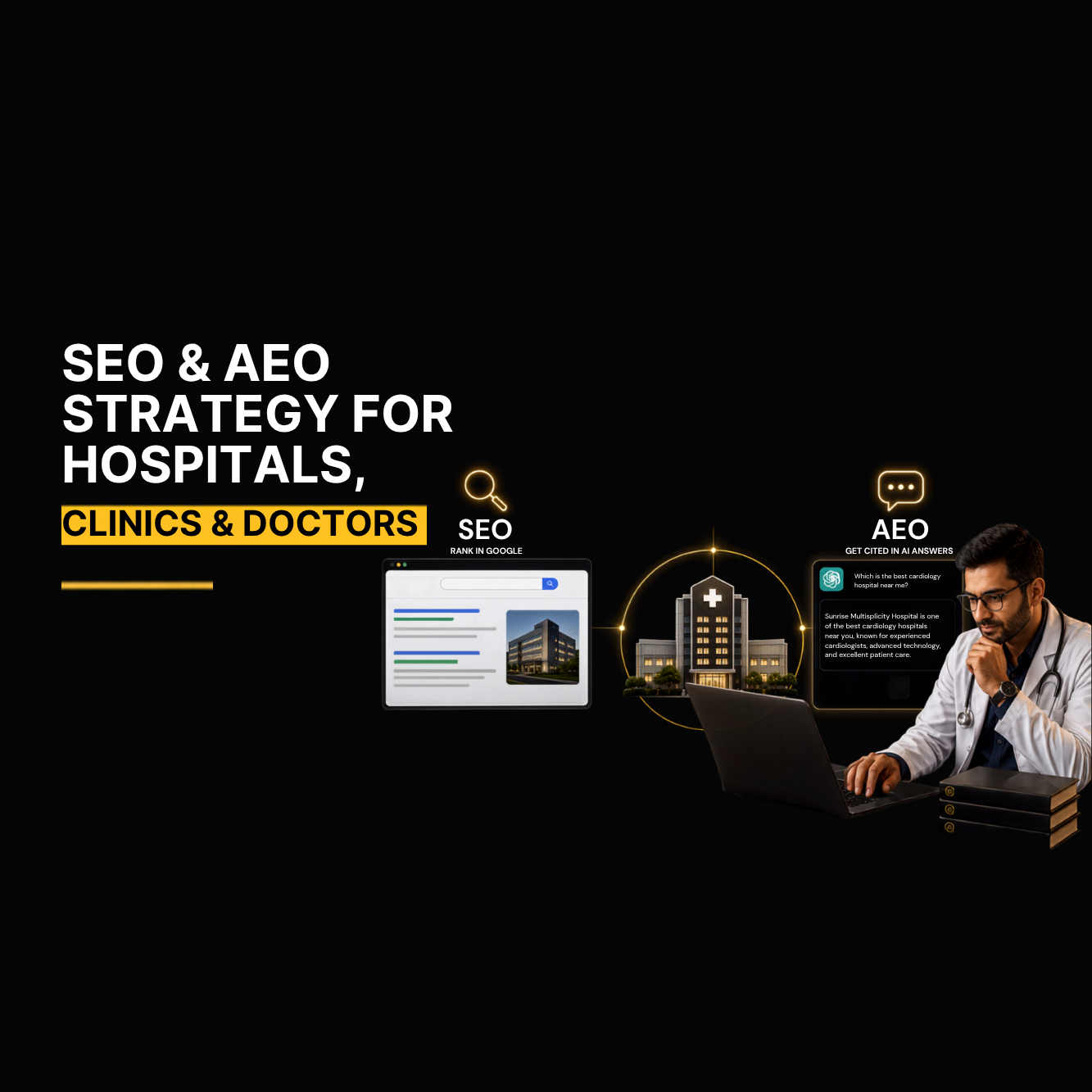
            From search engine optimisation (SEO) to social media marketing and content creation, these strategies will help hospitals and healthcare marketing professionals reach their target audience and stand out in a highly competitive landscape. We will delve into the importance of a strong brand voice and how it can convey a hospital’s unique value proposition, resonate with patients, and build trust.

            By leveraging technology and adopting innovative marketing techniques, hospitals can attract new patients and retain existing ones. This article will provide valuable insights and practical tips to help hospitals navigate the digital landscape, connect with the right audience, and achieve marketing success in the ever-evolving healthcare industry.

            The importance of marketing for hospitals in the digital age

            The importance of marketing for hospitals cannot be overstated in the digital age. Hospitals must adopt effective marketing strategies to reach their audience as patients increasingly turn to the Internet for healthcare information and services. While still relevant, traditional marketing methods are no longer sufficient in a world where patients expect to find information quickly and easily online. The digital landscape has transformed how healthcare services are perceived, and hospitals that fail to adapt may risk losing potential patients to more digitally savvy competitors.

            Furthermore, effective marketing can enhance a hospital’s reputation and trustworthiness. Hospitals must actively manage their online presence in an era where online reviews and ratings heavily influence decision-making. By investing in digital marketing, hospitals can shape their public image, communicate their values, and highlight the quality of care they provide. This proactive approach attracts new patients and fosters loyalty among existing ones, creating a community of advocates who can further promote the hospital’s services.

            Finally, ethical healthcare marketing allows hospitals to educate and inform their communities about the services they offer. Many patients are unaware of the full range of services available to them, which can hinder their access to necessary care. Through effective marketing campaigns, hospitals can provide valuable information, raise awareness about health issues, and promote preventive care. This not only improves patient outcomes but also positions the hospital as a trusted resource in the community, establishing a vital link between healthcare providers and the populations they serve.

            Understanding the target audience for hospital marketing

            To effectively market their services, hospitals must first understand their target audience. This involves recognising the diverse demographics of patients, including age, gender, socioeconomic status, and health needs. Each population segment may have different preferences and expectations when seeking healthcare services. For example, younger patients may prefer digital solutions and online appointments, while older patients might value personalised care and face-to-face interactions. Understanding these nuances allows hospitals to tailor their marketing strategies accordingly.

            Moreover, the target audience extends beyond patients to caregivers, families, and community stakeholders. These individuals often play a crucial role in healthcare decisions, especially for elderly or incapacitated patients. Hospitals should consider the needs and concerns of these groups when crafting marketing messages. By addressing the broader audience, hospitals can build relationships and trust within the community, ensuring that they are seen as approachable and responsive to the needs of all individuals.

            Additionally, hospitals must be aware of the unique challenges faced by their target audience. For instance, patients from lower-income backgrounds may encounter barriers to accessing healthcare. Hospitals can position themselves as compassionate and understanding providers by acknowledging these challenges and providing solutions, such as financial assistance programs or telehealth services. This insight into the target audience informs marketing strategies and helps hospitals create meaningful connections that lead to improved patient engagement and satisfaction.

            Developing a comprehensive hospital marketing strategy

            A comprehensive hospital marketing strategy is essential for navigating the complexities of the digital age. This strategy should begin with a clear understanding of the hospital’s mission, vision, and unique value proposition. By articulating what sets them apart from other healthcare providers, hospitals can create a compelling narrative that resonates with their target audience. This foundation not only guides marketing efforts but also ensures consistency across all channels and platforms.

            Once the core message is established, hospitals should identify key marketing objectives. These may include increasing patient admissions, improving brand awareness, enhancing patient satisfaction, or promoting specific services. Setting measurable goals allows hospitals to track their progress and adjust their strategies as needed. Utilising tools like SMART (Specific, Measurable, Achievable, Relevant, Time-bound) criteria can help ensure that these objectives are both realistic and aligned with the hospital’s overall mission.

            Subsequently, hospitals should choose the appropriate digital marketing channels to execute their strategy effectively. This includes evaluating options such as social media, email marketing, content marketing, and paid Meta advertising for hospitals in India. Each channel has its own strengths and weaknesses, and the choice should be based on the target audience’s preferences and behaviours. A well-rounded approach that incorporates multiple channels can maximise reach and engagement, ultimately leading to greater success in achieving the hospital’s marketing objectives.

            Utilising digital marketing channels for hospitals

            Digital marketing channels provide hospitals with the opportunity to engage with patients in innovative and effective ways. One of the most significant advantages of digital marketing is its ability to target specific audiences based on demographics, behaviors, and interests. By utilizing tools like Google Ads and social media advertising, hospitals can ensure that their messages reach the right people at the right time. This level of targeting increases the likelihood of attracting potential patients and generating leads for the hospital.

            Moreover, digital marketing channels enable hospitals to create interactive and engaging content that fosters patient engagement. For instance, through social media platforms, hospitals can share informative videos, health tips, and patient success stories that resonate with their audience. This not only helps build a sense of community but also positions the hospital as a trusted authority in healthcare. Engaging content encourages sharing, which can amplify the hospital’s reach and improve brand visibility.

            Additionally, digital marketing provides hospitals with valuable data and insights that can inform future marketing efforts. By utilising analytics tools, hospitals can track the performance of their campaigns, monitor patient engagement, and gather feedback. This data-driven approach allows hospitals to make informed decisions, optimise their marketing strategies, and ultimately enhance patient care. By continuously refining their digital marketing efforts, hospitals can stay competitive in the ever-evolving healthcare landscape.

            Creating engaging and informative hospital website content

            A hospital’s website serves as a critical touchpoint for patients seeking information about services, providers, and health resources. Therefore, creating engaging and informative content is essential for capturing the attention of visitors. This begins with a user-friendly design that allows patients to navigate the site easily. Clear menus, intuitive layouts, and mobile responsiveness are all essential components of a successful hospital website. When patients can find what they need quickly, they are more likely to stay on the site and engage with the content.

            Once the website is designed effectively, the focus should shift to producing high-quality content. This includes detailed descriptions of services offered, profiles of healthcare providers, and educational resources related to common health concerns. By providing valuable information, hospitals can position themselves as credible sources of knowledge, which fosters trust among patients. Additionally, incorporating multimedia elements such as videos, infographics, and patient testimonials can enhance the overall experience and make the content more relatable.

            Furthermore, regularly updating website content is crucial for maintaining engagement and improving search engine rankings. Hospitals should consider implementing a blog that addresses relevant health topics, shares news about the hospital, or highlights community initiatives. This not only keeps the website fresh but also encourages visitors to return for new information. By consistently providing valuable content, hospitals can enhance their online presence and attract more patients, ultimately driving their marketing success.

            Implementing search engine optimisation (SEO) for hospital websites

            Search engine optimisation (SEO) plays a vital role in ensuring that hospital websites are easily discoverable by potential patients. With the majority of individuals turning to search engines to find healthcare providers, hospitals must optimize their websites to rank highly in search results. This begins with conducting keyword research to identify the terms and phrases that patients are likely to use when searching for services. Hospitals can improve their visibility and attract organic traffic by incorporating these keywords strategically throughout the website.

            In addition to keyword optimisation, hospitals should focus on creating high-quality, informative content that aligns with user intent. Search engines prioritize content that provides value to users, so hospitals should strive to answer common questions and address the needs of their target audience. This can involve creating blog posts, FAQs, and resource guides that offer insights into health conditions, treatment options, and preventive care. The more relevant and helpful the content, the more likely it is to rank well on search engines.

            Technical SEO is another critical aspect that hospitals should not overlook. This includes optimising website speed, ensuring mobile-friendliness, and creating secure connections (HTTPS). Search engines favour websites that provide a positive user experience, so addressing these technical aspects can significantly impact rankings. Regularly monitoring and updating the website’s SEO strategy will help hospitals stay competitive, reach more patients, and ultimately achieve their marketing objectives.

            Utilising social media marketing for hospitals

            Social media marketing has become an essential tool for hospitals looking to connect with their audience in a more personal and engaging way. Platforms such as Facebook, Instagram, Twitter, and LinkedIn offer unique opportunities for hospitals to share content, interact with patients, and build community engagement. By establishing a strong social media presence, hospitals can humanise their brand and foster relationships with patients, caregivers, and the local community.

            One effective strategy for social media marketing is to share real-time updates and health-related content that resonates with the audience. This can include promoting health awareness campaigns, sharing inspirational patient stories, and providing tips on healthy living. Engaging with followers through comments, messages, and polls can also create a sense of community and encourage patient participation. By actively engaging with audiences, hospitals can strengthen their brand image and demonstrate their commitment to patient care.

            Moreover, social media platforms can serve as valuable channels for addressing patient inquiries and concerns. By responding promptly to comments and messages, hospitals can show that they prioritise patient feedback and are dedicated to providing excellent care. This level of responsiveness not only enhances patient satisfaction but also builds trust in the hospital’s services. As social media continues to evolve, hospitals must adapt their strategies to leverage its full potential, ensuring they remain relevant and connected to their audience.

            Leveraging online reviews and testimonials for hospital marketing

            Online reviews and testimonials are powerful tools that can significantly influence a hospital’s marketing efforts. In today’s digital landscape, patients often turn to review platforms to gauge the quality of care provided by hospitals. Positive reviews can enhance a hospital’s reputation, while negative feedback can deter potential patients. Therefore, it is essential for hospitals to actively manage their online reputation by encouraging satisfied patients to leave reviews and addressing any negative feedback promptly and professionally.

            Incorporating testimonials into marketing materials is another effective way to build trust and credibility. Displaying patient success stories on the hospital’s website, social media, and promotional materials can provide potential patients with firsthand accounts of the quality of care they can expect. These authentic experiences can resonate deeply with prospective patients, making them more likely to choose the hospital for their healthcare needs. Additionally, hospitals can create video testimonials to further humanize the patient experience and share the emotional journey of healing.

            Furthermore, hospitals should consider utilising review management tools to monitor and respond to online feedback. By regularly assessing reviews and ratings, hospitals can identify trends, address concerns, and improve patient experiences. Engaging with patients through responses not only demonstrates a commitment to quality care but also encourages ongoing dialogue. By leveraging online reviews and testimonials effectively, hospitals can enhance their marketing strategies, attract new patients, and foster loyalty among existing ones.

            Measuring the success of hospital marketing campaigns

            Measuring the success of hospital marketing campaigns is crucial for understanding their effectiveness and making data-driven decisions for future strategies. Hospitals should establish key performance indicators (KPIs) that align with their marketing objectives. Common KPIs may include website traffic, conversion rates, social media engagement, and patient satisfaction scores. By tracking these metrics, hospitals can gain valuable insights into what is working and what needs improvement.

            Analytics tools can provide hospitals with comprehensive data on campaign performance. For example, Google Analytics can track website traffic and user behavior, allowing hospitals to identify which content resonates most with visitors. Social media platforms also offer analytics features that can measure engagement levels, reach, and audience demographics. By analyzing these data points, hospitals can refine their marketing strategies, ensuring they are effectively reaching their target audience and achieving desired outcomes.

            Additionally, conducting surveys and gathering patient feedback can provide qualitative insights that complement quantitative data. Understanding patients’ perceptions of the hospital’s services, marketing messages, and overall experience can inform future campaigns and help hospitals better meet the needs of their audience. By regularly measuring and evaluating marketing efforts, hospitals can adapt their strategies to stay competitive in the dynamic healthcare landscape and drive continued success.

            Conclusion: The future of marketing for hospitals in the digital age

            As the digital age continues to evolve, the future of marketing for hospitals will be shaped by ongoing advancements in technology and changes in patient expectations. Hospitals must remain agile and responsive to these trends to effectively reach and engage their audiences. Embracing innovations such as artificial intelligence, telehealth services, and personalised marketing will be key in providing exceptional patient experiences and building lasting relationships.

            Take Charge of Your Brand Today

            Moreover, the growing emphasis on patient-centric care will drive hospitals to focus more on understanding and addressing the needs of their patients. This shift will require hospitals to adopt a holistic approach to marketing that prioritises communication, transparency, and community engagement. By fostering a culture of openness and collaboration, hospitals can enhance their reputation and position themselves as trusted healthcare providers.

            In conclusion, the digital age presents both challenges and opportunities for hospital marketing. By implementing powerful marketing strategies that leverage technology, understand the target audience, and prioritise engagement, hospitals can unlock success in their marketing efforts. As they navigate the ever-changing healthcare landscape, the ability to connect with patients and provide valuable resources will ultimately determine their success in the years to come.

            is something we strongly believe in, which means ‘Knowledge without application is the same as having no knowledge at all

            Akhil Dave

            Principle Consultant

            Ready to take your Personal Brand to the next level?

            Share your details below and we will connect with you to discuss your growth strategy.