Category: Social Media Marketing

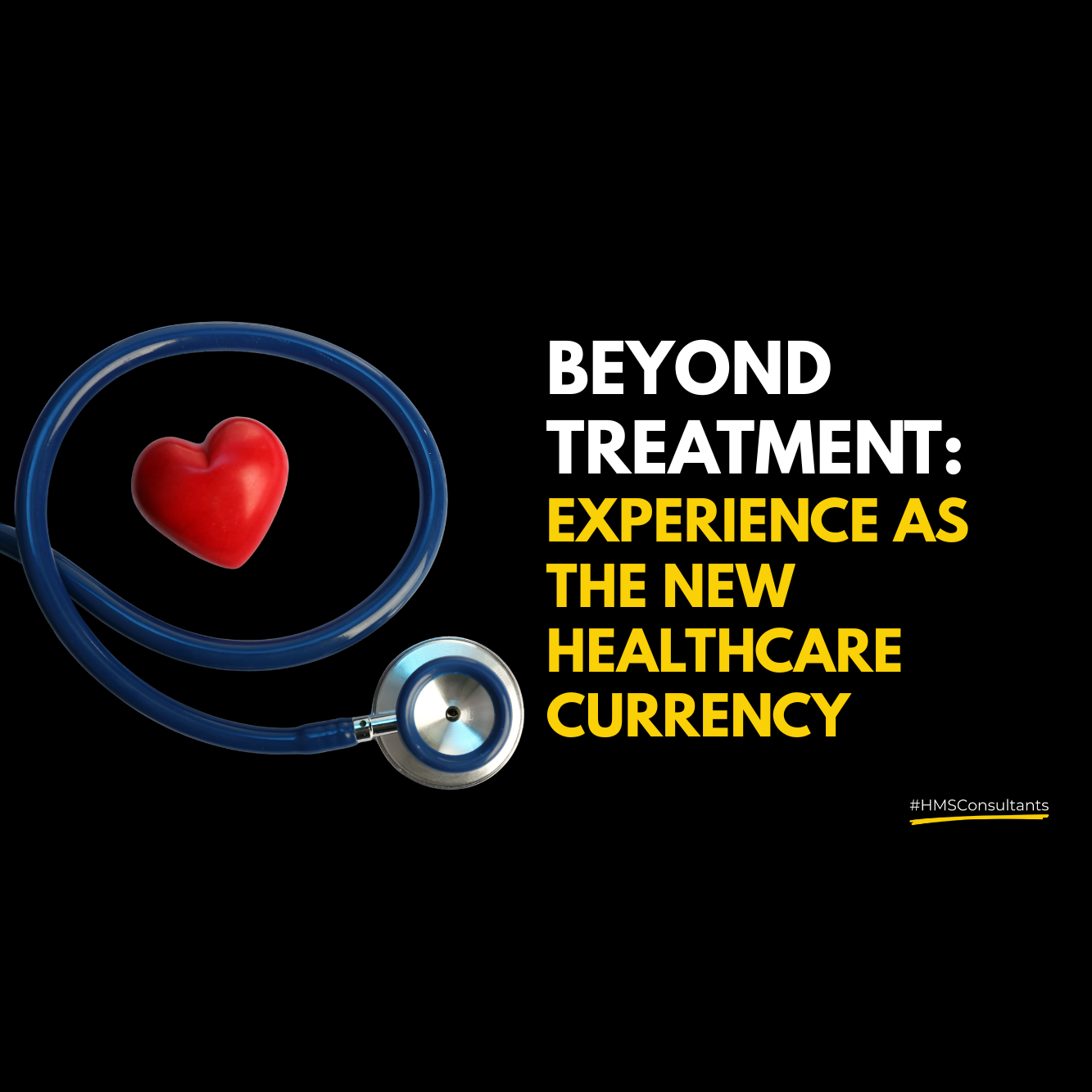
  • Beyond Treatment: Experience as the New Healthcare Currency

    Beyond Treatment: Experience as the New Healthcare Currency

    Beyond Treatment: Experience as the New Healthcare Currency

    Written by
    Published on
    Share This

    Why Patient Experience Matters More Than Ever

    Healthcare is no longer just about accurate diagnoses or successful surgeries. In India, where patients often have multiple clinic and hospital options, the deciding factor is experience. From the moment a patient searches online to the time they walk out of the clinic, every touchpoint matters.

    This shift has made healthcare patient experience in India a new form of currency. Clinics that focus on comfort, empathy, and small gestures are finding that loyalty, word-of-mouth referrals, and reputation flow naturally. In a market where hospitals compete for visibility, it is not the size of the building or the number of beds that wins it is the quality of experience patients take home.

    What Patient Experience Really Means

    Patient experience is often misunderstood as customer service. While service is a part of it, the full picture is broader. It includes:

    • Ease of booking appointments.
    • Transparency in communication.
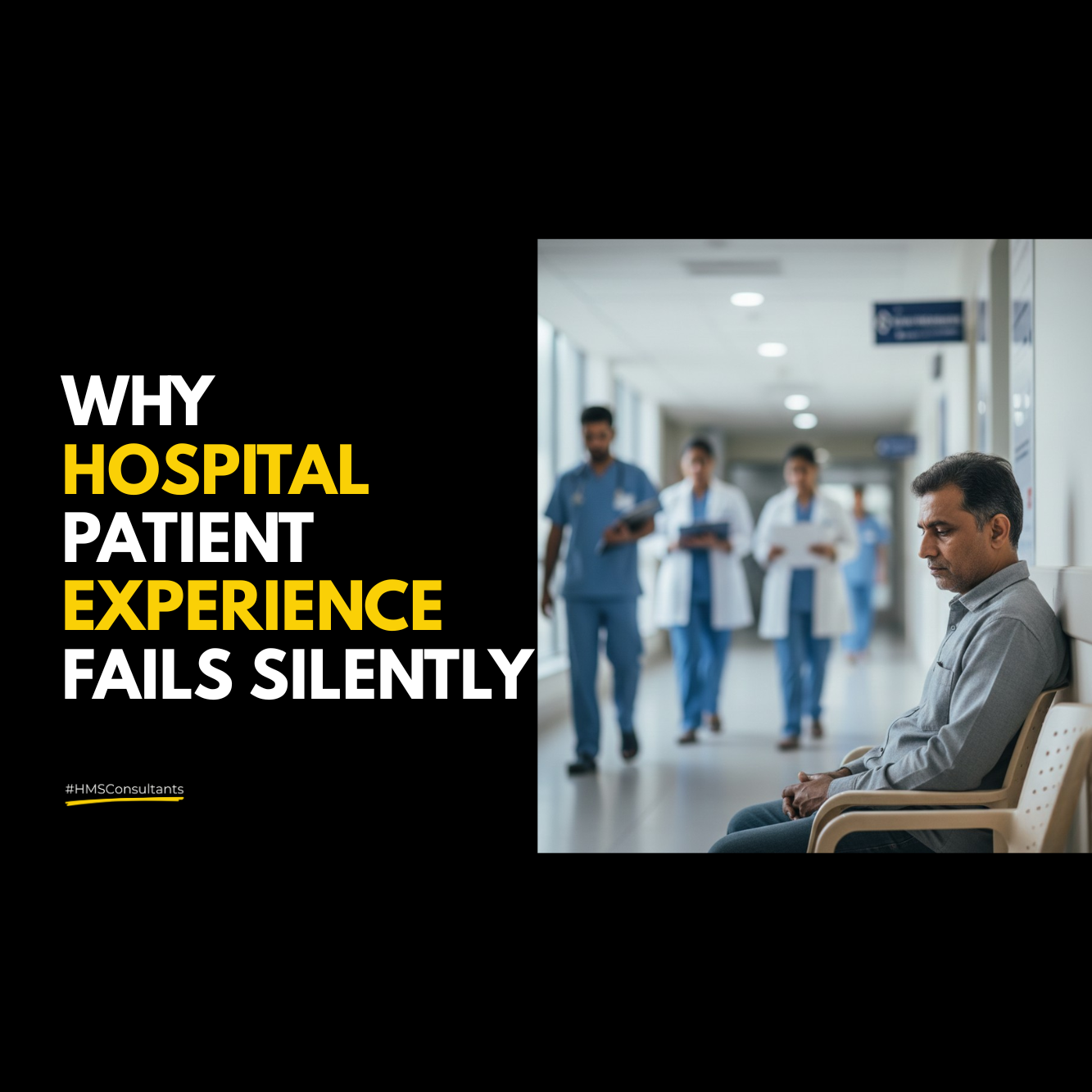
    • Comfort in the waiting area.
    • Empathy shown by staff.
    • Post-treatment follow-up.

    It is about how a patient feels throughout the journey. 

    Why Experience Is the New Healthcare Currency

    Emotional Trust Leads to Loyalty

    Medicine deals with vulnerability. Patients who feel heard and cared for are more likely to return for follow-ups and recommend the clinic to family. Loyalty is no longer bought by advertising alone; it is earned through experience.

    Digital Amplification of Experiences

    Patients share their stories online. Positive reviews on Google and heartfelt Instagram posts can reach thousands. On the other hand, a negative waiting room story can damage years of effort. This makes hospital marketing tips centered on experience essential.

    Competition in India’s Healthcare Market

    Urban India is witnessing a surge of private hospitals and specialty clinics. Patients are spoiled for choice. To stand out, clinics need to go beyond treatment and focus on emotional and physical comfort.

    Elements of Memorable Patient Experience

    First Impressions Begin Online

    In many cases, the first patient experience happens digitally. A well-structured website, active social media presence, and quick responses on WhatsApp or email set the tone. For effective brand promotion for healthcare clinics, digital front doors matter as much as physical ones.

    Warm and Welcoming Staff

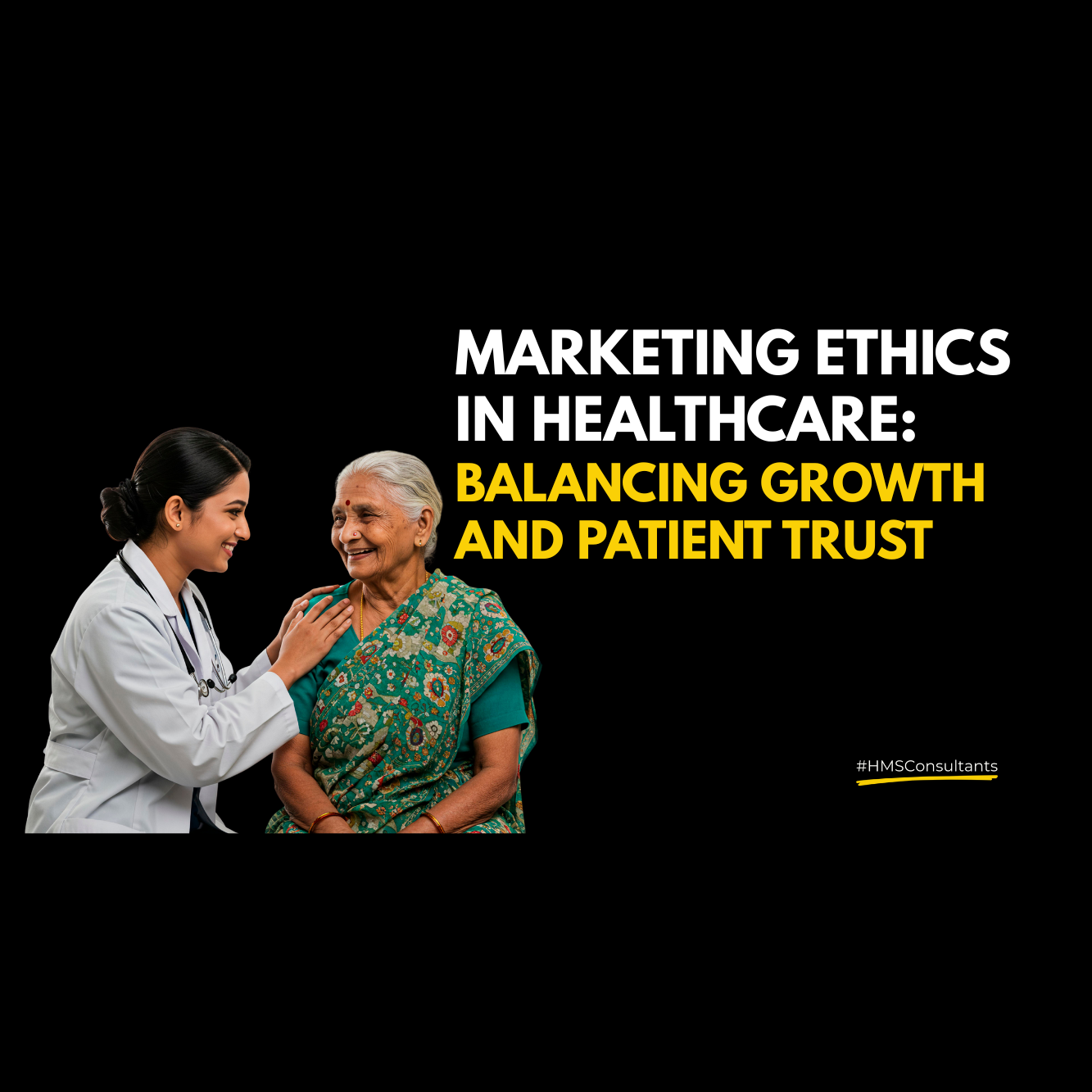
    Receptionists and nurses are often the face of the clinic. Politeness, empathy, and patience make a lasting difference. Training staff to treat each interaction as brand-building is a practical, high-return move.

    Waiting Room Psychology

    Waiting areas are not just holding spaces; they are opportunities to reassure patients. Comfortable seating, soothing colors, reading material, and simple water dispensers convey care.

    Doctor-Patient Communication

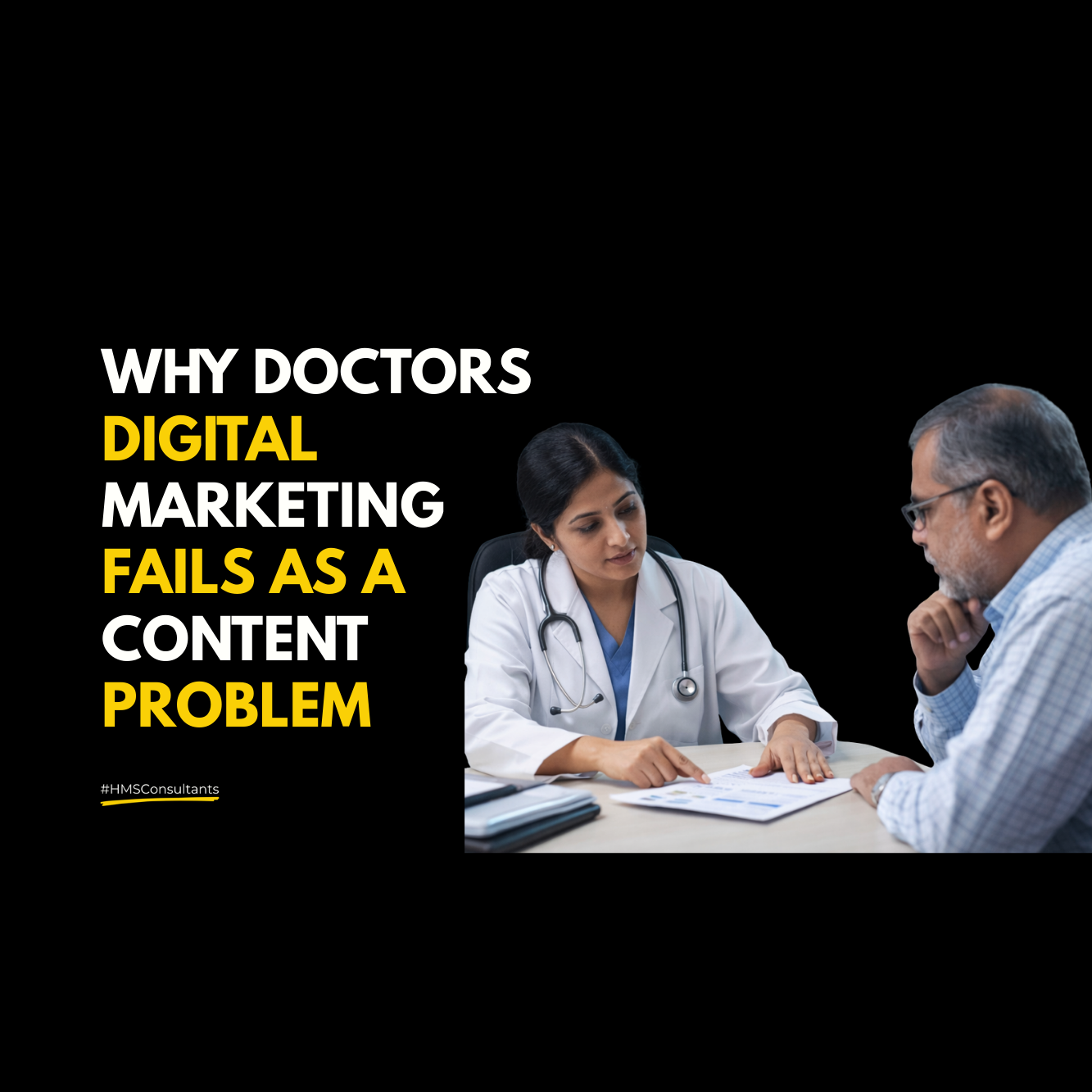
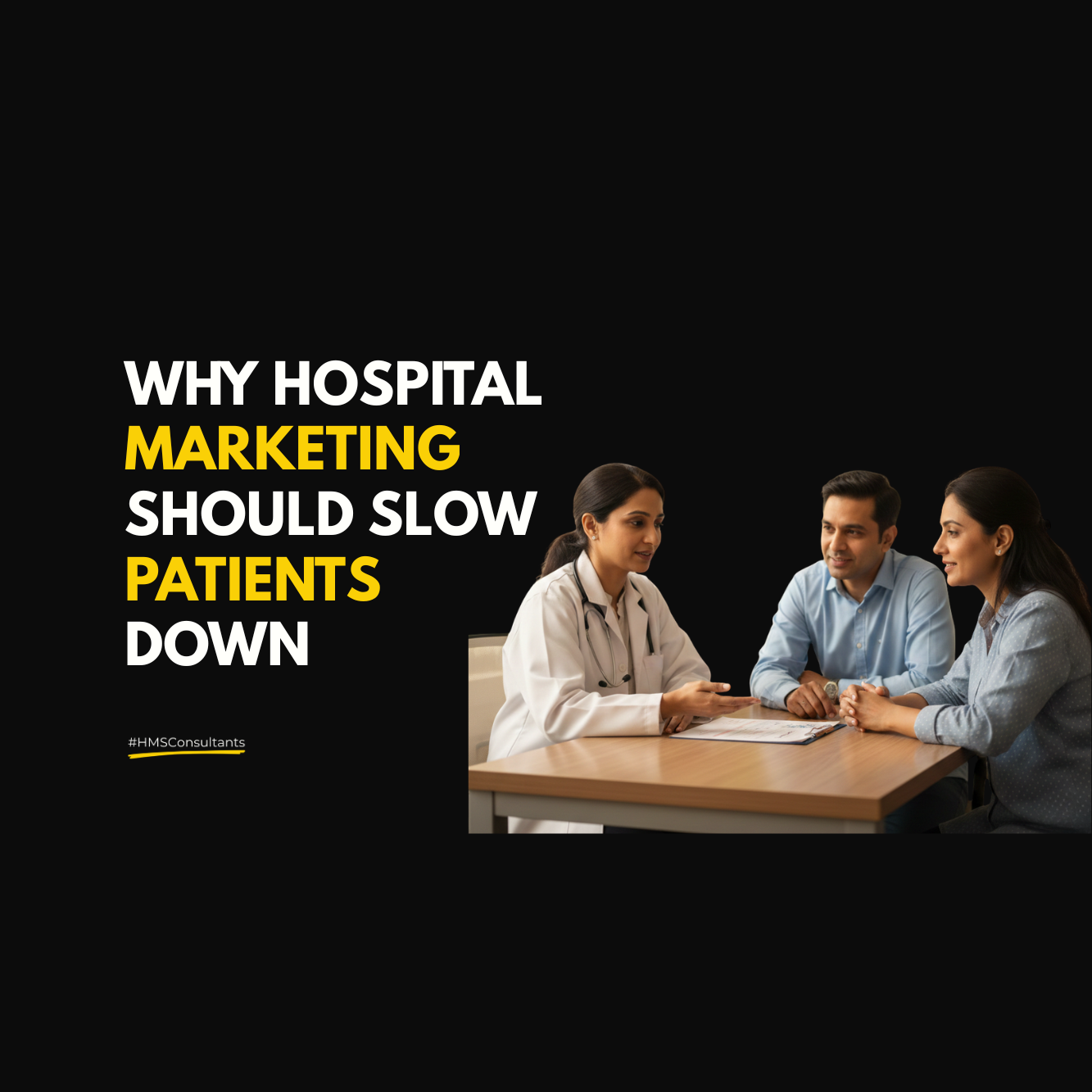
    Clear explanations, attention to concerns, and taking time to answer questions turn routine visits into trust-building experiences. In India, where patients often feel rushed, this stands out strongly.

    Follow-Up Care

    A call or WhatsApp message after a procedure or consultation shows that the relationship doesn’t end when the patient walks out. Clinics that follow this practice often earn lifelong loyalty.

    Small Gestures, Big Impact

    Sometimes, it is the little things that shape perception. Examples include:

    • Greeting patients with a smile and eye contact at reception.
    • Sending a short SMS/WhatsApp message after the visit thanking them for coming.
    • Using polite, reassuring language during interactions.
    • Displaying clear signboards for directions so patients don’t feel lost.

    These gestures are low-cost but signal that the clinic cares about people, not just revenue.

    Patient Experience and Brand Promotion

    Reviews as Modern Word-of-Mouth

    Encouraging satisfied patients to leave reviews online is one of the most effective hospital marketing tips. Reviews are authentic brand promotion tools, especially in India where patients trust peer experiences more than ads.

    Storytelling Through Social Media

    Highlighting patient journeys (with consent), success stories, and educational posts builds a positive image. For clinics, this is brand promotion for healthcare clinics that feels authentic.

    Community Engagement

    Clinics that hold free camps, awareness sessions, or tie-ups with local organizations extend the experience beyond their walls. This reinforces the idea that the clinic is part of the community, not just a service provider.

    Challenges in Prioritizing Patient Experience

    Cost Pressures

    Many clinics worry that improving experience means heavy spending on infrastructure. But in reality, most improvements like staff training, digital response systems, or small amenities are affordable.

    Balancing Efficiency and Care

    Doctors often feel the pressure of limited consultation time. The challenge is to maintain empathy without compromising efficiency. Structured communication helps achieve this.

    Handling Negative Experiences

    Not all experiences will be positive. The way a clinic responds to complaints determines whether a patient is lost or retained. Apologies, transparency, and quick action can convert dissatisfaction into respect.

    The Indian Context: Why It Matters Even More Here

    In India, patients often come with family members, making the experience multi-layered. The comfort of attendants, clarity of billing, and respect shown to families matter as much as medical outcomes.

    Moreover, patients in Tier-2 and Tier-3 cities are catching up with digital expectations. Clinics that adopt WhatsApp updates, bilingual websites, and online booking systems gain trust quickly.

    Strategies to Elevate Patient Experience

    1. Train for Empathy: Regular workshops for staff and doctors on communication skills.
    2. Simplify Digital Access: One-click appointment booking, transparent fee display, and online reports.
    3. Upgrade Waiting Spaces: Comfortable, clean, and distraction-friendly areas.
    4. Build Feedback Loops: Encourage and act upon patient suggestions.
    5. Follow-Up Systems: Set automated reminders or personal calls for post-treatment care.

    Future of Patient Experience in India

    Looking at 2025 and beyond, patient experience will only grow in importance:

    • Digital-first patients will expect seamless online + offline journeys.
    • Hospitals and clinics that ignore comfort and empathy will face declining loyalty.
    • Clinics that invest in experience will see natural growth through reputation and referrals.

    Healthcare in India will no longer be measured only by outcomes. It will be judged by how patients felt during their journey.

    Conclusion

    The healthcare industry is evolving from treatment-centric to experience-centric. Patients remember how they were treated as much as the treatment itself. By focusing on comfort, empathy, and small gestures, clinics can create loyalty that advertising budgets cannot buy.

    For any clinic in India, the real brand currency is not just the equipment or the infrastructure. But also the experience delivered at every step of the journey.

    Written by Maitri Desai

    Doctors Digital Marketing I Healthcare Marketing I Hospital Marketing Strategies I Marketing ideas for clinics I Marketing Trends 2025 I Medical Marketing I Social Media Marketing

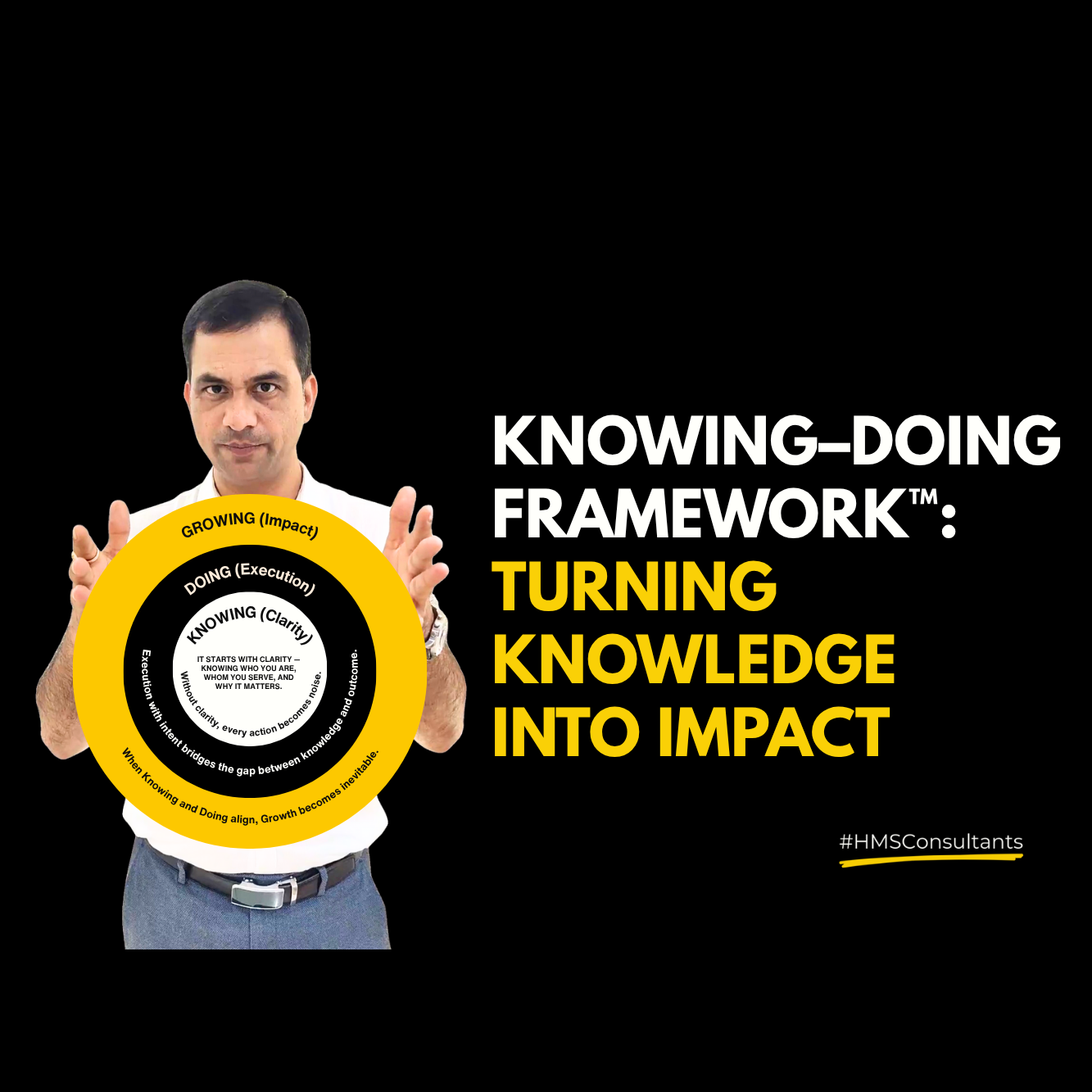
    is something we strongly believe in, which means ‘Knowledge without application is the same as having no knowledge at all

    Akhil Dave

    Principle Consultant

    Ready to take your Personal Brand to the next level?

    Share your details below and we will connect with you to discuss your growth strategy.

    • Indian Budget Allocations for Health Tech: Why Government Focus on Health Tech Is an Opportunity for Small Clinics

      Indian Budget Allocations for Health Tech: Why Government Focus on Health Tech Is an Opportunity for Small Clinics

      Indian Budget Allocations for Health Tech: Why Government Focus on Health Tech Is an Opportunity for Small Clinics

      Written by
      Published on
      Share This

      India’s 2025-26 budget has sent clear signals: health tech, digital health, and infrastructure are priorities. For large hospitals this means advanced equipment and R&D. For smaller clinics, it means opportunity if they know how to respond. They can leverage government budget allocations to gain visibility, modernise services, and position themselves as trusted local health tech adopters in healthcare marketing in India.

      What the Budget 2025-26 Means for Health Tech

      Some of the relevant allocations and announcements that have direct or indirect impact on health tech include:

      • The government has allocated ₹99,858.56 crore to the Union Health Ministry in 2025-26.
      • Increased focus on digital health innovations, healthcare infrastructure and workforce expansion.
      • Plans to establish 200 daycare cancer centres in district hospitals.
      • Customs duty exemption on 36 life-saving drugs in oncology, rare and chronic diseases.
      • Enhanced education seats: 10,000 new medical seats for FY2025-26 with a planned expansion to 75,000 seats over five years.
      • Hospitals in India are set to raise IT innovation spending by 20-25% over the next 2-3 years. Key areas include patient experience, clinical outcomes, and data-driven decision-making.


      These measures show that government policy is increasingly backing tech, innovation, and infrastructure in healthcare. That gives small clinics a tailwind if they align with these priorities.

      Why Small Clinics Should See This as a Big Opportunity

      1. Alignment With National Priority

      With health tech, digital health, telemedicine, and infrastructure getting more government support, there’s a greater chance for subsidies, grants, or favourable regulation. Clinics can position themselves to benefit from these boons.

      2. Increased Patient Demand for Tech-Enabled Care

      As the government promotes digital health, patients expect clinics to also offer modern conveniences: online booking, teleconsults, digital reports, mobile payments. Clinics that adopt these early gain competitive edge.

      3. Government Infrastructure Improvements Lower Barriers

      With focus on broadband connectivity in rural / primary health centres and digital health initiatives, technology becomes more accessible. Clinics in smaller towns or semi-urban areas will find that costs of implementing digital tools drop, and adoption among patients rises.

      4. Enhanced Credibility and Brand Value

      When a clinic advertises or demonstrates that it adheres to government-supported health tech initiatives (e.g. using standard digital protocols, participating in telemedicine, compliance with digital health ID etc.), it gains trust among patients. This can be a part of hospital marketing strategies that emphasise quality, modernity, and compliance.

      What Clinics Can Do Right Now: Strategy & Techniques

      Here are practical actions small clinics should take to make the most of this budget shift, using healthcare marketing techniques and digital marketing for healthcare.

      1. Audit Technology Needs

        • Identify where patients or staff face delays: manual record keeping, slow report delivery, lack of teleconsult facility.
        • Choose low cost but high impact tech: digital payment, online appointment scheduling, basic EMR systems.


      2. Leverage Government Schemes / Grants

        • Keep track of state or central grants for health infrastructure or digital health. Sometimes there are funding or tax benefits tied to adopting certain technologies.
        • Participate in public health programmes or tenders that may require or favour clinics with digital capability.


      3. Promote Tech-Driven Services in Marketing

        • Include messaging like “digital report delivery,” “teleconsult follow-ups,” “online booking ready,” “AI-assisted screening” if you use those.
        • Use local SEO / Google My Business to highlight tech services: patients often search for “clinic near me with teleconsultation,” etc.


      4. Train Staff and Build Systemic Lean Processes

        • Tech means change; staff must be comfortable using the tools. Smooth onboarding reduces errors.
        • Standard operating procedures for digital tools to ensure consistency.


      5. Focus on Patient Experience Powered by Tech

        • Faster delivery of reports or diagnosis thanks to digital workflows.
        • Regular reminders via SMS/WhatsApp, follow-ups via digital channels.
        • Safe communication, easy access, less paperwork.

      Case Scenarios & Examples

      • A clinic in a mid-size city integrates online booking + digital report delivery. They market that patients no longer need to wait days for test results → leads to higher patient satisfaction and more referrals.
      • Another clinic invests in teleconsult follow-ups after discharge. Even though many rural patients travel, giving a follow-up call via video makes patients feel cared for. It becomes a differentiator when patients talk locally.

      Clinics that display compliance with government digital health IDs / digital health mission make it part of their brand identity (on their website, signage, brochures) → increases trust among patients who see that the clinic is recognised and up to date.

      Challenges to Be Aware Of

      • Not all clinics have resources to immediately adopt high-end tech; selection needs to be strategic.
      • Digital literacy varies among patient populations (especially older ones, rural settings). Marketing must account for that.
      • Maintenance, data privacy, cybersecurity are essential tech adoption without good practice can backfire.
      • Marketing claims must be transparent avoid overstating what technology does.


      How This Shapes Future Hospital Marketing Strategies

      A hospital marketing expert would argue that small clinics embracing this government health tech push can create sustainable competitive advantages. Some ways it changes strategy:

      • Moving from promotional tactics to service-led marketing. Instead of offering discounts, clinics will promote “efficiency,” “faster diagnostics,” “digital convenience.”
      • Better online presence becomes non-optional. If many clinics in an area are digital-enabled, patients will compare based on tech experience.


      Storytelling around tech adoption becomes a branding tool showing not just what you treat, but how modernly you treat.

      Conclusion

      India’s 2025-26 budget shows the government is serious about health tech, digital health, infrastructure, and innovation. For small clinics that tend to think budget-constraints limit them, this policy environment offers chances to modernise, stand out, and build trust.

      The key is to act now: invest in selective tech, market it clearly, align with government-supported programmes, and build patient experience that shows speed, transparency, and modern care. For clinics that do this well, health tech is not just a policy topic it becomes a clinic’s USP in healthcare marketing in India.

      Written by Maitri Desai

      Doctors Digital Marketing I Healthcare Marketing I Hospital Marketing Strategies I Marketing ideas for clinics I Marketing Trends 2025 I Medical Marketing I Social Media Marketing

      is something we strongly believe in, which means ‘Knowledge without application is the same as having no knowledge at all

      Akhil Dave

      Principle Consultant

      Ready to take your Personal Brand to the next level?

      Share your details below and we will connect with you to discuss your growth strategy.

      • Generational Healthcare Marketing in India

        Generational Healthcare Marketing in India

        Generational Healthcare Marketing in India

        Written by
        Published on
        Share This

        Not every patient sees your clinic or hospital the same way. A 25-year-old and a 55-year-old may both need an eye check-up, but the way they search, decide, and judge your hospital will be completely different. This is where generational healthcare marketing comes in.

        For a healthcare marketing consultant, understanding the psychology of different age groups is the foundation of designing better hospital marketing strategies. In India, three generations dominate patient behavior today: Gen Z, Millennials, and Boomers. Each one responds to clinics differently, and each one demands a unique approach.

        Gen Z (Age 18–26): The Digital Natives

        Gen Z is the first fully digital generation. For them, healthcare begins on a screen before it ever reaches a clinic.

        How They Engage

        • Search First: They Google symptoms before booking appointments.
        • Visual Preference: They prefer reels, shorts, and infographics over long brochures.
        • Peer Validation: Trust is built through online reviews, Instagram stories, and micro-influencers.

        What Works for Them

        • Digital marketing for healthcare: Clinics need to be active on Instagram, YouTube, and Google Maps.
        • Transparent Pricing: No hidden costs Gen Z spots red flags quickly.
        • Cause Connection: They value clinics that promote sustainability, wellness, or preventive health campaigns.

        Takeaway: To reach Gen Z, clinics must be present online, authentic in communication, and visually engaging.

        Millennials (Age 27–42): The Convenience Seekers

        Millennials juggle careers, families, and finances. They value healthcare that saves time and fits into their busy lifestyles.

        How They Engage

        • Practical Approach: They research, compare, and prefer options that balance quality with cost.
        • Digital + Human Mix: Comfortable with apps but still want human reassurance.
        • Word of Mouth 2.0: They rely on Google reviews, WhatsApp recommendations, and family referrals.


        What Works for Them

        • Omni-Channel Marketing: Email reminders, WhatsApp updates, and quick-response call centers.
        • Memberships and Bundles: Annual family health packages or preventive check-up plans.
        • Time Sensitivity: Reduced waiting times and efficient appointment systems.

        Takeaway: To win over millennials, hospital marketing strategies should combine tech-driven convenience with reliable personal touch.

        Boomers (Age 43–60+): The Relationship Builders

        Boomers value stability, trust, and human connection. For them, healthcare is about reassurance and credibility more than digital noise.

        How They Engage

        • Trust Doctors More Than Ads: Personal referrals matter most.
        • Skeptical of Online Noise: They use digital tools, but prefer calling or visiting for confirmation.
        • Loyal Once Convinced: If they trust a doctor or hospital, they stick for years.


        What Works for Them

        • Relationship Marketing: Follow-up calls, reminder letters, and respectful communication.
        • Offline Visibility: Community talks, newspaper articles, or local TV interviews.
        • Cultural Sensitivity: Clinics that speak their language and respect traditional values.

        Takeaway: To engage boomers, clinics need consistency, personal relationships, and trust-driven branding.

        Why This Matters for Clinics in India

        India is unique because these three generations often overlap within the same family. A hospital may treat a Gen Z student, her millennial mother, and her boomer grandfather all in the same week.

        This means one-size marketing does not work. Clinics must design layered healthcare marketing techniques that can appeal to each segment without diluting the overall brand.

        • Gen Z → Digital-first, transparent, visually engaging
        • Millennials → Time-saving, convenient, value-driven
        • Boomers → Relationship-focused, trust-based, human

        Practical Tips for Clinics

        1. Segment Campaigns: Do not run the same ad for everyone. Create age-specific campaigns.
        2. Diversify Channels: Instagram reels for Gen Z, WhatsApp for Millennials, and community talks for Boomers.
        3. Train Staff for Generational Sensitivity: The way reception greets a 22-year-old vs. a 60-year-old should reflect awareness of different expectations.
        4. Balance Digital and Physical: Offer online booking for younger patients while keeping phone support for older ones.

        Consulting Lens: The Competitive Edge

        A healthcare marketing consultant would emphasize that generational strategy is not just about communication, it is about positioning. Clinics that learn how to balance these three audiences will enjoy higher patient loyalty and stronger brand equity.

        In practice, this means aligning digital marketing for healthcare with human-centric services, creating campaigns that feel modern but also deeply trustworthy.

        Conclusion

        The future of healthcare marketing in India is not about choosing between digital ads or personal relationships. It is about understanding who your patients are and how they decide. Gen Z wants fast, digital trust. Millennials want convenience and clarity. Boomers want respect and reassurance.

        The clinics that succeed will be those that adapt their hospital marketing strategies to each generation without losing their core identity. In the end, healthcare is for everyone, but the path to patient trust is never the same.

        Written by Maitri Desai

        Doctors Digital Marketing I Healthcare Marketing I Hospital Marketing Strategies I Marketing ideas for clinics I Marketing Trends 2025 I Medical Marketing I Social Media Marketing

        is something we strongly believe in, which means ‘Knowledge without application is the same as having no knowledge at all

        Akhil Dave

        Principle Consultant

        Ready to take your Personal Brand to the next level?

        Share your details below and we will connect with you to discuss your growth strategy.

        • The Rise of Doctor-Influencers in India 2025

          The Rise of Doctor-Influencers in India 2025

          The Rise of Doctor-Influencers in India 2025

          Written by
          Published on
          Share This

          In India, the image of a doctor has traditionally been limited to the clinic, hospital, or classroom. But 2025 paints a different picture. Today, doctors are building personal brands on Instagram, YouTube, and LinkedIn, reaching audiences far beyond their patient base. This trend, known as healthcare influencer marketing, is reshaping how the public consumes medical information.

          Some call it a revolution in trust-building. Others worry it risks turning medicine into mere content. This blog explores whether doctor-influencers represent an opportunity or a case of overexposure.

          Why Doctors Are Turning Into Influencers

          Several forces are driving the rise of doctor personal branding in India:

          • Patient behavior has changed: People first look online before visiting a clinic. Videos, reels, and blogs by doctors build familiarity.
          • Information demand is growing: Lifestyle diseases, skin and hair concerns, and fertility issues have made people more curious about medical knowledge.
          • Platforms reward authority: Social media platforms amplify verified experts, making it easier for doctors to gain traction.
          • Competitive pressure: With thousands of clinics and hospitals vying for attention, personal branding offers an edge.

          The Benefits of Doctor-Influencers

          Authority and Trust

          When patients see a doctor consistently sharing knowledge online, it builds authority. A dermatologist posting acne treatment reels, or a cardiologist simplifying heart health tips, earns credibility that can translate into appointments.

          Expanding Reach Beyond Geography

          Earlier, a clinic’s influence was limited to its physical location. With Instagram or YouTube, a doctor in Jaipur can influence someone in Kochi. Healthcare marketing consultants highlight this as a low-cost visibility strategy.

          Patient Education

          Doctors can debunk myths, guide preventive care, and answer FAQs directly. This not only improves awareness but also positions the doctor as a patient-first educator rather than just a service provider.

          Building a Personal Brand for the Future

          A strong online presence supports speaking invitations, collaborations with hospitals, book launches, and even startup ventures. Personal branding is no longer just a marketing tactic it is career insurance.

          The Risks and Downsides

          Blurring the Line Between Education and Entertainment

          Short-form content often favors catchy hooks over depth. A 30-second reel on weight loss tips may oversimplify complex science, leading to misinformation.

          Overexposure and Loss of Professional Aura

          Doctors traditionally enjoy respect due to exclusivity. Too much casual posting memes, trends, dance reels can reduce seriousness in the eyes of patients.

          Ethical and Regulatory Concerns

          Healthcare advertising in India has rules under the Medical Council of India and ASCI. Doctors risk crossing boundaries if they make unverified claims, promote brands, or offer guarantees.

          Time and Consistency Challenges

          Maintaining social media requires constant effort. Many doctors struggle to balance patient care with content creation, often leading to burnout or poorly managed branding.

          Opportunity or Overexposure: Finding Balance

          The key lies in balance. Doctors do not have to become full-time content creators. Instead, they should:

          • Focus on authentic education, not entertainment for its own sake.
          • Partner with healthcare marketing consultants who can design professional strategies.
          • Set clear limits on content frequency and themes.
          • Avoid endorsements that may compromise credibility.

          This balance ensures that online presence strengthens rather than dilutes their reputation.

          Best Practices for Doctor Personal Branding

          Choose the Right Platform

          • Instagram: Visual storytelling, reels, and community engagement.
          • YouTube: In-depth procedure explainers, patient education series.
          • LinkedIn: Professional branding, thought leadership, and networking.

          Share Authentic Content

          Patients value simplicity and clarity. Doctors should use plain language, relatable examples, and real patient journeys (with consent).

          Keep Compliance in Mind

          Stick to guidelines no promises, no misleading claims, no unethical paid promotions of medicines.

          Engage, Don’t Just Broadcast

          Replying to comments, answering questions, and participating in health awareness days builds a stronger bond.

          Monitor Reputation

          A good strategy includes regular audits of comments, shares, and mentions. Negative feedback should be handled with empathy, not defensiveness.

          Case Studies: Doctor-Influencers in Action

          • Dermatologists: Popular on Instagram, using skincare myths vs facts reels.
          • Dentists: Gaining traction on YouTube with smile makeover videos.
          • Gynecologists: Building trust by openly discussing taboo topics like PCOS or infertility.
          • Fitness-linked doctors: Collaborating with lifestyle influencers for holistic health advice.

          Each case shows how healthcare influencer marketing can both educate and inspire but only when done responsibly.

          The Future of Doctor-Influencers in India

          By 2025, India will see a clear split:

          • Doctors who adapt digital branding will be seen as approachable leaders.
          • Doctors who avoid it, risk becoming invisible to the new digital-first patient.

          However, sustainability will depend on quality over quantity. A handful of thoughtful videos and blogs can create more impact than daily unplanned posts. The winning formula is authenticity + consistency + compliance.

          Conclusion

          Doctor-influencers are not a passing trend. They are a reflection of how healthcare communication is evolving in India. For clinics and individuals, doctor personal branding is both an opportunity and a responsibility. Managed well, it can expand reach, build trust, and support growth. Managed poorly, it risks overexposure and loss of credibility.

          The smartest path forward is not to choose between opportunity or overexposure, but to strike a balance where digital presence enhances the doctor’s real-world expertise.

          Written by Maitri Desai

          Doctors Digital Marketing I Healthcare Marketing I Hospital Marketing Strategies I Marketing ideas for clinics I Marketing Trends 2025 I Medical Marketing I Social Media Marketing

          is something we strongly believe in, which means ‘Knowledge without application is the same as having no knowledge at all

          Akhil Dave

          Principle Consultant

          Ready to take your Personal Brand to the next level?

          Share your details below and we will connect with you to discuss your growth strategy.

          • AI First India & Hospital Marketing Redefined

            AI First India & Hospital Marketing Redefined

            AI First India & Hospital Marketing Redefined

            Written by
            Published on
            Share This

            India is rapidly becoming one of the world’s largest hubs for AI innovation. The Google for Startups Accelerator: AI First in India program is only one proof of that. It supports early-stage AI startups (Seed to Series A) building core AI or foundational models. 

            For hospitals and clinics, this isn’t just tech news. It signals a shift. AI is no longer a futuristic promise. It is a tool that can directly improve patient experience, communication, diagnostics, operations and yes, marketing.

            In this blog I’ll share how the AI First accelerator, together with real AI initiatives already in use across India, point to new strategies hospitals should adopt in their marketing.

            What Is Google for Startups Accelerator: AI First in India

            • It’s a three-month equity-free accelerator program by Google for Startups, aimed at AI First firms based in India. The program is for Seed to Series A stage startups.
            • It offers mentorship, access to Google AI tools, cloud credits, support around product, design leadership, growth, etc.
            • In the latest cohort, over 1600 applications came in, and 20 startups were selected. This shows strong interest and momentum for AI in India.

            Current AI Trends in Indian Healthcare Relevant to Marketing

            Before thinking strategy, let’s look at what is already happening on the ground:

            • Hospitals like Apollo Hospitals are using AI tools to reduce staff workload by automating routine tasks like documentation, summaries, test result interpretation, etc. (Reuters)
            • In Tamil Nadu, government hospitals are piloting AI-aided diagnosis for diseases like TB, cataracts, cancer, using image analysis (X-Ray, CT scans) to speed up screenings and reduce human bottlenecks. (The Times of India)
            • SSG Hospital in Vadodara has launched an AI-powered oncology chatbot in multiple languages (Gujarati, Hindi, English) to help patients and caregivers with treatment instructions, side-effect management, follow-up care etc. This improves communication and trust. (The Times of India)

            These examples show AI isn’t just in labs; it’s reaching patients, helping clinics and hospitals in practical ways.

            How AI First Signals New Marketing Possibilities

            Here are ways hospitals can use these AI developments & the AI First momentum to reshape their marketing strategies:

            1. Personalised & Predictive Patient Communication

            AI models can help segment patient populations. For instance, using past patient data to predict who is likely to return for annual check-ups, or who might need reminders for screening. Marketing messages can be tailored accordingly (via SMS, WhatsApp, email).

            2. Smarter Chatbots & Virtual Assistants

            The oncology chatbot example shows how chatbots can free up staff, improve access, answer patients in their languages, and deliver relevant information 24/7. For marketing, this builds trust, reduces friction, and becomes a visibility point (patients will share or review this ease).

            3. Faster Diagnostics as Marketing Differentiator

            If your hospital can promise faster image report turnaround using AI-assisted tools, it can use that as a positioning edge. “Get your X-Ray/CT results in 24 hours” or “AI-assisted screening” can be part of campaign messages.

            4. AI for Content & Messaging Optimization

            Using AI tools to analyse which content topics perform best, what messaging resonates, which channels have higher engagement. This helps craft marketing content that works, rather than guessing.

            5. Operational Efficiency that Reflects in Patient Experience

            AI can reduce waiting times, improve scheduling, and help staff focus on patient care. These improvements become stories in your marketing: “We reduced wait time by X,” “Our staff had more time to listen,” etc.

            Challenges & What Hospitals Must Keep in Mind

            While AI offers huge potential, hospitals must approach it carefully. Marketing messages must be truthful, and AI must not create hype without reliability.

            • Accuracy & Ethics: AI-diagnosed suggestions must always be reviewed by doctors. Overpromising can damage reputation.
            • Data Privacy: Collecting patient data for AI predictions or segmentation requires compliance with laws, patient consent, secure storage.
            • Cost & Infrastructure: Not all clinics can afford or have the tech setup. Starting small is wise.
            • Clarity in Claims: Marketing must clearly state “AI-assisted” or “AI-powered,” so patients know what to expect.

            Market Size & Forecasts

            To give context:

            • AI in the healthcare sector in India was estimated at USD 333.16 million in 2024, and projected to grow to over USD 4,165 million by 2033 with a compound annual growth rate (CAGR) of about 30.78%. (IMARC Group)
            • With Google’s AI First start, and many AI startups focused on health, digital tools, imaging, diagnostics etc., we are seeing rapid acceleration. )

            Practical Steps for Clinics & Hospitals

            If you are a hospital or clinic, here’s how you can start using this wave of AI in your marketing strategies:

            1. Audit Current Patient Journey to Find AI Gaps
              E.g., long waits, slow report times, frequent patient queries. Which of these can be improved with AI?
            2. Partner with AI Startups or Tools
              Consider joining programs like Google AI First (or using tools built by its alumni), or adopting chatbots, diagnostic AI, etc.
            3. Experiment with Pilot Projects
              For example, start with a chatbot for common queries, or AI-assisted test report delivery, or predictive reminders. Measure impact.
            4. Use AI in Messaging
              Be transparent: “With AI assistance”, “Powered by AI tools” etc. Use it as a differentiator.
            5. Train Staff & Protect Privacy
              Make sure employees understand how to work with AI tools. Also ensure data collection, storage, and usage is ethical and secure.

            Conclusion

            Google’s AI First Accelerator is more than just another startup program. It indicates India is embracing AI at scale. For healthcare marketing, that opens up new possibilities: more personal communication, faster diagnosis, smarter content, and better operational efficiency.

            Clinics that begin to use AI thoughtfully will not only improve patient experience but also stand out in growing digital visibility, trust, and reputation.

            Written by Maitri Desai

            Doctors Digital Marketing I Healthcare Marketing I Hospital Marketing Strategies I Marketing ideas for clinics I Marketing Trends 2025 I Medical Marketing I Social Media Marketing

            is something we strongly believe in, which means ‘Knowledge without application is the same as having no knowledge at all

            Akhil Dave

            Principle Consultant

            Ready to take your Personal Brand to the next level?

            Share your details below and we will connect with you to discuss your growth strategy.

            • Fast Fashion vs. Forever Brands in Healthcare

              Fast Fashion vs. Forever Brands in Healthcare

              Fast Fashion vs. Forever Brands in Healthcare

              Written by
              Published on
              Share This

              Healthcare, like fashion, has trends. Clinics launch seasonal offers, roll out flashy campaigns, and chase the “next big thing” in marketing. For a while, it works, but just like fast fashion, these quick wins rarely last. Patients move on, trust erodes, and the brand is left chasing yet another gimmick.

              On the other hand, there are hospitals that behave like “forever brands.” They don’t fight for attention with discounts or overhyped campaigns. Instead, they invest in culture, patient experience, and consistent storytelling. Over time, they become synonymous with trust the way Rolex means timeless quality or Tata means reliability.

              The question for clinics and hospitals today: are you building a fast fashion brand or a forever brand?

              The Lure of Fast Fashion in Healthcare

              Fast fashion thrives on immediacy. In healthcare marketing, this looks like:

              • Deep consultation discounts to pull in patients.
              • Paid ad blitzes that promise more than they deliver.
              • One-time celebrity/influencer tie-ups for instant visibility.
              • Gimmicky campaigns that look great online but fade offline.

              These tactics create quick spikes but come with hidden risks:

              • Eroded trust when patients discover the gap between promises and delivery.
              • High costs of constantly refreshing campaigns.
              • Weak loyalty, as patients attracted by discounts rarely return without them.

              Short-term appeal creates long-term fragility.

              What Forever Brands Do Differently

              Forever brands are not louder; they are clearer. They:

              • Deliver consistent experiences across every touchpoint.
              • Tell authentic stories of patient journeys instead of scripted promotions.
              • Invest in staff culture; knowing that a receptionist’s warmth is as powerful as a billboard.
              • Maintain visual and verbal consistency, from signage to social media.
              • Resist the temptation to chase trends that don’t align with their identity.

              The outcome: they become symbols of trust, not transactions.

              Why Trust Outlasts Trends

              Patients don’t return because of last month’s discount. They return because of how they were treated. In a world where word-of-mouth spreads faster than any campaign, trust is compounding interest.

              A forever brand in healthcare recognizes that:

              • Trust is invisible infrastructure. You can’t advertise it into existence; you have to earn it.
              • Consistency compounds. The hundredth experience matters as much as the first.
              • Stories matter more than slogans. Patients remember how you made them feel.

              This is why clinics that play the long game by focusing on loyalty and not gimmicks, outperform those chasing instant attention.

              Building a Forever Brand: Practical Lessons for Clinics

              1. Define Your Identity Beyond Services

              Instead of saying “we treat X,” articulate why you exist. Are you the empathetic family clinic, the innovation-driven eye hospital, the women-first dermatology center? Patients buy into purpose, not price.

              2. Design Culture as Your Core Marketing Tool

              Train every staff member to embody your brand. A polite phone call, a smile at the desk, a thoughtful follow-up; all these are the brushstrokes of a forever brand.

              3. Tell Stories, Don’t Run Campaigns

              Feature real patients (with consent), community initiatives, and staff narratives. Stories create memory. Campaigns create noise.

              4. Resist the Discount Trap

              If you must run promotions, link them to education (free awareness camp, preventive check-ups) rather than price-slashing. Discounts sell transactions; value builds loyalty.

              5. Invest in Consistency

              From your logo colors to the way your reports look, ensure coherence. Patients equate consistency with credibility.

              Case-in-Point: Indian Context

              • A Delhi-based maternity hospital positioned itself around “care like family.” Instead of constant offers, it invested in mother-support groups and storytelling around journeys. Today, its reputation fills beds without discounts.
              • A multispecialty hospital tried the fast fashion route with seasonal campaigns and flashy ad spend. The OPD saw temporary spikes, but patients didn’t stay. The hospital eventually rebranded to focus on consistency and trust;  shifting towards a forever brand model.

              These examples show what Indian clinics must remember: patients are not consumers of fashion. They are seekers of trust.

              The Consulting View: Why This Matters Now

              A healthcare marketing consultant would argue that the 2025–2030 landscape won’t reward gimmicks. Rising patient literacy, digital transparency, and competition mean clinics can’t rely on quick fixes. The only sustainable advantage is trust, and trust is built by behaving like a forever brand.

              Fast fashion fades. Forever brands endure. The choice is strategic, not seasonal.

              Conclusion

              In fashion, trends come and go, but timeless brands stay in wardrobes for decades. In healthcare, the stakes are higher: this is not about style, but about lives. Clinics that chase short-term gimmicks may win attention today, but they will struggle tomorrow.

              The clinics that will thrive are those that reject the fast fashion trap and embrace the discipline of a forever brand. They will be remembered not for their discounts, but for their consistency, values, and trust.

              In the end, healthcare branding is not about what’s trending, but about what’s lasting.

              Written by Maitri Desai

              Doctors Digital Marketing I Healthcare Marketing I Hospital Marketing Strategies I Marketing ideas for clinics I Marketing Trends 2025 I Medical Marketing I Social Media Marketing

              is something we strongly believe in, which means ‘Knowledge without application is the same as having no knowledge at all

              Akhil Dave

              Principle Consultant

              Ready to take your Personal Brand to the next level?

              Share your details below and we will connect with you to discuss your growth strategy.

              • MedTech & Robot Surgeons: Future of Clinics in India

                MedTech & Robot Surgeons: Future of Clinics in India

                MedTech & Robot Surgeons: Future of Clinics in India

                Written by
                Published on
                Share This

                When Indian company Meril unveiled the MIZZO Endo 4000, an advanced soft-tissue surgical robot, it made headlines across the healthcare industry. For patients, the idea of “robot surgeons” sounds futuristic, exciting, and a little intimidating. For clinics and hospitals, it signals a new era where technology is not just a tool, but a core part of patient expectations.

                A hospital marketing expert would point out that MedTech innovations like robotics, AI diagnostics, and digital health platforms are not just about operations inside the OT. They are powerful drivers of brand positioning, patient trust, and reputation. The question is: are Indian clinics ready to market themselves in a MedTech world?

                Why MedTech is Rewriting Patient Expectations

                • Precision & Safety Perception: Patients associate robots with accuracy, fewer errors, and minimally invasive procedures.
                • Global Standards: As more patients travel for medical tourism, they expect Indian hospitals to match international technology benchmarks.
                • Transparency Demand: Patients want to know what technologies will be used on them and why it matters for their outcome.

                For healthcare marketing in India, this means hospitals must shift focus from just “treatments offered” to “technology-enabled experiences”.

                How Clinics Should Prepare

                1. Translate Technology Into Simple Patient Language

                Robotics, AI, digital workflows — these terms can sound overwhelming. Clinics must use clear storytelling:

                • “Smaller cuts, faster recovery” instead of “robot-assisted minimally invasive surgery.”
                • “Quicker diagnosis with AI support” instead of “machine learning radiology solution.”

                Healthcare marketing techniques must simplify technology into benefits patients understand.

                2. Build Trust Through Demonstrations & Education

                Patients often fear what they don’t understand. Hospitals can:

                • Host demo days where communities see the robotic system in action.
                • Share explainer reels: “How a surgical robot assists your doctor.”
                • Create patient-friendly brochures comparing traditional vs robotic outcomes.

                This builds confidence and positions the clinic as transparent.

                3. Humanise the Technology

                Even with robots, patients want human reassurance. Marketing should highlight:

                • Surgeons who are trained in robotics.
                • Nurses and counselors who explain procedures.
                • Stories of patients who benefited from robotic surgeries.

                This balance of high-tech plus high-touch, is what wins trust.

                4. Use Digital Platforms to Amplify Visibility

                Digital marketing for healthcare gives clinics a cost-effective way to showcase their MedTech edge:

                • Short videos of robotic surgeries (with consent).
                • Blog posts explaining “5 Myths About Robot Surgeons.”
                • Google Ads highlighting “robot-assisted care in [city].”
                • LinkedIn campaigns to build credibility with peers and investors.

                Digital storytelling ensures patients discover your innovation before they walk in.

                5. Align Staff & Internal Branding

                A robotic system is only as strong as the people behind it. Staff must be trained not only to use the tech but to communicate its value clearly. Internal branding workshops can help align everyone’s language so the message is consistent across reception, OPD, website, and marketing materials.

                The Consultant’s Lens: Why Marketing Must Keep Up

                Technology adoption without marketing is a missed opportunity. Patients won’t automatically know your hospital has invested in robotics or AI — they must be told in a way that connects emotionally.

                • Awareness: “We use next-gen robotics for safer, faster recovery.”
                • Education: “Here’s what robotic surgery means for you.”
                • Trust: “Meet the doctors trained in robotic systems.”

                For healthcare marketing in India, this storytelling is what turns investment in machines into patient loyalty and market differentiation.

                Conclusion

                The arrival of robot surgeons in India isn’t just about surgical precision. It represents a shift in how patients view hospitals. Technology is now a trust signal. Clinics that adopt MedTech without marketing it risk being seen as outdated, even if they have the best doctors.

                The future of hospital marketing strategies lies in making technology relatable, human, and trustworthy. As surgical robotics grows, the clinics that succeed will be those that present themselves not just as places of treatment, but as hubs of innovation and care.

                Written by Maitri Desai

                Doctors Digital Marketing I Healthcare Marketing I Hospital Marketing Strategies I Marketing ideas for clinics I Marketing Trends 2025 I Medical Marketing I Social Media Marketing

                is something we strongly believe in, which means ‘Knowledge without application is the same as having no knowledge at all

                Akhil Dave

                Principle Consultant

                Ready to take your Personal Brand to the next level?

                Share your details below and we will connect with you to discuss your growth strategy.

                • The Festival Economy of Healthcare in India

                  The Festival Economy of Healthcare in India

                  The Festival Economy of Healthcare in India

                  Written by
                  Published on
                  Share This

                  In India, festivals are more than holidays. They are collective pauses, moments of trust, and community celebrations. From Diwali and Eid to Pongal and Baisakhi, festivals shape how people spend, connect, and make decisions. Businesses have long tapped into this “festival economy.” Healthcare, however, has often limited itself to simple health awareness posts on World Health Days.

                  But here’s the opportunity: when clinics and hospitals align with cultural calendars, they do more than post greetings. They become part of the local fabric, earning trust that lasts long after the lights, prayers, or feasts fade.

                  Why Festivals Matter for Healthcare Marketing in India

                  • Shared Emotion: Festivals bring families together, and healthcare decisions are often family-led.
                  • Timing of Decisions: Post-harvest or post-bonus seasons often see higher healthcare spending (check-ups, surgeries long postponed).
                  • Trust Anchor: Associating your clinic with festivals signals familiarity and belonging, not just medical authority.

                  A healthcare marketing consultant would call this context marketing at its finest using what matters most to people to connect deeply.

                  Moving Beyond Awareness Days

                  Most clinics know about World Heart Day or World Diabetes Day. While these are important, they feel generic. Festivals, by contrast, are rooted in local life. Imagine:

                  • A dental clinic offering free “Diwali Smile” check-ups before the festival.
                  • An eye hospital in Punjab linking Baisakhi harvest season to eye-safety campaigns for farmers.
                  • A women’s health center in Kerala celebrating Onam with wellness workshops tied to tradition and nutrition.

                  These aren’t gimmicks. They are authentic, cultural touchpoints.

                  How Clinics Can Leverage the Festival Economy

                  1. Align Services With Cultural Rhythms

                  Certain treatments naturally fit festival timings:

                  • Cosmetic / LASIK surgeries: Before wedding-heavy seasons.
                  • Health check-ups: Post-harvest when rural incomes rise.
                  • Wellness packages: Around New Year, when people pledge lifestyle changes.


                  2. Create Festival-Specific Campaigns

                  Instead of “Happy Diwali” banners, imagine:

                  • “Gift a Health Check-up” Diwali package.
                  • “Safe Colours, Safe Eyes” Holi awareness drive.
                  • “Fasting Smartly” campaigns during Ramadan.

                  These campaigns show empathy and relevance.

                  3. Build Community Engagement

                  Festivals are community-driven. Clinics can:

                  • Host free blood pressure or sugar screenings at local pandals or gurdwaras.
                  • Partner with schools during festivals to teach children about preventive care.
                  • Support community kitchens or charity drives under the hospital’s name.

                  This builds visibility while reinforcing that the hospital cares about more than transactions.

                  4. Use Digital Marketing for Reach

                  Digital marketing for healthcare allows clinics to amplify cultural connection:

                  • Short reels linking festive traditions with health tips.
                  • Blogs blending medical advice with festival relevance (“How to Enjoy Sweets Safely This Diwali”).
                  • WhatsApp greetings with subtle clinic branding.
                  • Targeted ads just before and during festival periods.


                  5. Train Staff in Cultural Sensitivity

                  Even small gestures count. A receptionist offering traditional greetings during festivals or staff wearing small festive badges makes patients feel at home. This human touch strengthens loyalty.

                  Case Examples

                  • Regional eye clinics in Gujarat use kite festivals (Uttarayan) to run eye-safety drives, which has directly led to higher OPD visits.
                  • Smaller clinics in tier-2 cities tie Ayurveda-based wellness talks to Navratri fasting, positioning themselves as trusted, culturally aligned advisors.

                  These examples prove one thing: when healthcare blends with cultural context, it stops being a service and becomes part of life.

                  Why This Works: The Consultant’s View

                  A hospital marketing consultant would say: clinics that weave themselves into cultural moments achieve three big wins:

                  1. Visibility at Scale: Festivals naturally draw attention; aligning with them multiplies reach.
                  2. Emotional Bonding: Patients see the clinic as part of their community, not just a business.
                  3. Long-Term Loyalty: Patients remember those small gestures far longer than discounts or ad campaigns.

                  Conclusion

                  The festival economy in India is massive but healthcare has barely scratched the surface. Clinics that move beyond generic awareness posts and instead align authentically with cultural calendars will gain something priceless: deep-rooted trust.

                  In a crowded healthcare market, this is what sets a clinic apart. Technology, expertise, and branding matter, but culture is the invisible bridge that makes patients feel you belong to them, and they belong to you. 

                  Written by Maitri Desai

                  Doctors Digital Marketing I Healthcare Marketing I Hospital Marketing Strategies I Marketing ideas for clinics I Marketing Trends 2025 I Medical Marketing I Social Media Marketing

                  is something we strongly believe in, which means ‘Knowledge without application is the same as having no knowledge at all

                  Akhil Dave

                  Principle Consultant

                  Ready to take your Personal Brand to the next level?

                  Share your details below and we will connect with you to discuss your growth strategy.

                  • The Netflix Effect in Healthcare Marketing

                    The Netflix Effect in Healthcare Marketing

                    The Netflix Effect in Healthcare Marketing

                    Written by
                    Published on
                    Share This

                    When people think of Netflix, they think of convenience, consistency, and loyalty. One simple subscription unlocks endless value. Now imagine if healthcare worked the same way. Instead of patients visiting only when something goes wrong, what if clinics created memberships and care bundles that encouraged patients to return regularly and trust them more deeply.

                    This idea, often called the subscription mindset, is transforming industries everywhere. For healthcare marketing in India, it may be one of the smartest ways forward.

                    Why Subscriptions Work So Well

                    People love subscriptions because they make life simple. You do not think twice before opening Netflix, Spotify, or even your gym membership. The same psychology can apply to healthcare.

                    • Ease of access: Patients know they can reach you anytime within their plan.
                    • Predictable cost: No hidden surprises, just clarity.
                    • Ongoing value: Regular check-ups, reminders, or perks keep them engaged.

                    For marketing a clinic, this model creates something much stronger than a one-time visit. It creates habit and loyalty.

                    Lessons from Netflix for Clinics

                    Make Care Ongoing, Not One-Time

                    Netflix never says, “watch one movie and leave.” It is about a long-term relationship. Clinics can mirror this by offering:

                    • Annual health packages
                    • Family memberships for consultations and check-ups
                    • Regular screening reminders included in the plan

                    This shifts care from occasional visits to continuous engagement. Patients stay connected, and your clinic stays top of mind.

                    Bundle Services to Build Value

                    Netflix does not sell just movies, it offers a bundle of entertainment. Clinics can create similar bundles that patients find appealing.

                    • A dental clinic could offer cleaning, whitening, and a yearly check-up in one package
                    • An eye clinic could combine check-ups, discounts on glasses, and LASIK consultations
                    • A skin clinic could create yearly memberships that include peels, consultations, and product discounts

                    Bundles make patients feel they are getting more, while also simplifying their choices.

                    Use Memberships to Lock in Loyalty

                    Subscriptions create what marketers call “stickiness.” Once someone signs up, they are less likely to go elsewhere. Clinics can build loyalty through memberships that offer:

                    • Priority appointments
                    • WhatsApp or teleconsult follow-ups
                    • Small but meaningful add-ons like annual blood pressure checks or vision tests

                    This improves patient care while transforming your clinic marketing strategy into a system for long-term retention.

                    How This Translates into Smart Marketing

                    The beauty of subscription-style healthcare is that it doubles as marketing. Every reminder, bundled service, or membership perk also acts as a branding touchpoint. Unlike one-off ads, these efforts:

                    • Keep your clinic name in front of patients regularly
                    • Show that you care about their health beyond emergencies
                    • Turn patients into ambassadors, because they naturally talk about their memberships to friends and family

                    For small and mid-sized clinics, this is a powerful and affordable clinic branding service.

                    Indian Context: Why This Works Here

                    Healthcare in India is shifting fast. Patients want convenience and clarity. They already pay subscriptions for mobiles, OTT platforms, gyms, and even groceries. Healthcare is the next logical step.

                    A clinic offering a ₹499 per month membership for regular check-ups and follow-ups does not sound unusual. It sounds familiar. Patients understand the model, and familiarity builds trust.

                    Case Snapshot: Preventive Health Memberships

                    In Ahmedabad, a mid-sized general clinic launched a “Family Health Membership” covering four annual visits, basic tests, and WhatsApp follow-ups. Priced affordably, it quickly gained traction. Families stayed loyal because they felt “covered,” and the clinic enjoyed steady patient flow without running constant ads.

                    That is the Netflix effect in action.

                    The Consulting Lens: What This Means for Clinics

                    From a healthcare consultant’s perspective, the subscription model is more than a marketing idea. It is a growth strategy. It ensures:

                    • Predictable revenue, without feast-or-famine cycles
                    • Higher patient lifetime value, as patients stay longer and engage more
                    • Brand differentiation, since very few clinics in India are experimenting with this model

                    In crowded markets, this kind of innovation becomes a unique advantage.

                    Conclusion

                    Netflix has shown the world that loyalty is not built through one-time sales. It is built through continuous value. For clinics, adopting subscription-style thinking can completely transform patient relationships.

                    Instead of patients visiting only when they are unwell, they become part of an ongoing health journey with your clinic at the center.

                    The future of clinic marketing in India may not belong to the loudest ads or the biggest billboards. It may belong to the smartest memberships. And to the clinics that design them with care, clarity, and trust.

                    Written by Maitri Desai

                    Doctors Digital Marketing I Healthcare Marketing I Hospital Marketing Strategies I Marketing ideas for clinics I Marketing Trends 2025 I Medical Marketing I Social Media Marketing

                    is something we strongly believe in, which means ‘Knowledge without application is the same as having no knowledge at all

                    Akhil Dave

                    Principle Consultant

                    Ready to take your Personal Brand to the next level?

                    Share your details below and we will connect with you to discuss your growth strategy.

                    • Ethical Storytelling in Healthcare Marketing

                      Ethical Storytelling in Healthcare Marketing

                      Ethical Storytelling in Healthcare Marketing

                      Written by
                      Published on
                      Share This

                      Healthcare is built on trust, and storytelling is one of the oldest, most powerful tools to create it. In waiting rooms, corridors, and family circles, stories travel faster than any campaign. A patient who shares how a surgery changed her life inspires more confidence than the finest tagline.

                      But here lies the dilemma: when hospitals turn stories into marketing, where is the line between authentic sharing and exploitation? In healthcare marketing in India, this balance is delicate. Patients deserve privacy and dignity, while clinics need narratives that humanize their brand. The art of ethical storytelling is learning to do both.

                      Creating impact without crossing boundaries.

                      Why Storytelling Matters in Healthcare

                      Facts inform, but stories move. A clinic can say “We treat 500 cataract cases a year,” but what patients remember is the grandmother who, after her surgery, was able to see her grandchildren clearly again.

                      Storytelling matters because it:

                      • Humanizes the hospital, showing empathy beyond infrastructure.
                      • Makes complex treatments relatable to everyday life.
                      • Builds trust faster than numbers or technical jargon.
                      • Creates long-term brand recall through emotional connection.

                      For hospitals, stories are not just marketing tools. They are trust-builders.

                      The Ethical Dilemma

                      The risk with storytelling is that lives are not props. When a patient’s story is reduced to a sales pitch, it can feel invasive or manipulative. Unchecked, this damages both trust and reputation.

                      Key dilemmas include:

                      • Consent: Has the patient explicitly agreed for their story to be shared?
                      • Privacy: Does the story reveal sensitive details unnecessarily?
                      • Representation: Is the story told with dignity, or does it sensationalize illness?
                      • Impact: Is the goal to inform and inspire, or just to advertise?

                      Ethical storytelling demands that marketing teams answer these questions before publishing a single line.

                      Patient Consent: The Non-Negotiable

                      Consent is not a checkbox; it is a conversation. Hospitals must:

                      • Explain clearly how the story will be used (social media, brochures, website).
                      • Offer patients the right to approve photos, videos, and words attached to their name.
                      • Respect refusal without pressure.
                      • Consider anonymous storytelling when patients want privacy.

                      In India, where stigma can surround certain health conditions, protecting identity is as important as promoting recovery.

                      Balancing Privacy with Authenticity

                      How do you tell a story that feels real without compromising privacy? Techniques include:

                      • Using first names only, or initials, instead of full identities.
                      • Focusing on the patient’s journey, not medical details.
                      • Highlighting the universal emotions of relief, gratitude, resilience; all that connect with audiences.
                      • Using symbolic visuals (hands, silhouettes, illustrations) rather than identifiable patient photos when anonymity is required.

                      This balance keeps the story authentic without exposing the patient.

                      Shaping Brand Impact Through Stories

                      When told ethically, stories become more than feel-good anecdotes .They become a pillar that define brand identity.

                      • Patient-centered branding: A heart surgery story can reinforce the hospital’s reputation for cardiac excellence.
                      • Values in action: A narrative about extra care for a nervous child reflects compassion as a brand value.
                      • Community connection: Highlighting outreach programs or health camps positions the clinic as socially responsible.

                      The brand is not inserted artificially; it emerges naturally as the enabler of care.

                      Hospital Marketing Tips for Ethical Storytelling

                      1. Lead with Empathy

                      Frame stories around patients’ emotions and resilience, not just the hospital’s role.

                      2. Respect Cultural Sensitivity

                      In India, health is personal and often tied to family or community identity. Keep narratives respectful of cultural nuances.

                      3. Keep It Simple

                      Avoid medical jargon. Tell stories in everyday language so that patients not marketers remain at the center.

                      4. Diversify Voices

                      Don’t rely only on “success stories.” Share stories of preventive care, follow-up support, or community initiatives.

                      5. Show, Don’t Sell

                      Stories should inspire confidence, not feel like scripted advertisements. Let authenticity carry the message.

                      Examples of Ethical Storytelling in India

                      • A cancer care center in Delhi shared anonymized survivor journeys in its awareness campaigns, highlighting resilience while protecting identity.
                      • A pediatric hospital in Mumbai created a video series called “Through Their Eyes,” focusing on children’s perspectives rather than medical details.
                      • A rural eye-care initiative in Tamil Nadu used silhouettes and voiceovers to tell stories of restored vision, respecting privacy while showcasing impact.

                      These approaches demonstrate that ethics and impact can go hand in hand.

                      The Role of Leadership in Storytelling

                      Storytelling is not only a marketing function. Hospital leaders and doctors must set the tone for how stories are chosen, told, and shared. Leadership that prioritizes dignity and transparency ensures storytelling aligns with long-term trust, not short-term campaigns.

                      Conclusion

                      In healthcare, stories are as vital as stethoscopes. They heal fear, build trust, and inspire hope. But they must be told with care. Ethical storytelling means seeking consent, respecting privacy, and celebrating patients with dignity.

                      For hospitals, the reward is twofold: a brand identity that feels human and a community of patients who trust enough to share their journeys. In the age of digital saturation, where every brand is competing for attention, integrity in storytelling is what makes healthcare marketing in India stand apart.

                      Written by Maitri Desai

                      Doctors Digital Marketing I Healthcare Marketing I Hospital Marketing Strategies I Marketing ideas for clinics I Marketing Trends 2025 I Medical Marketing I Social Media Marketing

                      is something we strongly believe in, which means ‘Knowledge without application is the same as having no knowledge at all

                      Akhil Dave

                      Principle Consultant

                      Ready to take your Personal Brand to the next level?

                      Share your details below and we will connect with you to discuss your growth strategy.