Tag: HMS Consultants

  • The Shift in Healthcare Marketing: From Promotion to Proof

    The Shift in Healthcare Marketing: From Promotion to Proof

    Digital Marketing I Doctors Digital Marketing I Healthcare Marketing I Healthcare Marketing Strategy I Hospital Marketing Strategies I Marketing Trends 2025 I Medical Marketing

    The Shift in Healthcare Marketing: From Promotion to Proof

    Written by
    Published on
    Share This

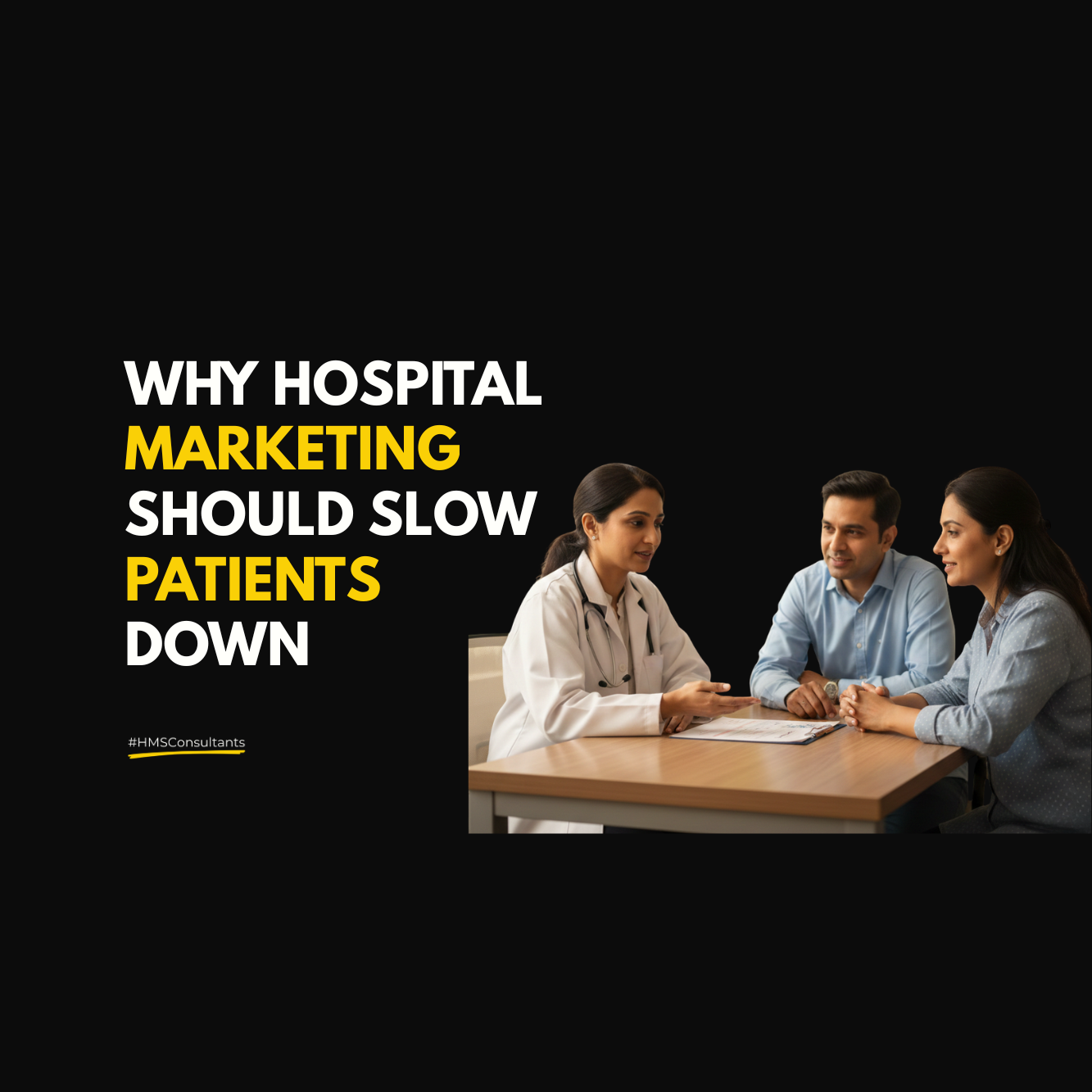
    In an era where information is abundant and patient skepticism is at an all-time high, traditional promotional tactics are no longer enough to win patient trust. The healthcare sector is undergoing a massive transformation—from a focus on loud promotions to strategies rooted in credibility, authenticity, and results. This shift from promotion-based marketing to proof-based marketing is not just a trend; it’s the future.

    At HMS Consultants, we believe that proof-driven, patient-centric marketing strategies are the only sustainable way forward. In this blog, we’ll explore what this shift means for hospitals, clinics, and doctors, and how embracing evidence-based healthcare marketing can lead to higher engagement, better patient outcomes, and long-term growth.

    What is Proof-Based Marketing in Healthcare?

    Proof-based marketing is the strategic use of real results, data, and outcomes to promote healthcare services. Instead of flashy promotions or generic claims like “best in town,” proof-based marketing communicates:

    • Actual patient testimonials

    • Clinical results and outcome statistics

    • Case studies and recovery stories

    • Doctor credentials and patient feedback

    • Community impact and trust-building efforts

    In short, proof-based marketing answers the patient question: “Why should I trust you with my health?”

    Why the Shift from Promotion to Proof is Inevitable

    Patients today are more informed than ever. A simple Google search can provide hundreds of hospital options, treatment alternatives, and online reviews. This transparency demands authenticity over appearance.

    Key Reasons for the Shift:

    1. Patient Empowerment: Patients want to be involved in healthcare decisions. They rely on reviews, social proof, and outcomes, not ads.

    2. Digital Transformation: Search engines and platforms prioritize content that is valuable, original, and trustworthy.

    3. Healthcare is Personal: When life and health are at stake, emotional decisions are influenced by logic and real experiences.

    4. Overexposure to Marketing: Audiences are tuning out promotional noise. Authentic storytelling cuts through the clutter.

    Impact of Proof-Based Marketing on Patient Trust & Conversions

    Trust is the new currency in healthcare marketing. When you present evidence instead of advertisements, patients are more likely to engage.

    Benefits of Proof-Driven Healthcare Marketing:

    • Increased patient inquiries and appointments

    • Higher conversion rates from digital platforms

    • Enhanced Google ranking through authentic content

    • Stronger doctor-patient relationships

    • Better word-of-mouth and online reviews

    Google loves proof. Blogs with testimonials, case studies, and factual content perform better on search engines.

    Examples of Proof-Based Marketing Tactics

    Let’s explore practical, SEO- and AEO-friendly ways to apply proof-based strategies in your healthcare business:

    1. Patient Testimonials & Video Stories

    Record short, genuine videos of patients sharing their recovery journeys. Place them on your website, YouTube, and social channels.

    2. Before & After Treatment Cases

    Visual case transformations in aesthetics, ortho, ENT, or dentistry speak volumes.

    3. Doctor Spotlights & Credentials

    Build trust by highlighting your doctors’ academic background, experience, and special interests.

    4. GMB & Online Reviews Optimization

    Encourage patients to review you on Google. Showcase 5-star reviews on landing pages.

    5. Outcome Statistics & Success Rates

    Share data about surgery success rates, infection control, recovery timelines (ensure they’re ethically presented).

    6. Community Engagement Initiatives

    Blood donation drives, health camps, wellness talks: all proof of your real-world impact.

    7. Blogging on Real Patient Concerns

    Answer questions patients are Googling: “How long does knee replacement recovery take?” “What is the cost of IVF in Ahmedabad?”

    For inspiration: Check our blog on Signs Your Clinic Needs a Marketing Audit

    Final Thoughts: Trust Over Tactics

    The future of healthcare marketing is not about doing more campaigns. It’s about doing what builds credibility.

    Stop promoting. Start proving.

    Because when patients believe in you, they choose you.

    How HMS Consultants Helps You Build Proof-Based Strategies

    At HMS Consultants, we specialize in developing strategic healthcare marketing frameworks that focus on authenticity, storytelling, and measurable results.

    We help:

    • Doctors build personal brands that inspire trust

    • Clinics identify proof-points that differentiate them

    • Hospitals structure marketing around real outcomes

    • Teams understand what today’s patients actually care about

    Our consulting-first model ensures that your existing marketing agency or internal team implements strategies aligned with patient expectations and digital growth trends.

    Want to transition your clinic or hospital to a proof-based marketing model?

    Let’s talk: Contact HMS Consultants

    #HealthcareMarketing #PatientCentricStrategy #DigitalMarketingForDoctors #ProofBasedMarketing #ClinicGrowth #PatientTrust #AkhilDave

    is something we strongly believe in, which means ‘Knowledge without application is the same as having no knowledge at all

    Akhil Dave

    Principle Consultant

    Ready to take your Personal Brand to the next level?

    Share your details below and we will connect with you to discuss your growth strategy.

    • 5 Signs Your Clinic Needs a Marketing Audit This Month

      5 Signs Your Clinic Needs a Marketing Audit This Month

      Doctors Digital Marketing I Healthcare Marketing Strategy I Hospital Marketing Strategies I Marketing Trends 2025 I Medical Marketing

      5 Signs Your Clinic Needs a Marketing Audit This Month

      Written by
      Published on
      Share This

      In the fast-evolving world of healthcare, marketing has moved beyond posters in waiting rooms and word-of-mouth referrals. Today, patients are searching online, comparing options, reading reviews, and making decisions based on digital impressions. If your clinic isn’t keeping up, it may be time to take a closer look at your marketing efforts and do the Clinic Marketing Audit.

      That’s where a marketing audit comes in.

      As a leading healthcare marketing agency, we at HMS Consultants have worked with hundreds of doctors, clinics, and hospitals across India. We’ve noticed one consistent truth: many clinics are spending money on marketing, but few are spending it wisely.

      Here are 5 clear signs your clinic needs a marketing audit—and how you can fix them.

      1. You’re Not Sure Where Most of Your Patients Are Coming From

      If you ask your front desk, “Where did this patient hear about us?” and get vague answers like “maybe Google” or “someone referred them,” you have a visibility problem.

      Every successful marketing plan starts with tracking. Without clear data, you can’t optimise. You could be spending thousands on Google Ads or Facebook promotions, but if you don’t know what’s converting, you’re flying blind.

      A marketing audit helps you:

      • Identify your top-performing channels
      • Stop wasting money on underperforming ads
      • Refocus your efforts based on real patient behaviour

      2. Your Social Media is Active, But Footfall Hasn’t Changed

      Posting daily on Instagram or Facebook is great but is it driving results?

      Engagement doesn’t always translate to bookings. If your posts are getting likes but not converting into consultations, it’s time to reassess.

      Our audits look beyond vanity metrics. We evaluate:

      • Content strategy vs. audience expectations
      • Call-to-action effectiveness
      • Conversion pathways from social media to appointment booking

      A good branding agency for clinics will not only make you look good—but will make sure you’re growing sustainably.

      3. You’ve Been Boosting Posts But Not Tracking ROI

      Boosted posts are easy. But they’re also often ineffective if not targeted correctly.

      If you’re spending on ads without tracking return on investment (ROI), it’s like throwing darts in the dark. With a proper hospital advertisement strategy, every rupee should be accountable.

      Our marketing audits include:

      • Campaign performance reviews
      • CAC (Customer Acquisition Cost) analysis
      • Recommendations for more strategic ad spend

      We don’t just run ads—we run ROI-driven marketing.

      4. You’re Spending More But Getting Fewer Inquiries

      This is one of the most frustrating realities we uncover: marketing spend is increasing, but lead volume is flat or declining.

      This could mean:

      • Your website isn’t converting visitors
      • Your messaging doesn’t resonate
      • Your target audience has shifted

      As part of our audits, we evaluate your digital assets, including your website for hospital or clinic, and how user-friendly and trust-building it is.

      We’ll look at:

      • Bounce rates & page performance
      • Booking funnel optimisation
      • Mobile experience (especially critical for healthcare seekers)

      5. You Don’t Have a Marketing Roadmap for FY 2025–26

      It’s April. The start of a new financial year. Yet many clinics haven’t mapped out a strategy for their brand growth.

      A marketing audit gives you a clear, actionable roadmap for the year:

      • Monthly activity plan (digital + offline)
      • Branding focus and visibility goals
      • Budget planning aligned with expected patient footfall

      With HMS Consultants as your trusted healthcare marketing partner, we turn audits into growth strategies that deliver.

      Why Marketing Audits Matter — Especially Now

      In an era where patients treat their healthcare decisions like consumer choices, you can’t afford outdated marketing.

      A marketing audit is like a health check-up—for your business. It identifies silent leaks, reveals new growth avenues, and ensures every rupee you spend is working hard for you.

      We combine:

      • Experience across 100+ clinics and hospitals
      • Deep understanding of patient behaviour
      • Tools, data, and human insights

      So whether you’re looking for a branding agency, a digital growth partner, or simply clarity on what’s working (and what’s not)—we’ve got you covered.

      Ready to Audit Your Marketing?

      If even one of the five signs above felt familiar, don’t wait.

      Let’s start this financial year strong—with a clear strategy, defined budgets, and measurable goals.

      📩 Reach out to HMS Consultants today for your Marketing Audit.

      We help doctors and healthcare providers across India grow with confidence, consistency, and clarity.

      is something we strongly believe in, which means ‘Knowledge without application is the same as having no knowledge at all

      Akhil Dave

      Principle Consultant

      Ready to take your Personal Brand to the next level?

      Share your details below and we will connect with you to discuss your growth strategy.

      • Unlocking Success: Powerful Marketing Strategies for Hospitals in the Digital Age

        Unlocking Success: Powerful Marketing Strategies for Hospitals in the Digital Age

        Digital Marketing For Doctors I Doctors Digital Marketing I Healthcare Marketing I Hospital Marketing Strategies I Marketing Trends 2025

        Unlocking Success: Powerful Marketing Strategies for Hospitals in the Digital Age

        Written by
        Published on
        Share This

        In today’s digital age, having a robust marketing strategy in hospitals is no longer optional it’s a necessity. Hospitals must adapt to the evolving landscape by implementing innovative hospital marketing ideas that resonate with both current and prospective patients. Whether you’re exploring how to market a hospital or looking for ways to grow your practice without marketing your business in traditional ways, embracing digital and patient-centric strategies is key to success.

        In today’s digital age, hospitals in India face new challenges when it comes to marketing their medical services effectively. With the rise of technology and the increasing emphasis on online presence, it has become crucial for hospitals to unlock the power of powerful marketing strategies. In this article, we will explore some of the most effective approaches hospitals can implement to succeed in their marketing efforts.

        From search engine optimisation (SEO) to social media marketing and content creation, these strategies will help hospitals and healthcare marketing professionals reach their target audience and stand out in a highly competitive landscape. We will delve into the importance of a strong brand voice and how it can convey a hospital’s unique value proposition, resonate with patients, and build trust.

        By leveraging technology and adopting innovative marketing techniques, hospitals can attract new patients and retain existing ones. This article will provide valuable insights and practical tips to help hospitals navigate the digital landscape, connect with the right audience, and achieve marketing success in the ever-evolving healthcare industry.

        The importance of marketing for hospitals in the digital age

        The importance of marketing for hospitals cannot be overstated in the digital age. Hospitals must adopt effective marketing strategies to reach their audience as patients increasingly turn to the Internet for healthcare information and services. While still relevant, traditional marketing methods are no longer sufficient in a world where patients expect to find information quickly and easily online. The digital landscape has transformed how healthcare services are perceived, and hospitals that fail to adapt may risk losing potential patients to more digitally savvy competitors.

        Furthermore, effective marketing can enhance a hospital’s reputation and trustworthiness. Hospitals must actively manage their online presence in an era where online reviews and ratings heavily influence decision-making. By investing in digital marketing, hospitals can shape their public image, communicate their values, and highlight the quality of care they provide. This proactive approach attracts new patients and fosters loyalty among existing ones, creating a community of advocates who can further promote the hospital’s services.

        Finally, ethical healthcare marketing allows hospitals to educate and inform their communities about the services they offer. Many patients are unaware of the full range of services available to them, which can hinder their access to necessary care. Through effective marketing campaigns, hospitals can provide valuable information, raise awareness about health issues, and promote preventive care. This not only improves patient outcomes but also positions the hospital as a trusted resource in the community, establishing a vital link between healthcare providers and the populations they serve.

        Understanding the target audience for hospital marketing

        To effectively market their services, hospitals must first understand their target audience. This involves recognising the diverse demographics of patients, including age, gender, socioeconomic status, and health needs. Each population segment may have different preferences and expectations when seeking healthcare services. For example, younger patients may prefer digital solutions and online appointments, while older patients might value personalised care and face-to-face interactions. Understanding these nuances allows hospitals to tailor their marketing strategies accordingly.
        Moreover, the target audience extends beyond patients to caregivers, families, and community stakeholders. These individuals often play a crucial role in healthcare decisions, especially for elderly or incapacitated patients. Hospitals should consider the needs and concerns of these groups when crafting marketing messages. By addressing the broader audience, hospitals can build relationships and trust within the community, ensuring that they are seen as approachable and responsive to the needs of all individuals.

        Additionally, hospitals must be aware of the unique challenges faced by their target audience. For instance, patients from lower-income backgrounds may encounter barriers to accessing healthcare. Hospitals can position themselves as compassionate and understanding providers by acknowledging these challenges and providing solutions, such as financial assistance programs or telehealth services. This insight into the target audience informs marketing strategies and helps hospitals create meaningful connections that lead to improved patient engagement and satisfaction.

        Developing a comprehensive hospital marketing strategy

        A comprehensive hospital marketing strategy is essential for navigating the complexities of the digital age. This strategy should begin with a clear understanding of the hospital’s mission, vision, and unique value proposition. By articulating what sets them apart from other healthcare providers, hospitals can create a compelling narrative that resonates with their target audience. This foundation not only guides marketing efforts but also ensures consistency across all channels and platforms.

        Once the core message is established, hospitals should identify key marketing objectives. These may include increasing patient admissions, improving brand awareness, enhancing patient satisfaction, or promoting specific services. Setting measurable goals allows hospitals to track their progress and adjust their strategies as needed. Utilising tools like SMART (Specific, Measurable, Achievable, Relevant, Time-bound) criteria can help ensure that these objectives are both realistic and aligned with the hospital’s overall mission.

        Subsequently, hospitals should choose the appropriate digital marketing channels to execute their strategy effectively. This includes evaluating options such as social media, email marketing, content marketing, and paid Meta advertising for hospitals in India. Each channel has its own strengths and weaknesses, and the choice should be based on the target audience’s preferences and behaviours. A well-rounded approach that incorporates multiple channels can maximise reach and engagement, ultimately leading to greater success in achieving the hospital’s marketing objectives.

        Utilising digital marketing channels for hospitals

        Digital marketing channels provide hospitals with the opportunity to engage with patients in innovative and effective ways. One of the most significant advantages of digital marketing is its ability to target specific audiences based on demographics, behaviors, and interests. By utilizing tools like Google Ads and social media advertising, hospitals can ensure that their messages reach the right people at the right time. This level of targeting increases the likelihood of attracting potential patients and generating leads for the hospital.

        Moreover, digital marketing channels enable hospitals to create interactive and engaging content that fosters patient engagement. For instance, through social media platforms, hospitals can share informative videos, health tips, and patient success stories that resonate with their audience. This not only helps build a sense of community but also positions the hospital as a trusted authority in healthcare. Engaging content encourages sharing, which can amplify the hospital’s reach and improve brand visibility.

        Additionally, digital marketing provides hospitals with valuable data and insights that can inform future marketing efforts. By utilising analytics tools, hospitals can track the performance of their campaigns, monitor patient engagement, and gather feedback. This data-driven approach allows hospitals to make informed decisions, optimise their marketing strategies, and ultimately enhance patient care. By continuously refining their digital marketing efforts, hospitals can stay competitive in the ever-evolving healthcare landscape.

        Creating engaging and informative hospital website content

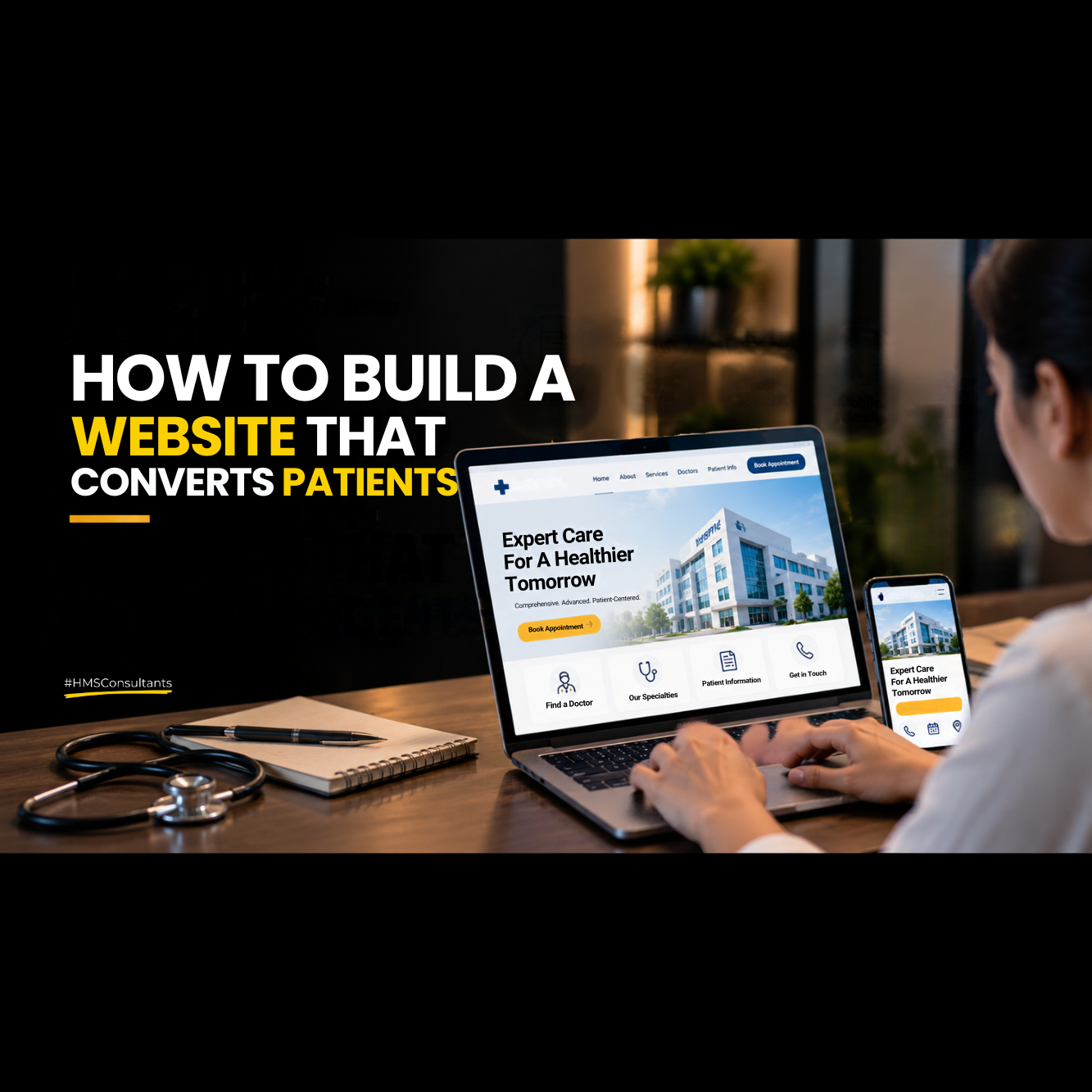
        A hospital’s website serves as a critical touchpoint for patients seeking information about services, providers, and health resources. Therefore, creating engaging and informative content is essential for capturing the attention of visitors. This begins with a user-friendly design that allows patients to navigate the site easily. Clear menus, intuitive layouts, and mobile responsiveness are all essential components of a successful hospital website. When patients can find what they need quickly, they are more likely to stay on the site and engage with the content.

        Once the website is designed effectively, the focus should shift to producing high-quality content. This includes detailed descriptions of services offered, profiles of healthcare providers, and educational resources related to common health concerns. By providing valuable information, hospitals can position themselves as credible sources of knowledge, which fosters trust among patients. Additionally, incorporating multimedia elements such as videos, infographics, and patient testimonials can enhance the overall experience and make the content more relatable.

        Furthermore, regularly updating website content is crucial for maintaining engagement and improving search engine rankings. Hospitals should consider implementing a blog that addresses relevant health topics, shares news about the hospital, or highlights community initiatives. This not only keeps the website fresh but also encourages visitors to return for new information. By consistently providing valuable content, hospitals can enhance their online presence and attract more patients, ultimately driving their marketing success.

        Implementing search engine optimisation (SEO) for hospital websites

        Search engine optimisation (SEO) plays a vital role in ensuring that hospital websites are easily discoverable by potential patients. With the majority of individuals turning to search engines to find healthcare providers, hospitals must optimize their websites to rank highly in search results. This begins with conducting keyword research to identify the terms and phrases that patients are likely to use when searching for services. Hospitals can improve their visibility and attract organic traffic by incorporating these keywords strategically throughout the website.

        In addition to keyword optimisation, hospitals should focus on creating high-quality, informative content that aligns with user intent. Search engines prioritize content that provides value to users, so hospitals should strive to answer common questions and address the needs of their target audience. This can involve creating blog posts, FAQs, and resource guides that offer insights into health conditions, treatment options, and preventive care. The more relevant and helpful the content, the more likely it is to rank well on search engines.

        Technical SEO is another critical aspect that hospitals should not overlook. This includes optimising website speed, ensuring mobile-friendliness, and creating secure connections (HTTPS). Search engines favour websites that provide a positive user experience, so addressing these technical aspects can significantly impact rankings. Regularly monitoring and updating the website’s SEO strategy will help hospitals stay competitive, reach more patients, and ultimately achieve their marketing objectives.

        Utilising social media marketing for hospitals

        Social media marketing has become an essential tool for hospitals looking to connect with their audience in a more personal and engaging way. Platforms such as Facebook, Instagram, Twitter, and LinkedIn offer unique opportunities for hospitals to share content, interact with patients, and build community engagement. By establishing a strong social media presence, hospitals can humanise their brand and foster relationships with patients, caregivers, and the local community.

        One effective strategy for social media marketing is to share real-time updates and health-related content that resonates with the audience. This can include promoting health awareness campaigns, sharing inspirational patient stories, and providing tips on healthy living. Engaging with followers through comments, messages, and polls can also create a sense of community and encourage patient participation. By actively engaging with audiences, hospitals can strengthen their brand image and demonstrate their commitment to patient care.

        Moreover, social media platforms can serve as valuable channels for addressing patient inquiries and concerns. By responding promptly to comments and messages, hospitals can show that they prioritise patient feedback and are dedicated to providing excellent care. This level of responsiveness not only enhances patient satisfaction but also builds trust in the hospital’s services. As social media continues to evolve, hospitals must adapt their strategies to leverage its full potential, ensuring they remain relevant and connected to their audience.

        Leveraging online reviews and testimonials for hospital marketing

        Online reviews and testimonials are powerful tools that can significantly influence a hospital’s marketing efforts. In today’s digital landscape, patients often turn to review platforms to gauge the quality of care provided by hospitals. Positive reviews can enhance a hospital’s reputation, while negative feedback can deter potential patients. Therefore, it is essential for hospitals to actively manage their online reputation by encouraging satisfied patients to leave reviews and addressing any negative feedback promptly and professionally.

        Incorporating testimonials into marketing materials is another effective way to build trust and credibility. Displaying patient success stories on the hospital’s website, social media, and promotional materials can provide potential patients with firsthand accounts of the quality of care they can expect. These authentic experiences can resonate deeply with prospective patients, making them more likely to choose the hospital for their healthcare needs. Additionally, hospitals can create video testimonials to further humanize the patient experience and share the emotional journey of healing.

        Furthermore, hospitals should consider utilising review management tools to monitor and respond to online feedback. By regularly assessing reviews and ratings, hospitals can identify trends, address concerns, and improve patient experiences. Engaging with patients through responses not only demonstrates a commitment to quality care but also encourages ongoing dialogue. By leveraging online reviews and testimonials effectively, hospitals can enhance their marketing strategies, attract new patients, and foster loyalty among existing ones.

        Measuring the success of hospital marketing campaigns

        Measuring the success of hospital marketing campaigns is crucial for understanding their effectiveness and making data-driven decisions for future strategies. Hospitals should establish key performance indicators (KPIs) that align with their marketing objectives. Common KPIs may include website traffic, conversion rates, social media engagement, and patient satisfaction scores. By tracking these metrics, hospitals can gain valuable insights into what is working and what needs improvement.

        Analytics tools can provide hospitals with comprehensive data on campaign performance. For example, Google Analytics can track website traffic and user behavior, allowing hospitals to identify which content resonates most with visitors. Social media platforms also offer analytics features that can measure engagement levels, reach, and audience demographics. By analyzing these data points, hospitals can refine their marketing strategies, ensuring they are effectively reaching their target audience and achieving desired outcomes.

        Additionally, conducting surveys and gathering patient feedback can provide qualitative insights that complement quantitative data. Understanding patients’ perceptions of the hospital’s services, marketing messages, and overall experience can inform future campaigns and help hospitals better meet the needs of their audience. By regularly measuring and evaluating marketing efforts, hospitals can adapt their strategies to stay competitive in the dynamic healthcare landscape and drive continued success.

        Conclusion: The future of marketing for hospitals in the digital age

        As the digital age continues to evolve, the future of marketing for hospitals will be shaped by ongoing advancements in technology and changes in patient expectations. Hospitals must remain agile and responsive to these trends to effectively reach and engage their audiences. Embracing innovations such as artificial intelligence, telehealth services, and personalised marketing will be key in providing exceptional patient experiences and building lasting relationships.

        Take Charge of Your Brand Today

        Moreover, the growing emphasis on patient-centric care will drive hospitals to focus more on understanding and addressing the needs of their patients. This shift will require hospitals to adopt a holistic approach to marketing that prioritises communication, transparency, and community engagement. By fostering a culture of openness and collaboration, hospitals can enhance their reputation and position themselves as trusted healthcare providers.

        In conclusion, the digital age presents both challenges and opportunities for hospital marketing. By implementing powerful marketing strategies that leverage technology, understand the target audience, and prioritise engagement, hospitals can unlock success in their marketing efforts. As they navigate the ever-changing healthcare landscape, the ability to connect with patients and provide valuable resources will ultimately determine their success in the years to come.

        is something we strongly believe in, which means ‘Knowledge without application is the same as having no knowledge at all

        Akhil Dave

        Principle Consultant

        Ready to take your Personal Brand to the next level?

        Share your details below and we will connect with you to discuss your growth strategy.

        • Build Your Personal Brand and Elevate Your Practice with HMS Consultants

          Build Your Personal Brand and Elevate Your Practice with HMS Consultants

          Build Your Personal Brand and Elevate Your Practice with HMS Consultants

          Written by
          Published on
          Share This

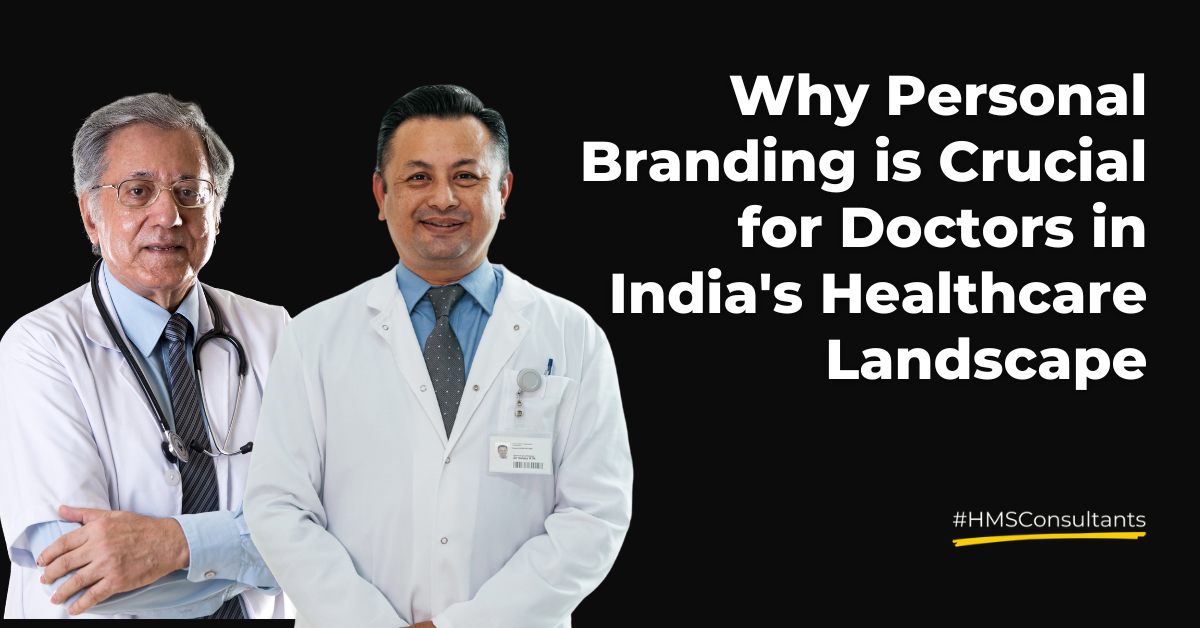
          Why Personal Branding is Crucial for Doctors in India’s Healthcare Landscape

          In India’s dynamic healthcare ecosystem, where patients often prioritise trust in a doctor’s name and credentials over a clinic or hospital’s reputation, personal branding has emerged as a powerful tool for healthcare professionals. As the relationship between doctors and patients transitions from traditional paternalism to collaborative partnerships, building a robust personal brand can enhance a doctor’s credibility and attract the right audience to their practice.

          This blog delves into why personal branding is essential for doctors in India and how our expert marketing consultants can help healthcare professionals navigate this journey effectively.

          The Evolving Dynamics of Doctor-Patient Relationships:

          According to a study shared by Lupin, Indian patients increasingly view doctors as partners in their healthcare journey, rather than mere authority figures. This shift demands a proactive approach where doctors not only deliver excellent medical care but also foster trust and transparency. A well-crafted personal brand can bridge this gap, positioning doctors as empathetic, knowledgeable, and reliable caregivers.

          Moreover, insights from Statista reveal that over 60% of patients in India prefer healthcare providers they are familiar with, further emphasising the importance of personal connection in choosing a doctor.

          Why Personal Branding Matters for Doctors:

          1. Building Trust:
            Patients are more likely to trust and refer a doctor whose name is synonymous with quality care and professionalism.
          2. Standing Out in a Competitive Market:
            With the mushrooming of multispecialty hospitals and clinics, personal branding helps doctors differentiate themselves and their practice.
          3. Influencing Patient Choice:
            As per Invoca’s healthcare marketing statistics, 77% of patients conduct online research before visiting a healthcare provider. A doctor with a strong online presence has a higher chance of being selected.
          4. Attracting the Right Patients:
            Personal branding helps you connect with patients who align with your expertise and values, leading to better outcomes and satisfaction.
          5. Leveraging Digital Platforms:
            Platforms like LinkedIn, YouTube, and Instagram are excellent avenues for doctors to share their expertise and engage with their audience, building a strong personal brand.

          HMS Consultants: Your Partner in Personal Branding

          At HMS Consultants, we understand the unique challenges doctors face in balancing their clinical responsibilities with the need to build and manage their personal brand. Our data-driven and customized approach ensures that your personal branding efforts align seamlessly with your clinic or hospital’s overarching goals.

          Our Services Include:

          • Brand Identity Creation: Craft a compelling personal story and unique value proposition.
          • Social Media Strategy: Maximize reach on platforms like LinkedIn, YouTube, and Instagram with engaging, platform-specific content.
          • Digital Presence Optimization: Build and optimize your professional website, Google My Business profile, and social media channels.
          • Reputation Management: Proactively manage online reviews and patient feedback to maintain a positive digital footprint.
          • Thought Leadership: Position yourself as a subject matter expert by publishing blogs, articles, and hosting webinars.

          5 Quick Tips for Building a Strong Personal Brand:

          1. Define Your Niche:
            Highlight your area of expertise, such as paediatrics, orthopaedics, or aesthetic surgery. Patients appreciate clarity and focus in a doctor’s offerings.
          2. Be Consistent:
            Ensure that your messaging, tone, and visual branding remain consistent across all platforms and interactions.
          3. Engage Authentically on Social Media:
            Share insights, success stories, and patient education content that resonate with your target audience. Avoid overly technical jargon and keep it relatable.
          4. Monitor Your Online Reputation:
            Actively address both positive and negative feedback to demonstrate accountability and care for your patients’ concerns.
          5. Collaborate with Experts:
            Partner with consultants like HMS to streamline your branding efforts and achieve tangible results without stretching your bandwidth.

          People Also Ask: Your FAQs on Personal Branding for Doctors

          In this section, we answer some of the most commonly asked questions about personal branding, tailored specifically for healthcare professionals.

          What are the 5 P’s of personal branding?

          The 5 P’s of personal branding include:

          1. Passion – Showcase your dedication to your medical field.

          2. Purpose – Clearly define your mission and goals as a healthcare professional.

          3. Positioning – Establish yourself as an expert in your niche.

          4. Presentation – Ensure consistent and professional communication across all platforms.

          5. Persistence – Continuously work to build your brand with consistency and patience.

          How to brand a doctor?

          Branding a doctor involves:

          1. Defining your speciality and unique value proposition.

          2. Creating an optimised online presence through social media, websites, and directories.

          3. Sharing thought leadership content such as blogs, webinars, and podcasts.

          4. Leveraging patient feedback and testimonials to build trust.

          What are the 5 C’s of personal branding?

          The 5 C’s of personal branding include:

          1. Clarity – Have a clear and focused message about your expertise.

          2. Consistency – Maintain uniformity across all branding channels.

          3. Credibility – Build trust through authentic and transparent communication.

          4. Connection – Engage with your audience through relevant and relatable content.

          5. Creativity – Stand out with innovative and unique branding strategies.

          What are the 5 A’s of personal branding?

          The 5 A’s of personal branding for doctors are:

          1. Authenticity – Be true to your personality and values.

          2. Authority – Establish yourself as a trusted expert in your field.

          3. Alignment – Align your personal brand with your career goals.

          4. Adaptability – Stay relevant by evolving with market trends.

          5. Advocacy – Let your satisfied patients advocate for your brand through testimonials.

          What are the 4 C’s of personal branding?

          The 4 C’s of personal branding include:

          1. Confidence – Exude self-assurance in all your communications.

          2. Competence – Showcase your skills and qualifications.

          3. Commitment – Stay dedicated to your professional growth.

          4. Communication – Ensure your message reaches the right audience.

          What are the 3 C’s of personal branding?

          The 3 C’s of personal branding are:

          1. Character – Reflect on your professional ethics and values.

          2. Content – Use engaging and valuable content to build your brand.

          3. Communication – Clearly convey your expertise and experience.

          How do I sell myself as a doctor?

          1. Build a strong personal brand showcasing your expertise.

          2. Network with other healthcare professionals and industry leaders.

          3. Use digital platforms to highlight your achievements and patient success stories.

          What is medical branding?

          Medical branding involves creating a unique identity for healthcare providers, emphasising their expertise, patient care, and professional values to stand out in a competitive market.

          How do you label a doctor?

          Doctors can be labelled based on their expertise, such as:

          1. “Trusted Pediatric Specialist.”

          2. “Leading Orthopedic Surgeon in [City].”

          3. “Compassionate Caregiver for Women’s Health.”

          What is the ABC of personal branding?

          The ABC of personal branding includes:

          1. Authenticity – Be genuine in your interactions.
          2. Brand Consistency – Maintain a consistent image across all channels.

          3. Communication – Effectively reach and engage your audience.

          What are the 4 V’s of branding?

          The 4 V’s of branding are:

          1. Vision – Define your long-term goals.

          2. Voice – Develop a distinct and relatable tone.

          3. Value – Highlight what sets you apart.

          4. Visibility – Ensure your presence on relevant platforms.

          What are the 8 rules of personal branding?

          1. Be authentic.

          2. Stay consistent.

          3. Identify your niche.

          4. Create high-quality content.

          5. Be active on social media.

          6. Engage with your audience.

          7. Monitor your reputation.

          8. Continuously learn and adapt.

          What are the 4Ps of branding?

          The 4Ps include:

          1. Product – Your services and expertise as a doctor.

          2. Price – The value you provide.

          3. Place – Your physical and digital presence.

          4. Promotion – How you communicate your brand.

          What is the key to personal branding?

          The key is authenticity. Be true to who you are while ensuring your brand aligns with your professional goals and values.

          What are the four Rs of place branding?

          1. Recognition – Building awareness of your brand.

          2. Reputation – Maintaining a trustworthy image.

          3. Resonance – Connecting emotionally with your audience.

          4. Relevance – Staying relevant to your target audience’s needs.

          The Future of Personal Branding in Healthcare

          As India’s healthcare industry grows increasingly competitive, personal branding will continue to play a pivotal role in a doctor’s career trajectory. By building a strong, authentic brand, healthcare professionals can foster trust, attract loyal patients, and ultimately elevate their practice.

          Conclusion: Take Charge of Your Brand Today

          Your name is your strongest asset in healthcare. Don’t let it go unnoticed in the crowded marketplace. With HMS Consultants’ expertise, you can create a powerful personal brand that complements your clinical practice and establishes you as a trusted healthcare leader.

          Ready to build your personal brand?

          Contact HMS Consultants today for a free consultation and take the first step toward transforming your name into a legacy.

          Digital Marketing For Doctors I Doctors Digital Marketing I Healthcare Marketing I Healthcare Marketing Strategy I Marketing ideas for clinics I Marketing Trends 2025 I Medical Marketing I Personal Branding

          is something we strongly believe in, which means ‘Knowledge without application is the same as having no knowledge at all

          Akhil Dave

          Principle Consultant

          Ready to take your Personal Brand to the next level?

          Share your details below and we will connect with you to discuss your growth strategy.

          • Medical Marketing: Effective Strategies to Boost Your Healthcare Practice

            Medical Marketing: Effective Strategies to Boost Your Healthcare Practice

            Digital Marketing For Doctors I Doctors Digital Marketing I Healthcare Marketing I Healthcare Marketing Strategy I Marketing ideas for clinics I Marketing Trends 2025 I Medical Marketing

            Medical Marketing: Effective Strategies to Boost Your Healthcare Practice

            Written by
            Published on
            Share This

            Medical Marketing: Strategies and Ideas for Clinics, Doctors, and Healthcare Providers

            In today’s digital era, healthcare providers, clinics, and doctors are increasingly recognising the importance of having a strong healthcare marketing strategy. With the competition in the healthcare industry intensifying, a well-executed medical marketing plan not only increases visibility but also improves patient engagement, brand trust, and overall growth. As one of India’s premier healthcare marketing companies, HMS Consultants brings a wealth of experience in crafting successful marketing strategies tailored to healthcare.

            This article explores effective marketing ideas for clinics, strategies for the marketing of healthcare services, and insights into how healthcare marketing company like HMS Consultants help doctors and healthcare providers elevate their practice.

            The Importance of Medical Marketing

            Medical marketing goes beyond traditional advertising; it involves a blend of digital, local, and patient-centric strategies to attract and retain patients. A strong healthcare marketing strategy enhances patient acquisition, builds brand loyalty, and ultimately boosts the reputation and profitability of the healthcare provider. Let’s dive into effective ways to master the marketing of healthcare services.

            Key Components of a Successful Healthcare Marketing Strategy

            A holistic marketing strategy for healthcare should encompass various approaches tailored to both digital and in-person patient engagement. Here are essential pillars to consider:

            Building a Patient-Centric Website

            A user-friendly, responsive website is the cornerstone of any successful healthcare marketing strategy. Patients increasingly rely on online searches to find medical providers, so it’s critical to ensure that your website provides easy access to information about services, doctor profiles, appointment scheduling, and patient testimonials. Optimising for local search (SEO) helps attract nearby patients, especially those searching for medical services on mobile devices.

            Search Engine Optimisation (SEO) for Healthcare Providers

            Leveraging SEO is essential for clinics and doctors aiming to rank highly on search engines. By optimising website content with your focus keywords. For example for HMS Consultants website promotion we are using keywords like “medical marketing,” “healthcare marketing strategy,” “marketing ideas for clinics,” and “marketing for doctors,” you can increase visibility. Implement both on-page SEO (focusing on keywords, meta tags, and internal linking) and off-page SEO (backlinks from credible healthcare sites) to improve rankings.

            Content Marketing and Patient Education

            Patients value healthcare providers who educate them. Regularly posting insightful blog articles, FAQs, and patient success stories positions your practice as a thought leader. HMS Consultants, for example, assists healthcare providers in creating content that resonates with patients’ needs while improving SEO rankings. Content that addresses common health concerns, preventive care, and treatment options can attract a steady flow of organic traffic.

            Social Media Engagement

            Social media platforms like Facebook, Instagram, and LinkedIn allow clinics and doctors to engage with patients beyond the clinical setting. Sharing health tips, hosting Q&A sessions, and showcasing patient testimonials help build trust and improve patient loyalty. Additionally, doctors can use platforms like LinkedIn to build personal branding and credibility among peers and potential patients.

            Online Reputation Management

            In the age of online reviews, managing your reputation is critical. Encourage satisfied patients to leave reviews on platforms like Google My Business and healthcare directories. Address negative reviews professionally and empathetically to show potential patients that you prioritise patient satisfaction.

            Email Marketing and Patient Retention

            Email marketing is a cost-effective way to stay connected with patients. Sending newsletters, appointment reminders, and educational materials keeps your practice top-of-mind for patients and can help with retention. Personalised emails also make patients feel valued and are likely to enhance loyalty.

            Local SEO and Google My Business Optimisation

            For clinics and doctors, optimising for local search is crucial. A Google My Business profile with updated information, photos, and patient reviews can boost local SEO efforts. Local SEO strategies help capture patients in your vicinity who are actively searching for healthcare services.

            Innovative Marketing Ideas for Clinics

            For clinics and doctors looking to differentiate themselves, here are some innovative ideas:

            Offer Virtual Consultations

            Telemedicine is booming, and offering virtual consultations can attract patients who prefer remote services. Promoting telemedicine options on your website and social media channels can broaden your reach and improve patient convenience.

            Host Health Webinars or Live Q&A Sessions

            Hosting webinars on health-related topics relevant to your clinic’s specialty can attract patients who are looking to learn more about managing their health. It also establishes the doctor as a credible source of information.

            Leverage WhatsApp for Patient Engagement

            WhatsApp can be a powerful tool for clinics and doctors to keep patients engaged. Send reminders, follow-ups, and share health tips. It’s a direct line to patients and can significantly enhance patient experience.

            Personalise Patient Follow-Ups

            Personalised follow-up messages after consultations show patients that you care about their well-being. This personal touch improves patient satisfaction and encourages referrals.

            Participate in Local Community Events

            By engaging with the community, clinics can boost their visibility and reputation. Health camps, free screenings, and community sponsorships showcase the clinic’s commitment to community health and increase brand awareness.

            Develop Patient-Centric Video Content

            Video content is more engaging and helps humanise your practice. Short videos explaining common procedures, patient testimonials, and doctor introductions can be posted on YouTube and shared on social media for greater reach.

            Utilise Influencer Marketing and Patient Testimonials

            Influencer marketing, especially with local influencers, can help clinics reach a wider audience. Positive patient testimonials are equally effective; they build credibility and encourage word-of-mouth referrals.

            Why Choose HMS Consultants for Your Healthcare Marketing Needs?

            As one of the leading healthcare marketing companies in India, HMS Consultants is uniquely positioned to help clinics, doctors, and healthcare providers navigate the complexities of medical marketing. Here’s why we’re trusted by healthcare professionals:

            • Data-Driven Strategies: We develop customized healthcare marketing strategies using data and analytics to ensure high ROI.
            • Specialisation in Healthcare: Unlike general marketing firms, we focus exclusively on healthcare, making us experts in the nuances and regulations of this industry.
            • Proven Track Record: Our expertise spans over two decades, with a track record of success in enhancing brand visibility, patient engagement, and profitability for our clients.
            • Comprehensive Services: From SEO and content marketing to social media management and reputation management, we offer end-to-end solutions for all your marketing needs.

            Measuring Success: Key Metrics for Healthcare Marketing

            It’s essential to track and analyze the success of your healthcare marketing strategy. Some key performance indicators (KPIs) to monitor include:

            • Website Traffic: Track visits to your website and analyse where traffic is coming from to adjust strategies as needed.
            • Conversion Rates: Measure how many website visitors book appointments or make inquiries.
            • Patient Acquisition Costs: Calculate the cost per new patient to understand the effectiveness of your campaigns.
            • Patient Retention Rates: Track repeat visits or follow-up appointments to measure patient loyalty.
            • Engagement on Social Media: Monitor likes, shares, and comments to gauge patient interest and interaction with your content.
            • Review Ratings: Keep an eye on online reviews to ensure a positive online reputation.


            By regularly assessing these metrics, clinics and doctors can make informed decisions to optimise their marketing strategies further.

            “Knowing is Knowing, Doing is Doing”

            is something we strongly believe in, which means ‘Knowledge without application is the same as having no knowledge at all

            Akhil Dave

            Principle Consultant

            Ready to take your Medical Practice to the next level?

            Share your details below and we will connect with you to discuss your growth strategy.

            • Engaging Gen Z: How Healthcare Businesses Can Capture the Next Generation’s Attention

              Engaging Gen Z: How Healthcare Businesses Can Capture the Next Generation’s Attention

              Digital Marketing I Healthcare AI I Healthcare Marketing I Healthcare Marketing Strategy I Market Research I Social Media Marketing I Technology

              Engaging Gen Z: How Healthcare Businesses Can Capture the Next Generation’s Attention

              Written by
              Published on
              Share This

              Understanding Gen Z and Their Unique Preferences

              Generation Z, often referred to as “digital natives,” is the cohort born between 1995 and 2010. According to McKinsey & Company, Gen Z is characterised by their pragmatic approach, diverse backgrounds, and focus on social and environmental issues (McKinsey & Company, 2023). This group has grown up with technology integrated into their daily lives, shaping their behaviour and preferences uniquely. They are more concerned with authenticity, sustainability, and social impact, which are core consumer decisions. Healthcare practices targeting Gen Z must adapt their marketing strategies to resonate with this influential generation effectively.

              1. Emphasise Authenticity and Personal Stories

              Gen Z disengages if content feels overly branded or like an advertisement. Instead, they prefer authentic content that feels real and personal. A study by Pew Research Center supports this, noting that Gen Z’s communication preferences focus on honest, relatable storytelling that does not come off as overly promotional. For healthcare businesses, this means showcasing real patient stories, behind-the-scenes insights, and transparent discussions about treatments and procedures.
              Gen Z is also influenced significantly by people who reflect their values. In healthcare marketing, leveraging user-generated content, testimonials, and real-life case studies is crucial. Highlighting patient success stories or featuring healthcare professionals discussing their passion for patient care can create an authentic bond with this generation.

              Generation Next Gen Z

              2. Engage Through Relevant Platforms and Influencers

              Gen Z is active on platforms like Instagram, TikTok, and YouTube. According to the World Economic Forum, they are also strong advocates for sustainability, and many of their purchase decisions are influenced by social impact (World Economic Forum, 2023). As healthcare providers, creating content that aligns with these preferences and tapping into influencers who advocate for health and wellness can build a credible brand image among Gen Z. This group is also likely to follow healthcare professionals who post meaningful content related to well-being and public health.
              Consider creating hospital ads or hospital advertisement while doing digital marketing for doctors or doctor digital marketing thru short, engaging videos that provide health tips, debunk medical myths, or explain complex medical procedures in easy-to-understand ways. Working with young, relatable influencers, particularly those who can speak about health from a patient’s perspective, can also help build trust.

              3. Sustainability and Ethical Concerns

              Research from the World Economic Forum shows that 75% of Gen Z prefer to buy from sustainable brands over brand names, underlining their focus on environmental and ethical concerns (World Economic Forum, 2023). This trend influences their overall decision-making process, including healthcare choices. Healthcare businesses should emphasise their commitment to sustainability, whether through eco-friendly practices at the clinic or support for community health initiatives.
              Hospitals and clinics that adopt green practices, such as reducing waste, using renewable energy sources, or supporting social causes, should make these initiatives visible in their marketing campaigns. This not only builds trust but also strengthens brand loyalty among Gen Z patients.

              4. Personalisation is Key

              Generation Z expects personalised experiences in almost every aspect of their lives, including healthcare. According to a report by Pew Research Center, they are more inclined towards brands that understand their needs and cater to them on an individual level (Pew Research Center, 2023). Healthcare businesses should leverage patient data to create personalized health messages. This could include reminders for routine check-ups, personalized health tips, or even custom treatment plans communicated directly via messaging platforms Gen Z uses, such as WhatsApp or email.
              Incorporating digital tools, such as AI-driven chatbots, into the patient experience can also provide Gen Z with the immediacy and personalisation they value. For instance, chatbots can help answer basic health questions or provide appointment scheduling assistance, ensuring a smooth, personalised experience.

              5. Address Mental Health and Inclusivity

              Mental health is a significant concern for Gen Z, and they are more open about mental health struggles compared to older generations. A Pew Research Center survey found that 37% of Gen Z high school students reported struggling with mental health during the pandemic (Pew Research Center, 2022). As a healthcare provider, highlighting mental health services, resources, and the importance of emotional well-being can resonate deeply with this generation.
              Additionally, Gen Z is particularly inclusive. They value diversity and are more likely than previous generations to support social issues, including racial equality and LGBTQ+ rights. Healthcare organisations must ensure their messaging is inclusive and respectful of diverse communities. Creating safe spaces for all patients, regardless of race, gender, or sexual orientation, will attract Gen Z and build long-term loyalty.

              6. Data-Driven Insights for Better Engagement

              The use of data and research-backed insights is critical when engaging Gen Z. According to a report from Deloitte, Gen Z is highly data-conscious, often seeking out information before making decisions. Therefore, healthcare marketing strategies should incorporate factual data, research, and statistics that demonstrate the effectiveness of treatments or the importance of healthcare initiatives.
              Publishing informative articles, conducting webinars, or sharing infographics that break down complex health topics can help establish your healthcare brand as a trusted source of information. Ensure your content is visually appealing, easy to share, and provides value in terms of knowledge and understanding. The same can be done via connecting with healthcare marketing consultants or digital healthcare marketing agency.

              7. Creating Community Through Social Media

              Community-building is a central theme in Gen Z marketing. This generation values connection and being part of a larger movement. Healthcare providers can create a sense of community through social media by encouraging conversations around health topics, creating support groups, or hosting Q&A sessions with medical experts.
              For instance, hospitals can host virtual events that address pressing health concerns or invite users to share their stories. By fostering these types of community engagements, healthcare providers can build lasting relationships with Gen Z audiences. For an Effective Social Media Marketing Strategy to resonate with Gen Z, doctors or hospital owners can consider connecting with the best healthcare digital marketing agency or healthcare marketing agency with notable experience in hospital marketing or clinic marketing.

              Conclusion: Winning Over Gen Z in Healthcare

              Healthcare businesses need to adapt their marketing strategies to effectively connect with Gen Z, focusing on authenticity, sustainability, personalisation, inclusivity, and community-building. Understanding what Gen Z values—authentic connections, environmental and social responsibility, and personalized experiences—will help healthcare practices craft strategies that resonate deeply with this influential generation.

              By incorporating these practices, healthcare providers can not only attract Gen Z patients but also establish themselves as trustworthy brands that cater to the needs of the next generation. With Gen Z’s growing influence, healthcare providers cannot afford to miss out on this digitally-savvy and socially-conscious group, who, by 2030, will make up a significant portion of the healthcare consumer base.


              Sources:

              “Knowing is Knowing, Doing is Doing”

              is something we strongly believe in, which means ‘Knowledge without application is the same as having no knowledge at all

              Akhil Dave

              Principle Consultant

              Ready to take your healthcare marketing to the next level?

              Fill out the form below, and our consultant will contact you for a detailed, personalised consultation.

              • The Power of Collaboration: How GoodFirms is Helping Startups Like HMS Consultants Reach New Heights

                The Power of Collaboration: How GoodFirms is Helping Startups Like HMS Consultants Reach New Heights

                Business, Digital Marketing, Healthcare AI, Healthcare Marketing, Healthcare Marketing Strategy, Market Research, Online Reputation in Healthcare, Social Media Marketing, Technology

                The Power of Collaboration: How GoodFirms is Helping Startups Like HMS Consultants Reach New Heights

                Written by
                Published on
                Share This

                The Power of Collaboration: How GoodFirms is Helping Startups Like HMS Consultants Reach New Heights

                In today’s competitive business environment, collaboration is one of the key drivers of success, especially for startups and new ventures. Building strategic partnerships with platforms that enhance visibility can significantly impact the growth trajectory of businesses looking to establish themselves. One such powerful ally is GoodFirms, a globally recognised listing platform known for helping businesses gain exposure and trust from potential clients.

                At HMS Consultants, we’ve always believed in creating meaningful relationships to grow. As India’s first-of-its-kind healthcare marketing consultancy, our journey is focused on providing tailored marketing strategies to healthcare providers, ranging from individual doctors and clinics to mid-sized hospitals. As we continue to expand, we are thrilled to collaborate with GoodFirms to showcase our services to a global audience.

                Where you find the right company

                The Importance of Listing Platforms Like GoodFirms

                For startups like us, gaining credibility and trust in the industry is a fundamental step in establishing our brand. Platforms like GoodFirms play a crucial role in this. They offer startups and new businesses the chance to get listed and reviewed by clients, which further helps build trust. More importantly, they provide an incredible opportunity to connect with new clients, partners, and collaborators who are searching for services within the healthcare marketing space.

                By leveraging GoodFirms’ global reach and extensive network, we are optimistic that HMS Consultants will be able to connect with potential clients, broaden our impact, and showcase our unique services and expertise.

                Why Collaborating with Platforms Like GoodFirms Matters

                1. Enhanced Credibility: Having a presence on trusted platforms like GoodFirms allows businesses to establish credibility in the market. This visibility goes a long way in helping clients trust the services we provide.

                2. Global Reach: Platforms like GoodFirms have an international reach, helping businesses like ours tap into global markets and attract clients beyond geographical limitations.
                3. Increased Client Confidence: GoodFirms offers clients the ability to review and rate service providers, which further enhances our reputation. Positive feedback can attract more clients to our services, knowing that we have already made an impact in the industry.

                4. Targeted Exposure: For businesses like HMS Consultants, which focuses on niche sectors such as healthcare marketing, getting listed on GoodFirms ensures that we are visible to the right audience looking specifically for healthcare marketing expertise.

                5. Collaboration Leads to Growth: Partnerships with platforms like GoodFirms open up more networking opportunities with other businesses. This type of collaboration fosters growth and helps us deliver better services to our clients.

                Our Commitment to Collaboration

                As a startup, HMS Consultants recognises the value of strategic collaborations that enable growth, learning, and new opportunities. Collaborating with GoodFirms is a significant step toward expanding our footprint in the healthcare marketing sector, allowing us to reach more clients who need expert guidance in building their brand and increasing patient footfall.

                If you’re looking for a trusted healthcare marketing consultancy, don’t hesitate to check out our GoodFirms profile and explore the services we offer. We are excited about this collaboration and look forward to continuing to provide top-tier, strategy-driven solutions to healthcare providers worldwide.

                You can find more about our profile on GoodFirms here: GoodFirms

                Let’s collaborate and grow together!

                “Knowing is Knowing, Doing is Doing”

                is something we strongly believe in, which means ‘Knowledge without application is the same as having no knowledge at all

                Akhil Dave

                Principle Consultant

                Ready to take your healthcare marketing to the next level?

                Fill out the form below, and our consultant will contact you for a detailed, personalised consultation.

                • Transforming Healthcare Marketing: Essential Digital Strategies for Doctors and Hospitals

                  Transforming Healthcare Marketing: Essential Digital Strategies for Doctors and Hospitals

                  In today’s digital age, healthcare providers face increasing competition and a more informed patient base. Gone are the days when healthcare marketing was solely about referrals and word-of-mouth. Now, hospitals, clinics, and individual practitioners must adopt sophisticated digital marketing strategies also to attract and retain patients. Digital marketing has proven to be a vital tool in healthcare, enabling providers to increase visibility, enhance patient engagement, and build strong reputations. This article will explore how digital marketing for doctors and hospitals has become essential, examining the role of a specialised healthcare digital marketing agency in this transformation.
                  The Importance of Digital Marketing for Healthcare Providers

                  Healthcare marketing has evolved to incorporate a wide range of digital channels, offering a strategic approach to engaging with patients. From search engines to social media platforms, digital marketing provides healthcare providers with numerous opportunities to connect with prospective patients. For hospitals and doctors, adopting a digital-first marketing strategy can lead to increased patient footfall, enhanced brand reputation, and improved patient satisfaction.
                  A healthcare digital marketing agency offers tailored services, including SEO, social media management, content marketing, and more. By focusing on online engagement, healthcare providers can boost patient interaction, create a loyal patient base, and position themselves as trusted providers within their communities.

                  2024 Statistics: The Role of Digital Reviews in Healthcare Decision

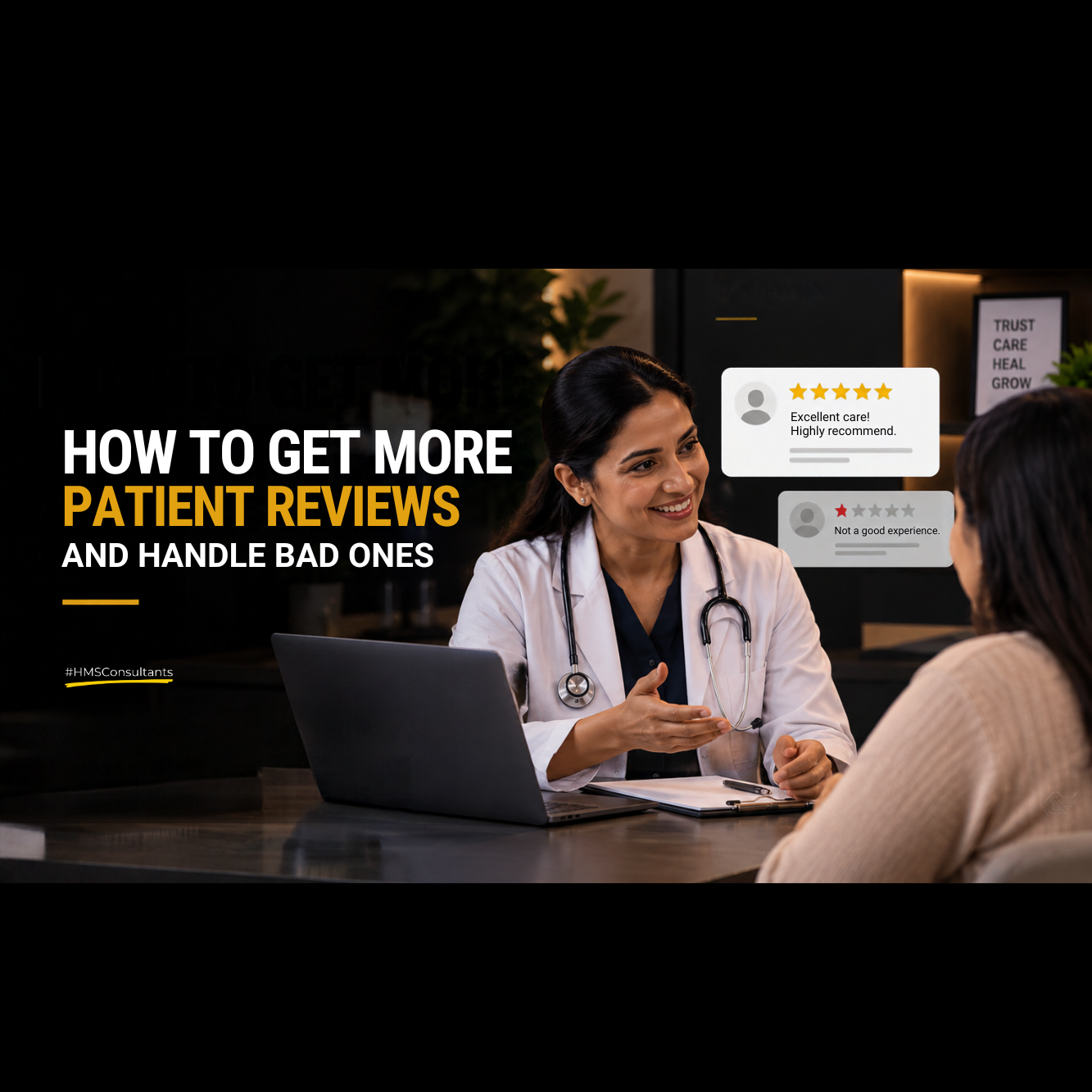
                  In 2024, digital reviews have become a critical factor for patients in India when choosing healthcare providers. A substantial 77% of patients reported that they look for new healthcare services or providers via online search and review platforms like Google and HealthGrades. This preference underscores the importance of a strong online reputation for healthcare providers, as nearly 84% of patients might not choose a provider with a rating of four stars or less​ Press Information Bureau ​MedicalEconomics

                  Moreover, online reviews play a pivotal role in driving patient trust and acquisition. With 65% of doctors lacking any online reviews, they miss out on building essential trust and visibility among potential patients. Additionally, online reviews significantly impact search engine rankings, with roughly 13% of Google’s ranking algorithm being influenced by these reviews. This affects where healthcare providers appear in search results, which can be a crucial factor considering that 92% of search users rarely go beyond the first page​ MedicalEconomics

                  Why Doctors Need Digital Marketing

                  Individual practitioners often face unique marketing challenges. With limited time and resources, many doctors struggle to maintain an online presence. However, digital marketing for doctors can simplify these tasks by enabling them to reach patients where they spend the most time online.

                  Doctors digital marketing can help practitioners build a personal brand, highlight their specialities, and attract patients actively searching for their services. By utilising search engine optimisation (SEO), content marketing, and social media, doctors can reach a wider audience, share valuable medical insights, and improve patient loyalty. An effective digital marketing strategy allows doctors to focus on their medical practice while professionals handle the intricacies of their online presence.

                  Digital Marketing for Hospitals: Key Benefits and Strategies

                  For hospitals, the stakes are even higher. Hospital marketing involves crafting a strategic approach that promotes specialised services, enhances brand reputation, and draws patients to specific facilities. A digital healthcare marketing agency can be instrumental in creating hospital ads, managing social media, and developing content that appeals to patients’ needs.

                  Some key strategies for hospitals include:

                  • SEO: Enhancing the hospital’s website to rank higher on search engines. This involves optimising content with relevant keywords such as “hospital marketing” and “healthcare marketing” to ensure visibility in search results.
                  • Content Marketing: Publishing informative and engaging content on the hospital’s website and social media channels like Facebook, Instagram & Youtube. Blog posts, patient testimonials, and informative videos can establish the hospital as an industry authority.
                  • Social Media Marketing: Using platforms like Facebook, Instagram, Youtube and LinkedIn to engage with current and prospective patients. Social media allows hospitals to share health tips, promote services, and respond to patient inquiries, building a sense of community.
                  • PPC and Hospital Ads: Running pay-per-click (PPC) campaigns & Meta Ads and other hospital ads to reach a targeted audience. Digital ads can attract local patients searching for specific healthcare services, increasing the hospital’s visibility.

                  Components of a Successful Digital Marketing Strategy for Healthcare

                  To effectively market healthcare services, a well-rounded digital strategy is essential. Here are the primary components:

                  1. Search Engine Optimization (SEO): SEO is crucial for improving the visibility of healthcare websites on search engines like Google. By targeting specific keywords, such as “doctors digital marketing” and “hospital marketing,” healthcare providers can rank higher in search results and attract patients actively seeking their services.
                  2. Content Marketing: Content is king in digital marketing. By producing valuable content—whether through blogs, articles, videos, or infographics—healthcare providers can educate their audience, build trust, and establish authority. For example, creating informative content on health topics can attract visitors who may later become patients.
                  3. Social Media Marketing: Social media offers a direct line of communication with patients. Platforms like Facebook, Instagram, and Twitter allow healthcare providers to share updates, respond to inquiries, and foster a community around their brand. Engaging with patients on social media can lead to improved patient satisfaction and loyalty.
                  4. Email Marketing: Email marketing is an effective way to nurture relationships with patients. Regular newsletters, appointment reminders, and health tips can keep patients engaged and informed, fostering a sense of connection with the provider.
                  5. Pay-Per-Click Advertising (PPC): PPC advertising, including Google Ads and Facebook Ads, can drive targeted traffic to a healthcare provider’s website. By using specific keywords and targeting criteria, providers can ensure that their ads reach individuals actively searching for healthcare services.

                  Why a Digital Healthcare Marketing Agency is Essential

                  While many providers recognise the need for digital marketing, executing an effective strategy can be challenging. A digital healthcare marketing agency brings specialised expertise, and an understanding the unique challenges and opportunities in healthcare marketing.

                  An agency can provide tailored services that align with a provider’s goals, ensuring that digital marketing efforts are both effective and compliant with healthcare regulations. For example, an agency can manage SEO efforts to improve search rankings, handle social media interactions, and create compelling content that resonates with patients. This level of expertise can be difficult to achieve without a dedicated team, making an agency a valuable partner in healthcare marketing.

                  Tailored Solutions for Doctors and Hospitals

                  Doctors and hospitals have different marketing needs, which is why customised solutions are essential. Here’s how a digital healthcare marketing agency can help both:

                  • For Doctors: Digital marketing for doctors focuses on building a personal brand and attracting patients interested in specific services. A tailored strategy might include SEO for local searches, content marketing to showcase expertise, and social media to engage with patients directly.
                  • For Hospitals: Hospital marketing involves broader strategies that promote various services and specialties. A healthcare digital marketing agency can help hospitals run targeted hospital ads, create comprehensive content strategies, and build a robust online presence that appeals to a wide audience.

                  Creating a Digital Healthcare Marketing Strategy with HMS Consultants

                  At HMS Consultants, we offer a unique “prescription-based” consultancy approach, focusing on strategic guidance rather than execution. Here’s how we approach digital healthcare marketing:

                  1. Initial Assessment: We begin with an audit of the provider’s current digital presence, identifying strengths, weaknesses, and opportunities for improvement.
                  2. Customised Strategy Development: Based on the assessment, we develop a customised strategy that aligns with the provider’s goals. This may include SEO recommendations, content ideas, social media strategies, and more.
                  3. Implementation Guidance: While we don’t execute the strategies directly, we provide detailed guidance that allows the provider’s team to implement the plan effectively. We offer ongoing support to ensure the strategy remains on track.

                  Why Choose HMS Consultants for Healthcare Marketing

                  HMS Consultants stands out as a trusted partner in healthcare marketing. We offer expert guidance tailored to the unique needs of doctors and hospitals. Our approach is data-driven, focusing on measurable results that align with each provider’s goals.

                  By choosing HMS Consultants, healthcare providers gain access to deep industry knowledge, innovative strategies, and ethical marketing practices. We are committed to helping our clients succeed in an increasingly competitive market, ensuring they attract and retain patients through effective digital marketing.

                  In today’s digital world, healthcare providers must adopt sophisticated marketing strategies to stand out. Digital marketing offers doctors and hospitals a powerful tool to attract patients, build trust, and enhance their reputations. By partnering with a specialized digital healthcare marketing agency like HMS Consultants, healthcare providers can navigate the complexities of digital marketing with confidence, focusing on what they do best—caring for patients.

                  For doctors, hospitals, and healthcare organizations looking to enhance their digital presence and engage with patients effectively, HMS Consultants offers a unique approach to healthcare marketing, blending strategic insights with industry expertise. Book a consultation today and discover how digital marketing can transform your practice.