Quick answer: The hospital marketing ideas that bring patients in India are mostly not new: a complete Google profile, a steady flow of genuine reviews, fast enquiry handling, clear department and doctor pages, doctor-led patient education, and a clean referral process. Start with the low-effort basics, add trust-building ideas next, and only then spend on reach. This guide ranks 15 ideas by effort and payback.
Published: 28 November 2026 · By Akhil Dave, Founder & Principal Consultant, HMS Consultants
Most lists of hospital marketing ideas read like a menu of tactics: reels, health camps, SEO, ads. A menu does not help when your team has limited time and budget. What helps is knowing which ideas bring patients fastest for the least effort, and which ones only work after the basics are fixed.
I have worked in hospital marketing for 25+ years, including senior leadership roles in hospitals. This guide groups 15 ideas into three levels and tells you where each one fits. If you want the wider picture first, read our guide to digital marketing for hospitals in India.
Key takeaways
Fix the basics first: Google profile, reviews, enquiry handling and service pages.
Trust ideas (doctor content, referrals, patient education) pay back over months and last longer than ads.
Reach ideas (camps, ads, festive packages) work only when the basics can convert the attention.
Track enquiries and appointments for every idea, not just reach.
Ideas without a strategy are guesses. Decide who you serve and which services matter first.
These cost little and decide whether any other idea works. A patient who finds you on Google but sees an unanswered profile, a handful of old reviews and a slow reply will go elsewhere.
1. Complete and maintain your Google Business Profile
Add every department, doctor, timing, photo, phone number and WhatsApp link. Post updates regularly and answer questions. For most hospitals this is the first place a patient meets you.
Effort and payback: Low effort, fast payback.
2. Build a steady, genuine review habit
Ask every satisfied patient or family member for a Google review at a natural moment, such as discharge or a follow-up visit. Reply to every review, good or bad. Never buy or write reviews, and check the NMC advertising guidelines before you display any patient feedback. Our guide on Google reviews for hospitals shows how to do it properly.
Effort and payback: Low effort, payback builds over weeks.
3. Handle every enquiry within minutes
Track every call and WhatsApp message in one sheet, set a reply-time target and give the front desk a short script. An enquiry that waits two hours is often lost. See patient enquiry handling in hospitals.
Effort and payback: Low effort, immediate payback.
4. Give each department and top doctor a proper page
A patient searching for a treatment wants one clear page: what you treat, who treats it, what to expect and how to book. Thin pages lose to clearer ones from smaller rivals.
Effort and payback: Medium effort, payback over months.
5. Make the website fast and mobile-friendly
Most patients will see your site on a phone. Put the phone number, WhatsApp button and appointment option above the fold, and remove anything that slows the page.
Effort and payback: Medium effort, steady payback.
Level 2: Build trust (ideas 6 to 10)
Healthcare is a trust purchase. These ideas take longer but compound, and they make every later idea work better.
6. Doctor-led patient education
Short articles, videos or talks where your doctors explain common conditions in plain language. Keep it educational and within the rules for medical advertising. This also helps your doctors build a responsible personal brand. See doctor personal brand and NMC rules.
Effort and payback: Medium effort, strong long-term payback.
7. A clean, ethical referral process
Referring doctors, former patients and local physicians send many patients. Make it easy for them: a direct line, fast feedback on the patient and respectful communication. Never pay or accept commissions for referrals. Read patient referrals and healthcare growth.
Effort and payback: Medium effort, high payback.
8. Corporate and community tie-ups
Employee health check-ups with local companies, schools, housing societies and clubs bring families into your system. Plan follow-ups so a one-time check-up becomes a relationship.
Effort and payback: Medium effort, good payback.
9. Answer-ready pages for AI search
More patients now ask AI assistants which hospital to choose. Clear pages with facts, FAQs, doctor details and consistent information across Google, directories and your site make it easier for AI answers to include you.
Effort and payback: Medium effort, growing payback.
10. A patient-experience promise you can keep
Wait times, billing clarity, discharge and follow-up matter more than any campaign. Pick two or three experience promises, fix them, then talk about them. Our hospital branding ideas guide explains how experience becomes brand.
Effort and payback: High effort, strongest payback.
Level 3: Widen your reach (ideas 11 to 15)
Reach ideas bring attention. Use them once the first two levels can convert that attention into appointments.
11. Targeted local advertising
Run focused ads for specific services and areas, with a tracked landing page and a named person responsible for follow-up. Pause any campaign that you cannot trace to enquiries.
Effort and payback: Medium effort, payback depends on the basics.
12. Health camps with a follow-up plan
A camp is only as good as the follow-up: collect consent-based contact details, share reports on time and invite patients to the right specialty.
Effort and payback: High effort, good payback if followed up.
13. Seasonal and festive health packages
Link packages to real needs, such as monsoon illness, winter heart and breathing care, or a festive-season check-up. Keep the offer clear and the claims modest. See our guide on festive season marketing.
Effort and payback: Low to medium effort, short-term payback.
14. Local PR and community presence
Share genuine health education with local media and take part in community events. Keep it honest and useful rather than promotional. Our guide on public relations in a hospital covers the basics.
Effort and payback: Medium effort, slow payback.
15. Review your marketing every month
The ideas above only work if someone owns the result. Hold a monthly review of enquiries, appointments and spend by source, then stop what does not work. This habit beats any single tactic.
Effort and payback: Low effort, compounding payback.
All 15 ideas by effort and payback
Level
Ideas
Effort
When it pays back
1. Basics
Google profile, reviews, enquiry handling, service pages, fast site
Low to medium
Weeks
2. Trust
Doctor education, referrals, tie-ups, AI-ready pages, patient experience
Medium to high
Months, then compounding
3. Reach
Local ads, camps, festive packages, PR, monthly review
Low to high
Depends on Levels 1 and 2
What to skip for now
Posting every day with no goal. Reach without enquiries is activity, not growth.
Buying followers or reviews. It damages trust and can break advertising rules.
Big ad budgets before enquiry handling is fixed. You will pay to lose patients faster.
Copying a competitor. Their basics, brand and patient mix are different from yours.
What are the best hospital marketing ideas in India?
The ideas that bring patients most reliably are a complete Google Business Profile, a steady flow of genuine reviews, fast enquiry handling, clear department and doctor pages, doctor-led patient education and an ethical referral process. Start with these before spending on ads or camps.
How can a small hospital attract more patients with a low budget?
Focus on free or low-cost basics: Google profile, reviews, enquiry handling, service pages and doctor education. These cost mainly time and discipline. Add paid ads only after you can track enquiries and respond quickly.
Is social media enough to market a hospital?
No. Social media builds familiarity but patients usually decide after checking Google, reviews and your website, and after speaking to someone. A hospital needs the whole path from search to appointment to work.
Are health camps a good marketing idea for hospitals?
They can be, if there is a follow-up plan. Collect contact details with consent, share reports on time and invite people to the right specialty. A camp without follow-up brings goodwill but few appointments.
How much should a hospital spend on marketing?
There is no single correct figure. It depends on your services, competition and goals. Set targets for enquiries and appointments first, then size the budget. A marketing audit at HMS Consultants starts at Rs 25,000 onwards (excluding GST) and helps you decide where spend should go.
Can hospitals use patient testimonials in marketing?
Rules for medical advertising restrict this. Check the current NMC guidance and consult a qualified healthcare lawyer before you display patient testimonials or reviews in your marketing.
Does HMS Consultants run ads or manage social media?
No. HMS is a strategy and training consultancy. We diagnose, plan and train your team or brief your vendors. We do not run ads or execution, so our advice stays independent of any agency or media seller.
Hospital Marketing Audit
A 360 degree review of how your hospital attracts, converts and retains patients.
Disclaimer: HMS Consultants is a healthcare marketing consultancy. We are not a law firm and this guide is not legal advice. Medical advertising rules change, so please check current NMC guidance and consult a qualified healthcare lawyer before acting. Results depend on many factors and no outcome is guaranteed. Information is current as of 28 November 2026.
About the author:Akhil Dave is Founder & Principal Consultant of HMS Consultants, with 25+ years in healthcare marketing.
Hospital marketing often looks active but delivers fragile results. The real problem isn’t execution, it’s ignoring how patients decide. Without patient journey mapping, marketing loses direction and trust.
Explore innovative healthcare marketing strategies for clinics, doctors, and hospitals to boost patient engagement and visibility. Learn how HMS Consultants can transform your practice through effective medical marketing.
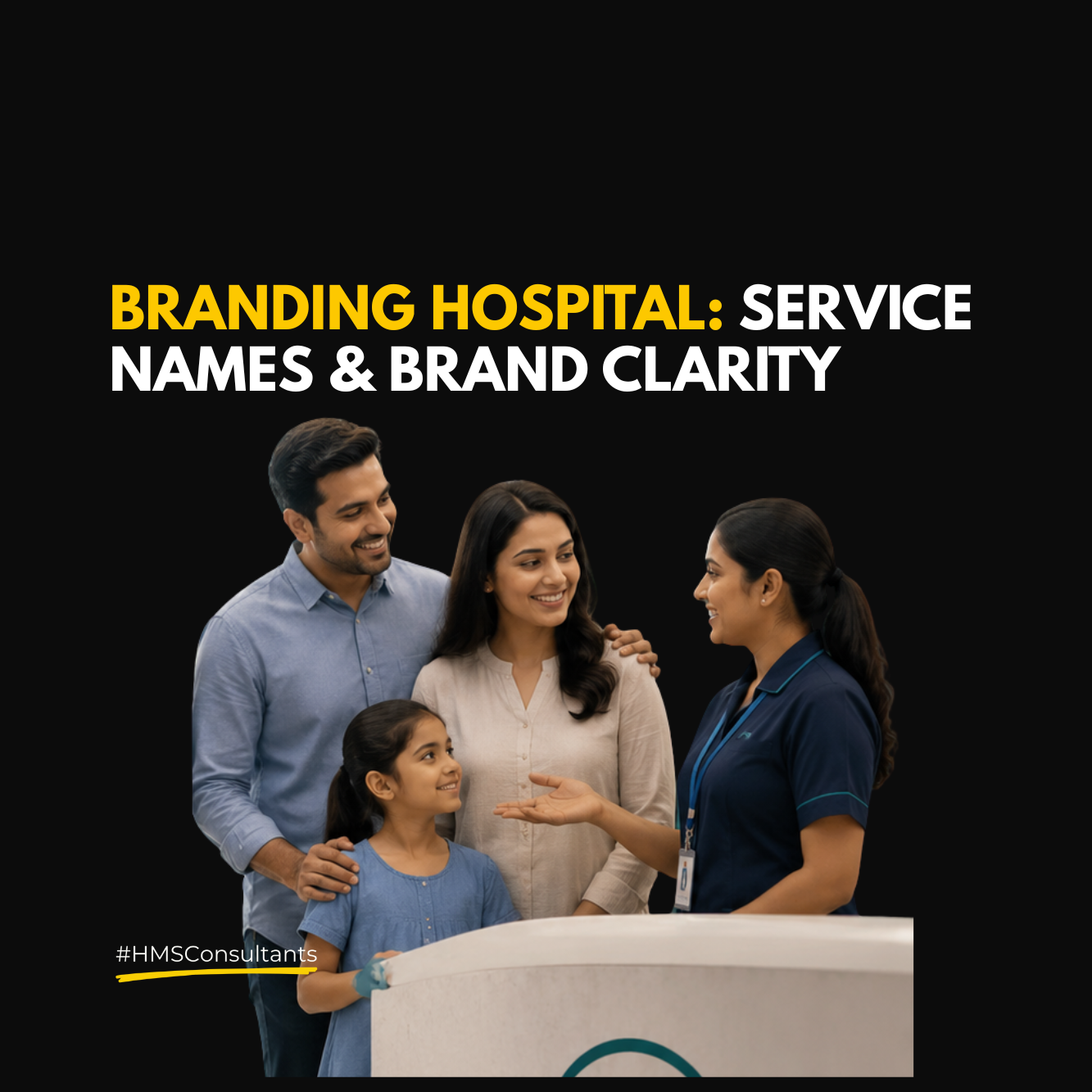
Branding hospital is about more than logos and design. Clear service names, consistent communication, and organised hospital branding help patients understand services, build trust, and choose the right care...
Boost healthcare practice with specialised digital marketing for doctors. Partner with agency for doctors digital marketing & healthcare digital marketing agency to enhance online presence
In the competitive landscape of healthcare in India, building a successful practice requires more than just clinical expertise. For individual doctors and practitioners, focusing solely on patient care while...