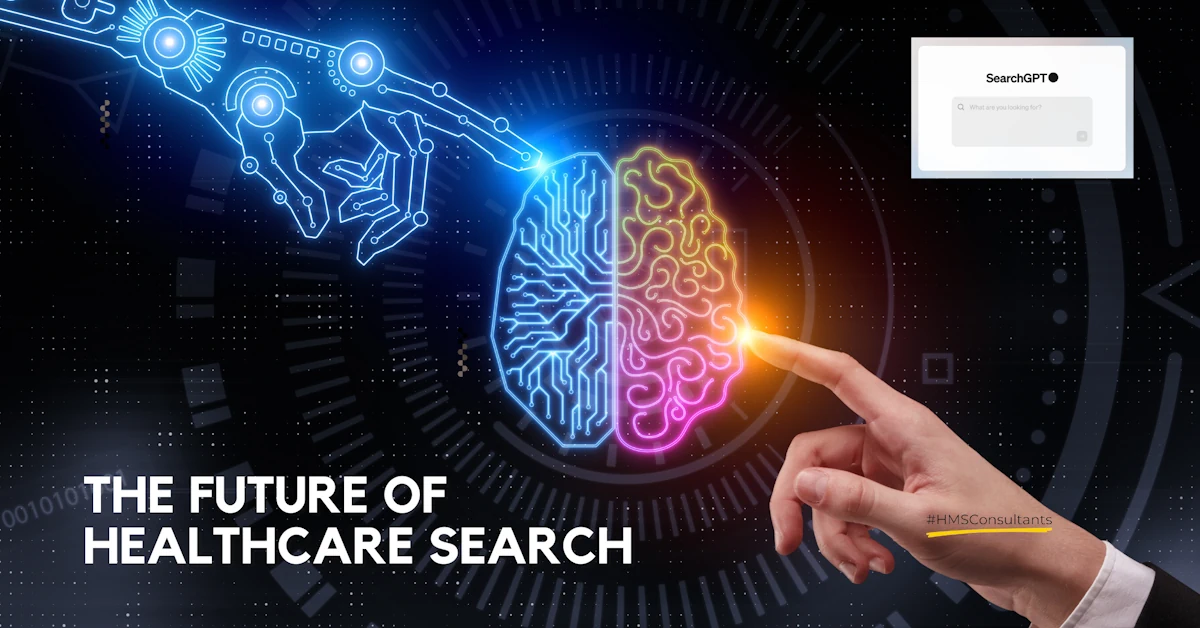
Here is the Future of Healthcare, I am sure you must have head about SearchGPT.
In the digital age, search engines have become the primary tool for individuals seeking healthcare information and choosing healthcare providers. Platforms like Google, Bing, and Yahoo dominate the search engine landscape in India. According to a survey by Google Health, over 80% of patients use search engines to research healthcare providers, hospitals, and clinics before making a final decision. This shift towards digital search is further evidenced by the popularity of websites like Mayo Clinic, Cleveland Clinic, WebMD, WHO, and Ministry of Health in India, which receive millions of visits each month for accurate and authoritative healthcare information.
The Rise of AI in Search Engines
Introduction to AI-Powered Search Engines
Artificial Intelligence (AI) has significantly transformed the functionality of search engines, making them more intuitive, personalised, and responsive. Traditional search engines are now evolving to incorporate AI-driven models that understand complex queries and deliver precise results.
What is SearchGPT?
SearchGPT is a groundbreaking AI-powered search engine that leverages advanced Natural Language Processing (NLP) to offer users highly accurate and contextually relevant search results, especially in healthcare.
Key Features of GPTSearch
Advanced Natural Language Processing (NLP)
GPTSearch’s NLP capabilities enable it to understand complex healthcare-related queries, allowing users to find the exact information they need without having to sift through irrelevant results.
Personalised Search Results
GPTSearch will personalises search results based on user profiles, previous searches, and healthcare needs, making it easier for individuals to find the right doctor, clinic, or treatment options.
Integration with Healthcare Databases
Unlike traditional search engines, GPTSearch integrates with a wide range of healthcare databases, including those from trusted sources like Mayo Clinic and WebMD, ensuring that users receive the most accurate and up-to-date information.
SearchGPT will quickly and directly respond to your questions with up-to-date information from the web while giving you clear links to relevant sources.
User-Friendly Interface
Designed with user experience in mind, GPTSearch offers a streamlined and intuitive interface that simplifies the search process, making it accessible to users of all ages.
“AI search is going to become one of the key ways that people navigate the internet, and it’s crucial, in these early days, that the technology is built in a way that values, respects, and protects journalism and publishers. We look forward to partnering with OpenAI in the process, and creating a new way for readers to discover The Atlantic.”
Nicholas Thompson, CEO of The Atlantic
Launch Date and What to Expect
Official Launch Announcement
GPTSearch is expected to launch in Q4 2024, marking a significant milestone in the evolution of healthcare search engines. This launch is poised to change the way patients and healthcare providers interact in the digital space.
Expected Impact on the Healthcare Industry
With its AI-driven capabilities, GPTSearch is expected to improve how patients find healthcare providers and access reliable health information. This tool could lead to more informed decisions, better patient outcomes, and increased trust in digital healthcare resources.
The Role of Healthcare Providers in the GPTSearch Era
Adapting to AI-Driven Search Engines
Healthcare providers must optimise their online presence to remain competitive in the GPTSearch era. This involves updating online profiles, ensuring accurate information, and engaging with digital tools.
Importance of Accurate Online Profiles
GPTSearch’s reliance on data integration means that accurate and up-to-date profiles are crucial for healthcare providers to appear in relevant search results. This accuracy can directly impact patient trust and choice.
Opportunities for Enhanced Patient Engagement
GPTSearch offers healthcare providers new opportunities to engage with patients through personalised search results and targeted information delivery, helping to build stronger patient-provider relationships.
In conclusion, the introduction of GPTSearch represents a significant advancement in the digital healthcare landscape. As AI continues to shape the future of search engines, healthcare providers must adapt to stay competitive. With GPTSearch, the future of finding the right healthcare solutions is smarter, faster, and more personalised than ever before.
The Evolution of AI-Driven Search Engines: A Glimpse into the Future
As AI technology continues to evolve, search engines like GPTSearch are expected to integrate even more advanced features, making them indispensable tools in the healthcare industry. Future developments may include:
Voice-Activated Search Capabilities
With the rise of voice-activated devices, GPTSearch could incorporate advanced voice recognition technology, allowing users to search for healthcare information and providers hands-free. This would be particularly beneficial for patients with disabilities or those who prefer using voice commands over typing.
Predictive Healthcare Assistance
GPTSearch might also evolve into a predictive healthcare assistant, using AI to anticipate user needs based on previous searches, medical history, and real-time health data. For example, the engine could suggest routine check-ups or remind users to schedule follow-up appointments with their healthcare providers.
Integration with Wearable Devices
Wearable health tech is becoming increasingly popular. Imagine GPTSearch integrating with devices like smartwatches or fitness trackers, providing users with personalized health insights and recommendations based on real-time data. This could revolutionize preventive healthcare by offering proactive suggestions before health issues become serious.
Enhanced Security and Privacy
As AI becomes more integrated into our daily lives, concerns around data security and privacy will grow. GPTSearch is likely to incorporate cutting-edge encryption and data protection measures to ensure that users’ personal health information remains secure.