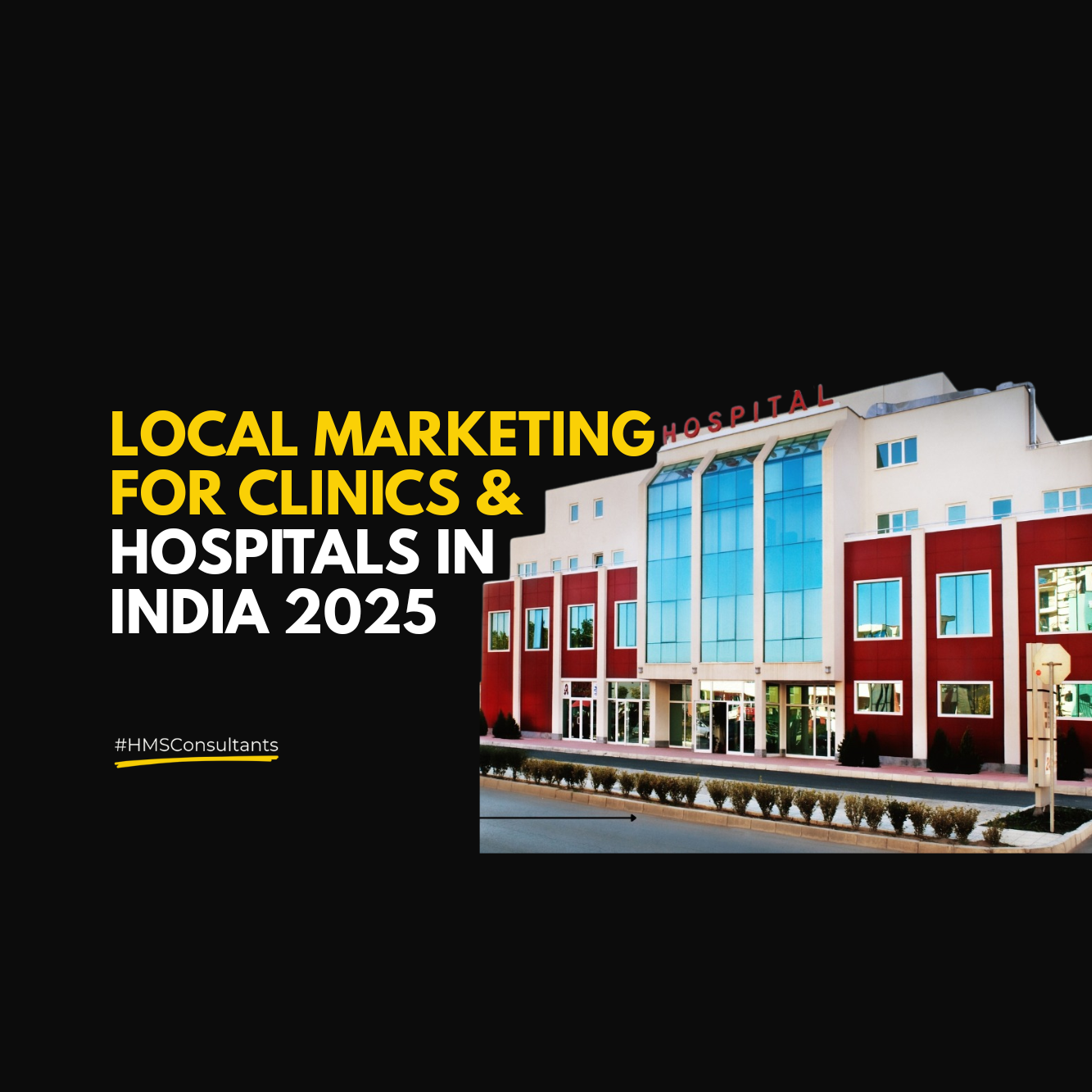

Local Marketing for Clinics & Hospitals in India 2025
In today’s rapidly evolving healthcare landscape, local marketing has moved from being an optional strategy to an absolute necessity for clinics and hospitals aiming to build trust, grow their practice, and deeply engage their community. While large hospitals often focus on broad, national-level campaigns, local clinics and hospitals have a unique advantage, they can truly connect with their immediate community in a more personal, authentic, and culturally sensitive way.
Why Local Marketing Matters
Local marketing is about more than just visibility it’s about becoming a trusted neighborhood partner in health. As patients increasingly turn to online platforms for reviews, directions, and doctor recommendations, a strong local presence ensures that your services appear at the top when they search for “best pediatrician near me” or “trusted orthopedic clinic in [city].”
Moreover, with India’s diverse and highly localized culture, patients often choose doctors based on word-of-mouth, community trust, and local reputation, far beyond just clinical skills. This makes local marketing not just about attracting new patients but about nurturing relationships and becoming the “go-to” healthcare provider.
Talk to Them in Their Language: Reaching Hearts, Not Just Minds
One of the most powerful elements of local marketing is language localization. Speaking to patients in their own language goes beyond words; it touches their emotions and builds a deeper connection.
Whether you’re in Chennai, Surat, or Jaipur, creating website content, social media posts, and offline materials in the local language fosters trust. Patients feel understood and valued. Incorporating regional idioms, local festivals, and community references shows that your clinic is a true part of the neighborhood fabric, not just a service provider.
Understand Who Needs You Most, Be the Go-To Doctor
Successful local marketing starts with understanding exactly which patients need you, from where, and why. Analyze your existing patient data:
- Which zip codes or neighborhoods bring you the most patients?
- Which age groups or demographics seek your services?
- What are their most common concerns or health anxieties?
Once identified, tailor your outreach to these specific groups. For instance, if a pediatric clinic notices many young working mothers from a nearby IT hub, designing targeted evening wellness talks or weekend vaccination drives can strengthen relationships and establish your clinic as the default choice.
Choose the Right Method for Your Area
A one-size-fits-all marketing approach rarely works in healthcare. Knowing which methods work best in your locality is critical. In urban centers, digital ads, Google Business Profile optimization, and Instagram reels may drive strong engagement. In contrast, semi-urban and rural areas might respond better to community camps, radio ads, local WhatsApp groups, and partnerships with community health workers.
Choosing the correct mix of methods, whether it is Facebook Live sessions, neighborhood newspaper ads, or tie-ups with local schools, depends on your community’s habits and expectations. This thoughtful alignment ensures your message not only reaches your audience but resonates with them.
Strengthen Your Google Business Profile (GBP)
For any local clinic or hospital, a well-optimized Google Business Profile is non-negotiable. Patients rely heavily on Google reviews, photos, and service listings. Key steps include:
- Keeping your hours, services, and contact details updated.
- Regularly uploading genuine images of your facility and staff.
- Encouraging satisfied patients to leave honest reviews.
- Quickly responding to all reviews, positive and negative, to show attentiveness and care.
GBP directly influences local SEO, helping your clinic appear in the coveted “3-pack” at the top of search results.
Integrate Online and Offline Marketing
A successful local strategy seamlessly integrates digital and on-ground efforts. Offline events such as free health camps, school workshops, and local sponsorships can generate excellent content for your online channels. Sharing real community stories, event photos, or educational snippets on Facebook and Instagram helps build authenticity.
Meanwhile, online efforts like geo-targeted ads can promote upcoming camps or free consultation days, driving more participation and strengthening local goodwill.
Focus on Patient Experience as Your Core Strategy
In local healthcare, word-of-mouth is still king. Every interaction, from the first website visit to the front-desk greeting and follow-up calls, shapes a patient’s perception. Train your staff to treat every patient with respect, patience, and empathy. Small touches like personalized appointment reminders or festive greetings make patients feel special and valued.
By prioritizing patient experience, you naturally create brand ambassadors who will recommend your clinic to friends, family, and colleagues, creating a self-sustaining growth loop.
Embrace Regional Language and Culture in All Content
To truly “talk to them in their language,” embed local cultural elements in your website, waiting room posters, and health education materials. Celebrate local festivals, discuss region-specific health issues (like seasonal illnesses), and share local success stories.
This cultural alignment positions your clinic as a neighborhood partner rather than a transactional service, nurturing lifelong loyalty.
Measure, Adapt, and Innovate
Like any marketing strategy, local marketing is a cycle, not a one-time campaign. Continuously measure which methods yield the best results: track footfall after a local event, monitor ad engagement rates, and gather patient feedback regularly.
- Is there an increase in appointments from a particular area after a health camp?
- Are WhatsApp broadcasts getting high response rates?
- Which social media posts receive the most engagement?
Adapt your strategy based on these insights. Innovate with new community events, content formats, or partnerships. Reinvent as your community evolves, always keeping patient needs at the center.
Conclusion
Build Trust, Not Just Numbers
Local marketing is ultimately about building trust and relationships, not just driving footfall. By truly understanding your patients, speaking their language, respecting their culture, and providing exceptional experiences, you will create a strong, sustainable foundation for long-term growth.
As healthcare becomes more digital and competitive, clinics and hospitals that focus on meaningful local connections will stand out as pillars of trust.
Written by Dr. Omang Gupta
is something we strongly believe in, which means ‘Knowledge without application is the same as having no knowledge at all
Akhil Dave
Principle Consultant
Ready to take your Personal Brand to the next level?
Share your details below and we will connect with you to discuss your growth strategy.
Public Relations in a Hospital: What It Actually Does and Why Most Hospitals Underestimate It
Public relations in a hospital is not about media or advertising, but about building patient trust through clear communication, consistent…
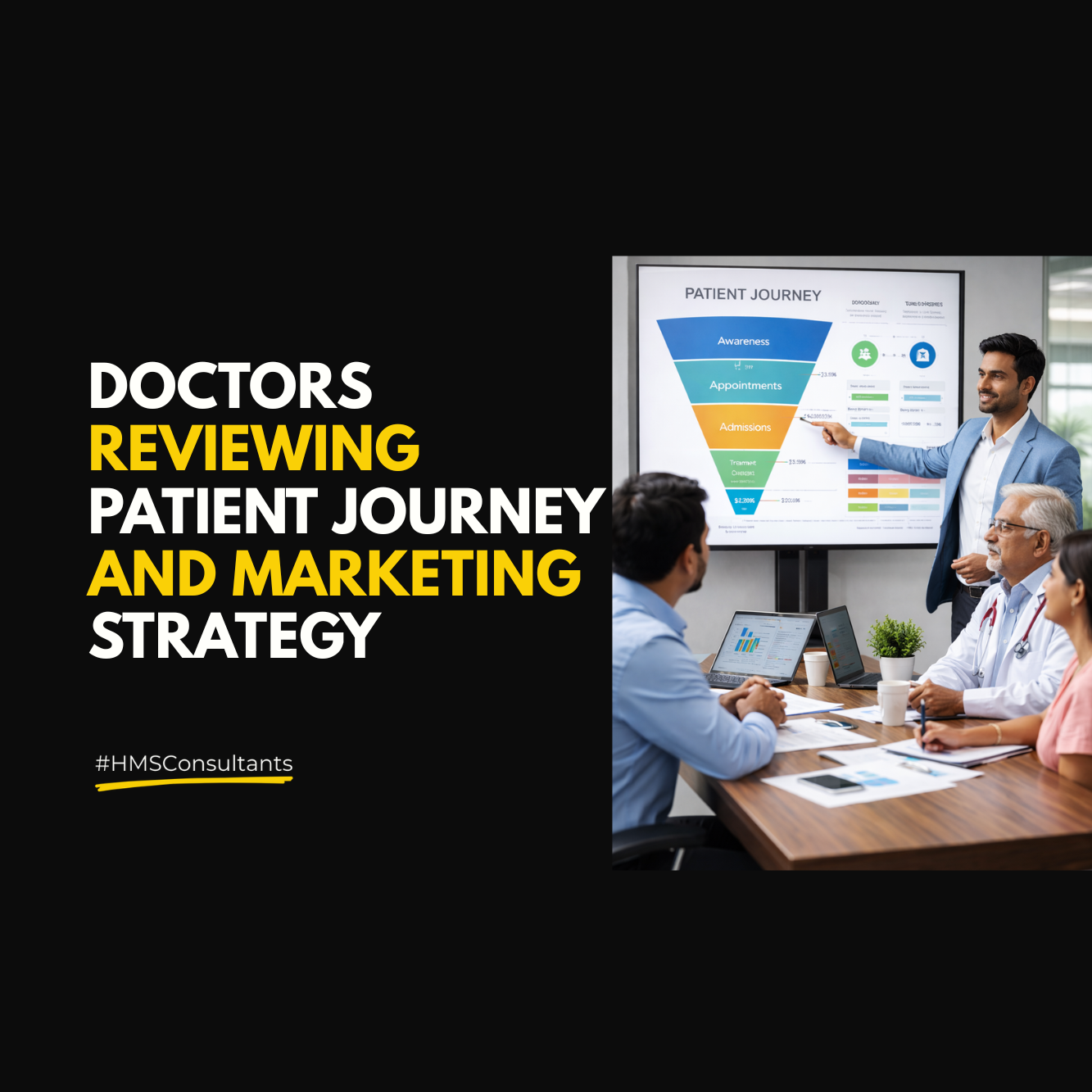
What a Hospital Marketing Expert Sees in the First 30 Days That Others Miss for Years
A hospital marketing expert can identify hidden friction in the patient journey within the first 30 days. Learn how patient…
Why “Best Hospital Near Me” Is Decided Before a Patient Visits And What Most Doctors Miss
Patients often decide which hospital to visit before their first consultation. Searches like “best hospital near me,” online reviews, and…
The Complete Clinic & Hospital Growth Guide for Doctors
Clinic marketing strategy guide for doctors explaining why OPD becomes inconsistent, why patients are not choosing your clinic, and what…

Why Hospital Patient Experience Breaks Long Before Patients Complain
Hospital patient experience often breaks silently before complaints surface, weakening patient trust, referrals, and long-term loyalty despite strong clinical outcomes.
Why Doctors Digital Marketing Fails When It Is Treated as a Content Problem
Doctors digital marketing fails when it is treated as a content volume problem. Patients do not need more information they…