Why Hospital Patient Experience Breaks Long Before Patients Complain
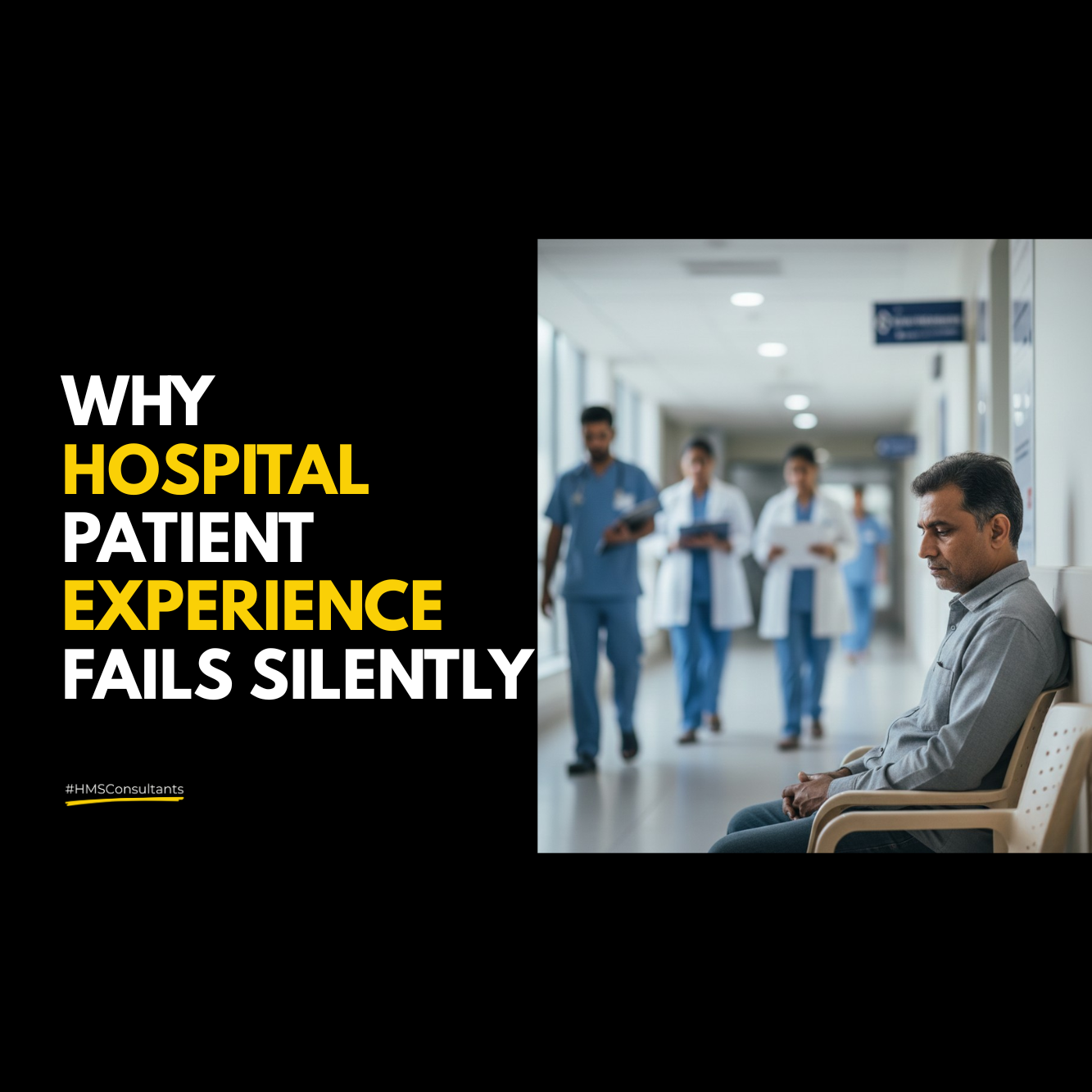
Hospital patient experience often breaks silently before complaints surface, weakening patient trust, referrals, and long-term loyalty despite strong clinical outcomes.
Public Relationship Management (PRM) is the strategic orchestration of communication between a healthcare institution and its stakeholders, including patients, families, referring doctors, media, civil society, and regulatory authorities.
It spans multiple touchpoints, such as:
But in India’s current healthcare climate, PRM must also comply with ethical mandates particularly those under:
Reminder: Patient names, images, or testimonials must never be shared without explicit, verifiable consent. Content that hints at superiority, guaranteed results, or unjustified claims violates medical ethics and can attract penalties.
Patients “Google before they go.” A hospital’s online presence, reviews, and visibility on platforms like Google Business, Practo, JustDial, and health forums often outweigh word-of-mouth or even brand legacy.
From medico-legal cases and treatment dissatisfaction to viral misinformation, every hospital is vulnerable. How your hospital prepares, responds, and communicates during these events defines your future patient volumes.
Reports from NITI Aayog and Lancet indicate a persistent lack of trust in private healthcare in India, often driven by opaque pricing, communication gaps, and perceived commercial motives. PRM becomes a vital tool to humanize care and showcase transparency.
A single credible media quote from a consultant can boost both the doctor’s and the hospital’s authority in that specialty, driving referrals and enhancing institutional prestige.
IMPORTANT NOTE: Doctors must refrain from using titles such as “India’s No.1” or “Renowned” unless substantiated by national-level, third-party recognition or awards. Misuse can result in medical council censure.
Tool Category | Examples | Purpose |
Social Media Listening | Hootsuite, Brandwatch, Sprout Social | Identify patient sentiment & prevent escalation |
ORM Platforms | RepuGen, Practo Engage, Birdeye (India) | Review & feedback management |
AI-driven CRM & Chatbots | Yellow.ai, Tars, Navia | Automate patient queries and maintain engagement |
Press Release Platforms | IndiaPRwire, BusinessWire India, Press Trust of India | News distribution & authority building |
WhatsApp Feedback Bots | Interakt, Gupshup | Collect real-time OP/IPD satisfaction scores |
AI Integration: Hospitals should be encouraged to explore the strategic application of AI beyond basic chatbots for PRM. This includes AI-driven sentiment analysis for comprehensive online review monitoring, predictive analytics for early crisis identification, and personalized patient communication at scale to enhance engagement and build loyalty.
Data Interoperability: Seamless data flow will enable more personalized, efficient, and secure patient engagement, thereby becoming a crucial asset for advanced PRM strategies.
Video Content: The importance of incorporating video marketing for purposes such as virtual facility tours, authentic patient testimonials, and educational health content, given that video is projected to dominate online traffic by 2025 is highly important.
A 200-bed multi-specialty hospital in Rajasthan improved footfall by 48% through:
NOTE: Explicitly link transparent pricing models and value-based communication as direct, proactive PRM strategies to effectively combat the “trust deficit” that is often driven by perceived commercial motives and opaque pricing structures.This will demonstrate how PRM directly addresses the economic drivers of distrust.
“A successful surgery saves a life. But a successful reputation saves a hospital.”
Today’s patients are not only just seeking the best doctor, they’re seeking empathy, clarity, credibility, and reassurance. A well-structured, compliant and human PR strategy makes your hospital not only visible but venerable.
Compliant Innovation is the Future of Healthcare PR
PRM in healthcare must no longer be viewed as a tactical visibility tool, but as a strategic, ethical compass in a sector increasingly under public and legal scrutiny.
For hospitals and healthcare brands that seek long-term patient trust, compliance and innovation are not trade-offs rather they are twin engines of sustainable success.
Written by Dr. Omang Gupta
Share your details below and we will connect with you to discuss your growth strategy.
Hospital patient experience often breaks silently before complaints surface, weakening patient trust, referrals, and long-term loyalty despite strong clinical outcomes.
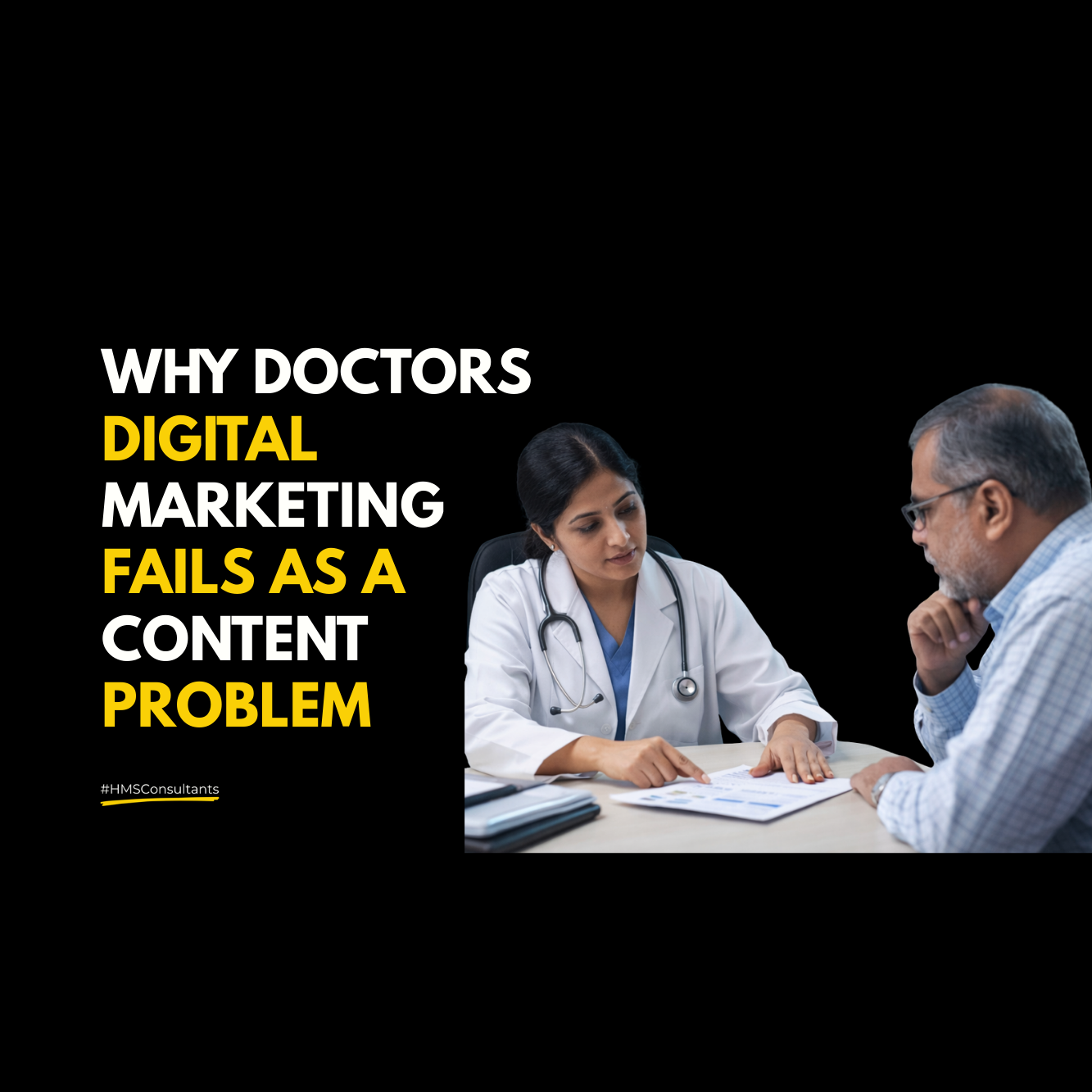
Doctors digital marketing fails when it is treated as a content volume problem. Patients do not need more information they...
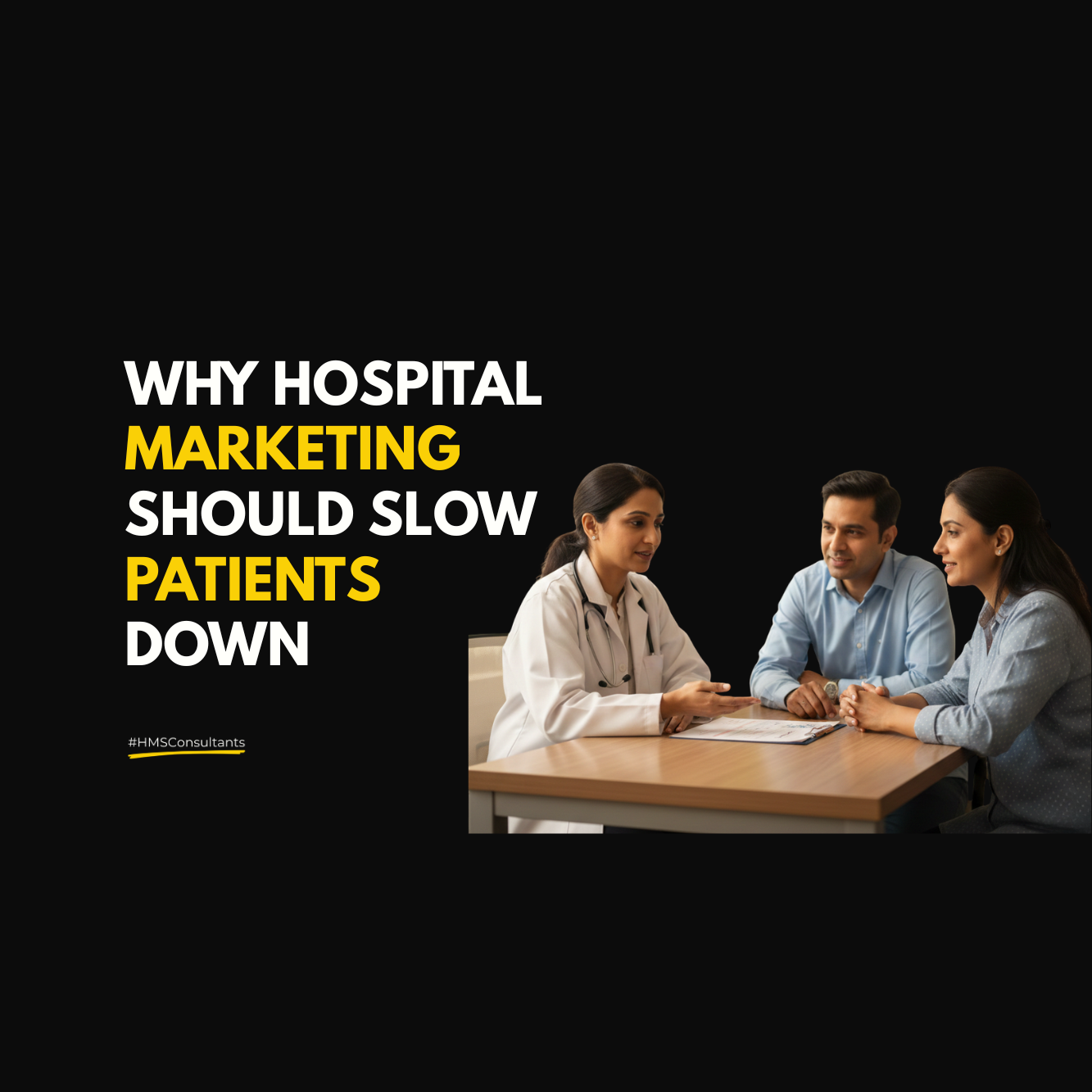
Marketing for hospitals works when patients feel guided, not rushed. Clear communication and patience build trust, helping decisions happen naturally.
Healthcare branding breaks when hospitals focus on appearance instead of experience. Trust is built through consistency, clarity, and real patient...
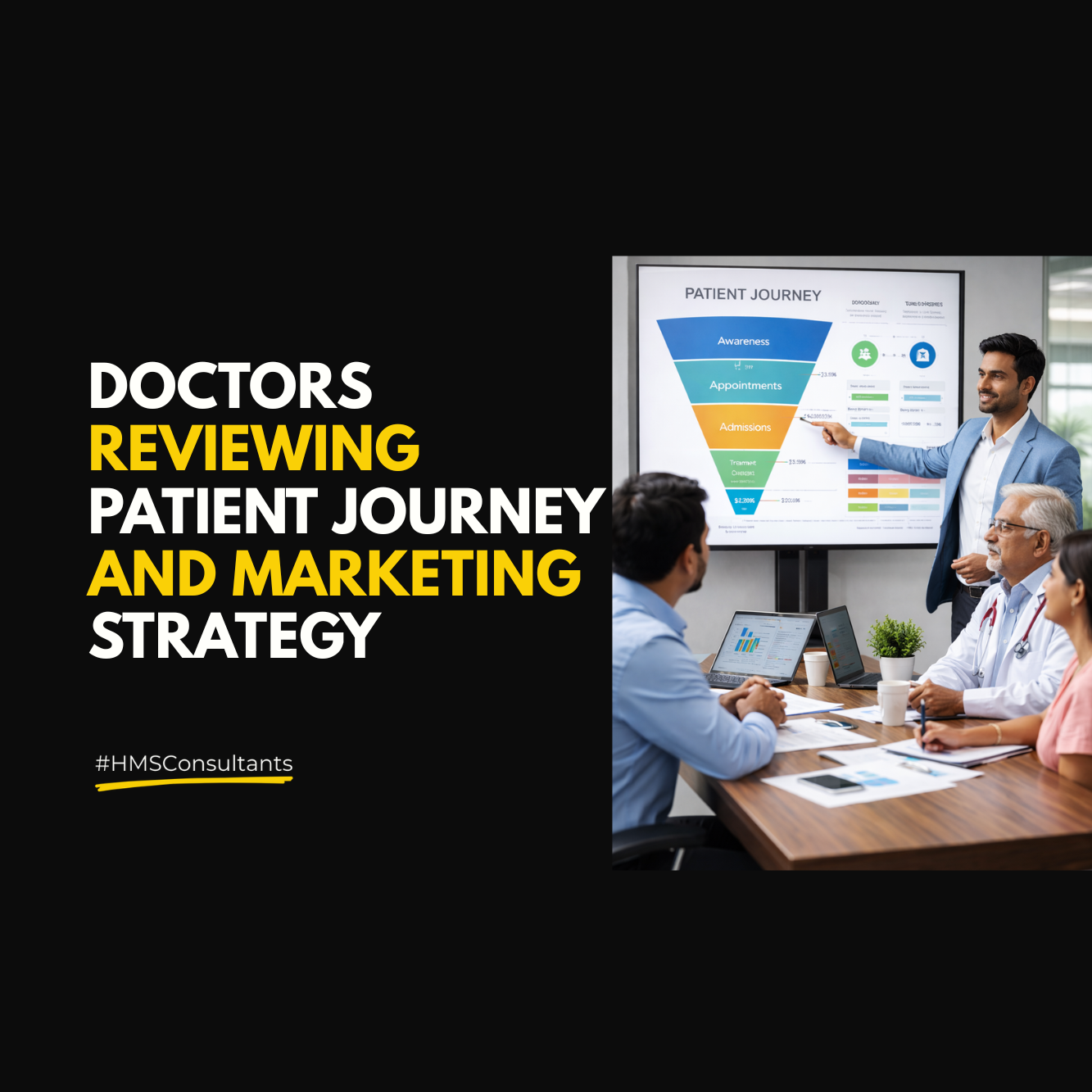
Hospital marketing strategy fails when channels are chosen before patient decisions are understood. Growth improves when strategy reduces decision friction,...
Healthcare marketing strategy fails when hospitals copy competitors instead of understanding patient confusion. Imitation creates visibility, but only patient insight...