Why Doctors Digital Marketing Fails When It Is Treated as a Content Problem
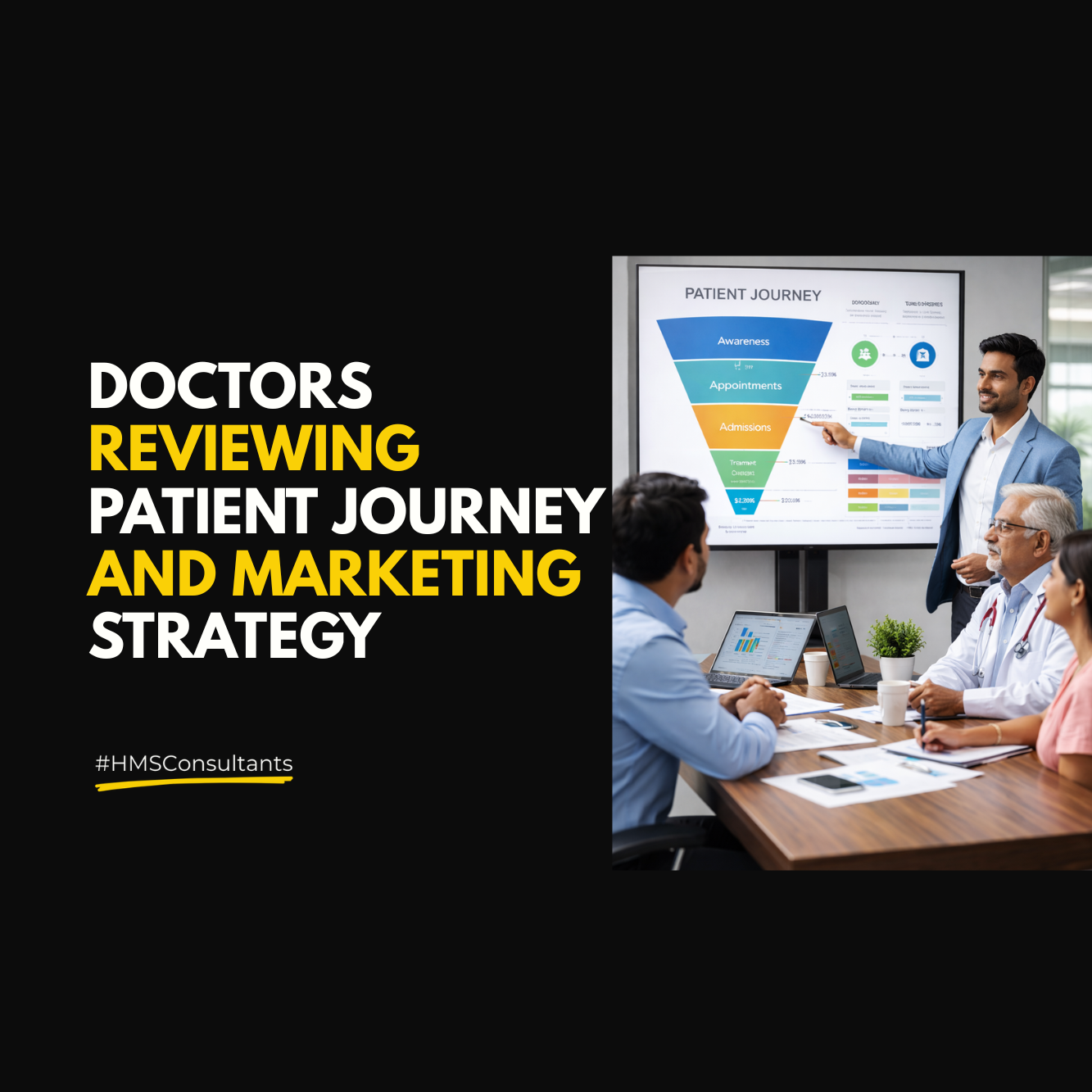
Doctors digital marketing fails when it is treated as a content volume problem. Patients do not need more information they need help making...
Patient experience is often misunderstood as customer service. While service is a part of it, the full picture is broader. It includes:
It is about how a patient feels throughout the journey.
Medicine deals with vulnerability. Patients who feel heard and cared for are more likely to return for follow-ups and recommend the clinic to family. Loyalty is no longer bought by advertising alone; it is earned through experience.
Patients share their stories online. Positive reviews on Google and heartfelt Instagram posts can reach thousands. On the other hand, a negative waiting room story can damage years of effort. This makes hospital marketing tips centered on experience essential.
Urban India is witnessing a surge of private hospitals and specialty clinics. Patients are spoiled for choice. To stand out, clinics need to go beyond treatment and focus on emotional and physical comfort.
In many cases, the first patient experience happens digitally. A well-structured website, active social media presence, and quick responses on WhatsApp or email set the tone. For effective brand promotion for healthcare clinics, digital front doors matter as much as physical ones.
Receptionists and nurses are often the face of the clinic. Politeness, empathy, and patience make a lasting difference. Training staff to treat each interaction as brand-building is a practical, high-return move.
Waiting areas are not just holding spaces; they are opportunities to reassure patients. Comfortable seating, soothing colors, reading material, and simple water dispensers convey care.
Clear explanations, attention to concerns, and taking time to answer questions turn routine visits into trust-building experiences. In India, where patients often feel rushed, this stands out strongly.
A call or WhatsApp message after a procedure or consultation shows that the relationship doesn’t end when the patient walks out. Clinics that follow this practice often earn lifelong loyalty.
Sometimes, it is the little things that shape perception. Examples include:
These gestures are low-cost but signal that the clinic cares about people, not just revenue.
Encouraging satisfied patients to leave reviews online is one of the most effective hospital marketing tips. Reviews are authentic brand promotion tools, especially in India where patients trust peer experiences more than ads.
Highlighting patient journeys (with consent), success stories, and educational posts builds a positive image. For clinics, this is brand promotion for healthcare clinics that feels authentic.
Clinics that hold free camps, awareness sessions, or tie-ups with local organizations extend the experience beyond their walls. This reinforces the idea that the clinic is part of the community, not just a service provider.
Many clinics worry that improving experience means heavy spending on infrastructure. But in reality, most improvements like staff training, digital response systems, or small amenities are affordable.
Doctors often feel the pressure of limited consultation time. The challenge is to maintain empathy without compromising efficiency. Structured communication helps achieve this.
Not all experiences will be positive. The way a clinic responds to complaints determines whether a patient is lost or retained. Apologies, transparency, and quick action can convert dissatisfaction into respect.
In India, patients often come with family members, making the experience multi-layered. The comfort of attendants, clarity of billing, and respect shown to families matter as much as medical outcomes.
Moreover, patients in Tier-2 and Tier-3 cities are catching up with digital expectations. Clinics that adopt WhatsApp updates, bilingual websites, and online booking systems gain trust quickly.
Looking at 2025 and beyond, patient experience will only grow in importance:
Healthcare in India will no longer be measured only by outcomes. It will be judged by how patients felt during their journey.
The healthcare industry is evolving from treatment-centric to experience-centric. Patients remember how they were treated as much as the treatment itself. By focusing on comfort, empathy, and small gestures, clinics can create loyalty that advertising budgets cannot buy.
For any clinic in India, the real brand currency is not just the equipment or the infrastructure. But also the experience delivered at every step of the journey.
Written by Maitri Desai
Share your details below and we will connect with you to discuss your growth strategy.
Doctors digital marketing fails when it is treated as a content volume problem. Patients do not need more information they need help making...
Marketing for hospitals works when patients feel guided, not rushed. Clear communication and patience build trust, helping decisions happen naturally.
Healthcare branding breaks when hospitals focus on appearance instead of experience. Trust is built through consistency, clarity, and real patient interactions.
Hospital marketing strategy fails when channels are chosen before patient decisions are understood. Growth improves when strategy reduces decision friction, not just increases...
Healthcare marketing strategy fails when hospitals copy competitors instead of understanding patient confusion. Imitation creates visibility, but only patient insight builds trust and...
A healthcare marketing consultant aligns strategy, messaging, and patient behaviour before scaling visibility. Sustainable hospital growth starts with better decisions, not bigger campaigns.