The Hidden Blind Spots in Healthcare Marketing Attribution And How to Fix Them

Written by
Published on
Share This

In today’s multi-channel, multi-device world, marketing attribution has become more complex than ever. Doctors, hospitals, and healthcare businesses follow unpredictable journeys before making decisions. They discover your brand on social media, search for you on Google, get recommendations from peers, watch your videos, attend offline events, and finally take action through a call, WhatsApp message, or website form.

This complexity creates blind spots: gaps in understanding where your leads and conversions truly come from. And when these blind spots grow, your ROI suffers because budget and strategy decisions are based on incomplete data.

This blog highlights the four biggest attribution blind spots and provides practical solutions for doctors, clinic owners, hospitals, and healthcare entrepreneurs.

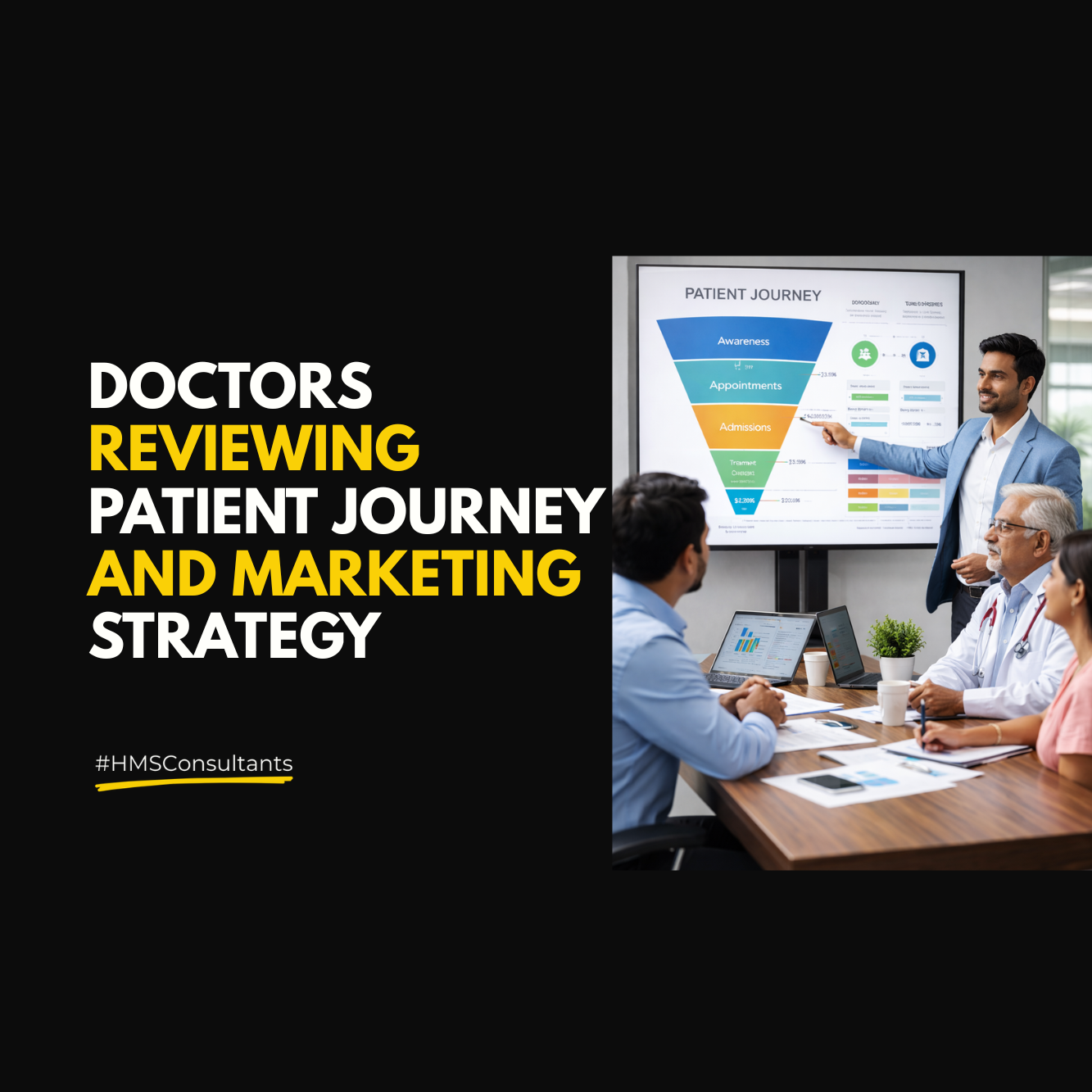
Blind Spot 1: The Non-Linear Patient Journey

A healthcare consumer rarely follows a straight line like:

Instagram Ad → Website → Booking.

Instead, their path looks more like:

Reel → Friend Recommendation → Google Search → WhatsApp Inquiry → Walk-In Visit.

This “zig-zag” journey goes across devices, platforms, and offline interactions. Traditional attribution models like first-click or last-click fail to capture this complexity.

What to Do

  • Map out your multi-touch patient journey.
  • Track engagement across channels using UTMs, analytics, call tracking.
  • Use time-decay or linear attribution models instead of last-click.
  • Capture “How did you hear about us?” at the call centre and reception.

Blind Spot 2: Zero-Click Search & Invisible Digital Touchpoints

Increasingly, patients get their answers directly on search engines without clicking anything. Voice assistants and AI search responses also reduce “trackable clicks.”

Example:
“Best LASIK hospital near me”
The user sees the answer directly on Google’s SERP no click.

This results in invisible influence you cannot track but that still affects decisions.

What to Do

  • Optimise for AI search and voice queries.
  • Strengthen your SEO + AEO (Answer Engine Optimization).
  • Track micro-metrics like: impressions, views, SERP visibility.
  • Create content that earns featured snippets, FAQs, and authority.

Blind Spot 3: Walled Gardens & Limited Data Sharing

Platforms like Meta, Google Ads, YouTube, and Amazon are “walled gardens.”
They share only partial data due to privacy laws and tracking limitations. This means your campaigns may be performing well, but the platform won’t always show you the full journey.

What to Do

  • Use server-side tracking where applicable.
  • Always combine platform analytics with Google Analytics 4.
  • Standardise all campaign links with UTM parameters.
  • Use dashboards that connect multiple data sources for a unified view.

Blind Spot 4: Offline Interactions & “Dark” Channels

This is the most prominent blind spot in healthcare.

Most patient conversions happen offline:

  • Call centre
  • OPD desk
  • Referral from another doctor
  • Word-of-mouth
  • WhatsApp group messages
  • Offline events or CMEs

These channels rarely get tracked in digital analytics and this is where attribution breaks down for hospitals and clinics.

What to Do

  • Add attribution fields in EMR/CRM: What brought you here today?”
  • Maintain call logs with campaign source tagging.
  • Train reception & PRO staff to capture lead source.
  • Use WhatsApp Business API to track inquiry flows.
  • Bridge offline + online data through simple reporting.

The Real Lesson: You Don’t Need Perfect Attribution, You Need Useful Attribution

The goal is not “perfect tracking.” The goal is clarity for better decisions.

A practical, flexible attribution system will help you:

  • Allocate budget to the right channels
  • Identify content that builds trust
  • Understand offline impact
  • Reduce waste in marketing spends
  • Improve patient acquisition ROI

Even if some parts of the journey remain invisible, structured measurement gives you enough insight to guide your strategy confidently.

Key Takeaways for Healthcare Businesses

Here is the HMS Consultants 8-step Attribution Checklist:

  1. Map your complete patient journey (online + offline).
  2. Track all touchpoints using UTMs, website analytics, and call tracking.
  3. Capture offline conversions at reception, OPD, and call centre.
  4. Measure influence, not just last clicks.
  5. Standardise campaign links for all digital activities.
  6. Use blended reporting dashboards for a holistic view.
  7. Collect patient feedback on discovery channels.
  8. Review attribution quarterly and refine continuously.

Attribution is not a one-time task, it is an ongoing strategic capability.

Final Words

Healthcare marketing is evolving. Patient journeys are getting longer, more complex, and harder to track. If you rely only on surface-level data, you’ll end up with blind spots that misguide your decisions.

But by identifying these blind spots and building a realistic, multi-touch attribution framework, healthcare organisations can unlock accurate insights, optimise budgets, and accelerate growth with confidence.

Doctors Digital Marketing I Healthcare Marketing I Hospital Marketing Strategies I Marketing ideas for clinics I Marketing Trends 2025 I Medical Marketing I Social Media Marketing

is something we strongly believe in, which means ‘Knowledge without application is the same as having no knowledge at all

Akhil Dave

Principle Consultant

Ready to take your Personal Brand to the next level?

Share your details below and we will connect with you to discuss your growth strategy.