


Clinic Growth Made Easy with Online Marketing
Discover how clinics can grow patient footfall and revenue using ethical, NMC-compliant online marketing. A complete digital roadmap for 2025 success.
Most hospital marketing conversations begin and end with promotion.
How many ads should we run? Which platform should we use? Should we increase the budget?
These are valid questions. But promotion is only one part of a seven-part system.
When a hospital focuses only on:
Without addressing the remaining six Ps, it creates a very specific problem.
Patients are attracted. But once they arrive digitally or physically the experience does not match the promise.That gap between the promoted image and the actual experience is where patient trust breaks down.
And broken trust is far harder to rebuild than it is to build from the beginning.
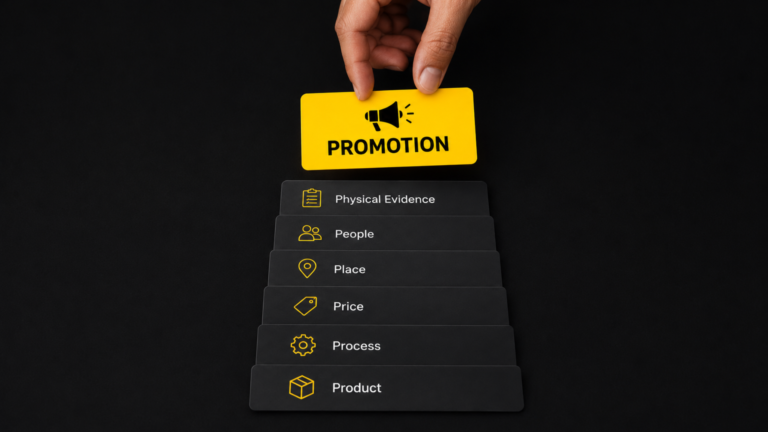
In the 7 P’s for marketing framework, Product in healthcare is not about equipment or departments.
It is about what the patient actually receives the total experience of seeking, receiving, and recovering from care.
Most hospitals define their product internally:
But patients do not experience infrastructure. They experience:
When the Product P is weak, no amount of promotion brings consistent growth. Because the patient experience does not justify the patient’s decision to return or refer.
Price in healthcare is misunderstood in two directions.
Some hospitals believe lower prices attract more patients. Others believe premium pricing automatically signals quality.
Both assumptions miss the real role of Price in the 7 P’s for marketing.
What patients actually evaluate is not the number. It is the confidence that the number creates.
Patients lose confidence when:
Clear, predictable pricing reduces hesitation. Unclear pricing delays decisions. And in healthcare, a delayed decision often means the patient chose another provider entirely.
Place in the 7 P’s for marketing has expanded completely beyond physical location.
Patients today experience a hospital’s “place” across multiple digital touchpoints before they ever visit physically:
A hospital with excellent infrastructure but poor digital discoverability is still invisible to patients who are actively searching.
This is why the Place P cannot be treated as solved simply because the hospital exists in a visible location.
The hospital must also exist clearly and consistently in the spaces where patients make their first decisions which are almost always digital in 2026.
Of all the 7 P’s for marketing, People is the one that has the most direct impact on trust and the one most hospitals invest in the least from a marketing perspective.
People in this context means every individual a patient interacts with:
A single dismissive interaction at the front desk can undo everything a ₹2 lakh ad campaign built.
Patients do not experience brands. They experience people.
And how those people speak, listen, respond, and communicate becomes the hospital’s real brand regardless of what the creative agency produces.
Most hospitals lose existing patients not to competitors, but to friction.
Process refers to how smoothly a patient moves through every stage of their healthcare journey:
When any part of this flow feels confusing, delayed, or disorganised, the patient’s confidence weakens.
They may not complain loudly. But they do not return quietly.
In the 7 P’s for marketing, Process is the operational backbone of trust. Hospitals that simplify their patient journey internally usually see stronger reviews, better retention, and more organic referrals without spending more on promotion.
Physical Evidence is the P most hospitals confuse with aesthetics.
It is not only about a clean lobby or matching uniforms. It is about every visible cue that communicates: this hospital can be trusted.
In 2026, physical evidence begins online:
When physical evidence is weak or inconsistent, patients experience doubt even if the actual healthcare quality is excellent.
That doubt is often enough to make them choose a competitor who looks more credible, even if they are clinically equivalent.
The framework was never designed to be used partially.
Each of the 7 P’s for marketing connects to the others. A strong promotion strategy that drives patients to a poor process creates frustrated patients. Strong people working within a confusing process still lose patients. Excellent physical evidence online that contradicts the physical experience on the ground destroys trust permanently.
Hospitals that treat the 7 P’s as a checklist to present in a board meeting and then ignore do not see results from their marketing investment.
Hospitals that treat the 7 P’s as an operational audit continuously improving each element usually build the kind of growth that does not depend on constant ad spending.
The 7 P's for marketing are not a theoretical framework meant for textbooks. They are a diagnostic tool. When marketing is not delivering results, the answer is almost always found somewhere in the six P's that are being ignored.
Promotion can create awareness. But it cannot fix a weak product, unclear pricing, poor digital presence, undertrained people, broken processes, or inconsistent physical evidence.
Hospitals that are growing consistently in 2026 are not necessarily spending more. They are usually the hospitals that have aligned all seven elements and built a patient experience that marketing can finally support rather than compensate for.
Because when all 7 P's work together, patients do not need to be convinced. They choose on their own.
The 7 P's of marketing are Product, Price, Place, Promotion, People, Process, and Physical Evidence. In healthcare, these seven elements together shape how patients discover, evaluate, trust, and choose a hospital or clinic.
People refers to everyone a patient interacts with front desk staff, coordinators, doctors, and billing teams. In hospitals, how these individuals communicate directly influences patient trust, satisfaction, and long-term loyalty far more than any advertisement.
The 7 P's provide hospitals with a complete framework to evaluate every aspect of patient experience, not just promotion. When all seven are aligned, marketing becomes more effective, patient trust strengthens, and growth becomes more consistent and sustainable.
Yes, and more so than ever. In 2026, patients research hospitals digitally before deciding. Each of the 7 P's now influences online perception, making the framework essential for hospitals that want consistent patient acquisition and long-term credibility.
The 4 P's cover Product, Price, Place, and Promotion. The 7 P's add People, Process, and Physical Evidence three elements critical for service industries like healthcare, where patient experience and trust determine growth far more than product alone.
The 7 P's is a marketing framework, not a standalone strategy. It helps hospitals audit and align every patient touchpoint. When used consistently, it becomes the foundation on which an effective, trust-driven healthcare marketing strategy is built.
Start by auditing each P honestly evaluate your patient experience, pricing clarity, digital presence, staff communication, process smoothness, and online reputation. Identify which Ps are weak, prioritise improvements, and align all seven before scaling promotional efforts.
Share your details below and we will connect with you to discuss your growth strategy.
Discover how clinics can grow patient footfall and revenue using ethical, NMC-compliant online marketing. A complete digital roadmap for 2025 success.

Boost healthcare practice with specialised digital marketing for doctors. Partner with agency for doctors digital marketing & healthcare digital marketing agency to enhance online presence
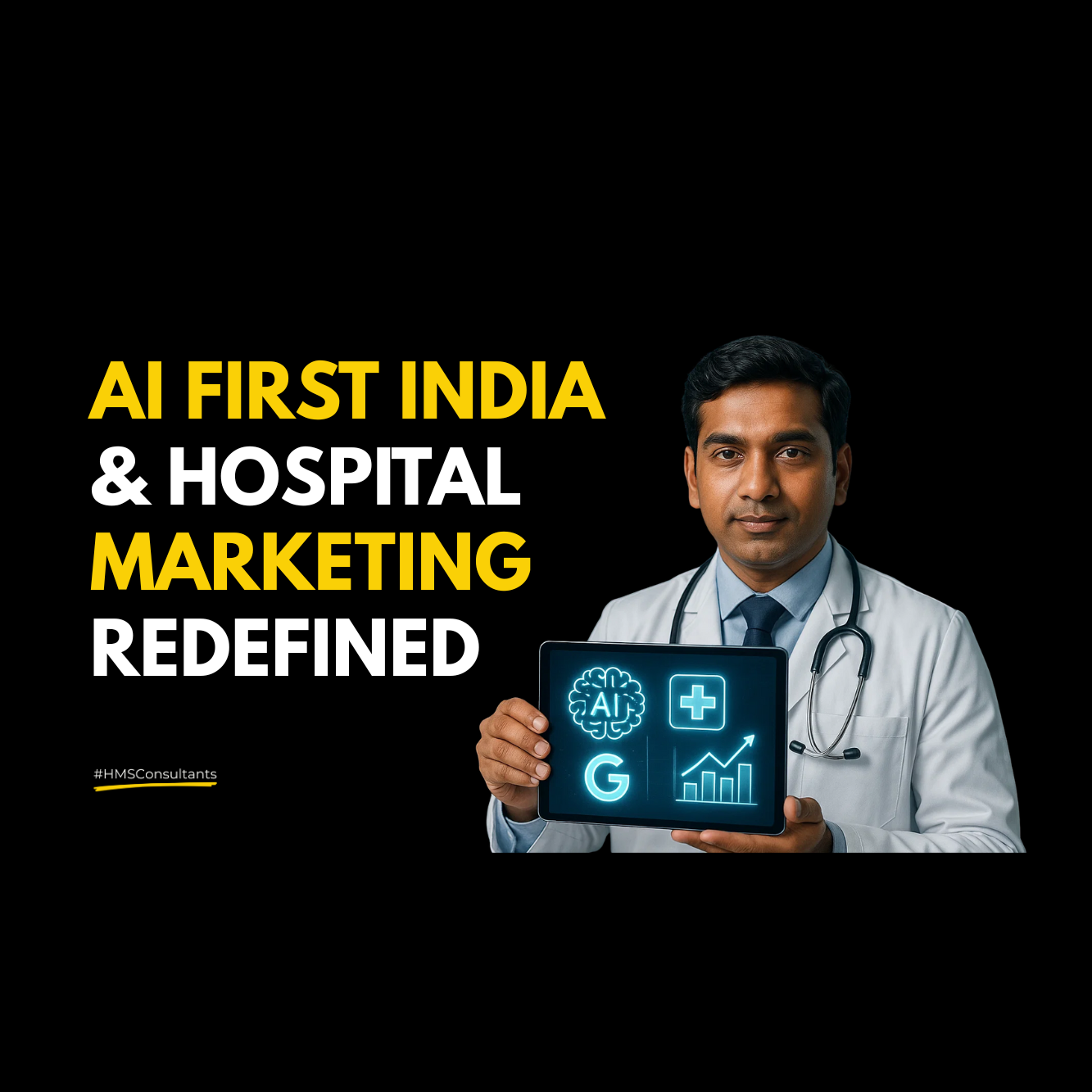
India is embracing AI, and hospitals can use AI-assisted tools to improve patient care and marketing. From chatbots to predictive communication, AI is reshaping how clinics engage and grow.

Discover the top 25+ questions doctors, clinics, and hospital owners ask about healthcare marketing—covering everything from GMB optimisation, ad performance, and personal branding to social media, AI tools, and...
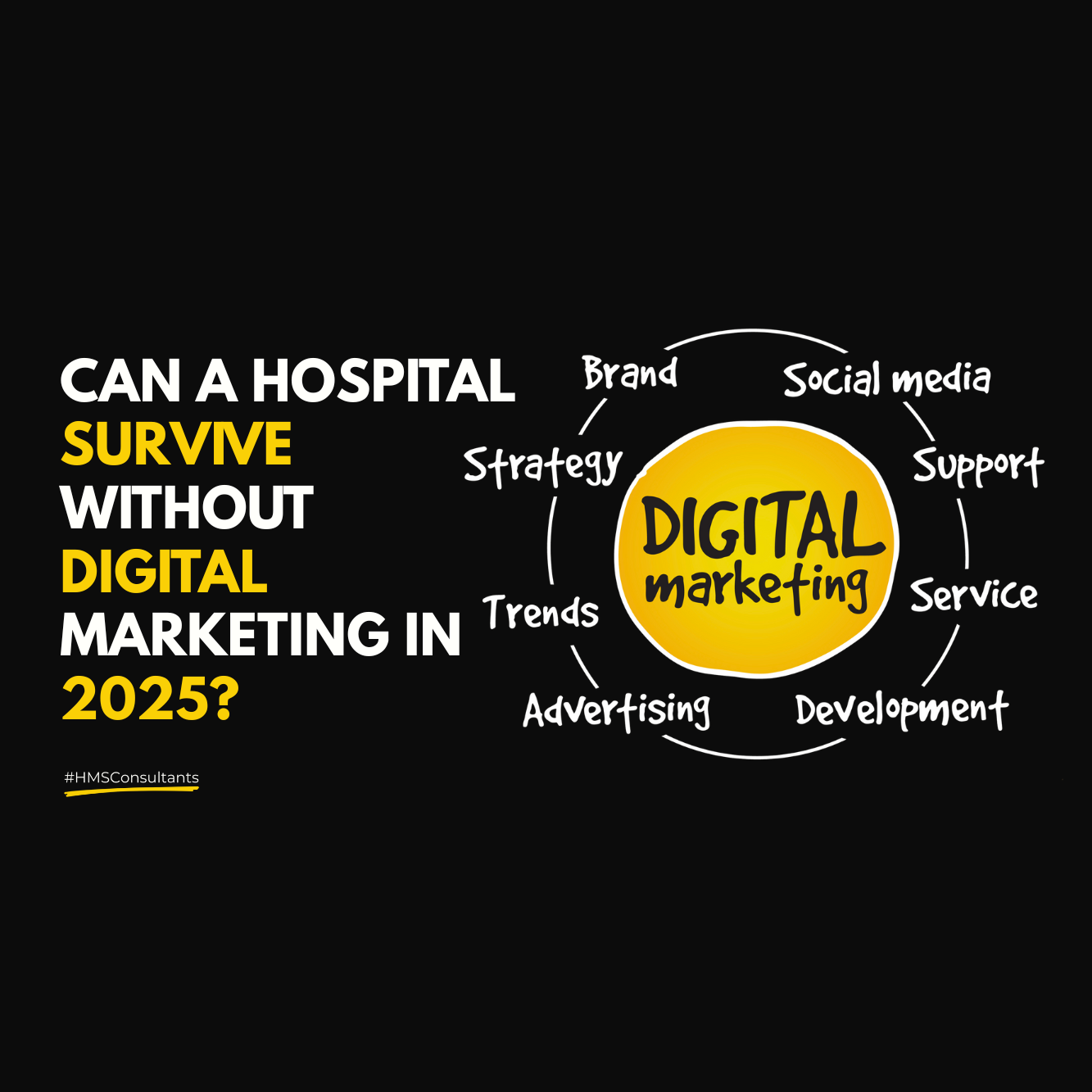
Patients in 2025 begin their hospital search on Google, comparing reviews, websites and doctor profiles. Hospitals without digital presence lose trust and new patients silently.

The 7 P's for marketing in healthcare go far beyond promotion. This blog explains how Product, Price, Place, People, Process, and Physical Evidence influence patient trust, hospital growth, and...