Can a Hospital Survive Without Digital Marketing in 2025?

Written by
Published on
Share This

For many years, hospitals in India did not need digital marketing to grow. A respected doctor, a known family physician, or an established nursing home could thrive on reputation alone.

Patients made decisions based on personal recommendations, neighbourhood familiarity, or advice from relatives. But the way people choose healthcare in 2025 is fundamentally different. The first step of the patient journey has moved online, and this shift is reshaping how hospitals gain trust, visibility, and new patients.

Today, whether someone in Ahmedabad is searching for a neurologist, or a family in Indore is looking for a good maternity centre, or a senior citizen in Jaipur wants cataract surgery, the starting point is no longer a phone call or a walk-in. It is a Google search. Patients compare hospitals in the same way they compare restaurants, hotels, or travel options: by reading reviews, checking ratings, browsing websites, examining doctor profiles, and verifying credentials before visiting in person. This behaviour has become universal across metros, tier-II cities, and even semi-urban regions, because information gives patients a sense of security.

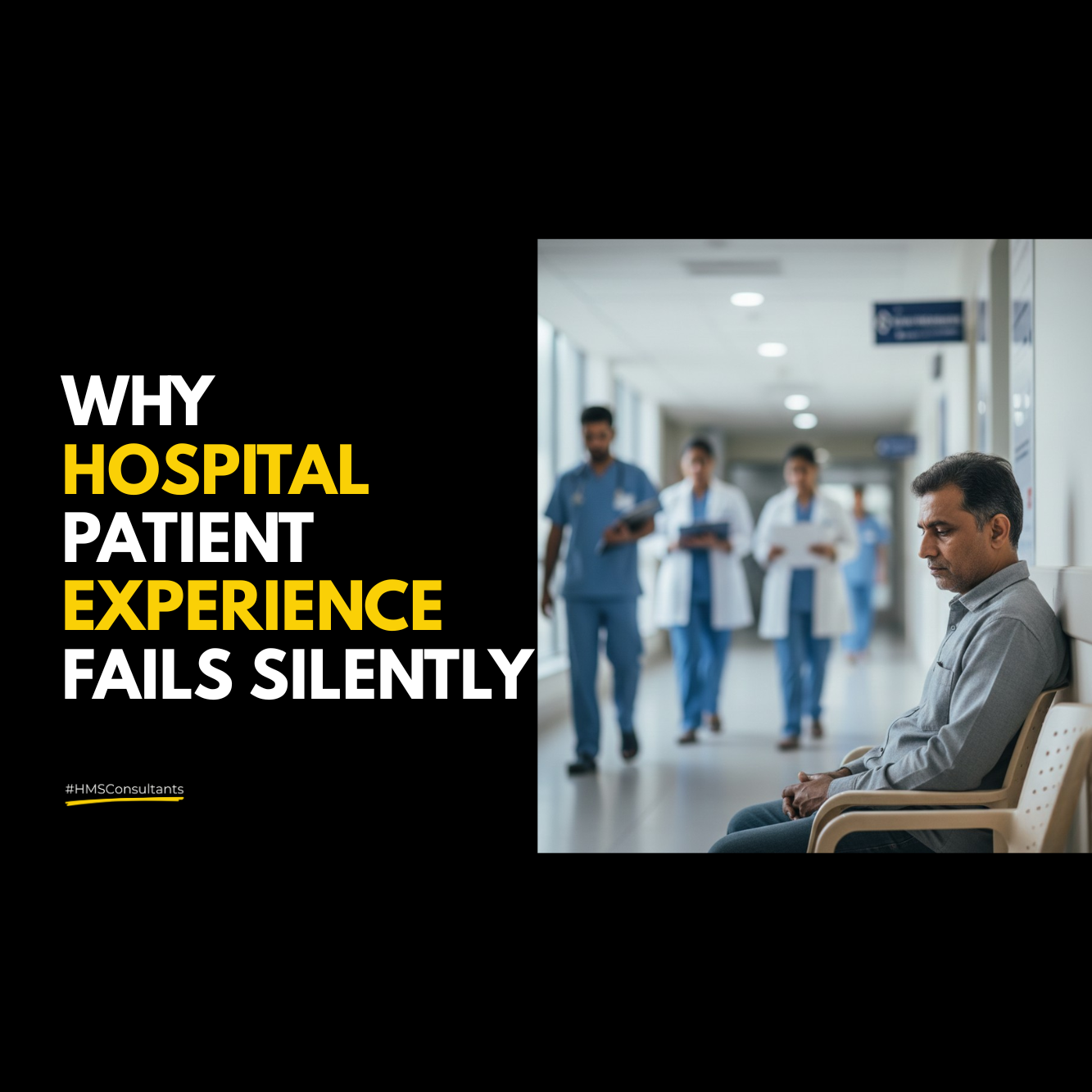
A hospital without a digital presence immediately appears uncertain. When a patient cannot find basic details such as doctor qualifications, services offered, OPD schedules, success stories, photographs, or reviews, they quietly move to the next hospital that provides clarity. The decision happens silently; the hospital never even knows it lost a potential patient. This is the biggest challenge of remaining invisible online: there is no feedback, no complaint, no enquiry, just missed opportunity.

Digital marketing in healthcare is often misunderstood as advertising. In reality, it is simply a matter of communication. Patients want answers: how experienced the doctors are, what procedures are available, how complex surgeries are handled, what recovery looks like, whether insurance is accepted, and what others have experienced at the hospital. When this information is available online through a clean website, Google Business listing, reviews and educational content, the hospital appears transparent and trustworthy. When information is missing, the hospital seems risky.

The shift toward digital presence accelerated during the pandemic. Families learned to search for emergency numbers online, book consultations virtually, check bed availability and read reviews before stepping out. That change did not disappear after COVID; it became a permanent part of healthcare behaviour. Even older patients, who once depended entirely on local word-of-mouth, now validate hospital credibility on Google.

In cities like Surat, Pune, Kochi, Lucknow, Jaipur, Indore or Rajkot, hospitals that invested in digital communication saw faster recovery in OPD footfall compared to those who relied only on traditional advertising. A website works all day, every day. A Google listing receives views even when the hospital is closed. Patient education builds authority without extra cost. Digital reviews influence reputation more than brochures. Compared to hoardings and newspaper ads, digital presence is more affordable and more permanent.

So, can a hospital survive without digital marketing in 2025? A long-established hospital may continue operating because of its existing patient base, but survival and growth are two different things. Newer generations of patients do not choose hospitals purely based on local familiarity. They compare, verify, and make informed choices. Hospitals that are digitally visible appear safer and more professional. Hospitals that are invisible find it harder to attract first-time patients, corporate clients, medical tourism inquiries, or even new doctors.

Digital marketing has also become part of patient service. Online appointment booking reduces waiting room crowd. WhatsApp communication improves follow-up and compliance. Educational content reduces fear. Reviews help patients feel confident about their decisions. In many ways, digital presence is no longer an “extra”, it is healthcare infrastructure.

Clinical excellence matters once a patient enters the hospital. Digital visibility matters before they walk in.

Conclusion

The hospitals that will grow in the coming years will be the ones that treat communication with the same seriousness as treatment. They will use digital tools to answer patient questions, simplify processes, share outcomes responsibly, and build trust long before admission. In a world where the decision begins on a screen, visibility is not marketing; it is credibility.

A hospital without digital presence might continue operating, but it will slowly lose relevance in a system where patients expect transparency, clarity and accessible information. Digital marketing is no longer a promotional activity. It is a bridge between medical expertise and patient confidence. And in 2025, confidence decides everything.

Contact Us HMS Consultants 

Doctors Digital Marketing I Healthcare Marketing I Hospital Marketing Strategies I Marketing ideas for clinics I Marketing Trends 2025 I Medical Marketing I Social Media Marketing

is something we strongly believe in, which means ‘Knowledge without application is the same as having no knowledge at all

Akhil Dave

Principle Consultant

Ready to take your Personal Brand to the next level?

Share your details below and we will connect with you to discuss your growth strategy.