


How Much Should Doctors Spend on Marketing in 2025?
In today’s competitive healthcare landscape, having a clear, well-planned marketing budget is essential...
Healthcare trust is formed long before the first call, visit, or WhatsApp message. Patients begin building or rejecting trust at the search stage itself. The questions they type into Google reveal anxiety, doubt, and the need for reassurance. They search for symptoms, risks, recovery, side effects, costs, timelines, alternatives, and real-life outcomes far more than they search for hospital names or service lists.
When hospitals publish content that answers institutional questions instead of patient questions, they miss the most critical trust-building window. By the time the patient reaches the hospital website, trust has either begun to form or already weakened.
This is why healthcare marketing consultants consistently emphasise content strategy over content volume. Publishing more does not help if the content does not meet the patient at the right psychological stage.
Patients rarely begin with “best hospital for X.” They start with uncertainty. Their searches reflect fear of diagnosis, hesitation about treatment, concern about pain, confusion about procedures, and anxiety about outcomes. Even when they search for hospitals, they are often trying to validate safety rather than compare brands.
Search behaviour typically moves from understanding to reassurance to decision. Content that skips the first two stages and jumps directly to promotion fails to earn trust. Patients may read it, but they do not internalise it.
From an SEO perspective, this is why purely service-based pages struggle to convert even when they rank. They match keywords but not the depth of intent.
Hospitals usually publish content that is factually accurate, professionally written, and clinically sound. Yet patients still hesitate. The reason is not a lack of information but a lack of emotional relevance.
Trust is not built by telling patients what you do. It is built by showing patients that you understand what they are worried about. Content that ignores fear, uncertainty, and emotional decision-making feels distant, even if it is technically perfect.
This is why patient education content that explains “what happens next,” “what this means for daily life,” and “what people usually worry about” performs far better than content that simply describes procedures.
From a hospital marketing standpoint, trust-driven content consistently outperforms expertise-driven content in conversion, even when traffic numbers are similar.
Many hospitals optimise content for keywords but not for search context. They insert phrases like “hospital marketing,” “best treatment,” or “advanced care” without anchoring them in real patient questions. This creates pages that rank but do not reassure.
Modern SEO, especially in healthcare, rewards topical authority rather than keyword repetition. Google increasingly evaluates whether a page genuinely resolves the user’s concern. Content that answers related questions, anticipates doubt, and reduces uncertainty signals higher quality than content that merely describes services.
This is why trust-oriented content not only converts better but also sustains rankings longer.
Before patients meet a clinician, content becomes their proxy. The tone, clarity, and depth of online information shape expectations about how the hospital will communicate in person. If content feels rushed, vague, or overly promotional, patients subconsciously expect a similar experience offline.
Hospitals that treat content as a clinical extension rather than a marketing asset build trust faster. Their content educates calmly, explains limitations honestly, and avoids exaggeration. This consistency reassures patients that conversations inside the hospital will feel similar.
In healthcare marketing strategy, this alignment between content tone and authentic experience is critical for long-term growth.
Writing about services, infrastructure, and achievements is easy. Writing about patient fears, uncertainties, and decision dilemmas is harder. It requires empathy, restraint, and a deep understanding of patient psychology.
As a result, most hospitals default to content that feels safe internally but ineffective externally. They speak about themselves instead of talking to the patient.
Hospitals that outperform in digital trust do the opposite. They publish content that may feel less promotional but builds far greater credibility.
When content aligns with patient intent, several things change quietly but significantly. Patients spend more time reading. Bounce rates reduce. Follow-up searches include the hospital’s name. Enquiries become more specific and informed. Consultations feel smoother because patients arrive with realistic expectations.
These outcomes are often misattributed to “better leads” or “improved campaigns.” In reality, they are the result of better trust formation through content.
From a hospital growth perspective, this reduces friction across the entire funnel.
Hospitals that want content to perform must stop thinking like institutions and start thinking like patients. People do not search for care because they want services. They search because they are uncertain and want reassurance.
Content that meets this need builds trust before any marketing interaction begins. Content that ignores it becomes noise, regardless of how well it is optimised.
The most effective healthcare content does not promote.
It understands.
And in healthcare marketing, understanding is the foundation of trust, and trust is the foundation of growth.
Share your details below and we will connect with you to discuss your growth strategy.
In today’s competitive healthcare landscape, having a clear, well-planned marketing budget is essential...
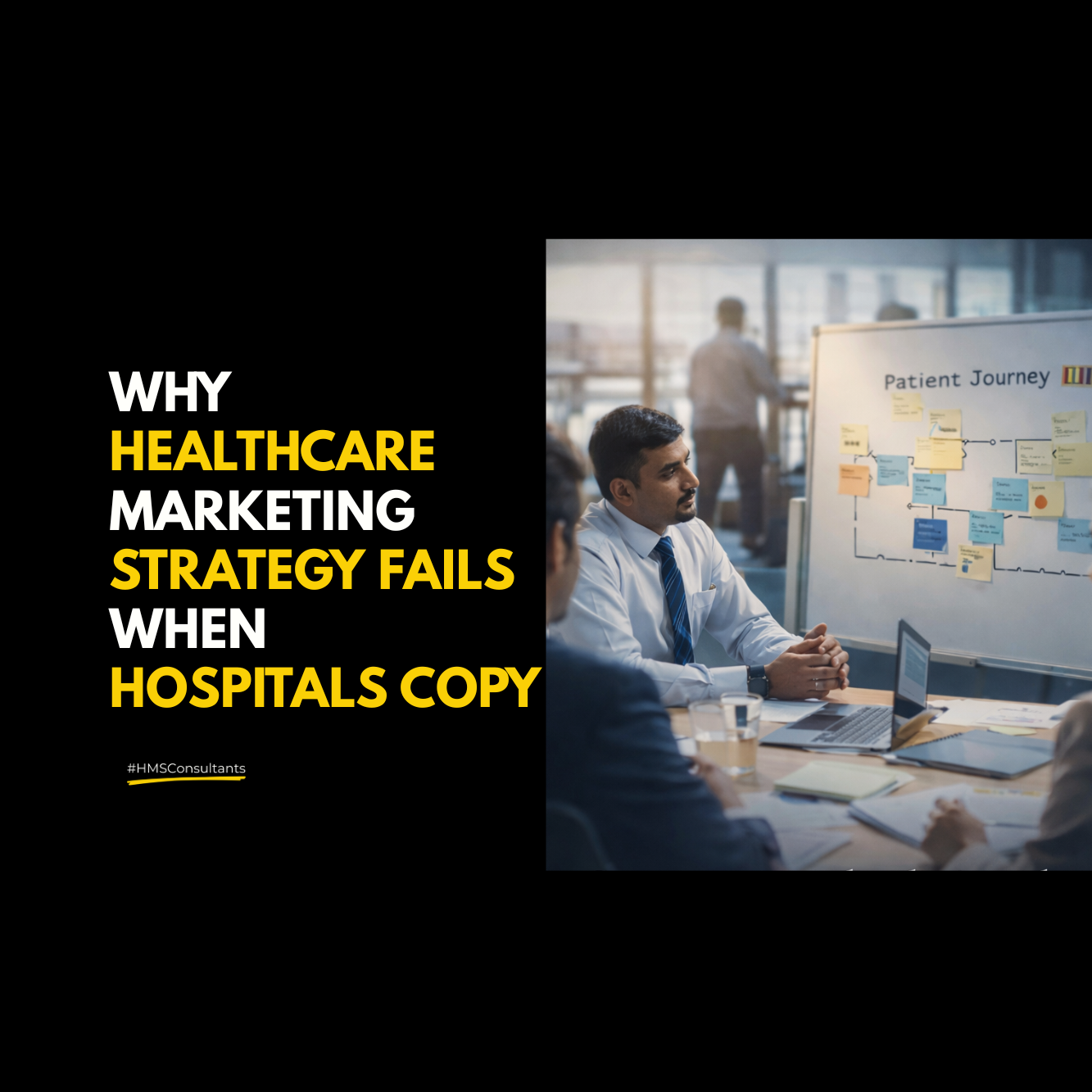
Healthcare marketing strategy fails when hospitals copy competitors instead of understanding patient confusion....
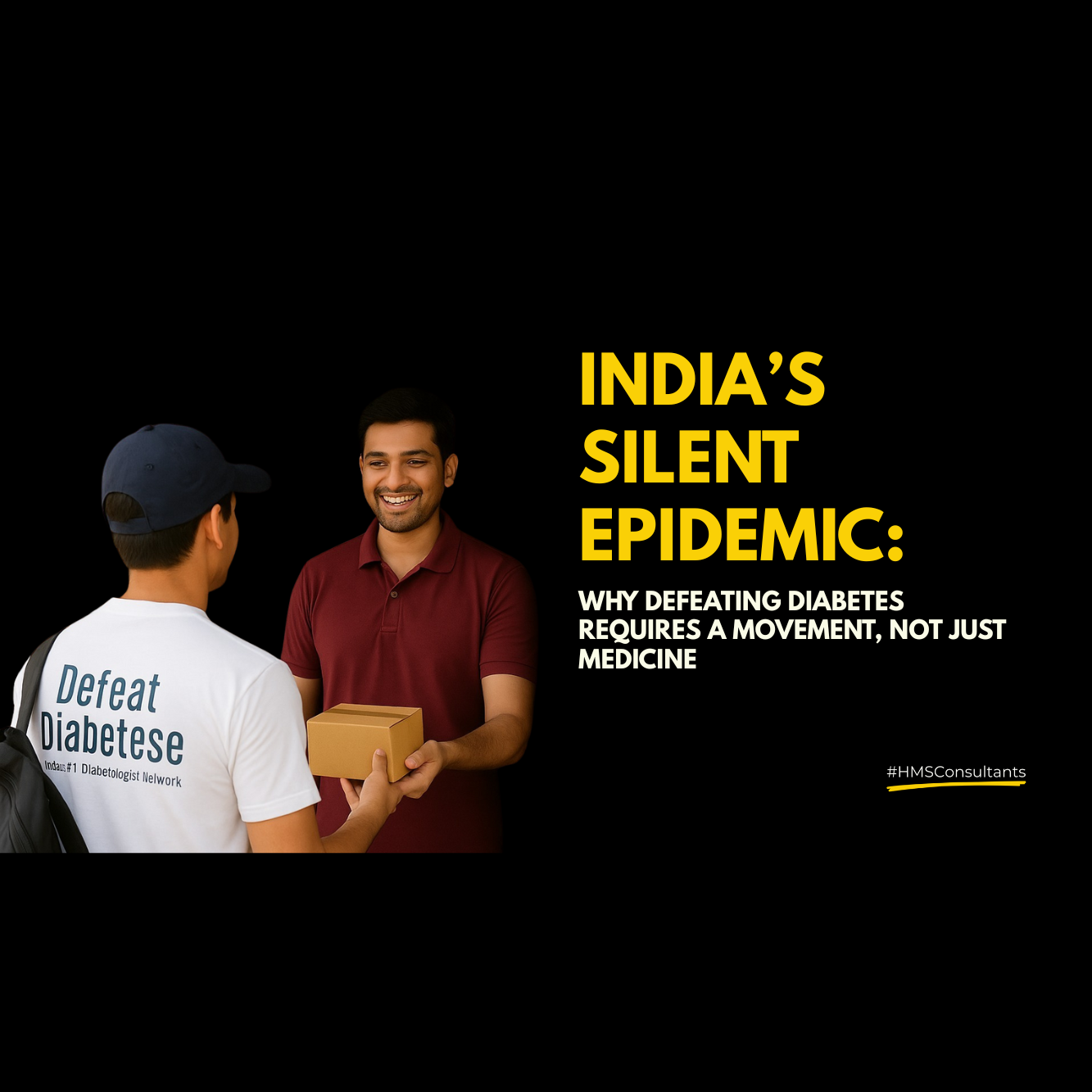
India is home to over 90 million people living with diabetes, with millions...
Branding missteps cost you trust, referrals, and conversions. Discover how to audit and...

Choosing the right marketing partner is critical for any clinic or hospital aiming...

Marketing in healthcare is no longer optional it's a strategic investment. Discover how...