


The Complete Clinic & Hospital Growth Guide for Doctors
Clinic marketing strategy guide for doctors explaining why OPD becomes inconsistent, why patients...
Traditionally, hospital marketing has focused on visibility and acquisition, while patient experience has been treated as a service quality or HR concern. Marketing teams track leads and reach. Operations teams handle waiting times and coordination. Clinical teams focus on outcomes. Each function operates in parallel, often without shared accountability.
This structure creates blind spots. Marketing promises a specific experience, while operations deliver another. Patients bridge this emotional gap, forming impressions that directly affect trust, loyalty, and word of mouth.
When experience and marketing are disconnected, marketing performance becomes volatile. When they are aligned, marketing becomes far more effective without increasing spend.
Patient experience influences marketing performance long before a campaign runs. A patient who had a confusing visit last year will hesitate even if they see a strong advertisement today. A family that feels respected during a consultation becomes receptive to future communication. A rushed discharge weakens long-term loyalty, regardless of brand visibility.
Marketing does not operate in a vacuum. It enters a context shaped by past experiences, shared stories, and informal reputation. In healthcare, this context is powerful and persistent.
Hospitals that ignore experience while evaluating marketing results are analysing only half the equation.
Marketing can attract attention, but it cannot override lived experience. When patient experience is inconsistent, marketing outcomes suffer quietly.
Patients may enquire but not commit. They may visit once but not return. They may accept consultation but resist treatment. They may recover clinically, but choose another provider next time. None of this shows up clearly in marketing dashboards, yet it directly affects ROI.
Hospitals often misinterpret these outcomes as marketing inefficiency, when the real issue lies in experiential gaps that erode confidence at critical moments.
Conversion in healthcare is not a single event. It is a gradual accumulation of confidence. Every interaction contributes: the tone of the first response, the clarity of explanation, the predictability of process, the respect shown during vulnerable moments.
A strong patient experience reduces friction at every stage. Patients arrive more prepared. Conversations feel easier. Objections reduce. Decisions happen faster. Follow-ups feel natural instead of forced.
In such environments, marketing does not need to persuade aggressively. It simply supports decisions patients already feel comfortable making.
Hospitals with strong patient experience often notice an interesting pattern. Over time, they require less aggressive marketing to maintain growth. Referrals increase. Reviews improve organically. Repeat visits rise. Brand recall strengthens without constant promotion.
This is not accidental. Experience creates advocacy, and advocacy lowers acquisition costs.
Marketing performance improves not because budgets increase, but because trust compounds. This is one of the most overlooked advantages of investing in patient experience.
Patient experience is often undervalued because it lacks clear ownership. Marketing teams do not control it. Operations teams feel overburdened. Clinical teams prioritise outcomes. Leadership sees experience as necessary but struggles to translate it into strategy.
As a result, experience remains reactive rather than designed. Improvements happen only after complaints, not before drop-offs.
Hospitals that treat experience as a strategic lever, reviewed alongside marketing and financial performance, gain a significant advantage. They understand that experience consistency is not just a quality metric, but a growth multiplier.
Some hospitals attempt to improve experience only after marketing scales. This sequence rarely works. Growth magnifies whatever exists. If experience systems are weak, marketing exposes them faster.
Experience must be strengthened before or alongside marketing, not after. Otherwise, marketing becomes a stress test that the system is not prepared to handle.
This is why experienced healthcare marketing consultants focus as much on internal readiness and patient journey design as on campaigns and channels.
Hospitals that align marketing with patient experience notice a fundamental shift. Conversations become calmer. Expectations are clearer. Staff feel supported rather than pressured. Patients arrive with confidence instead of confusion.
Marketing stops being questioned constantly because outcomes stabilise. Growth feels intentional rather than reactive. Leadership regains control over trajectory.
At this stage, marketing and experience no longer compete for attention. They reinforce each other.
In Indian healthcare, the most potent marketing advantage is not louder messaging or bigger budgets. It is a consistent, thoughtful patient experience.
Marketing performance improves when patients feel understood, respected, and guided. Experience shapes perception long after campaigns end. It influences decisions that no advertisement can force.
Hospitals that recognise the hidden link between patient experience and marketing performance stop chasing short-term visibility and start building long-term credibility.
In healthcare, growth does not belong to the most visible institutions.
It belongs to the ones patients trust enough to return to and recommend.
And that trust is built, interaction by interaction, through experience.
Share your details below and we will connect with you to discuss your growth strategy.
Clinic marketing strategy guide for doctors explaining why OPD becomes inconsistent, why patients...
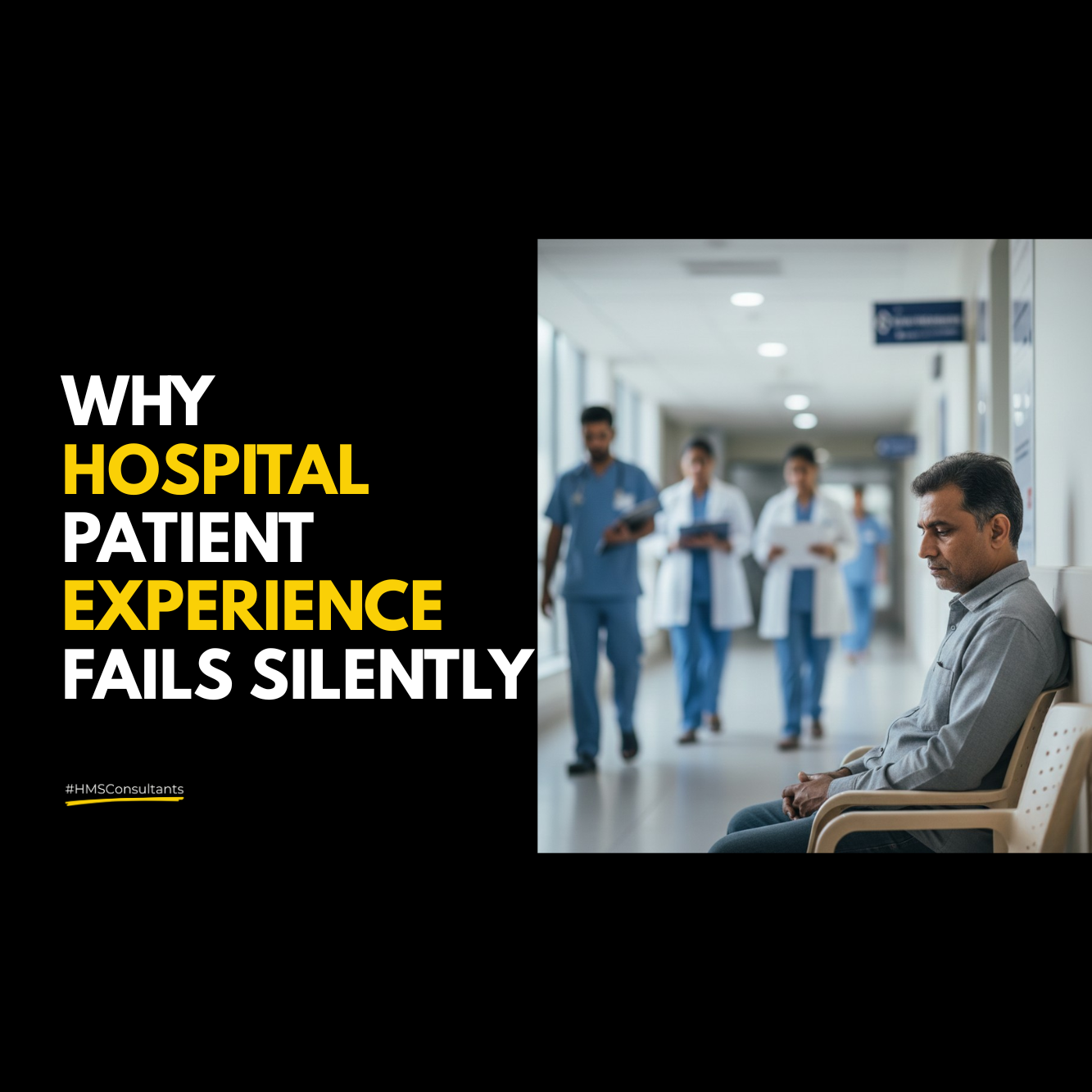
Hospital patient experience often breaks silently before complaints surface, weakening patient trust, referrals,...
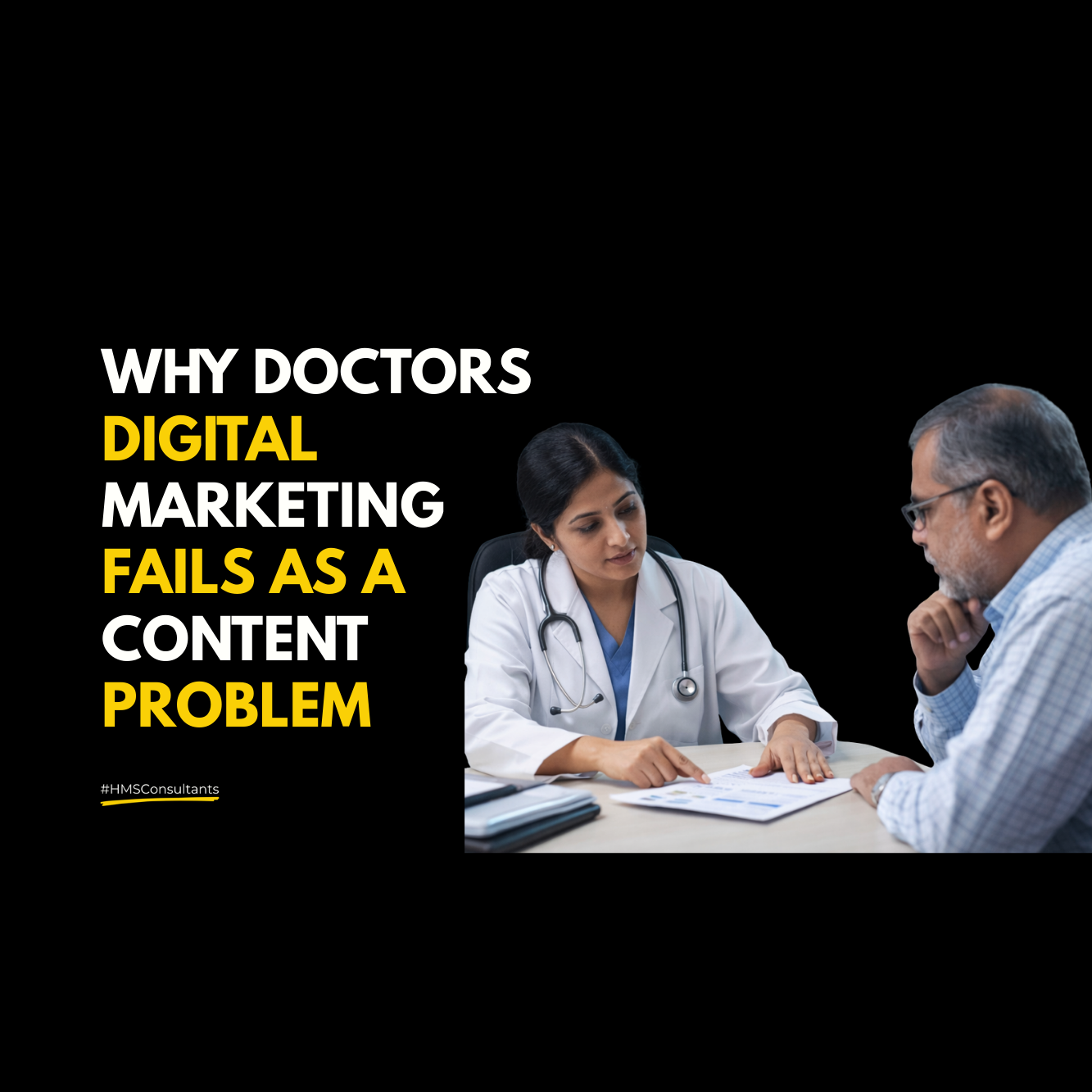
Doctors digital marketing fails when it is treated as a content volume problem....
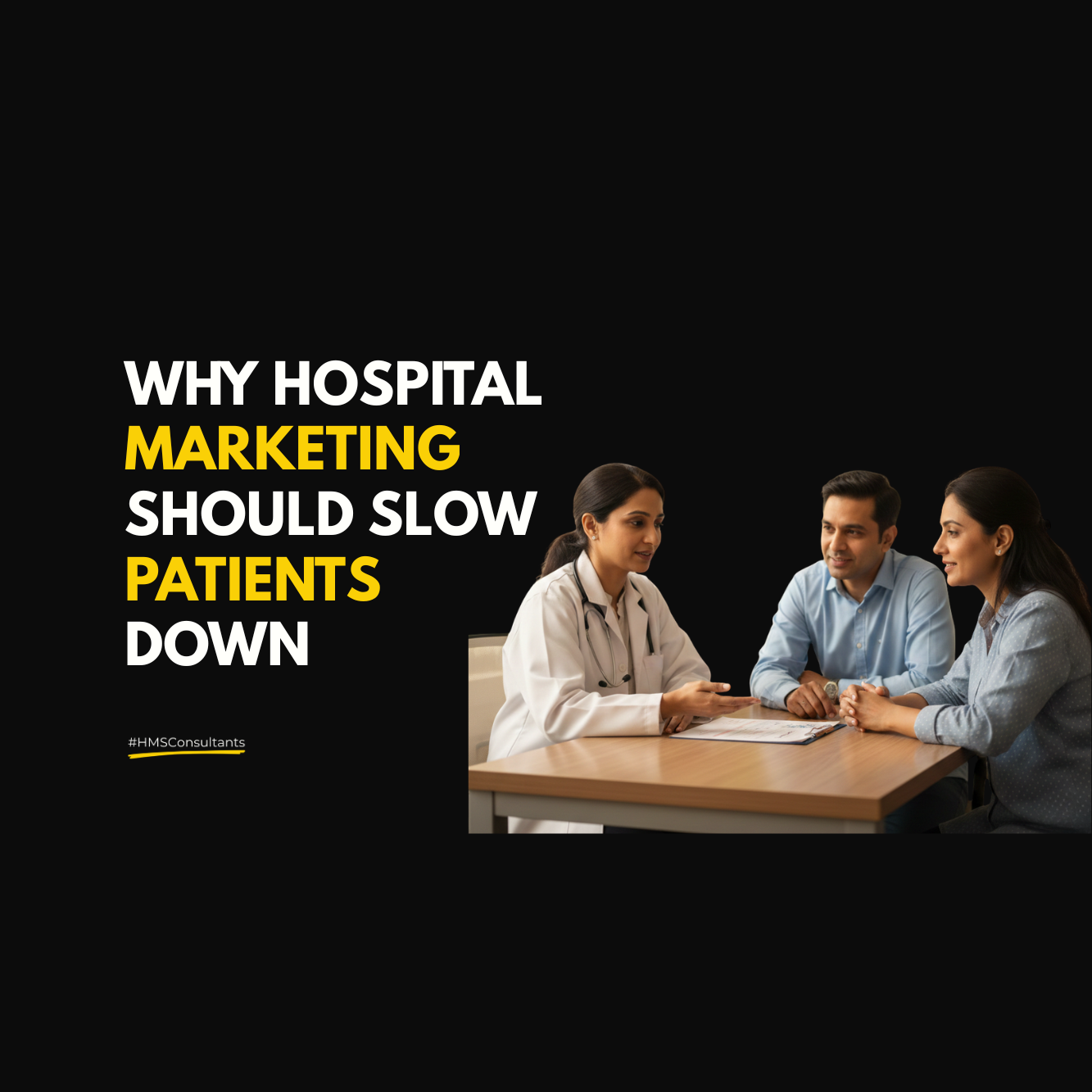
Marketing for hospitals works when patients feel guided, not rushed. Clear communication and...

Healthcare branding breaks when hospitals focus on appearance instead of experience. Trust is...
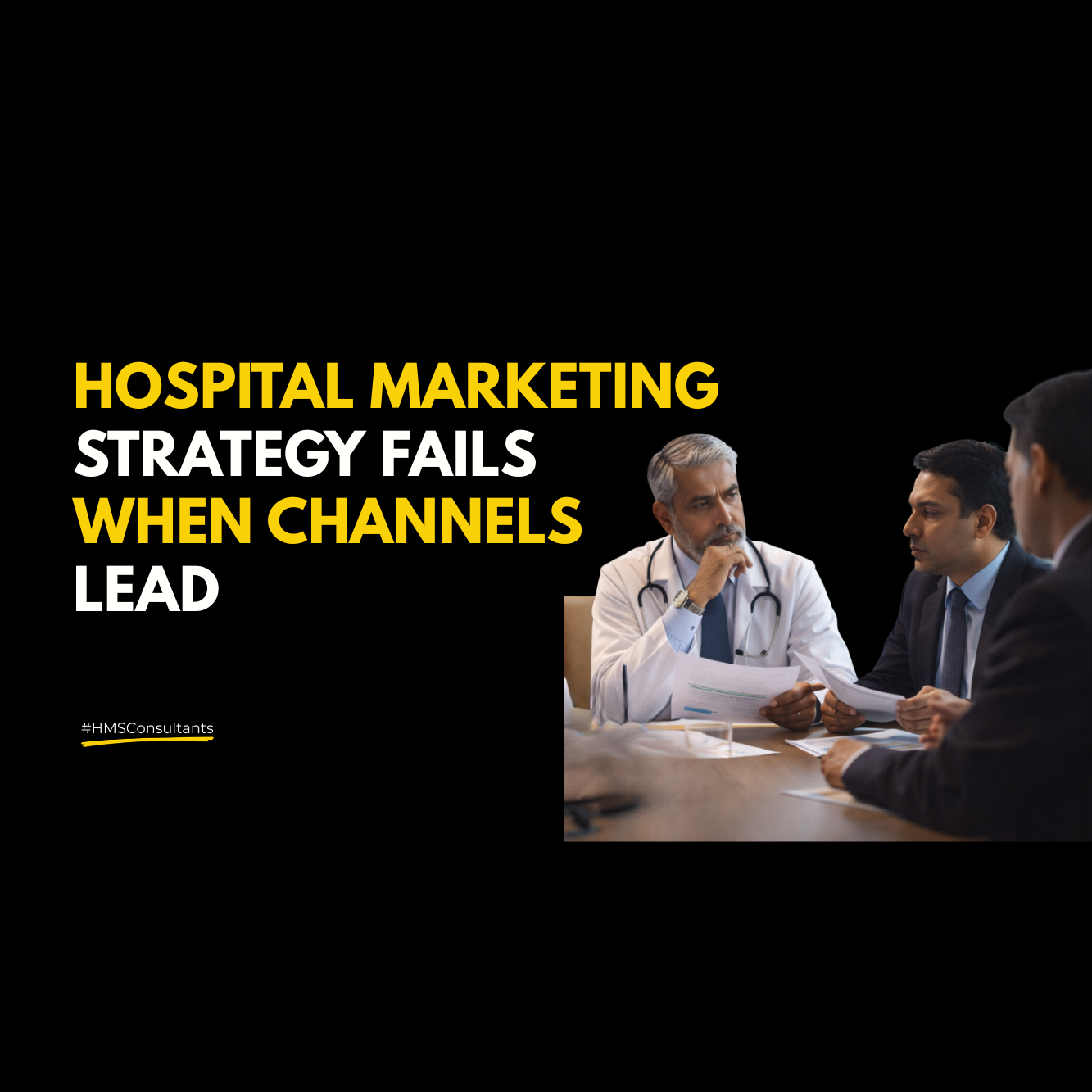
Hospital marketing strategy fails when channels are chosen before patient decisions are understood....