


Public Relations in a Hospital: What It Actually Does and Why Most Hospitals Underestimate It
Public relations in a hospital is not about media or advertising, but about...
Healthcare referrals are not transactional. They are trust transfers.
When a patient recommends a hospital, they are not promoting a service; they are vouching for safety, dignity, and care. When a doctor refers a patient, they are transferring professional credibility. When a family recommends a provider, they are sharing lived experience.
This makes referrals far more potent than advertisements. They arrive with pre-existing trust, lower resistance, and higher conversion probability.
Yet because referrals feel intangible, hospitals rarely apply a strategy to them.
Clinical excellence is essential, but it does not automatically translate into referrals.
Patients may be satisfied yet never refer because they are unsure whether it is appropriate. Doctors may trust a hospital, but hesitate to refer if communication is inconsistent. Families may have had a positive experience but lack an apparent reason or moment to recommend.
Referrals do not disappear because the care was poor. They disappear because no system guided them.
Passive referral models depend on memory and goodwill. They assume patients will remember the hospital at the right moment and articulate that recommendation clearly to others.
In reality, memory fades quickly. Emotions settle. Life moves on.
Without reinforcement, even intense experiences lose recall value. This is why hospitals that provide excellent care often receive far fewer referrals than expected.
Referral growth requires intentional design, not just good outcomes.
Many hospitals attempt to grow referrals by asking directly. “Please refer us.” “Tell others about us.” “Share your experience.”
These requests rarely work.
Effective referral marketing focuses on making referrals easy, natural, and timely. It aligns moments of emotional satisfaction with clear cues for recommendation. It removes friction rather than adding pressure.
A referral system does not ask for promotion. It enables advocacy.
Referrals do not originate at discharge alone. They emerge at moments of relief, reassurance, and clarity.
When a diagnosis is explained patiently.
When anxiety is reduced.
When billing is transparent.
When follow-up feels thoughtful.
When recovery is smoother than expected.
These moments create emotional peaks. Hospitals that recognise and reinforce these peaks convert experience into advocacy.
Hospitals that miss them lose a silent opportunity.
Referral marketing fails when internal behaviour is inconsistent. Patients may trust a doctor but feel frustrated by interactions with staff. Families may appreciate treatment but feel confused by processes. Doctors may value expertise but hesitate due to communication gaps.
Referrals require consistency across the system. Every touchpoint contributes to whether someone feels confident recommending the hospital.
This is why referral marketing cannot be owned solely by marketing teams. It is a cross-functional growth strategy.
Hospitals that build strong referral systems gradually reduce dependence on paid marketing. Acquisition costs fall. Conversion rates improve. New patients arrive with clearer expectations. Resistance reduces.
This does not mean advertising disappears. It means advertising plays a supporting role rather than carrying the entire growth burden.
Referral-driven hospitals grow calmer. Their marketing becomes steadier and more predictable.
In healthcare, ethical boundaries matter. Referral marketing must never feel transactional or manipulative.
The strongest referral engines do not rely on discounts or incentives. They rely on clarity, communication, and continuity.
Patients refer when they understand what the hospital stands for, who it is right for, and why it helped them. Doctors refer when processes are reliable, feedback loops are clear, and patient care feels collaborative.
Systems built on trust outperform systems built on rewards.
Unlike ads, referrals compound. Each positive experience strengthens future growth. Each referred patient arrives with higher trust and a greater likelihood of referral in turn.
Over time, this creates a flywheel effect. Growth becomes self-reinforcing rather than spend-dependent.
Hospitals that invest in referral systems are investing in long-term viability, not short-term visibility.
Hospitals do not lack referral potential. They lack referral systems.
Reasonable care is essential, but it is not enough. Without structure, timing, and reinforcement, even the best experiences fade without impact.
Hospitals that build intentional referral engines stop aggressively chasing growth. Growth begins to come to them- quieter, steadier, and more reliable.
In healthcare marketing, the most potent growth channel is not the one you pay for.
It is the one you intentionally earn and design.
Share your details below and we will connect with you to discuss your growth strategy.
Public relations in a hospital is not about media or advertising, but about...
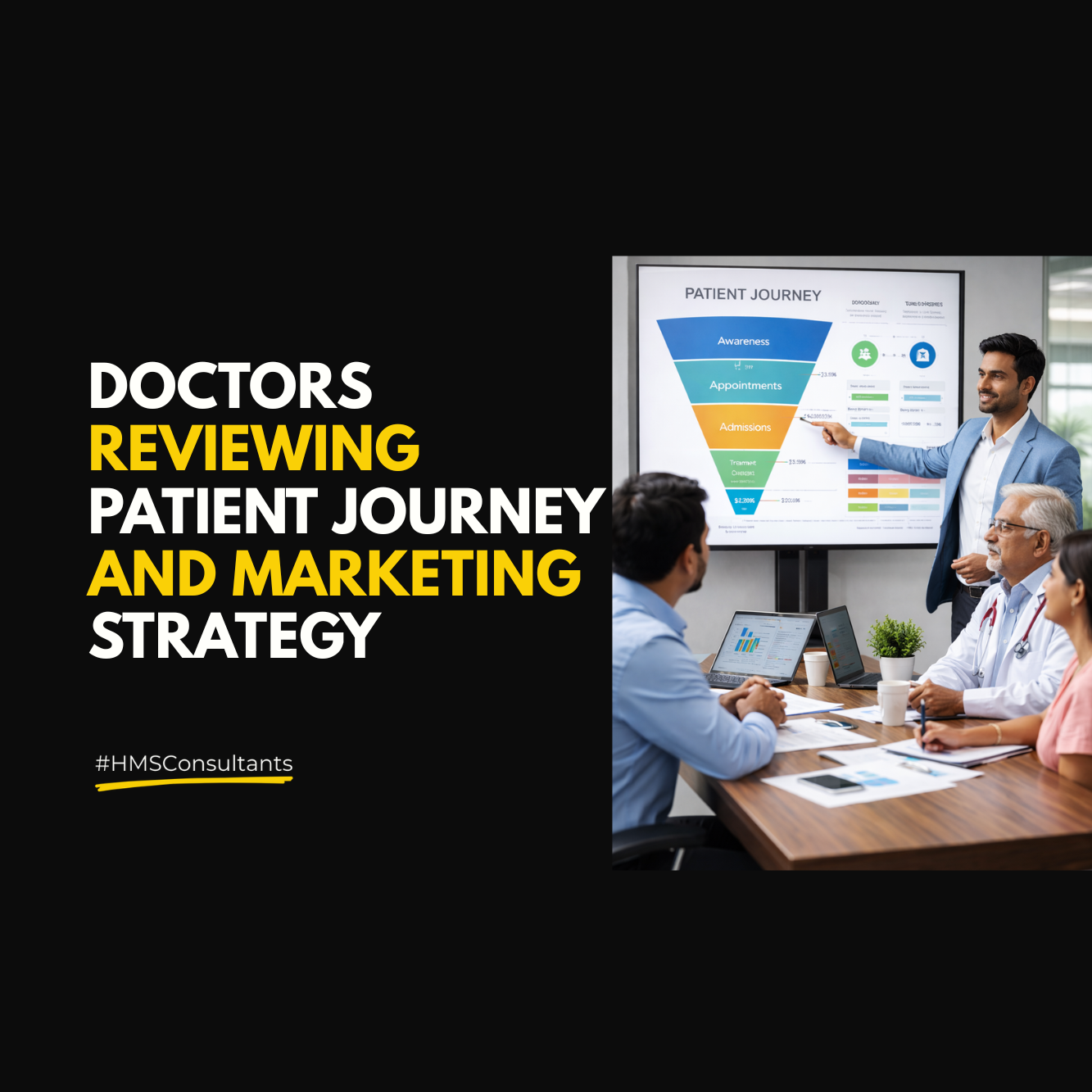
A hospital marketing expert can identify hidden friction in the patient journey within...

Patients often decide which hospital to visit before their first consultation. Searches like...

Clinic marketing strategy guide for doctors explaining why OPD becomes inconsistent, why patients...
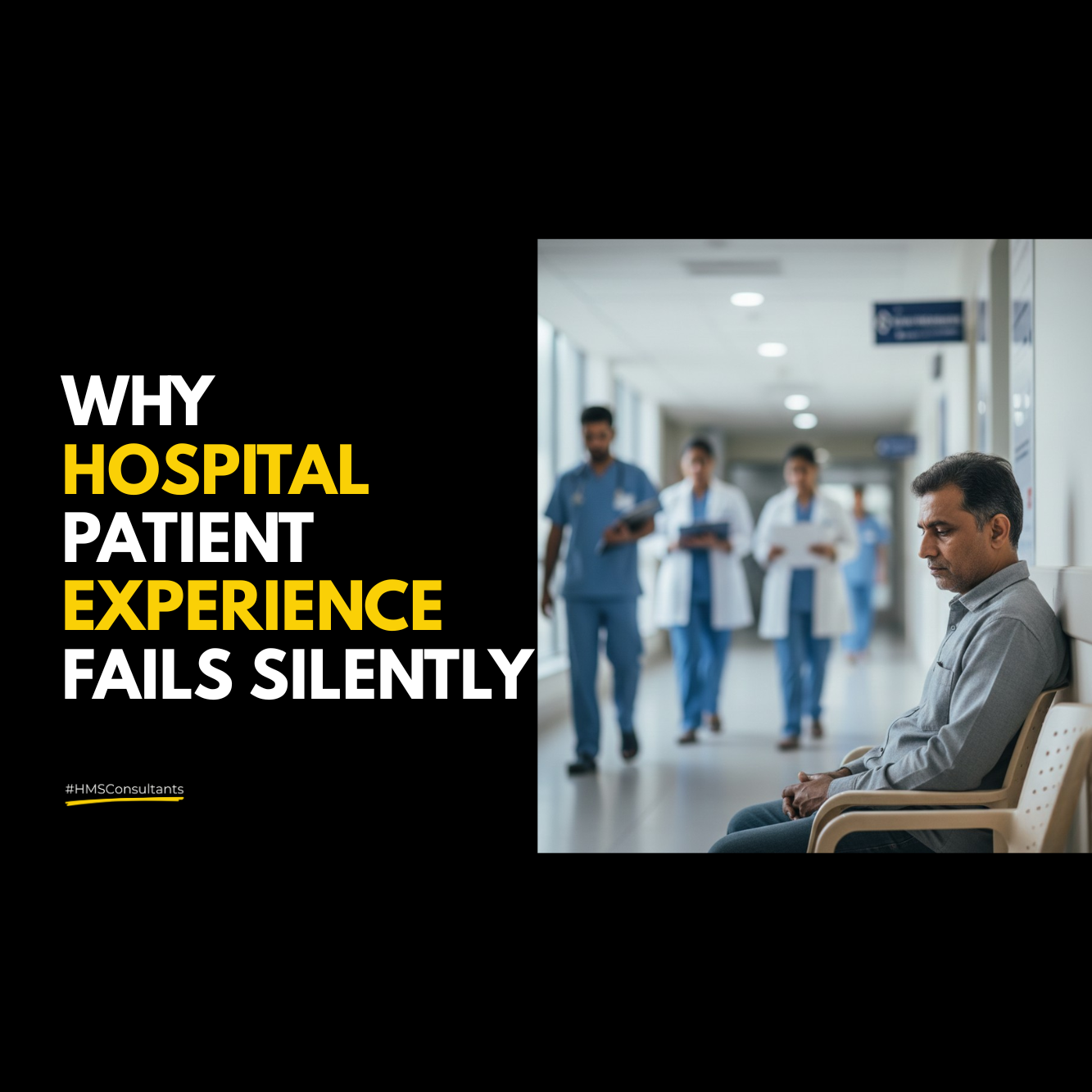
Hospital patient experience often breaks silently before complaints surface, weakening patient trust, referrals,...
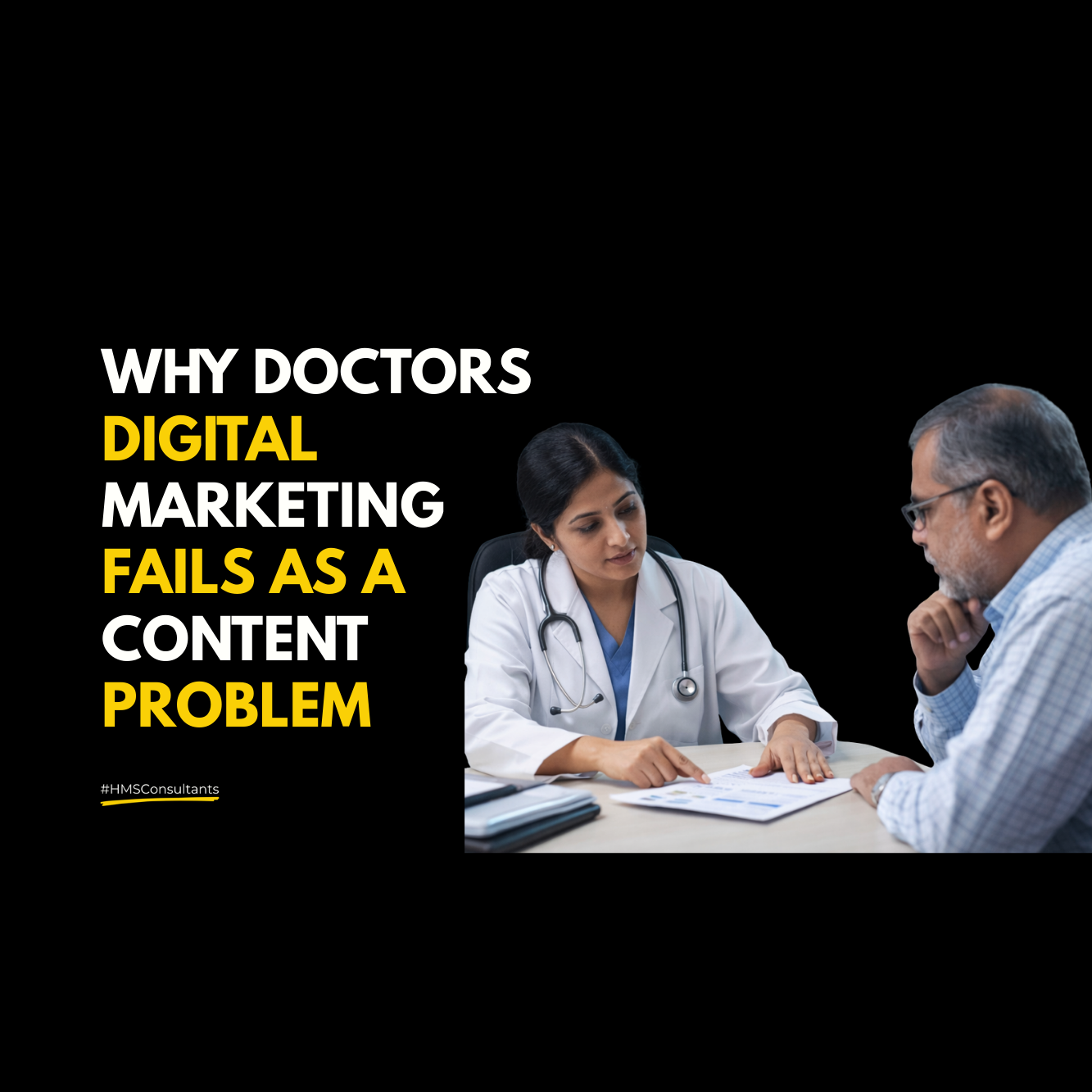
Doctors digital marketing fails when it is treated as a content volume problem....