

How Digital Marketing for Healthcare Can Increase Your Patient Count
In today’s competitive healthcare landscape, digital marketing has become essential for attracting new patients and retaining existing ones. A well-executed digital marketing strategy can enhance patient engagement, improve online reputation, and significantly increase patient count. This blog explores the importance of digital marketing in healthcare and provides practical tips to leverage it effectively.
Importance of Digital Marketing in Healthcare
Digital marketing for healthcare involves using online channels to reach and engage with patients. It includes strategies such as SEO (Search Engine Optimization), SEM (Search Engine Marketing), and social media marketing. These techniques help healthcare providers increase online visibility, connect with patients, and build trust.
SEO and SEM
SEO helps healthcare websites rank higher in search engine results, making it easier for patients to find your services. SEM involves paid search campaigns that target specific keywords related to your services, ensuring your ads appear at the top of search results. Together, these strategies can drive more traffic to your website and increase patient inquiries.
Social Media Marketing
Social media is an essential tool in the overall marketing strategy. Platforms like Facebook, Instagram, YouTube and LinkedIn allow healthcare providers to connect with patients, share valuable content, and promote their services. However, it’s crucial to rely on something other than social media. A balanced approach with other digital marketing techniques is vital for sustained success.
Key Elements of an Effective Digital Marketing Strategy
Understanding Your Target Audience: To develop a perfect digital marketing strategy, it’s very important to understand your target audience, segment them appropriately, and consider the local dialect. This helps create digital or social media content that resonates with potential patients and addresses their needs.
- Social Media Platform-Specific Content: Digital marketing can be highly effective when you develop platform-specific content. Each platform has its unique audience and content requirements, so tailoring your content to fit the platform ensures better engagement and authenticity.
Website and Content Optimization: Your website is the cornerstone of your digital marketing efforts. Ensure it is user-friendly, mobile-optimized, and contains valuable content that answers patients’ questions. Regularly update it to keep it fresh and relevant.
Periodic Audits and Analytics: It is essential to audit your digital assets regularly and analyse their performance. Use tools like Google Analytics and Google Search Console to track website traffic, user behaviour, and conversion rates. This helps you identify areas for improvement and refine your strategy.
Understanding User Perspective: Generating content without understanding the user’s perspective on your services is futile. Engage with patients and target audiance to understand their needs and preferences. This will help you create relevant and valuable content.
The Role of Marketing Consultants
Doctors are experts in their field, but digital marketing requires different skills and knowledge. It’s not everyone’s cup of tea. A marketing consultant who understands the healthcare industry and is up-to-date with digital marketing trends can change the game. They can help increase brand visibility, patient footfall, and attract the patients of your choice to your practice, Hospital or Clinic.
Conclusion
Digital marketing is a powerful tool that can significantly increase your patient count. You can enhance your online presence and attract more patients by implementing effective SEO and SEM strategies, engaging with patients on social media, optimising your website, and conducting regular audits. Working with a knowledgeable marketing consultant can provide the expertise needed to succeed in the ever-evolving digital landscape.
Remember, “Knowing is Knowing, Doing is Doing.” Knowledge without implementation is same having no knowledge at all. By reading this blog, you must be knowledgeable about digital marketing strategies and not implementing them in your practice is.
Insights by
Akhil Dave, Principal Consultant – HMS Consultant
“Knowing is Knowing, Doing is Doing”
is something we strongly believe in, which means ‘Knowledge without application is the same as having no knowledge at all
Akhil Dave
Principle Consultant
Ready to take your healthcare marketing to the next level?
Fill out the form below, and our consultant will contact you for a detailed, personalised consultation.
Public Relations in a Hospital: What It Actually Does and Why Most Hospitals Underestimate It
Public relations in a hospital is not about media or advertising, but about building patient trust through clear communication, consistent…
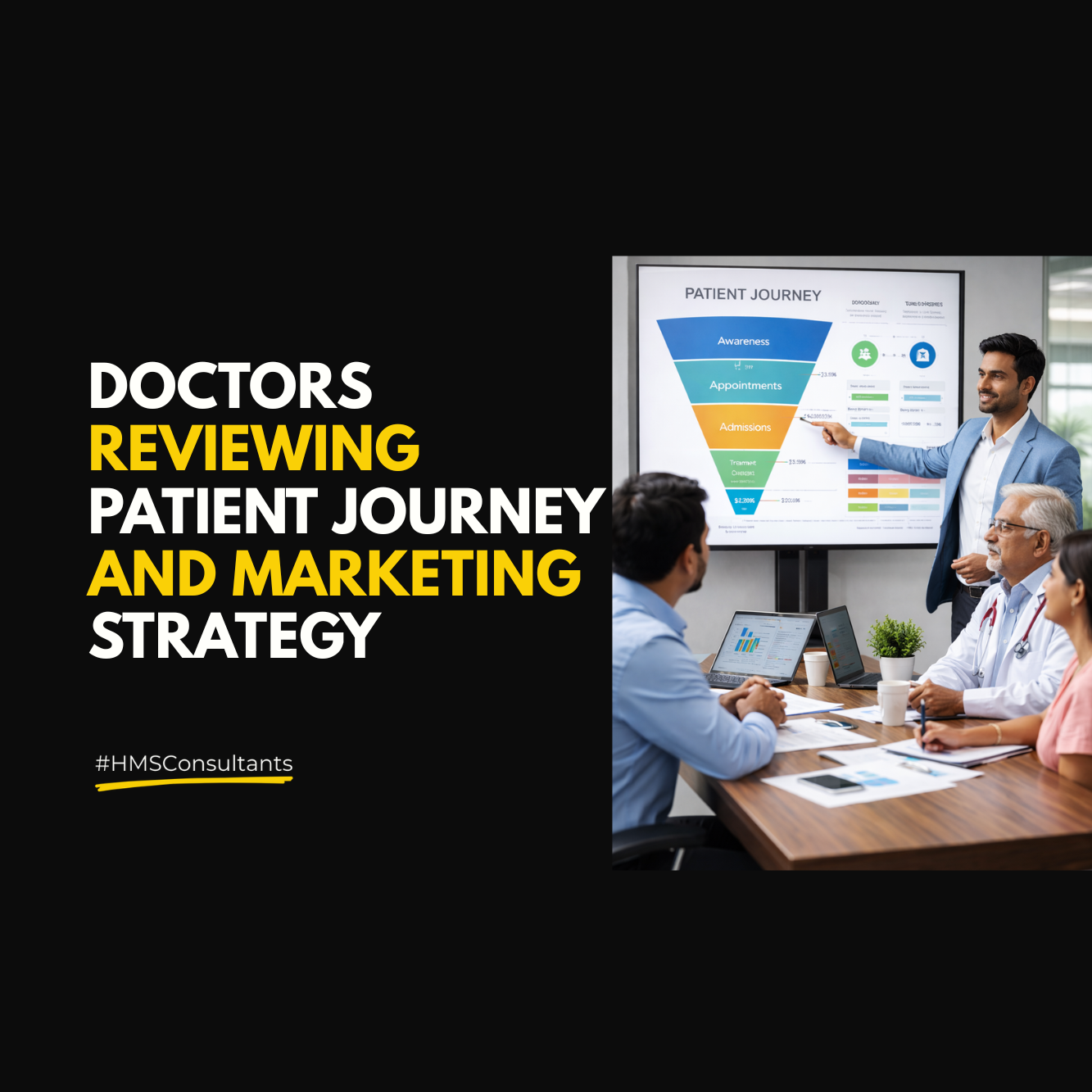
What a Hospital Marketing Expert Sees in the First 30 Days That Others Miss for Years
A hospital marketing expert can identify hidden friction in the patient journey within the first 30 days. Learn how patient…
Why “Best Hospital Near Me” Is Decided Before a Patient Visits And What Most Doctors Miss
Patients often decide which hospital to visit before their first consultation. Searches like “best hospital near me,” online reviews, and…
The Complete Clinic & Hospital Growth Guide for Doctors
Clinic marketing strategy guide for doctors explaining why OPD becomes inconsistent, why patients are not choosing your clinic, and what…

Why Hospital Patient Experience Breaks Long Before Patients Complain
Hospital patient experience often breaks silently before complaints surface, weakening patient trust, referrals, and long-term loyalty despite strong clinical outcomes.
Why Doctors Digital Marketing Fails When It Is Treated as a Content Problem
Doctors digital marketing fails when it is treated as a content volume problem. Patients do not need more information they…
Why Marketing for Hospitals Should Slow Patients Down Before Asking Them to Decide
Marketing for hospitals works when patients feel guided, not rushed. Clear communication and patience build trust, helping decisions happen naturally.

Why Healthcare Branding Breaks When Hospitals Try to “Look Trusted” Instead of Building It
Healthcare branding breaks when hospitals focus on appearance instead of experience. Trust is built through consistency, clarity, and real patient…

Why Hospital Marketing Strategy Fails When It Starts With Channels Instead of Decisions
Hospital marketing strategy fails when channels are chosen before patient decisions are understood. Growth improves when strategy reduces decision friction,…

Why Healthcare Marketing Strategy Breaks When Hospitals Copy What Competitors Are Doing
Healthcare marketing strategy fails when hospitals copy competitors instead of understanding patient confusion. Imitation creates visibility, but only patient insight…


