Marketing for Hospital: A Complete Guide to Attract More Patients and Build Trust in India

The healthcare industry in India has become increasingly competitive. Patients today have more choices than ever before, and their decision-making process has changed significantly. Instead of relying solely on referrals or word-of-mouth recommendations, many patients begin their healthcare journey by searching online, reading reviews, comparing hospitals, and evaluating the quality of information available.
This shift has made marketing for hospital an essential part of healthcare growth. However, hospital marketing is very different from marketing products or traditional businesses. Hospitals deal with people’s health, emotions, trust, and well-being. Every communication must therefore be ethical, informative, and patient-focused.
Successful hospital marketing is not about promoting services aggressively. It is about helping patients find reliable healthcare information, building credibility, improving accessibility, and creating long-term relationships with the community.
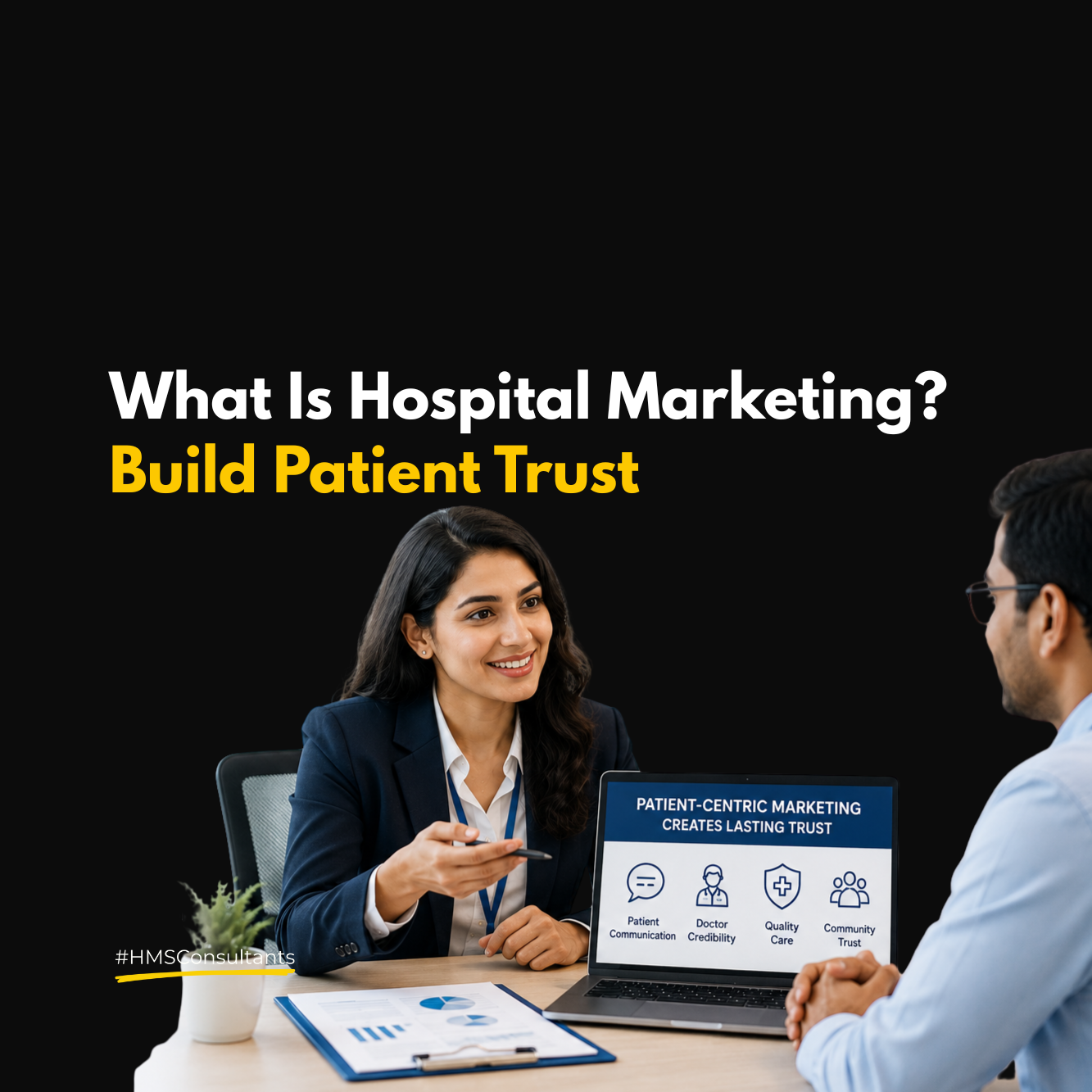
What Is Marketing for Hospital?
Marketing for hospital refers to the planned activities that help hospitals communicate with patients, increase awareness about their services, strengthen their reputation, and encourage patients to choose them when healthcare needs arise.
A successful marketing strategy focuses on creating value for patients rather than simply promoting treatments. It ensures that patients can easily find accurate information, understand available healthcare services, and connect with the right specialists when required.
Hospital marketing combines traditional relationship-building with modern digital communication to create a seamless patient experience.
Why Marketing for Hospital Is More Important Than Ever
Healthcare is becoming increasingly patient-centric. Patients expect transparency, convenience, and easy access to information before selecting a hospital.
Several factors have contributed to the growing importance of hospital marketing:
- Increased competition among hospitals and clinics
- Growing use of Google Search for healthcare information
- Higher expectations for patient experience
- Expansion of digital healthcare services
- Greater influence of online reviews and ratings
- Increased awareness about preventive healthcare
Hospitals that actively communicate with their communities are more likely to build trust and remain competitive.
Understanding the Difference Between Hospital Marketing and Healthcare Marketing
Although these terms are often used interchangeably, they have slightly different meanings.
Healthcare Marketing is a broad concept that includes marketing activities for hospitals, clinics, diagnostic centres, pharmaceutical companies, healthcare startups, wellness brands, and other healthcare organisations.
Hospital Marketing specifically focuses on promoting hospitals, their departments, specialists, facilities, and patient services.
Marketing for hospital is therefore a specialised branch of healthcare marketing that addresses the unique needs of hospitals and their patients.
The Foundation of Effective Marketing for Hospital
Before investing in advertising or promotional campaigns, hospitals should establish a strong marketing foundation.
This includes:
Understanding the Target Audience
Every hospital serves different patient groups depending on its specialties, location, and facilities.
Understanding patient demographics, healthcare needs, and behaviour helps hospitals communicate more effectively.
Building Patient Trust
Healthcare decisions are based on trust.
Patients look for:
- Qualified doctors
- Transparent communication
- Positive patient experiences
- Clinical expertise
- Hospital reputation
- Reliable information
Marketing should consistently reinforce these trust signals.
Developing a Strong Brand Identity
A hospital’s brand extends beyond its logo or colours. It reflects the organisation’s values, quality of care, professionalism, and patient experience.
A strong brand creates confidence before patients even visit the hospital.
Digital Marketing for Hospital: Why It Matters
Digital platforms have transformed the way patients search for healthcare providers.
Today, many patients begin with searches such as:
- Best hospital near me
- Orthopaedic hospital
- Cardiology specialist
- Maternity hospital
- Emergency hospital
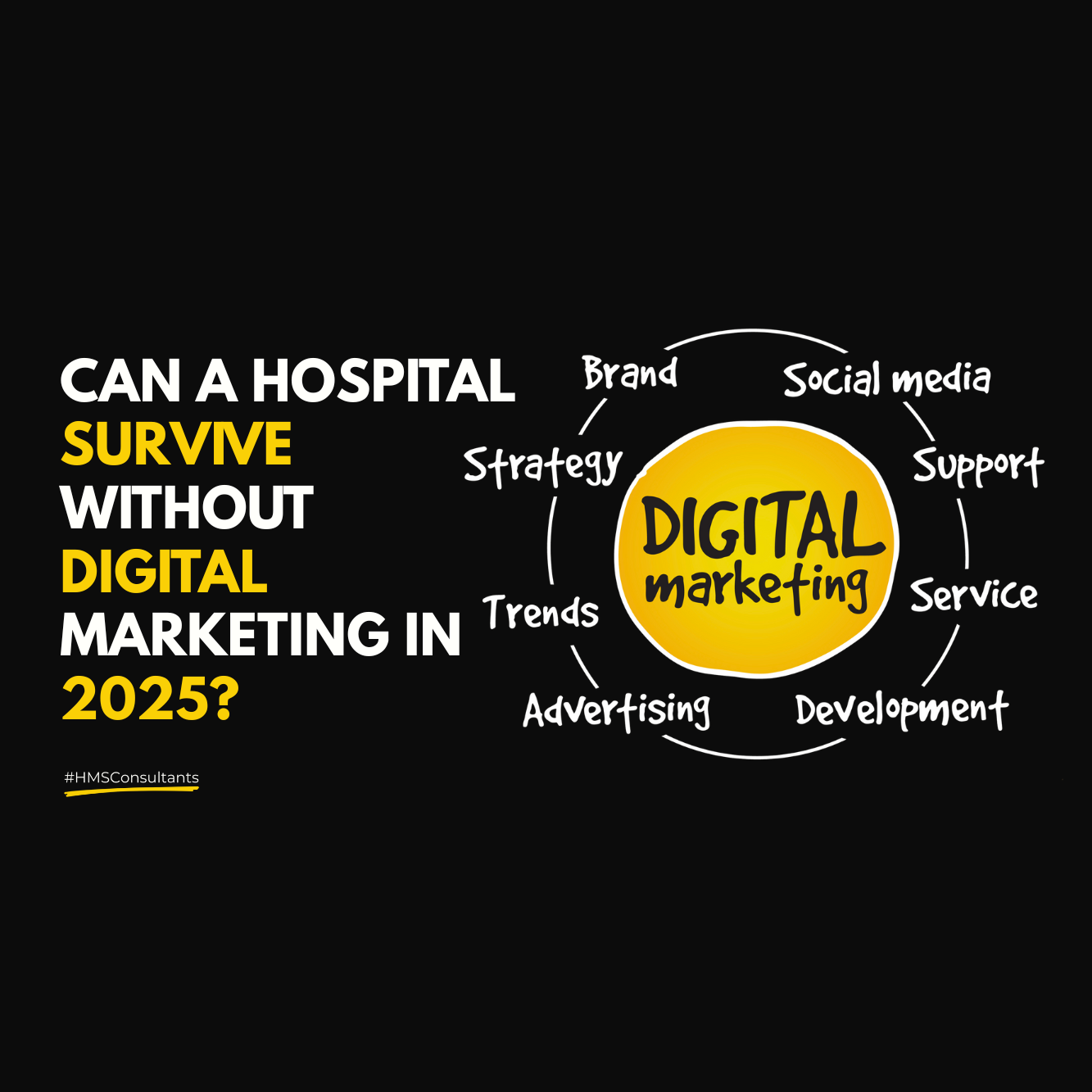
This makes Digital Marketing for Hospital an essential part of modern healthcare marketing.
Digital marketing allows hospitals to:
- Reach patients when they actively search for healthcare
- Improve online visibility
- Share educational content
- Build trust through informative communication
- Generate qualified patient enquiries
- Strengthen long-term patient relationships
Unlike traditional advertising, digital marketing provides measurable insights that help hospitals continuously improve their strategies.
Essential Components of Hospital Marketing
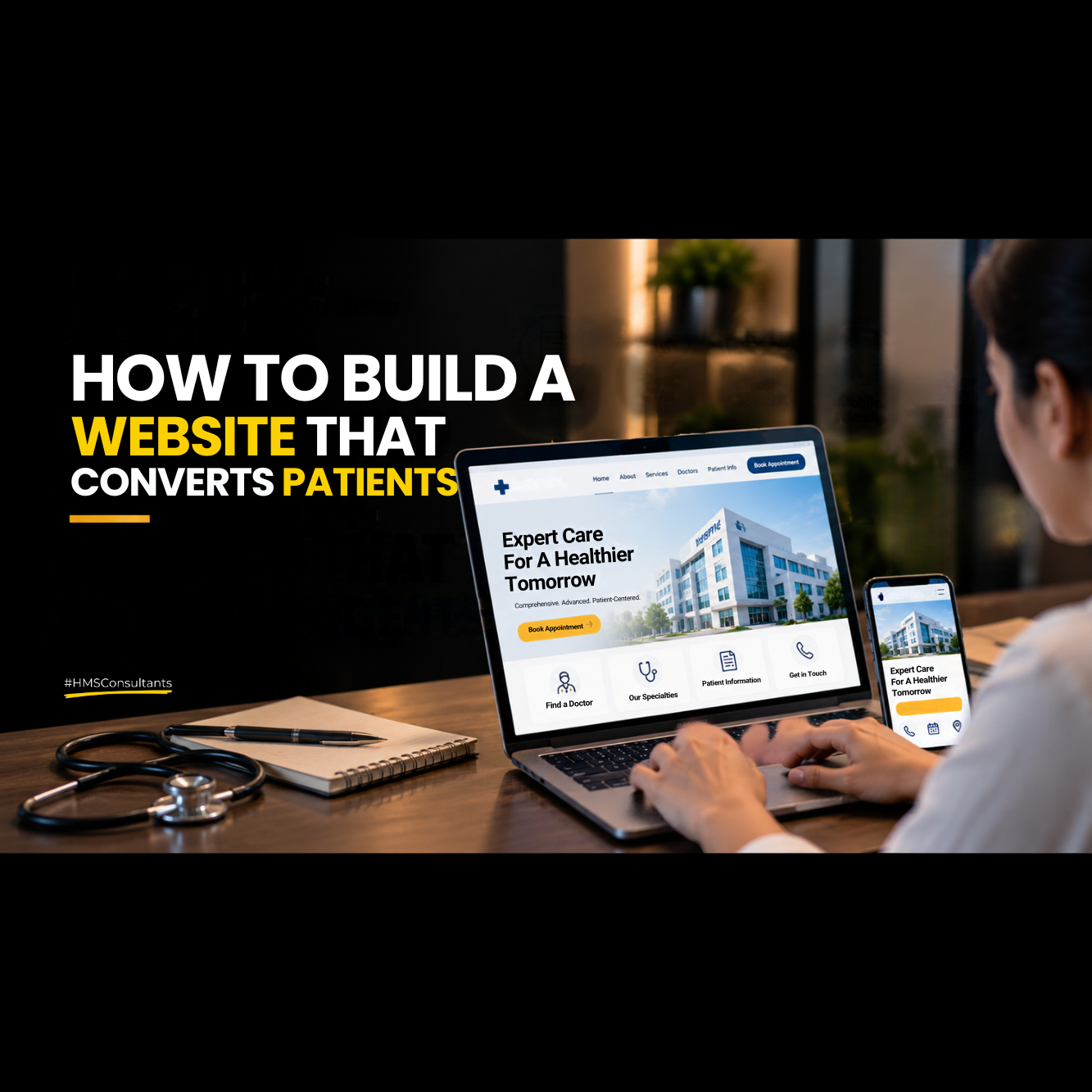
1. A Professional Hospital Website
A hospital website is often the first interaction patients have with the organisation.
It should include:
- Hospital overview
- Doctor profiles
- Specialties
- Treatment information
- Appointment booking
- Contact details
- Emergency services
- Patient education resources
A well-designed website improves both patient confidence and search engine visibility.
2. Search Engine Optimisation (SEO)
Search Engine Optimisation helps hospitals appear in Google when patients search for healthcare services.
SEO involves:
- Publishing educational blogs
- Optimising service pages
- Improving website performance
- Using relevant healthcare keywords
- Maintaining accurate local business information
SEO is one of the most cost-effective long-term hospital marketing strategies.
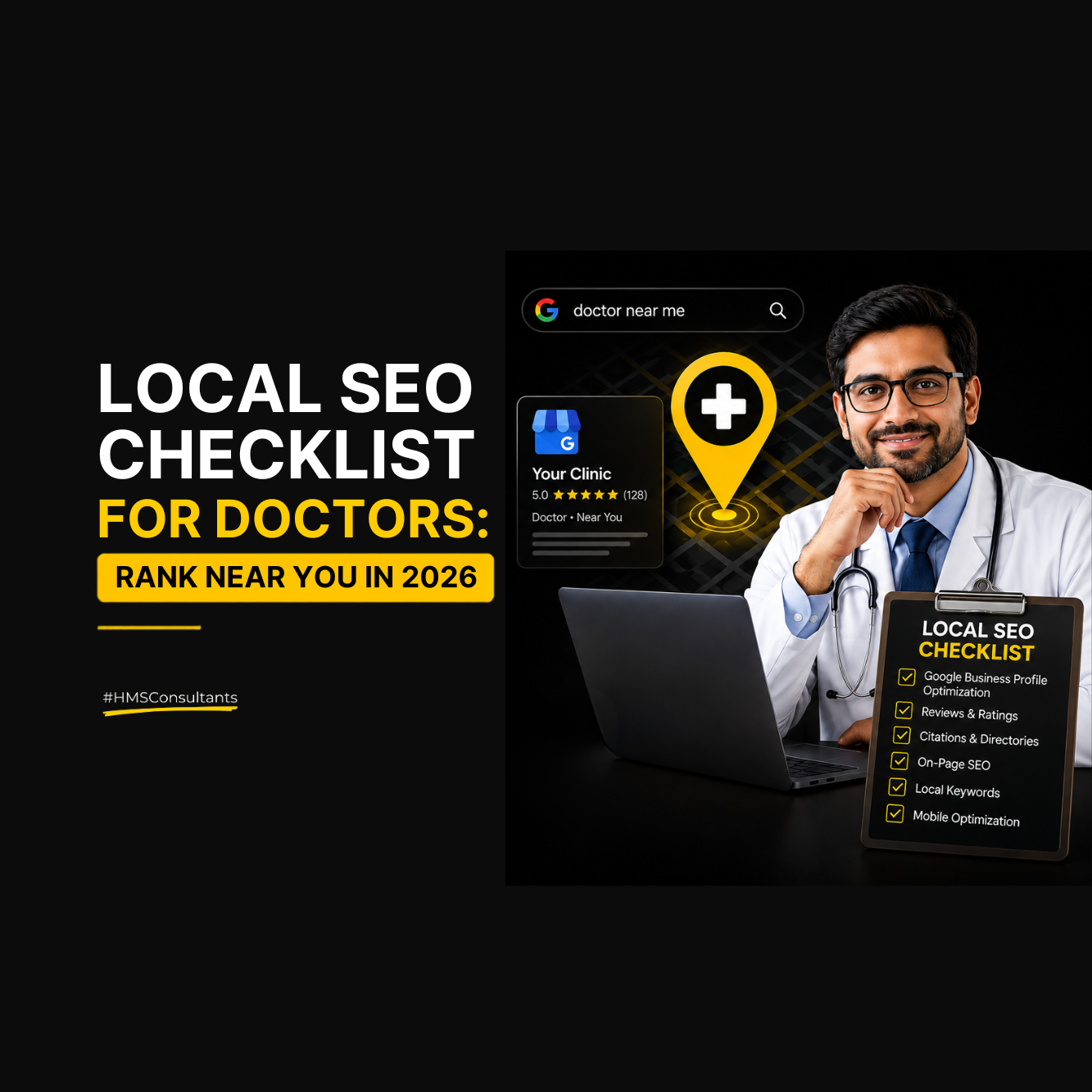
3. Google Business Profile
For local healthcare providers, Google Business Profile plays a significant role in patient discovery.
Hospitals should ensure that their profile includes:
- Correct address
- Phone number
- Working hours
- Department details
- Photos
- Patient reviews
Regular updates improve local visibility and credibility.
4. Content Marketing
Patients appreciate healthcare providers who educate them before they become patients.
Useful content includes:
- Blogs
- Health awareness articles
- Doctor interviews
- Frequently asked questions
- Preventive healthcare tips
- Treatment guides
Educational content positions the hospital as a trusted source of information.
5. Social Media Marketing for Hospital
Social media is not simply a platform for promotions.
Effective Social Media Marketing for Hospital focuses on meaningful engagement with the community.
Hospitals can share:
- Health awareness campaigns
- Doctor introductions
- Patient education videos
- Wellness tips
- Community events
- Healthcare observance days
- Behind-the-scenes hospital initiatives
Social media helps strengthen relationships and humanise the hospital brand.
Work with HMS Consultants
Need a clear plan to grow brand visibility, patient footfall and revenue? Explore Hospital Marketing Strategy Consulting.
See Hospital Marketing Strategy ConsultingBook a free 30-min call
Patient Experience Is the Best Marketing Strategy
No marketing campaign can compensate for a poor patient experience.
Patients remember:
- Appointment scheduling
- Reception staff behaviour
- Waiting time
- Doctor communication
- Nursing care
- Billing process
- Follow-up support
Satisfied patients become advocates who recommend the hospital to family and friends, contributing to long-term growth through positive word of mouth.
Marketing should therefore work alongside operational excellence rather than independently.
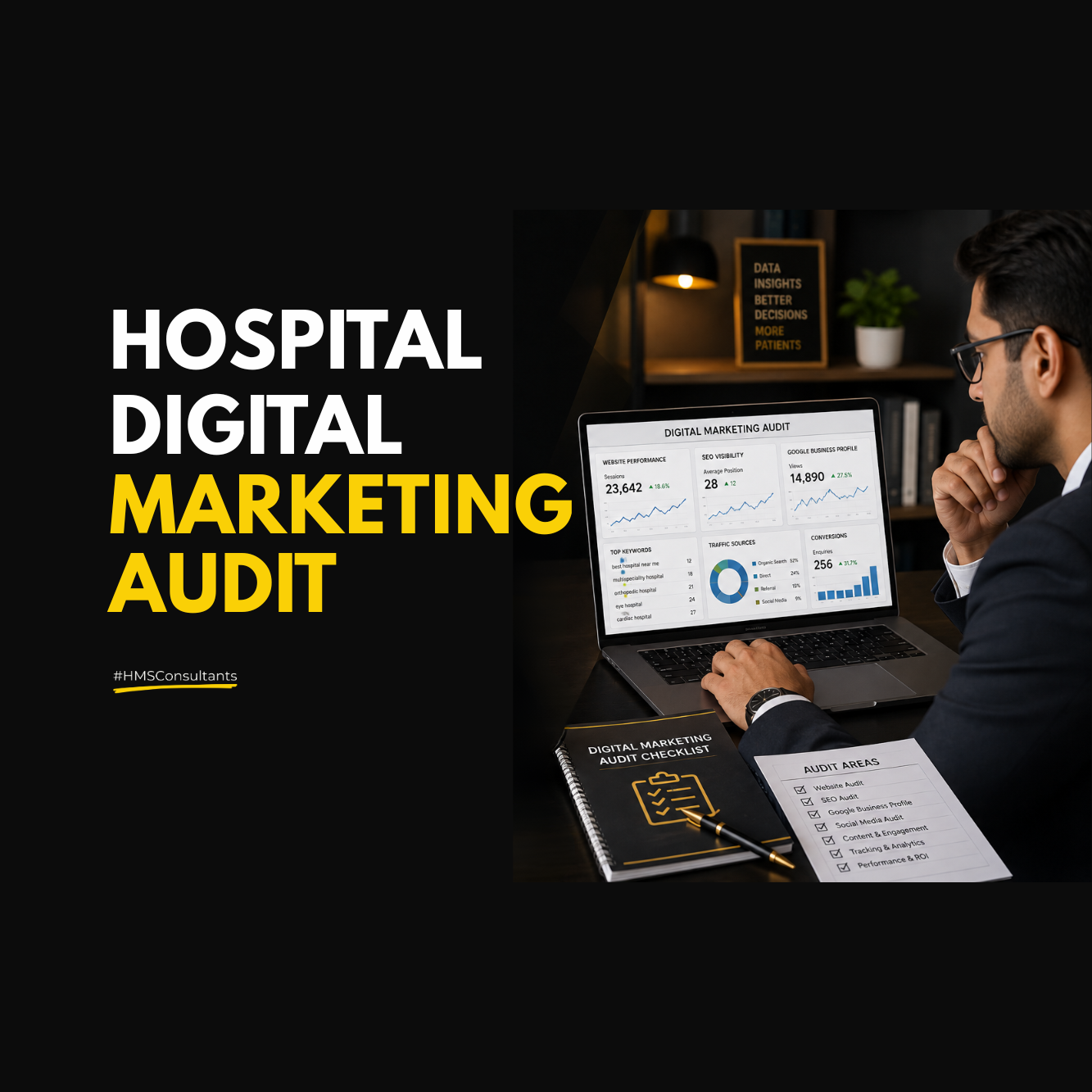
Measuring the Success of Marketing for Hospital
Hospital marketing should be evaluated using meaningful performance indicators instead of vanity metrics.
Useful metrics include:
- Website traffic
- Appointment enquiries
- Organic search rankings
- Google Business interactions
- Patient conversion rates
- Online reviews
- Repeat patient visits
- Referral sources
- Patient satisfaction scores
Tracking these indicators helps hospitals refine their marketing strategies over time.
Common Mistakes in Hospital Marketing
Many hospitals invest in marketing without a structured strategy.
Some common mistakes include:
- Focusing only on advertisements
- Ignoring patient education
- Having an outdated website
- Inconsistent branding
- Neglecting online reviews
- Posting irregularly on social media
- Measuring likes instead of patient enquiries
- Publishing inaccurate or overly promotional healthcare content
Avoiding these mistakes helps hospitals build stronger and more sustainable marketing programmes.
Future Trends in Healthcare Marketing
Healthcare marketing continues to evolve with patient expectations and technological advancements.
Some emerging trends include:
- Artificial intelligence for patient communication
- Personalised healthcare experiences
- Telemedicine integration
- Video-based patient education
- Voice search optimisation
- Data-driven marketing decisions
- Local SEO for hospitals
- Online reputation management
Hospitals that embrace these trends responsibly will be better prepared for future patient expectations.
Creating a Sustainable Hospital Marketing Strategy
An effective marketing strategy should combine multiple channels rather than relying on a single activity.
A sustainable hospital marketing framework includes:
- Understanding patient needs
- Defining clear marketing objectives
- Building a strong digital presence
- Creating educational content
- Improving search visibility
- Strengthening patient communication
- Monitoring performance
- Continuously improving patient experience
Marketing becomes far more effective when every activity supports a common long-term goal.
Conclusion
Marketing for hospital is no longer optional in today’s healthcare environment. As patient behaviour continues to evolve, hospitals must communicate more effectively, build trust consistently, and create meaningful experiences across every touchpoint.
Successful hospital marketing is not about making the loudest promotional claims. It is about ensuring that patients can easily find reliable information, connect with experienced healthcare professionals, and feel confident in their healthcare decisions.
By combining ethical healthcare marketing, strategic digital marketing for hospital, informative content, local search optimisation, and meaningful social media marketing for hospital, healthcare organisations can strengthen their reputation while supporting sustainable growth.
Ultimately, the most successful hospitals are those that view marketing not as advertising, but as an extension of patient care.
Marketing for hospital involves strategies that help hospitals increase awareness, improve patient engagement, strengthen their reputation, and attract patients through ethical communication.
Hospital marketing helps patients find reliable healthcare providers, improves visibility, builds trust, and supports long-term organisational growth.
Digital marketing for hospital includes SEO, websites, Google Business Profile, content marketing, online advertising, email marketing, and other digital strategies that improve online visibility and patient acquisition.
Social media enables hospitals to educate communities, promote health awareness, share updates, engage with patients, and strengthen their brand image.
Yes. Healthcare marketing covers the broader healthcare industry, while hospital marketing specifically focuses on hospitals and their services.
There is no single strategy. A combination of SEO, educational content, patient experience, Google Business Profile optimisation, digital marketing, and reputation management generally delivers the best long-term results.
is something we strongly believe in, which means ‘Knowledge without application is the same as having no knowledge at all
Akhil Dave
Principle Consultant
Ready to take your Personal Brand to the next level?
Share your details below and we will connect with you to discuss your growth strategy.

Top Questions Doctors & Hospitals Ask About Healthcare Marketing
Discover the top 25+ questions doctors, clinics, and hospital owners ask about healthcare marketing—covering everything from GMB optimisation, ad performance, and personal branding to social media, AI tools, and…
Unlocking Success: Powerful Marketing Strategies for Hospitals in the Digital Age
Discover effective marketing strategies for hospitals in the digital age. Learn how to engage patients, leverage digital tools, and build trust to enhance your hospital’s brand and success.

The Complete Clinic & Hospital Growth Guide for Doctors
Clinic marketing strategy guide for doctors explaining why OPD becomes inconsistent, why patients are not choosing your clinic, and what must be fixed before spending on marketing.
Hospital Marketing Is Not Promotion, It’s Infrastructure
Most hospitals mistake marketing for promotion, focusing on ads and visibility. True hospital marketing is infrastructure—building patient trust, guiding decisions, and driving long-term growth.
Digital Marketing for Doctors: A Beginner’s Guide
Digital marketing for doctors starts with the basics. Learn how to build a strong online presence using Google Business Profile, a simple website, social media, local SEO, and a…
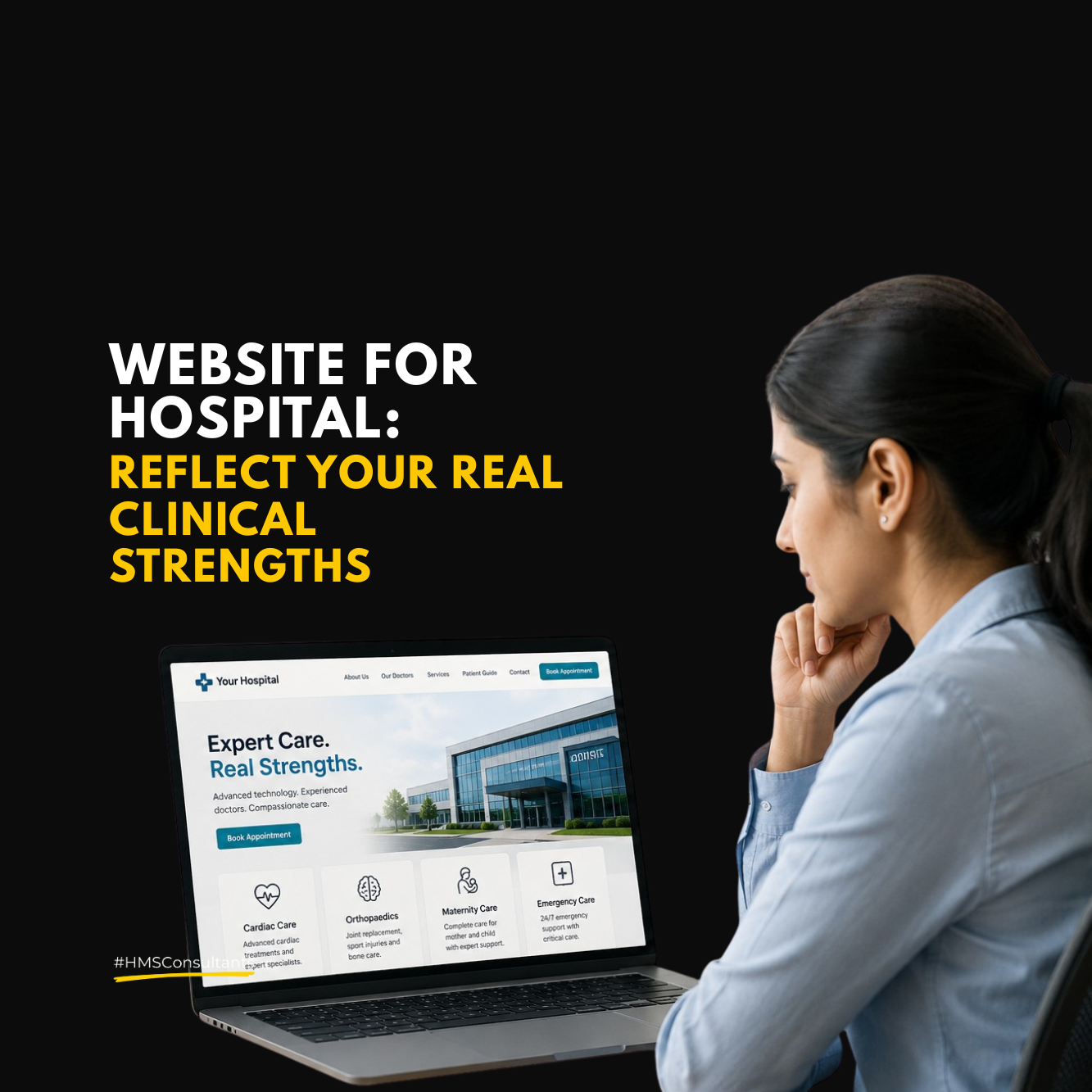
Website for Hospital: Why It Should Reflect Real Strengths
A website for hospital should do more than list departments and services. It should clearly communicate the hospital’s real strengths, improve hospital positioning, strengthen patient recall, and help patients…