Tag: hospital marketing

  • Engaging Gen Z: How Healthcare Businesses Can Capture the Next Generation’s Attention

    Engaging Gen Z: How Healthcare Businesses Can Capture the Next Generation’s Attention

    Digital Marketing I Healthcare AI I Healthcare Marketing I Healthcare Marketing Strategy I Market Research I Social Media Marketing I Technology

    Engaging Gen Z: How Healthcare Businesses Can Capture the Next Generation’s Attention

    Written by
    Published on
    Share This

    Understanding Gen Z and Their Unique Preferences

    Generation Z, often referred to as “digital natives,” is the cohort born between 1995 and 2010. According to McKinsey & Company, Gen Z is characterised by their pragmatic approach, diverse backgrounds, and focus on social and environmental issues (McKinsey & Company, 2023). This group has grown up with technology integrated into their daily lives, shaping their behaviour and preferences uniquely. They are more concerned with authenticity, sustainability, and social impact, which are core consumer decisions. Healthcare practices targeting Gen Z must adapt their marketing strategies to resonate with this influential generation effectively.

    1. Emphasise Authenticity and Personal Stories

    Gen Z disengages if content feels overly branded or like an advertisement. Instead, they prefer authentic content that feels real and personal. A study by Pew Research Center supports this, noting that Gen Z’s communication preferences focus on honest, relatable storytelling that does not come off as overly promotional. For healthcare businesses, this means showcasing real patient stories, behind-the-scenes insights, and transparent discussions about treatments and procedures.
    Gen Z is also influenced significantly by people who reflect their values. In healthcare marketing, leveraging user-generated content, testimonials, and real-life case studies is crucial. Highlighting patient success stories or featuring healthcare professionals discussing their passion for patient care can create an authentic bond with this generation.

    Generation Next Gen Z

    2. Engage Through Relevant Platforms and Influencers

    Gen Z is active on platforms like Instagram, TikTok, and YouTube. According to the World Economic Forum, they are also strong advocates for sustainability, and many of their purchase decisions are influenced by social impact (World Economic Forum, 2023). As healthcare providers, creating content that aligns with these preferences and tapping into influencers who advocate for health and wellness can build a credible brand image among Gen Z. This group is also likely to follow healthcare professionals who post meaningful content related to well-being and public health.
    Consider creating hospital ads or hospital advertisement while doing digital marketing for doctors or doctor digital marketing thru short, engaging videos that provide health tips, debunk medical myths, or explain complex medical procedures in easy-to-understand ways. Working with young, relatable influencers, particularly those who can speak about health from a patient’s perspective, can also help build trust.

    3. Sustainability and Ethical Concerns

    Research from the World Economic Forum shows that 75% of Gen Z prefer to buy from sustainable brands over brand names, underlining their focus on environmental and ethical concerns (World Economic Forum, 2023). This trend influences their overall decision-making process, including healthcare choices. Healthcare businesses should emphasise their commitment to sustainability, whether through eco-friendly practices at the clinic or support for community health initiatives.
    Hospitals and clinics that adopt green practices, such as reducing waste, using renewable energy sources, or supporting social causes, should make these initiatives visible in their marketing campaigns. This not only builds trust but also strengthens brand loyalty among Gen Z patients.

    4. Personalisation is Key

    Generation Z expects personalised experiences in almost every aspect of their lives, including healthcare. According to a report by Pew Research Center, they are more inclined towards brands that understand their needs and cater to them on an individual level (Pew Research Center, 2023). Healthcare businesses should leverage patient data to create personalized health messages. This could include reminders for routine check-ups, personalized health tips, or even custom treatment plans communicated directly via messaging platforms Gen Z uses, such as WhatsApp or email.
    Incorporating digital tools, such as AI-driven chatbots, into the patient experience can also provide Gen Z with the immediacy and personalisation they value. For instance, chatbots can help answer basic health questions or provide appointment scheduling assistance, ensuring a smooth, personalised experience.

    5. Address Mental Health and Inclusivity

    Mental health is a significant concern for Gen Z, and they are more open about mental health struggles compared to older generations. A Pew Research Center survey found that 37% of Gen Z high school students reported struggling with mental health during the pandemic (Pew Research Center, 2022). As a healthcare provider, highlighting mental health services, resources, and the importance of emotional well-being can resonate deeply with this generation.
    Additionally, Gen Z is particularly inclusive. They value diversity and are more likely than previous generations to support social issues, including racial equality and LGBTQ+ rights. Healthcare organisations must ensure their messaging is inclusive and respectful of diverse communities. Creating safe spaces for all patients, regardless of race, gender, or sexual orientation, will attract Gen Z and build long-term loyalty.

    6. Data-Driven Insights for Better Engagement

    The use of data and research-backed insights is critical when engaging Gen Z. According to a report from Deloitte, Gen Z is highly data-conscious, often seeking out information before making decisions. Therefore, healthcare marketing strategies should incorporate factual data, research, and statistics that demonstrate the effectiveness of treatments or the importance of healthcare initiatives.
    Publishing informative articles, conducting webinars, or sharing infographics that break down complex health topics can help establish your healthcare brand as a trusted source of information. Ensure your content is visually appealing, easy to share, and provides value in terms of knowledge and understanding. The same can be done via connecting with healthcare marketing consultants or digital healthcare marketing agency.

    7. Creating Community Through Social Media

    Community-building is a central theme in Gen Z marketing. This generation values connection and being part of a larger movement. Healthcare providers can create a sense of community through social media by encouraging conversations around health topics, creating support groups, or hosting Q&A sessions with medical experts.
    For instance, hospitals can host virtual events that address pressing health concerns or invite users to share their stories. By fostering these types of community engagements, healthcare providers can build lasting relationships with Gen Z audiences. For an Effective Social Media Marketing Strategy to resonate with Gen Z, doctors or hospital owners can consider connecting with the best healthcare digital marketing agency or healthcare marketing agency with notable experience in hospital marketing or clinic marketing.

    Conclusion: Winning Over Gen Z in Healthcare

    Healthcare businesses need to adapt their marketing strategies to effectively connect with Gen Z, focusing on authenticity, sustainability, personalisation, inclusivity, and community-building. Understanding what Gen Z values—authentic connections, environmental and social responsibility, and personalized experiences—will help healthcare practices craft strategies that resonate deeply with this influential generation.

    By incorporating these practices, healthcare providers can not only attract Gen Z patients but also establish themselves as trustworthy brands that cater to the needs of the next generation. With Gen Z’s growing influence, healthcare providers cannot afford to miss out on this digitally-savvy and socially-conscious group, who, by 2030, will make up a significant portion of the healthcare consumer base.


    Sources:

    “Knowing is Knowing, Doing is Doing”

    is something we strongly believe in, which means ‘Knowledge without application is the same as having no knowledge at all

    Akhil Dave

    Principle Consultant

    Ready to take your healthcare marketing to the next level?

    Fill out the form below, and our consultant will contact you for a detailed, personalised consultation.

    • Transforming Healthcare Marketing: Essential Digital Strategies for Doctors and Hospitals

      Transforming Healthcare Marketing: Essential Digital Strategies for Doctors and Hospitals

      In today’s digital age, healthcare providers face increasing competition and a more informed patient base. Gone are the days when healthcare marketing was solely about referrals and word-of-mouth. Now, hospitals, clinics, and individual practitioners must adopt sophisticated digital marketing strategies also to attract and retain patients. Digital marketing has proven to be a vital tool in healthcare, enabling providers to increase visibility, enhance patient engagement, and build strong reputations. This article will explore how digital marketing for doctors and hospitals has become essential, examining the role of a specialised healthcare digital marketing agency in this transformation.

      The Importance of Digital Marketing for Healthcare Providers

      Healthcare marketing has evolved to incorporate a wide range of digital channels, offering a strategic approach to engaging with patients. From search engines to social media platforms, digital marketing provides healthcare providers with numerous opportunities to connect with prospective patients. For hospitals and doctors, adopting a digital-first marketing strategy can lead to increased patient footfall, enhanced brand reputation, and improved patient satisfaction.

      A healthcare digital marketing agency offers tailored services, including SEO, social media management, content marketing, and more. By focusing on online engagement, healthcare providers can boost patient interaction, create a loyal patient base, and position themselves as trusted providers within their communities.

      2024 Statistics: The Role of Digital Reviews in Healthcare Decision

      In 2024, digital reviews have become a critical factor for patients in India when choosing healthcare providers. A substantial 77% of patients reported that they look for new healthcare services or providers via online search and review platforms like Google and HealthGrades. This preference underscores the importance of a strong online reputation for healthcare providers, as nearly 84% of patients might not choose a provider with a rating of four stars or less​ Press Information Bureau ​MedicalEconomics

      Moreover, online reviews play a pivotal role in driving patient trust and acquisition. With 65% of doctors lacking any online reviews, they miss out on building essential trust and visibility among potential patients. Additionally, online reviews significantly impact search engine rankings, with roughly 13% of Google’s ranking algorithm being influenced by these reviews. This affects where healthcare providers appear in search results, which can be a crucial factor considering that 92% of search users rarely go beyond the first page​ MedicalEconomics

      Why Doctors Need Digital Marketing

      Individual practitioners often face unique marketing challenges. With limited time and resources, many doctors struggle to maintain an online presence. However, digital marketing for doctors can simplify these tasks by enabling them to reach patients where they spend the most time online.

      Doctors digital marketing can help practitioners build a personal brand, highlight their specialities, and attract patients actively searching for their services. By utilising search engine optimisation (SEO), content marketing, and social media, doctors can reach a wider audience, share valuable medical insights, and improve patient loyalty. An effective digital marketing strategy allows doctors to focus on their medical practice while professionals handle the intricacies of their online presence.

      Digital Marketing for Hospitals: Key Benefits and Strategies

      For hospitals, the stakes are even higher. Hospital marketing involves crafting a strategic approach that promotes specialised services, enhances brand reputation, and draws patients to specific facilities. A digital healthcare marketing agency can be instrumental in creating hospital ads, managing social media, and developing content that appeals to patients’ needs.

      Some key strategies for hospitals include:

      • SEO: Enhancing the hospital’s website to rank higher on search engines. This involves optimising content with relevant keywords such as “hospital marketing” and “healthcare marketing” to ensure visibility in search results.
      • Content Marketing: Publishing informative and engaging content on the hospital’s website and social media channels like Facebook, Instagram & Youtube. Blog posts, patient testimonials, and informative videos can establish the hospital as an industry authority.
      • Social Media Marketing: Using platforms like Facebook, Instagram, Youtube and LinkedIn to engage with current and prospective patients. Social media allows hospitals to share health tips, promote services, and respond to patient inquiries, building a sense of community.
      • PPC and Hospital Ads: Running pay-per-click (PPC) campaigns & Meta Ads and other hospital ads to reach a targeted audience. Digital ads can attract local patients searching for specific healthcare services, increasing the hospital’s visibility.

      Components of a Successful Digital Marketing Strategy for Healthcare

      To effectively market healthcare services, a well-rounded digital strategy is essential. Here are the primary components:

      1. Search Engine Optimization (SEO): SEO is crucial for improving the visibility of healthcare websites on search engines like Google. By targeting specific keywords, such as “doctors digital marketing” and “hospital marketing,” healthcare providers can rank higher in search results and attract patients actively seeking their services.
      2. Content Marketing: Content is king in digital marketing. By producing valuable content—whether through blogs, articles, videos, or infographics—healthcare providers can educate their audience, build trust, and establish authority. For example, creating informative content on health topics can attract visitors who may later become patients.
      3. Social Media Marketing: Social media offers a direct line of communication with patients. Platforms like Facebook, Instagram, and Twitter allow healthcare providers to share updates, respond to inquiries, and foster a community around their brand. Engaging with patients on social media can lead to improved patient satisfaction and loyalty.
      4. Email Marketing: Email marketing is an effective way to nurture relationships with patients. Regular newsletters, appointment reminders, and health tips can keep patients engaged and informed, fostering a sense of connection with the provider.
      5. Pay-Per-Click Advertising (PPC): PPC advertising, including Google Ads and Facebook Ads, can drive targeted traffic to a healthcare provider’s website. By using specific keywords and targeting criteria, providers can ensure that their ads reach individuals actively searching for healthcare services.

      Why a Digital Healthcare Marketing Agency is Essential

      While many providers recognise the need for digital marketing, executing an effective strategy can be challenging. A digital healthcare marketing agency brings specialised expertise, and an understanding the unique challenges and opportunities in healthcare marketing.

      An agency can provide tailored services that align with a provider’s goals, ensuring that digital marketing efforts are both effective and compliant with healthcare regulations. For example, an agency can manage SEO efforts to improve search rankings, handle social media interactions, and create compelling content that resonates with patients. This level of expertise can be difficult to achieve without a dedicated team, making an agency a valuable partner in healthcare marketing.

      Tailored Solutions for Doctors and Hospitals

      Doctors and hospitals have different marketing needs, which is why customised solutions are essential. Here’s how a digital healthcare marketing agency can help both:

      • For Doctors: Digital marketing for doctors focuses on building a personal brand and attracting patients interested in specific services. A tailored strategy might include SEO for local searches, content marketing to showcase expertise, and social media to engage with patients directly.
      • For Hospitals: Hospital marketing involves broader strategies that promote various services and specialties. A healthcare digital marketing agency can help hospitals run targeted hospital ads, create comprehensive content strategies, and build a robust online presence that appeals to a wide audience.

      Creating a Digital Healthcare Marketing Strategy with HMS Consultants

      At HMS Consultants, we offer a unique “prescription-based” consultancy approach, focusing on strategic guidance rather than execution. Here’s how we approach digital healthcare marketing:

      1. Initial Assessment: We begin with an audit of the provider’s current digital presence, identifying strengths, weaknesses, and opportunities for improvement.
      2. Customised Strategy Development: Based on the assessment, we develop a customised strategy that aligns with the provider’s goals. This may include SEO recommendations, content ideas, social media strategies, and more.
      3. Implementation Guidance: While we don’t execute the strategies directly, we provide detailed guidance that allows the provider’s team to implement the plan effectively. We offer ongoing support to ensure the strategy remains on track.

      Why Choose HMS Consultants for Healthcare Marketing

      HMS Consultants stands out as a trusted partner in healthcare marketing. We offer expert guidance tailored to the unique needs of doctors and hospitals. Our approach is data-driven, focusing on measurable results that align with each provider’s goals.

      By choosing HMS Consultants, healthcare providers gain access to deep industry knowledge, innovative strategies, and ethical marketing practices. We are committed to helping our clients succeed in an increasingly competitive market, ensuring they attract and retain patients through effective digital marketing.

      In today’s digital world, healthcare providers must adopt sophisticated marketing strategies to stand out. Digital marketing offers doctors and hospitals a powerful tool to attract patients, build trust, and enhance their reputations. By partnering with a specialized digital healthcare marketing agency like HMS Consultants, healthcare providers can navigate the complexities of digital marketing with confidence, focusing on what they do best—caring for patients.

      For doctors, hospitals, and healthcare organizations looking to enhance their digital presence and engage with patients effectively, HMS Consultants offers a unique approach to healthcare marketing, blending strategic insights with industry expertise. Book a consultation today and discover how digital marketing can transform your practice.

    • The Future of Healthcare Search: How SearchGPT is Revolutionizing the Way We Find Doctors and Clinics

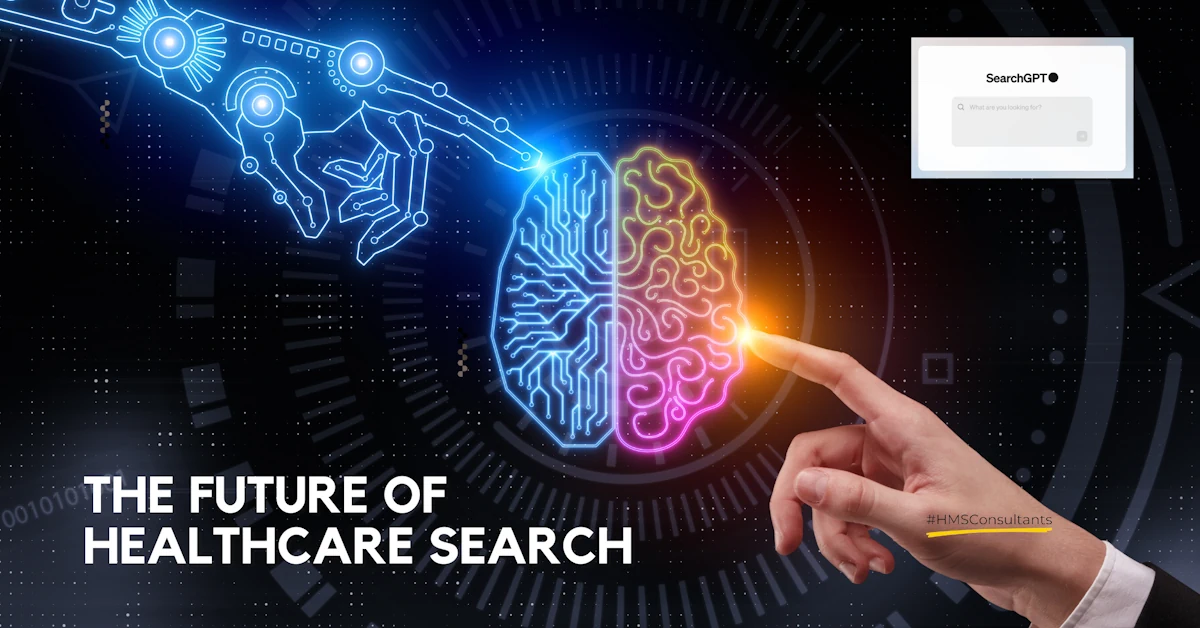
      The Future of Healthcare Search: How SearchGPT is Revolutionizing the Way We Find Doctors and Clinics

      Digital Marketing, Healthcare AI, Healthcare Marketing, Technology

      The Future of Healthcare Search: How SearchGPT is Revolutionizing the Way We Find Doctors and Clinics

      Written by
      Published on
      Share This

      Here is the Future of Healthcare, I am sure you must have head about SearchGPT.

      In the digital age, search engines have become the primary tool for individuals seeking healthcare information and choosing healthcare providers. Platforms like Google, Bing, and Yahoo dominate the search engine landscape in India. According to a survey by Google Health, over 80% of patients use search engines to research healthcare providers, hospitals, and clinics before making a final decision. This shift towards digital search is further evidenced by the popularity of websites like Mayo Clinic, Cleveland Clinic, WebMD, WHO, and Ministry of Health in India, which receive millions of visits each month for accurate and authoritative healthcare information.

      The Rise of AI in Search Engines

      Introduction to AI-Powered Search Engines

      Artificial Intelligence (AI) has significantly transformed the functionality of search engines, making them more intuitive, personalised, and responsive. Traditional search engines are now evolving to incorporate AI-driven models that understand complex queries and deliver precise results.

      What is SearchGPT?

      SearchGPT is a groundbreaking AI-powered search engine that leverages advanced Natural Language Processing (NLP) to offer users highly accurate and contextually relevant search results, especially in healthcare.

      Key Features of GPTSearch

      Advanced Natural Language Processing (NLP)

      GPTSearch’s NLP capabilities enable it to understand complex healthcare-related queries, allowing users to find the exact information they need without having to sift through irrelevant results.

      Personalised Search Results

      GPTSearch will personalises search results based on user profiles, previous searches, and healthcare needs, making it easier for individuals to find the right doctor, clinic, or treatment options.

      Integration with Healthcare Databases

      Unlike traditional search engines, GPTSearch integrates with a wide range of healthcare databases, including those from trusted sources like Mayo Clinic and WebMD, ensuring that users receive the most accurate and up-to-date information.

      Designed to give you an answer

      SearchGPT will quickly and directly respond to your questions with up-to-date information from the web while giving you clear links to relevant sources.

      User-Friendly Interface

      Designed with user experience in mind, GPTSearch offers a streamlined and intuitive interface that simplifies the search process, making it accessible to users of all ages.

      “AI search is going to become one of the key ways that people navigate the internet, and it’s crucial, in these early days, that the technology is built in a way that values, respects, and protects journalism and publishers. We look forward to partnering with OpenAI in the process, and creating a new way for readers to discover The Atlantic.”

      Nicholas Thompson, CEO of The Atlantic

      Launch Date and What to Expect

      Official Launch Announcement

      GPTSearch is expected to launch in Q4 2024, marking a significant milestone in the evolution of healthcare search engines. This launch is poised to change the way patients and healthcare providers interact in the digital space.

      Expected Impact on the Healthcare Industry

      With its AI-driven capabilities, GPTSearch is expected to improve how patients find healthcare providers and access reliable health information. This tool could lead to more informed decisions, better patient outcomes, and increased trust in digital healthcare resources.

      The Role of Healthcare Providers in the GPTSearch Era

      Adapting to AI-Driven Search Engines

      Healthcare providers must optimise their online presence to remain competitive in the GPTSearch era. This involves updating online profiles, ensuring accurate information, and engaging with digital tools.

      Importance of Accurate Online Profiles

      GPTSearch’s reliance on data integration means that accurate and up-to-date profiles are crucial for healthcare providers to appear in relevant search results. This accuracy can directly impact patient trust and choice.

      Opportunities for Enhanced Patient Engagement

      GPTSearch offers healthcare providers new opportunities to engage with patients through personalised search results and targeted information delivery, helping to build stronger patient-provider relationships.

      In conclusion, the introduction of GPTSearch represents a significant advancement in the digital healthcare landscape. As AI continues to shape the future of search engines, healthcare providers must adapt to stay competitive. With GPTSearch, the future of finding the right healthcare solutions is smarter, faster, and more personalised than ever before.

      The Evolution of AI-Driven Search Engines: A Glimpse into the Future

      As AI technology continues to evolve, search engines like GPTSearch are expected to integrate even more advanced features, making them indispensable tools in the healthcare industry. Future developments may include:

      Voice-Activated Search Capabilities

      With the rise of voice-activated devices, GPTSearch could incorporate advanced voice recognition technology, allowing users to search for healthcare information and providers hands-free. This would be particularly beneficial for patients with disabilities or those who prefer using voice commands over typing.

      Predictive Healthcare Assistance

      GPTSearch might also evolve into a predictive healthcare assistant, using AI to anticipate user needs based on previous searches, medical history, and real-time health data. For example, the engine could suggest routine check-ups or remind users to schedule follow-up appointments with their healthcare providers.

      Integration with Wearable Devices

      Wearable health tech is becoming increasingly popular. Imagine GPTSearch integrating with devices like smartwatches or fitness trackers, providing users with personalized health insights and recommendations based on real-time data. This could revolutionize preventive healthcare by offering proactive suggestions before health issues become serious.

      Enhanced Security and Privacy

      As AI becomes more integrated into our daily lives, concerns around data security and privacy will grow. GPTSearch is likely to incorporate cutting-edge encryption and data protection measures to ensure that users’ personal health information remains secure.

      Preparing for the AI-Driven Future

      For healthcare providers, staying ahead of these technological advancements is crucial. By understanding and preparing for the capabilities of future AI-driven search engines like GPTSearch, healthcare providers can ensure they remain accessible and relevant in an increasingly digital world. This means not only optimising for current search engines but also being adaptable to emerging technologies that will shape patient engagement and care delivery.

      Stay ahead of the curve and ensure your healthcare practice is optimised for AI-driven search engines. Contact HMS Consultants today to learn how we can help you enhance your digital presence in the GPTSearch era. Reach out at info@hmsconsultants.in or call +91 81550 04010.

      “Knowing is Knowing, Doing is Doing”

      is something we strongly believe in, which means ‘Knowledge without application is the same as having no knowledge at all

      Akhil Dave

      Principle Consultant

      Ready to take your healthcare marketing to the next level?

      Fill out the form below, and our consultant will contact you for a detailed, personalised consultation.

      • The Future of Healthcare Marketing: Trends to Watch

        The Future of Healthcare Marketing: Trends to Watch

        The Future of Healthcare Marketing: Trends to Watch

        Written by
        Published on
        Share This

        In the rapidly evolving healthcare landscape, staying ahead of marketing trends is crucial for healthcare providers. As technology advances and patient expectations shift, new marketing strategies emerge, reshaping how healthcare services are promoted and delivered. This blog explores the future of healthcare marketing and highlights key trends to watch.

        Telehealth and Virtual Care

        The rise of telehealth and virtual care has transformed the healthcare industry. Promoting these services will be a significant focus in future marketing strategies. Telehealth offers convenience and accessibility, making it an attractive option for patients. Emphasise the benefits of virtual care in your marketing materials, such as reduced travel time, enhanced safety, and 24/7 availability.

        Key Points:

        • Highlight the convenience and accessibility of telehealth services.
        • Use testimonials and success stories to showcase the effectiveness of virtual care.
        • Optimise your website and social media for keywords like “telehealth services,” “virtual care appointments,” and “online doctor consultations.”

        Personalised Marketing

        Personalised marketing uses data analytics to create tailored messages and content for individual patients. This approach enhances patient engagement and satisfaction by addressing specific needs and preferences. Patient data can be used to deliver personalised email campaigns, targeted social media ads, and customised health recommendations. One should always obtain prior consent from patients to use their data to share various marketing communications from the hospital or healthcare setup; the same can be done at the time of data collection from the patient.

        Key Points:

        • Leverage data analytics to understand patient behaviour and preferences.
        • Create personalised email campaigns and targeted social media ads.
        • Use keywords like “personalised healthcare,” “customised patient care,” and “tailored health services.”

        AI and Machine Learning

        AI and machine learning are revolutionising healthcare marketing by providing deeper insights into patient behaviour and optimising marketing strategies. AI-powered tools can predict patient needs, personalise communication, and automate tasks like appointment reminders.

        Key Points:

        • Implement AI-powered chatbots for instant patient responses on your hospital webiste or clinic website and Official WhatsApp Business Number
        • Use machine learning to analyse patient data and optimise marketing strategies.
        • Incorporate terms like “AI in healthcare,” “machine learning for patient engagement,” and “AI-driven healthcare marketing.”

        Content Marketing and Patient Education

        High-quality content is essential for educating patients and building trust. Create informative blog posts, videos, and infographics on health topics relevant to your audience. Content marketing helps establish your practice as a trusted source of information and improves online visibility.

        Key Points:

        • Develop educational content on common health concerns and treatments.
        • Use multimedia formats like videos and infographics to enhance engagement.
        • Optimise content for keywords such as “healthcare content marketing,” “patient education resources,” and “medical information blog.”

        Social Media Engagement

        Social media platforms offer excellent opportunities for healthcare providers to connect with patients. Through social media engagement, share valuable content, respond to patient queries, and create a sense of community. Regularly update your profiles with educational posts, patient testimonials, and health tips.

        Key Points:

        • Share educational and engaging content on social media platforms.
        • Host live Q&A sessions to interact with patients in real time.
        • Use keywords like “healthcare social media marketing,” “patient engagement on social media,” and “social media for hospital.”

        Video Marketing

        Video marketing is a powerful tool for healthcare providers. Use videos to explain medical procedures, share patient success stories, and provide virtual tours of your facilities. Video content is engaging and easily digestible, making it ideal for conveying complex information.

        Key Points:

        • Create educational videos on medical procedures and health tips for YouTube in form of long YouTube video and YouTube shorts
        • Share patient testimonials through video to build trust.
        • Incorporate terms like “healthcare video marketing” “medical video content,” and “patient testimonial videos.”

        Mobile Optimization

        With the increasing use of mobile devices, ensuring your website is mobile-friendly is very important. A mobile-optimised website provides a seamless user experience, improving patient engagement and search engine rankings. Ensure your website loads quickly and is easy to navigate on all devices.

        Key Points:

        • Optimise your website for mobile devices to enhance user experience.
        • Use responsive design to ensure your site looks good on all screens.
        • Focus on keywords like “mobile-friendly healthcare website” “responsive medical website design,” and “mobile SEO for healthcare.”

        Data Privacy and Security

        As healthcare marketing becomes more data-driven, ensuring data privacy and security is paramount. In your marketing messages, highlight your commitment to protecting patient information and complying with regulations like HIPAA [USA]

        Key Points:

        • Emphasise your commitment to data privacy and security in marketing materials.
        • Ensure compliance with HIPAA and other relevant regulations.
        • Use keywords such as “HIPAA-compliant marketing,” “healthcare data security,” and “patient privacy protection.”


        Voice Search Optimization

        With the rise of voice-activated assistants, optimising your content for voice search is becoming increasingly important. Patients use voice search to find healthcare services and information, so ensure your content is optimised for natural language and long-tail keywords.

        Key Points:

        • Optimise content for voice search by using natural language and long-tail keywords.
        • Focus on phrases like “find a doctor near me” and “best telehealth services.”
        • Include keywords such as “voice search optimisation,” “voice-activated healthcare services,” and “voice search healthcare marketing.”

        Influencer Marketing

        Collaborating with healthcare or fitness influencers can help expand your reach and credibility. Influencers can share their experiences with your services, provide health tips, and engage with your audience.

        Key Points:

        • Identify and collaborate with influencers relevant to your target audience.
        • Share authentic endorsements and experiences through influencers.
        • Use keywords like “healthcare influencer partnerships,” “medical influencer marketing,” and “influencer collaborations in healthcare.”

        Conclusion

        The future of healthcare marketing is dynamic and technology-driven. By staying informed about emerging trends like telehealth, personalised marketing, AI, and social media engagement, healthcare providers can effectively reach and engage with patients. Implementing these strategies and optimising your content with relevant keywords will ensure your marketing efforts are successful and future-proof.

        Insights by

        Shayna Girdher, Associate Consultant (Management Trainee)

        Business, Digital Marketing, Healthcare AI, Healthcare Marketing, Social Media Marketing

        “Knowing is Knowing, Doing is Doing”

        is something we strongly believe in, which means ‘Knowledge without application is the same as having no knowledge at all

        Akhil Dave

        Principle Consultant

        Ready to take your healthcare marketing to the next level?

        Fill out the form below, and our consultant will contact you for a detailed, personalised consultation.

        • Cost-Effective Marketing Solutions for Healthcare Providers

          Cost-Effective Marketing Solutions for Healthcare Providers

          Digital Marketing, Healthcare Marketing, Social Media Marketing

          Cost-Effective Marketing Solutions for Healthcare Providers

          Written by
          Published on
          Share This

          Effective hospital marketing is essential for attracting and retaining patients in the competitive healthcare landscape. However, healthcare providers often face budget constraints that make investing in extensive marketing campaigns challenging. Fortunately, there are cost-effective marketing solutions that can help healthcare providers achieve their goals without breaking the bank. This blog explores some of these strategies, offering practical tips for implementation.

          Understanding the Importance of Cost-Effective Marketing

          Cost-effective marketing solutions are crucial for healthcare providers aiming to maximise their return on investment (ROI) while minimising expenses. By leveraging affordable marketing tactics, providers can enhance their visibility, engage with patients, and build a strong online presence. This approach ensures that marketing efforts are sustainable and impactful, even with limited resources.

          Leveraging Digital Marketing Strategies for Hospital Marketing

          1. Search Engine Optimization (SEO)
            SEO is a powerful tool for healthcare providers looking to increase their online visibility. By optimising your website content for relevant keywords such as “Best Doctor Near Me,” “Best Dentist in Gujarat,” and “Top rated hospital in Gujarat,” you can improve your search engine rankings. Focus on creating high-quality, informative content that addresses common patient questions and concerns. Additionally, ensure your website is mobile-friendly and loads quickly, as these factors contribute to better SEO performance.
          2. Content Marketing
            Content marketing involves creating and sharing valuable content to attract and engage your audience. Start a blog on your healthcare website and regularly publish articles, videos, and infographics about health tips, medical conditions, and preventive care. This helps educate your patients and positions your practice as an authority in the healthcare industry. Utilise long-tail keywords like “Knee Replacement cost in India” and “Hair Transplant surgery at minimum cost” to reach a targeted audience.
          3. Social Media Marketing
            Social media platforms such as Facebook, Instagram, YouTube and LinkedIn offer excellent opportunities for cost-effective marketing. Create and maintain active profiles on these platforms to connect with your patients, share valuable content, and promote your services. Engage with your audience by responding to comments, hosting live Q&A sessions, and sharing patient testimonials. Social media advertising is also a cost-effective way to reach a broader audience, as you can set specific budgets and target demographics.

          Utilising Local SEO and Listings

          1. Google My Business
            Optimising your Google My Business (GMB) profile is a simple yet effective way to enhance your local SEO. Ensure that your GMB profile includes accurate information about your practice, such as your address, phone number, and office hours. Encourage satisfied patients to leave positive reviews, as this can improve your local search rankings and attract more patients to your practice.
          2. Local Directories
            List your practice in local and healthcare-specific directories such as Justdial, Practo, and Sulekha. Consistent NAP (Name, Address, Phone number) information across these platforms can boost your local SEO efforts and make it easier for patients to find your services.

          Email Marketing

          Email marketing remains one of the most cost-effective ways to maintain patient communication. Build an email list by encouraging patients to subscribe during visits or through your website. Send regular newsletters, health tips, appointment reminders, and updates about your services. Personalise your emails to make them more engaging and relevant to your audience.

          WhatsApp Business Messaging Solutions

          1. Patient Engagement and Reminders
            Utilise WhatsApp Business to enhance patient engagement and streamline communication. Send appointment reminders, follow-up messages, and informative content about various stages of treatment. This ensures patients are well-informed and engaged throughout their healthcare journey.
          2. WhatsApp Status Utilization
            Encourage hospital employees to share updates, health tips, and hospital events using WhatsApp Status. Employees are the hospital’s real brand ambassadors, and their active participation can help build a positive image and increase community engagement..

          Partnering with Local Businesses and Community Events

          Collaborate with local businesses and participate in community events to increase visibility and build community relationships. For example, you can sponsor health fairs, free health screenings, or educational workshops in association with local NGOs, Samaj, and community groups like “Agrawal Samaj,” “Muslim Samaj,” “Jain Samaj,” etc. These activities promote your services and establish your practice as a trusted and active community member.

          Monitoring and Measuring Success

          To ensure the effectiveness of your cost-effective marketing strategies, it’s essential to monitor and measure your results. Use tools like Google Analytics to track website traffic, social media insights to evaluate engagement, and email marketing software to analyse open and click-through rates. Regularly review your performance metrics and adjust your strategies based on the data to improve your marketing efforts continuously.

          Conclusion

          Cost-effective marketing solutions are within reach for healthcare providers willing to invest time and effort into strategic planning and execution. By leveraging digital marketing strategies, optimising local SEO, utilising email marketing, engaging with the community, and using WhatsApp Business solutions, healthcare providers can effectively promote their services without exceeding their budget. Remember, the key to successful marketing lies in consistency, engagement, and a commitment to providing valuable content to your patients.

          Insights by

          Vaishnavi Gandhi, Associate Consultant (Management Trainee)

          “Knowing is Knowing, Doing is Doing”

          is something we strongly believe in, which means ‘Knowledge without application is the same as having no knowledge at all

          Akhil Dave

          Principle Consultant

          Ready to take your healthcare marketing to the next level?

          Fill out the form below, and our consultant will contact you for a detailed, personalised consultation.

          • Why Market Research is Crucial for Healthcare Marketing

            Why Market Research is Crucial for Healthcare Marketing

            Business I Digital Marketing I Healthcare Marketing I Healthcare Marketing Strategy I Market Research I Online Reputation in Healthcare

            Why Market Research is Crucial for Healthcare Marketing

            Written by
            Published on
            Share This

            Effective marketing strategies are essential for attracting and retaining patients in the dynamic and ever-evolving healthcare field. Market research is fundamental to successful healthcare marketing, providing valuable insights into patient needs, preferences, and behaviours. This blog will explore the importance of market research in healthcare marketing, highlighting its role in developing targeted strategies, enhancing patient engagement, and improving overall marketing effectiveness.

            Understanding Market Research in Healthcare

            Market research involves systematically collecting, analysing, and interpreting data related to the healthcare market. It encompasses various methodologies, including surveys, focus groups, interviews, and data analytics, to gather information about patient demographics, market trends, competitive landscape, and patient satisfaction.

            Key Benefits of Market Research in Healthcare Marketing

            Informed Decision-Making

            • Data-Driven Insights: Market research provides data-driven insights that help healthcare providers make informed decisions about their marketing strategies. By understanding patient needs and preferences, providers can tailor their services and marketing efforts to meet those needs better.
            • Strategic Planning: Comprehensive market research enables healthcare providers to develop strategic marketing plans that align with market trends and patient expectations. This helps set realistic goals and objectives, ensuring that marketing efforts are effective and focused.

            Identifying Patient Needs and Preferences

            • Patient Demographics: Market research helps identify the demographics of the target audience, including age, gender, income levels, and geographic location. This information is crucial for developing targeted marketing campaigns that resonate with specific patient groups.
            • Patient Preferences: Understanding patient preferences regarding communication channels, service delivery, and healthcare providers allows for creating personalised marketing messages and improved patient experiences.

            Enhancing Patient Engagement

            • Tailored Communication: By understanding how patients prefer to receive information, healthcare providers can tailor their communication strategies to engage patients more effectively. This includes using preferred channels such as email, social media, or direct mail.
            • Content Relevance: Market research helps create relevant and engaging content that addresses patients’ specific concerns and interests. This improves patient engagement and fosters a stronger connection between patients and healthcare providers.

            Competitive Analysis

            • Identifying Competitors: Market research involves analysing the competitive landscape to identify key competitors and understand their strengths and weaknesses. This information is valuable for developing strategies to differentiate a healthcare practice from its competitors.
            • Benchmarking: By comparing performance metrics with competitors, healthcare providers can identify areas for improvement and develop strategies to achieve a competitive advantage.

            Improving Healthcare Marketing ROI

            • Resource Allocation: Market research helps identify the most effective marketing channels and tactics, ensuring that resources are allocated efficiently. This leads to better marketing budget utilisation and improved return on investment (ROI).
            • Performance Measurement: Regularly conducting market research allows healthcare providers to measure the effectiveness of their marketing campaigns and make data-driven adjustments to optimise performance.

            Identifying Market Opportunities

            • Emerging Trends: Market research informs healthcare providers about emerging trends and opportunities in the healthcare industry. This includes new technologies, treatment options, and patient care models that can be leveraged to attract and retain patients.
            • Unmet Needs: By identifying unmet needs in the market, healthcare providers can develop new services or improve existing ones to serve their patients better and gain a competitive edge.

            The Role of Healthcare Marketing Consultants

            Healthcare marketing consultants are vital in conducting market research and translating insights into actionable strategies. They bring data collection and analysis expertise, helping healthcare providers understand market dynamics and develop effective marketing plans. Collaborating with a marketing consultant ensures that healthcare providers stay ahead of industry trends and make informed decisions that drive growth and patient satisfaction.

            Conclusion

            Market research is a crucial element of effective healthcare marketing. Market research enables healthcare providers to develop targeted marketing strategies, enhance patient engagement, and improve marketing ROI by providing valuable insights into patient needs, preferences, and behaviours. Regularly conducting market research ensures that healthcare organisations stay responsive to market changes and continuously improve their services. Partnering with a healthcare marketing consultant can further enhance these efforts, ensuring the success of marketing initiatives and the overall growth of the healthcare practice.

            Insights by

            Sourabh Sharma, Associate Consultant (Management Trainee)

            “Knowing is Knowing, Doing is Doing”

            is something we strongly believe in, which means ‘Knowledge without application is the same as having no knowledge at all

            Akhil Dave

            Principle Consultant

            Ready to take your healthcare marketing to the next level?

            Fill out the form below, and our consultant will contact you for a detailed, personalised consultation.

            • The Role of Online Reputation Management in Healthcare

              The Role of Online Reputation Management in Healthcare

              The Role of Online Reputation Management in Healthcare

              Written by
              Published on
              Share This

              In today’s digital age, healthcare providers’ reputations can be significantly influenced by their online presence. Online reputation management (ORM) has become a critical aspect of healthcare marketing for doctors and hospitals, as it helps build trust, attract new patients, and retain existing ones. This blog explores the importance of ORM in healthcare, the strategies to manage online reputation effectively, and the benefits it brings to healthcare providers.

              Understanding Online Reputation Management in Healthcare

              Online reputation management involves monitoring, influencing, and controlling an individual’s or organisation’s online presence. In healthcare, ORM focuses on managing patient reviews on Google, social media interactions, and other digital content to ensure a positive perception of healthcare providers. Effective ORM strategies help healthcare organizations maintain a strong and positive online reputation, essential for attracting and retaining patients.

              Social Media Marketing

              Social media is an essential tool in the overall marketing strategy. Platforms like Facebook, Instagram, YouTube and LinkedIn allow healthcare providers to connect with patients, share valuable content, and promote their services. However, it’s crucial to rely on something other than social media. A balanced approach with other digital marketing techniques is vital for sustained success.

              Importance of Online Reputation Management in Healthcare

              1. Building Trust and Credibility
                Patients often rely on online reviews and ratings to choose healthcare providers. A positive online reputation builds trust and credibility, making it more likely for potential patients to choose a particular provider.
              2. Attracting New Patients
                A strong online reputation can attract new patients searching for reliable healthcare services. Positive reviews and high ratings can influence their decision-making process.
              3. Retaining Existing Patients
                Satisfied patients are more likely to leave positive reviews and recommend the healthcare provider to others. This helps retain existing patients and brings in new ones through word-of-mouth referrals.
              4. Handling Negative Feedback
                Effective ORM strategies allow healthcare providers to address negative feedback promptly and professionally. This shows patients that their concerns are taken seriously and can help turn a negative experience into a positive one.

              Key Strategies for Effective Online Reputation Management

              1. Monitor Online Presence
                Regularly monitor online Google reviews, ratings, and social media mentions to stay informed about what patients say. Tools like Google Alerts, Social Mention, and specialised ORM software can help track online mentions.
              2. Encourage Patient Reviews
                Encourage satisfied patients to leave positive reviews on platforms like Google, Yelp, and Healthgrades. Providing excellent service and asking for feedback can increase the number of positive reviews.
              3. Respond to Reviews
                Respond promptly and professionally to both positive and negative reviews. Thank patients for their feedback, address their concerns, and offer solutions when necessary. This shows that the provider values patients’ opinions and is committed to improving their experience.
              4. Engage on Social Media
                Actively engage with patients on social media platforms like Facebook, Twitter, and Instagram. Share informative content, respond to comments and messages, and participate in conversations to build a positive online presence.
              5. Create High-Quality Content
                Publish high-quality, informative content on your website and social media channels. This can include blog posts, articles, videos, and infographics that address common patient questions and concerns. High-quality content can improve search engine rankings and attract more visitors to your site.

              6. Optimise for SEO
                Optimize your website and online profiles for search engines to ensure they appear in relevant search results. Use high-volume keywords related to healthcare services, patient care, and online reputation management to improve visibility.

              Benefits of Effective Online Reputation Management

              1. Increased Patient Trust
                A positive online reputation builds trust and confidence in healthcare providers, increasing patient loyalty and satisfaction.


              2. Higher Patient Acquisition
                A strong online presence attracts more patients, as positive reviews and high ratings influence their decision-making process.


              3. Improved Patient Retention
                Satisfied patients are more likely to return for future services and recommend the provider to others, leading to higher patient retention rates.


              4. Enhanced Brand Image
                Effective ORM strategies enhance healthcare providers’ overall brand image, making them stand out in a competitive market.


              5. Better Search Engine Rankings
                High-quality content and positive reviews improve search engine rankings, making it easier for potential patients to find and choose healthcare providers.

              Conclusion

              Online reputation management is a crucial component of healthcare marketing. By actively managing their online presence, healthcare providers can build trust, attract new patients, and retain existing ones. Implementing effective ORM strategies, such as monitoring online reviews, engaging on social media, and optimising for SEO, can significantly enhance the reputation and success of healthcare organisations. In the digital age, a strong online reputation is essential for delivering exceptional patient experiences and achieving long-term success.


              Digital Marketing,Digital Marketing For Doctors,Doctors Digital Marketing,Healthcare Marketing,Healthcare Marketing Strategy,Online Reputation in Healthcare

              “Knowing is Knowing, Doing is Doing”

              is something we strongly believe in, which means ‘Knowledge without application is the same as having no knowledge at all

              Akhil Dave

              Principle Consultant

              Ready to take your healthcare marketing to the next level?

              Fill out the form below, and our consultant will contact you for a detailed, personalised consultation.