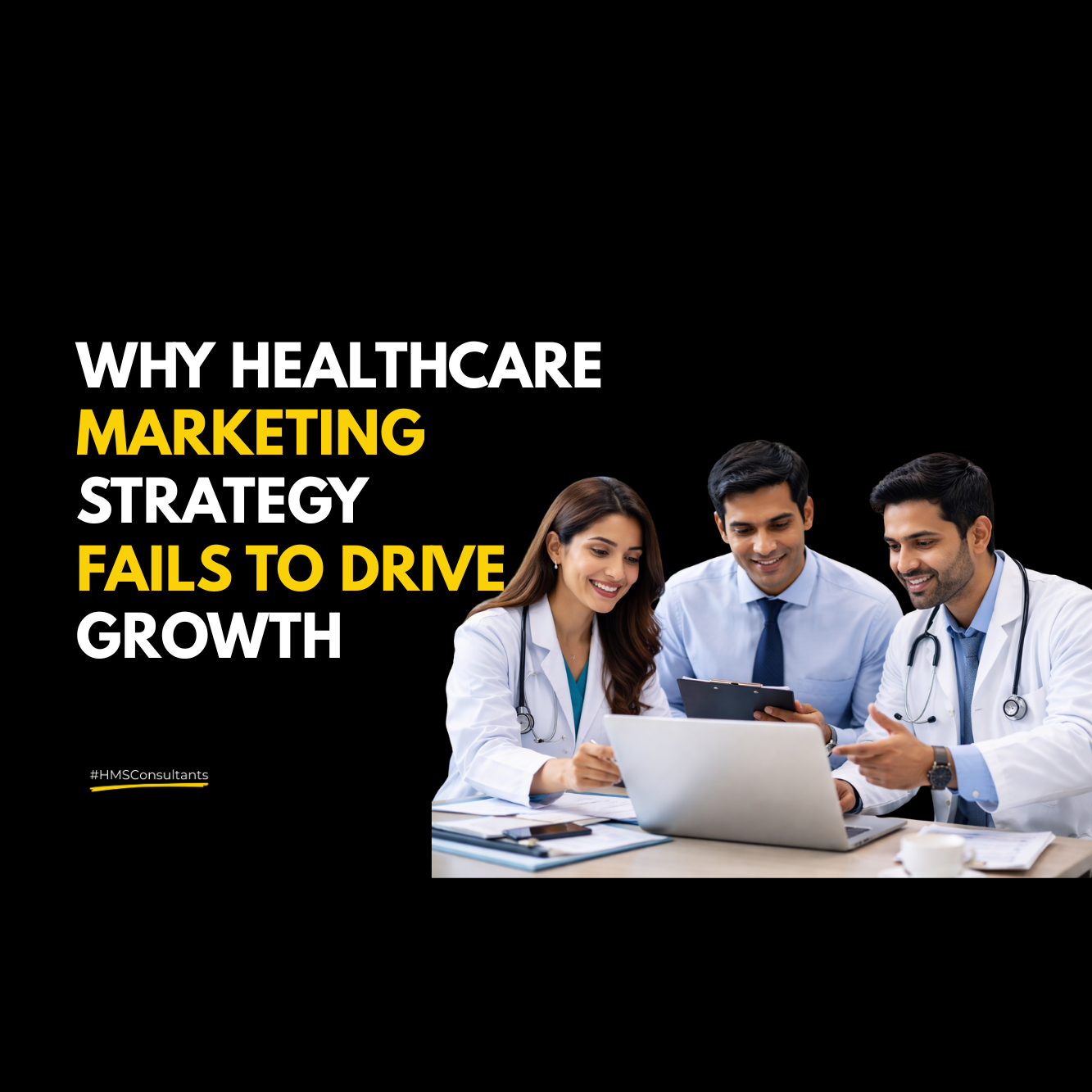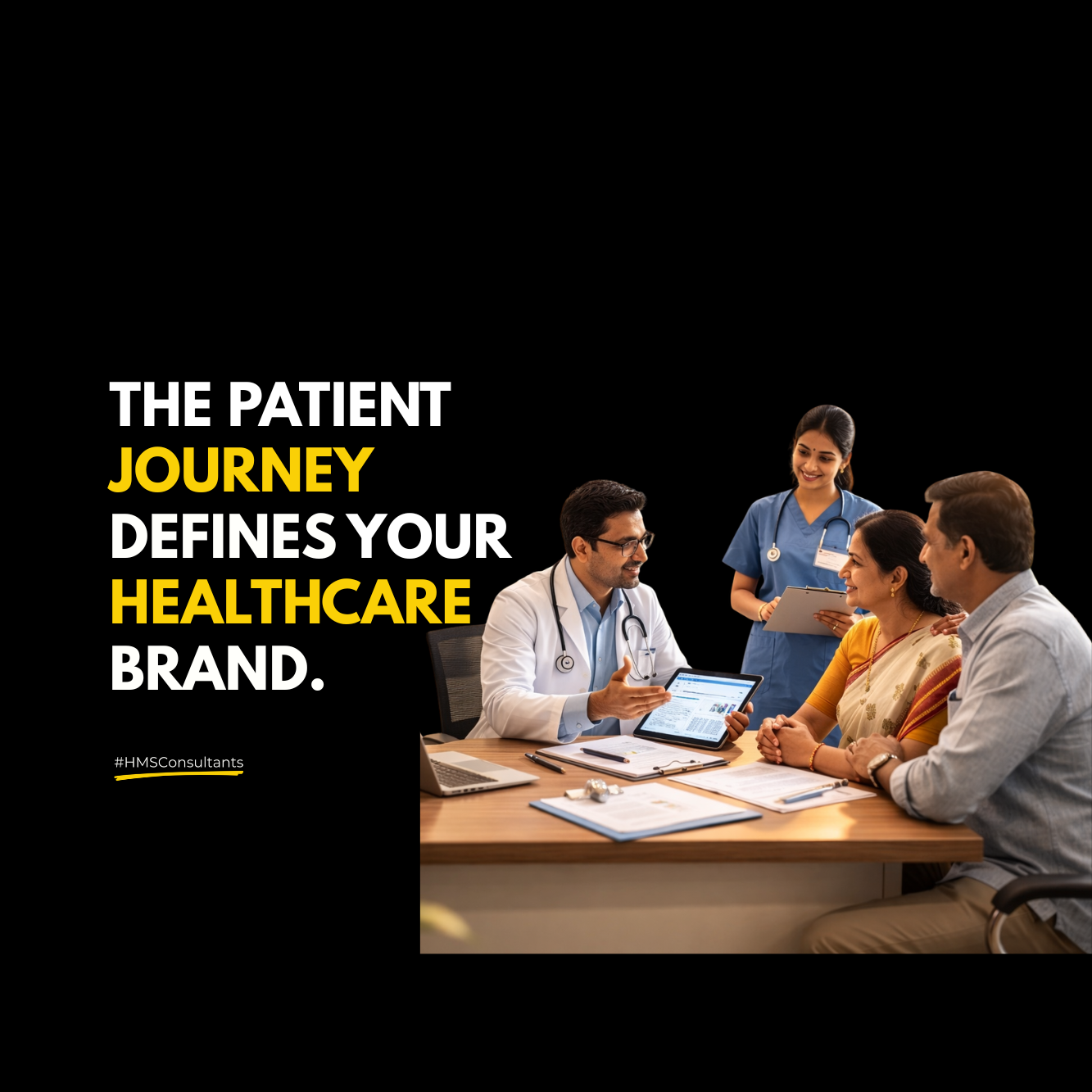
From Visibility to Viability: Why Hospital Marketing Must Go Beyond Lead Generation

Written by
Published on
Share This

When Being Visible Still Doesn’t Feel Sustainable

Many hospitals reach a stage where visibility is no longer the problem. Their name appears on Google. Social media is active. Advertisements run regularly. Enquiries arrive through calls, forms, and WhatsApp. On paper, marketing is doing its job.

Yet despite this visibility, something feels off. Growth feels unstable. OPD fluctuates. Staff feel stretched. Conversion remains unpredictable. Leadership senses that while attention has increased, viability has not.

This is the point where hospitals must confront a brutal truth: visibility alone does not build a sustainable healthcare institution. Marketing that focuses only on lead generation creates motion, not momentum. For growth to last, marketing must move beyond visibility and toward viability.

Why Lead Generation Became the Default Goal

The dominance of digital platforms has reshaped how marketing success is measured. Impressions, clicks, reach, and leads are easy to track, report, and compare. Over time, these metrics began to define success, even in healthcare.

Hospitals, under pressure to justify spending, embraced lead generation as a tangible outcome. More leads meant marketing was working. Fewer leads meant something needed to change. This mindset slowly reduced marketing to a numbers game.

What got lost in this process was a deeper question: What happens to patients after the lead is generated?

The Hidden Gap Between Leads and Real Growth

Lead generation captures attention, but attention alone does not translate into trust. Healthcare decisions involve fear, uncertainty, financial considerations, and family influence. Patients may enquire without being ready. They may visit without committing. They may accept consultation without agreeing to treatment.

When marketing is optimised only to maximise leads, it often ignores readiness. The system becomes efficient at attracting people but ineffective at guiding them through decision-making.

Hospitals then experience a frustrating paradox. Lead numbers increase, but conversions do not scale proportionately. Marketing dashboards look healthy, while business outcomes feel fragile.

Why Viability Requires More Than Demand

Viability in healthcare is not about how many people notice the hospital. It is about how many patients trust it enough to choose it consistently, return when needed, and recommend it to others.

This level of confidence cannot be manufactured through advertising alone. It is built through clarity, consistency, and experience. Viable hospitals align marketing with their operational reality. They promise only what they can deliver and deliver what they promise.

Marketing that supports viability does not chase every possible patient. It attracts the right patients and prepares them for what lies ahead.

When Marketing and Operations Speak Different Languages

One of the biggest obstacles to viability is the disconnect between marketing narratives and operational experience. Marketing may communicate warmth, efficiency, and expertise, while patients encounter confusion, delays, or inconsistency upon arrival.

This mismatch erodes credibility quickly. Patients feel misled, even if unintentionally. Over time, this gap increases resistance, reduces loyalty, and weakens brand strength.

Marketing that aims for viability works closely with operations. It reflects real processes, realistic timelines, and honest outcomes. This alignment may reduce superficial appeal, but it strengthens trust, the most valuable currency in healthcare.

Why Short-Term Wins Often Undermine Long-Term Stability

Aggressive lead generation can create temporary spikes in activity, but it often hides structural weaknesses. Hospitals feel busy, but systems struggle to cope. Teams operate in constant urgency. Patient experience deteriorates quietly.

These short-term wins mask long-term risks. Over time, dissatisfied patients stop returning. Referrals slow down. Reputation suffers. Marketing must work harder each year to maintain the same level of activity.

Viable marketing avoids this trap by focusing on sustainable flows rather than momentary surges. It prioritises quality of engagement over quantity of leads.

Redefining the Role of Marketing in a Hospital

When marketing moves beyond lead generation, its role changes fundamentally. It becomes a bridge between patient expectations and hospital reality. It educates patients before they arrive. It sets the context for decisions. It prepares families for what to expect.

In this model, marketing supports doctors by creating informed patients. It supports staff by reducing confusion. It promotes leadership by creating predictability.

Marketing is no longer a standalone function. It becomes an integral part of the hospital’s growth architecture.

What Viability-Focused Marketing Actually Achieves

Hospitals that adopt this approach notice subtle but powerful shifts. Enquiries may reduce slightly, but quality improves significantly. Consultations feel smoother. Treatment acceptance increases. Follow-ups become easier. Patients feel more aligned with the hospital’s approach.

Growth becomes calmer and more manageable. Marketing spends feel justified because outcomes extend beyond immediate numbers. Trust compounds over time.

This is the difference between being seen and being chosen.

Conclusion: Sustainable Growth Begins When Marketing Serves the System

Visibility creates awareness. Viability creates longevity.

Hospitals that focus only on lead generation remain dependent on constant promotion. Hospitals that focus on viability build systems that sustain growth even when marketing intensity reduces.

The future of healthcare marketing lies not in louder campaigns, but in smarter alignment. Marketing must serve the system, not strain it. It must guide patients, not overwhelm them. It must support care, not distract from it.

When hospitals shift from visibility to viability, marketing finally becomes what it was meant to be: a strategic force that enables trust, stability, and long-term success.

Contact Us HMS Consultants

Doctors Digital Marketing I Healthcare Marketing I Hospital Marketing Strategies I Marketing ideas for clinics I Marketing Trends 2025 I Medical Marketing I Social Media Marketing

is something we strongly believe in, which means ‘Knowledge without application is the same as having no knowledge at all

Akhil Dave

Principle Consultant

Ready to take your Personal Brand to the next level?

Share your details below and we will connect with you to discuss your growth strategy.