
Why Hospital Patient Experience Breaks Long Before Patients Complain
Hospital patient experience often breaks silently before complaints surface, weakening patient trust, referrals, and long-term loyalty despite strong clinical outcomes.
Let’s say you spent ₹10,000 boosting a reel about your clinic’s new service. It got 15,000 views. Your agency calls it a win. But two weeks later, your appointment calendar looks exactly the same. That’s not a win. That’s a missed opportunity to understand what’s actually driving results.
In reality, many clinics fall into the trap of chasing visibility without clarity:
Marketing becomes a blur of effort but not always impact.
Let’s refocus. Here are the key metrics that smart healthcare businesses use to understand performance, optimise spend, and build sustainable growth:
This tells you how many first-time patients you’re bringing in. It’s your frontline growth indicator.
If this number is flat despite marketing efforts, something’s off in your targeting, messaging, or funnel.
Not everyone who shows interest becomes a patient. This metric tracks how many leads (form fills, DMs, calls) actually book an appointment. If you have 50 inquiries but only 10 bookings, your communication or front-desk process might need improvement.
Many clinics obsess over new patient growth and forget about existing ones. This metric helps you understand how many patients return for second visits, annual check-ups, or long-term care. Retention is a sign of trust, convenience, and overall experience.
How much are you spending to bring in one new patient? If your CPA is higher than your average appointment value, you’re bleeding money. This metric helps you make marketing budget decisions grounded in reality.
Referrals are one of the most powerful and cost-effective growth drivers. This metric tracks how many new patients came from word-of-mouth or direct recommendations. It speaks volumes about your credibility.
Which platform or channel is actually delivering? Is Instagram bringing patients, or is Google Search outperforming everything else? If you’re active on five channels but only one converts, this metric helps you focus energy where it matters.
Beyond the six core KPIs above, there are two additional metrics that can transform your decision-making:
This helps you understand what each appointment is worth essential for pricing decisions and profitability analysis.
This measures how much revenue one patient can bring over a long-term relationship. It allows you to plan long-term strategies and understand how much you can afford to spend on marketing or engagement.
Pick 2 or 3 metrics that feel most urgent for your current stage. If you’re struggling with growth, focus on acquisition and CPA. If you have patients but struggle to scale, focus on retention and LTV.
Track results month over month. Don’t just rely on a quarterly report from an agency. The more often you reflect, the more agile your decisions become.
Train your front-desk to ask: “How did you hear about us?” Add source fields to your appointment forms. Watch what people search before calling you.
You don’t need expensive tools. Google Sheets + Google Analytics + form data is often enough. Focus on consistency over complexity.
Visibility doesn’t equal impact.
At a time when clinics are under pressure to perform and budgets are tight, the clinics that win will be the ones that measure what truly matters. Let others count likes. You count patients.
Written by Tusharika Ranjan
Share your details below and we will connect with you to discuss your growth strategy.
Hospital patient experience often breaks silently before complaints surface, weakening patient trust, referrals, and long-term loyalty despite strong clinical outcomes.
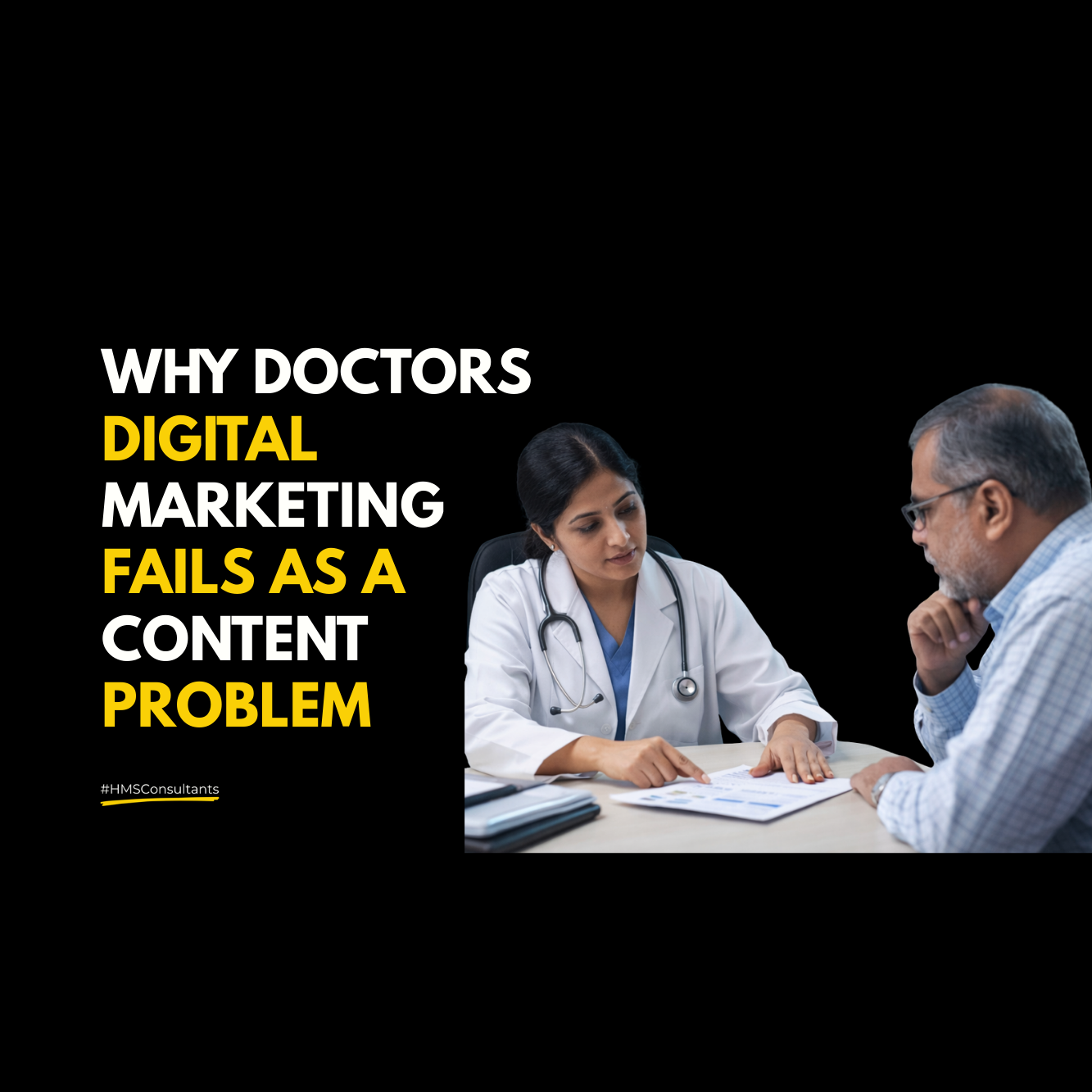
Doctors digital marketing fails when it is treated as a content volume problem. Patients do not need more information they...
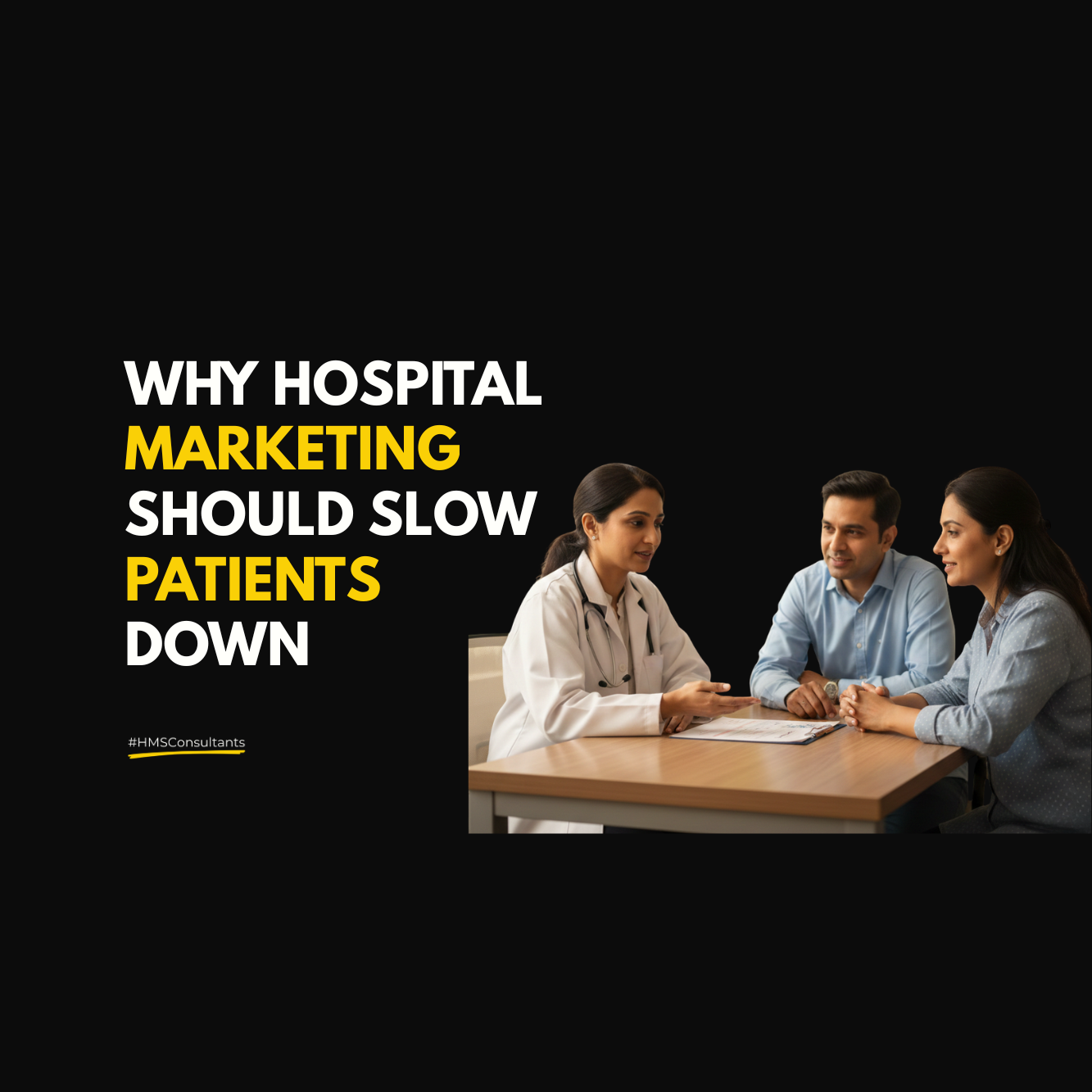
Marketing for hospitals works when patients feel guided, not rushed. Clear communication and patience build trust, helping decisions happen naturally.
Healthcare branding breaks when hospitals focus on appearance instead of experience. Trust is built through consistency, clarity, and real patient...
Hospital marketing strategy fails when channels are chosen before patient decisions are understood. Growth improves when strategy reduces decision friction,...
Healthcare marketing strategy fails when hospitals copy competitors instead of understanding patient confusion. Imitation creates visibility, but only patient insight...