
Why Hospital Patient Experience Breaks Long Before Patients Complain
Hospital patient experience often breaks silently before complaints surface, weakening patient trust, referrals, and long-term loyalty despite strong clinical outcomes.
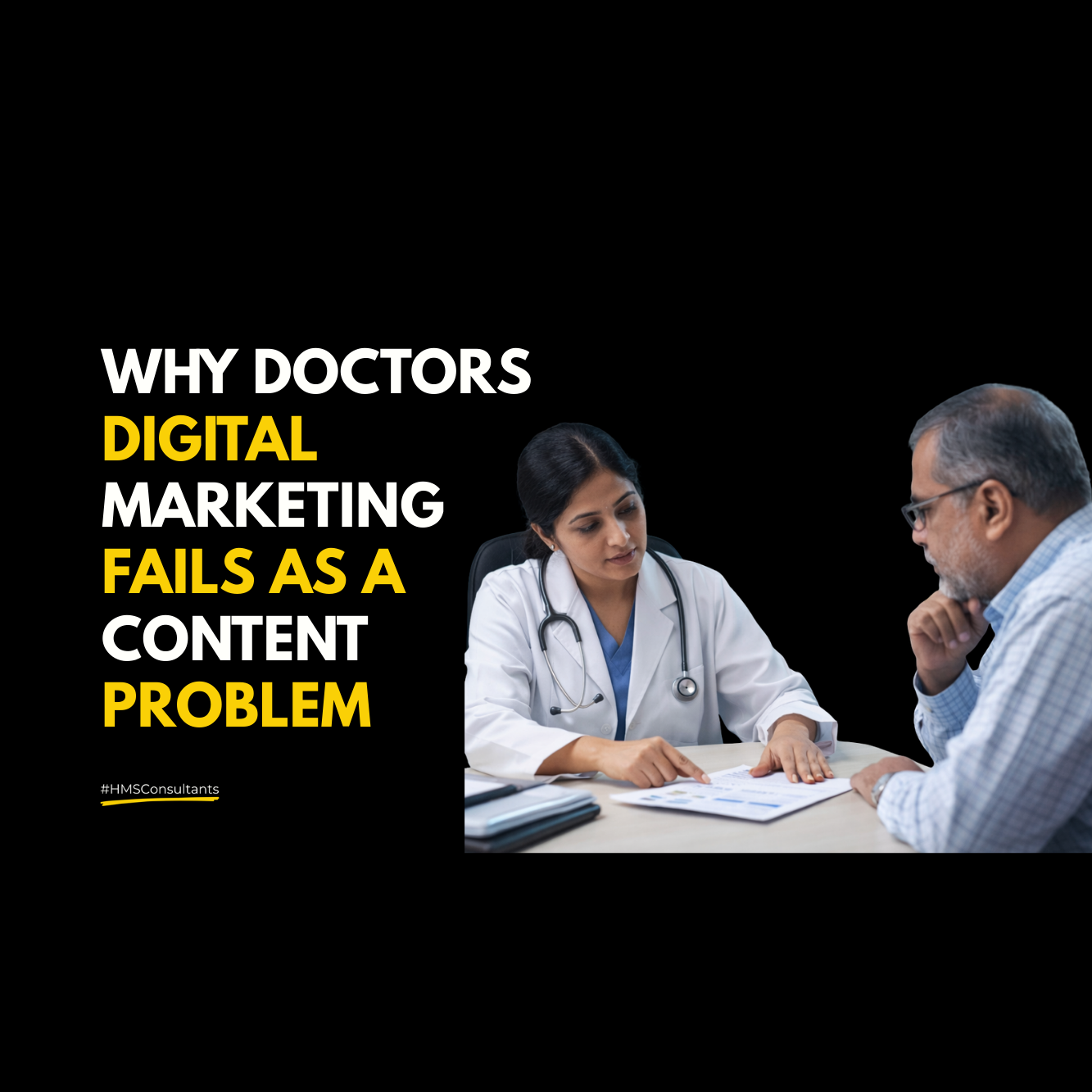
Doctors are often the first point of trust for patients. A name, face, or reputation can feel more relatable than a building or logo. Doctor personal branding makes a healthcare professional more approachable and recognizable.
Patients often share stories about “their doctor” rather than “their hospital.” For example, a skilled cardiologist known for explaining procedures in simple words may receive referrals just because of that patient experience.
While doctors build one-on-one trust, hospitals build institutional trust. Patients want reassurance that the infrastructure, support systems, and care standards are reliable. This is where hospital branding ideas play a key role.
A well-branded hospital doesn’t just rely on individual reputations. It builds systems and experiences that consistently reflect quality, from the reception desk to discharge follow-ups.
Both scenarios show why balance is critical.
The most successful healthcare marketing strategy doesn’t pick one side it aligns both. Here’s how:
When doctors and hospitals work together on branding, patients benefit from both personal trust and institutional assurance.
Written by Maitri Desai
Share your details below and we will connect with you to discuss your growth strategy.
Hospital patient experience often breaks silently before complaints surface, weakening patient trust, referrals, and long-term loyalty despite strong clinical outcomes.
Doctors digital marketing fails when it is treated as a content volume problem. Patients do not need more information they need help making...
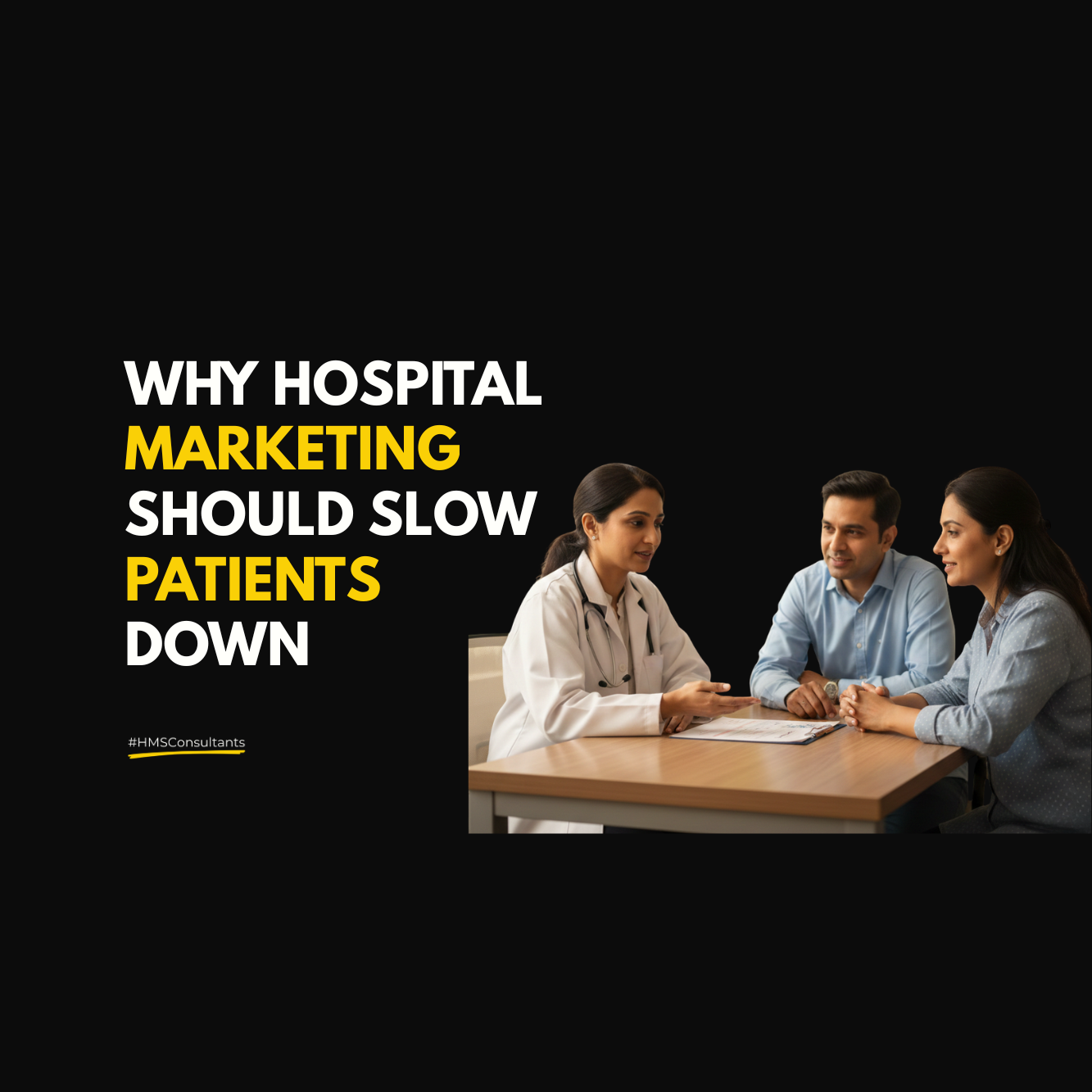
Marketing for hospitals works when patients feel guided, not rushed. Clear communication and patience build trust, helping decisions happen naturally.
Healthcare branding breaks when hospitals focus on appearance instead of experience. Trust is built through consistency, clarity, and real patient interactions.
Hospital marketing strategy fails when channels are chosen before patient decisions are understood. Growth improves when strategy reduces decision friction, not just increases...
Healthcare marketing strategy fails when hospitals copy competitors instead of understanding patient confusion. Imitation creates visibility, but only patient insight builds trust and...