

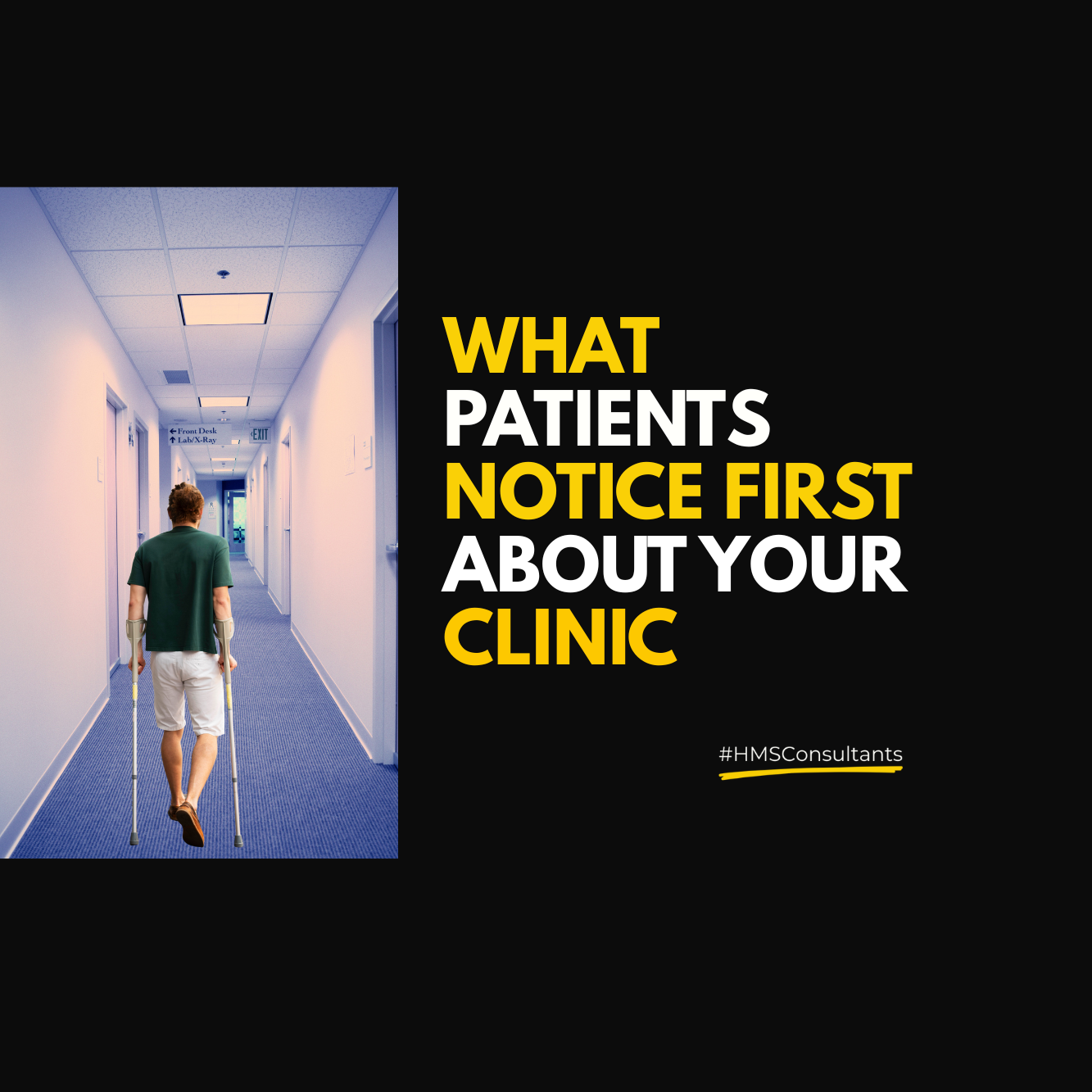
The Invisible Side of Healthcare Branding: What Patients See Without Saying
Patients notice more than treatments staff warmth, digital ease, cleanliness, and follow-ups shape...
Patients do not build opinions about hospitals while looking at logos. They build opinions while waiting, asking questions, receiving explanations, facing uncertainty, and making decisions under stress. These moments shape perception far more powerfully than any visual asset.
Healthcare branding is formed when a patient feels heard instead of rushed, when clarity replaces confusion, and when reassurance is offered at the right time. These experiences become stories patients share consciously or subconsciously with family, friends, and online communities.
Hospitals that focus only on visual branding often miss this deeper layer. They look polished but feel inconsistent. Patients notice this gap immediately, even if they cannot articulate it.
Corporate branding relies heavily on differentiation, recall, and emotional association. Healthcare branding operates under a different psychological contract. Patients are not looking for novelty or personality they are looking for safety, predictability, and trust.
This is why branding strategies borrowed from consumer industries often fail in healthcare. They prioritise attention over reassurance and uniqueness over reliability. In healthcare, excessive differentiation can actually increase anxiety.
Effective healthcare branding reduces uncertainty. It makes outcomes feel predictable, processes feel understandable, and decisions feel supported. This is why the strongest hospital brands often feel calm rather than exciting.
Many hospitals assign branding responsibility to marketing or design teams. This creates a structural problem. Branding in healthcare is expressed through clinical communication, front-desk behaviour, billing conversations, follow-ups, and discharge processes areas marketing teams do not fully control.
When branding is isolated within one department, inconsistency is inevitable. Visual messaging may promise care and clarity, while operational reality delivers confusion or urgency. Patients experience this as misalignment, not marketing failure.
Healthcare branding succeeds only when it is owned institution-wide and reinforced at every patient touchpoint.
Patients remember how they were treated far more clearly than what was promised. Over time, these memories form the hospital’s brand reputation.
A hospital may position itself as patient-centric, but if appointment systems feel chaotic or explanations feel rushed, the brand collapses at the point of experience. Conversely, hospitals with modest visibility but consistent experience often develop stronger reputations organically.
This is why healthcare branding cannot be separated from patient experience. Experience is not a support function; it is the brand delivery mechanism.
Strong healthcare branding reduces friction across the entire patient journey. Patients hesitate less, ask fewer repetitive questions, and feel more confident in decisions. Referrals increase because recommending the hospital feels safe. Staff perform better because expectations are clearer.
From a hospital growth perspective, branding that is rooted in experience lowers acquisition costs, improves conversion, and stabilises demand. Growth becomes less dependent on constant promotion and more dependent on reputation.
This is the compounding power of effective healthcare branding.
Hospitals that focus only on visual rebranding often find themselves repeating the exercise every few years. Each cycle promises renewed growth but delivers diminishing returns. Patients notice the polish but still experience inconsistency.
Over time, trust weakens. Marketing must work harder to compensate. Branding becomes an expense instead of an asset.
Superficial branding does not fail immediately. It fails gradually by not compounding.
Strong healthcare branding feels consistent across time, people, and situations. Patients encounter the same clarity online as they do in person. Communication feels aligned across departments. Expectations are set honestly and met reliably.
This consistency reassures patients at every stage. It also empowers teams, because behaviour aligns naturally with brand values instead of being forced through guidelines.
In such hospitals, branding stops being discussed frequently because it simply works.
Healthcare branding cannot be delegated entirely to marketing agencies or design teams. It requires leadership commitment to consistency, clarity, and patient-centred thinking.
Leaders shape how decisions are made, how staff are supported, and how trade-offs are handled. These decisions directly influence patient experience, and therefore brand perception.
Hospitals with strong brands are rarely accidental. They are intentionally designed from the top down and reinforced from the inside out.
In healthcare, branding is not what hospitals say about themselves. It is what patients believe after experiencing care.
Logos, colours, and taglines may attract attention, but they do not sustain trust. Trust is sustained through consistency, clarity, and behaviour.
Hospitals that understand healthcare branding stop chasing perception and start designing experience. Over time, this approach creates institutions that patients recognise, trust, and return to not because of how they look, but because of how they feel.
That is the only kind of healthcare branding that truly lasts.
Healthcare branding is the process of shaping how patients perceive, trust, and experience a hospital or healthcare provider. It goes beyond logos and visuals and is formed through patient interactions, communication clarity, staff behaviour, and overall care experience across the patient journey.
Healthcare branding is important because patients choose hospitals based on trust, safety, and reassurance rather than promotions. Strong healthcare branding reduces patient hesitation, improves decision confidence, increases referrals, and supports long-term hospital growth.
No. Healthcare branding is not limited to logos, colours, or taglines. While visual identity supports recognition, true healthcare branding is built through consistent patient experience, clear communication, ethical behaviour, and reliability at every touchpoint.
Healthcare branding affects patient trust by shaping expectations before the first visit and reinforcing confidence during care delivery. When branding aligns with actual experience, patients feel safer, better informed, and more willing to proceed with treatment and follow-ups.
Healthcare branding focuses on long-term trust and perception, while hospital marketing focuses on visibility and reach. Marketing attracts attention, but healthcare branding ensures that attention converts into trust, loyalty, and repeat engagement.
Healthcare branding is a leadership responsibility, not just a marketing function. While marketing teams manage communication, branding is reinforced by doctors, nurses, front-desk staff, operations, and leadership decisions that shape patient experience.
Yes. Effective healthcare branding improves hospital growth by reducing marketing dependency, improving conversion rates, increasing patient referrals, and strengthening long-term reputation. Hospitals with strong brands experience more stable and predictable growth.
Healthcare branding efforts fail when they focus only on visuals and ignore patient experience. Rebranding without improving communication, systems, or consistency creates a gap between promise and reality, which weakens trust instead of building it.
Healthcare branding is a long-term process. While perception may start changing early, meaningful results such as improved patient trust, referrals, and loyalty typically build over time through consistent experience and communication.
Hospitals can strengthen healthcare branding by improving clarity in patient communication, aligning staff behaviour with values, reducing friction in processes, and ensuring consistency across all patient touchpoints. These changes often have a greater impact than visual redesigns.
Share your details below and we will connect with you to discuss your growth strategy.
Patients notice more than treatments staff warmth, digital ease, cleanliness, and follow-ups shape...
Referrals are healthcare’s most trusted growth channel. This guide shows how clinics and...
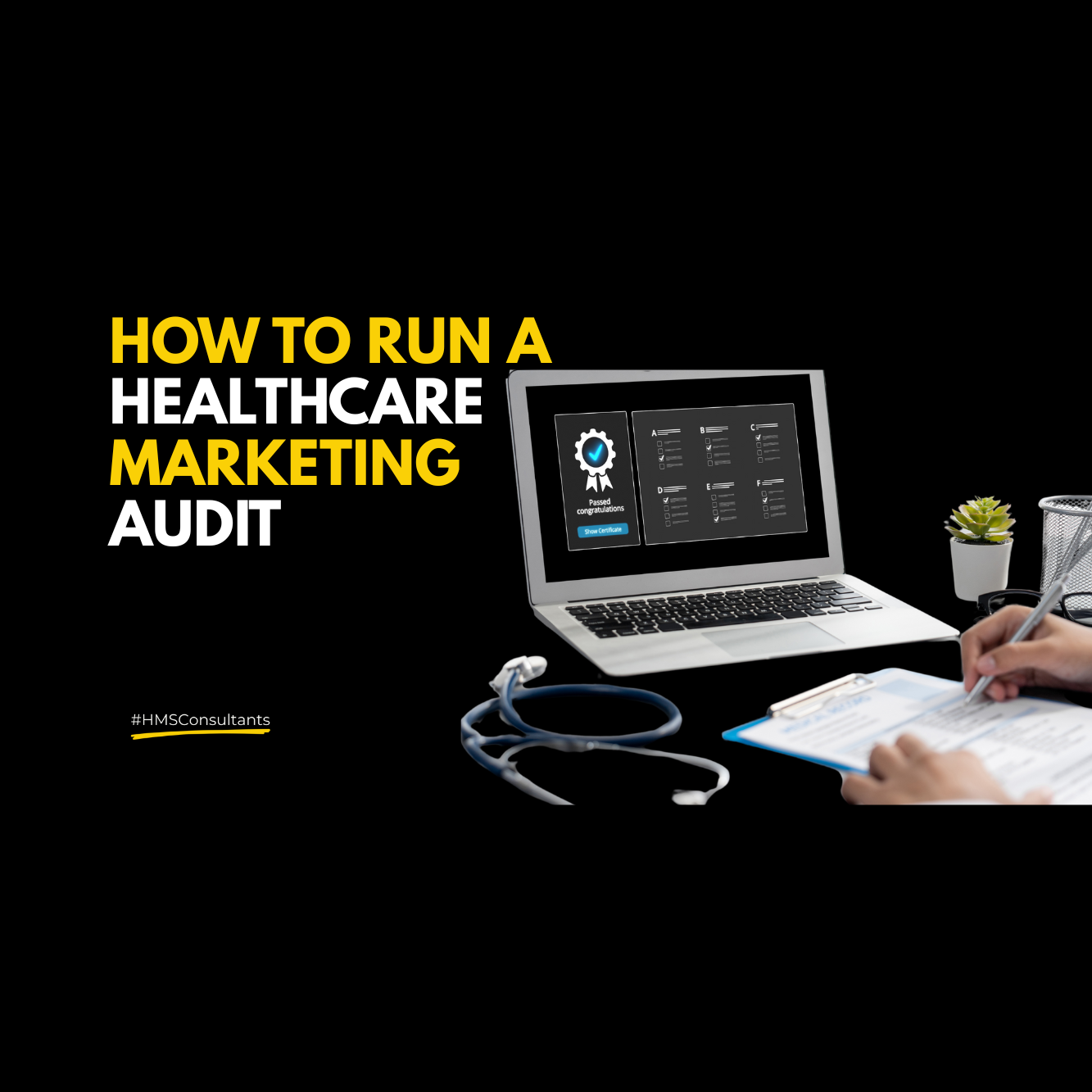
A step-by-step guide to auditing your healthcare marketing strategy. Fix visibility gaps, enhance...

Stop chasing vanity metrics. Learn how real healthcare growth comes from tracking conversions,...

Positive Google reviews build credibility, but do they actually bring patients? Discover why...

Most healthcare startups don’t fail due to bad products but due to weak...